Tag: cable

  • 16 local among 350 channels’ network launched in Jammu

    16 local among 350 channels’ network launched in Jammu

    MUMBAI: Another cable network Time-N-Tune (TNT) has been launched in the Jammu region in a move to connect the masses with the cable network system. The TNT management said it would endeavor to promote Jammu’s heritage and language.

    J&K minister Bali Bhagat formally launched the network at Talab Tillo in Jammu. Several personalities including Kashmir Times group editor-in-chief Prabodh Jamwal graced the occasion, Kashmir Times reported.

    In the initial phase, the network would offer a package of 350-plus channels, including 16 local channels comprising entertainment, news and regional languages such as Kashmiri and Dogri. The number of channels and services would gradually be be increased depending on the feedback.

    TNT proprietor Paras Magotra said that initially the reach would be within urban areas of Jammu, and would slowly extend to towns and rural areas. The primary focus would be on quality programmes as per the taste of the viewers.

    During the launch, Bhagat hailed Magotra for venturing into the field of knowledge and entertainment. He called upon the management to focus on quality programmes. Bhagat, appreciating the role of media, appreciated the fourth pillar of democracy for playing its role as per the people’s mandate.

  • Ortel plans Rs 300 cr investment to improve efficiency & reach

    Ortel plans Rs 300 cr investment to improve efficiency & reach

    MUMBAI: Odisha’s largest multi-system operator (MSO) Ortel Communications plans to invest Rs 300 crore on expansion over the next two years. Ortel CEO BP Rath said it would utilise IPO proceeds, internal accrual, debt and equity to meet its need.

    Ortel, a regional cable television service-provider, is engaged in the distribution of analog and digital cable television services, high-speed broadband services & Voice over Internet Protocol services. Currently focused in the states of Orissa, Chhattishgarh, Andra Pradesh, Telangana, Madhya Pradesh & West Bengal, Ortel focuses on building a two-way state-of-the-art communication network enabled for ‘Triple Play’ services (video , data, and voice capabilities) with control over the ‘last mile’ .

    Rath said that Ortel would be making the investment on upgrading and expansing its infrastructure. The investment would help strengthen Ortel’s efficiency, reach and competitiveness. Ortel, which manages 90 per cent of its subscribers directly, in September last year, had a subs base of around 805,000.

    Also Read:

    BSNL leader in wireline b’band subs addition in Oct-16; Jio joins top five wireless list

    MSO Ortel strengthens digital payment services

    Q1-17: Infrastructure leasing segment pulls down Ortel’s numbers


  • Ortel plans Rs 300 cr investment to improve efficiency & reach

    Ortel plans Rs 300 cr investment to improve efficiency & reach

    MUMBAI: Odisha’s largest multi-system operator (MSO) Ortel Communications plans to invest Rs 300 crore on expansion over the next two years. Ortel CEO BP Rath said it would utilise IPO proceeds, internal accrual, debt and equity to meet its need.

    Ortel, a regional cable television service-provider, is engaged in the distribution of analog and digital cable television services, high-speed broadband services & Voice over Internet Protocol services. Currently focused in the states of Orissa, Chhattishgarh, Andra Pradesh, Telangana, Madhya Pradesh & West Bengal, Ortel focuses on building a two-way state-of-the-art communication network enabled for ‘Triple Play’ services (video , data, and voice capabilities) with control over the ‘last mile’ .

    Rath said that Ortel would be making the investment on upgrading and expansing its infrastructure. The investment would help strengthen Ortel’s efficiency, reach and competitiveness. Ortel, which manages 90 per cent of its subscribers directly, in September last year, had a subs base of around 805,000.

    Also Read:

    BSNL leader in wireline b’band subs addition in Oct-16; Jio joins top five wireless list

    MSO Ortel strengthens digital payment services

    Q1-17: Infrastructure leasing segment pulls down Ortel’s numbers


  • High profile executive departures in 2016

    High profile executive departures in 2016

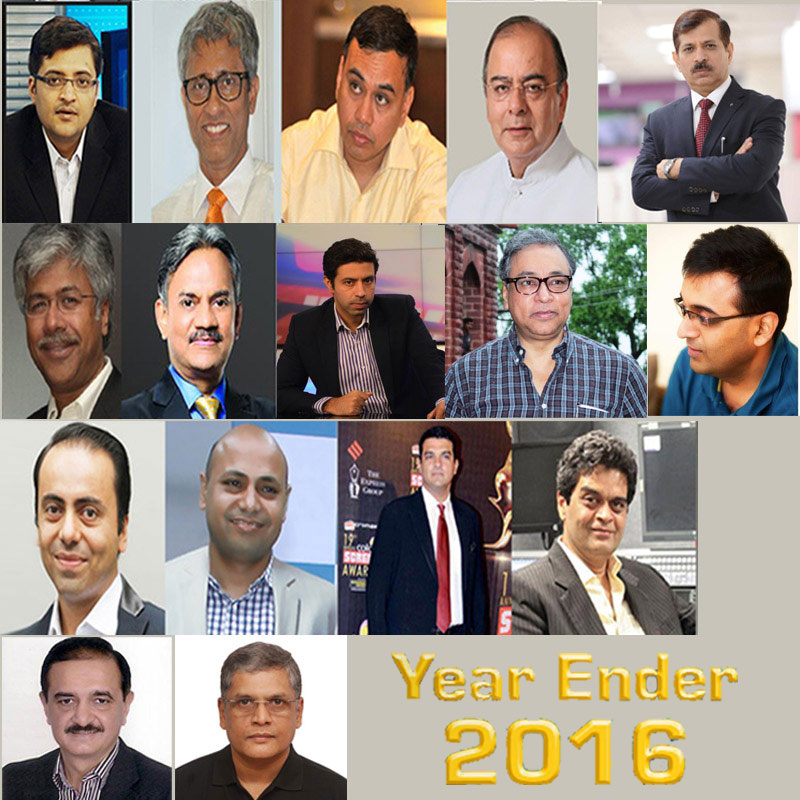
    MUMBAI/NEW DELHI: As the year comes to a close, let’s take a dekko at the major parting of ways between individuals and companies and also in companies themselves that hit the Indian broadcast, cable, satellite TV sectors. The list is definitely not comprehensive but the effort has been to try and cover what we at indiantelevision.com consider major split ups, including in the government.

    Arun Jaitley: One of the most powerful politicians in the country was entrusted by PM Modi some very important portfolios when the BJP-led government came to power mid-2014.

    In a cabinet reshuffle in November 2014, Jaitley was also handed the important ministry of information & broadcasting (MIB) and he headed three ministries at one time, including the all-powerful Ministry of Finance.

    However mid-2016, MIB was handed to M. Venkaiah Naidu. Critics said it was PM’s way of sending a message to Jaitley, but with three ministries under him, it was asking too much from the man even as brilliant as he is. Jaitley retains the portfolios of  Corporate Affairs and Finance — and, probably, could turn out to be PM Modi’s best lieutenant in the all-out war on black economy declared via  demonetisation of high-value currency notes and other proposed measures .  

    Jawhar Sircar: A senior bureaucrat-academecian, he quit the government to take up in 2012 the challenging post of CEO of India’s pubcaster Prasar Bharati, overseeing the monolithic Doordarshan and the widely-reached All India Radio.

    An outspoken person and a hard taskmaster, Sircar attempted to bring about a revolution in Prasar Bharati’s way of functioning and improve its revenue and reach.

    Partially successful, he met with lot of resistance trying to change a slothful giant. In private, he admitted that what frustrated him was that the pubcaster is manned by a bunch corrupt, no-good, job-for-life-security-seeking blokes, who wanted to retain the status quo.

    With his tenure scheduled to end in first quarter of 2017, a “tired” Sircar (as per his own admissions on social media) finally threw in the towel and sought early retirement in October 2016, which was granted by the government. Sircar returned to his home base in Kolkata to lead a  retired life and giving talks on issues related to primarily arts. 

    Arnab Goswami: The popular anchor had made shouting out his guests as the trademark of his prime time show – News Hour on Times Now. So one only expected his departure to be as noisy – though it was unfathomable by many who thought he and the channel were one – conjoined at the hip.

    And Arnab did not disappoint. The media went berserk: mainline and trade portals, social media, could not stop talking about his departure for weeks, months, and they have not stopped even as the year is coming to a close.

    Goswami’s new venture, believed to be on the cutting edge of technology — and news – is christened Republic.

    Ashok Venkatramani: The CEO of ABP News saw the news network being reinvented, rebranded and recreated from Star News to ABP News a few years ago without losing viewership and business. Venkatramani strengthened the companys financials, brough in systems and rigour making ABP News a viable business operation. He improved the company’s margins, keeping costs under control, even as he expanded ABP News Network’s portfolio to five TV channels, six mobile products, six websites and three additional revenue verticals. Venkatramani quietly resigned without any hullabaloo in November after serving out his notice period. He was replaced by Atideb Sarkar, the son of ABP editor in chief Arup Sarkar.

    Rahul Shivshankar: He left News X in November 2016 to fill the the big shoes left behind by Arnab Goswami. The Kartikeya Sharma owned NewsX flourished under his ediorial leadershup of three years during the TAM era. The journey after BARC’s evolution was not  as good, but the former Headlines Today journalist has his own following.

    Known to be an insightful, incisive journalist, Shivshankar joined Times Now on 15 December as Chief Editor, returning to the company after six years.

    Shivshankar was Senior Editor in his previous stint at the Times Now. And he seems to have done well as Arnab’s replacement. Times Television Network CEO MK Anand has come on record to state that the news network’s viewership share has stayed intact, unaffected by the larger than life news anchor’s departure.

    Sameer Ahluwalia: In one of the more controversial moves, Zee Business head Sameer Ahluwalia parted ways with Zee Media Corp Ltd (ZMCL)  Ahluwalia was associated with the Zee Network for 19 years  and was known to be a close confidante of ZMCL chairman Subhash Chandra.

    Samir’s name was embroiled in the case of the alleged extortion of Rs 100 crore along with Zee News Editor-in-chief Sudheer Chaudhary. To make matters clear, the management had immediately accepted his resignation.

    RK Arora: Zee Media has seen a lot of changes in 2016, with RK Arora being one of those who made an entry and then an exit. Known for his industry acumen and powerful contacts, RK Arora quit Zee Media as executive director and chief cxecutive officer after a stint of around 15 months.

    Arora had joined Zee in May 2015 and parted ways in August 2016. The former News Nation strategic and operational head and ITV Network senior executive has moved onto a new venture JK Media and got into the business of running television news once again.

    Zee Media Group CEO News cluster Bhaskar Das: Leadership to him means delivering outcomes and not outputs. Identifying and mitigating pain-points come naturally to him. With a career spanning over three years, he was responsible for driving up the revenue of all news channels from the cluster that includes channels such as Zee News, Zee Business, Zee 24 Taas (Marathi) and 24 Ghanta (Bengali).

    Earlier this year, he was moved to Zee Entertainment’s media sales arm, Zee Unimedia. As the president and chief growth and innovation officer, he heads the group’s news business operations, including the digital properties.

    CNBC TV18 CEO Anil Uniyal: After working with the TV18 Broadcast for more than 15 years, Uniyal decided to hop on to the Raghav Bahl-Bloomberg venture. An insight provocateur, catalyst, a leader, he  served the network in various positions such as business director for Forbes, head of TV 18 Media operations, COO for Network 18 and lastly CEO for CNBC TV 18 and CNBC Awaaz. Uniyal joined as the CEO to lead Bahl’s joint venture with  Bloomberg.

    CNBC Awaaz and CNBC Bazaar editor Sanjay Pugalia: Right after the exit of Uniyal, Pugalia called it a day at Network18. He moved on after 12 years as editor of CNBC Awaaz and CNBC Bajar. Further, under his leadership CNBC Awaaz went to the number 1 position in its segment. Pugalia played an important role in the launch of Star News in India. He went on to join as president and editorial director of both, Raghav Bahl’s The Quint and Bloomberg Quint.

    India TV  CEO Paritosh Joshi: It’s all about respect and relationships for him. Acting as a strategist at India TV since 2012, he was brought on board as CEO in November 2015. While everyone hoped that this would be a long association, it was clearly taxing for him as he continued to commute between two metros. He has completed the circle and is back to being a strategist. The primary reason behind his exit was to return to his family in Mumbai. After quitting as the CEO of Star CJ Network in 2012, Joshi planned on starting his own venture in the media and entertainment space. He founded Principal, an advisory to advise clients on corporate strategy, marketing, revenue enhancement and other issues.

    Zee Digital Debashish Ghosh: With the explosion in the OTT and VOD ecosystem, opportunities are coming a-plenty for professionals. Zee Digital Convergence CEO Debashish Ghosh put in his papers at Zee Digital and hopped on board the Chinese tech and consumer electronics major LeEco. The salt and pepper coloured hair head took over as the new COO at LeEco’s India outfit in June 2016. While at Zee, he had taken charge of all the digital businesses of the Essel Group in India as CEO and whole time board director of India.com network in February 2013. He started his career with the Times of India Group in 1990 and worked as head of technology and advertising operations to becoming Times Business Solutions CEO in 2012.

    Zee TV Business Head Pradeep Hejmadi: From a broadcasting company to an audience measurement system and back to broadcasting, Hejmadi has seen it all. With multi-dimensional understanding of the media businesses, he moved from Nickelodeon India as director for business and operations to spearhead TAM media research as senior VP. He was responsible for revenue generation, client management, new business development and new product development. In July 2014, Zee Entertainment Enterprises Ltd (Zeel) appointed him as the business head of its flagship Hindi entertainment channel Zee TV.  Hejmadi called his last at Zee in May  2016 after spending two years with the company.

    Disney India CEO Siddharth Roy Kapur:  Kapur was one of the newsmakers  of the year 2016. He is married to the beuatiful Vidya Balan and his brothrs Aditya and Kunal have made a mark for themselves in Bollywood as on-screen talent.

    Siddharth quit Disney India as managing director in October to explore his own business interests. He was replaced by Mahesh Samat, the former CEO, who returned to the position that he held between 2008 and 2012, and officially took charge on November 28.

    While working for the company, Kapur introduced the Indian Broadway version of the timeless classic ‘Beauty and the Beast’, which was a huge success, apart from launching a slate of Bollywood projects for the studio and fine tuning the network’s channel bouquet.

    He joined UTV in 2005, took over as chief executive officer of UTV Motion Pictures in 2008 and after the integration of UTV with The Walt Disney Co. (India) in 2012, held the role of managing director-studios.

    He was promoted as managing director of Disney India in 2014.


    S.N. Sharma: He left a company he helped cofound to assist Reliance Industries boss Mukesh Ambani’s Jio to roll out a national cable TV and broadband network. But earlier this year, cable vet SN Sharma quit Jio to go back to his  original home DEN Networks.

    His former boss  Sameer Manchanda gave him a call and told him he needed his help to whip the floundering national MSO into shape. SN – not one to ignore a challenge – took up the assignment. Pradeep Parmeswaran the DEN CEO stepped down,  paving  the way for Sharma to come back, and continued  as an advisor to the company.

    Sharma has his task cut out but he has been taking strong but effective  steps with the company’s national jont ventures and he is steering it strongly into broadband. He  has confessed his stint at Reliance Jio has imbibed in him a telecom rigour which should go a long way in helping steer  DEN Networks into the fast lane.


    Jagdish Kumar Pillai: The buzz was anyway gaining in strength; that Jagdish Kumar was counting his days at the national MSO – probably the most respected nationally. And that he had got the go-ahead to depart from both the Hathway Cable & Datacom management and director Viren Raheja who has been spearheading his father Rajan  Rahejas’s  cable TV venture.

    With cable TV ARPUs being restrained the company is being restructured with Jagidish quitting and being replaced by Hathway broadband president  Rajan Gupta who was named the managing director. President – video business T. Panesar was also elevated as CEO-video business.

    Jagdish who was with the MSO for around half a decade said he was taking a sabbatical before making his  next move.
     

  • High profile executive departures in 2016

    High profile executive departures in 2016

    MUMBAI/NEW DELHI: As the year comes to a close, let’s take a dekko at the major parting of ways between individuals and companies and also in companies themselves that hit the Indian broadcast, cable, satellite TV sectors. The list is definitely not comprehensive but the effort has been to try and cover what we at indiantelevision.com consider major split ups, including in the government.

    Arun Jaitley: One of the most powerful politicians in the country was entrusted by PM Modi some very important portfolios when the BJP-led government came to power mid-2014.

    In a cabinet reshuffle in November 2014, Jaitley was also handed the important ministry of information & broadcasting (MIB) and he headed three ministries at one time, including the all-powerful Ministry of Finance.

    However mid-2016, MIB was handed to M. Venkaiah Naidu. Critics said it was PM’s way of sending a message to Jaitley, but with three ministries under him, it was asking too much from the man even as brilliant as he is. Jaitley retains the portfolios of  Corporate Affairs and Finance — and, probably, could turn out to be PM Modi’s best lieutenant in the all-out war on black economy declared via  demonetisation of high-value currency notes and other proposed measures .  

    Jawhar Sircar: A senior bureaucrat-academecian, he quit the government to take up in 2012 the challenging post of CEO of India’s pubcaster Prasar Bharati, overseeing the monolithic Doordarshan and the widely-reached All India Radio.

    An outspoken person and a hard taskmaster, Sircar attempted to bring about a revolution in Prasar Bharati’s way of functioning and improve its revenue and reach.

    Partially successful, he met with lot of resistance trying to change a slothful giant. In private, he admitted that what frustrated him was that the pubcaster is manned by a bunch corrupt, no-good, job-for-life-security-seeking blokes, who wanted to retain the status quo.

    With his tenure scheduled to end in first quarter of 2017, a “tired” Sircar (as per his own admissions on social media) finally threw in the towel and sought early retirement in October 2016, which was granted by the government. Sircar returned to his home base in Kolkata to lead a  retired life and giving talks on issues related to primarily arts. 

    Arnab Goswami: The popular anchor had made shouting out his guests as the trademark of his prime time show – News Hour on Times Now. So one only expected his departure to be as noisy – though it was unfathomable by many who thought he and the channel were one – conjoined at the hip.

    And Arnab did not disappoint. The media went berserk: mainline and trade portals, social media, could not stop talking about his departure for weeks, months, and they have not stopped even as the year is coming to a close.

    Goswami’s new venture, believed to be on the cutting edge of technology — and news – is christened Republic.

    Ashok Venkatramani: The CEO of ABP News saw the news network being reinvented, rebranded and recreated from Star News to ABP News a few years ago without losing viewership and business. Venkatramani strengthened the companys financials, brough in systems and rigour making ABP News a viable business operation. He improved the company’s margins, keeping costs under control, even as he expanded ABP News Network’s portfolio to five TV channels, six mobile products, six websites and three additional revenue verticals. Venkatramani quietly resigned without any hullabaloo in November after serving out his notice period. He was replaced by Atideb Sarkar, the son of ABP editor in chief Arup Sarkar.

    Rahul Shivshankar: He left News X in November 2016 to fill the the big shoes left behind by Arnab Goswami. The Kartikeya Sharma owned NewsX flourished under his ediorial leadershup of three years during the TAM era. The journey after BARC’s evolution was not  as good, but the former Headlines Today journalist has his own following.

    Known to be an insightful, incisive journalist, Shivshankar joined Times Now on 15 December as Chief Editor, returning to the company after six years.

    Shivshankar was Senior Editor in his previous stint at the Times Now. And he seems to have done well as Arnab’s replacement. Times Television Network CEO MK Anand has come on record to state that the news network’s viewership share has stayed intact, unaffected by the larger than life news anchor’s departure.

    Sameer Ahluwalia: In one of the more controversial moves, Zee Business head Sameer Ahluwalia parted ways with Zee Media Corp Ltd (ZMCL)  Ahluwalia was associated with the Zee Network for 19 years  and was known to be a close confidante of ZMCL chairman Subhash Chandra.

    Samir’s name was embroiled in the case of the alleged extortion of Rs 100 crore along with Zee News Editor-in-chief Sudheer Chaudhary. To make matters clear, the management had immediately accepted his resignation.

    RK Arora: Zee Media has seen a lot of changes in 2016, with RK Arora being one of those who made an entry and then an exit. Known for his industry acumen and powerful contacts, RK Arora quit Zee Media as executive director and chief cxecutive officer after a stint of around 15 months.

    Arora had joined Zee in May 2015 and parted ways in August 2016. The former News Nation strategic and operational head and ITV Network senior executive has moved onto a new venture JK Media and got into the business of running television news once again.

    Zee Media Group CEO News cluster Bhaskar Das: Leadership to him means delivering outcomes and not outputs. Identifying and mitigating pain-points come naturally to him. With a career spanning over three years, he was responsible for driving up the revenue of all news channels from the cluster that includes channels such as Zee News, Zee Business, Zee 24 Taas (Marathi) and 24 Ghanta (Bengali).

    Earlier this year, he was moved to Zee Entertainment’s media sales arm, Zee Unimedia. As the president and chief growth and innovation officer, he heads the group’s news business operations, including the digital properties.

    CNBC TV18 CEO Anil Uniyal: After working with the TV18 Broadcast for more than 15 years, Uniyal decided to hop on to the Raghav Bahl-Bloomberg venture. An insight provocateur, catalyst, a leader, he  served the network in various positions such as business director for Forbes, head of TV 18 Media operations, COO for Network 18 and lastly CEO for CNBC TV 18 and CNBC Awaaz. Uniyal joined as the CEO to lead Bahl’s joint venture with  Bloomberg.

    CNBC Awaaz and CNBC Bazaar editor Sanjay Pugalia: Right after the exit of Uniyal, Pugalia called it a day at Network18. He moved on after 12 years as editor of CNBC Awaaz and CNBC Bajar. Further, under his leadership CNBC Awaaz went to the number 1 position in its segment. Pugalia played an important role in the launch of Star News in India. He went on to join as president and editorial director of both, Raghav Bahl’s The Quint and Bloomberg Quint.

    India TV  CEO Paritosh Joshi: It’s all about respect and relationships for him. Acting as a strategist at India TV since 2012, he was brought on board as CEO in November 2015. While everyone hoped that this would be a long association, it was clearly taxing for him as he continued to commute between two metros. He has completed the circle and is back to being a strategist. The primary reason behind his exit was to return to his family in Mumbai. After quitting as the CEO of Star CJ Network in 2012, Joshi planned on starting his own venture in the media and entertainment space. He founded Principal, an advisory to advise clients on corporate strategy, marketing, revenue enhancement and other issues.

    Zee Digital Debashish Ghosh: With the explosion in the OTT and VOD ecosystem, opportunities are coming a-plenty for professionals. Zee Digital Convergence CEO Debashish Ghosh put in his papers at Zee Digital and hopped on board the Chinese tech and consumer electronics major LeEco. The salt and pepper coloured hair head took over as the new COO at LeEco’s India outfit in June 2016. While at Zee, he had taken charge of all the digital businesses of the Essel Group in India as CEO and whole time board director of India.com network in February 2013. He started his career with the Times of India Group in 1990 and worked as head of technology and advertising operations to becoming Times Business Solutions CEO in 2012.

    Zee TV Business Head Pradeep Hejmadi: From a broadcasting company to an audience measurement system and back to broadcasting, Hejmadi has seen it all. With multi-dimensional understanding of the media businesses, he moved from Nickelodeon India as director for business and operations to spearhead TAM media research as senior VP. He was responsible for revenue generation, client management, new business development and new product development. In July 2014, Zee Entertainment Enterprises Ltd (Zeel) appointed him as the business head of its flagship Hindi entertainment channel Zee TV.  Hejmadi called his last at Zee in May  2016 after spending two years with the company.

    Disney India CEO Siddharth Roy Kapur:  Kapur was one of the newsmakers  of the year 2016. He is married to the beuatiful Vidya Balan and his brothrs Aditya and Kunal have made a mark for themselves in Bollywood as on-screen talent.

    Siddharth quit Disney India as managing director in October to explore his own business interests. He was replaced by Mahesh Samat, the former CEO, who returned to the position that he held between 2008 and 2012, and officially took charge on November 28.

    While working for the company, Kapur introduced the Indian Broadway version of the timeless classic ‘Beauty and the Beast’, which was a huge success, apart from launching a slate of Bollywood projects for the studio and fine tuning the network’s channel bouquet.

    He joined UTV in 2005, took over as chief executive officer of UTV Motion Pictures in 2008 and after the integration of UTV with The Walt Disney Co. (India) in 2012, held the role of managing director-studios.

    He was promoted as managing director of Disney India in 2014.


    S.N. Sharma: He left a company he helped cofound to assist Reliance Industries boss Mukesh Ambani’s Jio to roll out a national cable TV and broadband network. But earlier this year, cable vet SN Sharma quit Jio to go back to his  original home DEN Networks.

    His former boss  Sameer Manchanda gave him a call and told him he needed his help to whip the floundering national MSO into shape. SN – not one to ignore a challenge – took up the assignment. Pradeep Parmeswaran the DEN CEO stepped down,  paving  the way for Sharma to come back, and continued  as an advisor to the company.

    Sharma has his task cut out but he has been taking strong but effective  steps with the company’s national jont ventures and he is steering it strongly into broadband. He  has confessed his stint at Reliance Jio has imbibed in him a telecom rigour which should go a long way in helping steer  DEN Networks into the fast lane.


    Jagdish Kumar Pillai: The buzz was anyway gaining in strength; that Jagdish Kumar was counting his days at the national MSO – probably the most respected nationally. And that he had got the go-ahead to depart from both the Hathway Cable & Datacom management and director Viren Raheja who has been spearheading his father Rajan  Rahejas’s  cable TV venture.

    With cable TV ARPUs being restrained the company is being restructured with Jagidish quitting and being replaced by Hathway broadband president  Rajan Gupta who was named the managing director. President – video business T. Panesar was also elevated as CEO-video business.

    Jagdish who was with the MSO for around half a decade said he was taking a sabbatical before making his  next move.
     

  • 21st Century Fox buys out Sky in USD 14.8-bn deal

    21st Century Fox buys out Sky in USD 14.8-bn deal

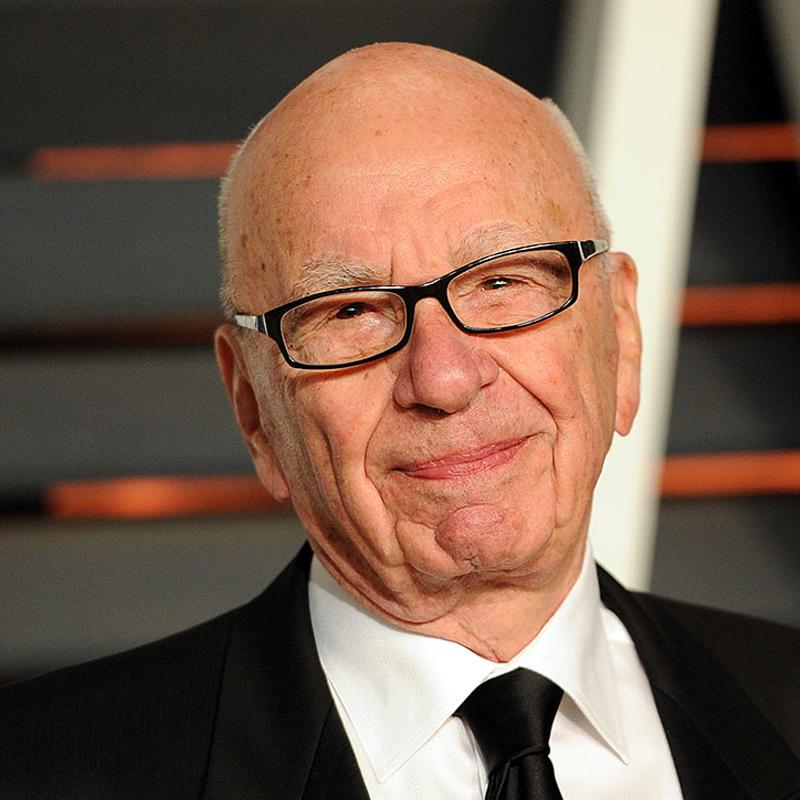
    MUMBAI: 21st Century Fox has stated that Sky had agreed to a takeover offer worth USD 14.8 billion as the media tycoon Rupert Murdoch attempts to create a global media giant stretch across the U.K., U.S, and Europe.

    21st Century Fox is one of the world’s largest entertainment companies, with a broad portfolio of broadcast, cable, pay TV, film, and satellite assets across six continents.

    Fox group said in a statement that it had reached an agreement with Sky plc on the terms of a recommended pre-conditional cash offer to buy the rest of the European pay broadcaster, beyond the 39 per cent it already owns. The deal is worth USD 14.8 billion (Rs 1004 billion) in total for the cash purchase, the statement said. The terms of the formal offer, Sky News stated, would mean Fox paying 10.75 pounds per Sky share, for the remainder 61% of Sky.

    The new deal will create an improved balance between affiliate fee, subscription, advertising and content revenues.

    Fox’ cable and broadcasting properties include include STAR India, Fox News Channel, Fox Business Network, FOX, National Geographic Channels, 28 television stations in the U.S and over 300 international channels.

  • 21st Century Fox buys out Sky in USD 14.8-bn deal

    21st Century Fox buys out Sky in USD 14.8-bn deal

    MUMBAI: 21st Century Fox has stated that Sky had agreed to a takeover offer worth USD 14.8 billion as the media tycoon Rupert Murdoch attempts to create a global media giant stretch across the U.K., U.S, and Europe.

    21st Century Fox is one of the world’s largest entertainment companies, with a broad portfolio of broadcast, cable, pay TV, film, and satellite assets across six continents.

    Fox group said in a statement that it had reached an agreement with Sky plc on the terms of a recommended pre-conditional cash offer to buy the rest of the European pay broadcaster, beyond the 39 per cent it already owns. The deal is worth USD 14.8 billion (Rs 1004 billion) in total for the cash purchase, the statement said. The terms of the formal offer, Sky News stated, would mean Fox paying 10.75 pounds per Sky share, for the remainder 61% of Sky.

    The new deal will create an improved balance between affiliate fee, subscription, advertising and content revenues.

    Fox’ cable and broadcasting properties include include STAR India, Fox News Channel, Fox Business Network, FOX, National Geographic Channels, 28 television stations in the U.S and over 300 international channels.

  • Content a ‘Game of Thrones’;  AT&T’s control over HBO, Cartoon Network, Warner Bros faces regulatory lens

    Content a ‘Game of Thrones’; AT&T’s control over HBO, Cartoon Network, Warner Bros faces regulatory lens

    MUMBAI: The global media landscape is resulting in a new juggernaut as an internet and cable behemoth yesterday purchased an entertainment conglomerate making the former unmatched in its size and reach to consumers through home broadband, smartphones, satellite television and a battery of movies and cable channels. This deal could lead to more cautionary flags than Comcast’s merger with NBCUniversal in 2009.

    The US$ 108.7-billion AT&T, Time Warner merger has been met with suspicion as analysts raised antitrust concerns that it would create unfair pricing and lead to further media consolidation. The
    cash-and-stock deal values Time Warner – with CNN, HBO, and Warner Bros Studios – at over $85 billion, and involves AT&T taking on its debt.

    AT&T, over a year ago, became the nation’s largest pay-TV operator when it acquired DirecTV. Now, Time Warner would give AT&T HBO, CNN, TBS, TNT, Cartoon Network and Warner Bros., Hollywood’s biggest television and film studio. The massive deal has become a subject of discussion in the US presidential campaign. Donald J. Trump, condemning the deal, said he would block it if he were the president, “because it’s too much concentration of power in the hands of too few.” Hillary Clinton has assured to be tough on consolidation and corporate megapowers.

    Although the latest merger is considered “vertical integration” as the two broadly do not compete against each other as compared to other “horizontal integration” of similar businesses, regulators could look at other ways AT&T might affect the media ecosystem if the deal were to consummate.

    AT&T may possibly make it more expensive for its competitors to gain access to HBO or Time Warner’s content or give preferential treatment to its own programming.

    A brief history of media/telecom deals

    1995
    Turner Broadcasting System and Time Warner announced a $7.5-billion merger, bringing together brands including Warner Brothers, CNN, Time magazine, and the Cartoon Network.

    2000
    AOL announced its plan to buy Time Warner for over $160 billion.

    2005
    SBC Corporation acquired AT&T for over $16 billion.

    2008
    Time Warner spins off its cable unit, which becomes Time Warner Cable (not a part of the current deal).

    2009
    Time Warner spins off AOL.

    2011
    Comcast receives regulatory nod for its $30-billion bid to buy a majority stake in NBCUniversal. Comcast took over NBCUniversalm completely in 2013, as GE divested its stake.

    2013
    Time Warner spins off its Time Inc magazine division.

    2014
    Verizon buys out Vodafone’s stake in Verizon Wireless for $130 billion, gaining complete ownership. Time Warner turns down $ 80-billion bid from Twenty-First Century Fox.

    2015
    Comcast drops its $45-billion bid to buy Time Warner Cable after the regulator opposes the merger over concerns of creating an Internet provider and a cable operator with too much control. Verizon purchases for $4.4 billion. AT&T gets government nod to purchase the satellite TV company DirecTV creating one of the largest pay-TV servicen providers to compete with Comcast.

    2016

    Regulators approved US$ 88-billion merger of Charter Communications with Time Warner Cable and Bright House Networks, creating the third-largest video provider and the second-largest broadband
    provider. (Comcast purchased DreamWorks Animation for $3.8 billion to compete against Disney.) Time Warner bought a 10 per cent stake in Hulu for $583 million.

    Yahoo and Verizon announced a $4.8-billion merger that would give the latter ownership of the former’s Internet assets. AT&T acquires Time Warner.

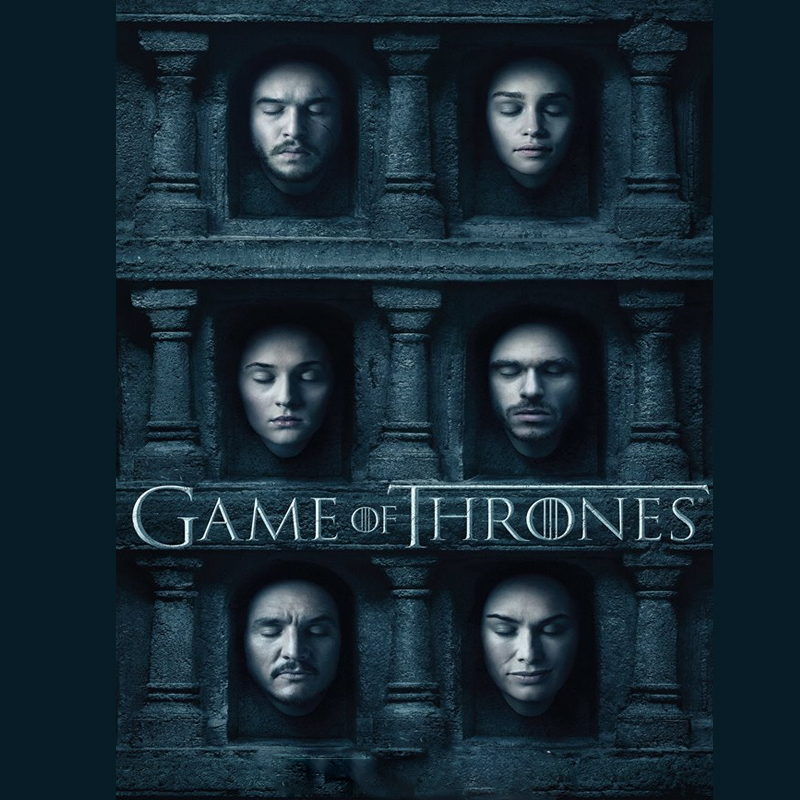
    Regulators could seek promises from AT&T and Time Warner to make content from HBO like “Game of Thrones” or cable networks like CNN available through apps or through streaming, not withholding them from competitors, which could be addressed in conditions attached to an approval.

  • Content a ‘Game of Thrones’;  AT&T’s control over HBO, Cartoon Network, Warner Bros faces regulatory lens

    Content a ‘Game of Thrones’; AT&T’s control over HBO, Cartoon Network, Warner Bros faces regulatory lens

    MUMBAI: The global media landscape is resulting in a new juggernaut as an internet and cable behemoth yesterday purchased an entertainment conglomerate making the former unmatched in its size and reach to consumers through home broadband, smartphones, satellite television and a battery of movies and cable channels. This deal could lead to more cautionary flags than Comcast’s merger with NBCUniversal in 2009.

    The US$ 108.7-billion AT&T, Time Warner merger has been met with suspicion as analysts raised antitrust concerns that it would create unfair pricing and lead to further media consolidation. The
    cash-and-stock deal values Time Warner – with CNN, HBO, and Warner Bros Studios – at over $85 billion, and involves AT&T taking on its debt.

    AT&T, over a year ago, became the nation’s largest pay-TV operator when it acquired DirecTV. Now, Time Warner would give AT&T HBO, CNN, TBS, TNT, Cartoon Network and Warner Bros., Hollywood’s biggest television and film studio. The massive deal has become a subject of discussion in the US presidential campaign. Donald J. Trump, condemning the deal, said he would block it if he were the president, “because it’s too much concentration of power in the hands of too few.” Hillary Clinton has assured to be tough on consolidation and corporate megapowers.

    Although the latest merger is considered “vertical integration” as the two broadly do not compete against each other as compared to other “horizontal integration” of similar businesses, regulators could look at other ways AT&T might affect the media ecosystem if the deal were to consummate.

    AT&T may possibly make it more expensive for its competitors to gain access to HBO or Time Warner’s content or give preferential treatment to its own programming.

    A brief history of media/telecom deals

    1995
    Turner Broadcasting System and Time Warner announced a $7.5-billion merger, bringing together brands including Warner Brothers, CNN, Time magazine, and the Cartoon Network.

    2000
    AOL announced its plan to buy Time Warner for over $160 billion.

    2005
    SBC Corporation acquired AT&T for over $16 billion.

    2008
    Time Warner spins off its cable unit, which becomes Time Warner Cable (not a part of the current deal).

    2009
    Time Warner spins off AOL.

    2011
    Comcast receives regulatory nod for its $30-billion bid to buy a majority stake in NBCUniversal. Comcast took over NBCUniversalm completely in 2013, as GE divested its stake.

    2013
    Time Warner spins off its Time Inc magazine division.

    2014
    Verizon buys out Vodafone’s stake in Verizon Wireless for $130 billion, gaining complete ownership. Time Warner turns down $ 80-billion bid from Twenty-First Century Fox.

    2015
    Comcast drops its $45-billion bid to buy Time Warner Cable after the regulator opposes the merger over concerns of creating an Internet provider and a cable operator with too much control. Verizon purchases for $4.4 billion. AT&T gets government nod to purchase the satellite TV company DirecTV creating one of the largest pay-TV servicen providers to compete with Comcast.

    2016

    Regulators approved US$ 88-billion merger of Charter Communications with Time Warner Cable and Bright House Networks, creating the third-largest video provider and the second-largest broadband
    provider. (Comcast purchased DreamWorks Animation for $3.8 billion to compete against Disney.) Time Warner bought a 10 per cent stake in Hulu for $583 million.

    Yahoo and Verizon announced a $4.8-billion merger that would give the latter ownership of the former’s Internet assets. AT&T acquires Time Warner.

    Regulators could seek promises from AT&T and Time Warner to make content from HBO like “Game of Thrones” or cable networks like CNN available through apps or through streaming, not withholding them from competitors, which could be addressed in conditions attached to an approval.

  • Opening DTT to private sector; discussion planned

    Opening DTT to private sector; discussion planned

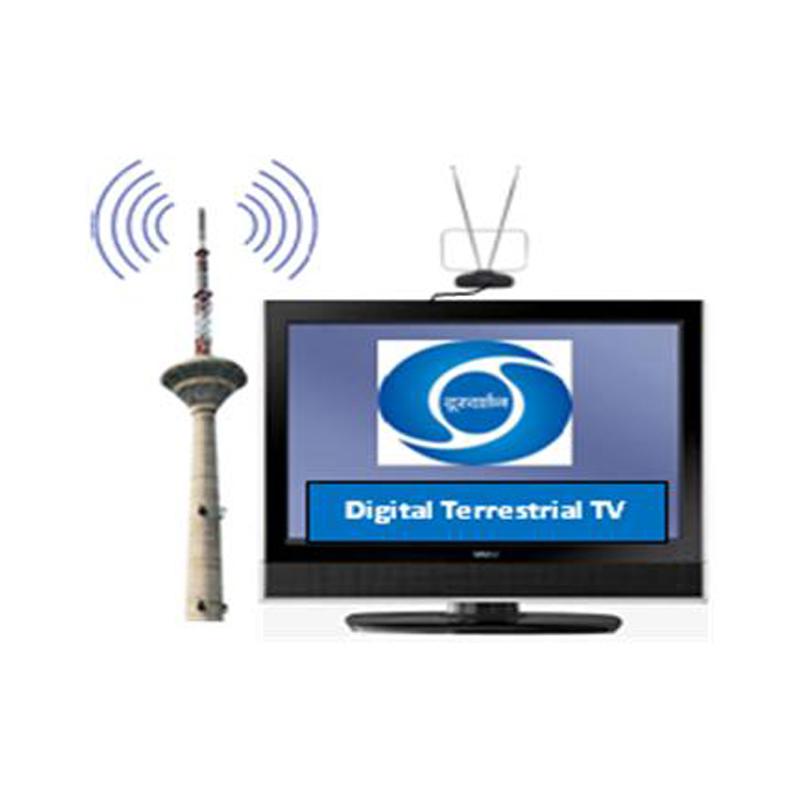
    NEW DELHI: An open house discussion will be held on 19 October 2016 on a Consultation Paper on “Opening Up Digital Terrestrial Transmission.” The OHD will be held in the PHD Chamber near Sirifort Auditorium at 10.00 am.

    The Paper by the Telecom Regulatory Authority of India was issued on 24 June 2016, about a year after Prasar Bharati – which is the only terrestrial broadcaster in the country – unanimously recommended that DTT should be opened up to the private channels. Apart from Prasar Bharati, several private channels have already responded to the paper, which was followed by a linked paper on sharing infrastructure issued on 21 September 2016.

    In its response to the DTT paper, the pubcaster said even as it supports the move, it feels that the potential of available distribution options need to be critically analysed to fulfill their requirements (for example coverage, capacity, reception mode, and type of service etc).

    The public broadcaster has also said that the terrestrial broadcast platform will be relevant in the long term if its usage offers veritable benefits to the broadcasters, the audiences and the society as a whole. Even in countries where cable, satellite or broadband hold a significant market share, terrestrial broadcasting is usually regarded as an essential, flexible and reliable way of delivering broadcast content to a mass audience.

    In its response to 11 questions asked by TRAI in its Consultation Paper on ‘Issues related to Digital Terrestrial Broadcasting in India,’ the pubcaster says that the terrestrial platform must be digital to remain viable in the long term.

    Prasar Bharati CEO Jawhar Sircar, who had told indiantelevision.com in an interview earlier that it had cleared DTT for the private sector more than a year ago, said at the recent Indian Digital Operators Summit (IDOS) that it was willing to give its infrastructure to the private TV and radio channels.

    Also read:

    http://www.indiantelevision.com/television/tv-channels/terrestrial/idos-2016-prasar-bharati-could-share-infra-with-private-players-sircar-161001

    http://www.indiantelevision.com/videos/event-coverage/one-on-one-discussion-with-jawhar-sircar-ceo-prasar-bharati-161004