Tag: cable TV

  • MSO flat fee a hurdle, says CTMA while backing TRAI & WB’s underground cable

    MSO flat fee a hurdle, says CTMA while backing TRAI & WB’s underground cable

    MUMBAI: The West Bengal government is preparing to build an underground network of cable TV lines in an attempt to keep the city clean, a state minister has said. Urban development minister Firhad Hakim said, in New Town, they had done it and would start soon in Bidhannagar. In Kolkata, they would as early as possible start a pilot project for underground laying of cable TV lines.

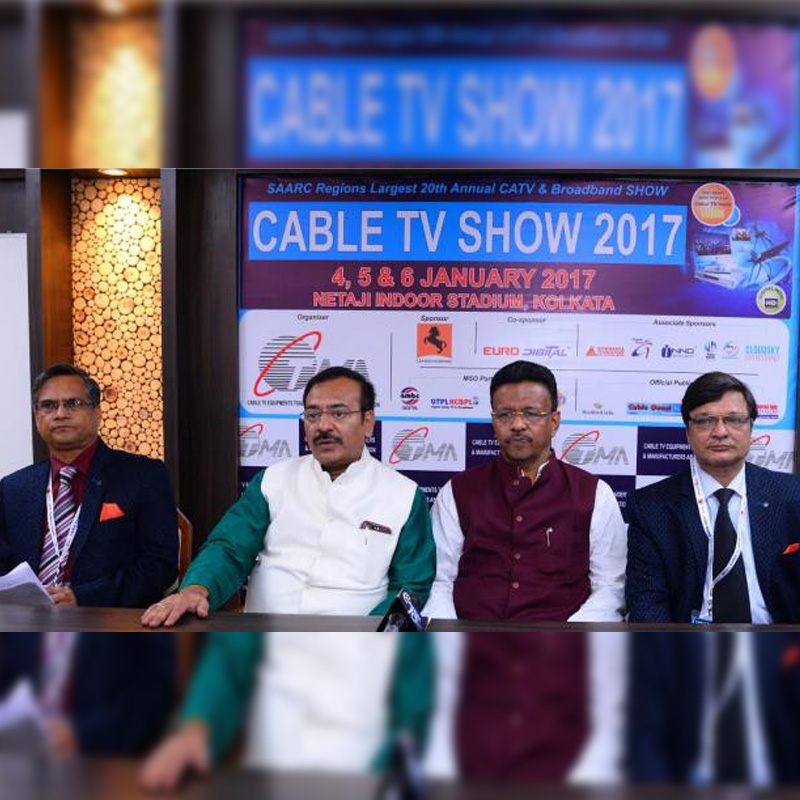
    It was part of a plan by the chief minister Mamata Banerjee who wants the city to look more beautiful without wires, Hakim said while inaugurating a three-day Cable TV Show 2017 from 4 January 4 — the 20th annual show arranged by the Kolkata-based Cable TV Equipment Traders & Manufacturers Association (CTMA).

    Over 10,000 cable operators, manufacturers, traders, channel partners, broadcasters, distributors, and multi-system operators (MSOs) from India and abroad are participating in the show.

    CTMA secretary K K Binani said the plan would minimise possibilities of outside disturbances in connectivity as sometimes wires get damaged during calamities. The industry body said that flat licence fees for multi-system operators had become an entry barrier for small entrepreneurs.

    Cable TV Show 2017 Kolkata, one of the biggest shows on satellite and cable television & broadband in India, was flagged off at the Netaji Indoor Stadium. Hakim inaugurated the event in the presence of minister-in-charge, housing & youth affairs, West Bengal, Aroop Biswas. There are 20 pavilions and 70 stalls erected this year for showcasing a wide range of state-of-the-art products and services related to the cable industry.

    CTMA treasurer & chairman -exhibition Pawan Jajodia said, with the steady digitization of cable television sector and the Digital India campaign, the scope and importance of Cable Television (CATV) had increased manifold. The CATV sector had come a long way to become an organised sector and one that was an important player in promoting digitalisation through the spread of broadband Internet services.

    This event has been sponsored by Darkhorse, and Euro Digital is the co-sponsor. Aishwarya Technologies, Inno Instrument, Globetek Infoway, RailTel, Meghbala, Cloudsky Broadband are associate sponsors.

    Binani said that digitisation of delivery of Cable TV service through set-top box was now in its final and crucial lap as the whole of India would be covered in Phase IV by 31 March 2017. The digital-delivery-enabled networks were now ready to be taken to the next level of delivering value-added services such as broadband internet service, movies on demand, games, pay per view channels, and education etc.

    Binani added that cable TV sector was ready for some sweeping transformation under regulatory intervention. The draft tariff order under consultation by TRAI would bring the addressable services from all delivery platforms such as HITS, MSO, DTH and IPTV under common regulation. The viewer might pay for only the channels that he wished to view/subscribe. Pay channel broadcasters would have to announce a genre and MRP for each of the channels. They must provide channels on terms universal to all delivery platforms. This would make the entry of new entrants feasible. Carriage fee was also proposed to be regulated, Binani said.

    CTMA president Rajesh Doshi said that digitisation has been a game-changer that has transformed the cable sector. The number of licenses issued for downlinking satellite channels into the country crossed 850 channels and the viewer was spoiled for choice with most of the MSOs providing 400 plus channels covering a wide genre and languages. The Cable TV networks in India were ready to play a significant role in helping Internet penetration across India, Doshi added.
  • MSO flat fee a hurdle, says CTMA while backing TRAI & WB’s underground cable

    MSO flat fee a hurdle, says CTMA while backing TRAI & WB’s underground cable

    MUMBAI: The West Bengal government is preparing to build an underground network of cable TV lines in an attempt to keep the city clean, a state minister has said. Urban development minister Firhad Hakim said, in New Town, they had done it and would start soon in Bidhannagar. In Kolkata, they would as early as possible start a pilot project for underground laying of cable TV lines.

    It was part of a plan by the chief minister Mamata Banerjee who wants the city to look more beautiful without wires, Hakim said while inaugurating a three-day Cable TV Show 2017 from 4 January 4 — the 20th annual show arranged by the Kolkata-based Cable TV Equipment Traders & Manufacturers Association (CTMA).

    Over 10,000 cable operators, manufacturers, traders, channel partners, broadcasters, distributors, and multi-system operators (MSOs) from India and abroad are participating in the show.

    CTMA secretary K K Binani said the plan would minimise possibilities of outside disturbances in connectivity as sometimes wires get damaged during calamities. The industry body said that flat licence fees for multi-system operators had become an entry barrier for small entrepreneurs.

    Cable TV Show 2017 Kolkata, one of the biggest shows on satellite and cable television & broadband in India, was flagged off at the Netaji Indoor Stadium. Hakim inaugurated the event in the presence of minister-in-charge, housing & youth affairs, West Bengal, Aroop Biswas. There are 20 pavilions and 70 stalls erected this year for showcasing a wide range of state-of-the-art products and services related to the cable industry.

    CTMA treasurer & chairman -exhibition Pawan Jajodia said, with the steady digitization of cable television sector and the Digital India campaign, the scope and importance of Cable Television (CATV) had increased manifold. The CATV sector had come a long way to become an organised sector and one that was an important player in promoting digitalisation through the spread of broadband Internet services.

    This event has been sponsored by Darkhorse, and Euro Digital is the co-sponsor. Aishwarya Technologies, Inno Instrument, Globetek Infoway, RailTel, Meghbala, Cloudsky Broadband are associate sponsors.

    Binani said that digitisation of delivery of Cable TV service through set-top box was now in its final and crucial lap as the whole of India would be covered in Phase IV by 31 March 2017. The digital-delivery-enabled networks were now ready to be taken to the next level of delivering value-added services such as broadband internet service, movies on demand, games, pay per view channels, and education etc.

    Binani added that cable TV sector was ready for some sweeping transformation under regulatory intervention. The draft tariff order under consultation by TRAI would bring the addressable services from all delivery platforms such as HITS, MSO, DTH and IPTV under common regulation. The viewer might pay for only the channels that he wished to view/subscribe. Pay channel broadcasters would have to announce a genre and MRP for each of the channels. They must provide channels on terms universal to all delivery platforms. This would make the entry of new entrants feasible. Carriage fee was also proposed to be regulated, Binani said.

    CTMA president Rajesh Doshi said that digitisation has been a game-changer that has transformed the cable sector. The number of licenses issued for downlinking satellite channels into the country crossed 850 channels and the viewer was spoiled for choice with most of the MSOs providing 400 plus channels covering a wide genre and languages. The Cable TV networks in India were ready to play a significant role in helping Internet penetration across India, Doshi added.
  • Bengal Broadband to offer cable TV & broadband services in W Bengal

    Bengal Broadband to offer cable TV & broadband services in W Bengal

    MUMBAI: Here’s another cable TV consortium looking to provide digital cable TV and broadband services to eastern state of Kolkata. Under the umbrella of Bengal Broadband & Cable TV Services, the MSO is focusing its operations on Kolkata, North and South 24 Parganas, Burdwan, Birbhum, Nadia and Murshidabad markets.

    Promoted by four cable operators as its directors Surendra Kumar Sancheti, Mrinal Chatterjee, Avit Sinha and Sagar Sengupta, the company launched its services in Kolkata last week. Said managing director Mrinal Chatterjee at the time of the launch: “DTH operators have been capturing the market bypassing us. Other MSOs have also making it hard for local cable operators to function. Our business has suffered after digitisation and therefore to secure our future we are launching our digital services.”

    Bengal Broadband will come head-to-head in competition with well-established national and regional MSOs such as Siti Networks, GTPL, Manthan and Hathway.

    Chatterjee however believes there is opportunity for more players as Phase IV digitization has been progressing very slowly and a huge number of set top boxes are needed to move it forward. And the deadline of 31 March 2017 does not perturb the new MSO at all. Said he: “Within March, we will capture a sizable market share.”

    The MSO will be targeting Phase I, II, III and IV areas of the state and will offer both analogue and digital services including HD channels. The plan is to also migrate to broadband delivery in the not too distant future.
    Bengal Broadband has been signing on both subscribers and other local cable TV operators as its partners.

  • Bengal Broadband to offer cable TV & broadband services in W Bengal

    Bengal Broadband to offer cable TV & broadband services in W Bengal

    MUMBAI: Here’s another cable TV consortium looking to provide digital cable TV and broadband services to eastern state of Kolkata. Under the umbrella of Bengal Broadband & Cable TV Services, the MSO is focusing its operations on Kolkata, North and South 24 Parganas, Burdwan, Birbhum, Nadia and Murshidabad markets.

    Promoted by four cable operators as its directors Surendra Kumar Sancheti, Mrinal Chatterjee, Avit Sinha and Sagar Sengupta, the company launched its services in Kolkata last week. Said managing director Mrinal Chatterjee at the time of the launch: “DTH operators have been capturing the market bypassing us. Other MSOs have also making it hard for local cable operators to function. Our business has suffered after digitisation and therefore to secure our future we are launching our digital services.”

    Bengal Broadband will come head-to-head in competition with well-established national and regional MSOs such as Siti Networks, GTPL, Manthan and Hathway.

    Chatterjee however believes there is opportunity for more players as Phase IV digitization has been progressing very slowly and a huge number of set top boxes are needed to move it forward. And the deadline of 31 March 2017 does not perturb the new MSO at all. Said he: “Within March, we will capture a sizable market share.”

    The MSO will be targeting Phase I, II, III and IV areas of the state and will offer both analogue and digital services including HD channels. The plan is to also migrate to broadband delivery in the not too distant future.
    Bengal Broadband has been signing on both subscribers and other local cable TV operators as its partners.

  • Indian OTT/VOD  will not impact cable TV and DTH: Edelweiss Capital

    Indian OTT/VOD will not impact cable TV and DTH: Edelweiss Capital

    MUMBAI: Financial services firm Edelweiss Capital’s research division’s latest report on the impact of OTT on television in India is surely going to delight the cockles of executives in broadcasting companies and probably raise the hackles of those in the video on demand space. The report says that, even as consumers are bound to increase their spends and time spent on video – either on handheld devices or on their smart TVs or their laptops, this will have a negligible impact on traditional linear TV’s fortunes.

    Cord cutting or cord shaving which has been rampant in the US as cable TV and DTH viewers shift from their expensive services to cheaper VOD options or to cheaper TV packages is not something that is going to pop up in a hurry in India, says the Edelweiss report. The Indian cable TV and DTH segments are marked by low monthly rentals of Rs 300-450 as compared to the US where DTH and cable TV fees have soared.

    “The Indian OTT market is at a nascent stage and is quite like the US was seven years ago,” it points out.

    However, it is optimistic about the growth of the OTT sector. Currently, the challenge is broadband speed, the report points out, with the average home clocking 3.5 mbps, which is not enough to offer lag-free HD video streaming. It reveals that this will change with cheaper data and broadband options fueling VOD and OTT taking consumption of video content up from 3.5 hours to five hours daily.

    Consumers are going to open their wallets and spend Rs 600-700 per month from the current Rs 300-450 per month to view video content across various platforms in the next five years, the report says. “In the case of India, it is largely a single-TV home market where not everyone in the family gets to watch what they want during prime time which will aid the OTT space,” the report adds.

    But, VOD and OTT is only going to complement traditional television and not erode it is the report’s guidance.

    The brokerage house is quite clear that TV advertising is also going to hold its ground because its viewership is going to continue to be steady. And, there is going to be no loss in revenues on account of VOD/OTT and the heady growths in digital video consumption and digital advertising.

  • Indian OTT/VOD  will not impact cable TV and DTH: Edelweiss Capital

    Indian OTT/VOD will not impact cable TV and DTH: Edelweiss Capital

    MUMBAI: Financial services firm Edelweiss Capital’s research division’s latest report on the impact of OTT on television in India is surely going to delight the cockles of executives in broadcasting companies and probably raise the hackles of those in the video on demand space. The report says that, even as consumers are bound to increase their spends and time spent on video – either on handheld devices or on their smart TVs or their laptops, this will have a negligible impact on traditional linear TV’s fortunes.

    Cord cutting or cord shaving which has been rampant in the US as cable TV and DTH viewers shift from their expensive services to cheaper VOD options or to cheaper TV packages is not something that is going to pop up in a hurry in India, says the Edelweiss report. The Indian cable TV and DTH segments are marked by low monthly rentals of Rs 300-450 as compared to the US where DTH and cable TV fees have soared.

    “The Indian OTT market is at a nascent stage and is quite like the US was seven years ago,” it points out.

    However, it is optimistic about the growth of the OTT sector. Currently, the challenge is broadband speed, the report points out, with the average home clocking 3.5 mbps, which is not enough to offer lag-free HD video streaming. It reveals that this will change with cheaper data and broadband options fueling VOD and OTT taking consumption of video content up from 3.5 hours to five hours daily.

    Consumers are going to open their wallets and spend Rs 600-700 per month from the current Rs 300-450 per month to view video content across various platforms in the next five years, the report says. “In the case of India, it is largely a single-TV home market where not everyone in the family gets to watch what they want during prime time which will aid the OTT space,” the report adds.

    But, VOD and OTT is only going to complement traditional television and not erode it is the report’s guidance.

    The brokerage house is quite clear that TV advertising is also going to hold its ground because its viewership is going to continue to be steady. And, there is going to be no loss in revenues on account of VOD/OTT and the heady growths in digital video consumption and digital advertising.

  • TRAI to examine whether 4G offer can ‘Jio’ till Mar ’17

    TRAI to examine whether 4G offer can ‘Jio’ till Mar ’17

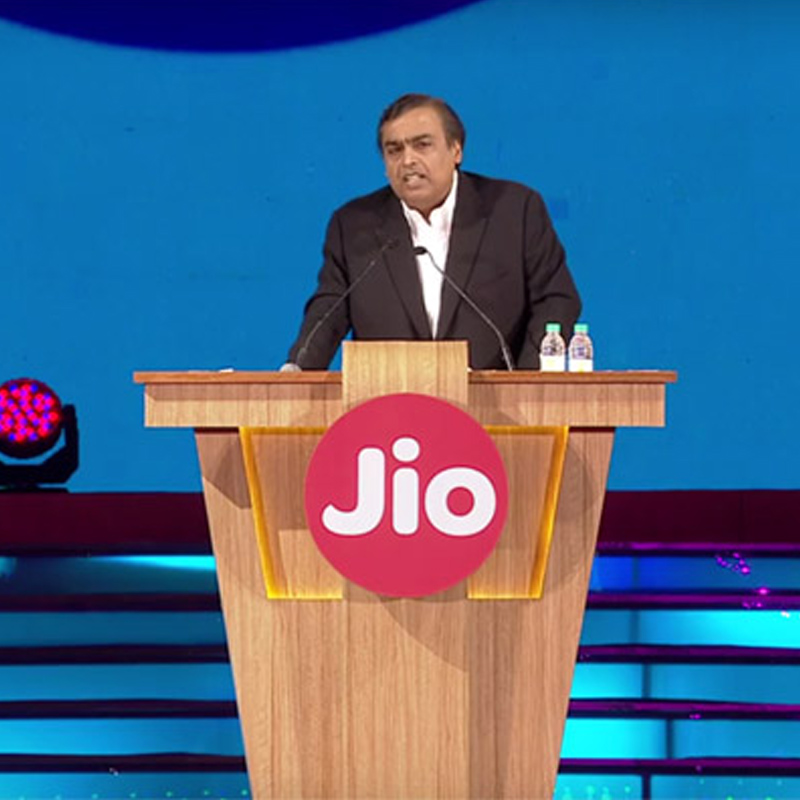
    MUMBAI: In his attempt to arduously chase the 100-million subscriber base, Reliance Jio CMD Mukesh Ambani announced extension of free domestic voice calls and data till 31 March, 2017, having crossed 50 million in 83 days. The Telecom Regulatory Authority of India (TRAI), however, said it will examine Jio’s latest offer providing free 4G services for all till 31 March.

    Jio’s new offer, meanwhile, struck a blow at competing incumbent operators — Idea Cellular, Bharti Airtel, and Vodafone India. The latest offer hurt the rivals’ share price. Airtel was down 1.66% at Rs 319.10 on the Bombay Stock Exchange (BSE), and Idea Cellular and Reliance Communications, respectively, dropped around 6% and 5%. By contrast, RIL price was up 0.45%.

    Ambani, on Thursday, announced the continuation of freebies currently being offered for fourth-generation (4G) long-term evolution (LTE) data and voice services till March next year. TRAI had earlier allowed Reliance Jio to provide free service till the end of this year.

    About the validity of Jio’s offer, TRAI chairman R S Sharma said that they would look into it. Every tariff that was filed before the authority was examined. TRAI would give its response at an appropriate time, Sharma added. TRAI had earlier allowed the new operator to provide free services till the end of 2016 for subscribers who joined till 3 December.

    The Prime Minister’s Office (PMO) meantime stated that it did not formally allow use of the prime minister Narendra Modi’s picture in electronic and print advertisements of Reliance Jio.

    Meanwhile, lower penetration of broadband (7 per cent) may slow down the ‘Digital India’ drive, according to TRAI. Sharma suggested that a potential solution would be to use connections for cable TV for broadband delivery. TRAI has already made the recommendation to the government, he added. Digital India would have to ride on that infrastructure, and if India did not have robust infrastructure, it was not going to achieve the objective of knowledge economy, Sharma added.

    Also read:

    http://www.indiantelevision.com/iworld/telecom/jio-money-merchant-app-helps-transition-to-cashless-economy-161201

    http://www.indiantelevision.com/iworld/telecom/jio-extends-hny-free-data-offer-up-to-31-march-17-161201

  • TRAI to examine whether 4G offer can ‘Jio’ till Mar ’17

    TRAI to examine whether 4G offer can ‘Jio’ till Mar ’17

    MUMBAI: In his attempt to arduously chase the 100-million subscriber base, Reliance Jio CMD Mukesh Ambani announced extension of free domestic voice calls and data till 31 March, 2017, having crossed 50 million in 83 days. The Telecom Regulatory Authority of India (TRAI), however, said it will examine Jio’s latest offer providing free 4G services for all till 31 March.

    Jio’s new offer, meanwhile, struck a blow at competing incumbent operators — Idea Cellular, Bharti Airtel, and Vodafone India. The latest offer hurt the rivals’ share price. Airtel was down 1.66% at Rs 319.10 on the Bombay Stock Exchange (BSE), and Idea Cellular and Reliance Communications, respectively, dropped around 6% and 5%. By contrast, RIL price was up 0.45%.

    Ambani, on Thursday, announced the continuation of freebies currently being offered for fourth-generation (4G) long-term evolution (LTE) data and voice services till March next year. TRAI had earlier allowed Reliance Jio to provide free service till the end of this year.

    About the validity of Jio’s offer, TRAI chairman R S Sharma said that they would look into it. Every tariff that was filed before the authority was examined. TRAI would give its response at an appropriate time, Sharma added. TRAI had earlier allowed the new operator to provide free services till the end of 2016 for subscribers who joined till 3 December.

    The Prime Minister’s Office (PMO) meantime stated that it did not formally allow use of the prime minister Narendra Modi’s picture in electronic and print advertisements of Reliance Jio.

    Meanwhile, lower penetration of broadband (7 per cent) may slow down the ‘Digital India’ drive, according to TRAI. Sharma suggested that a potential solution would be to use connections for cable TV for broadband delivery. TRAI has already made the recommendation to the government, he added. Digital India would have to ride on that infrastructure, and if India did not have robust infrastructure, it was not going to achieve the objective of knowledge economy, Sharma added.

    Also read:

    http://www.indiantelevision.com/iworld/telecom/jio-money-merchant-app-helps-transition-to-cashless-economy-161201

    http://www.indiantelevision.com/iworld/telecom/jio-extends-hny-free-data-offer-up-to-31-march-17-161201

  • Cable TV suspended in parts of Pakistan; Senate okays DTH plan

    Cable TV suspended in parts of Pakistan; Senate okays DTH plan

    MUMBAI: Cable operators have suspended their services in different areas of Pakistan after unfruitful dialogue with the government on the postponement of Direct-To-Home (DTH) licences to be auctioned tomorrow.

    Around three million consumers use Indian DTH, and the government plans to eliminate it through local facilities and save about PKR 24 billion in capital flight to India. Estimates of DTH users range from 70,000 to 2.5 million with most of them concentrated in Islamabad, Lahore, and Karachi.

    Cable services in Islamabad, Karachi, Lahore, Peshawar, Gujarat and Multan have been suspended. In Balochistan’s capital Quetta, however, cable TV was still running, Pakistani newspapers reported.

    Pakistan’s Senate panel on information, broadcasting and national heritage has asked Pakistan Electronic Media Regulatory Authority (PEMRA) to proceed with its decision to launch an indigenous Direct to Home (DTH) television system.

    Opposing the move, operators started suspending their services in various parts following their complete strike call from Monday evening. Cable Operators’ Association staged a protest at the press club announcing closure of the services.

    The Senate meeting, chaired by senator Kamil Ali Agha, was informed by PEMRA chairman Absar Alam that it held successful meeting with the operators and decided that Pakistani DTH would be launched in November 2017 giving them time for system upgradation. Still, they announced shutdown of cable, he added.

    Alam said that operators had no problem with illegal Indian DTH and demanded to lift ban on Indian content. But, they want the PEMRA DTH plan abolished which was unconvincing. Alam said PEMRA had taken concrete steps to stop Indian content and Indian movies on the cable.

    Earlier, finance minister Ishaq Dar reportedly refused to agree to operators’ demand and decided that the DTH auction will be held as per schedule on Wednesday. The successful bidder however would start its operation from November next year.

    Not budging from their positions, operators are now likely to go on strike for an indefinite period. Cable Operators Association chairman Khalid Arain, on 15 November, said that DTH launch was not justified since the cable operators invested billions in converting the analogue cable system into the digital one. Arain said they needed at least three years to create awareness among the people about cable digitalisation.

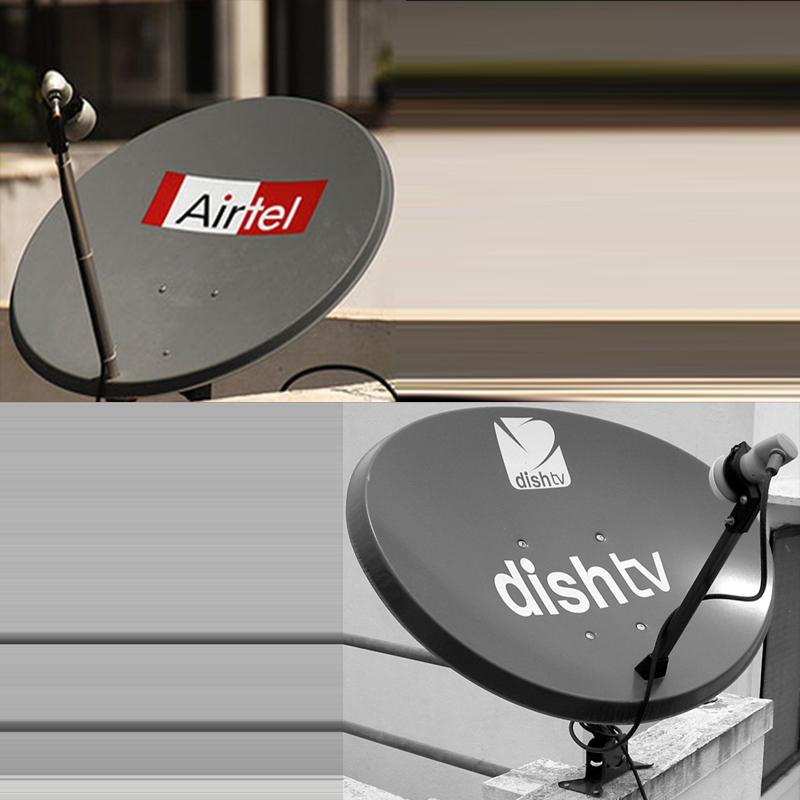
    Unlike the analogue connections, DTH service is a digital platform that transfers channels directly into homes from satellite through small dish antennas. The service is reliable and allows consumers to view high-definition video. The quality of channels at the end on the bandwidth does not diminish such as those on cable.

    Also read

    Pak to award three DTH licences on 23 Nov; Chinese, UAE companies also in fray


  • Cable TV suspended in parts of Pakistan; Senate okays DTH plan

    Cable TV suspended in parts of Pakistan; Senate okays DTH plan

    MUMBAI: Cable operators have suspended their services in different areas of Pakistan after unfruitful dialogue with the government on the postponement of Direct-To-Home (DTH) licences to be auctioned tomorrow.

    Around three million consumers use Indian DTH, and the government plans to eliminate it through local facilities and save about PKR 24 billion in capital flight to India. Estimates of DTH users range from 70,000 to 2.5 million with most of them concentrated in Islamabad, Lahore, and Karachi.

    Cable services in Islamabad, Karachi, Lahore, Peshawar, Gujarat and Multan have been suspended. In Balochistan’s capital Quetta, however, cable TV was still running, Pakistani newspapers reported.

    Pakistan’s Senate panel on information, broadcasting and national heritage has asked Pakistan Electronic Media Regulatory Authority (PEMRA) to proceed with its decision to launch an indigenous Direct to Home (DTH) television system.

    Opposing the move, operators started suspending their services in various parts following their complete strike call from Monday evening. Cable Operators’ Association staged a protest at the press club announcing closure of the services.

    The Senate meeting, chaired by senator Kamil Ali Agha, was informed by PEMRA chairman Absar Alam that it held successful meeting with the operators and decided that Pakistani DTH would be launched in November 2017 giving them time for system upgradation. Still, they announced shutdown of cable, he added.

    Alam said that operators had no problem with illegal Indian DTH and demanded to lift ban on Indian content. But, they want the PEMRA DTH plan abolished which was unconvincing. Alam said PEMRA had taken concrete steps to stop Indian content and Indian movies on the cable.

    Earlier, finance minister Ishaq Dar reportedly refused to agree to operators’ demand and decided that the DTH auction will be held as per schedule on Wednesday. The successful bidder however would start its operation from November next year.

    Not budging from their positions, operators are now likely to go on strike for an indefinite period. Cable Operators Association chairman Khalid Arain, on 15 November, said that DTH launch was not justified since the cable operators invested billions in converting the analogue cable system into the digital one. Arain said they needed at least three years to create awareness among the people about cable digitalisation.

    Unlike the analogue connections, DTH service is a digital platform that transfers channels directly into homes from satellite through small dish antennas. The service is reliable and allows consumers to view high-definition video. The quality of channels at the end on the bandwidth does not diminish such as those on cable.

    Also read

    Pak to award three DTH licences on 23 Nov; Chinese, UAE companies also in fray