Tag: cable TV operators

  • JioStar launches glitzy new website in bold digital makeover

    JioStar launches glitzy new website in bold digital makeover

    MUMBAI:JioStar has quietly dropped its flashiest transformation yet — a brand-new corporate website that oozes OTT swagger. With the sleekness of Netflix and the razzmatazz of Hulu, the platform is as loud as it is polished — a brash, confident statement of intent from India’s most ambitious media house.

    The homepage hits hard: a full-throttle montage of its marquee films, series and sports properties, proudly calling itself “India’s favourite storytellers.” The site’s visual energy mirrors the brand’s content-first ethos — big, bold, and unmistakably JioStar.

    The revamped logo — with ‘Jio’ in a magenta coloured circle nudging into ‘Star’ — marks a subtle but sharp shift in branding. There’s sections on entertainment and sports, but what’s catching industry eyes is a new section titled consumer products. Empty for now, it hints at an incoming wave of IP-led merchandise, possibly transforming the site into a content-to-commerce powerhouse. Time — and licensing deals — will tell.

    For journalists and media pros, the portal is a goldmine. Rich press resources, high-res spokespeople photos, detailed executive bios, promos make it one of the most media-friendly corporate sites in India. Missing in action, however, is an investor relations section — a standard fixture on international media giants’ portals.

    In a practical masterstroke, JioStar has also made life easier for cable TV operators. A clean dropdown menu now lists all reference interconnect offers by channel clusters — making compliance and clarity a breeze.

    From content brag to backend utility, the new website signals that JioStar isn’t just flexing its brand muscle — it’s gunning for global best-in-class.

  • PEMRA announces DTH licence bidders; Indian DTH eviction to continue

    PEMRA announces DTH licence bidders; Indian DTH eviction to continue

    MUMBAI: The countdown has begun. Amidst protests from cable TV operators and even private broadcasters, the Pakistan Electronic Media Regulatory Authority (PEMRA) earlier this week announced the shortlist of 12 companies which will be participating in the bidding for the first direct to home service (DTH)  licences auction which is scheduled to take place on
    23 November. The Pakistan government is on a drive to evict Indian channels, DTH services and content from its shores following the border skirmishes between the two countries over the past few months.

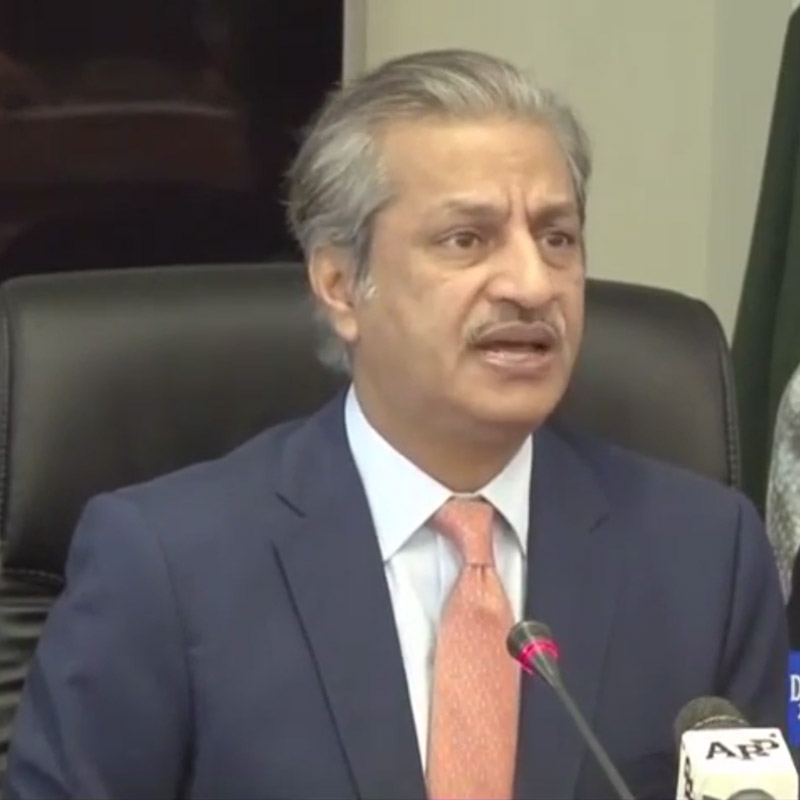
    Among the firms which have got into the shortlist include: Lahore-based firms Orient Electronics and Mag Entertainment, Islamabad-based companies Skyflix, Smartimes Communications, Sardar Builders, Smart Sky, Parus Media and Broadcast, Naya Tel, Maestro Media Distribution, Shahzad Sky, and HB DTH and Karachi-based IQ Communications. This was revealed by PEMRA chairman Absar Alam.

    Alam told reporters that the auction of three licences would be held through open competitive bidding.

    Alam appeared unwavering in his intent to completely eliminate all Indian DTH services from Pakistan. The authority has been urging its ministry of defence to take action against residential and housing societies which continue to use Indian DTH services.

    He also emphatically stated that Indian content stands banned in Pakistan, and there was no going back on the decision.

    “A lobby seems to be working for ending the ban on airing of Indian content and dramas on Pakistani channel,” he informed Pakistani media on Monday. “But they will be unsuccessful in their conspiracy,” he said.

    Alam probably was also referring to the petition filed by the Pakistan Broadcasters Association’s  (PBA’s) petition filed in Pakistani courts against the ban. Around a dozen broadcasters took PEMRA to court late last month for issuing an order banning Indian content completely from Pakistan’s general entertainment channels.

    Also read:

    Pakistan Broadcasters Association to oppose PEMRA Indian content ban


  • PEMRA announces DTH licence bidders; Indian DTH eviction to continue

    PEMRA announces DTH licence bidders; Indian DTH eviction to continue

    MUMBAI: The countdown has begun. Amidst protests from cable TV operators and even private broadcasters, the Pakistan Electronic Media Regulatory Authority (PEMRA) earlier this week announced the shortlist of 12 companies which will be participating in the bidding for the first direct to home service (DTH)  licences auction which is scheduled to take place on
    23 November. The Pakistan government is on a drive to evict Indian channels, DTH services and content from its shores following the border skirmishes between the two countries over the past few months.

    Among the firms which have got into the shortlist include: Lahore-based firms Orient Electronics and Mag Entertainment, Islamabad-based companies Skyflix, Smartimes Communications, Sardar Builders, Smart Sky, Parus Media and Broadcast, Naya Tel, Maestro Media Distribution, Shahzad Sky, and HB DTH and Karachi-based IQ Communications. This was revealed by PEMRA chairman Absar Alam.

    Alam told reporters that the auction of three licences would be held through open competitive bidding.

    Alam appeared unwavering in his intent to completely eliminate all Indian DTH services from Pakistan. The authority has been urging its ministry of defence to take action against residential and housing societies which continue to use Indian DTH services.

    He also emphatically stated that Indian content stands banned in Pakistan, and there was no going back on the decision.

    “A lobby seems to be working for ending the ban on airing of Indian content and dramas on Pakistani channel,” he informed Pakistani media on Monday. “But they will be unsuccessful in their conspiracy,” he said.

    Alam probably was also referring to the petition filed by the Pakistan Broadcasters Association’s  (PBA’s) petition filed in Pakistani courts against the ban. Around a dozen broadcasters took PEMRA to court late last month for issuing an order banning Indian content completely from Pakistan’s general entertainment channels.

    Also read:

    Pakistan Broadcasters Association to oppose PEMRA Indian content ban


  • Competition regulator okays Goldman Sachs stake purchase in Den Networks

    Competition regulator okays Goldman Sachs stake purchase in Den Networks

    MUMBAI: Investment banking major Goldman Sachs has received the Competition Commission’s approval to increase its stake in Den Networks to over 24 per cent by acquiring additional shares through preferential allotment route.

    indiantelevision had reported that MSO Den Networks existing shareholder Goldman Sachs is picking up 1.58 crore equity shares at a price of Rs 90 per share via a preferential allotment. This will take Goldman Sachs’ equity stake in the cable TV service provider up from 17.79 per cent to 24.49 per cent and involve an injection of much needed capital to the tune of Rs 142.43 crore. The divestment is expected to trim promoter stake in the company to 37 per cent.

    Media observers say that the Indian cable TV ecosystem – including the government, the regulator TRAI, broadcasters, MSOs and cable TV operators – has stumbled in the digitization process which was mandated by the ministry of information and broadcasting four years back. They have also been saying that investor sentiment towards the sector is pretty weak. Shares of most leading Indian cable TV companies have been depressed, and have been parked at lows. However, DEN Networks has been taking steps to correct the perception. It has brought back its CEO SN Sharma who has since been working on raising revenues and profitability.

    The transaction has now been cleared by the Competition Commission of India (CCI), as per the regulator’s website.

    The additional acquisition would be done by the holding companies of Goldman Sachs — Broad Street Investments (Singapore) Pte (BSIPL) and MBD Bridge Street 2016 Investments (Singapore) Pte (MBD), according to filing submitted to CCI. BSIPL and MBD are investment holding companies and are not engaged in business of manufacturing of products or the provision of service, PTI reported. Den Networks is into distribution of television channels through analog as well as digital modes.

    The Goldman investment came as a shot in the arm for Den Networks as well as the Indian cable TV sector which is grappling with reinventing its business model.

    Investors had greeted the Goldman Sachs announcement with delight. Den Networks had made an investor presentation in which it stated that its digital rollout is progressing well. Of the 13 million subscribers it has had, almost 9.8 million of them upgraded to digital in Q1 2017. Five million of these are in DAS Phase I & II areas with the remainder being in Phase III and phase IV.

  • Competition regulator okays Goldman Sachs stake purchase in Den Networks

    Competition regulator okays Goldman Sachs stake purchase in Den Networks

    MUMBAI: Investment banking major Goldman Sachs has received the Competition Commission’s approval to increase its stake in Den Networks to over 24 per cent by acquiring additional shares through preferential allotment route.

    indiantelevision had reported that MSO Den Networks existing shareholder Goldman Sachs is picking up 1.58 crore equity shares at a price of Rs 90 per share via a preferential allotment. This will take Goldman Sachs’ equity stake in the cable TV service provider up from 17.79 per cent to 24.49 per cent and involve an injection of much needed capital to the tune of Rs 142.43 crore. The divestment is expected to trim promoter stake in the company to 37 per cent.

    Media observers say that the Indian cable TV ecosystem – including the government, the regulator TRAI, broadcasters, MSOs and cable TV operators – has stumbled in the digitization process which was mandated by the ministry of information and broadcasting four years back. They have also been saying that investor sentiment towards the sector is pretty weak. Shares of most leading Indian cable TV companies have been depressed, and have been parked at lows. However, DEN Networks has been taking steps to correct the perception. It has brought back its CEO SN Sharma who has since been working on raising revenues and profitability.

    The transaction has now been cleared by the Competition Commission of India (CCI), as per the regulator’s website.

    The additional acquisition would be done by the holding companies of Goldman Sachs — Broad Street Investments (Singapore) Pte (BSIPL) and MBD Bridge Street 2016 Investments (Singapore) Pte (MBD), according to filing submitted to CCI. BSIPL and MBD are investment holding companies and are not engaged in business of manufacturing of products or the provision of service, PTI reported. Den Networks is into distribution of television channels through analog as well as digital modes.

    The Goldman investment came as a shot in the arm for Den Networks as well as the Indian cable TV sector which is grappling with reinventing its business model.

    Investors had greeted the Goldman Sachs announcement with delight. Den Networks had made an investor presentation in which it stated that its digital rollout is progressing well. Of the 13 million subscribers it has had, almost 9.8 million of them upgraded to digital in Q1 2017. Five million of these are in DAS Phase I & II areas with the remainder being in Phase III and phase IV.

  • TRAI tariff & quality of services regulations

    TRAI tariff & quality of services regulations

    NEW DELHI: The maximum retail price of a general entertainment television channel under the digital addressable system cannot exceed Rs 12 and that of a sports channel cannot go above Rs 19, according to the draft of the DAS tariff order issued by the Telecom Regulatory Authority of India.

    The maximum prices of other genres are: movies – Rs 10, infotainment – Rs nine, kids – Rs seven, news and current affairs – Rs five, and devotional – Rs three.

    Even as the TRAI permitted broadcasters to offer bouquets if they wish to, it has said that the total price of the bouquet will not exceed 85 per cent of the total individual price of each of the channels in such a bouquet.

    Furthermore, as consumers are often unsure of the fact that free to air channels are not be charged, the Authority has decided that bouquets of pay channels and FTA channels have to be separate — there can be no bundling of pay and FTA channels both, at the broadcaster as well as at the distributor of television channels level, as it will help to reduce forced bundling of packages with FTA channels in view of fixed fee/CPS deals being executed by the broadcasters. The Tariff order states that broadcasters will have to qualify a channel as a pay TV or a free channel.

    All stakeholders have been asked to respond to the tariff order draft by 24 October, after which TRAI will form its final opinion and issue the Telecommunication (Broadcasting and Cable Services) (Eighth) (Addressable Systems) Tariff Order 2016.

    The maximum retail price of a pay channel transmitted in SD format in a given genre shall not exceed the rate specified for such genre.  

    The maximum retail price of a pay channel transmitted in HD format shall not be more than three times the maximum retail price of corresponding channel transmitted in SD format, But if the corresponding SD channel of a HD channel is not available, the maximum retail price of such HD channel shall not exceed three times the rate specified for corresponding genre.

    The ceiling on maximum retail price shall apply to all the existing pay channels as well as to new pay channels that are launched or converted from free to air channel to pay channel after the commencement of this tariff order.

    In the new framework, the number of genres has been reduced to 7 from existing 11. Some of the existing genres have been grouped together to form a new genre, while some genres have been retained.

    In case a genre has been retained as it is, the maximum retail price of a channel to the customer in that genre will be 1.20 times the existing price cap for that genre for addressable systems. In case, multiple genres have been clubbed to form a new genre, maximum retail price of a channel in that genre to the customer will be 1.20 times the existing price cap of that genre which has the highest price cap for addressable systems.

    Meanwhile, TRAI also issued a draft of the Standards of Quality of Service and Consumer Protection (Digital Addressable Systems) Regulations, 2016 and wanted stakeholders to react to these by 25 October 2016.

    The broadcaster will have to ensure that the maximum retail price of such bouquet of pay channels in a relevant geographical area shall be uniform for all distribution platforms in that area; that it should not contain any free to air channel or HD or SD variants of the same channels or any premium channels.

    The Q of S Regulations have addressed almost every aspect of the cable TV ecosystem going forward fixing the responsibility of the broadcaster, the cable TV platform, the distributor and consumer. It covers everything from subscriber management systems to disconnection and reconnection of services to a la carte pricing to package pricing to the tariffs that can be charged by cable TV operators, MSOs, and broadcasters to billing to creating consumer awareness about DAS. 

    Referring to the discussions it held with stakeholders, TRAI says the Authority had prescribed a genre-ceiling subject to inflation linked hikes. All the channels have to prescribe channel rate in accordance with the applicable genre-ceilings in non-addressable and addressable systems.

    Some broadcasters had submitted that they agree with genre-wise pricing, maximum and minimum defined for channel pricing with regular revision of caps from time to time.

    Broadcasters have also submitted that the price cap should be based on channel popularity, number of channels in a particular genre and actual viewership based on distributor of television channels disclosures. They have further opined that a maximum of 33% discount on wholesale price across all genres must be allowed with the frequency to revisit genre ceilings be 1 to 2 years.

    A majority of the distributors of television channels have submitted that the price caps may be determined by TRAI using the existing commercial agreements data filed with TRAI.

    According to them, one such method to arrive the genre-wise price caps can be a simple average of current RIO rates of channels in a genre. Most of the distributors of television channels have further submitted that there exists and inverse relation between price of a channel and popularity-viewership. As a-la-carte rates increase, penetration of the channel decreases thereby decreasing ad-revenue. They are of the opinion that a maximum of 40-50% discounts should be allowed on the RIO rates for fair and non-discriminatory pricing of channels to all the distributors of television channels. They further suggested that the frequency to revisit genre ceilings may be 1- 5 years.

    The existing framework for genre ceiling is working well. Therefore in order to have continuity, the Authority is of the view that existing genre ceiling should continue. However, in the new framework, broadcasters will provide distribution fee of 20% on the MRP to distributors of television channels. Accordingly, the Authority has proposed a new genre-ceiling for MRP to customers with adequate scope to cater for additional business margins at 20% of the existing genre ceilings for addressable systems. It is expected that the prices will be regulated by the market forces based on the demand of channels or TRP.

    Also Read:  TRAI releases draft tariff & consumer DAS regulations

  • TRAI tariff & quality of services regulations

    TRAI tariff & quality of services regulations

    NEW DELHI: The maximum retail price of a general entertainment television channel under the digital addressable system cannot exceed Rs 12 and that of a sports channel cannot go above Rs 19, according to the draft of the DAS tariff order issued by the Telecom Regulatory Authority of India.

    The maximum prices of other genres are: movies – Rs 10, infotainment – Rs nine, kids – Rs seven, news and current affairs – Rs five, and devotional – Rs three.

    Even as the TRAI permitted broadcasters to offer bouquets if they wish to, it has said that the total price of the bouquet will not exceed 85 per cent of the total individual price of each of the channels in such a bouquet.

    Furthermore, as consumers are often unsure of the fact that free to air channels are not be charged, the Authority has decided that bouquets of pay channels and FTA channels have to be separate — there can be no bundling of pay and FTA channels both, at the broadcaster as well as at the distributor of television channels level, as it will help to reduce forced bundling of packages with FTA channels in view of fixed fee/CPS deals being executed by the broadcasters. The Tariff order states that broadcasters will have to qualify a channel as a pay TV or a free channel.

    All stakeholders have been asked to respond to the tariff order draft by 24 October, after which TRAI will form its final opinion and issue the Telecommunication (Broadcasting and Cable Services) (Eighth) (Addressable Systems) Tariff Order 2016.

    The maximum retail price of a pay channel transmitted in SD format in a given genre shall not exceed the rate specified for such genre.  

    The maximum retail price of a pay channel transmitted in HD format shall not be more than three times the maximum retail price of corresponding channel transmitted in SD format, But if the corresponding SD channel of a HD channel is not available, the maximum retail price of such HD channel shall not exceed three times the rate specified for corresponding genre.

    The ceiling on maximum retail price shall apply to all the existing pay channels as well as to new pay channels that are launched or converted from free to air channel to pay channel after the commencement of this tariff order.

    In the new framework, the number of genres has been reduced to 7 from existing 11. Some of the existing genres have been grouped together to form a new genre, while some genres have been retained.

    In case a genre has been retained as it is, the maximum retail price of a channel to the customer in that genre will be 1.20 times the existing price cap for that genre for addressable systems. In case, multiple genres have been clubbed to form a new genre, maximum retail price of a channel in that genre to the customer will be 1.20 times the existing price cap of that genre which has the highest price cap for addressable systems.

    Meanwhile, TRAI also issued a draft of the Standards of Quality of Service and Consumer Protection (Digital Addressable Systems) Regulations, 2016 and wanted stakeholders to react to these by 25 October 2016.

    The broadcaster will have to ensure that the maximum retail price of such bouquet of pay channels in a relevant geographical area shall be uniform for all distribution platforms in that area; that it should not contain any free to air channel or HD or SD variants of the same channels or any premium channels.

    The Q of S Regulations have addressed almost every aspect of the cable TV ecosystem going forward fixing the responsibility of the broadcaster, the cable TV platform, the distributor and consumer. It covers everything from subscriber management systems to disconnection and reconnection of services to a la carte pricing to package pricing to the tariffs that can be charged by cable TV operators, MSOs, and broadcasters to billing to creating consumer awareness about DAS. 

    Referring to the discussions it held with stakeholders, TRAI says the Authority had prescribed a genre-ceiling subject to inflation linked hikes. All the channels have to prescribe channel rate in accordance with the applicable genre-ceilings in non-addressable and addressable systems.

    Some broadcasters had submitted that they agree with genre-wise pricing, maximum and minimum defined for channel pricing with regular revision of caps from time to time.

    Broadcasters have also submitted that the price cap should be based on channel popularity, number of channels in a particular genre and actual viewership based on distributor of television channels disclosures. They have further opined that a maximum of 33% discount on wholesale price across all genres must be allowed with the frequency to revisit genre ceilings be 1 to 2 years.

    A majority of the distributors of television channels have submitted that the price caps may be determined by TRAI using the existing commercial agreements data filed with TRAI.

    According to them, one such method to arrive the genre-wise price caps can be a simple average of current RIO rates of channels in a genre. Most of the distributors of television channels have further submitted that there exists and inverse relation between price of a channel and popularity-viewership. As a-la-carte rates increase, penetration of the channel decreases thereby decreasing ad-revenue. They are of the opinion that a maximum of 40-50% discounts should be allowed on the RIO rates for fair and non-discriminatory pricing of channels to all the distributors of television channels. They further suggested that the frequency to revisit genre ceilings may be 1- 5 years.

    The existing framework for genre ceiling is working well. Therefore in order to have continuity, the Authority is of the view that existing genre ceiling should continue. However, in the new framework, broadcasters will provide distribution fee of 20% on the MRP to distributors of television channels. Accordingly, the Authority has proposed a new genre-ceiling for MRP to customers with adequate scope to cater for additional business margins at 20% of the existing genre ceilings for addressable systems. It is expected that the prices will be regulated by the market forces based on the demand of channels or TRP.

    Also Read:  TRAI releases draft tariff & consumer DAS regulations

  • Unlicensed Pune cable TV operators get warning from entertainment department

    Unlicensed Pune cable TV operators get warning from entertainment department

    Mumbai: Pune city authorities are cracking the whip on errant cable TV operators. According to reports, the Maharashtra state entertainment department has warned cable operators to renew their annual licences with the post office within the next month. Failing this, they would be penalized and face severe action.

    The metro has about 1,000 cable TV operators serving about 500,000 subscribers. About 40 per cent of these have not renewed their licences despite being told by the authorities to do so. One of the reasons they have been delaying this, says observers, is their reluctance to pay entertainment tax.

    The additional district collector met up with the cable TV operators in Pune and its surrounding areas, following which local officers decided to get tough with them.

    Pune falls in the DAS area and cable TV operators have been mandated by government order to deliver cable TV signals to subscribers through a set top box, which would allow them to decide which channels they would like to watch. For this they would have to maintain, CAF forms as well as a list of channels that subscribers are signing up for.

  • Unlicensed Pune cable TV operators get warning from entertainment department

    Unlicensed Pune cable TV operators get warning from entertainment department

    Mumbai: Pune city authorities are cracking the whip on errant cable TV operators. According to reports, the Maharashtra state entertainment department has warned cable operators to renew their annual licences with the post office within the next month. Failing this, they would be penalized and face severe action.

    The metro has about 1,000 cable TV operators serving about 500,000 subscribers. About 40 per cent of these have not renewed their licences despite being told by the authorities to do so. One of the reasons they have been delaying this, says observers, is their reluctance to pay entertainment tax.

    The additional district collector met up with the cable TV operators in Pune and its surrounding areas, following which local officers decided to get tough with them.

    Pune falls in the DAS area and cable TV operators have been mandated by government order to deliver cable TV signals to subscribers through a set top box, which would allow them to decide which channels they would like to watch. For this they would have to maintain, CAF forms as well as a list of channels that subscribers are signing up for.

  • TRAI issues consultation paper on regulating local TV channels

    TRAI issues consultation paper on regulating local TV channels

    MUMBAI: The Telecom Regulatory Authority of India (TRAI) is going to look at putting in place regulations relating to local TV channels now.


    In a consultation paper released today, the TRAI has sought stakeholders’ opinions on the regulatory framework that could be drawn up for local content channels in order to put them on a par with TV channels that are broadcast via satellite.


    The ministry of information and broadcasting (MIB) – through its secretary Uday Kumar Verma (in January 2013) – had asked the regulator to come up with its recommendations for the same.


    The TRAI consultation paper states that MSOs, LCOs, DTH operators, HITS and IPTV service providers (all called as distribution platform operators – or DPOs-  henceforth) are running local channels aka platform services (PS) that don’t have the MIB’s permission. Some channels that are transmitted by the DPOs through the PS channels have content similar to regular TV channels.


    TRAI has made it clear in the consultation paper that DAS has changed the context for DPOs and their PS as far as cable TV operators are concerned. The reason: with digitization, it is only the MSOs who can transmit encrypted signals from their headends on cable TV networks; LCOs can no longer transmit their own local ground based channels.


    The regulator states that there has been a debate on whether PS channels can be considered as a conventional TV channel or a value added service (VAS) because broadcast TV channels are charaterised by continuous dissemination of content in a push mode to all subscribers through DPOs. On the other hand, PS channels provide content in a pull mode triggered by a specific need or demand of consumers.


    TRAI has queried whether stakeholders agree with the following definition of a PS and if not then to suggest an alternative: “PS are programs transmitted DPOs exclusively to their own subscribers and does not include Doordarshan channels and TV channels permitted under downlinking guidelines.”


    Programmes on PS


    PS generally includes music, movies, news, devotional, entertainment, local news, live events, teleshopping, kids programs, serials, documentaries, regional programs, local plays, infotainment, market news, educational, and interactive games.


    TRAI has asked stakeholders to provide their views on whether a PS channel cannot transmit news or current affairs, coverage of political events, programmes already shown on DD or other TV channels, international/national and state level sporting events or games like IPL, Ranji Trophy. Whether what it shows can include programmes such as movies, VOD, interactive games, coverage of local events and festivals,  traffic, weather, educational/ academic programs (such as coaching classes), information regarding examinations, results, admissions, career counseling, availability of employment opportunities, job placement, Public announcements pertaining to civic amenities like electricity, water supply, natural calamities, health alerts etc. as provided by the local administration,  Information pertaining to sporting events excluding live coverage, live coverage of sporting events of local nature i.e. sport events played by district level (or below) teams and where no broadcasting rights are required.


    It has also asked the timeframe for reviewing whether a PS is trespassing into the domain of a regular TV broadcaster.


    Eligibility criteria for PS


    All categories of DPOs, apart from MSOs, are required to be registered under the Companies Act. To ensure uniformity in the legal status of all DPOS, TRAI suggests that a DPO offering a PS must register under the same. Therefore, the process of incorporation as a company has been simplified. Since the act allows even one person to register as a Company, small MSOs that are registered with the MIB can now register under the Companies Act.


    TRAI has asked whether it is mandatory for all DPOs to be registered as companies to be allowed to operate PS or to suggest an alternative.


    FDI limit for PS


    Currently news channels are allowed only 26 per cent FDI and a recommendation to increase it to 49 per cent is pending with the government. On the other hand, MSOs can have FDI up to 74 per cent. The regulator states that exclusion of ‘news and current affairs’ category of programmes from a PS channel would address this unevenness. It asks views on the same.


    Other issues


    As per the downlinking guidelines, an applicant company needs to have a minimum net worth of Rs 5 crore to downlink of its first TV channel and Rs 2.5 crore for any additional channel. It asks if there is a need for a minimum net-worth requirement for offering PS channels. Additionally, it also seeks to know if such channels should be subject to similar security clearances as applicable to private satellite TV channels.


    The TRAI also requests inputs on registration of PS channels with the MIB for which it would introduce a time bound centralised online registration system. Registration can be for 10 years with renewal for another 10 years. At the time of registration, the DPO should also declare the type of programmes it will transmit and any changes should be informed 30 days prior to a change.


    Although TRAI feels market forces would compel the DPOs to restrict transmission of channels to a local geographical area, it still asks for stakeholders’ views on should there be any limit in terms of geographical area for PS channels. Also, if there should there be a limit on the number of PS channels which can be operated by a DPO.


    Inputs on other obligations/restrictions that need to be imposed on DPOs for offering a PS such as non-sharing of a PS with another DPO and compliance with the programming and advertising code and TRAI’s regulations on quality of service and complaint redressal are also sought.


    Certain DTH operators transmit radio channels while some radio stations provide it through the net as over the top services. It asks whether a DPO should be permitted to re-transmit already permitted and operational FM radio channels under a suitable arrangement with the FM operator and if there should be a limit on the number of such channels.


    In order to monitor the kind of content that is being transmitted through the PS channels, DPOs may be mandated to keep a record of programmes for 90 days and produce it as and when required. The regulator asks for a monitoring mechanism.


    Whether a PS should be penalised in a manner similar to TV broadcasters, is also asked. Lastly, it seeks a timeframe for the registration of existing PS channels  once it is notified by the MIB.


    Comments are required to be submitted by 14 July and counter comments by 21 July.


    Click here to read the TRAI consultation paper on regulating local TV channels