Tag: Cable Television Networks (Regulation) Act

  • Fake news on social media: Law & IT Minister favours evolving a policy

    Fake news on social media: Law & IT Minister favours evolving a policy

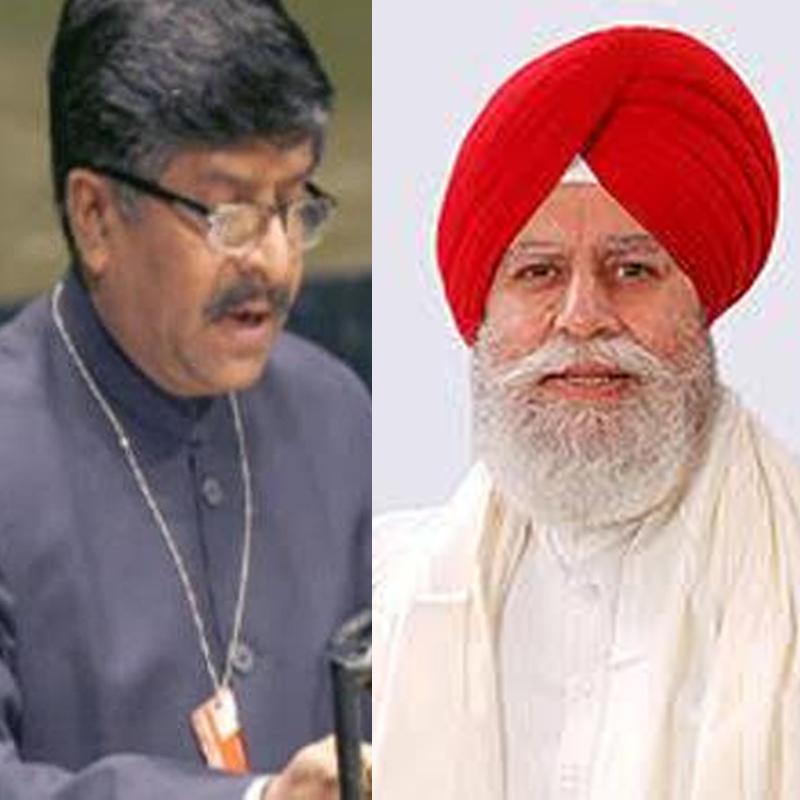
    NEW DELHI: The Indian government seems to be speaking in two voices over the menace of fake news. While law and IT Minister Ravi Shankar Prasad today said he would hold talks with stakeholders to evolve a policy, his junior SS Ahluwalia on Wednesday had told Parliament that the government doesn't propose to bring in regulations for social media.

    Law and IT Minister Ravi Shankar Prasad informed the Rajya Sabha (Upper House) yesterday that he will hold discussion with stakeholders, including political parties, to evolve a policy to deal with the misuse of social media, according to a PTI report, which also quoted a government statement saying it has been conveyed to WhatsApp in "unmistakable terms" that it was a very serious issue that "deserves a more sensitive response".

    The government yesterday also  shot off another notice to WhatsApp asking it to come out with effective solutions to curb the menace of fake news beyond just labelling forwards. It also warned the company that mediums used for propagation of rumours are liable to be treated as 'abettors' and can face legal consequences if they remain "mute spectators", the PTI report said.

    Facebook-owned WhatsApp has been under fire from the Indian government over fake news and false information being circulated on its messaging platform. The government had in the past too issued a stern warning to the company to clamp down on hoax messages designed to "provoke" and "instigate" people.

    "When rumours and fake news get propagated by mischief mongers, the medium used for such propagation cannot evade responsibility and accountability. If they remain mute spectators they are liable to be treated as abettors and thereafter face consequent legal action," a PTI report quoted an IT Ministry statement as saying. The ministry said it has approached WhatsApp to bring more effective solutions to the table, to ensure greater "accountability and facilitate enforcement of law" beyond the existing efforts towards labelling forwards and identifying fake news.

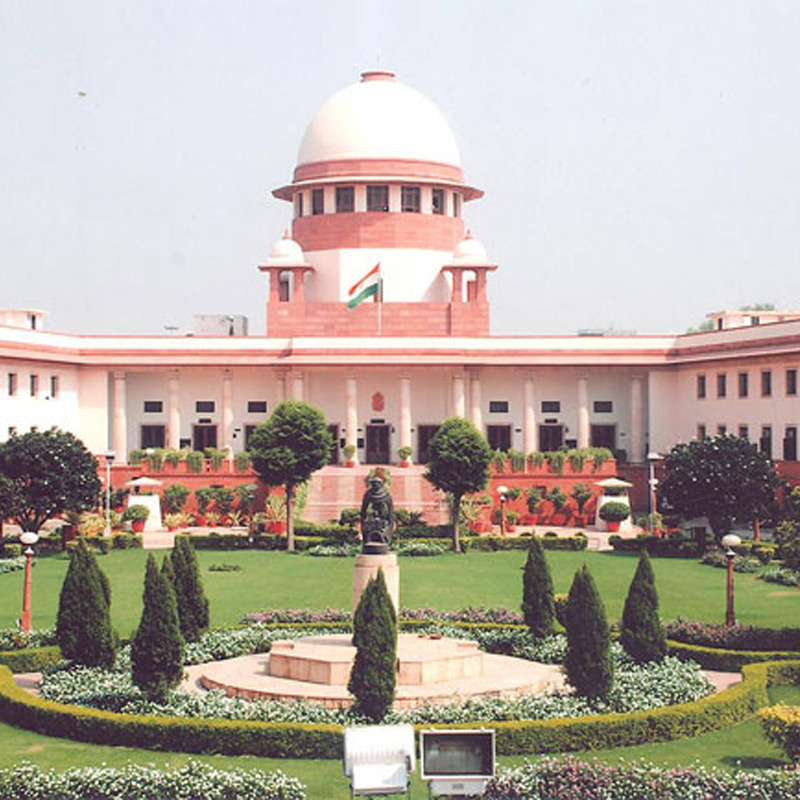
    The Supreme Court, earlier this week, asked Parliament to consider enacting a new law to effectively deal with incidents of mob lynching, saying "horrendous acts of mobocracy" cannot be allowed to become a new norm. 

    “Government doesn't regulate content on social media sites": IT Ministry's SS Ahluwalia,  

    On Wednesday, the Indian government admitted it doesn’t plan to regulate content on social media, as of now, despite the menace of fake news affecting the societal fabric. However, the government is quiet on the future of a committee set up under the Ministry of Information and Broadcasting (MIB) that has the mandate to explore regulation for online content, including those on OTT platforms.

    “Government does not regulate content appearing on social media sites, and law enforcement and security agencies may take action on specific case to case basis as per law in force,” junior Minister for Electronics & Information Technology (MEITY) SS Ahluwalia informed Parliament on Wednesday, emphasizing that the government was fully “committed to freedom of speech and expression” and “privacy” of its citizens as enshrined in the Indian Constitution.

    Ahluwalia was asked about the steps being taken by the federal government to address the problem of fake news and whether there were any plans to monitor and regulate social media content.

    According to the Minister, the Information Technology (IT) Act, 2000 has provisions for removal of objectionable online content that was “harmful, defamatory, hateful, libelous, objectionable” and affected minors, apart from the national security.

    However, as the Minister was not asked, he did not dwell on the future of  a committee —comprising representatives of various government organisations and few industry bodies too — set up under the MIB to explore online content regulations. The setting up of the panel was criticized as it was outside the remit of the MIB as the issue concerned came under the jurisdiction of MEITY.

    The said committee, helmed by MIB Secretary, is reported to have met a few times since its formation, but the details of those meetings are not public yet. Nor is the fact whether it would be disbanded or taken out MIB’s jurisdiction in favour of MEITY.

    MIB Stresses on Self-Regulation To Fight Fake News Menace On TV

    On Thursday, MIB Minister Rajyavardhan Rathore stressed on existing safeguards in laws and self-regulation to say that there was also no proposal to indulge in pre-censorship of TV channels to stop them from allegedly spreading fake news.

    “The [Cable Television Networks Regulation] Act [1995] does not provide for pre-censorship of any programmes and advertisements telecast on TV channels. However, it prescribes that all programmes and advertisements telecast on such TV channels should be in conformity with the prescribed Programme Code and Advertising Code enshrined in the aforesaid Act and the rules framed thereunder,” Rathore informed fellow parliamentarians who were concerned about some TV channels spreading fake news.

    Earlier, MIB, under minister Smriti Irani, had attempted to bring in regulations to control fake news, which had to be aborted as the Prime Minister's Office intervened in the aftermath of nation-wide criticism. Still, some critics feel that the botched attempt to bring in rules to rein in media critical of the government was testing of waters for future norms.
  • MIB says fewer TV channels violating ad, prog norms

    MIB says fewer TV channels violating ad, prog norms

    NEW DELHI: Indian channels seem to be finally toeing the line. The number of TV channels violating codes has been on a decline over the years. As many as 54 private television channels have violated the programme and advertising codes since 2014, though the number has been dipping, the Lok Sabha (Lower House of Parliament) was informed.

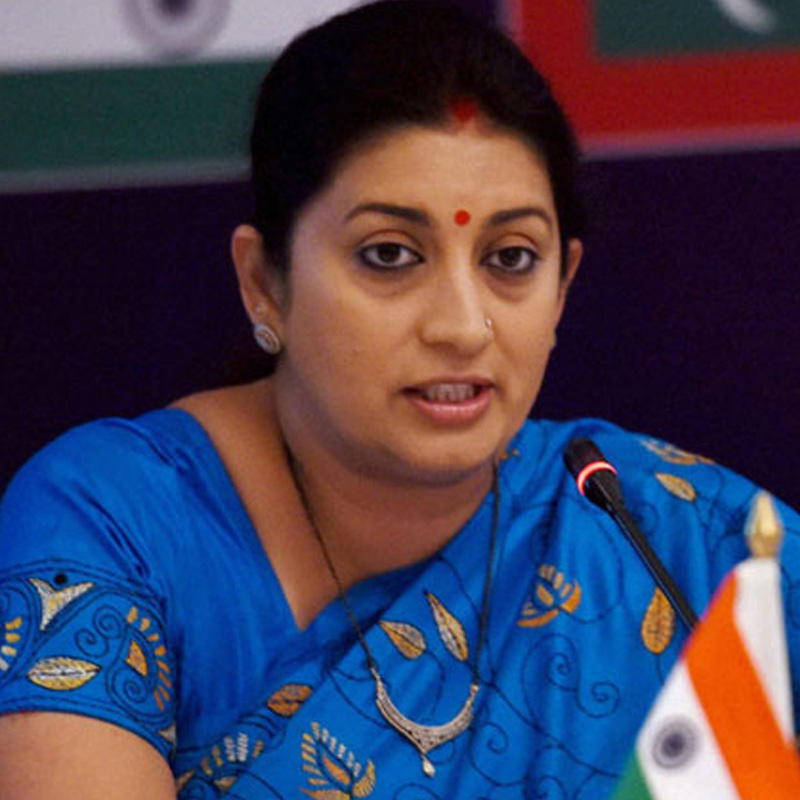
    17 channels each violated the code in 2014 and 2015, while 16 channels in 2016, Minister for Information and Broadcasting Smriti Irani said in a written reply on Thursday to question from a fellow parliamentarian.

    However, there was a sharp dip in 2017 with only four channels found to have violated the code. No violations have been reported yet this year.

    The minister said that all the programmes and advertisements telecast on private satellite TV channels were required to adhere to the Programme and Advertising Codes prescribed under the Cable Television Networks (Regulation) Act, 1995, and Cable Television Network Rules, 1994.

    The minister added that the regulations do not provide for pre-censorship of any programme or advertisement telecast on the channels. However, all programmes and advertisements were required to be in conformity with the relevant codes, which contain a whole range of parameters to regulate programmes and advertisements on TV channels.

    Irani said that action is taken against TV channels as per uplinking and downlinking guidelines whenever any violation of the codes is established.

    Also Read :

    Govt warned 55 violators of programme & ad codes in 3 yrs, says Rathore

    Prog & Advt Code violation: 30 channels faced action in 2015 & 2016

    No proposal to ban junk food ads on TV: Smriti Irani 

    MIB recants, says only explicit condom ads banned during the day

  • SC to MIB: Get mechanism to deal with complaints on TV, radio shows

    SC to MIB: Get mechanism to deal with complaints on TV, radio shows

    NEW DELHI: The Supreme Court on Thursday asked the Central Government to set up a statutory mechanism to deal with citizens’ complaints against TV and radio programmes.

    A bench comprising Chief Justice J S Khehar and Justice D Y Chandrachud asked the Ministry of Information and Broadcasting (MIB) to use the power under section 22 of the Cable Television Networks (Regulation) Act and set up a body to deal with complaints against television and radio channels, PTI reported.

    The court considered the submission of the Centre that there was a mechanism to deal with such cases. “The Union of India said that there is a mechanism. We, however, feel that it needs adequate publicity so as to enable common public to seek redressal of grievance,” the court was quoted in the PTI report.

    Advocate Prashant Bhushan, appearing for NGO Common Cause, said that “this business of self regulation business doesn’t work”.

    At present while the News Broadcasters’ Association of India (NBA) has a self-regulatory mechanism to look into complaints received from citizens and viewers relating to its member-TV channels, there is no such set-up for the non-news TV channels in the country.

    Broadcast and telecoms regulator TRAI oversees the carriage and tariff related issues pertaining to broadcast and cable. The content side of the industry is still regulated by MIB, which issues show-cause notices to various TV channels on content-related issues after receiving complaints or suggestions from viewers in general. The government also has a state-of-the-art on-air content monitoring facility in Delhi.

    Most recently, MIB had asked NDTV India news channels to shutter for a day as a penalty for breaching content code as envisaged in various government rules and regulations and amended from time to time. NDTV India issue related to airing of programmes and information allegedly considered to compromise the nation’s security. However, under media and public pressure, the government kept the order in abeyance late last year.

    ALSO READ : MIB puts NDTV India ban on hold until further notice

    Govt hands NDTV India 24-hr ban for breach of content code

    Content Regulation on Private TV Channels


  • SC to MIB: Get mechanism to deal with complaints on TV, radio shows

    SC to MIB: Get mechanism to deal with complaints on TV, radio shows

    NEW DELHI: The Supreme Court on Thursday asked the Central Government to set up a statutory mechanism to deal with citizens’ complaints against TV and radio programmes.

    A bench comprising Chief Justice J S Khehar and Justice D Y Chandrachud asked the Ministry of Information and Broadcasting (MIB) to use the power under section 22 of the Cable Television Networks (Regulation) Act and set up a body to deal with complaints against television and radio channels, PTI reported.

    The court considered the submission of the Centre that there was a mechanism to deal with such cases. “The Union of India said that there is a mechanism. We, however, feel that it needs adequate publicity so as to enable common public to seek redressal of grievance,” the court was quoted in the PTI report.

    Advocate Prashant Bhushan, appearing for NGO Common Cause, said that “this business of self regulation business doesn’t work”.

    At present while the News Broadcasters’ Association of India (NBA) has a self-regulatory mechanism to look into complaints received from citizens and viewers relating to its member-TV channels, there is no such set-up for the non-news TV channels in the country.

    Broadcast and telecoms regulator TRAI oversees the carriage and tariff related issues pertaining to broadcast and cable. The content side of the industry is still regulated by MIB, which issues show-cause notices to various TV channels on content-related issues after receiving complaints or suggestions from viewers in general. The government also has a state-of-the-art on-air content monitoring facility in Delhi.

    Most recently, MIB had asked NDTV India news channels to shutter for a day as a penalty for breaching content code as envisaged in various government rules and regulations and amended from time to time. NDTV India issue related to airing of programmes and information allegedly considered to compromise the nation’s security. However, under media and public pressure, the government kept the order in abeyance late last year.

    ALSO READ : MIB puts NDTV India ban on hold until further notice

    Govt hands NDTV India 24-hr ban for breach of content code

    Content Regulation on Private TV Channels


  • India has 890 TV channels against 12th Plan target of 1500

    India has 890 TV channels against 12th Plan target of 1500

    NEW DELHI: With the government having cleared a total of 890 television channels including 401 news channels, it appears highly unlikely that the country will achieve the target of 1500 channels by March next year.

    The Parliamentary Standing Committee for Information Technology which goes into issues relating to Information and Broadcasting noted that the State Finance Commission, while drafting its proposals for the 12th Plan (2012-17), had assumed that the number of permitted TV channels would rise to 1500.

    However, a recent I and B ministry report said that a total of 890 TV channels had got permission to start their operation as on 31 May. Out of these, twenty channels including seven news channels have been permitted to uplink from India but not downlink within the country, and 96 including 81 general entertainment channels are uplinked from overseas but allowed to downlink into TV homes in the country.

    Meanwhile, the committee was told that the present set up of Electronic Media Monitoring Centre (EMMC) has developed logging and recording facility for 900 TV channels and is thus fully equipped to start monitoring of all permitted channels available on public domain.

    The Broadcast Engineering Consultants India Ltd. (BECIL) is configuring all available free to air channels in the content monitoring system of the EMMC.

    However, configuration of pay channels will require broadcasters to provide necessary equipment for downloading and decryption of the content/signal and this is expected to be completed within 4 months’ time.

    The Parliamentary Standing Committee for Information Technology which goes into issues relating to Information and Broadcasting observed that the monitoring capacity of EMMC is being augmented in a phased manner to achieve the objective of developing content acquisition facility for 1500 channels by the end of the 12th Plan.

    By the end of Fiscal Year 2014-15, EMMC successfully achieved the Plan target of content acquisition facility of 600 TV channels. Under the 12th Plan, Rs.56.37 crore had been utilized as of 31 March 2016 out of the total outlay of Rs.90 crore.

    The committee was told that the budget estimate for 2016-17 had been reduced to Rs 12 crore as compared to Rs 21 crore in 2015-16, out of which Rs 19.76 had been spent by 3 March 2016.

    During the year 2015-16, EMMC has procured content acquisition hardware for setting up monitoring facility for 300 additional TV channels and installed at the new set up on the eleventh floor of Soochna Bhawan in New Delhi. The channels are being configured.

    The ministry also informed the committee that issues pertaining to monitoring of 600 channels, hardware for which was acquired in FY 2014-15 had been resolved. Hence, EMMC was able to stabilize and regularly monitor 600 TV channels.

    The ministry said its target under the Machinery and Equipment head was to develop content acquisition facility for additional 300 TV channels by the end of FY 2016-17.

    The committee was informed that during the year 2015-16, 11 cases were found where TV channels were in violation of content guidelines (Programme Code and Advertisement Code).

    While there is no provision of pre-censorship of the content telecast on private TV channels, all programmes/ advertisements telecast on such TV channels are required to adhere to the Programme and Advertising Codes prescribed under the Cable Television Networks (Regulation) Act, 1995 and the rules framed thereunder. Action is taken whenever any violation of the Codes is noticed or brought to the notice of the ministry.

  • India has 890 TV channels against 12th Plan target of 1500

    India has 890 TV channels against 12th Plan target of 1500

    NEW DELHI: With the government having cleared a total of 890 television channels including 401 news channels, it appears highly unlikely that the country will achieve the target of 1500 channels by March next year.

    The Parliamentary Standing Committee for Information Technology which goes into issues relating to Information and Broadcasting noted that the State Finance Commission, while drafting its proposals for the 12th Plan (2012-17), had assumed that the number of permitted TV channels would rise to 1500.

    However, a recent I and B ministry report said that a total of 890 TV channels had got permission to start their operation as on 31 May. Out of these, twenty channels including seven news channels have been permitted to uplink from India but not downlink within the country, and 96 including 81 general entertainment channels are uplinked from overseas but allowed to downlink into TV homes in the country.

    Meanwhile, the committee was told that the present set up of Electronic Media Monitoring Centre (EMMC) has developed logging and recording facility for 900 TV channels and is thus fully equipped to start monitoring of all permitted channels available on public domain.

    The Broadcast Engineering Consultants India Ltd. (BECIL) is configuring all available free to air channels in the content monitoring system of the EMMC.

    However, configuration of pay channels will require broadcasters to provide necessary equipment for downloading and decryption of the content/signal and this is expected to be completed within 4 months’ time.

    The Parliamentary Standing Committee for Information Technology which goes into issues relating to Information and Broadcasting observed that the monitoring capacity of EMMC is being augmented in a phased manner to achieve the objective of developing content acquisition facility for 1500 channels by the end of the 12th Plan.

    By the end of Fiscal Year 2014-15, EMMC successfully achieved the Plan target of content acquisition facility of 600 TV channels. Under the 12th Plan, Rs.56.37 crore had been utilized as of 31 March 2016 out of the total outlay of Rs.90 crore.

    The committee was told that the budget estimate for 2016-17 had been reduced to Rs 12 crore as compared to Rs 21 crore in 2015-16, out of which Rs 19.76 had been spent by 3 March 2016.

    During the year 2015-16, EMMC has procured content acquisition hardware for setting up monitoring facility for 300 additional TV channels and installed at the new set up on the eleventh floor of Soochna Bhawan in New Delhi. The channels are being configured.

    The ministry also informed the committee that issues pertaining to monitoring of 600 channels, hardware for which was acquired in FY 2014-15 had been resolved. Hence, EMMC was able to stabilize and regularly monitor 600 TV channels.

    The ministry said its target under the Machinery and Equipment head was to develop content acquisition facility for additional 300 TV channels by the end of FY 2016-17.

    The committee was informed that during the year 2015-16, 11 cases were found where TV channels were in violation of content guidelines (Programme Code and Advertisement Code).

    While there is no provision of pre-censorship of the content telecast on private TV channels, all programmes/ advertisements telecast on such TV channels are required to adhere to the Programme and Advertising Codes prescribed under the Cable Television Networks (Regulation) Act, 1995 and the rules framed thereunder. Action is taken whenever any violation of the Codes is noticed or brought to the notice of the ministry.