
Connect with us
MUMBAI: The ministry of information and broadcasting (MIB) has requested all the stakeholders such as broadcasters, DTH providers, MSOs and LCOs to continue to provide uninterrupted...
NEW DELHI: While the Telecom Regulatory Authority of India (TRAI) itself has no plans to mandate a system of e-CAF (Customer Acquisition Form), it has no...
MUMBAI: The government has made it mandatory for all cable TV operators to transmit the Sansad Television Network channels. The Cable Television Networks (Regulation) Amendment Bill...
MUMBAI: The basic tier monthly rate of Rs 77 (excluding taxes) in conditional access system (CAS) areas is unrealistic and should not be below Rs 100,...
NEW DELHI: Dish TV’s media campaign revolving round freedom-from-cable-problems theme has incensed a section of cable community, which feels it’s “unethical.” In a letter e-mailed to...

NEW DELHI: India’s first direct-to-home service Dish TV today issued an ultimatum to cable operators filching its signals. In a rear guard action against piracy, a...
MUMBAI: Telecom Regulatory Authority of India (Trai) is looking into the complaints of cable operators against broadcasters forcibly pushing their second bouquet of channels. “We have...

NEW DELHI: Former Star India distribution head Arun Mohan, who had started a cable TV distribution business in 2003, has shuttered it citing unviable business model....
MUMBAI/NEW DELHI: It’s summer time. It’s Cas (conditional access system) time. Once again. This time, though, the role of skeptics has changed. The cable operators, and...
NEW DELHI: Evan as the Telecom Regulatory Authority of India (Trai) rides roughshod over the broadcast sector, the protagonists (read broadcasters vs the cable fraternity) are...

MUMBAI: Ten Sports has temporarily suspended its transmission on Pehla Europe to stop illegal re-distribution of signals on some cable networks in Pakistan. Arab Digital Distribution,...
NEW DELHI: In a bid to break the government’s financial hold over it, telecom and broadcast & cable regulator, Telecom Regulatory Authority of India (Trai), has...
MUMBAI: Broadcasters are using the might of the big cable networks to drive revenue growth from subscription business in a price regulated and highly fragmented cable...
NEW DELHI: Broadcast and cable regulator, Telecom Regulatory Authority of India (Trai), today said that the charges levied on a cable operator by a broadcaster would...
MUMBAI: The payouts of smaller cable networks towards pay channels have been going up. And this is despite the price freeze on subscription rates imposed by...
BANGALORE: The cup of woes overfloweth for the Bangalore cable operators and harassed viewers who are likely to miss out on the Asia cup if the...

NEW DELHI/MUMBAI: On the eve of the departure of the Indian cricket team to Pakistan, the heady cocktail of sports and politics is threatening to derail...
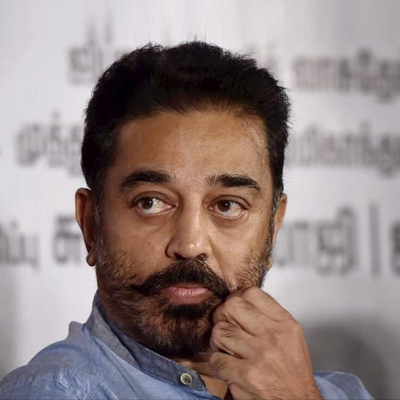
MUMBAI: Master of the craft Kamal Hassan has done it again. Instead of fuming at the cable operators who supposedly take away a sizeable number of...
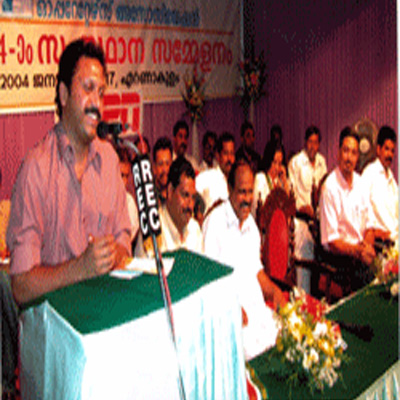
MUMBAI: Cable TV Operators Associations of South India have come together and formed the South Indian Federation of Cable TV Operators Association (Sifcoa). The associations...

NEW DELHI: It’s jockeying that’s going on big time as the different stakeholders try to get their point across to the Telecom Regulatory Authority of India...
NEW DELHI / MUMBAI: The Telecom Regulatory Authority of India (TRAI) today came out with its first order through a notification — freezing the rates at...

MUMBAI: Even as the CAS light continues to dim, there are increasing signs that the next round of blackouts are around the corner. Over 300 cable...

MUMBAI: To say that the relationship between broadcasters and cable operators has been rough would be putting things mildly. However, ESPN Star Sports is looking to...

NEW DELHI: Even as the Indian government is weighing various options, including promulgation of an Ordinance junking CAS (conditional access system) for all practical purpose, a...
NEW DELHI: A fragmented cable industry is once again attempting to come together to put up a united front against the pay broadcasters in India. Yet...
MUMBAI: Different perspectives were presented by top Sena leaders and prominent cable operators in the city during the meeting organised by CODA (Cable Operator and Distributor...
NEW DELHI: The Delhi based Cable Network Association, an organisation of cable operators has filed a case in the Delhi High Court against the government on...
MUMBAI: Cable Quest, a cable and satellite publication, has announced a seminar CAS Myth & Reality in The Park Hotel in New Delhi on 6 June....

NEW DELHI: The government has made it clear that it will tolerate no nonsense from any stakeholder of the industry where conditional access is concerned. In...
NEW DELHI: Conditional access system (CAS) keeps on throwing up different issues and aspects that serve to make matters more complicated and confusing. Now the Indian...

MUMBAI: The war between cable operators and consumers has taken an interesting twist with the Consumer Action Network (CAN), a city based consumer group filing a...
MUMBAI: The Consumer Electronics Traders and Manufacturers Association wants basic customs duty on set top boxes to stay at 10 per cent which will prevent fly...
MUMBAI: Pandora’s box is finally open. The CAS bill, which has thrown up more questions than answers at least for the present, was the subject of...

MUMBAI: Making good on his threat to made last Saturday to get after the television trade, BJP member of parliament (MP) from north-east Mumbai Kirit Somaiya,...

MUMBAI: BJP member of parliament (MP) Kirit Somaiya is sending out a message that he means business. Apart from announcing on 15 February that he would...
NEW DELHI: The Indian government is expected to finalise today the composition of the task force that will decide the price for the basic tier of...

MUMBAI: A Motilal Oswal Inquire Indian Equity Research (MOSt Inquire) report on impact of CAS has forecast that local cable operators (LCOs) could eventually lose their...

The faceoff between ESPN-Star Sports and Mumbai’s cable TV trade continues as cable operators are adamant that they will continue to hold their ground and are...
NEW DELHI: The cable operators are again taking a shot at forging a unity in a bid to neutralise the broadcasters and have the conditional access...

MUMBAI :Cable ops, owing allegiance to different associations, have planned to hold a conference to discuss the issue of conditional access in the country. The Karnataka...
NEW DELHI: The temperatures have cooled a bit on the the vexed issue of the introduction of conditional access systems (CAS) among the cable fraternity. Mollified...
For the harried small cable op in India, flustered by the myriad possibilities of conditional access and Internet over cable, help is at hand. Shamim Shaikh,...

The Consumer Guidance Society of India (CGSI) has lambasted cable operators for “holding consumers to ransom” in the ongoing dispute between InCableNet and ESPN Software over...

Scientific Atlanta has teamed with Telect to provide new fibre management solutions to help cable operators route and protect optical fibre throughout their networks. Increasing bandwidths...

The encryption of Sony Entertainment Television, which goes pay by 30 June, will involve the rollout of 10,000 set top boxes, sources in Sony reveal. ...


