MUMBAI: Once a luxury, now a lifestyle. Premiumisation in India is no longer the preserve of posh metros and plush wallets, it’s trickling down to rural towns, reshaping FMCG, and even spilling over into housing, cars and gadgets.
That’s the big takeaway from Worldpanel India’s latest report, which reveals that premium brands now account for 15 per cent of FMCG volumes across everyday categories like detergents, soaps, toothpaste, tea, biscuits and skincare. And while the trend slowed briefly in 2024, the long-term trajectory is clear: India wants more “premium” and it wants it on its own terms.
Once seen as laggards in this space, rural households are now powering premium growth. Their share of super-premium volumes has jumped from 30 per cent in 2021 to 42 per cent in 2025, and affordable premium products now see over half their demand from villages.
It isn’t just multinational giants raking it in. Homegrown disruptors like Burhani liquid dishwash in Madhya Pradesh, AVT gold cup tea in Tamil Nadu, and Meera shikakai shampoo in Karnataka and Odisha are winning hearts by marrying premium positioning with natural, health-focused credentials.
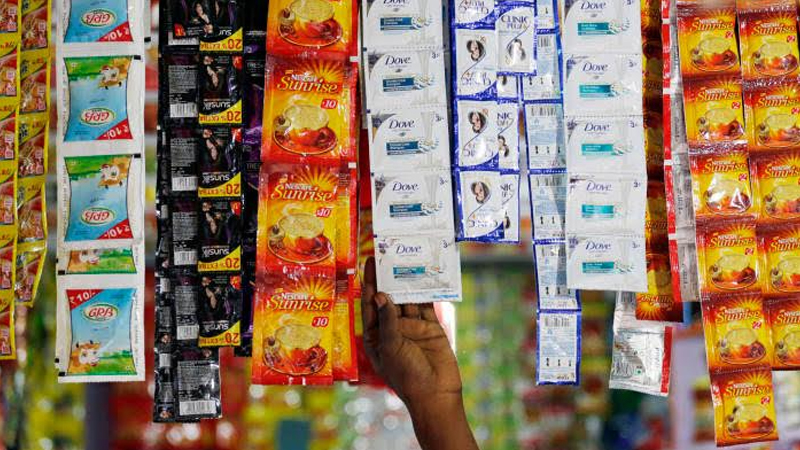
Bite-sized formats like Sensodyne (75g), Nabati wafers (30g), and Tresemme sachets (6ml) are driving trials without denting the “premium” aura. Even super-premium players like Dove, Malkist and Taj Mahal tea are cashing in with affordable packs.
It’s not just soaps and snacks. Luxury housing sales (Rs 3 crore plus homes) surged 80 per cent in 2024, premium smartphones grew 8 per cent YoY in Q2 2025, and luxury car sales crossed 50,000 units for the first time. Clearly, India’s “premium” shift is rewriting aspiration itself.
“Premiumisation in India is no longer restricted to metros or high-income households,” said Worldpanel by Numerator, managing director – South Asia, K. Ramakrishnan. “Rural consumers are becoming aspirational, disruptors are redefining premium, and affluent households are reprioritising spends. For brands, this is both a challenge and a golden opportunity.”