Tag: Budget ’17

  • Budget ’17: SAP enables mid-sized cos to go digital

    Budget ’17: SAP enables mid-sized cos to go digital

    MUMBAI: Aligning to the Union Budget 2017, SAP SE announced the launch of SAP S/4HANA Private Cloud, the next generation business suite tailored for midsize companies, which will be available at a simple and affordable subscription pricing.

    With increased impetus for digital, cashless transactions and a unified, transparent taxation regime, companies will need to gear up for rapid growth while balancing business control with the agility to capitalize on emerging opportunities. With SAP S/4HANA Cloud, private edition, midsize companies will benefit from the innovation, flexibility, and functionality of SAP S/4HANA enterprise management solution and derive the benefit of effortless scalability, ease of implementation and management.

    The SAP S/4HANA Private Cloud will provide the perfect platform for businesses that are at the cusp of making strategic shift to digital. Available in a modular subscription pricing without any upfront capital investment, this solution offers enterprise-caliber data security and faster time to value allowing SMEs to go digital within weeks on predefined services.

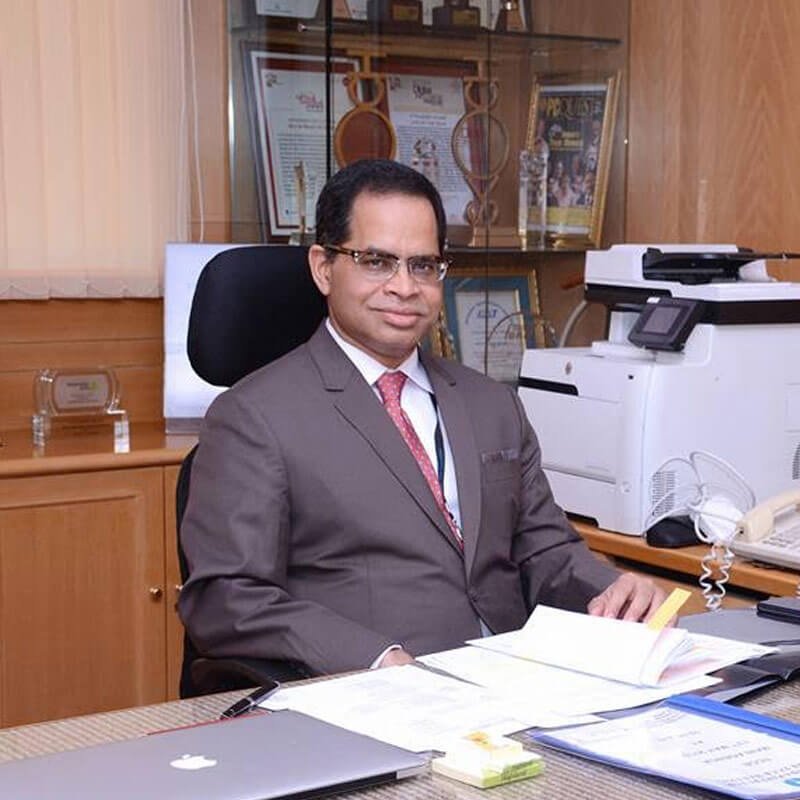
    “The recommendations in the Union Budget 2017 are tailored to accelerate growth for midsize companies,” said SAP Indian subcontinent president and MD Deb Deep Sengupta. “Our commitment, through SAP S/4HANA Private Cloud, is to provide each and every Indian business the opportunity to tap into the power and potential of SAP HANA as they pave the way towards a pervasive digital business.”

    From standard business processes to deep industry-specific functionality, companies of any size can now take advantage of SAP’s 40+ years of experience delivering solutions for businesses in every industry.

  • Budget ’17: Rural net will facilitate travel bookings

    Budget ’17: Rural net will facilitate travel bookings

    MUMBAI: The union budget has broadly focused on themes such as the farming sector, the tourism industry, development of road network, and infrastructure. The high speed internet connectivity in rural areas will now be the biggest advantage to the travellers.

    This is the first time the railway budget was merged with the general budget. One significant announcement was the fencing project on the Delhi-Mumbai and Delhi-Howrah routes which is expected to cost around Rs 45 lakh per km. Other announcements included track and signalling upgradation and elimination of unmanned level-crossings along the two major routes at an estimated cost of Rs 21,000 crore.

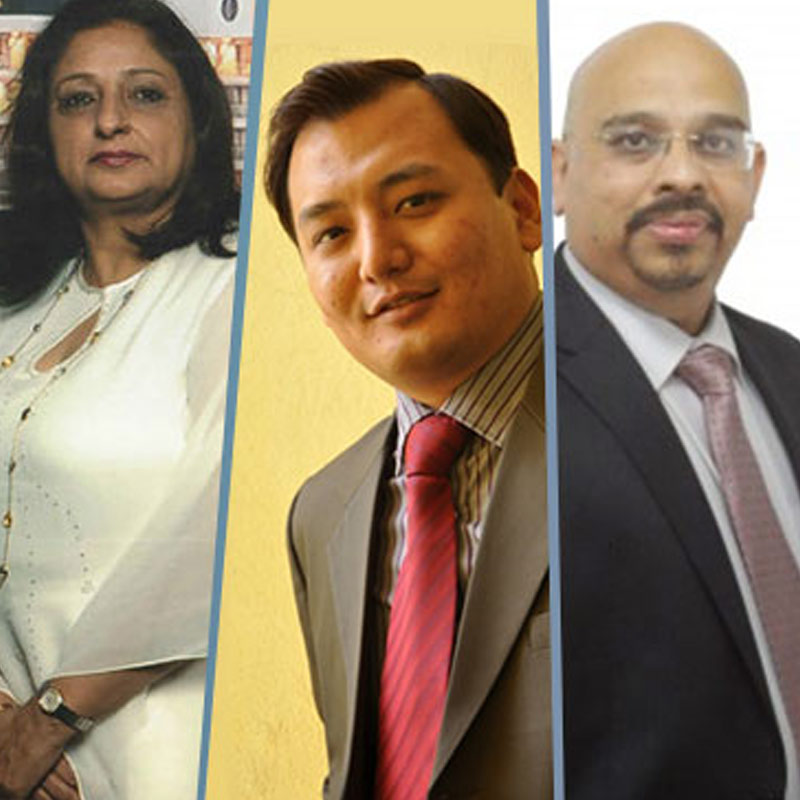
    Royal Caribbean Cruises exclusive India representative TIRUN​​ CEO Ratna Chadha said, “The union budget we hope will have a positive impact on the tourism industry which is a great employment generator, resulting in a significant multiplier effect on the economy. We are happy to see infrastructure development at airports in tier 2/3 cities, as most of the aspirational India resides here.”

    Online travel industry enabler Travelyaari co-founder and CEO Aurvind Lama said, “The union budget presented a progressive outlook with due importance to infrastructure development and tech development. The investment proposed in building national highways along with developing road network is a welcome step.”

    Lowcostdepartures.com’s new avatar Travkart.com co-founder Gursahib Singh Sethi said, “For increase in railway connectivity to the remote areas and upgradation of airports in Tier 2 cities, a huge number of people will be able to travel smoothly from Tier 2 and Tier 3 cities. The high speed internet connectivity in rural areas will be the biggest advantage to them. This will help them to do more purchasing and online bookings. Enlarging the tax exemption bracket would be a crucial factor in people’s saving. This will increase their budget to travel.”

    Sales enablement services provider Denave global CEO & co-founder Snehashish Bhattacharjee said, “Union Budget 2017 is mostly in line with the long-term economic development strategy of the present government. For the retail/ FMCG segment, highway and road infrastructure focus will work well in tandem with the advantages of the GST implementation. This will also go a long way in allowing development of tier3/satellite towns closer to the Tier1/tier2 cities and thereby a little more even distribution of population across tiered cities and rural areas. The sops towards getting closer to a cashless economy (digitisation sops, BHIM app and Aadhaar Pay drive, removal of service charges on e-ticket booking etc.) will help get closer to the 3% fiscal deficit goal by FY’19.”

  • Budget ’17: Leading digital players hail sectoral  boost

    Budget ’17: Leading digital players hail sectoral boost

    MUMBAI: “Digital economy helps in cleaning up the system, has transformational impact, energises private investment through low-cost credit, and benefits the common man,” asserted finance minister Arun Jaitley while announcing the Union Budget 2017 on 1 February. The budget 2017 emphasised a lot on the promotion of digital economy and strengthening the country’s cashless economy.

    Apart from launching two new schemes, Referral bonus for citizens and cashback for merchants, the government has also announced the launch of Aadhaar Pay. For the financial year 2017-18, the government targets around 2,500 crore digital transactions through UPI, USSD, Aadhaar Pay, IMPS and debit cards.
    The government’s focus on growing the digital footprint in India, enhancing digital infrastructure, capping cash transactions and enabling Aadhaar Pay crucial measures were laudable. Let’s take a look at what the digital, payment solution, e-commerce platforms and payment wallets have to say about the Union Budget 2017:

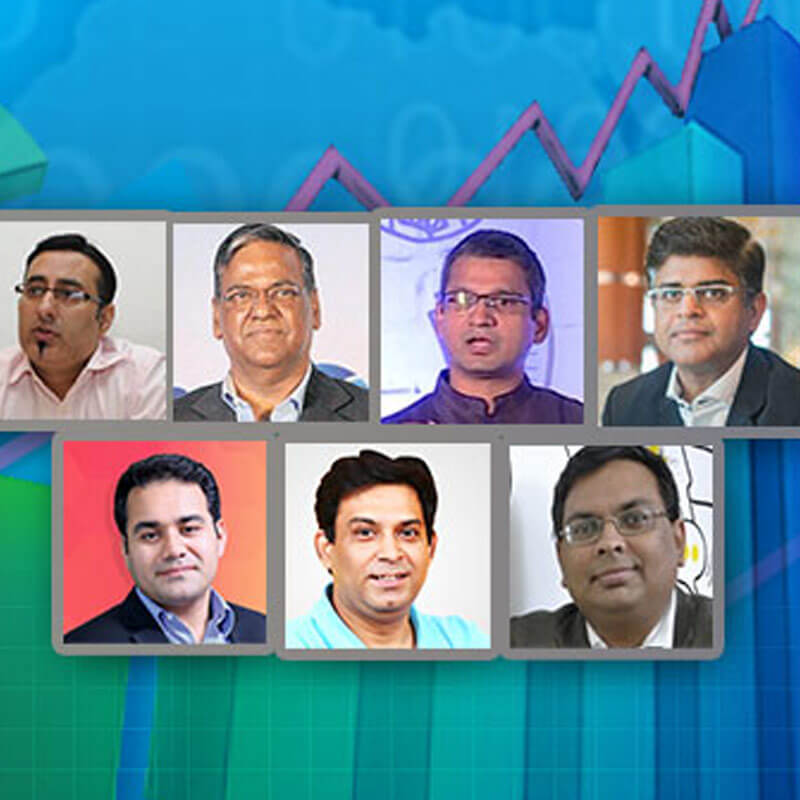
    Hungama.com CEO Siddhartha Roy said, “Focus on digital infrastructure in the current budget is extremely encouraging. Greater reach of broadband and data services into urban and rural India will lead to an inclusive digital economy, encouraging more people to embrace digital, driving consumption and transactions across the medium. Better quality of data is also set to give an impetus to the digital entertainment industry lead by video which is certainly poised for massive growth.” 
    Payment Wallets: FreeCharge & Oxigen
    Oxigen Services CMD Pramod Saxena says: “The budget 2017-18 reflects the government’s continuous efforts to move towards less cash economy and bringing transparency in value chain through digital payments & GST. The budget has stressed upon the importance of strengthening India’s digital economy by bringing down cost of digital infrastructure. The acceleration of PoS infrastructure with 10 lakh PoS machines by March 2017 and  another 20 lakh Aadhaar-based PoS by September 2017 is a reflection of pushing digital payments at last mile by 300 per cent from the current base of 15 lakh PoS achieved so far in last 20 years. The decision to exempt duty on various POS machines will help in reducing cost of digital infrastructure implementation and benefit companies like Oxigen.” 
    FreeCharge CEO Govind Rajan shared: “FreeCharge welcomes the policy measures aimed at accelerating the adoption of a digital economy in India. The incentives for adoption of fintech equipment, expansion of digital infrastructure in under-served areas, Aadhar Pay for wider adoption by merchants and capping cash transactions at Rs 3 lakh, all together have kept the spotlight on building a less-cash India. In doing so, we will all help build a transparent and efficient future for our country”
    Payment Solution Platforms: AGS & Telr

    AGS Transact Technology group chief marketing officer Pratik Seal added, “The Union Budget 2017 has seen a host of incentives to boost India’s digital economy.  However, the budget has not been a very populous one with incentives for the startup fraternity per se. Reduction of income tax for companies with a turnover of Rs. 50 crore to 25 per cent is a welcome move, and will aid many emerging companies. The three-year tax holiday in the first seven years (extended from five years) since inception of startups is a measure which will provide some relief to them. 

    Furthermore, he added, the surcharge of 10 per cent levied on individuals earning between Rs 50 lakh to Rs 1 crore may impact startups in the process of scaling-up, to attract senior talent on  their usual cash and ESOP/stocks packages, as the taxation gap over and under the Rs. 1 crore mark is now practically non-existent. The instant gratification “of being in the Rs 1-cr plus CTC and still be in the sub Rs-1 crore tax bracket” part is effectively eliminated. One would rather demand a fatter, all-cash pay-cheque now. Unfortunately, no policies have been announced providing relief for the aspiring Indians in the Rs 10-30 lakh bracket while heavier taxation for Rs 50-100 lakh is also a serious “aspiration dampener!”

    Telr founder and CEO Sirish Kumar said, “The budget looks well-rounded and in favour of digital economy, something we had anticipated following the demonetisation drive. There are policies to take internet to rural masses, including Bharat Net and ensure security of same via BHIM app and setting up CERT. Furthermore, limiting cash transactions to three lakh is going to work in favour of payment solution-providers, having the provision to handle payments of bigger ticket sizes. The increased emphasis on AadhaarPay, tax exemptions on Iris scanners, MicroATMs and POS machines, in addition to iris scanners, is further going to democratise digital economy in India. Taxes have been lowered for more than 67 per cent of MSME. This will make these businesses more viable.”

    E-commerce Platforms: Craftsvilla & Snapdeal

    Craftsvilla co-founder Manoj Gupta added, “There is nothing big bang in this Union Budget. There is very little for startups and ecommerce. Abolition of FIPB would hopefully make FDI easier. I was looking forward for the Government to take more proactive actions on areas like handloom and tourism that has huge potential for India. I would have also loved it if they announced developing handloom parks or heritage parks across the country with better facilities.”
    Snapdeal Kunal Bahl co-founder & CEO Kunal Bahl said, “We commend the focus on growing the digital footprint in the country — enhancing digital infrastructure, capping cash transactions, reducing cash donations, using Adhaar Pay to enable more digital payments are significant measures. Initiatives make an impact when there is continued attention and the new announcements build on the demonetisation efforts. We also welcome the emphasis on skill development and technical education – this will enable India to successfully harness the demographic dividend. The attention to affordable housing, greater employment in rural areas are the right interventions to build a more equitable society.”

  • Budget ’17: Leading digital players hail sectoral  boost

    Budget ’17: Leading digital players hail sectoral boost

    MUMBAI: “Digital economy helps in cleaning up the system, has transformational impact, energises private investment through low-cost credit, and benefits the common man,” asserted finance minister Arun Jaitley while announcing the Union Budget 2017 on 1 February. The budget 2017 emphasised a lot on the promotion of digital economy and strengthening the country’s cashless economy.

    Apart from launching two new schemes, Referral bonus for citizens and cashback for merchants, the government has also announced the launch of Aadhaar Pay. For the financial year 2017-18, the government targets around 2,500 crore digital transactions through UPI, USSD, Aadhaar Pay, IMPS and debit cards.
    The government’s focus on growing the digital footprint in India, enhancing digital infrastructure, capping cash transactions and enabling Aadhaar Pay crucial measures were laudable. Let’s take a look at what the digital, payment solution, e-commerce platforms and payment wallets have to say about the Union Budget 2017:

    Hungama.com CEO Siddhartha Roy said, “Focus on digital infrastructure in the current budget is extremely encouraging. Greater reach of broadband and data services into urban and rural India will lead to an inclusive digital economy, encouraging more people to embrace digital, driving consumption and transactions across the medium. Better quality of data is also set to give an impetus to the digital entertainment industry lead by video which is certainly poised for massive growth.” 
    Payment Wallets: FreeCharge & Oxigen
    Oxigen Services CMD Pramod Saxena says: “The budget 2017-18 reflects the government’s continuous efforts to move towards less cash economy and bringing transparency in value chain through digital payments & GST. The budget has stressed upon the importance of strengthening India’s digital economy by bringing down cost of digital infrastructure. The acceleration of PoS infrastructure with 10 lakh PoS machines by March 2017 and  another 20 lakh Aadhaar-based PoS by September 2017 is a reflection of pushing digital payments at last mile by 300 per cent from the current base of 15 lakh PoS achieved so far in last 20 years. The decision to exempt duty on various POS machines will help in reducing cost of digital infrastructure implementation and benefit companies like Oxigen.” 
    FreeCharge CEO Govind Rajan shared: “FreeCharge welcomes the policy measures aimed at accelerating the adoption of a digital economy in India. The incentives for adoption of fintech equipment, expansion of digital infrastructure in under-served areas, Aadhar Pay for wider adoption by merchants and capping cash transactions at Rs 3 lakh, all together have kept the spotlight on building a less-cash India. In doing so, we will all help build a transparent and efficient future for our country”
    Payment Solution Platforms: AGS & Telr

    AGS Transact Technology group chief marketing officer Pratik Seal added, “The Union Budget 2017 has seen a host of incentives to boost India’s digital economy.  However, the budget has not been a very populous one with incentives for the startup fraternity per se. Reduction of income tax for companies with a turnover of Rs. 50 crore to 25 per cent is a welcome move, and will aid many emerging companies. The three-year tax holiday in the first seven years (extended from five years) since inception of startups is a measure which will provide some relief to them. 

    Furthermore, he added, the surcharge of 10 per cent levied on individuals earning between Rs 50 lakh to Rs 1 crore may impact startups in the process of scaling-up, to attract senior talent on  their usual cash and ESOP/stocks packages, as the taxation gap over and under the Rs. 1 crore mark is now practically non-existent. The instant gratification “of being in the Rs 1-cr plus CTC and still be in the sub Rs-1 crore tax bracket” part is effectively eliminated. One would rather demand a fatter, all-cash pay-cheque now. Unfortunately, no policies have been announced providing relief for the aspiring Indians in the Rs 10-30 lakh bracket while heavier taxation for Rs 50-100 lakh is also a serious “aspiration dampener!”

    Telr founder and CEO Sirish Kumar said, “The budget looks well-rounded and in favour of digital economy, something we had anticipated following the demonetisation drive. There are policies to take internet to rural masses, including Bharat Net and ensure security of same via BHIM app and setting up CERT. Furthermore, limiting cash transactions to three lakh is going to work in favour of payment solution-providers, having the provision to handle payments of bigger ticket sizes. The increased emphasis on AadhaarPay, tax exemptions on Iris scanners, MicroATMs and POS machines, in addition to iris scanners, is further going to democratise digital economy in India. Taxes have been lowered for more than 67 per cent of MSME. This will make these businesses more viable.”

    E-commerce Platforms: Craftsvilla & Snapdeal

    Craftsvilla co-founder Manoj Gupta added, “There is nothing big bang in this Union Budget. There is very little for startups and ecommerce. Abolition of FIPB would hopefully make FDI easier. I was looking forward for the Government to take more proactive actions on areas like handloom and tourism that has huge potential for India. I would have also loved it if they announced developing handloom parks or heritage parks across the country with better facilities.”
    Snapdeal Kunal Bahl co-founder & CEO Kunal Bahl said, “We commend the focus on growing the digital footprint in the country — enhancing digital infrastructure, capping cash transactions, reducing cash donations, using Adhaar Pay to enable more digital payments are significant measures. Initiatives make an impact when there is continued attention and the new announcements build on the demonetisation efforts. We also welcome the emphasis on skill development and technical education – this will enable India to successfully harness the demographic dividend. The attention to affordable housing, greater employment in rural areas are the right interventions to build a more equitable society.”

  • Budget ’17: Real-Time Twitter updates in tie-up with SBI & CNBC

    Budget ’17: Real-Time Twitter updates in tie-up with SBI & CNBC

    MUMBAI: Twitter, SBI and CNBC-TV18 have joined forces for the first Twitter Amplify deal in the news category to bring real-time updates of the Union Budget 2017. The public sector bank will sponsor content updates from CNBC-TV18 on Twitter.

    The sponsorship package will allow both CNBC-TV18 and SBI to extend their brand presence to the targeted audience in India with exclusive content pertaining to the budget.

    A first of its kind Twitter Amplify deal in the news category in Asia Pacific, the partnership aims at providing crucial Budget 2017 updates to Indians around the world in three phases: Pre-Budget Day, people will be able to watch videos on Twitter regarding budget expectations and speculations prior to the D-day, shared on the channel’s Twitter account @CNBCTV18News.

    On the Budget Day, the budget speech will be live-streamed on Twitter via Periscope Producer and updates from the live budget speech will be tweeted out in the form of short clips. First reactions from industry stalwarts, experts & people as well as key highlights will also be tweeted on the day of the Budget.

    Post the Budget announcement, people will also get an in-depth understanding of the Budget and its impact on various sectors as well as tax implications for consumers through specially produced industry reaction videos on Twitter.

    Twitter Amplify enables publishers to monetise video content while making it easy for advertisers to reach massive engaged audiences and sponsor exclusive content. Twitter plays a key role in facilitating both content creators and brands to capture the excitement on TV and distribute it to fans and audience across the platform, far beyond their existing followers.

    “The partnership helps surface the best of the Budget 2017 content on Twitter, making it easier for anyone interested in India to discover the latest news and share their thoughts on the platform as it breaks in real time,” said Twitter India Head of TV and Entertainment Partnerships Viral Jani.

    Most of the consumers like to consume content on television and Twitter simultaneously to discuss television in the social space and share their reactions to key moments on Twitter. Twitter Amplify will help CNBC-TV18 make the most of the changing dynamic between audience and programming while making premium video content from Budget 2017 available to users. Twitter users will receive spectacular and timely updates that round out their TV experience and remind them to tune in to key budget discussion.

    Network 18 MD, president – strategy, product & alliance Avinash Kaul said, “Content consumption in India is undergoing a radical shift beyond traditional media formats and we are now entering an era where all screens seems to work seamlessly regardless of its size. As a news broadcaster, we realise now is an opportunity for us to create, distribute and innovate with new content formats to tap this digital-first audience. As a leader of the genre, CNBC-TV18 has always been ahead of the curve and this partnership with SBI and Twitter is a testament to many such ‘first’ initiatives that we have taken towards embracing this transformation.”

    Twitter Amplify will help SBI extend their reach on social media by tapping into the social conversation on Twitter. It will provide a multi-platform strategy essential for satisfying the users’ needs to consume content on mobile, making it a highly preferred medium.

    SBI DMD & CIO Mrutyunjay Mahapatra said, “As a banker to Digital India, SBI is known for being technology forward, customer oriented and transparent. Through the partnership with Twitter and CNBC-TV18, we hope to connect with the citizens of India on the most important business and financial issues impacting India in real-time on Budget Day. We believe this will kick start a meaningful dialogue with the BFSI community and contribute towards fulfilling the mission of Digital India.”

  • Budget ’17: Real-Time Twitter updates in tie-up with SBI & CNBC

    Budget ’17: Real-Time Twitter updates in tie-up with SBI & CNBC

    MUMBAI: Twitter, SBI and CNBC-TV18 have joined forces for the first Twitter Amplify deal in the news category to bring real-time updates of the Union Budget 2017. The public sector bank will sponsor content updates from CNBC-TV18 on Twitter.

    The sponsorship package will allow both CNBC-TV18 and SBI to extend their brand presence to the targeted audience in India with exclusive content pertaining to the budget.

    A first of its kind Twitter Amplify deal in the news category in Asia Pacific, the partnership aims at providing crucial Budget 2017 updates to Indians around the world in three phases: Pre-Budget Day, people will be able to watch videos on Twitter regarding budget expectations and speculations prior to the D-day, shared on the channel’s Twitter account @CNBCTV18News.

    On the Budget Day, the budget speech will be live-streamed on Twitter via Periscope Producer and updates from the live budget speech will be tweeted out in the form of short clips. First reactions from industry stalwarts, experts & people as well as key highlights will also be tweeted on the day of the Budget.

    Post the Budget announcement, people will also get an in-depth understanding of the Budget and its impact on various sectors as well as tax implications for consumers through specially produced industry reaction videos on Twitter.

    Twitter Amplify enables publishers to monetise video content while making it easy for advertisers to reach massive engaged audiences and sponsor exclusive content. Twitter plays a key role in facilitating both content creators and brands to capture the excitement on TV and distribute it to fans and audience across the platform, far beyond their existing followers.

    “The partnership helps surface the best of the Budget 2017 content on Twitter, making it easier for anyone interested in India to discover the latest news and share their thoughts on the platform as it breaks in real time,” said Twitter India Head of TV and Entertainment Partnerships Viral Jani.

    Most of the consumers like to consume content on television and Twitter simultaneously to discuss television in the social space and share their reactions to key moments on Twitter. Twitter Amplify will help CNBC-TV18 make the most of the changing dynamic between audience and programming while making premium video content from Budget 2017 available to users. Twitter users will receive spectacular and timely updates that round out their TV experience and remind them to tune in to key budget discussion.

    Network 18 MD, president – strategy, product & alliance Avinash Kaul said, “Content consumption in India is undergoing a radical shift beyond traditional media formats and we are now entering an era where all screens seems to work seamlessly regardless of its size. As a news broadcaster, we realise now is an opportunity for us to create, distribute and innovate with new content formats to tap this digital-first audience. As a leader of the genre, CNBC-TV18 has always been ahead of the curve and this partnership with SBI and Twitter is a testament to many such ‘first’ initiatives that we have taken towards embracing this transformation.”

    Twitter Amplify will help SBI extend their reach on social media by tapping into the social conversation on Twitter. It will provide a multi-platform strategy essential for satisfying the users’ needs to consume content on mobile, making it a highly preferred medium.

    SBI DMD & CIO Mrutyunjay Mahapatra said, “As a banker to Digital India, SBI is known for being technology forward, customer oriented and transparent. Through the partnership with Twitter and CNBC-TV18, we hope to connect with the citizens of India on the most important business and financial issues impacting India in real-time on Budget Day. We believe this will kick start a meaningful dialogue with the BFSI community and contribute towards fulfilling the mission of Digital India.”

  • Guest Column: Budget ’17 needs to incentivise digital adoption, stir rural economy

    Guest Column: Budget ’17 needs to incentivise digital adoption, stir rural economy

    This year’s Union Budget, called unique, has been the talk of the town. First, it’s going to be scheduled on 1 February 2017instead of the usual presentation on 28 February. Second, it’s the first time that the Railway Budget is going to be merged with the Union Budget.

    However, I would like to consider it unique for other reasons as well. We are aware of the fact that this exercise has come against the backdrop of demonetisation. Due to this, demand has dropped and the GDP of the country has been affected gravely. While experts have already envisioned a poor growth rate, I would like to consider a worst possible situation of seven per cent plus rate as still healthy. What affects us the most in marketing, branding and advertising sectors of the media industry is consumer business segment.

    The consumer business sector has seen a lot of volatility of late due to impending rollout of GST (Goods and Services Tax) and demonetisation. The retail and FMCG segments have been directly affected. This means stringent marketing budgets, which has slowed brand development exercises.

    Hence, I would like to term the budget “unique” if my budget expectations are met. What are my expectations? The following:

    1. Shaking up rural economy

    Prime Minister Narendra Modi has been talking about this for a long period of time. The finance minister had given hints to incentivise foreign companies to come here and market Indian agricultural produce. I am eagerly looking forward to this as this would mean sizable investment in this sector and more start-ups getting into it promoting healthy business and growth rates.

    2. Promote digital payments

    Now that the government has shown us the dream of a cashless economy, I am expecting clear incentives for financial technology companies and cashless transacting businesses. Some bit of it has already started, but some better provisions will ensure more innovation in the sector, thus leading to consumer ease.

    3. Government investment in health and education

    We have seen the government going strong on the Swachha Bharat (Clean India) campaign and many brands associating themselves to a larger social cause. I am expecting a similar impetus in the health and education sectors.

    4. Clarity on GST game plan

    A clearer roll out timeline for the GST is the need of the hour to end the uncertainty looming large everywhere. I am expecting a clearer picture after the budget is announced.

    5. Tax relaxation

    After the demonetisation drive, the government seems to have successfully collected a significant amount of money. The individual salaried person is definitely expecting a relaxation of tax slabs and rates. I am hoping that the fiscal deficit will be lower and, hence, the base line tax rate coming down, which can essentially widen the base and make the environment more conducive for business.

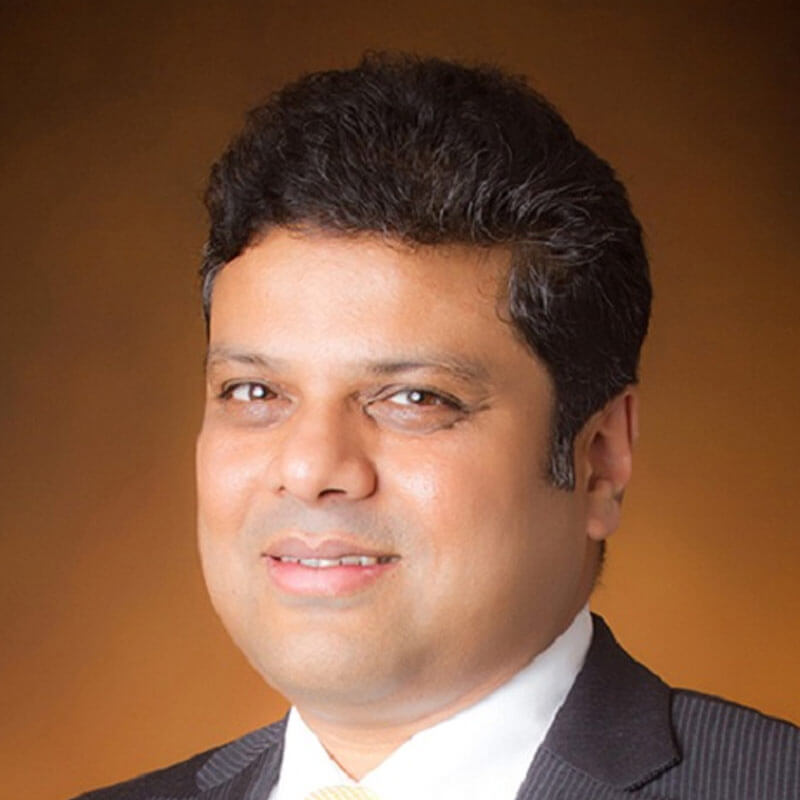
    public://Saswata Das.jpg (Saswata Das is partner & executive director WOW Design. The views expressed here are personal, and Indiantelevision.com need not necessarily subscribe to them)

  • Guest Column: Budget ’17 needs to incentivise digital adoption, stir rural economy

    Guest Column: Budget ’17 needs to incentivise digital adoption, stir rural economy

    This year’s Union Budget, called unique, has been the talk of the town. First, it’s going to be scheduled on 1 February 2017instead of the usual presentation on 28 February. Second, it’s the first time that the Railway Budget is going to be merged with the Union Budget.

    However, I would like to consider it unique for other reasons as well. We are aware of the fact that this exercise has come against the backdrop of demonetisation. Due to this, demand has dropped and the GDP of the country has been affected gravely. While experts have already envisioned a poor growth rate, I would like to consider a worst possible situation of seven per cent plus rate as still healthy. What affects us the most in marketing, branding and advertising sectors of the media industry is consumer business segment.

    The consumer business sector has seen a lot of volatility of late due to impending rollout of GST (Goods and Services Tax) and demonetisation. The retail and FMCG segments have been directly affected. This means stringent marketing budgets, which has slowed brand development exercises.

    Hence, I would like to term the budget “unique” if my budget expectations are met. What are my expectations? The following:

    1. Shaking up rural economy

    Prime Minister Narendra Modi has been talking about this for a long period of time. The finance minister had given hints to incentivise foreign companies to come here and market Indian agricultural produce. I am eagerly looking forward to this as this would mean sizable investment in this sector and more start-ups getting into it promoting healthy business and growth rates.

    2. Promote digital payments

    Now that the government has shown us the dream of a cashless economy, I am expecting clear incentives for financial technology companies and cashless transacting businesses. Some bit of it has already started, but some better provisions will ensure more innovation in the sector, thus leading to consumer ease.

    3. Government investment in health and education

    We have seen the government going strong on the Swachha Bharat (Clean India) campaign and many brands associating themselves to a larger social cause. I am expecting a similar impetus in the health and education sectors.

    4. Clarity on GST game plan

    A clearer roll out timeline for the GST is the need of the hour to end the uncertainty looming large everywhere. I am expecting a clearer picture after the budget is announced.

    5. Tax relaxation

    After the demonetisation drive, the government seems to have successfully collected a significant amount of money. The individual salaried person is definitely expecting a relaxation of tax slabs and rates. I am hoping that the fiscal deficit will be lower and, hence, the base line tax rate coming down, which can essentially widen the base and make the environment more conducive for business.

    public://Saswata Das.jpg (Saswata Das is partner & executive director WOW Design. The views expressed here are personal, and Indiantelevision.com need not necessarily subscribe to them)