Tag: BTS

  • Telcos’ carbon footprint: TRAI may seek reduction, green tech soon

    Telcos’ carbon footprint: TRAI may seek reduction, green tech soon

    MUMBAI: Telecom regulator TRAI is seeking to come out with a consultation paper that would review issues related to reduction in carbon footprint for the telecom infrastructure that includes mobile towers. A TRAI source said the green telecommunication discussion topics are expected to be finalised over next few weeks after a reference from the DoT (Department of Telecom.)

    (Owing mainly to several policy reforms, telecom sector investments in India meanwhile are expected to reach Rs 68,000 crore (approx US$ 10 billion) this fiscal year, according to telecom secretary J S Deepak, which is approx a 670 per cent increase since FY16.)

    DoT had asked TRAI to review the targets that had been stated earlier with regard to percentage of towers to be powered by hybrid energy in a time-bound manner, and the methodology of calculation of carbon footprint from the telecom networks, including base transceiver station (BTS), the TRAI source said, PTI reported.

    It said that the consultation paper would be the next step in the regulator’s previous recommendations of 2011 on the subject. TRAI had recommended to the government to reduce carbon footprint by mobile operators, which was accepted by the government, and the latter had issued directions with regard to targets through use of green technologies.

    However, the telecom operators had concerns about the capex related to conversion of BTS into green towers through the use of hybrid energy and other means, the source pointed out. The new consultation paper would review methodology of calculation and the milestone (of carbon footprint).

    TRAI had, in 2011, sought industry views on issues such as — how should the carbon footprint of the telecom industry be judged; how should carbon credit policy be evolved, and the time-frame for implementing.

    It had sought views on issues such as what proportion of non-grid power supply to towers in rural areas could be anticipated to be through renewable sources of energy, and a relevant metric for certifying a product as green. It had also sought from the industry an estimate of the carbon footprint of the mobile, fixed and broadband networks.

    TRAI had, in the paper, noted that the growing infrastructure required more electricity. Part of the power came from the grid and remainder through burning of fossil. Both sources contributed to negative eco effects.

  • Telcos’ carbon footprint: TRAI may seek reduction, green tech soon

    Telcos’ carbon footprint: TRAI may seek reduction, green tech soon

    MUMBAI: Telecom regulator TRAI is seeking to come out with a consultation paper that would review issues related to reduction in carbon footprint for the telecom infrastructure that includes mobile towers. A TRAI source said the green telecommunication discussion topics are expected to be finalised over next few weeks after a reference from the DoT (Department of Telecom.)

    (Owing mainly to several policy reforms, telecom sector investments in India meanwhile are expected to reach Rs 68,000 crore (approx US$ 10 billion) this fiscal year, according to telecom secretary J S Deepak, which is approx a 670 per cent increase since FY16.)

    DoT had asked TRAI to review the targets that had been stated earlier with regard to percentage of towers to be powered by hybrid energy in a time-bound manner, and the methodology of calculation of carbon footprint from the telecom networks, including base transceiver station (BTS), the TRAI source said, PTI reported.

    It said that the consultation paper would be the next step in the regulator’s previous recommendations of 2011 on the subject. TRAI had recommended to the government to reduce carbon footprint by mobile operators, which was accepted by the government, and the latter had issued directions with regard to targets through use of green technologies.

    However, the telecom operators had concerns about the capex related to conversion of BTS into green towers through the use of hybrid energy and other means, the source pointed out. The new consultation paper would review methodology of calculation and the milestone (of carbon footprint).

    TRAI had, in 2011, sought industry views on issues such as — how should the carbon footprint of the telecom industry be judged; how should carbon credit policy be evolved, and the time-frame for implementing.

    It had sought views on issues such as what proportion of non-grid power supply to towers in rural areas could be anticipated to be through renewable sources of energy, and a relevant metric for certifying a product as green. It had also sought from the industry an estimate of the carbon footprint of the mobile, fixed and broadband networks.

    TRAI had, in the paper, noted that the growing infrastructure required more electricity. Part of the power came from the grid and remainder through burning of fossil. Both sources contributed to negative eco effects.

  • Jio 4G to erect 45,000 towers; more the merrier, says COAI

    Jio 4G to erect 45,000 towers; more the merrier, says COAI

    MUMBAI: Late entrant telecom operator Reliance Jio will erect around 45,000 mobile towers in the next six months to boost its 4G network.

    Telecom lobbying body COAI meanwhile stated that it has established around 129,101 base transceiver stations (BTSs) across India to tackle call drops on networks.

    Reliance Jio in meeting with the telecom minister Manoj Sinha has committed to erect 45,000 crore mobile towers in six months to further strengthen its network. The company has said that it has plans to invest Rs 1 lakh crore over a period of four years and the new towers are part of this investment, PTI has reported.

    Reliance Jio reportedly informed Sinha that it has already invested Rs 1.6 lakh crore in the networks and installed 2.82 lakh base stations across India covering 18,000 cities and two lakh villages.

    Jio said that it has made all efforts to provide good consumer experience but non-availability of point of interconnection from Airtel, Vodafone and Idea has led to high call failure rate on its network. Sinha then directed the telecom operators to resolve PoI issue among themselves at the earliest.

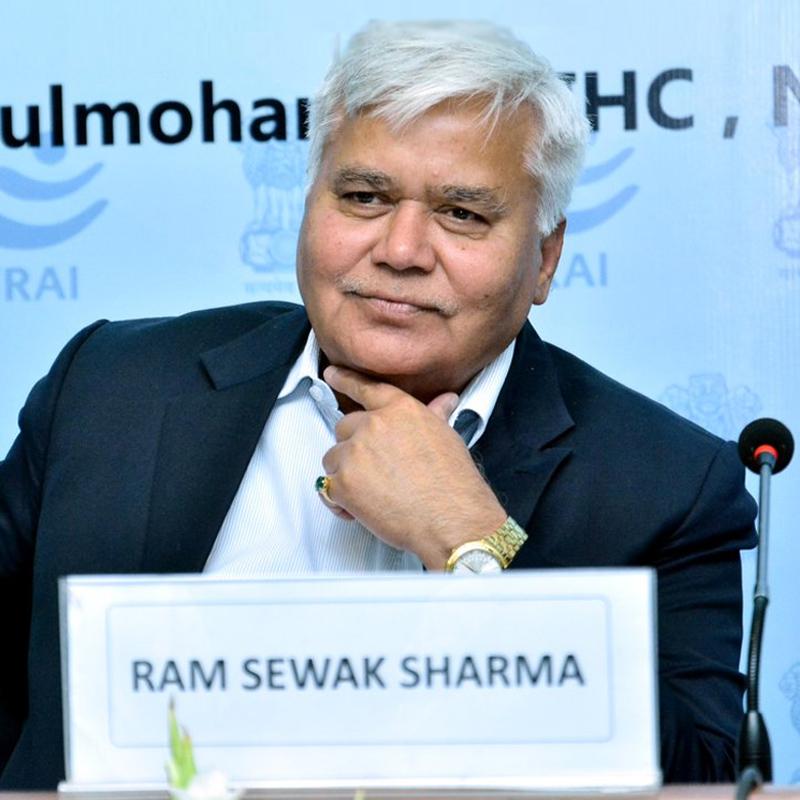
    Telecom regulator TRAI had recommended Rs 3,050 crore penalty on Airtel, Vodafone and Idea Cellular holding them responsible for congestion in RJIL network. TRAI chairman RS Sharma has asked the incumbent operators to mutually resolve interconnection issue at the earliest and warned action against those found liable for poor service quality benchmark around network congestion, call drop etc.

    Consisting largely of India’s GSM operators, COAI members are said to have invested Rs 12,000 crore for installing these BTSs. The 100-day-plan to install BTSs was reportedly completed last month. TRAI’s Independent Drive Tests (IDTs) conducted between December 2015 and January 2016 revealed that call drop rates in cities like Mumbai, Pune, Delhi were much above the permissible limits. The limits are set at 2% by the regulator.

  • Jio 4G to erect 45,000 towers; more the merrier, says COAI

    Jio 4G to erect 45,000 towers; more the merrier, says COAI

    MUMBAI: Late entrant telecom operator Reliance Jio will erect around 45,000 mobile towers in the next six months to boost its 4G network.

    Telecom lobbying body COAI meanwhile stated that it has established around 129,101 base transceiver stations (BTSs) across India to tackle call drops on networks.

    Reliance Jio in meeting with the telecom minister Manoj Sinha has committed to erect 45,000 crore mobile towers in six months to further strengthen its network. The company has said that it has plans to invest Rs 1 lakh crore over a period of four years and the new towers are part of this investment, PTI has reported.

    Reliance Jio reportedly informed Sinha that it has already invested Rs 1.6 lakh crore in the networks and installed 2.82 lakh base stations across India covering 18,000 cities and two lakh villages.

    Jio said that it has made all efforts to provide good consumer experience but non-availability of point of interconnection from Airtel, Vodafone and Idea has led to high call failure rate on its network. Sinha then directed the telecom operators to resolve PoI issue among themselves at the earliest.

    Telecom regulator TRAI had recommended Rs 3,050 crore penalty on Airtel, Vodafone and Idea Cellular holding them responsible for congestion in RJIL network. TRAI chairman RS Sharma has asked the incumbent operators to mutually resolve interconnection issue at the earliest and warned action against those found liable for poor service quality benchmark around network congestion, call drop etc.

    Consisting largely of India’s GSM operators, COAI members are said to have invested Rs 12,000 crore for installing these BTSs. The 100-day-plan to install BTSs was reportedly completed last month. TRAI’s Independent Drive Tests (IDTs) conducted between December 2015 and January 2016 revealed that call drop rates in cities like Mumbai, Pune, Delhi were much above the permissible limits. The limits are set at 2% by the regulator.

  • Aircel launches WiMAX technology in Chennai

    Aircel launches WiMAX technology in Chennai

    BANGALORE: Aircel Business Solutions (ABS), part of Aircel, has launched wireless Internet services through Worldwide Interoperability for Microwave Access — popularly known as the WiMAX technology — which enables ‘last mile’ connectivity using ‘near line of site’ (NLOS) wireless equipment. 

    By doing so, ABS becomes the first company in India to launch WiMAX and one among the five global operators to achieve this feat.

    “Initially, ABS aims to make Chennai ‘wire free’ using WiMAX technology enabling wireless Internet connectivity for SME, enterprise and residential use,” says Aircel Business Solutions SVP Ram Shinde, while announcing the launch. “ABS is also positive about the commercial viability and acceptance of WiMAX across varied user profiles and geographies considering the substantial growth rate of Internet subscribers in recent times” he added.

    As of now, ABS can provide pan-city coverage (more than 90 percent) across commercial areas in Chennai and has already enabled wireless connectivity for SME and Enterprise clients through WiMAX based on 802.16d standards at a speed range of 2 to 10 Mbps. This would help the end user to stay connected to the Internet and Intranet with high uptime. These WiMAX deployments use NLOS wherein the customer premises equipment (CPE) does not have to face the base station (BTS). The forthcoming 802.16e standard will be even capable of mobile Internet, states an official release.

    ABS has also deployed WiMAX Networks beyond Chennai with limited coverage in many other prominent Indian cities such as Coimbatore, Hyderabad, Bangalore, Pune, Delhi, Cochin and Ahmedabad and would extend its pan-city coverage in a phased manner. Apart from these, ABS also plans to WiMAX another 26 cities in the near future, the release adds.

    With WiMAX, end users can have Internet accessibility based on portable technologies at an affordable price. WiMAX is unaffected by environmental or climatic disturbances and provides relief to organizations from ‘last mile’ connectivity concerns both in urban and rural areas with limited network infrastructure.

    The backend systems and processes (OSS / BSS) of ABS are highly sophisticated with end-to-end manageability from Sales Prospecting to Order Management and Internet Protocol (IP) Provisioning. All these systems are developed in-house and have the capability to accommodate future business requirements of ABS, the release adds.

    ABS is also identifying and deploying Wi-Fi ‘hotspots’ throughout the Chennai city with indoor and outdoor points backhauled with WiMAX. Internet services at these ‘hotspots’ will be enabled through pre-paid cards integrated with Payment Gateways for on-line registration and subsequently activated using the ‘Authentication, Authorization & Accounting’ (AAA) mechanism.