Tag: Broadcast

  • #ActNow for mental health awareness, says Times Network

    #ActNow for mental health awareness, says Times Network

    MUMBAI: In 2017, 197.3 million people had mental health disorders in India (lancet psychiatry 2020), implying that while at least 14 per cent Indians are living with such issues, an alarming 86 per cent is behind a veil of ignorance. India’s mental health landscape presents a grim reality of poor implementation of mental health policies, age old discriminatory attitude towards those suffering from mental health illnesses, compounded with shortage of qualified personnel and low perceived need for care. With the Covid2019 outbreak triggering implications that reach far beyond the direct impact on people’s physical health, there has been an exacerbated spiralling of tension and anxiety, further increasing the load on India’s overtaxed mental health machinery.

    Addressing the rampant stigma and discrimination around mental health problems, Times Network has launched #ActNow, an initiative to spread awareness, normalise conversations around the issue and sensitise people to be responsive to the mental health needs of others.

    A special campaign film #ActNow  takes an outside-in view of the problem and targets the ‘people around’ to act, rather than the one living with mental health issues. Mirroring how societal structures treats a person living with a mental ailment with ignorance, pity, annoyance and utter disbelief, the film unravels the state of mind of someone who is besieged by misinterpreted advice of his near and dear ones as he fights a lone battle. A clarion call to realign our minds to escape from the entrapment of the prevalent social stigma and recognize mental health as an existential crisis for humanity, the impactful film urges public at large to remain receptive to the deteriorating mental health of people around and take appropriate course of action to offer support without prejudice and fear. The initiative launched on a special edition of Mirror Now’s Urban Debate, hosted an expert panel that analysed and discussed the deteriorating condition of mental illness in India.

    The initiative which encourages the essential steps of acknowledging the signs, choosing the right words and urging people to talk to an expert, draws relevance from Times Network’s nationwide research study commissioned to Nielsen India titled, ‘How Urban India Perceives Mental Health’. The study indicates that while awareness levels related to mental health ailments have gone up recently, there is a pressing need to disseminate the factual information to tackle the strong undercurrents of stigma and lack access to quality mental healthcare. Mental health conversations remain the single most important detriment and solution for this issue. The quantitative study that examines the dynamics, culture, mindset and perceptions of the people towards mental health was conducted through three prolonged evaluations based on secondary research, in depth interactions with mental health experts and a survey with India’s cross-section of urban population.

    Key findings as follows:

    ·         70 per cent of urban India claim to suffer/know of someone who has suffered from a mental health ailment

    ·         Among people who are suffering/know someone suffering from mental health ailment, depressions come out as the most prominent at 58 per cent.

    ·         76 per cent perceive that “People are not open to talk about mental health to everyone” and there is still shame and stigma associated around mental health ·          52 per cent of the people face problems in accessing a mental health professional and 63 per cent perceive that there is difficulty in procuring medication

    ·         54 per cent people are not completely aware about the diseases covered in a health insurance policy and 47 per cent of the people are unaware of the government mandate for health insurance policies to cover treatment of mental health ailments

    ·         57 per cent of urban India considers financial pressures to be the leading cause of negative impact on mental health

    The study took a sample size of 2,440 people across Mumbai, Delhi, Chennai, Kolkata, Hyderabad, Bangalore, Jaipur, Patna, Ahmedabad, Mangalore, Vishakapatnam, Bareilly, Guwahati, Raipur, and Mangalore.

    Times Network president – strategy and business head – news and English entertainment cluster Vivek Srivastava said, “The new normal has triggered anxiety and deepened emotional turmoil, consequently leading to a quieter but concerning rise in the number of people grappling with mental health issues. ActNow is our endeavour to spread awareness and drive dialogues to break barriers around the mental health issue. Through our multi-faceted campaign, we urge the society at large to look beyond the happy faces that conceal the sufferings and encourage healthy and judgement-free conversations on mental health.”

    Refining and bringing a comprehensive view on mental health with the expert voices, the Network has onboarded Jaslok Hospital as the knowledge partner. Psychologists and mental experts from the hospital will provide critical inputs and steer the campaign with relevant information and decode the complex challenges associated with mental health crisis. Fostering positive mental health and evoking a sense of response amongst the millennials, Times Network has partnered with youth marketing firm, Viral Fission to drive community engagement through student advocates of mental health.

    #ActNow will be driven across Times Network channels and digital assets, print sds across The Times of India daily and a dedicated page on the network's digital news destination, Timesnownew.com, which will host a curated series of articles on mental well-being.
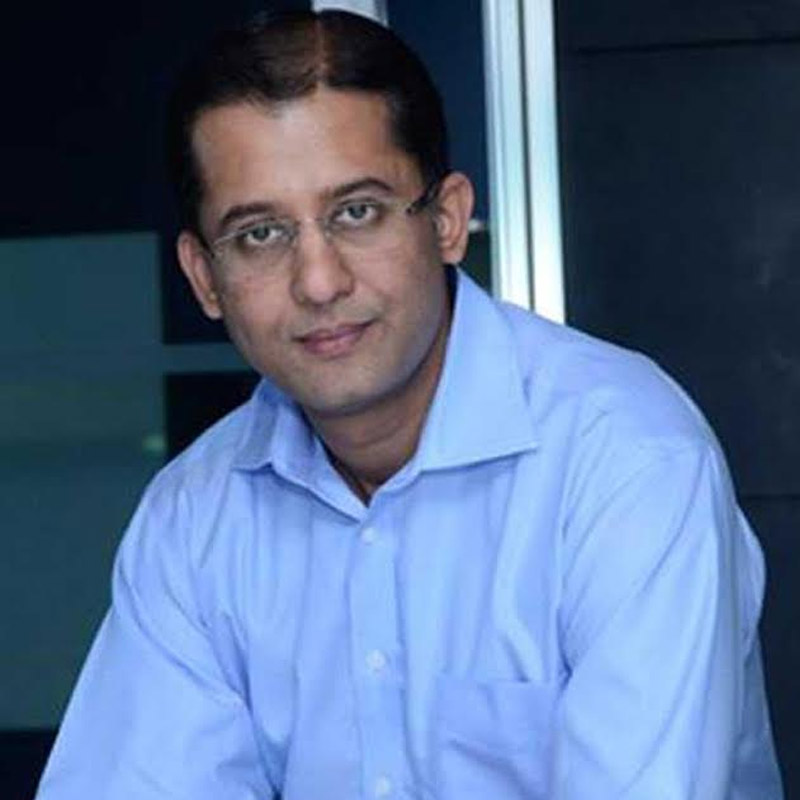

  • Kevin Vaz appointed Star & Disney India infotainment & kids CEO

    Kevin Vaz appointed Star & Disney India infotainment & kids CEO

    KOLKATA:  Star & Disney India has appointed Kevin Vaz as CEO of infotainment & kids genre. However, he will continue to lead the regional entertainment channels as well. He has been given the responsibility following the stepping down of  Anuradha Aggarwal who was head of English, infotainment & Kids cluster at the company. 

    Vaz has been associated with the broadcaster for a long period. He joined as a sales executive in 1996 and went on to become the sales manager in 2000. By 2009, he was promoted to president – ad sales, where he built the monetisation engine that allowed Star to invest more aggressively in content and remain profitable at the same time.

    Read more news on Kevin Vaz

    Back in 2018, he was elevated to CEO of regional entertainment and was given the charge of heading Star India regional channels portfolio across Maharashtra, Bengal, Tamil Nadu, Andhra & Telangana, Kerala and Karnataka.

  • Covid effect: Italian TV market shrinks by over €400 million

    Covid effect: Italian TV market shrinks by over €400 million

    MUMBAI: After debilitating Italy right at the outset, Covid2019 is now hitting the country in a different way. The Television Market in Italy 2020-2022 report published by Rome-based ITMedia Consulting has estimated that the Italian TV market has lost over €400 million in value this year.

    The report states that pay-TV is the only resource that is growing, while advertising has dropped by 13 per cent.

    Notably, pay-TV has surpassed FTA for the first time in terms of revenues, while the TV market should start growing again as a result of the considerable increase in pay-TV revenues and the partial recovery of the advertising market.

    A strong contribution is expected with the entry of Sky Italia as a network triple player operator and SVoD, which should see a 31.3 per cent CAGR in the time period.

    Although Sky Italia, Mediaset and RAI will remain the dominant players overall (over 75 per cent of the total combined), they will lose market share to other operators whose joint turnover will reach almost €2 billion in revenues. While Mediaset still collects over half of the advertising investments, it is losing ground and now accounts for less than 20 per cent of overall TV sector revenues.

    Sky Italia is still the main market player, albeit with a downward trend, as new and aggressive VoD players increasingly gain market share.

    The report highlights that traditional players that rely only on consolidated business models are being penalised, to the benefit of new players that are able to exploit new technological means and changing viewer demand, increasingly moving towards a personalised, multi-platform and multi-screen experience.

    The pandemic has accelerated and amplified ongoing shifts in consumers’ behaviour, pulling forward digital disruption and forging industry tipping points that wouldn’t have been reached for many years. As a result, the entertainment and media world in 2020 has become more remote, more virtual, more streamed. In the Entertainment & Media Outlook in Italy 2020-2024 report predicted that total E&M revenues in Italy will rise at a compound annual growth rate (CAGR) of 3.0 per cent to reach €39.5 billion in 2024.

    In conclusion, this year's ITMedia Consulting report shows how Italian consumers today are also following the new consumption patterns accentuated by the pandemic. They are watching TV with a greater awareness of the different offers and business models, both linear and non-linear.

    Traditional broadcast TV has sensed the looming and very dynamic presence of online streaming services, and adapting their business models to match those of international operators. Even Sky is leaving no stone unturned to develop new strategies to better confront these internet-based players.

    The report also points out how operators who rely solely on consolidated models are being penalised, to the benefit of new entrants who are able to exploit the opportunities offered by technological evolution and the changing needs of demand, translating them into an attractive offer to the public, increasingly oriented towards personalised use, multi-platform, multi-screen, even on mobile.

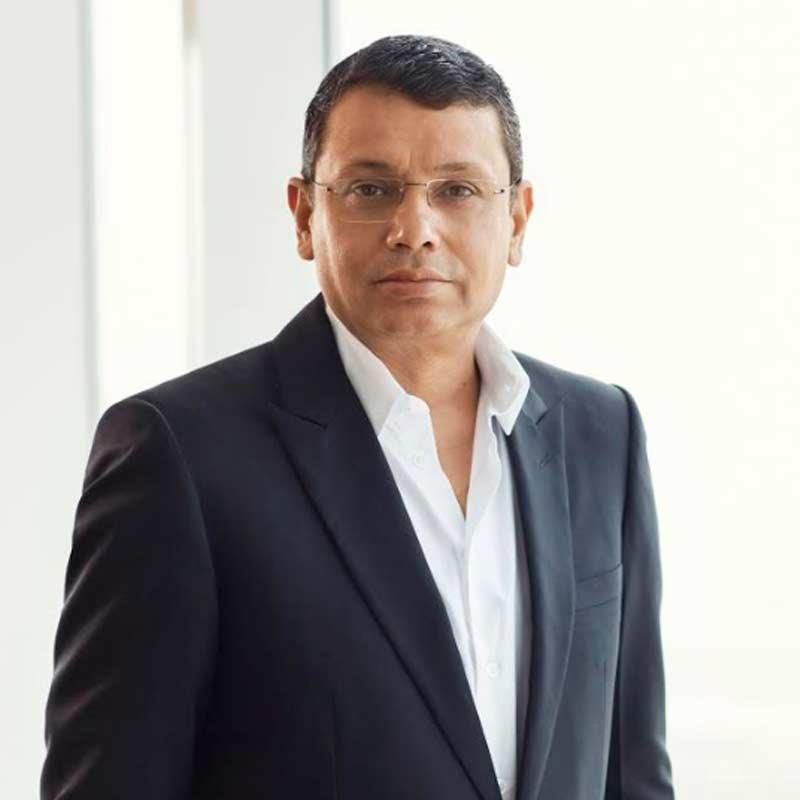
  • Uday Shankar gets appointed as FICCI president

    Uday Shankar gets appointed as FICCI president

    MUMBAI: Here’s another stripe he’s adding to the numerous ones he has got during his fascinating career. Disney Star India chairperson and Walt Disney Co Asia Pacific president  Uday Shankar will take over as FICCI president–elect for 2020-21  during the lobbying body’s ninety third AGM on 11, 12, and 14 December 2020. He will succeed Apollo Hospitals managing director Sangeeta Reddy. 

    In the process, he will become the first ever media and entertainment industry executive to lead the national chamber . Prior to this he was chairman of FICCI’s media & entertainment committee, apart from being president of the Indian Broadcasting Foundation. 

    Uday currently leads Disney’s direct-to-consumer business in over 30 countries and has been behind the tremendous success Star India has achieved in entertainment and sports broadcasting, apart from the streaming service Disney +Hotstar. 

    Uday has also been a vociferous advocate of the entertainment and broadcasting sector, speaking out at times against regulation which has slowed down the TV ecosystem. He has been at the forefront of landmark initiatives in television broadcasting, such as self-regulation of content and digitisation of the broadcasting sector. He holds an M. Phil in economic history.

  • TV9 Network forays into Bengal market

    TV9 Network forays into Bengal market

    NEW DELHI: With the aim to further reinforce its regional dominance and consolidate its position as the number one news network in the country, TV9 Network has embarked on a massive expansion plan for both its linear television as well as digital news businesses in West Bengal. The expansion plan will kick off with the launch of TV9 Bangla, a 24X7 news channel in the dynamic Bengal news market early next year. 

    Before the launch of TV9 Bangla, the network will unveil its digital offering, tv9bangla.com in December. As West Bengal prepares to go to the hustings, the grand entry of TV9 Bangla digital and TV platforms will be a game-changer for the robust Bangla news market. 

    TV9 Network CEO Barun Das said: “Gopal Krishna Gokhalre had famously said – ‘What Bengal thinks today, India thinks tomorrow’. But nearly a century later it would seem like that statement applies more to Bengal’s past than the present. An intellectually progressive state and exporter of the best talent to India and the world, we believe the state and its people still retain the wisdom and wares to make that its future as well. Bengalis are the typical argumentative Indians, they want to keep her ear to the ground and hence are naturally drawn to the news."

    “More importantly, Bengalis are proud of their language and largely consume news in their language. The discerning Bengali viewer will always have room for a neutral perspective and a balanced opinion. That’s the place in the Bengali heart and mind that TV9 Bangla aspires to occupy. We are here to strike the right balance with neutrality and a fair perspective forming the core of our operations. Our unbiased coverage and world-class presentation will give teeth to the Fourth Estate in West Bengal,” added Das. 

    On the timing of the launch, Das said: “The state is already into election mode. Indirect canvassing has already started and the heat is building up. Given Bengal’s propensity for the free flow of information, news viewership is bound to peak. We believe this is a perfect opportunity for TV9 Bangla to establish its credentials and win the maximum share of viewership and voice.”

    The network has onboarded veteran journalist Anjan Bandyopadhyay as the editor of TV9 Bangla news channel. A gold medallist from Calcutta University, Bandyopadhyay has 32 years of experience and has worked with almost all major media houses, including ABP, Zee, ETV and Sky Bangla. He was the Editor input of Zee 24 Ghanta and his last assignment was with ABP as its Editor-Digital.

    Hiring for both the platforms is in full swing.  Amritanshu Bhattacharya has also joined as the editor, TV9 Bengali Digital and will also serve as deputy managing editor, output, for the television channel. Bhattacharya comes with a rich experience of more than 25 years across print, audio visual and digital media, having worked with Jugantar, Aajkaal, ETV and Zee Media Corp. His last assignment was as an associate editor and head of digital of Zee 24 Ghanta.

  • IPL season 13 clocks 400 billion minutes of consumption

    IPL season 13 clocks 400 billion minutes of consumption

    Mumbai: Star India delivers the biggest IPL ever in the history of the tournament. From swashbuckling young talent, exciting clashes, to nail-biting double super overs in a single day, season-13 was nothing short of electrifying. With fans enjoying matches from the comfort of their homes, Dream11 IPL 2020 has set a viewership record with an overall consumption increase of 23 per cent *versus 2019. Television viewership reached an outstanding 31.57mn average impressions.

    Capitalizing on the regional appeal, five independent language channel offerings – Hindi, Tamil, Telugu, Bangla, and Kannada, contributed immensely to the increased viewership growth of Dream11 IPL 2020. The regional offering across languages has been received well by viewers and has increased the viewership by 28 per cent over last year.

    “It’s the biggest IPL the nation has seen and the response from fans and advertisers has been stupendous. The record-breaking opening week gave us the ideal start and laid the foundation for a record breaking season. We are extremely delighted that this season has been the biggestever in terms of viewership, engagement and ad sales. Enhanced story-telling, localisation, contextually relevant marketing and technology innovations formed the pillars of our offering. We are encouraged by the growth we have seen in southern markets driven by our regional feeds and higher consumption across demographics especially in rural markets and amongst kids,” Star India head – sports Sanjog Gupta said. “Season 13 witnessed some explosive matches which were aptly supplemented by innovative programming, world-class production – both remote and on-ground. This wouldn’t have been possible without the fantastic work done by the team at BCCI in staging the tournament under extenuating circumstances and seamless functioning from our teams inside the bio-secure bubbles in India and UAE,”he added.

    The record-breaking start to the Dream11 IPL 2020 started with the campaign ‘EkSaathWaaliBaat’. The campaign aimed to uplift the mood of the nation by bringing people together for the biggest cricketing tournament of the year. Star Sports, India’s leading sports broadcaster – pulled out all stops to ensure viewers and fans are offered an unparalleled experience of the Dream11 IPL 2020 from the comfort of their homes.

    The season began with sold-out inventory, with 18 sponsors and 114 advertisers onboard, setting an optimistic tone to a massively successful season ahead. Star Sports pulled off the telecast of one of the biggest sporting spectacles in 2020 in just six weeks during an ongoing pandemic and a lot of uncertainties.

    With fans enjoying the matches from the comfort of their homes, Star took it upon them to make sure fans of all ages and demographics were hooked to the 2020 edition. This resulted in women and kids registering impressive viewership growth of24 per cent and 20 per cent respectively. Star India’s effort to offer unmatched engagement for its viewers with state-of-the-art product innovations such as surround-in-stadia fan cheer, specialized broadcast feeds, and fan walls have received a great response and got fans closer to the game than ever before. Chapterisation of the tournament via themes such as Fan Week and Rivalry Week, along with a slate of programming including franchise shows continued to draw IPL aficionados throughout the tournament. The revamped Select Dugout this year continued to target core cricket viewers and also registered significant growth in consumption.

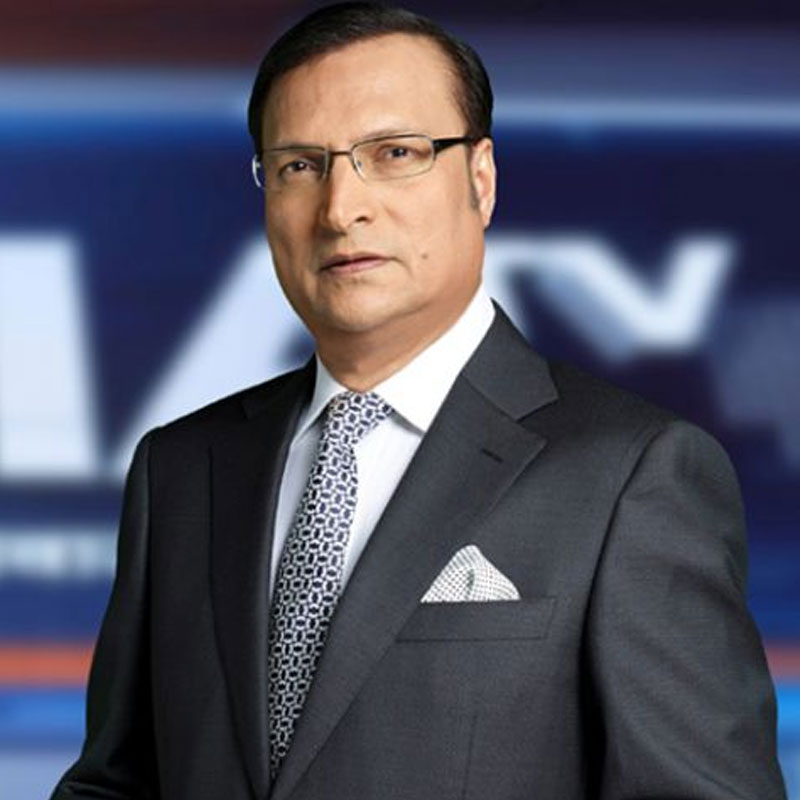
  • Rajat Sharma re-elected as NBA president

    Rajat Sharma re-elected as NBA president

    NEW DELHI: India TV editor-in-chief Rajat Sharma was re-elected as the president of the National Broadcasting Association (NBA) at its 13th annual general meeting. The board has elected News24 Broadcast India Ltd chairperson-cum-MD Anuradha Prasad as its vice president, and Bennett, Coleman & Co Ltd – Times Network MD and CEO MK Anand as honorary treasurer for the year 2020-2021.

    Accepting the charge, Sharma said in his address, “I would like to thank Mrs Annie Joseph, secretary-general, NBA for her efforts in ensuring that the objectives and initiatives of the NBA are achieved and implemented. I would also like to thank the staff of the NBA Secretariat, legal counsel, financial and corporate consultants as well as the auditors of NBA and bankers for their valuable time and cooperation.”

    He also spoke about BARC’s decision to hit the pause button on TRP measurement for news channels. “NBA has welcomed the decision of BARC to suspend the measurement of television viewership ratings of news channels for a period of twelve weeks. I have said in my statement that the corrupted, compromised, irrationally fluctuating data is creating a false narrative on What India Watches and has been putting pressure on our members to take editorial calls that run counter to the journalistic values and ideals of journalism. The current atmosphere of toxicity, abuse and fake news is no longer tenable and NBA as the custodian and guardian of Indian broadcast media believes a bold step of putting ratings of news genre on hold will help in improving the content. I would urge all the members broadcasters during this twelve-week period to take all the necessary steps to improve the content of their channels and move away from the tyranny of ratings and ensure that the independent self-regulatory model adopted by the news broadcasters is vigorously supported and its decisions adhered to by all of us.”

    He added, “I would like to take this opportunity to thank Mr Prakash Javadekar, secretary and officials in the ministry of information & broadcasting and the TRAI for their continued understanding and support on issues which confront us. Since 2008, our self-regulation initiative has been a source of pride for us. On behalf of the NBA board and on my own behalf I would like to place on record our sincere gratitude and thanks to the chairperson and independent members of the NBSA for their support, invaluable guidance and time.”

    The other members on the NBA Board are: –

    •     Mathrubhumi Printing & Publishing Co Ltd MD MV Shreyams Kumar
    •     TV18 Broadcast Ltd MD Rahul Joshi
    •     ABP Network Pvt Ltd CEO Avinash Pandey
    •     Eenadu Television Pvt Ltd director I Venkat
    •     TV Today Network Ltd vice-chairperson and MD Kalli Purie Bhandal
    •     New Delhi Television Ltd editorial director Sonia Singh
    •     Zee Media Corporation Ltd CEO – cluster 1 Sudhir Chaudhary
  • Broadcasters beat Covid2019 blues with new channel launches

    Broadcasters beat Covid2019 blues with new channel launches

    MUMBAI: The Covid2019 pandemic was an unforeseen catastrophe for the broadcast industry. With the months-long lockdown, ad revenues troughed, and as content dried up, viewers started migrating en-masse to the greener pastures offered by OTT platforms. But thumbing their collective noses at these setbacks, the broadcasters are seeing the virtue in launching new channels. Television is now starting to mirror the online content space and deliver to the evolved consumer needs around content.

    Even during the lockdown, people turned to television as a means to keep themselves engaged and entertained, with BARC reporting a 43 per cent increase in India's TV viewership during the lockdown compared to the pre-Covid2019 period. Recent BARC data suggests a 17 per cent increase in India’s TV viewership compared to pre-Covid2019 period (week 38 vs weeks 2-4 ’20). The rise in TV consumption signifies the viewers’ appetite for content – and clearly, the time is ripe to green-flag new channels catering to different tastes and smaller sub-segments across geographies.

    ZeeL has debuted two new channels, lifestyle channel Zee Zest and Marathi music channel Zee Vajwa. Enterr10 Television Network has expanded its footprint in south India with Dangal Kannada, close on the heels of its Bhojpuri offering, Enterr10 Rangeela . Star Vijay, owned by Disney-Star, has come out with Tamil music channel Vijay Music. In10 Media Network has recently ventured into the kids’ entertainment space on Children’s Day with a new premium Hindi channel, Gubbare — Masti Ke Phuwarre. On 1 May 2020, Shemaroo Entertainment Media Network launched Hindi GEC Shemaroo TV.

     ZeeL chief consumer officer Prathyusha Agarwal said, “With Zee Vajwa, we promise to provide our audiences with a platform to enjoy some great music deep-rooted in our rich culture. We also identified a need gap in the lifestyle genre to serve a holistic entertainment experience to the focused Sec A target audience. These viewers seek experiences from around the world but from the comfort of their own homes. That’s where Zee Zest seamlessly comes in, with diverse lifestyle content themes such as wellness, travel, lifestyle, food, home improvement, and culture.”

    Media experts highlighted that these are part of long-term plans to strengthen a network’s overall portfolio and expand into new segments. With viewers confined to their homes, it’s the best time to launch new channels. Broadcasters now have more time on hand to try out new content.

    In10 Media Network MD Aditya Pittie shared that the network is focused on building scalable businesses and strategically expanding its footprint in the industry. He added, “In our country, television continues to be a primary viewing platform for kids’ entertainment among most households.”

    Shemaroo Entertainment Ltd CEO Hiren Gada mentioned that the network is always keen to experiment and set milestones in the media and entertainment space. With this industry-first initiative allowing viewers to tune into Shemaroo TV live on Facebook, Gada hopes to reach out to a new and wide set of audience and offer content that they would like to watch and enjoy in their free time.

    Carat media director Grashima Sahni pointed out that broadcasters are bringing in an element of personalisation into the television space and hence, discouraging migration to other avenues and sources. “The vernacular flavour in this expansion is a crucial ingredient too. Zee Vajwa, Dangal Kannada, Enterr 10 Rangeela, Vijay Music are all offerings in local languages of each region, appealing to the “local-masses” or “micro-masses” of each region. With this step, broadcasters are also building immunity for themselves to the challenges of NTO by TRAI. A customised appeal will make sure that the channel remains a part of the selected channel basket by its viewers,” Sahni explained.

    She further highlighted that these channels are a stepping stone for broadcasters to work towards a TV+online content ecosystem. The success of Hotstar has reflected a clear learning that the primary audiences of the content on the channel can and will remain within the ecosystem given their needs are met. When the unstoppable migration from TV to the online screen does happen – due to time flexibility needs or choices (cross-selling the content with a bigger online library) – the audience can be successfully made to migrate internally if the TV hook is present in that household.

    With NTO also setting in and consumers able to pay per channel than a group offering, channel choice mix will be an intricate balance of content on TV & digital.

    Agarwal stated that all of ZeeL’s new launches have not only established themselves strongly in their respective markets but have also aided market growth. Zee Punjabi captured a third of the viewership pie in the first four weeks of its launch, and consumption of Punjabi language content grew by 23 per cent compared to the one per cent growth in total TV viewership in Punjab/Chandigarh. Even during the lockdown, Zee Punjabi capitalised on the surge in demand for content as viewership grew by nearly 60 per cent (BARC data: weeks 12-15). The network’s new movie channels – Zee Biskope, Zee Picchar & Zee Thirai – have also aided growth by capturing significant share in the movie genre, which rose by 28-29 per cent in a growing TV pie. (BARC data: weeks 12-15).

    The launch of a new channel provides brands an opportunity to create competitive advantage as they reach sharper audience cohorts that are culturally connected. “For instance, Zee Vajwa, a category first, will allow advertisers to reach to a new audience cohort and hence offers a new opportunity for brand outreach. Zee Zest will use a dual strategy to reach consumers across TV and digital platforms, further making it an attractive proposition for advertisers. The advantage with the launch of a new lifestyle genre/ destination channel is that it opens doors to various new brands to associate with the channel. Therefore, it’s a clear driver of mutual growth,” elaborated Agarwal.

    Multiple projections suggest a recovered economy by mid-2021. Demand is a critical aspect of this recovery and advertising plays a crucial role in this demand generation. BARC has already reported TV ad volumes to be at a five year high. Sahni remarked that with festive season and big-ticket properties, the sentiment is relatively positive and reflects that the business is working hard to gain back its shares or capture newer opportunities in the market due to a refresh and reshuffling in buying cycles.

    She added that the dip in advertising by some mature categories will be neutralised, if not positively overcome, by increased spending from relatively newer and now bullish categories like ed-tech, pharma-tech, etc.

    Agarwal noted that the steady revival in the economy and increase in consumer spending is sparking demand and brands are being both conscious and cautious about the right ROI for the money they are spending. Agarwal shared that the network works very closely with all its  partners across the value chain to help deliver a holistic solution to influence their business KPIs and not just address their communication objectives. She concluded, “We will continue to focus on consumer centricity to drive mutual business growth, that will continue to garner leadership and currency for us.”

    In contrast, Sahni was of the view that each channel is in a unique position of its own, in context to market standing, core audience profile, and competition. While some channels are expanding and increasing footprint in regional space, or even niche genres (Zee Zest); others like HBO and WB are soon going off-air and online only to manage increased pressures from digital content sources in their core territory of English speaking and digitally adoptive audiences.

    However, the road to recovery remains a long and winding path, and the question that arises is: will the broadcasters reach a breakeven point where they are able to maximise profit?

    Sahni opined, “With newer channels and hence, wider owned original content by broadcasters, we foresee long term content solutions becoming an important element in the revenue stream. What the broadcasters will need to do is push their limits on creativity, flexibility and timelines. Future thinking brands have already moved towards creating a larger impact and solutions beyond reach & frequency planning, which will benefit the content owners in the coming years.”

  • ViacomCBS Q3 results: Growth in streaming business

    ViacomCBS Q3 results: Growth in streaming business

    New Delhi: ViacomCBS delivered better-than-expected profit and revenue in Q3 on the back of robust growth in streaming, with domestic subscribers rising to 17.9 million up 72 per cent year-on-year (YoY).

    The mass media company's total revenue declined 9 per cent to $6.12 billion, but this was higher than market projections of $5.94 billion

    It also raised its annual paid subscriber forecast for its streaming services, after nearly hitting its previous target a full quarter ahead of time on strong demand for indoor entertainment during the pandemic.

    The streaming services registered significant growth in sign-ups, the company said, as CBS All Access benefited from strong demand for sports content and Showtime OTT from shows like The Chi and Billions.  It now expects to hit 19 million domestic subscriptions by the year-end for its streaming services, CBS All Access and Showtime, compared to its earlier estimate of 18 million.

    Revenue from streaming and digital video surged 56 per cent to $636 million in the third quarter, helped by a more than doubling of ad sales from its free, ad-supported Pluto TV.

    Pluto TV Domestic MAUs also increased to 28.4M, up 57 per cent YoY.

    ViacomCBS competes in a crowded US video streaming market with dominant players such as Netflix with close to 200 million global customers and Walt Disney Co, which has more than 100 million global paid customers for its streaming platform.

    Overall advertisement revenue, however, fell 6 per cent but improved from a 27 per cent plunge in the second quarter.

    Revenue in the company's filmed entertainment division, which includes Paramount Pictures, tumbled 31 per cent, primarily due to lower licensing revenue and theatre closures including limited seating, across the US and Europe.

    The company is on track to debut Paramount+ in early 2021 as a differentiated offering spanning live sports, breaking news and entertainment, including new and franchise-based originals.

    Excluding items, the company earned 91 cents per share, beating estimates of 80 cents.

  • Bombay HC tells Mumbai police not to harass Hansa employees

    Bombay HC tells Mumbai police not to harass Hansa employees

    NEW DELHI: Bombay high court told Mumbai police not to harass Hansa Group’s employees by calling them every day to the crime branch. This was in response to a plea moved by the research agency citing harassment faced by its staff allegedly on account of their reluctance to give false statements against Republic TV in the ongoing TRP scam case.

    Media reports suggest that the bench of justices SS Shinde and MS Karnik have issued notices in the matter and granted the respondents – namely Mumbai police commissioner Parambir Singh and two other officers – liberty to file their reply. The court has also recorded a statement made on behalf of the police that Hansa's employees will only be called in twice a week till the next date of hearing.

    The court will examine the submissions from both sides and added, "…in the interregnum, you cannot call them (Hansa Research) every day. They are complainants, not the accused."

    Hansa Research in its plea alleged that the crime branch officials were pressuring its employees to “retract” a report, based on which Republic TV had claimed it was not among channels named in the TRP scam case. They were repeatedly called to the crime branch and made to wait for hours on end from October 12 onwards. The petition named assistant police inspector (Crime Branch) Sachin Vaze, Mumbai police commissioner Parambir Singh, assistant CP and chief investigating officer Shashank Sandbhor, Maharashtra government and the CBI as respondents.

    Read more news on Hansa Research

    "This is a unique situation where the first informant in the crime is being harassed by the investigating agency and treated like an accused only for a false statement …petitioners are being used by police and media to attack each other," the plea said.

    The petitioners stated that they told crime branch officers repeatedly that they could not confirm or deny the report since they were not aware what the ‘Hansa report’ cited by Republic TV was, as the channel had not sought their permission or informed them about using the report, and only parts of the report were telecast. They said that they will have to see the entire document to ascertain its veracity.

    On 6 October, Hansa Research Group lodged an FIR against its employee Vishal Bhandari after he was found allegedly accepting payments illegally to make certain households watch specific TV channels to fudge TRP. Several arrests have been made in the case.