Tag: Broadcast Audience Research Council

  • HUL regains top spot in first week of 2022: Barc

    HUL regains top spot in first week of 2022: Barc

    Mumbai: After lagging behind Reckitt Benckiser (RB) for two consecutive weeks, Hindustan Lever Ltd (HUL) has regained the top position in the first week of 2022. According to data released by Broadcast Audience Research Council (Barc), HUL delivered ad volumes of 4551.67 for the period of 1-7 January.

    The FMCG giant was the consistent top performer in 2021. It was trumped by RB in the last two weeks of the year by huge margins. While RB was at 3005.75 in week 52 (25-31 December 2021), HUL’s score was 1914.69. The corresponding figures for week 51 were 3322.98 (RB) and 2059.20 (HUL).

    Coming back to this week, RB was at the second position once again with 3022.09 ad volumes. At 1160.97 (‘000s) Ponds India was third.

    Brooke Bond Lipton India, Cadburys India, Procter & Gamble, Godrej Consumer Products, ITC Ltd., Amazon Online India, and Colgate Palmolive India were at the No. four to ten.

    Among the brands, Harpic Power Plus 10X Max Clean led the list with ad volumes of 608.55. It was followed by Dettol Antiseptic Liquid (550.43) and Horlicks (356.19) in the second and third positions.

    The remaining slots were grabbed by Dettol Toilet Soaps, Lizol All in 1, Clinic Plus Shampoo, Harpic Bathroom Cleaner, Vanish Oxi Action, Ultratech Cement and Almond Board of California (new entrant).

  • New brands, advertisers make up 19% share of TV ad volumes in Nov: Barc

    New brands, advertisers make up 19% share of TV ad volumes in Nov: Barc

    Mumbai: Television ad volumes continue to showcase steady growth with 156 million seconds in November, three per cent higher than November 2020 and 31 per cent higher than November 2019, according to Broadcast Audience Research Council (Barc) India.

    The month of November recorded the highest number of advertisers and brands on TV in 2021. The month witnessed 14 per cent more advertisers and 13 per cent more brands as compared to November 2019. 19 per cent of advertisers and brands were new in the month. Advertisers beyond the top 50 registered highest growth of 44 per cent over November 2019, the top 50 registered a 24 per cent growth.

    BFSI category bounces back with a 62 per cent growth over the previous two years, month on month, with 3.8 million seconds of ad volumes. E-commerce registered an impressive 37 per cent growth with 15.5 million seconds of ad volumes in November 2021 over November 2020. Ad volumes for auto, textiles, retail, and personal accessories category grew by two times over November 2019.

    Ad volumes for regional languages have shown growth. Telugu grew by 17 per cent, Malayalam by 13 per cent, Bhojpuri and Hindi by 10 per cent each, and Punjabi by nine per cent, as compared to November 2020. While the ad volumes for Bhojpuri have doubled as compared to November 2019. Marathi and Punjabi languages ad volume have grown by 60 per cent. Ad volumes for Tamil, Telugu, Hindi have witnessed the growth of 30 per cent over November 2019 showcasing steady performance. Ad volumes for Bhojpuri language channels grew by 103 per cent in November 2021 over November 2019.

    “2021 has been an interesting year from an advertising point of view given the momentum of events we have witnessed since the beginning of the year,” said BARC India head of client partnership and revenue function Aaditya Pathak. “Despite economic challenges that were accelerated with the second wave of Covid-19, legacy advertisers continued to increase spends on TV, and new brands placed faith in the medium to ensure that they were able to stay connected with their TG. The double-digit growth in ad volumes that regional language channels like Telugu, Malayalam, and Bhojpuri have recorded, indicates that marketers continue to explore regional content strongly.”

  • HUL leads top advertiser tally in week 48: Barc

    HUL leads top advertiser tally in week 48: Barc

    Mumbai: Hindustan Lever Ltd (HUL) was the most prolific advertiser once again in week 48 (27 November to 3 December) according to the data released Broadcast Audience Research Council (Barc). The FMCG major delivered ad volumes of 4347.97 (‘000s). Reckitt Benckiser (India) Ltd was at number two with 2537.84. At 1125.73, Ponds India stood in the third position.

    Brooke Bond Lipton India Ltd, Cadbury’s India Ltd, Godrej Consumer Products Ltd, Procter & Gamble, and Colgate Palmolive India Ltd were in the fourth to eighth positions respectively. Facebook Inc was the new entrant at the ninth spot. Life Insurance Corp of India stood last.

    Harpic Power Plus 10X Max Clean continued to lead the brands’ list with ad volumes of 461.72. Horlicks, Clinic Plus Shampoo, and Dettol Antiseptic Liquid were at number two to four, respectively. Amazon Prime Video at the fifth spot was the only exception in the FMCG-dominated list.

    They were followed by CloseUp Ever Fresh, Brooke Bond Bru Instant, Lizol, Surf Excel Easy Wash, and Pepsodent Germi Check.

  • India vs New Zealand opening T20 match garners 73 million reach

    India vs New Zealand opening T20 match garners 73 million reach

    Mumbai: The opening match between India and New Zealand, in the T20 international series that began on 17 November, garnered a reach of 73 million (2+U+R) becoming the most-watched T20 opening match in the last three years.

    The match is part of New Zealand’s tour of India that is being broadcast on the Star Sports network. As part of the series, India will play three T20 internationals and two Test matches against New Zealand.

    According to data by Broadcast Audience Research Council (Barc) India, the match garnered 15 per cent higher absolute reach than the previous high set by the opening match of India versus West Indies T20 international held in 2019.

    The India vs New Zealand opening match reach, in percentage, stood at 13.1 per cent which was 11 per cent higher compared to the previous high of the Ind v WI opening match. The match also garnered a 4.9 million average minute audience (AMA) which was 16 per cent higher compared to the Ind v WI opening match.

    In comparison, the opening match of India vs England T20 international this year garnered a reach of 50 million, 3.4 million AMA, and a share of reach at 10.5 per cent.

  • COVID-19 boosts news channels’ viewership, but not ad revenue

    COVID-19 boosts news channels’ viewership, but not ad revenue

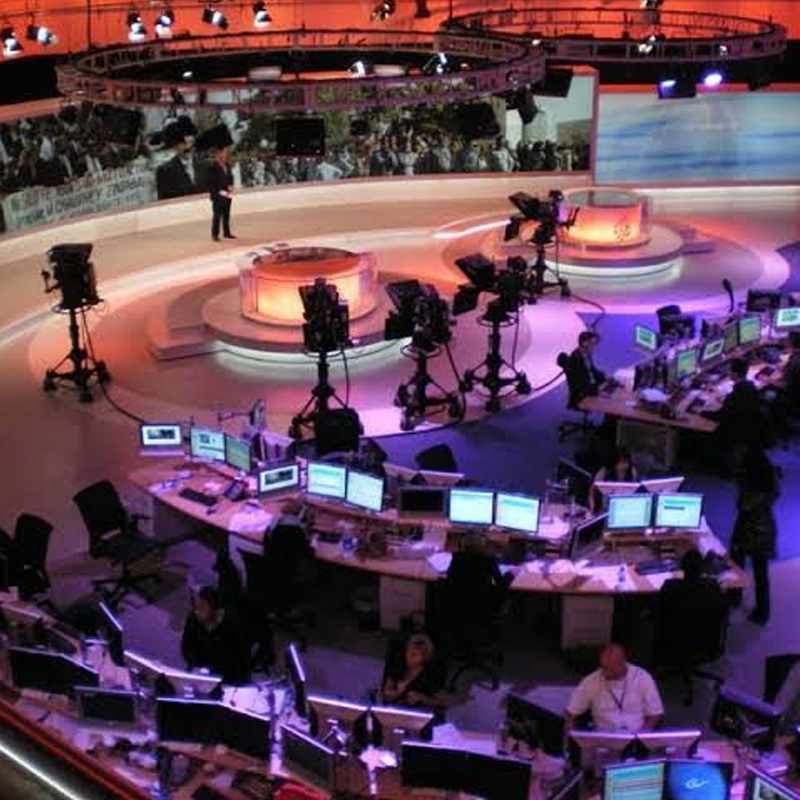
    MUMBAI: Over the last few weeks, news channels have ramped up their on-ground operations to ensure that people stay updated, aware and alert on the latest COVID-19 pandemic. Despite going the extra mile, while also maintaining social distancing as well as taking precautions for the health of their employees, the efforts haven’t paid off in terms of advertising revenue.

    Times News Network managing director and chief executive officer MK Anand disapproves of equating higher viewership with automatic higher ad revenue. “This misconception has been doing the rounds for the past couple of weeks that news channels are raking it. Ad revenue has got severely affected in the first two weeks of April for all our channels, including news, and the second fortnight also doesn’t look any better. We think this will continue as long as the lockdown is stretched. Our competitive tracking indicates it’s no different for anyone else in the game.”

    In news viewership, according to Broadcast Audience Research Council (BARC) India and Nielsen’s third lockdown statistics report, news channels raked in an all-time high growth across languages. The news genre saw 251 per cent growth from the pre-COVID -19 times. Meanwhile, TAM Media Research data shows that the overall ad volume has fallen by 11 per cent in March this year as compared to the same period last year.

    Amid the lockdown, the news channels have been put under the essential services category with the aim of helping people keep themselves updated and remain positive. Anand says: “Our programming, currently, is focussed on informing viewers of an extremely important subject – the pandemic – itself, a matter of life and death. And no, we have not gone out to promote packages for ‘Corona sponsorships.”

    The News Broadcasters Federation (NBF) has sent out two appeals to the advertising industry. First, it requested brands to support news channels with more ad sales. Last week, it appealed to media agencies and clients not to re-negotiate ad deals. It said that news channels are being compelled to drop their rates by 50 per cent, despite being the only one showing a viewership boost and well as having invested extra resources to ensure that continuous content is generated.

    Times Now saw about 113 per cent growth in terms of viewership in BARC week 12 as compared to the previous week.

    The country has close to 400 news channels in various languages that are fighting for a small piece of ad revenue. The most impacted during this economic crisis will be the regional news broadcasters.

    Mathrubhumi News chief executive officer Mohan Nair believes that ad revenue has dropped by half across news channels in the market. Nair says: “We could have been in the festive mood with Vishu and Easter in April. However, the lockdown has poured water into all our plans.”

    Mathrubhumi News is one of the leading Malayalam news channels. The channel, which has jewellery brands as its prominent advertisers, has been showing state governments’ advertisements along with RBI’s messages on the platform for free of cost.

    Nair adds: “As a responsible news channel, we aim to shoulder the government’s effort in the fight against COVID-19 and hope to come out of this situation early. Revenue is, of course, important for a broadcaster to run but in these unprecedented times our focus is to keep the audience informed and aware.”

    Republic TV chief executive officer Vikas Khanchandani, on the other hand, says that the viewership growth is translating into ad sales – essential goods from the FMCG sector. Republic TV, so far this year, has been the number one channel in the top five English news channels’ list.

    “What is not selling right now is automotive and consumer durable goods. The lockdown has, of course, impacted ad sales, but there is a huge rush from app-based companies to advertise on the platform. There are clients from gaming apps, healthcare apps, ed-tech apps along with hygiene brands who want to come on board with the network due to the rising viewership,” he says.

    DigitalKites senior vice-president Amit Lall corroborates Khanchandi’s view. “Currently, we are seeing a surge of three digital platforms exponentially: OTT platforms, gaming applications and education apps. As people are locked down in their homes, they either wish to get entertained or upgrade their skills.”

    Brands also factor in the kind of content being presented in order to associate themselves. Lall explains: “Big brands believe in contextual marketing and in news channels this phenomenon plays a vital role. No brand will want to be associated with the content or news that is being shown right now, which is sort of negative, during which the sentiments of people are not right.”

    Dentsu Aegis Network India chief executive officer Anand Bhadkamkar says, “With 300 per cent rise in viewership over normal time, the advertising rates could have gone over the roof. However, in the current situation, all advertisers are very restrictive with respect to spends.”

    “Reliability and comfort are the two things in the consumers’ mind, and brands are likely to become more strategic going forward. The upcoming two quarters are definitely going to be challenging and ad spends itself are going to come down substantially,” Bhadkamkar adds.
  • Indian women’s T20 world cup matches dominate TV screens with 72% viewing minutes

    Indian women’s T20 world cup matches dominate TV screens with 72% viewing minutes

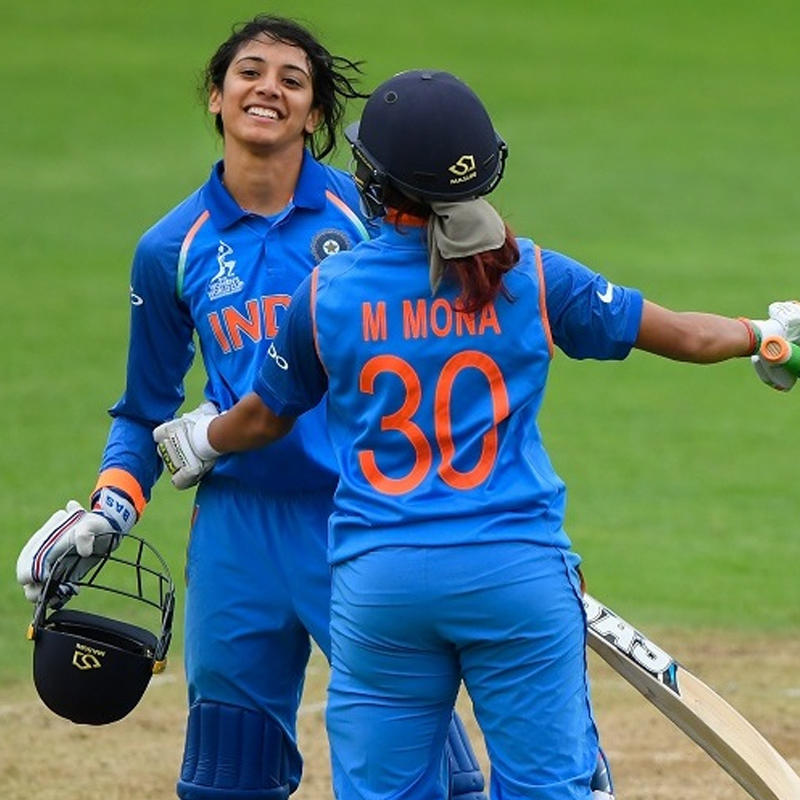
    MUMBAI: The Indian women's cricket team may have failed to lift the T20 world cup at Melbourne, but definitely have turned the eyeballs of the audience, by putting up a tough fight during all the league matches.

    In the first 12 knock-out matches, Broadcast Audience Research Council (BARC) India reports: “Out of the 2548 million viewing minutes, Indian women’s matches dominated the television screen with a staggering 72 per cent to 1842 million viewing minutes.”

    According to BARC India, “The ongoing ICC Women’s T20 world cup garnered a total of 2548 million viewing minutes for the first 12 league matches played between 21-28 February. Of which 61 per cent of the male audience watched these matches.”

    “The 12 matches played during the tournament, achieved a cumulative reach of 46 million viewers, of which 27 million viewers were in the male category and 19 million were in the female,” reports BARC.

    For the first time in history, the International Cricket Council had organised the women’s T20 world cup as a standalone event unlike last season in 2016. The last edition of women’s T20 world cup was bundled with the men’s T20 world cup, which is scheduled later this year in October.

    According to the ICC, the first 12 matches of T20 world cup saw a growth of 213 per cent and attracted 2.46 billion viewing minutes in India versus 787 million viewing minutes for the same matches in the previous event in the same format.

    ICC also said that the opening match between India and Australia saw a reach of 20 million and an average audience of 3.55 million, which is 39 per cent higher than the most-watched match in the previous edition. Star Sports is the official global broadcast partner of ICC. In India, all the matches were shown in five languages: English, Hindi, Tamil, Kannada, and Telugu.

    Similarly, across ICC’s digital and social media platforms, fans have engaged in greater numbers than ever before with an unprecedented 701 million video views to date compared to previous best in 2017 for the women’s ODI cricket world cup, which netted a total of 100 million views from the whole event.

  • Advertisers weigh in on effectiveness of BARC’s integrated TV plus OOH measurement

    Advertisers weigh in on effectiveness of BARC’s integrated TV plus OOH measurement

    MUMBAI: In a significant move, the Broadcast Audience Research Council (BARC) India recently announced the integration of TV and out-of-home (OOH) TV viewership in its media workstation software. The decision will allow BARC India subscribers to get a comprehensive understanding of the overall viewership.

    Brands and marketers have welcomed the move for the viable opportunities it can create. However, a few of them point out that such ratings will be impactful only during big-ticket event-based OOH viewing.

    Dentsu Aegis Network CEO greater south and chairman and CEO of India Ashish Bhasin is of the view that it will help marketers in making more informed decisions. He says, "I believe it is a step in the right direction. A lot of TV viewership, particularly around sporting events like IPL, happens outside of homes and the more research that we can get, the more clarity of data we can get, the more it helps the medium and also helps in making more informed choices."

    L'Oreal head of media Neel Pandya feels that while it is too early to tell how the policy will fare, it is going to be interesting to see how the advertising culture will evolve accordingly. He says, “It’s a great move by BARC to include out of home TV viewership as a part of its offering. Over the years, the only large media available for mass audience have been TV and OOH. As urban India is spending more time out of their homes on weekends, this service will enable marketers to get a holistic picture of the audiences’ TV viewing habits. OOH is an attractive proposition nowadays, leading to its extensive use and a boom of OTT players in the country. The only hurdle for large advertisers to invest heavily in OOH is its measurement system. While it’s too early to tell, it will be interesting to see how advertising evolves to capture the attention of increasing OOH TV viewing audiences.”

    The service will allow broadcasters and advertisers to uncover more value and insights into TV-viewing behaviours, both inside and outside the home. The data will also be available in the planning module for agencies to plan effectively and account for this audience.

    RSH Global CMO Poulomi Roy is of the view that the integrated ratings will help the marketers during event-based properties like IPL but otherwise the impact is going to be negligible. She says, “Big ticket media properties like IPL & World Cup which have a homogeneous group of people with common sentiments viewing together will show better reach and hence, marketers who spend on these properties will get affected in a positive way. However, it is important to know the sample size and coverage area and lastly how the data will be interpreted. Barring these days when such properties are not airing, the impact of these measurements is negligible because for a consumer it will be forced viewing of whatever is served by the social hotspots.”

    KMPG India partner and head, media and entertainment Girish Menon thinks that while the intent behind the decision is very good, one needs to think through how the measurement metric will work to cover a large number of people who will be watching at one place along with demography of those viewers.

    He says, “The way we need to look at out of home viewing is in two types. One is event-related viewing, mostly relevant to sports, and the other is consumption in the hotel. For an event-based viewing, for example, if you go to a restaurant, 50 people might be watching (from one screen). How do you really measure the number in such case? If you look at hotels, that model is very different. There is a reasonable chunk of the transient population that means, a person either flips through channels to pick up something interesting or typically goes to his favourite channel. Either way, it is not appointment viewing. But at least brand loyalty will have a larger play. So, therefore it is slightly more advantageous to larger and more well-known channels. There we benefit at the channel level, not necessarily at the programme level.”

    Menon says that the way advertising works in India is ratings-based in terms of reach, people and demography. “Essentially, it will add to those ratings. Therefore from an advertiser’s perspective, it is a little bit better because it expands the population the advertisers will be able to target. But at the end of it, it benefits the advertisers like all other measurement systems.”

    BARC had started the OOH TV viewership management in 2018, in Delhi, Mumbai and Bangalore. The council has also announced the expansion of this service to 120+ urban towns as well. This also comes at a time when BARC India has expanded its panel to 40,000 metered homes within the committed timeline of March 2019

  • Vimal Elaichi Pan Masala enters top 5 most advertised brands in BARC week 45

    Vimal Elaichi Pan Masala enters top 5 most advertised brands in BARC week 45

    MUMBAI: The Broadcast Audience Research Council (BARC) India has released its data for top advertisers and brands between 27 October-02 November 2018.

    The data is a reflection of top 10 advertiser and brands across genre on Indian television (U+R) : 2+ Individuals.

    The data demonstrates ads that were inserted the most in week 45 of 2018.

    Top Advertisers:

    For week 44, Hindustan Unilever Ltd retained its position as the top advertiser and led with 1,43,930 ad insertions on television. HUL’s products include foods, beverages, cleaning agents, personal care products and water purifiers.

    Reckitt Benckiser Ltd, maker of Dettol, Veet, Durex condoms, Strepsils, Air Wick, Harpic came in second with 69,407 ad insertions followed by ITC Limited with mere 52,297 insertions.

    Online e-commerce platform Amazon India stood fifth followed by Procter & Gamble with 31,630 and 27,296 insertions.

    Top Brands:

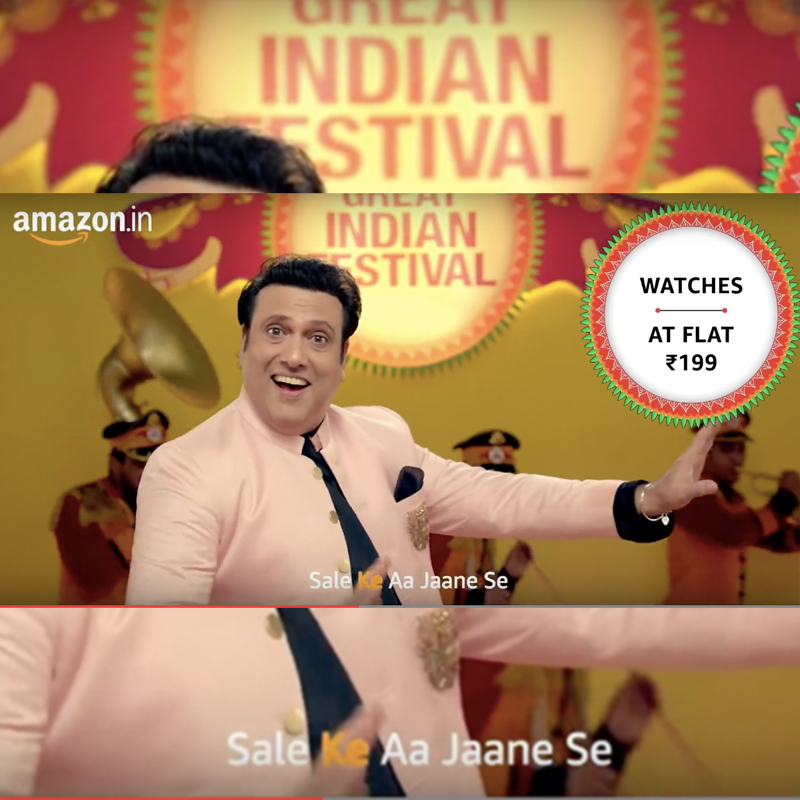
    amazon.in, the e-commerce player that has been pushing Amazon Alexa and its annual festive sale, retained its last week’s position and was the most advertised brand with 17,920 ad insertions.

    Hotel searching website Trivago retained its last week’s positions and came in second with 10,393 ad insertions.

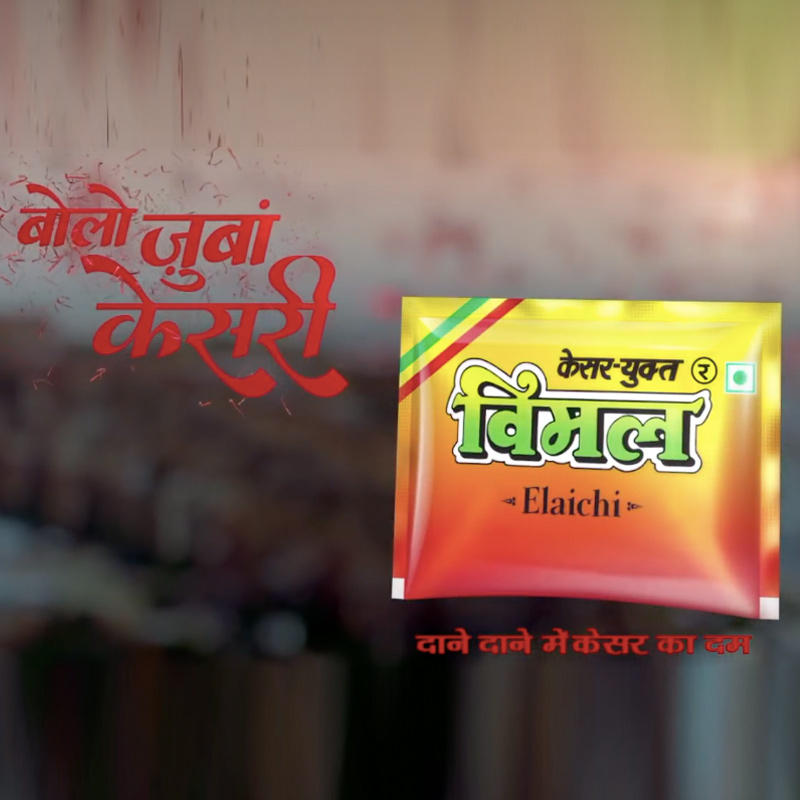
    A new entry in the top 10 most advertised brands on television this week was Vimal Elaichi Pan Masala with 9,796 insertions followed by Flipkart with 9,694 insertions.

    Santoor dropped down several positions and stood fifth with mere 9,536 ad insertions.

  • Amazon most advertised brand in BARC week 43

    Amazon most advertised brand in BARC week 43

    MUMBAI: The Broadcast Audience Research Council (BARC) India has released its data for last week’s top advertisers and brands between 20-26 October 2018.

    The data is a reflection of top 10 advertiser and brands across genre on Indian television (U+R) : 2+ Individuals.

    The data demonstrates ads that were inserted the most in week 43 of 2018.

    Top Advertisers:

    For week 43, Hindustan Unilever Ltd retained its position as the top advertiser and led with 1,32,954 ad insertions on television. HUL's products include foods, beverages, cleaning agents, personal care products and water purifiers.

    Kolkata based ITC group retained its last week’s position  with 71,861 ad insertions.

    Reckitt Benckiser Ltd, maker of Dettol, Veet, Durex condoms, Strepsils, Air Wick, Harpic retained its last week’s position as well with 67,476 ad insertions followed by Amazon India with mere 53,295 insertions.

    Procter & Gamble retained its last week’s position and stood fifth with 26,176 insertions.

    Top Brands:

    amazon.in, the e-commerce player that has been pushing Amazon Alexa and its annual festive sale, retained its last week’s position and was the most advertised brand with 32,833 ad insertions.

    Hotel searching website Trivago and Santoor retained their last week’s positions and came in second and third with 10,688 and 10,047 ad insertions respectively.

    Colgate came in fourth with 9,175 ad insertions followed by Wipe with 8,755 ad insertions.

  • Amazon most advertised brand in BARC week 42

    Amazon most advertised brand in BARC week 42

    MUMBAI: The Broadcast Audience Research Council (BARC) India has released its data for last week’s top advertisers and brands between 13-19 October 2018.

    The data is a reflection of top 10 advertiser and brands across genre on Indian television (U+R) : 2+ Individuals.

    The data demonstrates ads that were inserted the most in week 42 of 2018.

    Top Advertisers:

    For week 42, Hindustan Unilever Ltd retained its position as the top advertiser and led with 1,20,675 ad insertions on television. HUL’s products include foods, beverages, cleaning agents, personal care products and water purifiers.

    Kolkata based ITC group that stood fourth last week, came in second in week 42 with 71,200 ad insertions.

    Reckitt Benckiser Ltd, maker of Dettol, Veet, Durex condoms, Strepsils, Air Wick, Harpic came in third with 70,594 ad insertions followed by Amazon India with mere 29,856 insertions.

    Procter & Gamble retained its last week’s position and stood fifth with 27,742 insertions.

    Top Brands:

    Amazon

    Flipkart

    santoor

    Triage

    Policy Bazaar

    PolicyBazzar that came in fifth last week, didn’t make it in the top 10 list of most advertised brands in week 42.

    amazon.in, the e-commerce player that has been pushing Amazon Alexa and its annual festive sale, retained its last week’s position and was the most advertised brand with 11,473 ad insertions.

    Hotel searching website Trivago came in second followed by Santoor soap with 10,837 and 9,795 ad insertions respectively.

    Reckitt Benckiser’s Dettol came in third with 9,605 ad insertions followed by Honda with 9,447 ad insertions.