Tag: broadband

  • Broadband rose 8.3 per cent till June 16; teledensity fell in urban, hike in rural

    Broadband rose 8.3 per cent till June 16; teledensity fell in urban, hike in rural

    MUMBAI: The number of telephone subscribers in India increased from 1,058.86 million at the end of Mar-16 to 1,059.86 million at the end of Jun-16, registering a growth of 0.09% over the previous quarter. This reflects year-on-year (Y-O-Y) growth of 5.25% over the same quarter of last year. The overall Teledensity in India declined from 83.36 as on 31 March, 2016 to 83.20 as on 30 June, 2016, according to TRAI statistics.

    Trends in Telephone subscribers and Teledensity in India: Subscription in Urban Areas declined from 609.69 million at the end of Mar-16 to 609.45 million at the end of Jun-16, and Urban Teledensity also declined from 154.01 to 153.22. However, Rural subscription increased from 449.17 million to 450.41 million and Rural Teledensity also increased from 51.37 to 51.41 during the same period.

    Of the total subscription, the share of Rural subscription increased from 42.42% at the end of Mar-16 to 42.50% at the end of Jun-16.

    Composition of Telephone Subscribers: With a net addition of 1.49 million subscribers during the quarter, total wireless (GSM+CDMA) subscriber base increased from 1,033.63 million at the end of Mar-16 to 1,035.12 million at the end of Jun-16, registering a growth rate of 0.14% over the previous quarter. The year-on-year (Y-O-Y) growth rate of wireless subscribers for Jun-16 is 5.54%.

    Wireless Tele-density declined from 81.38 at the end of Mar-16 to 81.26 at the end of Jun-16, according to TRAI statistics.

    Wireline subscriber base further declined from 25.22 million at the end of Mar-16 to 24.74 million at the end of Jun-16, registering a quarterly decline rate of 1.90%. The year-on-year (Y-O-Y) decline rate in wireline subscribers for Jun-16 is 5.38%.

    Wireline Teledensity declined from 1.99 at the end of Mar-16 to 1.94 at the end of Jun-16.

    Total number of Internet subscribers increased from 342.65 million at the end of Mar-16 to 350.48 million at the end of Jun-16, registering a quarterly growth rate of 2.28%. Out of 350.48 million, Wired Internet subscribers are 20.76 million and Wireless Internet subscribers are 329.72 million. Composition of internet subscription.

    The Internet subscriber base of 350.48 million at the end of Jun- 16 comprises Broadband Internet subscriber base of 162.06 million and Narrowband Internet subscriber base of 188.42
    million.

    The broadband Internet subscriber base grew by 8.22% from 149.75 million at the end of Mar-16 to 162.06 million at the end of Jun-16. On the other hand, the narrowband Internet subscriber
    base declined by 2.32% from 192.90 million at the end of Mar-16 to 188.42 million at the end of Jun-16.

    Monthly Average Revenue Per User (ARPU) for GSM service increased by 0.96%, from `125 in QE Mar-16 to `126 in QE Jun-16. Monthly ARPU for GSM service grew by 0.09% on Y-O-Y in this
    quarter, according to TRAI statistics.

    Prepaid ARPU for GSM service per month increased from `107 in QE Mar-16 to `108 in QE Jun-16, and Postpaid ARPU per month increased from `488 in QE Mar-16 to `495 in QE Jun-16.

    On an all India average, the overall MOU per subscriber per month for GSM service declined by 1.07% from 381 for QE Mar-16 to 377 in QE Jun-16.

    Prepaid MOU per subscriber for GSM service declined from 356 in QE Mar-16 to 351 in QE Jun-16, and postpaid MOU declined from 892 in QE Mar-16 to 889 in QE Jun-16.

    Monthly ARPU for CDMA full mobility service declined by 4.86%, from `103.50 in QE Mar-16 to `98.51 in QE Jun-16. Monthly ARPU for CDMA full mobility service declined by 7.95% on Y-O-Y
    basis in this quarter.

    The total MOU per subscriber per month for CDMA full mobility service declined by 12.54%, from 260 in QE Mar-16 to 228 in QE Jun-16. The outgoing MOUs declined from 150 in QE Mar-16 to
    130 in QE Jun-16, and incoming MOUs also declined from 110 in QE Mar-16 to 98 in QE Jun-16, according to TRAI statistics.

    Gross Revenue (GR) and Adjusted Gross Revenue (AGR) of Telecom Service Sector for the QE Jun-16 has been `73,344 Crore and `53,383 Crore respectively. GR and AGR increased by 7.33% and 10.34% respectively in QE Jun-16 as compared to previous quarter.

    The year-on-year (Y-O-Y) growth in GR and AGR over the same quarter in last year has been 12.79% and 13.26% respectively.

    Pass-through charges increased from `19,956 Crore in Q.E. Mar- 16 to `19,961 in Q.E. Jun-16. The quarterly and the year-on-year (Y-O-Y) growth rates of pass-through charges for QE Jun-16 are 0.03% and 11.54% respectively.

    The License Fee increased from `3,872 Crore for the QE Mar-16 to `4,314 Crore for the QE Jun-16. The quarterly and the year-onyear (Y-O-Y) growth rates of license fee are 11.43% and 14.05%
    respectively in this quarter.

    Access services contributed 83.84% of the total Adjusted Gross Revenue of telecom services. In Access services, Gross Revenue (GR), Adjusted Gross Revenue(AGR), License Fee and Spectrum Usage Charges(SUC) increased by 9.20%, 12.21%, 13.55% and 12.42% respectively whereas, Pass Through Charges declined by 0.67% in QE Jun-16, according to TRAI statistics.

    Monthly Average Revenue per User (ARPU) for Access Services based on AGR increased from `126.91 in QE Mar-16 to `140.88 in QE Jun-16.
  • Hathway Q2-17 revenue and EBIDTA up; adds 1 lakh broadband subs

    Hathway Q2-17 revenue and EBIDTA up; adds 1 lakh broadband subs

    BENGALURU: Indian multi system operator (MSO) Hathway Cable and Datacom Limited (Hathway) reported 18.8 per cent growth in Total Income from operations (TIO) and 11.9 percent growth in operating profits (EBIDTA) for the quarter ended 30 September 2016 (Q2-17, current quarter). The company reported TIO of Rs 321.07 crore in Q2-17 as compared to Rs 270.35 crore in the corresponding quarter of the previous year.

    The company’s EBDITA including other income in the current quarter was Rs 54.9 crore (17 percent EBIDTA margin) and was Rs 49.05 crore (17.9 percent EBIDTA margin) in Q2-16. The company’s loss in the current quarter increased to Rs 40.45 crore from a loss of Rs 31.99 crore in Q2-16.

    High growth in Cable subscription revenue, Activation fees and Broadband revenue are chiefly responsible for the improved performance says the company. The company’s broadband segment has been performing very well, as a matter of fact, among the national level MSOs’ Hathway has the highest subscription and revenue numbers among all of them. Within Hathway, in Q2-17, Broadband subscription had the highest contribution to revenue, even more than Cable TV subscription revenue

    Hathway’s broadband subscriber base increased to 8 lakh in Q2-17 from 7 lakh in the immediate trailing quarter. Consolidated broadband revenue in the current quarter as per IND AS increased 67 percent to Rs 120.3 crore from Rs 71.9 crore in the previous year. Broadband ARPU in the current quarter increased to Rs 643 from Rs 616 in the corresponding quarter of the previous year, but declined from Rs 670 in the immediate trailing quarter.

    Consolidated reported CATV subscription revenue as per IND AS in the current quarter increased 12 percent to Rs 120.2 crore from Rs 107.5 crore in Q2-16 Hathway says that it has achieved a milestone of deployed 18 lakh STBs, of which 8 lakh STBs were deployed in Phase III & IV areas during Q1- 17. The company says that it has now digitized 92 percent of its cable TV universe. CATV ARPU in DAS Phase I increased to Rs 105 from Rs 100 in the corresponding year ago quarter.CATV ARPU in Phase II areas increased to Rs 90 from Rs 80 in Q2-16. ARPU from phase III areas was Rs 30.

    Placement revenue as per IND AS in the current quarter declined 23 percent to Rs 65.4 crore from Rs 84.8 crore in Q2-16.
    Activation revenue as per IND AS increased 37 percent y-o-y in Q2-17 to Rs 20.2 crore from Rs 14.7 crore in Q2-16.
    Other revenue as per IND AS declined 5 percent in Q2-17 to Rs 4.8 crore from Rs 5.1 in Q2-16.

    Hathway’s Standalone Total Expenditure in Q2-17 increased 19 percent to Rs 340.49 crore (99.6 percent of TIO) from Rs 286.19 crore (105.9 percent of TIO) in the previous year.

    Standalone Pay channel cost in the current quarter increased 22.3 percent to Rs 104.31 crore (32.2 percent of TIO) from Rs 85.56 crore (31.3 percent of TIO) in FY-15. Standalone Employee Benefit expense in Q2-17 increased 46.9 percent y-o-y to Rs 23.53 crore from Rs 16.02 crore.

    Note: The unit of currency in this report is the Indian rupee – Rs (also conventionally represented by INR). The Indian numbering system or the Vedic numbering system has been used to denote money values. The basic conversion to the international norm would be:

    (a) 100,00,000 = 100 lakh = 10,000,000 = 10 million = 1 crore.

    (b) 10,000 lakh = 100 crore = 1 arab = 1 billion.

  • Hathway Q2-17 revenue and EBIDTA up; adds 1 lakh broadband subs

    Hathway Q2-17 revenue and EBIDTA up; adds 1 lakh broadband subs

    BENGALURU: Indian multi system operator (MSO) Hathway Cable and Datacom Limited (Hathway) reported 18.8 per cent growth in Total Income from operations (TIO) and 11.9 percent growth in operating profits (EBIDTA) for the quarter ended 30 September 2016 (Q2-17, current quarter). The company reported TIO of Rs 321.07 crore in Q2-17 as compared to Rs 270.35 crore in the corresponding quarter of the previous year.

    The company’s EBDITA including other income in the current quarter was Rs 54.9 crore (17 percent EBIDTA margin) and was Rs 49.05 crore (17.9 percent EBIDTA margin) in Q2-16. The company’s loss in the current quarter increased to Rs 40.45 crore from a loss of Rs 31.99 crore in Q2-16.

    High growth in Cable subscription revenue, Activation fees and Broadband revenue are chiefly responsible for the improved performance says the company. The company’s broadband segment has been performing very well, as a matter of fact, among the national level MSOs’ Hathway has the highest subscription and revenue numbers among all of them. Within Hathway, in Q2-17, Broadband subscription had the highest contribution to revenue, even more than Cable TV subscription revenue

    Hathway’s broadband subscriber base increased to 8 lakh in Q2-17 from 7 lakh in the immediate trailing quarter. Consolidated broadband revenue in the current quarter as per IND AS increased 67 percent to Rs 120.3 crore from Rs 71.9 crore in the previous year. Broadband ARPU in the current quarter increased to Rs 643 from Rs 616 in the corresponding quarter of the previous year, but declined from Rs 670 in the immediate trailing quarter.

    Consolidated reported CATV subscription revenue as per IND AS in the current quarter increased 12 percent to Rs 120.2 crore from Rs 107.5 crore in Q2-16 Hathway says that it has achieved a milestone of deployed 18 lakh STBs, of which 8 lakh STBs were deployed in Phase III & IV areas during Q1- 17. The company says that it has now digitized 92 percent of its cable TV universe. CATV ARPU in DAS Phase I increased to Rs 105 from Rs 100 in the corresponding year ago quarter.CATV ARPU in Phase II areas increased to Rs 90 from Rs 80 in Q2-16. ARPU from phase III areas was Rs 30.

    Placement revenue as per IND AS in the current quarter declined 23 percent to Rs 65.4 crore from Rs 84.8 crore in Q2-16.
    Activation revenue as per IND AS increased 37 percent y-o-y in Q2-17 to Rs 20.2 crore from Rs 14.7 crore in Q2-16.
    Other revenue as per IND AS declined 5 percent in Q2-17 to Rs 4.8 crore from Rs 5.1 in Q2-16.

    Hathway’s Standalone Total Expenditure in Q2-17 increased 19 percent to Rs 340.49 crore (99.6 percent of TIO) from Rs 286.19 crore (105.9 percent of TIO) in the previous year.

    Standalone Pay channel cost in the current quarter increased 22.3 percent to Rs 104.31 crore (32.2 percent of TIO) from Rs 85.56 crore (31.3 percent of TIO) in FY-15. Standalone Employee Benefit expense in Q2-17 increased 46.9 percent y-o-y to Rs 23.53 crore from Rs 16.02 crore.

    Note: The unit of currency in this report is the Indian rupee – Rs (also conventionally represented by INR). The Indian numbering system or the Vedic numbering system has been used to denote money values. The basic conversion to the international norm would be:

    (a) 100,00,000 = 100 lakh = 10,000,000 = 10 million = 1 crore.

    (b) 10,000 lakh = 100 crore = 1 arab = 1 billion.

  • ITU Telecom suggests government policy to drive broadband, digital economy

    ITU Telecom suggests government policy to drive broadband, digital economy

    MUMBAI: ITU Telecom World 2016 is in its second day today. Huawei and the International Telecommunications Union (ITU) jointly hosted the first Asia Pacific Exchange on Broadband Regulation and Policy. They also released the White Paper on Broadband Regulation and Policy in Asia-Pacific Region: Facilitating Faster Broadband Deployment. Speakers at the exchange called for more comprehensive broadband policies to guide development and speed the rollout of national broadband networks, as the basis for growth in the digital economy.

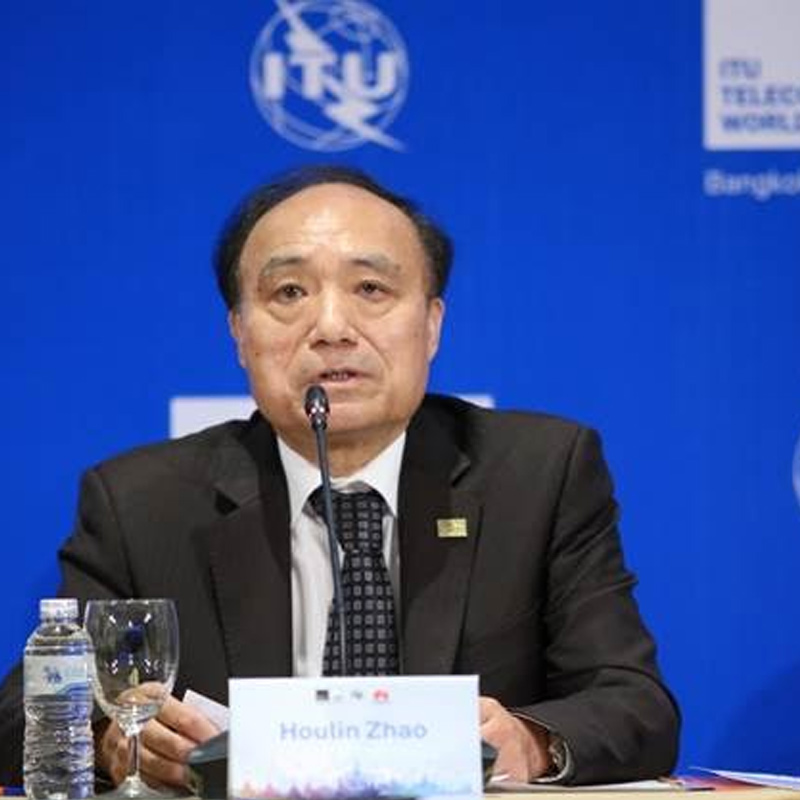
    Houlin Zhao, secretary-general of the ITU, made opening remarks at the exchange. He started his speech with appreciation to Huawei’s cooperation with ITU on the Exchange, and Huawei’s long-term support to ITU as its member. He pointed out that the ICT technologies and broadband infrastructure have become core economic competencies, critical for national competitiveness. Meanwhile, broadband has become people’s basic aspiration. It’s difficult for us to imagine a time without a broadband network and applications. Hence, Government should make broadband an imperative policy and persistently work on it.

    Development in the Asia-Pacific region has been very unbalanced, and there is great variation in connectivity across the region. According to Jin Yuzhi, Vice President of Huawei Southern-East Asia Region, Japan, Republic of Korea, and Singapore are world leaders, with broadband penetration of 95%. But in Myanmar, Bangladesh and Cambodia, less than 5% of the population has access to broadband. Speakers at the exchange said that in those countries, more government and policy support was required to accelerate infrastructure growth and increase external connectivity.

    “Broadband should be part of national strategy. Governments should encourage telecom investment and infrastructure development like submarine and land cables, data centers and other network development,”Jin said.

    During the exchange, Huawei and the ITU launched their White Paper on Broadband Regulation and Policy in Asia-Pacific Region: Facilitating Faster Broadband Deployment to offer policy guidance. The white paper calls on governments to lead infrastructure development, to build alliances incorporating different government departments and private industry, and to develop broadband-friendly industrial policy. Governments should improve infrastructure synergy and find ways to simplify the process of obtaining rights of way. They should require new buildings and renovation projects to include fiber connections, produce explicit standards for compensation for eminent domain, and start universal service funds. Governments should legislate comprehensive frameworks for ICT, expand international fiber links, loosen restrictions on carriers, investors, and infrastructure builders, release more spectrum, and make more efficient use of spectrum resources.

    During the exchange, speakers from many countries in the region agreed on the need to accelerate national broadband rollout to enable the digital economy. Leaders of regulatory agencies from Portugal, Thailand, Cambodia, India, Singapore and Malaysia discussed the development of broadband in their countries, and talked about the challenges they have faced and solutions they have developed. All parties said that they hoped for more global and regional cooperation, and that they were working to build more complete national industry policies, and improve the ICT investment climate to accelerate the development of their national broadband networks.

    Speakers from the event’s sponsor said that Huawei is a leading provider of global information and communications technology (ICT) solutions. The company has a depth of expertise as an ICT industry advisor, long experience delivering successful national broadband solutions, and global operations and systems for training telecommunications professionals. Huawei is ready to work with all the nations of the Asia-Pacific region to develop their broadband capacity, and to build a better connected Asia-Pacific.

    About 200 government officials, industry leaders, and technology experts around the region attended the exchange. ITU Telecom World, first held in 1971, is one of the most important and largest telecommunications expos in the world. The theme for this year’s expo is “Better Sooner. Accelerating ICT Innovation to Improve Lives Faster”.

  • ITU Telecom suggests government policy to drive broadband, digital economy

    ITU Telecom suggests government policy to drive broadband, digital economy

    MUMBAI: ITU Telecom World 2016 is in its second day today. Huawei and the International Telecommunications Union (ITU) jointly hosted the first Asia Pacific Exchange on Broadband Regulation and Policy. They also released the White Paper on Broadband Regulation and Policy in Asia-Pacific Region: Facilitating Faster Broadband Deployment. Speakers at the exchange called for more comprehensive broadband policies to guide development and speed the rollout of national broadband networks, as the basis for growth in the digital economy.

    Houlin Zhao, secretary-general of the ITU, made opening remarks at the exchange. He started his speech with appreciation to Huawei’s cooperation with ITU on the Exchange, and Huawei’s long-term support to ITU as its member. He pointed out that the ICT technologies and broadband infrastructure have become core economic competencies, critical for national competitiveness. Meanwhile, broadband has become people’s basic aspiration. It’s difficult for us to imagine a time without a broadband network and applications. Hence, Government should make broadband an imperative policy and persistently work on it.

    Development in the Asia-Pacific region has been very unbalanced, and there is great variation in connectivity across the region. According to Jin Yuzhi, Vice President of Huawei Southern-East Asia Region, Japan, Republic of Korea, and Singapore are world leaders, with broadband penetration of 95%. But in Myanmar, Bangladesh and Cambodia, less than 5% of the population has access to broadband. Speakers at the exchange said that in those countries, more government and policy support was required to accelerate infrastructure growth and increase external connectivity.

    “Broadband should be part of national strategy. Governments should encourage telecom investment and infrastructure development like submarine and land cables, data centers and other network development,”Jin said.

    During the exchange, Huawei and the ITU launched their White Paper on Broadband Regulation and Policy in Asia-Pacific Region: Facilitating Faster Broadband Deployment to offer policy guidance. The white paper calls on governments to lead infrastructure development, to build alliances incorporating different government departments and private industry, and to develop broadband-friendly industrial policy. Governments should improve infrastructure synergy and find ways to simplify the process of obtaining rights of way. They should require new buildings and renovation projects to include fiber connections, produce explicit standards for compensation for eminent domain, and start universal service funds. Governments should legislate comprehensive frameworks for ICT, expand international fiber links, loosen restrictions on carriers, investors, and infrastructure builders, release more spectrum, and make more efficient use of spectrum resources.

    During the exchange, speakers from many countries in the region agreed on the need to accelerate national broadband rollout to enable the digital economy. Leaders of regulatory agencies from Portugal, Thailand, Cambodia, India, Singapore and Malaysia discussed the development of broadband in their countries, and talked about the challenges they have faced and solutions they have developed. All parties said that they hoped for more global and regional cooperation, and that they were working to build more complete national industry policies, and improve the ICT investment climate to accelerate the development of their national broadband networks.

    Speakers from the event’s sponsor said that Huawei is a leading provider of global information and communications technology (ICT) solutions. The company has a depth of expertise as an ICT industry advisor, long experience delivering successful national broadband solutions, and global operations and systems for training telecommunications professionals. Huawei is ready to work with all the nations of the Asia-Pacific region to develop their broadband capacity, and to build a better connected Asia-Pacific.

    About 200 government officials, industry leaders, and technology experts around the region attended the exchange. ITU Telecom World, first held in 1971, is one of the most important and largest telecommunications expos in the world. The theme for this year’s expo is “Better Sooner. Accelerating ICT Innovation to Improve Lives Faster”.

  • Demand for telco OTT video & broadband; Netflix, Viu long way to go: MPA

    Demand for telco OTT video & broadband; Netflix, Viu long way to go: MPA

    MUMBAI: Media Partners Asia (MPA) yesterday launched the Asia Video Consumer Panel, a research report offering detailed insights into how consumers engage, use and interact with video content in emerging and mature markets, focusing on TV and digital video platforms, including key regional and local OTT video operators.

    MPA, a leading independent consulting and research provider focused on Asia media & telecoms, offers a range of customized services to help drive business development, strategy & planning, M&A, new products & services and research.

    The panel covers six Asian markets – Hong Kong, Indonesia, Malaysia, Philippines, Singapore and Thailand – with a 1,000 user panel size in each market, taking in millennial and older demos as well as skewing towards mobile in emerging markets such as Indonesia, Malaysia, Philippines and Thailand.

    Commenting on the report’s key findings, MPA vice president Aravind Venugopal said: The importance of bundling with telecom and IP-based pay-TV operators to drive online video adoption is becoming critical, as illustrated by our survey. As we are still very much in the first innings of the SVOD online video cycle in most Asian markets, the journey for most platforms from building awareness to generating trial users, and then to finally converting them to regular users, is long and arduous.

    In four of the markets surveyed – Hong Kong, Singapore, Malaysia and Philippines – local players have taken the lead when it comes to building awareness and conversion, led by incumbent pay-TV and free TV operators, a number of which are reliant on local and Asian content, and in certain cases, sports. Global and pan regional SVOD services focused on providing international content, are fighting to take the lead, though conversion has been low in general. In terms of both awareness and conversion, Netflix and iflix both lead in selected markets with Viu also robust across most markets.

    Some of the key highlights of the panel include:

    Telco and pay-TV integration. The importance of bundling and OTT integration deals with telecom and pay-TV operators to drive adoption has emerged as key with most survey respondents indicating that they opted for OTT services via their telco or pay-TV operator. Netflix was an exception, with a high proportion of subscribers indicating that they opted for a direct sign up.

    NPS in negative territory. Net Promoter Scores or NPS, which range from -100 to 100 and measure the willingness of customers to recommend a company’s products or services to others, were largely negative in most markets. The exception was Netflix, which received a positive score in four of the six surveyed markets, and also leads the NPS rankings in four of the six markets surveyed. Users in Indonesia, Singapore and Hong Kong tended to award negative NPS to almost all SVOD-based OTT video service providers. Users in Thailand, Malaysia and Philippines appeared to be more positive about OTT video service providers.

    Key features. Feature sets that were most often highlighted as being essential to users was the ability to stream online video to TV, followed by the ability to download. These are also reflective of the type of content contained in the services, as well as the type and quality of broadband infrastructure available.

    Content. The importance of day and date content, particularly Hollywood movies, was reflected in the survey with the genre coming out on top of the list of ‘must have’ genres for a premium SVOD service. This was closely followed by new Korean dramas, new Chinese dramas and new Hollywood series. Sports is also increasingly important.

    UI /UX and lack of localization. A significant proportion of users indicated that they were unable to locate/find shows in the services – indicating either a lack of content, or limitations of the UI/UX – this, significantly, was highlighted as an issue even for Netflix. A numbers of respondents also indicated that the poor dubbing/subtitling of shows was a concern.

    Pay-TV consumption. In two emerging Asian markets (Thailand, Indonesia) and in Hong Kong, the consumption of pay-TV is trending lower, with streaming/on-demand services accounting for a vast majority of content needs. In some instance (i.e. Hong Kong), the incumbent pay-TV operator (i.e. Now TV) is driving the legal consumption of streaming video services.

    Piracy. There remains increasing prevalence of pirated STBs. On average, 5-10% of the surveyed base admitted to using a pirate STB to access pay-TV services.

    Payment mechanisms. In the Philippines, Thailand and Malaysia, the frequent topping up of prepaid credit balances is commonplace; on average, respondents topped up their services over three times a month. This provides insight on how much consumers are willing to pay for SVOD services and potentially supports the case for sachet pricing.

    The Panel, conducted in partnership with BDRC Continental, covers six Asian markets (with a total sample size of 6,000 individuals), cutting across a broad range of demographics. The full findings from the second phase of this survey will be released in April 2017, providing readers with updated views, new data and additional metrics.

  • Demand for telco OTT video & broadband; Netflix, Viu long way to go: MPA

    Demand for telco OTT video & broadband; Netflix, Viu long way to go: MPA

    MUMBAI: Media Partners Asia (MPA) yesterday launched the Asia Video Consumer Panel, a research report offering detailed insights into how consumers engage, use and interact with video content in emerging and mature markets, focusing on TV and digital video platforms, including key regional and local OTT video operators.

    MPA, a leading independent consulting and research provider focused on Asia media & telecoms, offers a range of customized services to help drive business development, strategy & planning, M&A, new products & services and research.

    The panel covers six Asian markets – Hong Kong, Indonesia, Malaysia, Philippines, Singapore and Thailand – with a 1,000 user panel size in each market, taking in millennial and older demos as well as skewing towards mobile in emerging markets such as Indonesia, Malaysia, Philippines and Thailand.

    Commenting on the report’s key findings, MPA vice president Aravind Venugopal said: The importance of bundling with telecom and IP-based pay-TV operators to drive online video adoption is becoming critical, as illustrated by our survey. As we are still very much in the first innings of the SVOD online video cycle in most Asian markets, the journey for most platforms from building awareness to generating trial users, and then to finally converting them to regular users, is long and arduous.

    In four of the markets surveyed – Hong Kong, Singapore, Malaysia and Philippines – local players have taken the lead when it comes to building awareness and conversion, led by incumbent pay-TV and free TV operators, a number of which are reliant on local and Asian content, and in certain cases, sports. Global and pan regional SVOD services focused on providing international content, are fighting to take the lead, though conversion has been low in general. In terms of both awareness and conversion, Netflix and iflix both lead in selected markets with Viu also robust across most markets.

    Some of the key highlights of the panel include:

    Telco and pay-TV integration. The importance of bundling and OTT integration deals with telecom and pay-TV operators to drive adoption has emerged as key with most survey respondents indicating that they opted for OTT services via their telco or pay-TV operator. Netflix was an exception, with a high proportion of subscribers indicating that they opted for a direct sign up.

    NPS in negative territory. Net Promoter Scores or NPS, which range from -100 to 100 and measure the willingness of customers to recommend a company’s products or services to others, were largely negative in most markets. The exception was Netflix, which received a positive score in four of the six surveyed markets, and also leads the NPS rankings in four of the six markets surveyed. Users in Indonesia, Singapore and Hong Kong tended to award negative NPS to almost all SVOD-based OTT video service providers. Users in Thailand, Malaysia and Philippines appeared to be more positive about OTT video service providers.

    Key features. Feature sets that were most often highlighted as being essential to users was the ability to stream online video to TV, followed by the ability to download. These are also reflective of the type of content contained in the services, as well as the type and quality of broadband infrastructure available.

    Content. The importance of day and date content, particularly Hollywood movies, was reflected in the survey with the genre coming out on top of the list of ‘must have’ genres for a premium SVOD service. This was closely followed by new Korean dramas, new Chinese dramas and new Hollywood series. Sports is also increasingly important.

    UI /UX and lack of localization. A significant proportion of users indicated that they were unable to locate/find shows in the services – indicating either a lack of content, or limitations of the UI/UX – this, significantly, was highlighted as an issue even for Netflix. A numbers of respondents also indicated that the poor dubbing/subtitling of shows was a concern.

    Pay-TV consumption. In two emerging Asian markets (Thailand, Indonesia) and in Hong Kong, the consumption of pay-TV is trending lower, with streaming/on-demand services accounting for a vast majority of content needs. In some instance (i.e. Hong Kong), the incumbent pay-TV operator (i.e. Now TV) is driving the legal consumption of streaming video services.

    Piracy. There remains increasing prevalence of pirated STBs. On average, 5-10% of the surveyed base admitted to using a pirate STB to access pay-TV services.

    Payment mechanisms. In the Philippines, Thailand and Malaysia, the frequent topping up of prepaid credit balances is commonplace; on average, respondents topped up their services over three times a month. This provides insight on how much consumers are willing to pay for SVOD services and potentially supports the case for sachet pricing.

    The Panel, conducted in partnership with BDRC Continental, covers six Asian markets (with a total sample size of 6,000 individuals), cutting across a broad range of demographics. The full findings from the second phase of this survey will be released in April 2017, providing readers with updated views, new data and additional metrics.

  • Q2-17: Higher subscription revenue, activation fees boosts Ortel revenue

    Q2-17: Higher subscription revenue, activation fees boosts Ortel revenue

    BENGALURU: The Bibhu Prasad Rath led regional cable television and broadband internet player Ortel Communications Limited (Ortel) reported 17.3 percent year-over-year (y-o-y) growth in total revenue from operations (TIO) for the quarter ended 30 September 2016 (Q2-17, current quarter). Quarter-over-quarter (q-o-q), TIO increased 2.5 percent in the current quarter as compared to the immediate trailing quarter. Ortel reported TIO of Rs 53.7 crore for Q2-17, of Rs 45.8 crore for Q2-16 and Rs 52.4 crore for Q1-17.

    Profit after tax (PAT) for Q2-17 declined 10.2 percent y-o-y to Rs 2.5 crore from Rs 2.8 crore in Q2-16, but almost tripled (2.95 times) q-o-q from Rs 0.9 crore in Q1-17.

    Company speak:

    Ortel President and CEO Rath said, “We reported steady performance during the quarter led by balanced growth in Cable TV and Broadband revenues. Subscription fees in both the segments jumped by 7 percent q-o-q. More importantly, I am happy to highlight that the overall costs have stabilized with 5 percent reduction in Total Expenses. This was possible due to management’s focus on efficiency and cost rationalisation.”

    “During the quarter, we turned EBITDA positive in the emerging markets of Andhra Pradesh, Chhattisgarh, West Bengal, Telengana and Madhya Pradesh. I believe, this is a huge positive for us and I am confident that the operating performance in the emerging markets will further improve as the subscriber base increases,” said Rath further.

    “The road ahead appears encouraging and we remain on track to demonstrate solid performance in times ahead. Full control over the last mile network as well as our strategy of focusing on B2C customers will continue to drive growth for us,” revealed Rath.

    Revenue breakup

    Cable TV revenue in Q2-17 increased 35.8 percent y-o-y to Rs 42 crore from Rs 30.9 crore in Q2-16 and increased 2 percent q-o-q from Rs 41.2 crore.

    Cable TV Activation fees or connection fees in Q2-17 were almost 6 times (5.9 times) at Rs 4.2 crore as compared to Rs 0.7 crore in Q2-16, but declined 8.1 percent q-o-q from Rs 4.6 crore.

    Cable TV subscription revenue in Q2-17 increased 44.4 percent y-o-y to Rs 29.7 crore from Rs 20.6 crore and increased 7.2 percent q-o-q from Rs 27.7 crore. Channel carriage fees in the current quarter declined 16 percent y-o-y to Rs 8.1 crore from Rs 9.7 crore and declined 9 percent q-o-q from Rs 8.9 crore.

    Broadband services revenue in Q2-17 increased 22.4 percent to Rs 10 crore from Rs 8.1 crore in Q2-16 and increased 4.8 percent q-o-q from Rs 9.5 crore. Internet connection fees in Q2-17 declined 33 percent y-o-y to Rs 0.5 crore from Rs 0.7 crore and declined 24.8 percent q-o-q. Internet subscription fees in Q2-17 increased 27.9 percent y-o-y to Rs 9.5 crore from Rs 7.4 crore and increased 7 percent q-o-q from Rs 8.8 crore.

    Ortel’s revenue from its infrastructure leasing segment in Q2-17 declined 83.5 percent to Rs 1 crore from Rs 6 crore in Q2-16 but increased 3.2 percent q-o-q.

    Subscription numbers (revenue generating units – RGUs’), ARPU

    During the current quarter, the total subscribers (both cable and television) stood at 804,889 subscribers. Net addition in Q2-17 stood at 34,748

    Television ARPU’s remained almost flat. Analog and Digital TV ARPU stood as Rs. 153 per month and Rs. 154 per month for Q2-17 and Q2-16 respectively. For the immediate trailing quarter, ARPU was Rs 152. Digital ARPU’s have been falling. In Q2-17 it was Rs 167, in Q2-16, it was Rs 183 and Q1-17, ARPU was Rs 169.

    The company added 1.573 broadband subscribers in Q2-17, taking its total broadband subscriber count to 79,182.

    Broadband ARPU in the current quarter increased to Rs 406 from Rs 395 in Q2-16 and Rs 401 in Q1-17.

    Let us look at the other numbers reported by Ortel in brief.

    Total expenses (TE) in Q2-17 increased 20 percent y-o-y to Rs 37.2 crore as compared to Rs 31 crore, and declined 4.8 percent q-o-q from Rs 39 crore.

    Programming cost in Q2-17 declined 8.5 percent y-o-y at Rs. 8.6 crore as compared to Rs 9.4 crore and declined 13.3 percent from Rs 10 crore. Employee expenses during the current quarter stood 6.8 percent higher y-o-y at Rs. 6 crore as compared to Rs 5.6 crore, but declined 3.1 percent q-o-q from Rs 6.2 crore.

    EBITDA in Q2-17 (including other income) came in at Rs. 17.1 crore (31.5 percent margin), representing a y-o-y decline of 1.2 percent from Rs 17.3 (35.8 percent margin), but a 22.8 percent q-o-q increase from Rs 13.9 crore (26.3 percent margin).

    Note: The unit of currency in this report is the Indian rupee – Rs (also conventionally represented by INR). The Indian numbering system or the Vedic numbering system has been used to denote money values. The basic conversion to the international norm would be:

    (a) 100,00,000 = 100 lakh = 10,000,000 = 10 million = 1 crore.

    (b) 10,000 lakh = 100 crore = 1 arab = 1 billion.


  • Q2-17: Higher subscription revenue, activation fees boosts Ortel revenue

    Q2-17: Higher subscription revenue, activation fees boosts Ortel revenue

    BENGALURU: The Bibhu Prasad Rath led regional cable television and broadband internet player Ortel Communications Limited (Ortel) reported 17.3 percent year-over-year (y-o-y) growth in total revenue from operations (TIO) for the quarter ended 30 September 2016 (Q2-17, current quarter). Quarter-over-quarter (q-o-q), TIO increased 2.5 percent in the current quarter as compared to the immediate trailing quarter. Ortel reported TIO of Rs 53.7 crore for Q2-17, of Rs 45.8 crore for Q2-16 and Rs 52.4 crore for Q1-17.

    Profit after tax (PAT) for Q2-17 declined 10.2 percent y-o-y to Rs 2.5 crore from Rs 2.8 crore in Q2-16, but almost tripled (2.95 times) q-o-q from Rs 0.9 crore in Q1-17.

    Company speak:

    Ortel President and CEO Rath said, “We reported steady performance during the quarter led by balanced growth in Cable TV and Broadband revenues. Subscription fees in both the segments jumped by 7 percent q-o-q. More importantly, I am happy to highlight that the overall costs have stabilized with 5 percent reduction in Total Expenses. This was possible due to management’s focus on efficiency and cost rationalisation.”

    “During the quarter, we turned EBITDA positive in the emerging markets of Andhra Pradesh, Chhattisgarh, West Bengal, Telengana and Madhya Pradesh. I believe, this is a huge positive for us and I am confident that the operating performance in the emerging markets will further improve as the subscriber base increases,” said Rath further.

    “The road ahead appears encouraging and we remain on track to demonstrate solid performance in times ahead. Full control over the last mile network as well as our strategy of focusing on B2C customers will continue to drive growth for us,” revealed Rath.

    Revenue breakup

    Cable TV revenue in Q2-17 increased 35.8 percent y-o-y to Rs 42 crore from Rs 30.9 crore in Q2-16 and increased 2 percent q-o-q from Rs 41.2 crore.

    Cable TV Activation fees or connection fees in Q2-17 were almost 6 times (5.9 times) at Rs 4.2 crore as compared to Rs 0.7 crore in Q2-16, but declined 8.1 percent q-o-q from Rs 4.6 crore.

    Cable TV subscription revenue in Q2-17 increased 44.4 percent y-o-y to Rs 29.7 crore from Rs 20.6 crore and increased 7.2 percent q-o-q from Rs 27.7 crore. Channel carriage fees in the current quarter declined 16 percent y-o-y to Rs 8.1 crore from Rs 9.7 crore and declined 9 percent q-o-q from Rs 8.9 crore.

    Broadband services revenue in Q2-17 increased 22.4 percent to Rs 10 crore from Rs 8.1 crore in Q2-16 and increased 4.8 percent q-o-q from Rs 9.5 crore. Internet connection fees in Q2-17 declined 33 percent y-o-y to Rs 0.5 crore from Rs 0.7 crore and declined 24.8 percent q-o-q. Internet subscription fees in Q2-17 increased 27.9 percent y-o-y to Rs 9.5 crore from Rs 7.4 crore and increased 7 percent q-o-q from Rs 8.8 crore.

    Ortel’s revenue from its infrastructure leasing segment in Q2-17 declined 83.5 percent to Rs 1 crore from Rs 6 crore in Q2-16 but increased 3.2 percent q-o-q.

    Subscription numbers (revenue generating units – RGUs’), ARPU

    During the current quarter, the total subscribers (both cable and television) stood at 804,889 subscribers. Net addition in Q2-17 stood at 34,748

    Television ARPU’s remained almost flat. Analog and Digital TV ARPU stood as Rs. 153 per month and Rs. 154 per month for Q2-17 and Q2-16 respectively. For the immediate trailing quarter, ARPU was Rs 152. Digital ARPU’s have been falling. In Q2-17 it was Rs 167, in Q2-16, it was Rs 183 and Q1-17, ARPU was Rs 169.

    The company added 1.573 broadband subscribers in Q2-17, taking its total broadband subscriber count to 79,182.

    Broadband ARPU in the current quarter increased to Rs 406 from Rs 395 in Q2-16 and Rs 401 in Q1-17.

    Let us look at the other numbers reported by Ortel in brief.

    Total expenses (TE) in Q2-17 increased 20 percent y-o-y to Rs 37.2 crore as compared to Rs 31 crore, and declined 4.8 percent q-o-q from Rs 39 crore.

    Programming cost in Q2-17 declined 8.5 percent y-o-y at Rs. 8.6 crore as compared to Rs 9.4 crore and declined 13.3 percent from Rs 10 crore. Employee expenses during the current quarter stood 6.8 percent higher y-o-y at Rs. 6 crore as compared to Rs 5.6 crore, but declined 3.1 percent q-o-q from Rs 6.2 crore.

    EBITDA in Q2-17 (including other income) came in at Rs. 17.1 crore (31.5 percent margin), representing a y-o-y decline of 1.2 percent from Rs 17.3 (35.8 percent margin), but a 22.8 percent q-o-q increase from Rs 13.9 crore (26.3 percent margin).

    Note: The unit of currency in this report is the Indian rupee – Rs (also conventionally represented by INR). The Indian numbering system or the Vedic numbering system has been used to denote money values. The basic conversion to the international norm would be:

    (a) 100,00,000 = 100 lakh = 10,000,000 = 10 million = 1 crore.

    (b) 10,000 lakh = 100 crore = 1 arab = 1 billion.


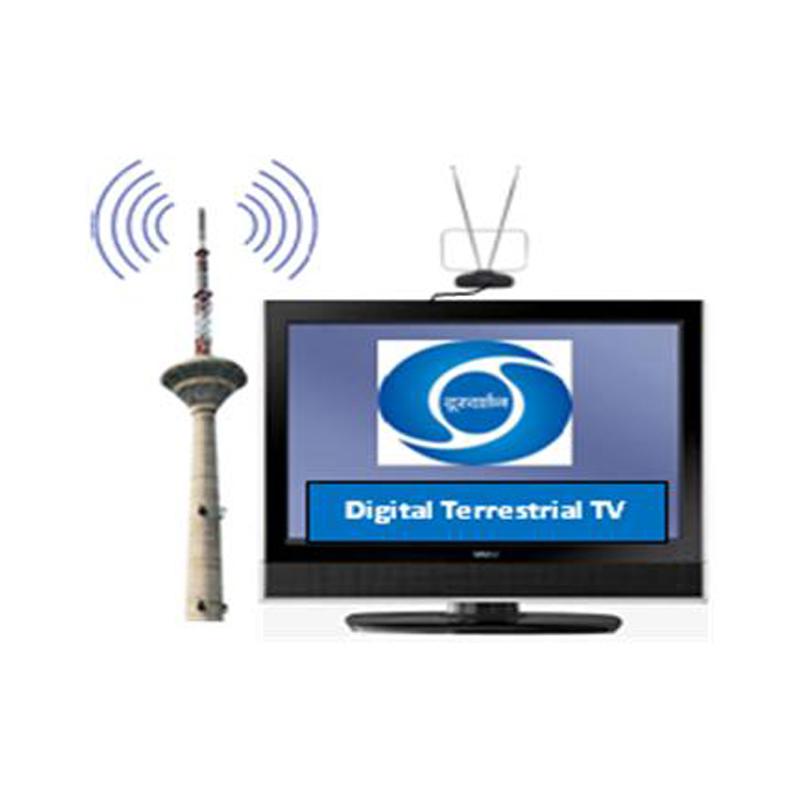
  • Opening DTT to private sector; discussion planned

    Opening DTT to private sector; discussion planned

    NEW DELHI: An open house discussion will be held on 19 October 2016 on a Consultation Paper on “Opening Up Digital Terrestrial Transmission.” The OHD will be held in the PHD Chamber near Sirifort Auditorium at 10.00 am.

    The Paper by the Telecom Regulatory Authority of India was issued on 24 June 2016, about a year after Prasar Bharati – which is the only terrestrial broadcaster in the country – unanimously recommended that DTT should be opened up to the private channels. Apart from Prasar Bharati, several private channels have already responded to the paper, which was followed by a linked paper on sharing infrastructure issued on 21 September 2016.

    In its response to the DTT paper, the pubcaster said even as it supports the move, it feels that the potential of available distribution options need to be critically analysed to fulfill their requirements (for example coverage, capacity, reception mode, and type of service etc).

    The public broadcaster has also said that the terrestrial broadcast platform will be relevant in the long term if its usage offers veritable benefits to the broadcasters, the audiences and the society as a whole. Even in countries where cable, satellite or broadband hold a significant market share, terrestrial broadcasting is usually regarded as an essential, flexible and reliable way of delivering broadcast content to a mass audience.

    In its response to 11 questions asked by TRAI in its Consultation Paper on ‘Issues related to Digital Terrestrial Broadcasting in India,’ the pubcaster says that the terrestrial platform must be digital to remain viable in the long term.

    Prasar Bharati CEO Jawhar Sircar, who had told indiantelevision.com in an interview earlier that it had cleared DTT for the private sector more than a year ago, said at the recent Indian Digital Operators Summit (IDOS) that it was willing to give its infrastructure to the private TV and radio channels.

    Also read:

    http://www.indiantelevision.com/television/tv-channels/terrestrial/idos-2016-prasar-bharati-could-share-infra-with-private-players-sircar-161001

    http://www.indiantelevision.com/videos/event-coverage/one-on-one-discussion-with-jawhar-sircar-ceo-prasar-bharati-161004