Tag: BrandZ

  • Amazon, Asian Paints & Tata Tea emerge as ‘Most Purposeful Brands’: Kantar report

    Amazon, Asian Paints & Tata Tea emerge as ‘Most Purposeful Brands’: Kantar report

    Mumbai: Data insights and consulting company Kantar has released the 2021 edition of its annual BrandZ India report that unveils the year’s ‘Most Purposeful Brands’ in India. Amazon, Asian Paints, and Tata Tea emerged as the most purposeful leaders in India across technology, non-FMCG, and FMCG categories respectively, according to the report.

    The technology ranking has Amazon followed by Zomato, YouTube, Google, and Swiggy jointly in fourth place, followed by Flipkart. The non-FMCG ranking is dominated by telecom brands, with Samsung and Jio jointly second, followed by MRF, Tata Housing, and Airtel. The FMCG category ranks some of India’s biggest names: Tata Tea followed by Surf Excel, Taj Mahal, Parachute, and Maggi both in fourth position, and Britannia completing the list, as per the report.

    According to Kantar BrandZ data, consumers believe that these brands lead with a clear sense of purpose to make their everyday lives better. It also exhibits those that have taken a bolder social stance, as Covid-19 magnified the need for brands to do more than focus on profits alone. The findings tie in with longer-term trends in India and abroad to value brands on ESG criteria (environmental, social and governance) alongside traditional factors, such as valuations and earnings growth.

    While the fundamentals of brand-building remain the same as before namely – Meaningfulness, Difference and Salience, what has changed this time is the expectation that the brand will stand for something more. Kantar conducted an analysis of 418 brands across 30 categories from a total of over 12,000 respondents and found that in India especially, perceptions of a brand’s purpose, its ability to ‘make people’s lives better,’ is crucial to establishing a brand’s meaningful quotient and thus, boosting prospects for growth.

    The Indian consumer, as per the report, is on par with many of their Asian counterparts in actively engaging with sustainability. 77 per cent are prepared to invest time and money in companies that try to do good, the report stated.

    The 2021 Kantar BrandZ data for India, in conjunction with other Kantar consumer sentiment tracking, has also revealed several patterns in what Indian consumers deemed ‘Purposeful’ in 2021.

    Some of the key highlights are that it is critical to amplify or communicate the brand purpose, even as tech brands showed how everyday convenience contributes to brand purpose. These brands have been able to scale up and showcase a wide range of products plus enter new categories at a time when consumers were desperate for at-home & delivery solutions.

    For FMCG brands, taking a social stance by focusing on reducing their carbon footprint scored high, showing that purpose and profit can go hand-in-hand. The key is to do more than just meet consumers’ immediate needs, like non-FMCG brands that adopt marketing strategies that promote the brand in ways that look beyond the function of product or service.

    “Brand Purpose provides an anchor amidst constant uncertainty, both as a North Star for brands, but also as reassurance to consumers. Purpose as a contributor to brand equity is 10 times more important in India, in comparison to globally. This shows that a larger societal purpose is even more critical to success for brands in India,” said Kantar executive managing director for South Asia Insights Division Deepender Rana.

    “Of course, vague slogans and one-off ‘corporate charity’ events do not work, and it is not about jumping on the bandwagon of the latest fashionable cause either. Instead, real Purpose flows from and builds on, a brand’s existing core values and DNA. This reinforces the need to understand and measure if a brand’s Purpose is perceived as adding real meaning to consumers’ lives,” he added.

    Speaking about Kantar BrandZ’s report in India, Kantar managing director- client and quantitative Insights Division Soumya Mohanty stated, “Purpose can work as a strategy for brands, when it’s based on the right consumer insights, and executed effectively. In India, Kantar BrandZ data suggest that a brand’s Purpose ranking has a direct impact on its Meaningfulness score – which in turn is one of the cores, proven building blocks of brand value growth.”

    Methodology

    The Kantar BrandZ database was analysed from 2020-21 covering 418 brand cases for this project, with brand perception and brand equity metrics for brands across 30 categories from a total of over 12,000 respondents. The database includes 28 consistent attributes. A two-stage analysis process was used to arrive at the decision to centre Purpose in this year’s report.

  • Brand-building for longevity and future growth becomes major focus for top brands in Brand Top 75 Most Valuable Indian Brands ranking

    Brand-building for longevity and future growth becomes major focus for top brands in Brand Top 75 Most Valuable Indian Brands ranking

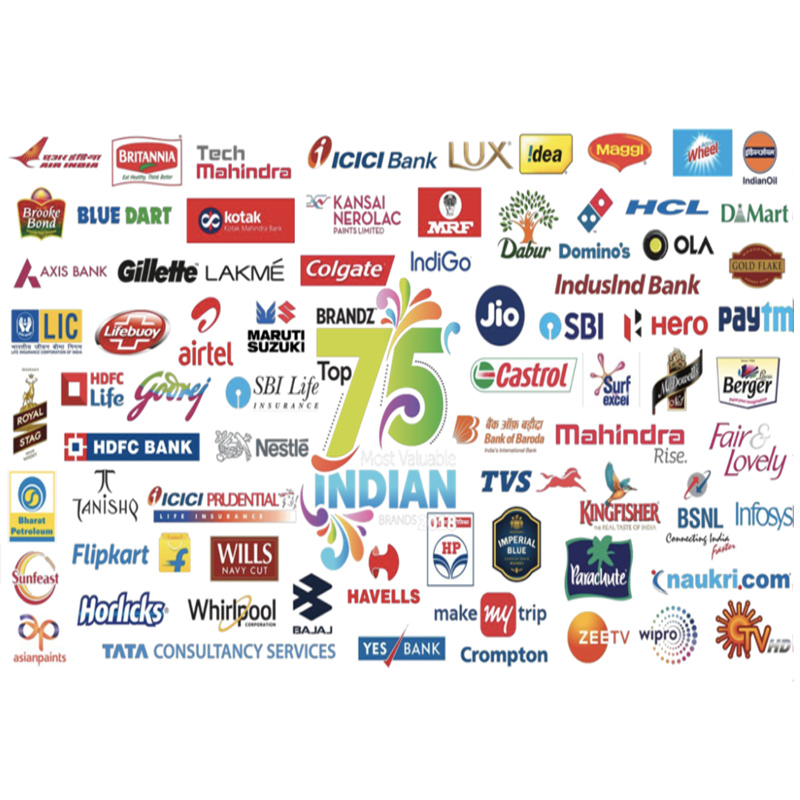
    MUMBAI:–India’s most valuable brands, many of which have built their businessesthrough disruption, are now looking to capitalise on their achievements and invest in strategies for long-termgrowthand stability.This is a key finding of the sixth BrandZ™ Top 75 Most Valuable Indian Brands ranking, released today by WPP and Kantar. This year’s results revealed a 6 per cent rise in overall brand value to $228.2 billion, a moderate pace compared to previous years, given India’s recent macroeconomic challenges. Despite that, such growth is still in line with that of the BrandZ Top 100 Most Valuable Global brands, as India steadily rises in global economic rankings. 

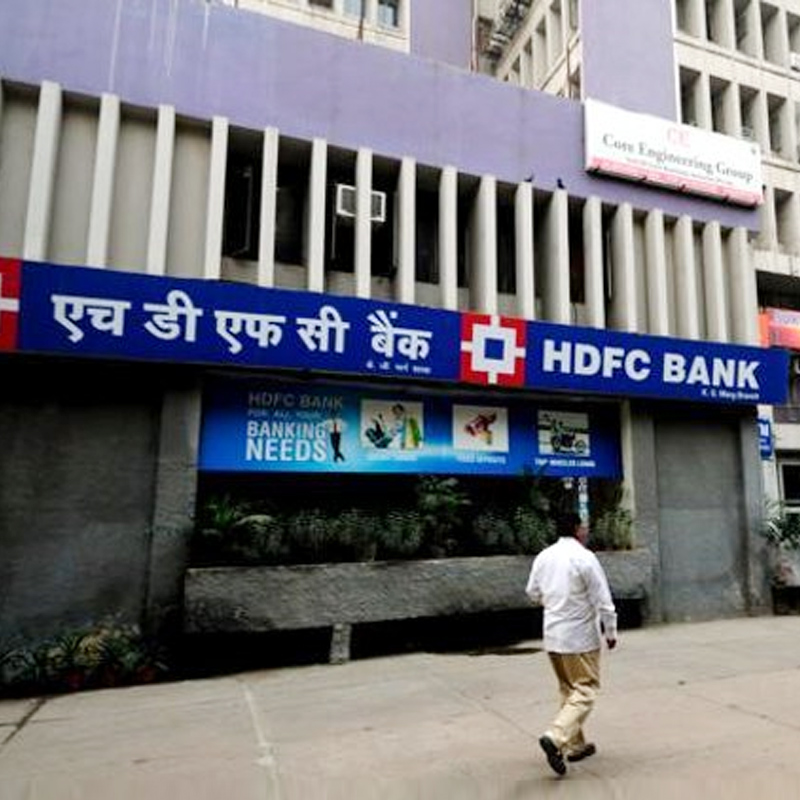
    HDFC Bank, now ranked No. 1 for a sixth consecutive year,has demonstrated the rewards of maintaining a forward-thinking and innovative outlook,withits consistent focus on exceeding the changing needs of its customers. With new financial products, an ongoing drivetowards digital banking and new branches set-up throughout the country, the bankgrew 5 per cent in brand value to $22.7 billion. This is a positive contrast to the 8 per cent decline in value of the top 20 global banks .

    The BrandZ study, which is the only brand valuation ranking to combine companies’ financial data with consumer insight and opinion, shows that trust is key to develop the stabilityrequired for long-term success; highly trusted brands in the Top 75 are worth 129 per cent more than less trusted ones. 

    Trusted brands include many of the consumer-facing technology platforms and service providers. Despite owing their success to disruptive beginnings, these brands now also focus on activities to build trust such as ongoing and effective communications with consumers that generate comfort and familiarity with using the brand. With a 30 per cent increase in value, this sector was the fastest growing group of brands in the ranking.

    Notable brands include ecommerce site Flipkart (No. 12), which increased its brand value 14per cent to $4.7 billion, while unicorn brands hotel booking site Oyo($2.0 billion), online food ordering service Swiggy ($1.6 billion) and online restaurant marketplace Zomato ($1.0 billion) are newcomers to the ranking at No.30, No. 39 and No. 61 respectively.

    The fastest riser in the 2019 ranking is telecom provider, Jio, which climbed one place to No. 9 with a 34per cent increase in brand value to $5.5 billion.Itsdisruptive business model has made internet access available to many Indianswho were previously unable to afford it, thereby opening up access to digital platforms and services.Vodafone ($2.5 billion) meanwhile was the top-ranked newcomer at No. 24.

    Both digital and offlinebrandssuch as D-Mart (No. 25, $2.4 billion) have found success as a result of the rise of ‘middle India’; the growing number of people in the country’s second, third and fourth-tier cities and towns that are changing India’s traditional urban-rural divide.  These previously poorly-served segments increasingly have access to a variety of online services, with Swiggy and Zomatobuilding much of their growth on this shift.

    With an expanding choice of offerings to buy, Indian consumers increasingly care more about the quality of service than whether a brand originates in India, as long asit demonstrates that it understands what it means to be Indian. That insight is reflected in the decision by Amazon to launch itself a year ago as India’s ‘neighbourhood shop’.

    David Roth, CEO of The Store WPP EMEA and Asia and Chairman of BrandZ, says:“As India flexes its muscles on the world stage, it faces increased macroeconomic headwinds which have combined with a rise in global trade tensions to create a challenging environment.Successful Indian brands are adapting to these challenges andrecognising that longevity requires them to do more than just disrupt the status quo; long-term brand building requires new strategies that major on stability.”

    BrandZ Top 10 Most Valuable Indian Brands 2019

    Preeti Reddy, CEO South Asia, Insights Division, Kantar says “Consumer trust is a common thread among successful brands. However, it is concerning that only a few have succeeded in growing trust over the last five years. Those who done so, have done it through open and honest conversations with their customers. Brands would do well to consciously work at building consumer trust – it is the shield that gives a brand the resilience to face headwinds in uncertain times.”

    Vishikh Talwar, chief client officer, Kantar Insights Division, says: “The rise of ‘middle India’ combined with rapid growth of the mobile internet is providing unprecedented opportunities for brands.  But, with an almost overwhelming choice of products and servicesto buy, consumers are increasingly discerning; the Indian psyche requires that brands cater for local needs with offerings that genuinely improve daily life.  Today that’s as much about providing comfort and reliability as it is about generating new experiences.”

    In general, India’s top brands are taking a long-term approach to value creation. Over the past five years, a stock portfolio containing the BrandZ™ India Top 75 Most Valuable Indian Brands would have increased 33.8per cent in value. This compares to a rise of just 12.4per cent for India’s SENSEX, an index of 30 stocks on the Bombay Stock Exchange, demonstrating that valuable brands generate superior shareholder value. 

    Key trends highlighted in the BrandZ Indian Top 75 study include:

    Mobile internet access: Smartphone user numbers in India increased by 18per cent in 2018 (the fastest rate of growth in the world), mainly due to a combination of Jio’s own low tariffs and the renewed competition causing other telecom providers to reduce their rates.

    Buying power:Retail is the second fastest growing category, with online and offline both growing strongly. New entrantReliance Retail (No. 55, $1.1 billion)opened nearly 500 new stores and usedJio’s service to connect retail shops with grocery deliveries, while D-Mart ($2.4 billion) focused predominantly on offline, rising two places to No. 25.

    The Amazon effect:Amazon and Flipkart compete with many Indian brands across several sectors, with Amazon also opening its largest campus yet in India.  This has increased competition and driven brands to step up their operations to ensure they are meeting customers’ needs.

    A confident country: The success of unicorn brands such as Swiggy, Zomato and Oyo is fostering a new-found confidence in India.  This is augmented with the increasingly global outlook of these new brands as they actively seek to expand their operations outside India.

  • Communication more important than advertising: The Store WPP, David Roth

    Communication more important than advertising: The Store WPP, David Roth

    MUMBAI: Local is the way forward. India is at an interesting cusp right now where we see a lot of homegrown brands stealing the thunder of MNCs. The Indian retail industry is witnessing rapid transformation with new technology driving businesses and changing shopper behaviour.

    Indian brands get local nuances right which is the key to great marketing and brand building exercise. Interestingly, in the recent BrandZ report by WPP and Kantar Millward Brown, the top 10 brands are all Indian homegrown companies. The list saw HDFC Bank, LIC, Tata Consultancy, Airtel, State Bank of India, Maruti Suzuki, Kotak Mahindra Bank, Asian Paints, ICICI Bank, Reliance Jio, Flipkart and Paytm make it in the top 10, the first time ever. 

    It speaks volumes about Indian brands’ credibility, the modern Indian shopper’s behaviour and choices. New technologies are dramatically re-shaping the marketing, entertainment and retail industries. With data-infused in everything, the boundaries between content and commerce continue to blur.

    The Store WPP CEO EMEA and Asia David Roth is known as a man whose love for marketing is evident in every statement he makes. Roth loves India, Indian brands, the local retail sector here and is optimistic about the growth in the country. 

    The Store is WPP’s global retail practice. With offices in London and Chicago, the company shares best practice in retail across WPP’s group companies to facilitate leading-edge thinking and deliver extra value that supports client initiatives.

    As a knowledge hub, The Store draws insights from the group’s unparalleled understanding of consumers, retailing, brands, technology and shopper marketing. The Store interprets learnings and insights to a broad audience inside and outside of WPP in the form of conferences, articles, webinars, guest lectures at universities and digital content.

    Indiantelevision.com caught up with David Roth where he spoke to us about industry challenges, increasing brand loyalty for Indian brands, way forward for e-commerce and more.

    Excerpts:

    What are brands and agencies focusing on right now?

    I think they are spending more time understanding the consumer better and understanding the consumer journey, from awareness to purchase. They are working out where along that consumer journey is the best place to communicate with them and to give them new information. Brands and agencies are working very hard on innovating in a useful way for the customers. 

    If we see the recent BrandZ report, HDFC bank retained its pole position for the fifth consecutive year but we haven’t seen too much advertising activity from the brand. Isn’t advertising equally important along with creating brand loyalty and being innovative?

    Advertising is clearly important but communication is exceptionally important. There are ways in which brands can now communicate with customers and potential customers as well. The combination of communicating with customers on a one-to-one basis along with brand building communication is the best and cost-effective way to build stronger brands.

    What are the things that e-commerce players in India should focus on right now to get more customers on board?

    The market currently is a land grab where it is exceptionally hard to get the customer attention and get them to try your products once or twice. For e-commerce companies, most of the effort needs to go in increasing the level of trials and it is equally important to have a promise of providing a seamless experience and a good physical delivery experience. E-commerce platforms have growth opportunity in India and it will only occur if the actual proposition and what they promise to the customers is delivered in reality. The most important metrics for me are acquisition, the cost of acquisition and the per cent of customers they acquire who become their loyal customers.

    What are the challenges in the retail industry globally and do you see a growth in the business going forward? Will retail continue to flourish or will we see fewer stores?

    Retail is a very challenging business globally at the moment because of the fundamental economic model of retailers that are coming under pressure due to the cost of space. The real estate prices are soaring high around the world and that is not being offset by their ability to raise prices and contain their cost. In addition, they have to invest heavily in new technologies, e-commerce, delivery and that puts a big cost on their structure. However, I believe that physical retail stores are going to stay in the future. I think there will be fewer stores but those stores will be better focused on customer experience.

    What’s interesting is that Amazon also has its own store now and other Indian e-commerce players have also started opening brick and mortar outlets…

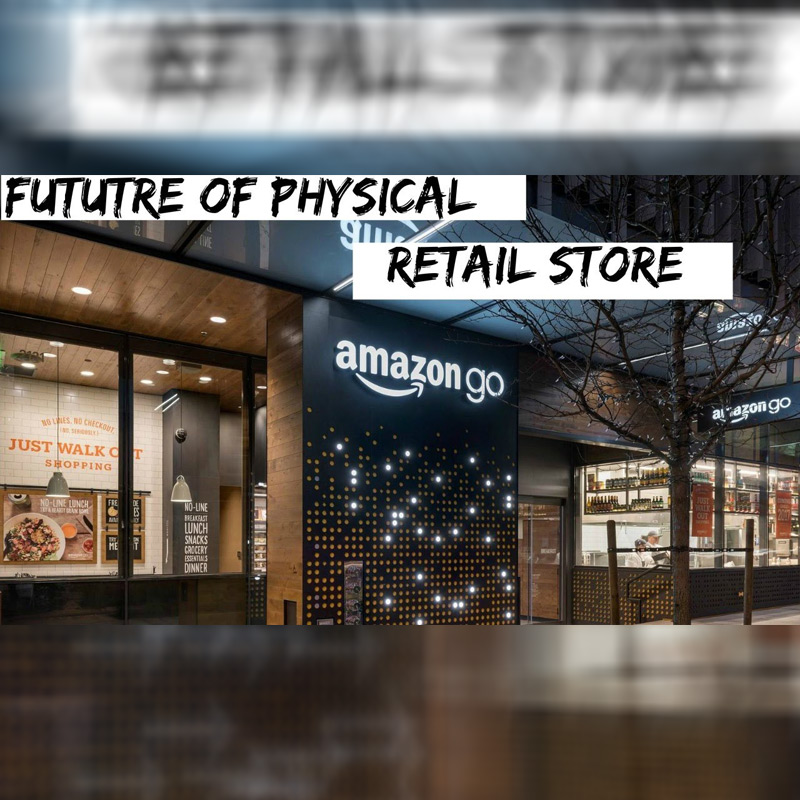
    Amazon, Alibaba and other major e-commerce platforms are all opening up physical stores. This shows the importance of having a mix of both physical stores and virtual shopping in the future, especially grocery stores. In India, the strength of grocery stores is far too much as compared to other parts of the world. It will take a lot for e-commerce to displace them, especially as they deliver most of the e-commerce benefits such as personalised service, fast delivery and they also have an added advantage of giving customer credit.

    Everyone talks about how the millennial consumer is fickle about their buying options. How can brands woo this new generation of consumers?

    I don’t think the millennial consumers are fickle. I think they know what they want and they are much more prepared to try things. If somebody comes with a new idea, product or innovation in the market, they are much more likely to try it. The millennial consumers are slightly less loyal though because of that, but they value brands and they buy into brands. It is just that they are more difficult to reach but once you reach them, and once they have tried your products, you have every opportunity to make them loyal customers.

    Recently, we are seeing an emergence of homegrown Indian brands. Is the Indian audience finally willing to accept and believe in homegrown companies?

    It all comes down to a strong consumer proposition and really understanding who the customer is and then being very fast and agile. We are seeing that local brands have the ability to do that quickly and swiftly and that is a distinct advantage when consumers are more fickle about what they choose.

    What are some of the key industry problems according to you and how can they overcome them?

    The foremost challenge for the industry is the fast-changing consumer and to anticipate those changes. The second challenge is that all companies need to start acting like startups and be agile, quick moving. The third challenge is that consumers are available across different mediums and you just have to find the right mix while creating tailor-made communication for the consumers.

    While everyone talks about video being the way forward and how ADEX is shifting towards creating more digital ads, the truth remains that it’s annoying after a point of time. Facebook and Youtube now also have pre-rolled ads that you can’t skip and that’s why we are getting “ad-blocked”. How can the industry skip being ad blocked?

    I think brands have to be very good at communication and it all comes down to that. The advertising needs to be timely, appropriate and relevant. We as brand custodians, have a duty to make sure that we are reaching customers in ways that they don’t find it annoying. The more we bombard them with unnecessary ads, the more likely they are to click the skip button and install ad blockers. The ad industry owes it to itself to make sure that we act appropriately and not be ad-blocked by our acts.

  • BrandZ report 2018: All Indian brands in top 10 most valued

    BrandZ report 2018: All Indian brands in top 10 most valued

    MUMBAI: HDFC Bank continues to remain India’s most valued brand for the fifth consecutive year according to the recent BrandZ report by WPP and Kantar Millward Brown’s BrandZ. Interestingly, for the first time, the top 10 brands in BrandZ list were all Indian homegrown brands.

    HDFC Bank topped the list as the bank has built a reputation for its sustainable livelihood initiative by introducing smaller loans worth as little as $175 that can be accessed via its bank branches.

    The report analysis reveals that brand value was boosted by rising consumer confidence, the country’s return to rapid economic growth and consumers becoming increasingly brand aware.

    Trust is an important key driver of brand value, which is exemplified by HDFC Bank, that continued to build trust by clearly communicating the benefits of its products to consumers and delivering differentiated financial services offerings consistently and repeatedly.

    Insurance brand LIC came in at second spot because of the key role played by its pension plan business whilst Tata Consultancy Services ranked third having leveraged digital technologies to drive growth and business transformation. 

    Indian telecom operator Bharti Airtel came in at fourth position followed by State Bank of India. 

    [[{“fid”:”836551″,”view_mode”:”default”,”fields”:{“format”:”default”,”alignment”:””,”field_file_image_alt_text[und][0][value]”:”Channel”,”field_file_image_title_text[und][0][value]”:”Channel”},”link_text”:null,”type”:”media”,”field_deltas”:{“1”:{“format”:”default”,”alignment”:””,”field_file_image_alt_text[und][0][value]”:”Channel”,”field_file_image_title_text[und][0][value]”:”Channel”}},”attributes”:{“alt”:”Channel”,”title”:”Channel”,”height”:397,”width”:700,”class”:”media-element file-default”,”data-delta”:”1″}}]]

    The report also saw an emergence of new brands on the list including e-commerce retailer Flipkart, e-commerce and payment wallet Paytm and Zee TV.

    The Store WPP CEO EMEA and Asia David Roth said, “A booming economy and an increasingly digital world are re-shaping India’s brand landscape and creating new opportunities. Brands that get it right, regardless of whether they are established players or newcomers are reaping the rewards.”

    “However, there is no room for complacency in this fast-paced environment where so many ambitious companies are ready to rise to the occasion,” added Roth.

    A strong brand heritage is no longer essential for developing brand trust. New brands that proactively build and reinforce trust as an integral objective rather than relying on it being a by-product of their main offering can do well. For example, the recent investment from Warren Buffett’s Berkshire Hathaway into payment brand Paytm added credibility to the relatively youthful brand, making it one of India’s most valuable startup brands.

    The premiumisation phenomenon has gained importance for Indian brands, given increased competition and the need to differentiate themselves. Higher quality premium brands have increased in appeal. As consumers in both urban and rural areas become increasingly well-informed, they are also now willing and have more money to spend on brands that demonstrate and deliver relevance. 

    On the concept of premiumisation phenomenon, Kantar Millward Brown, South Asia Managing Director Vishikh Talwar mentioned, “Trust is not the sole prerogative of heritage brands; young brands can be equally trustworthy if they have a clear purpose and deliver consumer experiences that reinforce this.”

    There are 30 newcomers in the expanded ranking including Jio, Flipkart and Paytm, which have all seen growth in brand value, as well as Ola and travel agency MakeMyTrip. 

    [[{“fid”:”836553″,”view_mode”:”default”,”fields”:{“format”:”default”,”alignment”:””,”field_file_image_alt_text[und][0][value]”:”Channel”,”field_file_image_title_text[und][0][value]”:”Channel”},”link_text”:null,”type”:”media”,”field_deltas”:{“2”:{“format”:”default”,”alignment”:””,”field_file_image_alt_text[und][0][value]”:”Channel”,”field_file_image_title_text[und][0][value]”:”Channel”}},”attributes”:{“alt”:”Channel”,”title”:”Channel”,”height”:496,”width”:700,”class”:”media-element file-default”,”data-delta”:”2″}}]]

    With young professionals moving to cities for work, there are openings for brands to offer new services. Video calls have become hugely popular, and have been made feasible for many people through Jio reducing the cost of data. Paytm and the advent of digital banking enable instant money transfers from family members working in the city to their relatives in rural areas. E-commerce brands are riding the boom in gifting, particularly during national festivals.

    BFSI sector seems to be the most valuable category as there are eight bank brands in the ranking followed by insurance, where the five brands which together make up 35 per cent of the total ranking value.

    This time, the ranking also incorporated brands from key and growing sectors such as technology (IT services), technology (online); durables and home appliances, tobacco, and entertainment (TV stations). Privately owned brands, where financial information is publicly available, and unicorn brands based on their most recent valuations are also now included.

  • Huawei upgrades on Brand Finance list

    MUMBAI: Huawei advanced to become the world’s 40th most valuable brand in 2017, up seven places from its position a year ago, according to the “Global 500 2017 world’s most valuable brands” list. In its annual ranking, British brand valuation firm Brand Finance, the world’s leading brand valuation firm, valued the Huawei brand at US$ 25.23 billion, up 28% from the previous year.

    Every year, Brand Finance evaluates thousands of global brands to determine its “Brand Finance Global 500” list of today’s most valuable brands. In 2017, Brand Finance used its Royalty Relief methodology to calculate a theoretical brand royalty rate. The rate estimates the theoretical cost of utilizing a brand, based on the assumption that the brand is not already owned. The evaluation also included a thorough analysis of public awareness, brand loyalty, promotional events, marketing investment, employee satisfaction and corporate reputation. Brand Finance also took into account the brand’s future anticipated income.

    In 2016, Huawei boosted its worldwide branding efforts through a series of device launches and global marketing campaigns. Thanks to its innovative, premium flagship P and Mate Series smartphones, which represent Huawei’s industry-leading design, Huawei’s brand made significant global gains last year. In 2016, Huawei shipped over 140 million smartphones globally, which made it the world’s third largest vendor, with a market share of 10%, up 29% from a year ago. Figures indicate that Huawei is growing faster than the industry average. Huawei Consumer Business Group revenue for 2016 topped 178 billion RMB, an increase of 42% from 2015, marking the fifth consecutive year of steady growth.

    To continue to raise its brand profile worldwide, Huawei focused on implementing world-class global marketing campaigns that included design, fashion, entertainment and sports. According to an IPSOS survey, Huawei’s global brand recognition rose to 81% in 2016, up from 76% in 2015. The success of Huawei’s branding efforts is best reflected by customer sentiment. Overseas customer consideration and preference improved significantly by 66.7% and 100% respectively, compared to 2015.

    Brand Finance isn’t the only organization that has recognized Huawei’s significant brand impact. In fact, multiple global agencies have noted Huawei’s rising star, including WPP’s Millward Brown, BrandZ and Interbrand. Published by WPP’s Millward Brown, BrandZ ranked Huawei at No. 50 on the Top 100 Most Valuable Global Brands list, while Interbrand named Huawei No. 72 on its 100 Best Global Brands of 2016. Huawei has featured on both lists for consecutive years, demonstrating Huawei’s continued successes in building an exceptional global brand.

  • HDFC is India’s most valuable brand: Brandz India top 50 (2016)

    HDFC is India’s most valuable brand: Brandz India top 50 (2016)

    MUMBAI: The third annual BrandZ™ Top 50 Most Valuable Indian Brands ranking released by WPP and Kantar Millward Brown has lot of good and something bad for the marketing industry.

    On the positive side, the total value of India’s most valuable brands has risen by 30 per cent over the last three years, with the top 50 brands now worth $ 90.5 billion from $ 69.6 billion in 2014. But, unlike 2015, which saw an unprecedented growth in terms of brand equity that pushed  the brand value of top 50 brands to USD 92.2billion, 2016 saw a dip of 2 per cent, mostly owing to a decline in brand value of state-owned banks.

    Like last year, the financial sector dominated the top 10 spots accounting for 38 per cent of the top 50s brand value ($ 34.28 billion). HDFC maintained its number one position for the 3rd consecutive year with a brand value of USD 14.4 billion following a 15 per cent growth over the past year. It was followed by Airtel from the telecom sector with a brand value of USD 9.98 billion. State Bank Of India with a brand value of USD 6.352 billion stood at number three. “A brand cannot be built unless each one of us at HDFC Bank believes in it. Fundamentally, a brand is what we stand for in terms of the emotional value and the real value that we want to deliver to the customer. The emotional value is a combination of honesty, trust, integrity and being able to deliver the product at all times to the satisfaction of the customer. The real value is to deliver a differentiated product which changes the life of the customer which we have tried to do in financial services by making it more convenient, ” said HDFC Bank  managing director Aditya Puri.

    Among the new entrants in the top 50 list are airlines Indigo and Jet Airways at 26 and 36 positions respectively, followed by TVS and Reliance at 48 and 50, respectively.

    Top 10 most valuable brands here:

    Rank 2016

    Brand

    Category

    Brand value 2016 ($m)

    Rank 2015

    1

    HDFC Bank

    Banks

    14,438

    1

    2

    Airtel

    Telecom Providers

    9,978

    2

    3

    State Bank of India

    Banks

    6,352

    3

    4

    Asian Paints

    Paints

    4,089

    5

    5

    ICICI Bank

    Banks

    3,957

    4

    6

    Bajaj Auto

    Automobiles

    3,403

    6

    7

    Kotak Mahindra Bank

    Banks

    3,333

    9

    8

    Maruti Suzuki

    Automobiles

    2,850

    10

    9

    Hero

    Automobiles

    2,807

    7

    10

    Axis Bank

    Banks

    2,377

    8

    Interestingly, the top four ranks remained unchanged from 2015 rankings, something which The Store WPP, EMEA & Asia CEO David Roth calls an anomaly when juxtaposed against other mature markets or the global ranks.

    “Until recently in China, the top most valuable brand list was dominated by the state-owned Chinese companies, but now they are being taken over by technology and entrepreneurial companies. The global top 100 brands list has also seen some major changes. So yes, India is a bit of an anomaly as a developing state to see the same brands maintaining their positions for the last three years. But, I think it’s a matter of India’s growth and development cycle.”

    But, that says little about the immense competition that each brand faced to retain its position. According to Kantar Millward Brown managing director for south Asia, Dinesh Kapoor, 27 brands had slipped from its last year’s position while seven more brands dropped off the top 50 margin. “Brands required maintaining at least 35 per cent growth in its brand value to be able to hold on to its position,” shared Kapoor.

    Another way in which India drastically differs from the global markets is the absence of the technology brands from the top 50 list. 

    “Be it Global 100 or Asian market giant like China, technology brands have a huge presence in the top most valuable brands list. We see a clear absence of technology brands when it comes to India’s top 50 brands. Although India has been behind the scene of some of the major global technological innovations, it has been more from a service stand point rather than doing it in a branded way. I think there is a lesson to learn in this,” opined Roth. 

    Kapoor feels that the clear absence of Indian tech giants from the list is largely due to the companies not being listed. “You have to consider the methodology that goes into making this ranking. In order for a brand to be eligible for consideration for the list, it needs to be owned by a company listed on a stock exchange in India.  But, most of the tech companies that we speak of aren’t listed. The other big difference from global trends is the retail brands which have a strong presence in the more mature markets, whereas in India, only one retail brand — Reliance Retail —  has made it to the top 50 list.

    The report also warns marketers of the weakened brand loyalty among consumers. Internet penetration has risen sharply as the number of people living in rural areas accessing internet almost doubled over the past year, with almost 69% of urban internet users using the internet every day. This access educates consumers while providing them access to larger diaspora of premium brands available at affordable prices.

    While marketers have a lot to take away from the insight behind BrandZ India top 50 brands report, GroupM south Asia CEO CVL Srinivas shared what agencies can learn from this. “Reports like BrandZ are very useful for us who are in the business of media management for clients. In this age when competition is increasing and consumer’s attention span is decreasing, along with number of policy changes, a consolidated study like this helps us map a better strategy for our clients.  For example, the need for a brand to be present in multiple touch points with a singular communication idea and what it does to the brand’s value is the learning.”

  • HDFC is India’s most valuable brand: Brandz India top 50 (2016)

    HDFC is India’s most valuable brand: Brandz India top 50 (2016)

    MUMBAI: The third annual BrandZ™ Top 50 Most Valuable Indian Brands ranking released by WPP and Kantar Millward Brown has lot of good and something bad for the marketing industry.

    On the positive side, the total value of India’s most valuable brands has risen by 30 per cent over the last three years, with the top 50 brands now worth $ 90.5 billion from $ 69.6 billion in 2014. But, unlike 2015, which saw an unprecedented growth in terms of brand equity that pushed  the brand value of top 50 brands to USD 92.2billion, 2016 saw a dip of 2 per cent, mostly owing to a decline in brand value of state-owned banks.

    Like last year, the financial sector dominated the top 10 spots accounting for 38 per cent of the top 50s brand value ($ 34.28 billion). HDFC maintained its number one position for the 3rd consecutive year with a brand value of USD 14.4 billion following a 15 per cent growth over the past year. It was followed by Airtel from the telecom sector with a brand value of USD 9.98 billion. State Bank Of India with a brand value of USD 6.352 billion stood at number three. “A brand cannot be built unless each one of us at HDFC Bank believes in it. Fundamentally, a brand is what we stand for in terms of the emotional value and the real value that we want to deliver to the customer. The emotional value is a combination of honesty, trust, integrity and being able to deliver the product at all times to the satisfaction of the customer. The real value is to deliver a differentiated product which changes the life of the customer which we have tried to do in financial services by making it more convenient, ” said HDFC Bank  managing director Aditya Puri.

    Among the new entrants in the top 50 list are airlines Indigo and Jet Airways at 26 and 36 positions respectively, followed by TVS and Reliance at 48 and 50, respectively.

    Top 10 most valuable brands here:

    Rank 2016

    Brand

    Category

    Brand value 2016 ($m)

    Rank 2015

    1

    HDFC Bank

    Banks

    14,438

    1

    2

    Airtel

    Telecom Providers

    9,978

    2

    3

    State Bank of India

    Banks

    6,352

    3

    4

    Asian Paints

    Paints

    4,089

    5

    5

    ICICI Bank

    Banks

    3,957

    4

    6

    Bajaj Auto

    Automobiles

    3,403

    6

    7

    Kotak Mahindra Bank

    Banks

    3,333

    9

    8

    Maruti Suzuki

    Automobiles

    2,850

    10

    9

    Hero

    Automobiles

    2,807

    7

    10

    Axis Bank

    Banks

    2,377

    8

    Interestingly, the top four ranks remained unchanged from 2015 rankings, something which The Store WPP, EMEA & Asia CEO David Roth calls an anomaly when juxtaposed against other mature markets or the global ranks.

    “Until recently in China, the top most valuable brand list was dominated by the state-owned Chinese companies, but now they are being taken over by technology and entrepreneurial companies. The global top 100 brands list has also seen some major changes. So yes, India is a bit of an anomaly as a developing state to see the same brands maintaining their positions for the last three years. But, I think it’s a matter of India’s growth and development cycle.”

    But, that says little about the immense competition that each brand faced to retain its position. According to Kantar Millward Brown managing director for south Asia, Dinesh Kapoor, 27 brands had slipped from its last year’s position while seven more brands dropped off the top 50 margin. “Brands required maintaining at least 35 per cent growth in its brand value to be able to hold on to its position,” shared Kapoor.

    Another way in which India drastically differs from the global markets is the absence of the technology brands from the top 50 list. 

    “Be it Global 100 or Asian market giant like China, technology brands have a huge presence in the top most valuable brands list. We see a clear absence of technology brands when it comes to India’s top 50 brands. Although India has been behind the scene of some of the major global technological innovations, it has been more from a service stand point rather than doing it in a branded way. I think there is a lesson to learn in this,” opined Roth. 

    Kapoor feels that the clear absence of Indian tech giants from the list is largely due to the companies not being listed. “You have to consider the methodology that goes into making this ranking. In order for a brand to be eligible for consideration for the list, it needs to be owned by a company listed on a stock exchange in India.  But, most of the tech companies that we speak of aren’t listed. The other big difference from global trends is the retail brands which have a strong presence in the more mature markets, whereas in India, only one retail brand — Reliance Retail —  has made it to the top 50 list.

    The report also warns marketers of the weakened brand loyalty among consumers. Internet penetration has risen sharply as the number of people living in rural areas accessing internet almost doubled over the past year, with almost 69% of urban internet users using the internet every day. This access educates consumers while providing them access to larger diaspora of premium brands available at affordable prices.

    While marketers have a lot to take away from the insight behind BrandZ India top 50 brands report, GroupM south Asia CEO CVL Srinivas shared what agencies can learn from this. “Reports like BrandZ are very useful for us who are in the business of media management for clients. In this age when competition is increasing and consumer’s attention span is decreasing, along with number of policy changes, a consolidated study like this helps us map a better strategy for our clients.  For example, the need for a brand to be present in multiple touch points with a singular communication idea and what it does to the brand’s value is the learning.”

  • GroupM’s introduces Live Panel to transform media planning

    GroupM’s introduces Live Panel to transform media planning

    MUMBAI:  GroupM has recently introduced Live Panel, a new consumer and media insight solution enabling its agencies to more efficiently develop precise and targeted media plans so advertisers can more effectively reach their audiences, measure outcomes and seize competitive advantage. Essentially the new too will help GroupM make better use of its own data.

    With seamless access to a global panel of more than 5.5 million consumers in 30 markets, Live Panel delivers the actionable insights needed to inform media decisions for both global and local campaigns. The new platform connects with multiple data sources across Kantar’s market leading data and research assets and integrates with the bespoke planning tools of GroupM’s media agencies to accelerate the time from insight to planning to implementation.

    “In an era of continually evolving consumer behaviours and media preferences across a wider array of channels, marketers who have the most intelligence are at a distinct advantage, and our unique knowledge of audiences worldwide sets us apart in the industry,” said GroupM Global chairman Irwin Gotlieb. “Leveraging WPP’s data and analytics investments, we know more about media use and consumption behaviours than anyone else. Live Panel operationalizes this knowledge to turn consumers into audiences and audiences into customers more nimbly and efficiently for our clients’ advantage.”

    “GroupM’s use of our global Lightspeed consumer panels and the integration of a number of our unique data sources – BrandZ, TGI, Connected Life and Kantar Worldpanel ComTech – into Live Panel fully realizes the power of Kantar’s insights capabilities by embedding them into agencies’ media investment management tools,” said Kantar CEO Eric Salama.  “This continues Kantar’s strategy of combining survey, panel and census data for the benefit of marketers by connecting us to the client rosters of the world’s largest media investment group.”

    Live Panel is the latest tool in a growing portfolio of consumer and media insight planning tools that help GroupM’s media agencies, including Mindshare, MEC, MediaCom, Maxus and Motivator to build distinct marketplace offerings that leverage the best data available in regions worldwide. 

    GroupM says that Live Panel will also provide clients of its agencies connectivity and benefits such as understanding consumers and trends, evaluation of consumer purchase and retail behaviours, integration of brand equity data, development of unique audience insights and programmatic audience segments on the basis of consumer attitudes, product purchase and usage behaviour, balancing of plans with understanding of consumer media usage, creation of device-optimal strategies and tactics with understanding of mobile phone, tablet and quad-play ownership, usage and purchasing trends.


  • GroupM’s introduces Live Panel to transform media planning

    GroupM’s introduces Live Panel to transform media planning

    MUMBAI:  GroupM has recently introduced Live Panel, a new consumer and media insight solution enabling its agencies to more efficiently develop precise and targeted media plans so advertisers can more effectively reach their audiences, measure outcomes and seize competitive advantage. Essentially the new too will help GroupM make better use of its own data.

    With seamless access to a global panel of more than 5.5 million consumers in 30 markets, Live Panel delivers the actionable insights needed to inform media decisions for both global and local campaigns. The new platform connects with multiple data sources across Kantar’s market leading data and research assets and integrates with the bespoke planning tools of GroupM’s media agencies to accelerate the time from insight to planning to implementation.

    “In an era of continually evolving consumer behaviours and media preferences across a wider array of channels, marketers who have the most intelligence are at a distinct advantage, and our unique knowledge of audiences worldwide sets us apart in the industry,” said GroupM Global chairman Irwin Gotlieb. “Leveraging WPP’s data and analytics investments, we know more about media use and consumption behaviours than anyone else. Live Panel operationalizes this knowledge to turn consumers into audiences and audiences into customers more nimbly and efficiently for our clients’ advantage.”

    “GroupM’s use of our global Lightspeed consumer panels and the integration of a number of our unique data sources – BrandZ, TGI, Connected Life and Kantar Worldpanel ComTech – into Live Panel fully realizes the power of Kantar’s insights capabilities by embedding them into agencies’ media investment management tools,” said Kantar CEO Eric Salama.  “This continues Kantar’s strategy of combining survey, panel and census data for the benefit of marketers by connecting us to the client rosters of the world’s largest media investment group.”

    Live Panel is the latest tool in a growing portfolio of consumer and media insight planning tools that help GroupM’s media agencies, including Mindshare, MEC, MediaCom, Maxus and Motivator to build distinct marketplace offerings that leverage the best data available in regions worldwide. 

    GroupM says that Live Panel will also provide clients of its agencies connectivity and benefits such as understanding consumers and trends, evaluation of consumer purchase and retail behaviours, integration of brand equity data, development of unique audience insights and programmatic audience segments on the basis of consumer attitudes, product purchase and usage behaviour, balancing of plans with understanding of consumer media usage, creation of device-optimal strategies and tactics with understanding of mobile phone, tablet and quad-play ownership, usage and purchasing trends.