Tag: BRANDVID

  • Data and creativity go hand-in-hand to create brand success

    Data and creativity go hand-in-hand to create brand success

    MUMBAI: Even though artificial intelligence and machine learning are driving the course of content, much still relies on quality of content despite the world’s best technologies backing it. Nothing can beat good, relatable, and entertaining content, which rides on the back of data, to reach out to the masses, creating a data-inspired environment of work.

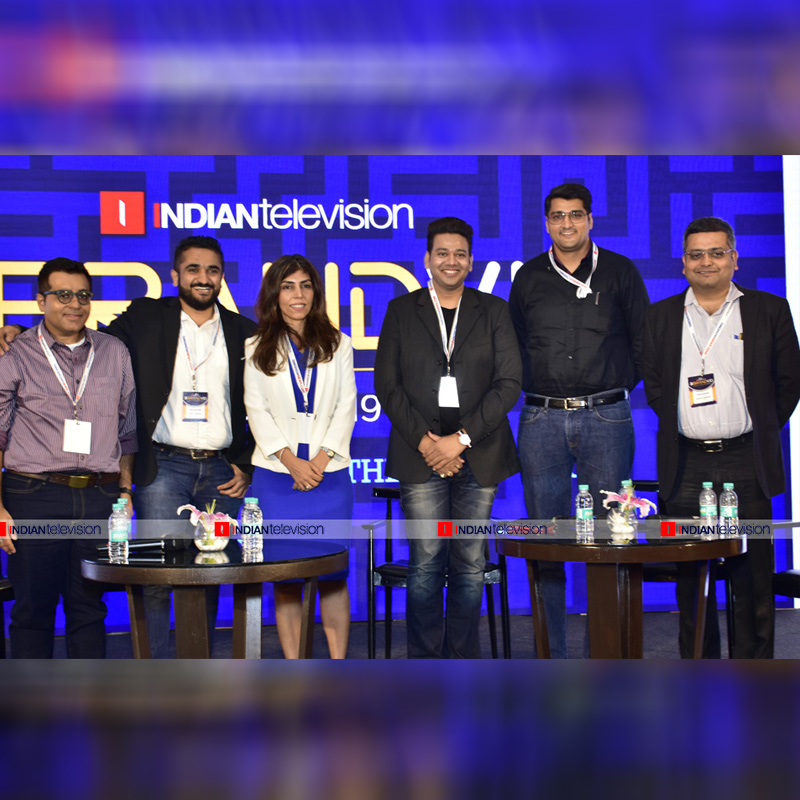
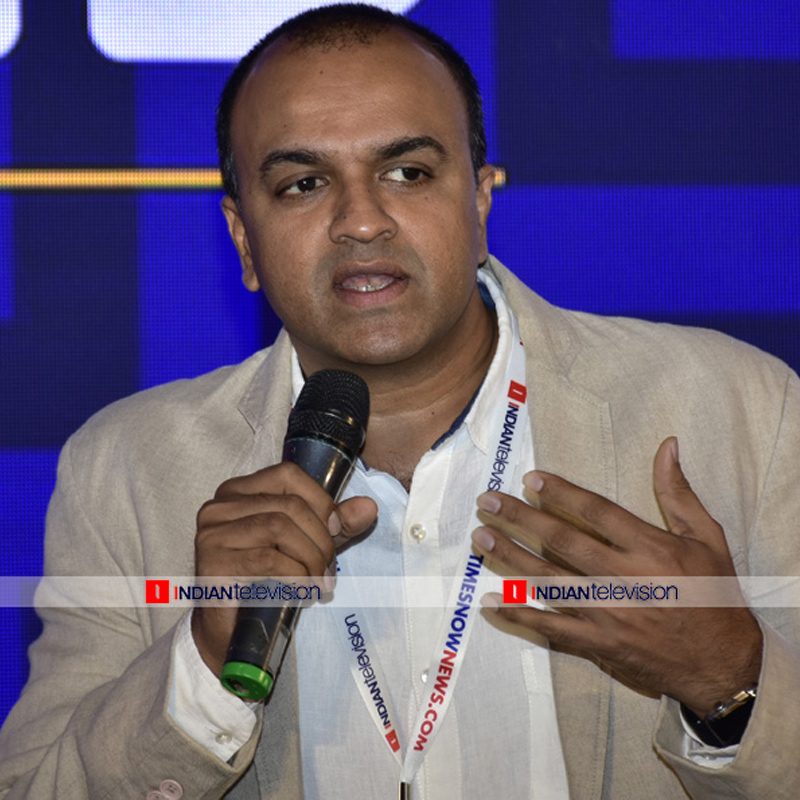
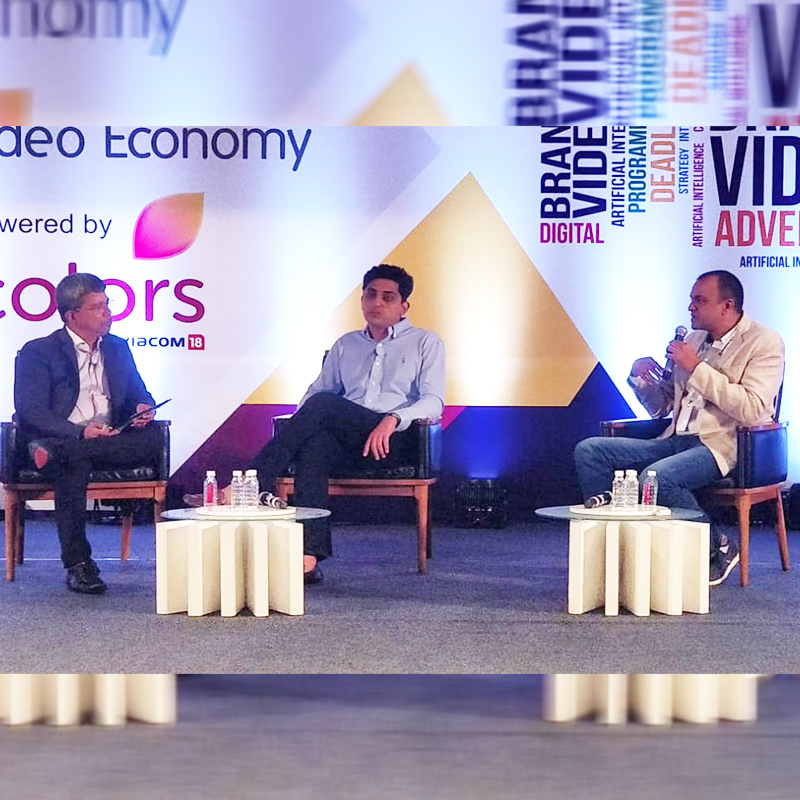
    This was the crux of the “Understanding the audience: Data & tech in content creation (Brandfilm breakthrough)” session at the recently concluded Indiantelevision.com BrandVid 2019. The session, moderated by Qyuki Digital Media co-founder and managing director Samir Bangara, had Prime Focus Technologies vice president creative services Bhaskar Sitholey, Shemaroo head of marketing Rahul Mishra, BYJUS App marketing head Atit Mehta Logicserve Digital co-founder and CEO Prasad Shejale, JioGenNext VP group alliances and mentor Mohit Kapoor, and VDO.ai co-founder Arijit Sachdeva discussing the role of data in branded content creation and if the process is data-inspired or data-driven.

    The panelists agreed that a whole of lot of data inspection comes into play in the creation of content today, but what matters the most is the impact the final piece of craft has on the audience. The only dissenting voice was of Sachdeva who quipped that VDO.ai being a young company doesn’t have the leverage to be data-inspired and is instead data-driven.

    Sachdeva said, “We are serving approximately 5 billion ads in a month and we have achieved this scale within a time span of just approximately one and a half year. I do not have the experience of 25 years to say that we are data-inspired.”

    Sitholey shared, “Data can definitely give you a better understanding of what your audience is doing or what they want. But what you craft out, depending on the interpretation of that audience needs, is what is really going to move the needle or not.” He also added that the world is heading to two-way content driven by interactivity.

    Kapoor vouched for a combination of the both as he said, “We will take it a level ahead. We call it ‘data everything’. The magic we have been seeing at Jio is when all the ‘C’ start working together, i.e., commerce, community, content, and connect.”

    He further shared an example of Snickers, “In China, Alibaba team shared an insight with Snickers that people who are buying Snickers are also purchasing a lot of spicy stuff and bingo! Snickers went on to launch a spicy bar, which is the first one in the world and is a resounding success. That is what data delivers.”

    Shejale shared similar thoughts as he said, “I think there are types of role like creative technologist, wherein it is a combination of both (data and creativity). Imagine if a creative person is fed with the right data, it could be really doing wonders.”

    Speaking about the metrics that creators use to inspire their content, Mishra noted that currently the industry relies on broader level metrics that are not capturing emotions. Citing the example of his organisation he mentioned that it is trying and tracking tactical opportunities of content creation in terms of what is trending.

    Sachdeva added that advertisers of today are looking for two fundamental metrics. “One is the number of completed views and the other thing that matters is the view-ability of ad placements.”

    The panel focused on the need to strike a balance between the right amount of data and creativity to meet these metrics and create content that can strike an emotional chord with the consumers.

    Mehta quipped, “Content has to be entertaining. I don’t know whether creativity will lead to entertainment or whether data will lead to entertainment. You can do whatever you want as long as it is entertaining content it will work. Now whether data has given you that understanding or it is happening because of your creative mind is inconsequential.”

    Bangara culminated the session by pointing out that data is important because it is predictable and dependable while creativity is not. It thus helps in ensuring that the money is being put in the right places. He said, “You have to do a CYA to clear 100 per cent of your spends but at the same time you go to the best director, best scriptwriter to write a really amazing story. Data is dependable and creativity, unfortunately, is not. It is hard to draw the distinction between the two. They will always be hand in hand.”

  • Unified measurement system, branded content & engagement concern marketers today

    Unified measurement system, branded content & engagement concern marketers today

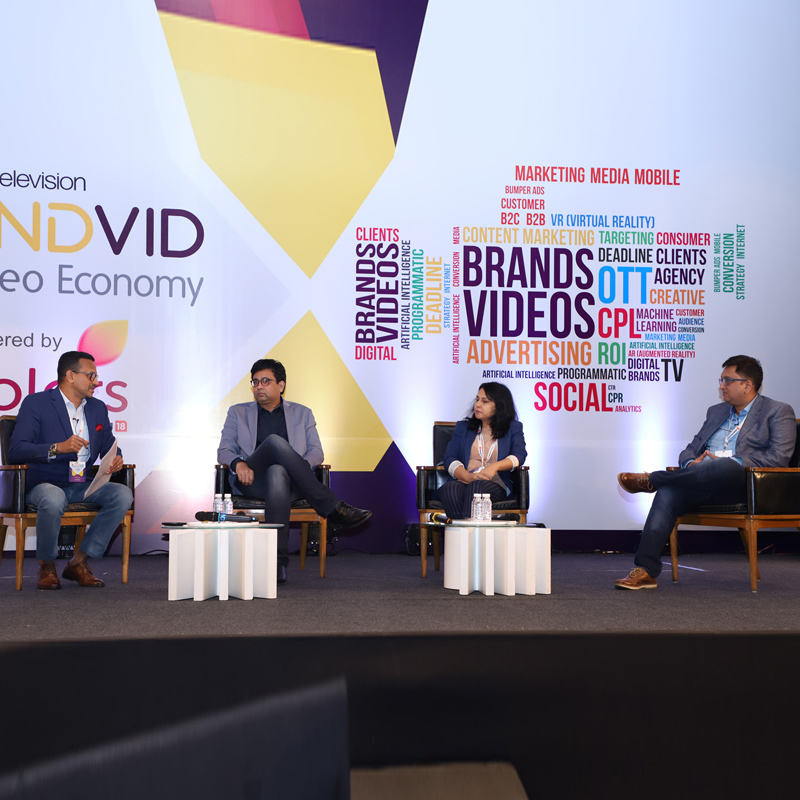
    MUMBAI: At the recently concluded Indiantelevision.com’s BrandVid 2019, marketers discussed various issues such as the need for introducing a unified measurement system to check the impact of a content piece including that on sales as well as the impact of branded content. The session “Moving the needle from exposure to engagement: Still the challenge” saw L’Oréal India head of media Neel Pandya, Colgate-Palmolive associate director and head – integrated marketing communication and e-commerce marketing Priyanka Gandhi, Syska chief marketing officer Amit Sethiya, Mondelez India Foods Pvt Ltd senior category manager – equity and activation | chocolate marketing Sameer Yadav, and ITC Limited head—consumer health care Sanjay Srinivas touching upon the various aspects of brand engagements metrics. The session was moderated by Tonic Worldwide chief executive officer Chetan Asher.

    Pandya reaffirmed that it is time to move away from exposure and focus on engagement. “It’s no doubt that you can’t go away from reach, it will be a primary metric to measure any kind of content you are creating but more and more organisations are going into measurability, which is more of engagement.”

    Priyanka Gandhi noted that engagement helps in driving certain other metrics in the favour of brands. “You define your metric based on what your brand objective is. For example, it could be short-term metrics like awareness, or long-term metrics like favourability towards the brand. Those are the things that you want to achieve by driving engagement through content.”

    Sethiya added, “It's great that we are talking about engagement because talking about exposure has got no merit because it's a clear variable of your investments. I think engagement brings a lot of efficiency and efficacy of your activities.”

    However, the other two panellists were of the view that the requirement for engagement depends upon the category of the product and the objective a brand wants to achieve with the branded communication.

    Yadav said, “I think it will depend on categories and it will depend on the purpose of doing it (branded communication). In some cases, exposure might be good enough while in some cases engagement alone would be good enough.”  

    Srinivas made an interesting point as he compared connectedness with engagement. “The challenge here is do we really have the right kind of insights to generate content that communicates. Going beyond that, there is also experience. In today’s time, engagement and experience go hand in hand to get brand conversions. We struggle today because we don’t have the right kind of metrics to understand if what we put out there is engaging audience or we are just getting proxies.”

    Srinivas added that we should not just look at engagement in the form of social media shares. “Sharing something I like doesn’t mean that I am connected to the content. I share it because I want to connect better with my friends on social media. But does it really measure my connectedness with the brand in question?”

    Adding to this, Pandya also vouched for the need to introduce a unified measurement system that can give marketers a better insight into the functionality of their content so they can create better communication strategies. He also noted that one should not be focusing on driving sales on the back of branded content.

    Concurrently, Srinivas noted that it is not completely impossible to drive sales using branded content as he cited the example of Flipkart’s ‘Hagglebot’ that let the consumers bargain for the price of a product. “It was an intervention interesting to the consumers and it was designed to drive a lot of sales. It did drive a lot of sales,” he said.

    The panel also corroborated the need for brands and marketers to define their brand and communication objectives before jumping onto the branded content bandwagon. The speakers also pressed upon the need to invest better money in the production process to ensure that the content works.

    Srinivas said, “The challenge is not only in terms of execution but in terms of making the creative as well. The problem is that most people have this thought that if we create a great piece of content, then I won’t have to put a lot of money behind it. It will become viral. They give the example of Kolaveri Di. But the environment is a lot different today.” He cited the example of ‘Lego Batman’ to put across the point that bigger budget productions have been successful and have driven better ROIs.

    Gandhi shared that the approach of creating content has changed a lot over time with newer content creators and platforms swarming in massive numbers. So the budget should be pre-decided.

    She said, “Clearly the videos don’t go viral themselves unless they are very edgy or out of the box. You need to spend the right kinds of budgets at the right kinds of places to make sure the content is discovered. You should have a consistent approach on what you want to achieve, and then find the right mix of spending the content and finding the right amount of money to spend on it.”

  • YouTube’s Satya Raghavan tells brands how to optimise their branded content

    YouTube’s Satya Raghavan tells brands how to optimise their branded content

    MUMBAI: Brands are aggressively producing branded video content and are willing to perform better in the dynamic environment, shared YouTube India director content partnerships Satya Raghavan during a fireside chat with Indiantelevision.com founder, CEO, and editor-in-chief Anil Wanvari at the recently concluded BrandVid 2019 conference.

    Even YouTube has seen a rise in the number of branded content briefs. Raghavan said, “Last year, my team used to get, probably, one brief a week, but now they are getting three briefs a day. It is purely because the number of advertisers has increased and so has the frequency at which brands want to do engaging content.”

    YouTube being a driver of the digital video content space is definitely benefitting from this increase in brands’ interest to connect with the audience in a more relatable and entertaining way. Raghavan shared that 2018 saw the platform reach amazing strengths. “The past two years before 2018 were literally a boom for anyone in the content space because of the reach they got through platforms like Jio and other telcos coming together. For us, it was really important because we saw it coming and started investing in content a little ahead of the curve. By the time that the initial tsunami settled down in 2018, we saw that our content was at an amazingly scalable place. Today, our platform has an active monthly reach of about 265 million people, who come here not just for entertainment but also for information and education.”

    Raghavan went on to add that an extraordinarily large part of these active monthly users is composed of daily active users.

    On being asked by Wanvari how the brands are leveraging this thriving ecosystem in terms of creativity, Raghavan mentioned that brands have become mature and are sensitive and smart to the needs of the people. They do not want to do the obvious or over the top brand integrations. They want the message to seamlessly fit into the content.

    Raghavan mentioned that FMCG category was the most active on YouTube, going beyond advertising. He cited the example of Colgate that sponsored YouTube’s original series Arrived, “When I walked into the first meeting with them, I was a little nervous about whether they would ask me to have one of the contestants hold the pack and say ‘this is Colgate’. But remarkably, the kind of brief that I got was actually evolved. It was not over the top integration but about sublime integration.”

    The other category that is creating a buzz on YouTube with its branded content is the category of brands that are digital-only. These brands focus on video advertising as their primary marketing tactic. He also added that most brands tend to add humour but they need to be smart about it.

    Raghavan added that brands are getting interested in telling slightly longer stories that resonate with their brand positioning. These brands avoid the staid route of placing their logos. “They want impact, salience and measurability. Content should be just laid and not dragged for a purpose,” he said. The one key point he highlighted for branded content is that they should think of the frequency or consistency of the uploads.

    Further, replying to Wanvari’s question around brands seeking paid visits to their content, Ragahavan noted that about 50-60 per cent of the views for an average content creator actually happens because of the YouTube algorithm in the form of ‘suggested videos’ or ‘up next’. “We tell brands that this is the place where you have to be; where the platform is working hard for you. So, you obviously will do advertising to reach out to a particular consumer but over time, any piece of content that a brand puts out should reach 70 per cent (organically).”

    He continued that while 30 per cent of the reach comes through marketing spends, it can decrease as creators optimise their content to be picked up by the algorithm.

  • Influencers, advertising, data and tech at the core of BrandVid 2019

    Influencers, advertising, data and tech at the core of BrandVid 2019

    MUMBAI: The second edition of the Indiantelevision.com’s marquee summit BrandVid 2019 concluded with some interesting and insightful discussions around the video content industry in Mumbai yesterday. The day-long conference saw some of the leading geniuses from the marketing industry talking about how to optimise video content as a brand communication tool and get better results in terms of consumer engagement as well as revenues.

    Indiantelevision.com founder, CEO and editor-in-chief Anil Wanvari opened the event. He mentioned, “Branded content has an emotional connect; it has a story to tell. The global content market is expected to grow to about $412 billion as per various reports out of which 10-20 per cent will be led by branded content.”

    The day was divided into five in-depth sessions and a fireside chats covering the various aspects related to the world of branded video content and was kickstarted by MullenLowe Lintas Group group CCO and chairman Amer Jaleel. He highlighted a key point that most brands seem to have forgotten today – that of not being very obvious to the consumer. “Brands today want to be obvious because of the insecurity of the clutter. Fuzziness is going and directness is returning. If brands want to be relevant today then the way forward is to be random, obscure and slanted,” he highlighted.

    Jaleel went on to make the point that it is impossible for creativity to catch up with the speed at which technology is moving. “Technology is synthetic and artificial and craft needs talking to people, which needs time,” he said.

    The events of the day continued with a panel discussion on ‘Branded Video Rewind’, which covered all the aspects of the evolution of branded video over the years and how the past fiscal was for the industry in terms of video spends, creative allocation, number and nature of brand films.

    Moderated by L&K Saatchi & Saatchi India CEO and Managing Partner Anil Nair, the panel had Sony Pictures Networks India Pvt Ltd head – content, partnerships, new initiatives – digital business Amogh Dusad, Shemaroo Entertainment Ltd COO Kranti Gada, GroupM South Asia president growth and transformation Tushar Vyas, Eros Now group CMO Manav Sethi, and Bajaj Consumer Care president Sandeep Verma sharing their views on the evolution of branded videos.Varma mentioned that today video content is no longer just for virality but is more holistic in the content marketing approach. However, the panellists agreed that there is no sure-shot way to guarantee that your content will hit the right note. Gada said, “Brands are not yet focusing on branded content as a core strategy. It is sporadic.” The panel also drove the point that in branded content, the creative thought should be the main driving force and the brand needs to ride on it not vice versa. The idea is to not force fit the content.

    The next item on the agenda was a fireside between YouTube India director Satya Raghavan and Indiantelevision.com founder, CEO, and editor-in-chief Anil Wanvari. Raghavan voice the opinion of many that today’s thumb-based apps have reduced the attention span to single digit numbers. In such a scenario, YouTube helps its content creators in getting reach. “YouTube’s algorithm helps the average content creator to get 50-60 per cent of its views. People are now optimising their content to get into the algorithm. So, content creators don’t have to worry about reaching the target audience,” he revealed.

    It was followed by a panel discussion on ‘GenZ: The New Video Sticklers’ between Burger King India CMO Srinivas Adapa, Leo Burnett Orchard COO Prashanth Challapalli, Onida CMO Pratyush Chinmoi     and MediaCom west head Priya Choudhary. It was moderated by Worldwide Media VP – Content Studio Vidyut Patra.

    The session covered how the brands are using video as a vehicle to achieve greater engagement and build personal connects with GenZ. Since Gen Z has a variety of apps to choose from and each with a different mode of working, brands need to pick the platform that is appropriate for its message. For instance, YouTube is for getting reach and long-form content, TikTok is for user-generated content while Instagram is for sharp targeting. “Not all brands have a content strategy. They all have a brand strategy. Therefore, they go after influencers. But, people are on Instagram because they are following their interest, not brands,” said Challapalli. To this point, Choudhary added, “Gen Z sees through influencers who are promoting brands so you have to smart in your strategy.” This is also the generation that is averse to seeing ads.

    The conference further continued with a panel discussion on ‘Moving the needle from exposure to engagement: Still the challenge?’. The session saw L'Oréal India head of media Neel Pandya, Colgate-Palmolive associate director and head – integrated marketing communication and e-commerce marketing Priyanka Gandhi, Syska CMO Amit Sethiya, Mondelez India Foods Pvt. Ltd. sr. category manager – equity and activation: chocolate marketing Sameer Yadav, and ITC Limited head – consumer health care Sanjay Srinivas in a deep discussion on how effective branded content offers advertisers a chance to engage with consumers in a rather intimate manner, incentivising brands to build ongoing relationships and how its vulnerability stands as a challenge to the marketers. The session was moderated by Tonic WorldWide CEO Chetan Asher.

    The panel made the point that content marketers need to decide what does engagement mean to them; whether that is the number of likes and shares or beyond that. “Brands need to know how to integrate with authenticity. Your brand should not stick out. For this, first, there needs to be a purpose and then relevance,” said Gandhi. Pandya also added that brands need to realise that not every avenue can drive sales. The purpose of branded content is generally not to get more sales but to get engagement and visibility.

    The events of the day progressed with a panel discussion on ‘Driving Social’, with TVF global head content and business Rahul Sarangi, ISOBAR COO Gopa Kumar, Mastercard director marketing Puneeth Bekal, GoZoop director strategy Amyn Ghadaili, and Lokmat Media Pvt Ltd senior EVP and head of digital business Hemant Jain. The session moderated by Nirvana Digital CEO Pinakin Thakkar covered all the important aspects of using social media and related technologies effectively for telling memorable brand stories.

    TVF’s Sarangi said, “Brands need to have a personality for people to engage with them.” On the current trend of using influencers to drive sales and visibility, he pointed out that they themselves are content creators. While everyone is thinking of digital as the upcoming big medium, Ghadaili said, “Digital is not a medium. It is a space that has many mediums.” The panel also made the point that in this space what is important is that the product has value and the influencers also believe in it.

    The final session on the agenda was a panel discussion on “Understanding the audience: Data & tech in content creation (Brandfilm breakthrough)” spanning insights into how data can be better used to understand audience and what role can technology play in compelling storytelling.

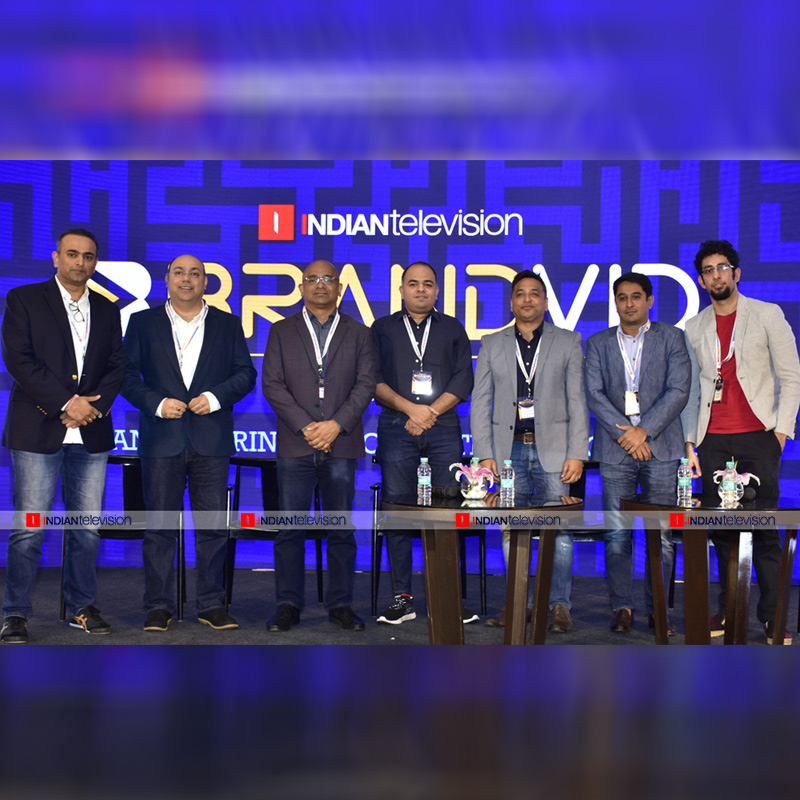
    Part of the panel were Prime Focus Technologies VP creative services Bhaskar Sitholey, Shemaroo head of marketing Rahul Mishra, Byju's App marketing head Atit Mehta, Logicserve Digital co-founder and CEO Prasad Shejale, JioGenNext VP advertising Mohit Kapoor, and VDO.ai co-founder Arjit Sachdeva. The session was moderated by Qyuki Digital Media co-founder and managing director Samir Bangara.

    Mishra highlighted that digital had shifted the content creation balance. “Nowadays, consumers are creating content on digital and they are the content creators now,” he said. On the usage of data, Mehta felt that data inspires marketers to take bold steps. “If someone is spending on the world cup, then he is also spending on digital,” he said. To this, Shejale added the way forward is both data-driven and data inspired content.

    The event concluded with a gala awards event night, the first Indiantelevision.com BrandVid Awards

  • BrandVid 2019 kicks off with day-long summit and awards

    BrandVid 2019 kicks off with day-long summit and awards

    MUMBAI: Indiantelevision.com, in its quest to promote a dynamic and competitive environment for creators and brands, is hosting the second edition of BrandVid today in Mumbai.

    The conclave will be followed by the first-ever BrandVid Awards to recognise the most creative work in the branded video domain.

    The knowledge panels in the conclave will cover a vast spectrum of topics including the evolution of branded video over time, use of data and technology to enhance a brand’s visibility through meaningful collaborations, the targeting of GenZ and their fickle attention spans, and measurement metrics for branded video

    The BrandVid Summit will feature a keynote speech from Amer Jaleel, the group CCO and chairman of the MullenLowe Lintas Group.

    The summit will feature a stellar line up of speakers that includes the likes of Leo Burnett Orchad chief operating officer Prashanth Challapalli, GroupM South Asia president growth and transformation Tushar Vyas, Mastercard director marketing Puneeth Bekal, and Burger King India CMO Srinivas Adapa.

    The BrandVid Awards will honor the best in class brand films, brand integration and branded programming.

  • TimesNowNews.com signs up as associate partner for BrandVid 2019

    TimesNowNews.com signs up as associate partner for BrandVid 2019

    MUMBAI: One of India’s most trusted and fasted growing digital news platform TimesNowNews.com has signed up as an associate partner for one of Indiantelevision.com’s marquee summits BrandVid 2019.

    Thanks to the massive explosion in the consumption on digital and on handheld devices, video is the new glue fusing brands with their consumers. Marketers are working overtime to understand the nuances of video storytelling, platforms (social or web destinations) and distribution to build stronger bonds between brands and their fans.

    The summit, with the key theme of ‘Manoeuvring through the video maze’, will tackle conversations like moving the needle from exposure to engagement, data and tech in content creation, understanding new-age consumers and crafting compelling branded films.

      BrandVid 2019 Summit Full Details

    The keynote at this year’s summit will be delivered by Amer Jaleel, group CCO and chairman of the MullenLowe Lintas Group. Some of the key speakers at BrandVid 2019 include McDonald's India’s Arvind RP, FBB – Future Group India’s Prachi Mohapatra, Colgate-Palmolive’s Priyanka Khaneja Gandhi, GroupM’s Tushar Vyas among others.

      BrandVid 2019 Awards Full Details

    Following the stupendous success of the summit in 2018, Indiantelevision.com incorporated the BrandVid Awards as part of this year’s event. BrandVid Awards recognize the best in class brand films, brand integration, and branded programming.

  • BrandVid 2018: Emerging importance of content creators in branded videos

    BrandVid 2018: Emerging importance of content creators in branded videos

    MUMBAI: With the rapid change in the online ecosystem, marketers are gradually increasing their investment for branded content. Subtle product placement and proper storytelling in branded videos are becoming two key elements of video marketing. Facebook and YouTube have emerged as the most important platforms while they are working closely with brands as well as creators.

    In the first edition of Indiantelevision.com’s BrandVid powered by Colors, spokespersons from the two tech giants spoke about their experience in new video economy. YouTube India entertainment head Satya Raghavan and Facebook India entertainment partnerships head Saket Jha Saurabh discussed what each of them is offering to brands, how brands are operating in the respective ecosystems and what could be the best practices for them to follow.

    Talking about branded videos and digital films, Raghavan said YouTube always thinks about three primary stakeholders which are the consumers, creators and advertisers. Whether it is about integrating a brand within the existing content or a brand wanting to create content with creators, these three elements of the ecosystem always create amazing opportunities together. Going back in time, he mentioned #CrashThePepsiIpl campaign when they discovered all of these three stakeholders actually ended up coming together to make this program a huge success.

    “Last year we started new format called speed dating where we had brands give briefs to our upcoming creators and creators then got 10 minutes to pitch the solutions to brands and out of that also emerged pieces of content. I think we are just at the beginning of the interplay of content integration and branded content,” Raghavan said.

    Facebook has also started out building communities which can be monetised. As a platform, Facebook sees video as a form, not substance. “We feel that from Facebook and Facebook family of apps’ perspective, the idea is how you solve or customise solutions for brands. I think that’s really what we focus on,” Saurabh commented.

    While Facebook has definitely been the dominant one in video marketing ecosystem, he also mentioned how other apps from the group are also growing relevance. As an example, he spoke about Make My Trip’s association with WhatsApp, where the entire booking process was moved to the messaging app, and the company saw a huge fall in call centre complaints. In this case, Make My Trip leveraged the intimacy and inter-connectivity on Whatsapp to engage consumers.

    Fashion and beauty brands have been optimising Instagram on a great scale. “These people understand that visual storytelling is really the thing to do, especially when you are trying to reach a younger audience. Instagram is really a choice when it’s visual storytelling,” Saurabh added. According to him, brands are increasingly realising they have to do platform-first, mobile first content as well as creating customised videos.

    Speaking about what brands can achieve on YouTube, Raghavan said a consumer comes to YouTube to either entertain himself or inform or educate. According to him, it’s important for brands to understand this behaviour and even YouTube spent a lot of time trying to explain brands how to fit themselves into this continuum of things. 

    His advice for brands is that they should think about how they can be a part of all of these three types of storytelling whether its entertainment, education or information. “We are seeing a lot of that happening in financial services space now because brands are starting to penetrate deeper. Earlier, very few of us dabbled on things like the stock market or even mutual funds. But, that category is seeing amazing penetration at this point in time. So, a lot of brands from that area come to us and talk about what they can do about all of these three things.  This game is still to be played and in a couple of years we will see some amazing things happening in that space,” he added.

    Both of the experts were asked if a brand can become media destination for customers where they build a direct engagement with storytelling. Saurabh gave a few niche examples such as Craftsvilla’s birth and growth was aided by Facebook. Royal Enfield is also doing a great job in community building. In the case of Instagram, he gave the example of fashion designer Sabyasachi Mukherji’s page which depicts good storytelling.

    “Brands need to build the community ahead of the transaction, not when they will transact. It may lead to a transaction or different levels of engagement. The fact is that our goal is to make brand managers understand that whether it’s brand marketing or performance marketing, Facebook has solutions for both but building a community and having a certain thematic play in the market is very important,” he said.

    However, while all the gaga is over traditional brands who are investing in branded content, Facebook has noticed that creators are becoming brands as well. Hence, this is about content brands also who are finding their voice on the platform and being able to monetise what they do best.

    Agreeing with him, YouTube’s Raghavan put it in a little different angle. According to him, best practice a brand can follow is actually to think like a creator. “We encourage brands to think like a creator. Create consistent output of content and appreciate the fact that content has always been there. Think like a creator and work with our creators. They understand consumers and that’s how they continue to create content day in and day out. It’s really about the message,” he commented.

  • BrandVid 2018: Hyperlocal content a new opportunity for brands

    BrandVid 2018: Hyperlocal content a new opportunity for brands

    MUMBAI: Time spent and attention levels are sliding down for digital as there is so much content to offer that if the content doesn’t have some uniqueness nobody will show interest. The answer to change this is branded content.

    Speaking at Indiantelevision.com’s new video economy event BrandVid powered by Colors, Y&A Transformation co-founder and MD S Yesudas said, “Content is king because people don’t watch platforms, people watch content. So the belief system changed to 'content is king' but instead of meaningful content, distribution actually became god.”

    The event was organised by Indiantelevision.com on 30 October 2018, for the brands, agencies, marketers, broadcasters, publishers and producers to understand how to work closely and create short form and long form content which will connect with the audience directly.

    There is an ocean of opportunities for brands today to not just be extremely confined to certain predefined norms of looking at integrating brands with videos but start looking at the whole arena that hyper-local has to offer.

    Talking about the difference in distribution channels from a traditional media perspective, Jagran Prakashan COO digital media Rachna Kanwar said, “We create content for nine websites which spans across news, media, lifestyle, education and many more. We being of the print legacy, are today competing with a lot of TV content put on digital platforms. How you are able to catch the user's attention is important and therefore distribution is very important. It is the key to give your content to the user. As content creators we have to reach wherever the user is and today actually the user is on search, social media on YouTube.”

    According to Lokmat Media senior EVP and head- digital business Hemant Jain, content technology and distribution when synced in the right proportion will deliver growth to any business aspiring to attain scale in the digital space. The early belief of putting print onto a website is not exactly how an online publishing business typically works. Even the e-paper formats of today are a low hanging fruit according to him. From e-paper the traditional publishers went on to a journey which is now called as a very hyper competitive environment of news publishing.

    GroupM business head- entertainment sports and live events Vinit Karnik said, “Content has always been the king and distribution is the god but the missing link between content and distribution is data. Data is the new oil.”

    “I don’t think that the way you define your content strategy is going to remain the same which is very important for the creators and brands to take notice of. While video would definitely give a much better brand impact but you can’t keep distributions in isolation," Jain added. He even highlighted that Pune is a very important market for Lokmat. 50 per cent of traffic which is close to 4 million monthly active users comes from Pune.

    The attention spans are increasingly reducing and one size fits all is not the norm anymore. From a one channel and couple of print mediums, the market has got into cluttered environment.

    Talking about the tech interventions, Karnik said, “Tech interventions are absolutely important you just can’t ignore it, shorter the content size better ability for it to register. Today if you look at e-paper or app of the Lokmat or Jagran, the good old days of you going back to the audience to do a research to understand what they will consume is out of the park. Today, every app gives a consumer an option to choose the kind of interest level he/she has right there on the app and the owners will get the data in real time. Today news is also served to everyone based on their preferences,” Karnik added.

    “Today it’s not like we are giving a big overview to the client or the buyer, we are slicing our data and giving them specifics about which is the time of the day that audience is going to be more receptive for a particular kind of content,” Kanwar added.

    “From a content strategy perspective 20 per cent of the resources go into content creation and conveying and the remaining 80 per cent goes into distribution,” Yesudas added.

    “Distribution is more complex now, if you want to optimise it right. Within the 80 per cent today you have to over emphasis on which platform to choose,” Jain concluded.

  • Learning the importance of video marketing today

    Learning the importance of video marketing today

    MUMBAI: “Is it viral yet?” More often than not, this is what you will hear from marketers and agencies soon after they make a brand campaign or a video live on social media. The virality of a video is the new scale of measurement for most advertisers now, and rightly so! When a video goes viral, it can increase your search engine ranking, click-through rates, open rates and conversions.

    Brands have for the longest time needed a video marketing strategy but what has changed is how important video has become on every platform and channel. It is no longer restricted to doing television commercials or doing product placement on some television show or a movie. It has become the centre to their outreach and social strategy.

    While videos are great and should be every marketer’s best friend, there are several questions around it that need to be answered.

    How do you know if your videos are working? How can you measure the efficacy of your videos? How do you build brand confidence? What is the role of videos in overall brand strategy? What platforms should you choose to deliver the videos? How do you treat videos in regional languages? And most importantly, what are the top 5 things to keep in mind for branded videos and video marketing?

    To find out the answers to these compelling and perplexing industry questions, Indiantelevision.com will host a summit on branded videos and video marketing – BrandVid 2018( brandvid.in) on 30 October 2018 at Sahara Star, Mumbai. The summit will see industry stalwarts discuss these topics and map out a way for the industry where all major stakeholders can make the most of videos.

    Video has absolutely dominated social media and according to a recent HubSpot Research report, four of the top six channels on which global consumers watch video are social channels. And a common topic for every A&M conversation – video is the way forward – finally seems to look right.

    Video marketing isn’t just limited to slapping a video on television, YouTube and other social media platforms. Today, 70 per cent of millennials prefer watching a brand’s video when shopping online. According to Video Marketing Statistics 2018 report, 84 per cent of consumers are convinced to purchase a company’s product after they’ve watched their video. It is also interesting to note that 81 per cent of businesses with an explainer video on their homepage said that those videos have increased their sales.

    As per a report by Syndacast, click-through rates increase by between 200-300 per cent when a marketing email contained a video.

    Remember the Dancing Uncles video that went viral? No? Well, have a look at it here:

    []

    Bajaj Allianz signed Sanjeev Srivastava aka the internet’s dancing uncle to promote one of its offering. Lately, he was also seen promoting Amazon India’s Great Indian Festival Sale. The power of internet and video today!

    In a general media ecosystem, you would have a brand, an agency and a production house where a brand gives a brief to an agency about the kind of video they want and they in turn hire a production house to shoot the video and later get it edited from a third party. But that’s changing now. Brands are now becoming media companies and they have their own in-house content studio that creates content for them on-the-go. It’s challenging for a traditional agency to sustain and survive in a competing environment like this. But is there a way where brands, agencies and publishers can co-exist and collaborate? Maybe yes but how only time will tell.

    Most videos today seem to be mindless and done just because every other brand on the block is doing it. Marketers often forget that they don’t need to follow the herd mentality.

    It is incorrect to judge your video campaign solely on it becoming viral and famous. It may not always lead to your products being sold from the shelves. As simple as video marketing seems, it is actually more complex than that. While brands and agencies have exploited video marketing to the core, whether or not it works entirely depends on what do you want your audience to hear, see and feel. And most importantly, what message are you trying to convey and what is the call to action?

    All in all, video marketing is not only fun, it’s also one of the best ways to get up close to your audience and give them a real glimpse of what you and your business or your clients are doing The more they know about your positive practices, the more likely they are to stick around.