Tag: brands

  • We are expanding our verticals in terms of strength and products with future in-demand tech: Mobavenue’s Tejas Rathod

    We are expanding our verticals in terms of strength and products with future in-demand tech: Mobavenue’s Tejas Rathod

    Mumbai: Mobavenue Media is a 360° growth and tech platform dedicated to empowering brands, agencies, and media publishers with mobile-first solutions to drive growth, engagement, and monetisation. Their product suite is custom-tailored to design a more valuable experience for the user by creating real connections and driving performance. They help brands with acquisitions, retargeting, growth management, and monetisation in India, Southeast Asia, Latin America, Europe, and Australia. Their various proprietary in-house platforms optimise towards end business goals and growth paths using predictive media solutions to run brand performance-driven campaigns for their partners. Mobavenue’s team is based in eight locations: Delhi, Mumbai, Singapore, Jakarta, Dubai, Sydney, Moscow, and London.

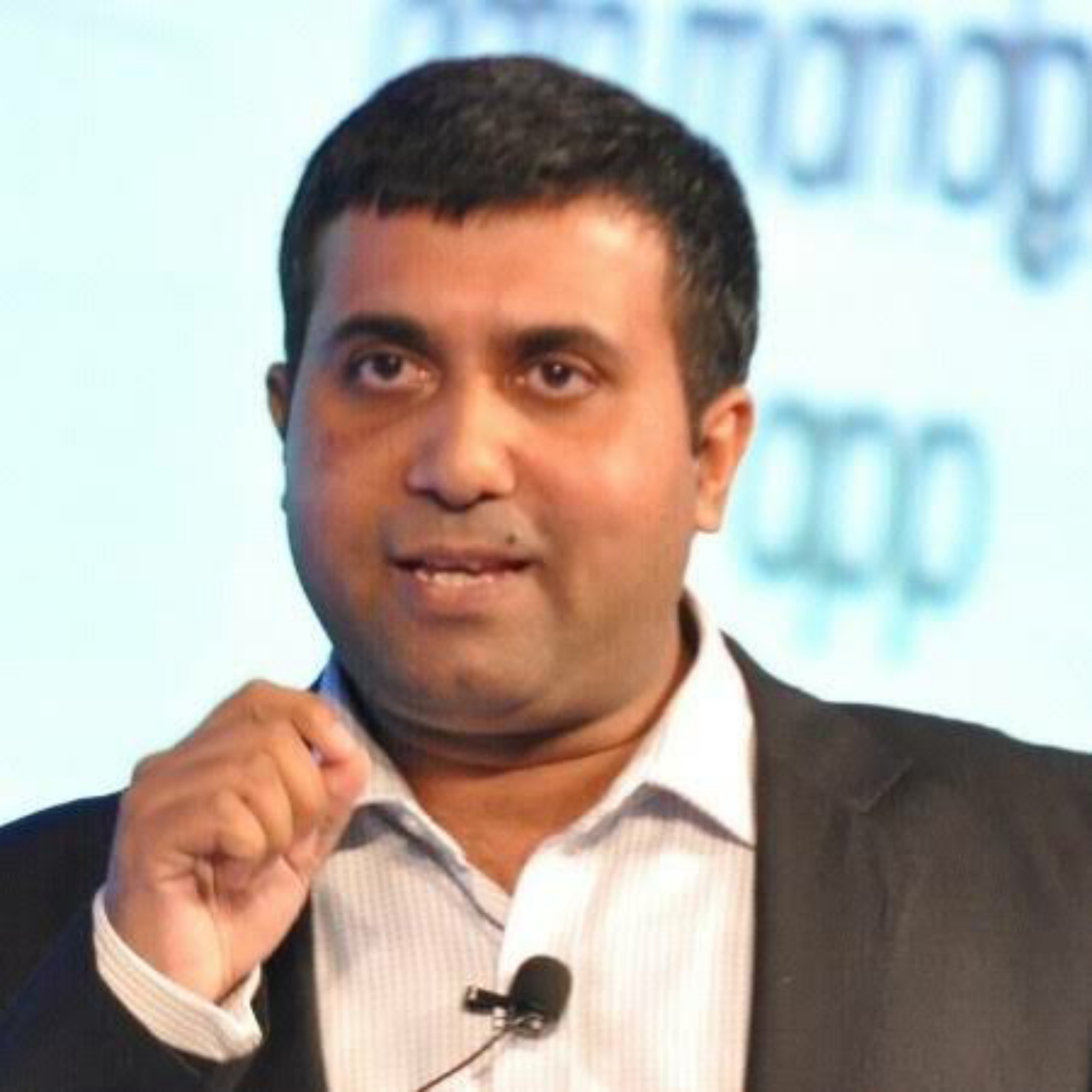
    Indiantelevision.com caught up with Mobavenue Media co-founder & chief operating officer Tejas Rathod to find out more. He has more than eight years of experience in the tech industry. Back in 2014, he was associated with Chillofy LLP as co-founder & chief operating officer. His one-stop solution is to deliver end-to-end advertising solutions, helping brands, app developers, digital marketers, and companies to execute performance-driven campaigns in India and across Southeast Asia. Rathod has been part of events such as AW, iGB Affiliate, ICE London and a few others.

    He has always been an outgoing person with a zeal for travel and exploring new ideas through natural exposure. He can always be found working in and around communities. To keep himself highly productive, he regularly attends business events, networking with potential clients and talent. Rathod strongly believes that millennials have all it takes to create a better world full of opportunities and elevated living.

    He loves staying up to date with the latest digital trends. When he finds time to himself, Rathod likes playing classic strategic board games and watching documentaries about business, leadership, and anything interesting with loads of insights.

    Excerpts:

    On the market gap that Mobavenue saw when it was launched in 2017

    There was a significant market gap between advertisers and publishers in acquiring high-quality users and monetizing their assets efficiently. To meet their end goals, brands required holistic KPI-oriented data-driven technology that maximised ROI while improving user acquisition, growth, engagement, and monetization. We have been successfully bridging that gap since our inception and have seen the market size upscale, building a standalone platform for brands and partners, creating a win-win position for all parties.

    On the company’s USP

    Our USPs are rooted in audience, acquisition, growth, and re-market with a stronghold in audience segmentation and performance-driven campaigns. Our in-house proprietary solutions optimise towards end-business goals and growth paths using predictive buying and supply-side modelling. User behaviour and acquisition through precise targeting is the focus of AI audience segmentation. We ensure brand and fraud safety while focusing on placing relevant content using relevant contextual ads.

    On how covid impacted the business

    The pandemic impacted many industries. We witnessed the world shift towards a digital-first approach. Online shopping was the new norm during the pandemic. As a result of this, people in general, as well as companies, pivoted to an online approach. There was a surge in terms of online activities and purchases. Since the majority of people were indoors, a surge in ad consumption and viewership took place in the online purchasing funnel. We did quite well during the pandemic as most of our customers are digital-first from different sectors such as banks and non-banking financial companies (NBFCs), fintech, OTT, fashion and lifestyle, leisure and entertainment, gaming, e-commerce, apparel, D2C, retailers, and more.

    On the goals set for 2022 and the game plan to get there

    We are expanding our verticals in terms of company strength and new products with future in-demand technologies. We are transitioning and integrating with the advent of newer forms of technology. We aim to evolve and drive growth in different sectors. We are spearheading martech and adtech solutions.

    On how Mobavenue helps D2C businesses be more cost-efficient

    We have worked with numerous D2C brands to meet their objectives while focusing on cost-effectiveness with our in-house products in programmatic acquisition, re-targeting, and growth management. Our unique marketing solutions help D2C businesses with in-app advertising strategies.

    On Mobavenue’s products like DSP, partners, etc.

    We are a tech-driven platform focusing on acquiring relevant users with our product offering, which includes: DSP, programmatic, premium partner, and OEM solutions; display ads; publisher-first SSP; re-target and re-market AI, DMP, mobile SDK, and exchange to reach high-quality global audiences.

    On some of the work that Mobavenue does with clients

    We work with 150+ brands. Mobavenue has successfully provided unique programming strategies to numerous banks and NBFCs like ICICI Bank, IndusInd Bank, Kotak Mahindra Bank, KreditBee, Freecharge, Navi Finserv, Nira Finance, Fi Money, Unicard, OneCard, and Policy Bazaar by implementing dynamic creatives and other efficient in-house media tools. Their cutting-edge, advanced mobile advertising solutions have optimised the ROI of banks and NBFCs and helped them achieve promotional brand exposure, faster conversions, improved user acquisition, and customer retention.

    Mobavenue has generated good traction in leading D2C companies with the help of its in-house products in programmatic acquisition, retargeting, and growth management. Tier II, III, and IV cities are primarily responsible for D2C growth because they have wealthy but brand-deprived consumers who are willing to try new items. With the help of regional and vernacular publishers, in addition to premium listings, Mobavenue was able to scale to these markets and reach new consumers.

    On how Mobavenue helps OTT platforms boost subscription levels

    Using programmatic user acquisition and unique targeting methods, we have helped OTT brands drive paid subscriptions, views, and retention. The OTT market has a set of unique challenges, which require unique solutions too. Our expertise and partnered technologies leverage OTT platforms with a full-funnel approach such as acquisition, retargeting, monetisation, and promotion.

    On the factors needed for an SVoD platform to succeed in a price sensitive market

    Subscription video on demand (SVoD) platforms are highly competitive markets, resulting in customers being more price-sensitive than ever. The availability of faster mobile internet has increased the number of overall users. To succeed in this competitive market, platforms need to consider a pricing model that offers a value proposition and customer satisfaction. Providing customers with multiple options regarding tiered pricing, trails, and discounts will help attract new audiences.

    On the work done by Mobavenue for the gaming industry

    We have executed CPA models for different gaming apps, which have helped them achieve their business goals. Our well-planned and structured marketing tactics have leveraged gaming brands to reach new audiences and increase app downloads compared to their competitors.

    On the role that AI is playing in media planning and buying

    Media buying can be a rigorous task. AI plays a developed role in aggregating data between traditional and digital channels. Sales operations can be further monitored and raise alerts with potential risks. AI can also learn and adapt to changing situations, making it much easier to optimise before closing deals.

  • Dabur consol. revenue up 6 per cent to Rs 2,986.5 cr for Q2 FY’ 23

    Dabur consol. revenue up 6 per cent to Rs 2,986.5 cr for Q2 FY’ 23

    Mumbai: Science-based Ayurveda company Dabur India, has reported a 6 per cent increase in consolidated revenue for Q2 FY’ 23. On a constant currency basis, revenue increased by 8.5 per cent in Q2 FY’ 23.

    Dabur India Ltd’s  (DIL) board of directors met to review the company’s unaudited financial results for the quarter ended 30 September 2022.

    The board of directors of Dabur India Ltd declared an interim dividend of 250 per cent for 2022-23.

    Dabur India chairman Mohit Burman said, “Continuing with our payout policy, the board has declared an interim dividend of Rs 2.50 per share, aggregating to a total payout of Rs 442.94 crore.”  

    Dabur demonstrated agility and resilience in delivering consistent organic growth in a challenging environment marked by unprecedented inflation and its impact on consumption. Despite the significant headwinds, Dabur reported consolidated revenue of Rs 2,986.5 crore in Q2 FY’ 23, up from Rs 2,817.6 crore in the same quarter the previous year.

    Dabur was able to mitigate the impact of unprecedented inflationary pressures through disciplined cost control, operational efficiencies, and prudent price increases across key product categories. Dabur reported a net profit of Rs 490.1 crore at the end of the second quarter.

    Dabur India CEO Mohit Malhotra said, “While the challenging economic environment continued to be a concern and impacted the purchasing power, we are seeing green shoots of recovery with the onset of the festive season. The impact of inflationary pressures was more pronounced in the rural markets with demand growth in hinterland lagging urban markets for the first time in five quarters. However, we are hopeful of rural demand reporting a smart recovery in the coming quarters and we are investing ahead of the curve to ride this demand recovery by expanding our rural footprint by adding nearly 9,000 villages in Q2 FY’ 23 to take our total coverage to over 100,000 villages,”

    Dabur is focused on creating shared value and is increasing capital expenditure, digitalization, and sustainability investments. Dabur has made rapid progress on the ESG front and has set ambitious goals for the future. In 2021-22, Dabur became the first Indian consumer goods company to become 100 per cent plastic waste neutral.

    “Not one to rest on our past laurels, this year we have targeted to become Plastic Waste Positive, by collecting, processing and recycling 35,000 MT of post-consumer plastic waste pan-India. We are committed to creating circularity in the value chain to achieve a positive balance by 2030, besides becoming water positive by 2030 and carbon neutral by 2040,” Malhotra said.

    Dabur’s brands have continued to outperform the market, gaining market share across 95 per cent of product portfolio. Dabur increased its market share in the juices & nectars category by 410 basis points, while share in the digestives category increased by 270 basis points.

    Chyawanprash market share increased by 120 basis points, and shampoo category share increased by 40 basis points. Dabur’s market share in hair oils increased by 20 basis points. Dabur’s strategy remains centred on innovation, with new product launches accounting for approximately 4 per cent of total sales.

    Dabur’s foods & beverages business reported a strong 30 per cent growth. The beverages business ended the quarter with a jump of over 30 per cent while the foods business reported a 21 per cent growth.

    The home care business was up nearly 21 per cent, while the toothpaste category, riding on strong performance of our flagship Dabur red paste, ended the quarter with an over 11 per cent growth.

    The shampoo & post-wash business ended the quarter up 9 per cent. Dabur’s Ayurvedic OTC business also reported a growth of over 9 per cent during the quarter.

    Dabur’s international business reported a 12.3 per cent jump in constant currency terms, led by strong constant currency growths in Turkey (86 per cent), Nepal (25 per cent ) and Egypt (23 per cent ).

  • Lights, lamps and food this festive season

    Lights, lamps and food this festive season

    Mumbai: The festive season brings along with it a basket full of hope, happiness, smiles, lights, and, of course, food! We Indians have a fetish for scrumptious food, and for us, any occasion is incomplete without good food—the festive season, therefore, isn’t any different. Just like most of the other product categories, the food category also saw a slump during the pandemic but has obviously risen from it. With the onset of the festive season, I tried to get a glimpse of how the festival of lights has turned out to be for food brands, the trends and innovations that we witness in this category and much more.

    Discussing the revival of the food category this festive season, Greendot Health Foods (manufacturers of the snack brand, Cornitos) managing director Vikram Agarwal is of the opinion that the last two years have been crucial for the food industry. Due to the pandemic, consumers were spending less because they had fewer options. “Now, the spending has increased, which has further increased the demand. The growth is expected for festive season gifting due to the rise in digitisation and an increase in socialisation among individuals as well as corporates,” he brings out.

    Consumers’ spending on food

    Agarwal is positive about the consumer spending this festive season. “The Cornitos’ product portfolio encompasses a whole range of gift packs for people across all demographics, and this festive season we are expecting an increase in sales by 15 to 20 per cent,” he reveals.

    4700BC’s (the gourmet popcorn brand) founder, Chirag Gupta, quips that the season has been phenomenal for them. In comparison to the previous two years’ holiday seasons, they are seeing a 60-70 per cent increase in 2022.

    “Usually, the average order value (AOV) is Rs 600 – Rs 700. But during Diwali, since a lot of bulk gifting happens, the AOV is about Rs 1,400. Other than this, 25 per cent of all our sales came from the B2B sector, with partners like Google, Microsoft, Discovery Network, Lufthansa, Amazon, and Samsung. So, we can proudly say that the country has been looking at us as a clutter-breaking gift,” he exclaims.

    Who are these consumers?

    Agarwal points out that the youth love Cornitos. “We assure our consumers that their health and taste are not compromised. Consumers have adopted a more health-conscious lifestyle post-pandemic and are also interested in healthy snacking. Cornitos stands out among its competitors in terms of its unique flavours and healthy ingredients. It is a gluten-free snack that is cooked in healthy corn oil and is cholesterol-free,” he says. Cornitos’ reach was previously only in the metropolitan cities, but now the demand in tier II and III cities has also increased.

    Gupta mentions that the consumers for 4700BC range from the age group of 18 to 40 years. There is an equal proportion of males and females. Purchases come from tier I locations and the rest of the country in equal proportions. They segment their customers into netizens, early adopters, and hedonistic shoppers.

    The netizens are the constant scrollers and brand advocates. The early adopters are experimenters, who are always the first group of consumers to cross the chasm and try new offerings. They also include connoisseurs—they believe that food is not just an essential need but an element of pleasure—and, thirdly, trendsetters.

    The hedonistic shoppers include, firstly, self-pamperers—it has always been about pleasure attainment for them and the ones who know how to celebrate themselves. Secondly, affluent achievers—they keep looking for a new form of expression to motivate and appreciate their team; and thirdly, blue-bloods.

    Although the number of consumers has increased, the purchasing audience of 4700BC has remained the same.

    Show me the money!

    Talking about the growth in numbers as compared to the festive season of the last two years, Agarwal explains that companies are motivating employees by offering them gifts to celebrate the festivities. He is expecting a 20 per cent rise in demand for corporate gifting over 2021.

    Gupta of 4700BC brings out that their revenue growth in the gifting segment was at Rs 21 million and had been increasing. FY’ 22 saw a 1.6x YOY growth to Rs 67 million. He expects a similar trend for FY’ 23, that is, the revenue should reach about Rs 120 million.

    “We usually see a jump of 40 per cent in festive sales, and we expect a similar jump this year as well at the minimum level. Last year was also good, but the number of orders was relatively lower in relative growth. This year we are expecting and clocking a lot more,” he says.

    He goes on, “As per the current data, since the last two years were relatively low due to covid, we are seeing 60-70 per cent growth this year. All we can say is that we are overwhelmed by the response this gifting season and all the efforts in building a distinct tone and narrative have paid off.”

    Advertising and marketing spends and strategy

    Gupta reveals that 15-20 per cent of their revenue is targeted to be spent on marketing during festive times. “The spending has always been defined based on the sales and offtake of the year. We are always known to be wise spenders. We are very mindful of our growth, and we frugally spend to always keep the top line healthy,” he adds.

    This year, 4700BC wanted to build its long-term narrative of how Mr. BC makes the most of the present. A character whose madcap personality could carry this gifting narrative for many more years to come. “We intended to create a distinct space in the entire gifting culture of the country. Over the years, the advertisements we saw across festive seasons became monotonous and non-experimental. So, we were like, we want to start a new narrative,” Gupta says.

    However, he is quick to say that they did not want to be specific to Diwali or any festive occasion and wanted to create something that could have longevity all year round. “Essentially, cost optimization. Those intriguing content building blocks were the gangster party and then the divorce party. Also, it helps us stay true to our core—international,” he states.

    Over the last two years, 4700BC has built its gifting range. Even for Diwali, they had beautiful packaging for The Pataka. Over the last few years, they have shared information about the products and built awareness about them.

    Agarwal of Greendot Health Foods elucidates that they have a media plan in place and marketing spend is going on during the festive season. They have utilised social media, print ads, in-store branding, and festive exhibitions to reach their consumers.

    Trends and innovations

    The challenge this season, according to Gupta, is clutter—the number of product options available to consumers and the amount of communication each brand uses. These are the innovations that we will see this festive season. Brands should develop new and unique products and communicate to get the consumer’s attention. The gifting market’s size from FY’ 22 to FY’ 25 is expected to grow at a compound annual growth rate (CAGR) of 20 per cent, from Rs 12 billion to Rs 21 billion.

    This year, with the return of the festivities and the pandemic receding to a great degree, the ceremonial festival exchange of gifts in larger numbers has been anticipated, says Agarwal. Consumers have adopted a healthy lifestyle in the past two years. Cornitos offer healthy and flavourful festive packs that are always in demand.

    With the rise in digital usage, our everyday life starts with our phones and ends with them too. Everything has become so much easier with e-commerce sites, through which customers can explore and shop for their favourite products without leaving their houses. Cornitos also launched their own shopping website in 2020—https://shop.cornitos.in/—for the convenience of our consumers and are getting festive packs ordered through it.

    Cornitos has launched festive packs called “boxes of joy,” themed specially crafted gourmet selections. The brand differentiators are attractive packaging and combinations of exciting flavours and products for delightful munching moments in the festive season.

    Agarwal wraps up, “This festive season we see innovative food products. More healthy products will be on the retail shelves. Easy-to-cook/packaged food is more preferred these days due to a busy and active lifestyle.”

  • Reviews and recommendations dominate 70% of shopping conversations on Twitter

    Reviews and recommendations dominate 70% of shopping conversations on Twitter

    Mumbai: Shopping is a hot topic in the social space, and especially so during the festive season in India. While shoppers turn to services like Twitter to discuss their big splurge plans, do these conversations about brands and products actually impact sales? With the festive season in full swing, microblogging platform Twitter’s latest #LetsTalkShop report finds out how marketers can engage the festive shopper more effectively.

    Twitter partnered with Publicis to study 2,400 consumers in India on leading social platforms. The study reveals the sentiment that is driving conversations and shopping decisions today, while also throwing light on content consumption patterns and, most importantly, expectations from brands, both in terms of customer service and content.

    Through these insights, Twitter has revealed how brand conversation powers shopping. Twitter wants to help marketers lean into shopping conversations and drive festive success this season.

    Moreover, Diwali conversations on Twitter also open doors for Indian brands to connect and engage with the leaned-in shoppers who are looking to spend during the festivities. The service witnessed more than 3.1 million tweets about Diwali in the festive week (30 October 2021 to 6 November 2021).

    As we head to the festive highs this year, Twitter India country lead-large client solutions, Kanika Mittal said, “Shopping has always been a social experience and the festive season is one of the busiest times of year on Twitter. Today, online brand conversation has become a trusted, everyday part of the shopping process. Our data reveals that 97 per cent of people surveyed seek comments and opinions from others on the service, with reviews and recommendations dominating 70 per cent of shopping conversations. Trust, too, plays a major role. 9 out of 10 consumers are more likely to consider a purchase after seeing someone else’s opinion about a brand or product. In fact, for the majority of shoppers, these spontaneous conversations are as impactful on purchase decisions as traditional reviews. So yes, talk matters.”

    Reviews and recommendations on Twitter take a front-seat during festive shopping

    Connecting with other shoppers to share experiences and make decisions based on these exchanges forms a significant part of today’s tech-savvy consumers’ purchase decisions. As a testament to this, the report indicates that 9 in 10 consumers are more likely to consider a purchase after seeing someone else’s opinion about a brand or product.

    Reviews and recommendations dominate 70 per cent of shopping conversations on Twitter today. For consumers, Twitter has been one of the go-to services for them to help them in their purchase journey, as more than half (51 per cent) of Indian online shoppers agree that ads or tweets on Twitter help them discover new products or brands.

    55 per cent state that reviews and comments on Twitter are more trustworthy than on any other social media platform.

    Consumer Excitement And Buying Inclination During Diwali

    The study reveals that the build-up to the festivities is the most exciting for consumers as 50 per cent of the Diwali conversation on Twitter takes place before the festival, whereas 35 per cent of the conversation happens on the day of the festival.

    92 per cent of festive conversations around Diwali are mostly positive or neutral in tonality, with 75 per cent of mentions of Diwali on Twitter being linked to ‘joy’.

    As brands increasingly tap into the power of click ‘play’ to engage with their audiences, the report notes that 64 per cent of people on Twitter enjoy watching video ads to see what brands have to offer.

    Four in 10 shoppers are on the lookout for deals and promotional offers from brands around Diwali.

    Brand conversations: A beaming opportunity for businesses

    Brand conversation is increasingly becoming influential at every stage of the purchase journey and has the power to influence shopping decisions. As a matter of fact, 93 per cent of Indian shoppers recall brand conversations online before making a purchase.

    In fact, shoppers on Twitter consider 4 out of 5 (80 per cent) of the brand conversations as “trustworthy.” 88 per cent of brand conversations made people feel differently about the brand. Among consumers that made a purchase, 62 per cent said that their experience with brand conversation made them much more likely to consider the purchase.

    Evidently, consumers are increasingly seeking meaningful dialogue with brands. This festive season, engaging audiences beyond ‘clicks’ and moving towards ‘conversations’ is the route that brands must take to drive consideration and purchase behaviour.

  • GUEST ARTICLE: Myths vs Reality: Are consumers really getting more discounts during the holiday season’s online sales?

    GUEST ARTICLE: Myths vs Reality: Are consumers really getting more discounts during the holiday season’s online sales?

    Mumbai: Are you ready to go on a shopping spree, or already done with one? Exhilarating discounts are unleashing the shopaholic personalities residing within each one of us. On the contrary, there is a possibility that non-shoppers have succumbed to the marketing blitzkrieg as well.

    Let us take a moment to look closely at the entire “festive season sale” hoo-ha from the standpoint of brands and consumers.

    With the culmination of the first round of holiday and festive e-commerce sales, online platforms recorded a nearly 5.4X spike in daily sales overall. A 3X boost in e-commerce shipment volumes was also witnessed during the sale period compared to days when business as usual prevailed.

    Do brands really indulge in deeper discounting during the festive season, or is it just another hoax? An Ace Turtle report suggests the average selling price of products on e-commerce websites drops by a mere 17 per cent during the sale period compared to the non-festive season.

    Grant Thornton Bharat national sector leader of consumer and retail Naveen Malpani said that e-commerce portals have witnessed sale amounts nearing three billion dollars (Rs 24,500 crore) in the initial four days of the festive sale, accounting for about 60 per cent of the anticipated GMV (gross merchandise value, a measure of total sales) for the first festive sale and pushing the overall daily GMV to about 5.4X.

    The consumer perspective

    While consumers get a chance to obtain hands-on products from top brands and the latest fashion at a lower price, many e-commerce apps offer a bundled package to avail such discounts, so consumers end up spending more than their budget.

    Moreover, multiple offers have time constraints attached to them, which means you might get a discount of 20 per cent in the daytime, but the same product can be bought for 50 per cent during late hours. This is nothing short of an opportunity lost. It’s imperative to know the discount percentage pre and post the sales start. You might be buying products at the same discount even in sales too.

    For instance, a report by Ace Turtle suggests that the average discount on normal days is 47 per cent, which marginally increases to 50 per cent during the sale period. Thus, it might be a myth that brands engage in hefty discounting during festivities or holiday sales compared to non-sale periods.

    Several e-commerce platforms launch sales events at the same time. Comparison among these apps is the key to clinching the best offer in a world where the customer is always spoilt for choice.

    What’s in for brands/e-comm companies?

    It helps e-commerce companies build an emotional connection with existing and potential consumers as the sales are now aligned with big festivals or events like Diwali, Holi, Christmas, or New Year.

    Brands can structure their narratives bearing in mind consumer behaviour during festivals. Also, brands should reach out to consumers well in advance before the festive season and not when it is at its peak.

    Demographic-based marketing during specific festivals can help with new customer acquisitions, primarily from tier-II and III towns and cities. E-comm companies bridge the gaps between existing and newly launched brands and these consumers. Customised offerings and personalisation help gain loyal customers and retain them for a longer time. Moreover, holiday sales help in clearing their old stocks and generating a substantial-top line with slightly lower margins.

    Conclusion  

    The holiday/festival season can benefit consumers, provided they act smart and do proper research before making a final purchase.

    It’s a win-win situation for both the brands and e-commerce sites as it helps in clearing their stocks while acquiring new users from remote areas, thanks to the deeper internet penetration in tier-III towns. A report by India’s retail and e-commerce trends highlighted that India’s e-commerce growth in FY22 was driven by consumers from tier-II and tier-III cities. Moreover, the growth was majorly attributable to the D2C (direct-to-consumer) segment.

    The author of this article is AdCounty Media global mobile business head Kumar Saurav.

  • Guest Article: Is Fem-vertising really working to sell products

    Guest Article: Is Fem-vertising really working to sell products

    Mumbai: It’s an established fact that advertising has a larger role than simply selling products. Advertising mirrors society and also encourages people to embrace change. But this change is only visible in recent times. Observe how women were portrayed in advertising a few years ago. Mostly as housewives, doing chores at home, cooking for their families and finding happiness in being appreciated for the same. Or objectified as sex symbols to gain instant attention. It’s only in recent times that advertising has taken it upon itself to change the narrative and show women in a different light. Building an inclusive world is the responsibility of everyone, and advertising plays a clear role in encouraging society to look at the world through a better set of eyes.

    Femvertising is the kind of advertising strategy that employs women in a different light. Using an empowering tone of voice, these ads are breaking the norm and displaying a more progressive and gender-free world. In India specifically, these campaigns are breaking conventional ideas around gender equality, patriarchal mindsets, and other commonly held notions. A lot of these campaigns have won awards and been applauded on social media. “BreaktheBias” by Titan, “#ShareTheLoad” by Ariel, and “#MyChoice” by Vogue are just a few of the notable efforts made by advertisers. These advertisements are pitched like beacons. They fuel the conversation about how women should really be portrayed. The current wave of femvertising is riding on a woke generation’s mindset to call out societal fallacies. It is also built on the premise of wanting to promote a more authentic and real image of women and their lives.

    And while these campaigns definitely get their fair share of attention, I wonder if they have a larger impact than the buzz that they create. Is this simply a brand-building tactic that creates a positive aura around the brand, or is there a real intent to change society? How do these campaigns impact the primary objective of advertising? Do they really lead to short-term and long-term sales? Or is the message too far removed from the product?

    Research has shown that a lot of people who see these advertisements find them engaging and interesting. They appreciate the message being conveyed but do not necessarily support or purchase the product being advertised. Which takes one back to the basic theory of advertising. Advertising is meant to inspire and cultivate a certain kind of lifestyle. It is meant to reflect an ideal. One that everyone secretly wants. At a subconscious level, advertising generates desire. It fulfils a need or a pain that people have. In its bid to be hyper realistic, does femvertising lose out on the appeal and aspiration that advertising has traditionally been hinged on? Watching a curvaceous real body instead of an airbrushed and photoshopped one is surely endearing, but is it aspirational? Does it make me want to buy the brand to fulfil a deeper desire to become something other than myself?

    Also, what about sales? I was recently caught by surprise when I saw a steel brand advertising the concept of “Nari Shakti.” While the ad was interesting and engaging, I wonder if it had any relevance to the target audience of the category? The ad was successful in building credibility for the brand, but I doubt it led to any jump in sales at all.

    A lot of brands have jumped onto the bandwagon of femvertising without understanding the basics. It has become a fad that wins awards and gets viral on social media. Today it is femvertising, and tomorrow it may be another trend that advertisers will pick up on to create a buzz. However, this cannot be said for all brands. There are some noteworthy campaigns that have cleverly woven together the product and brand characteristics with the narrative of the ad. Vim’s “Nazariya Badlo, Dekho Bartano se Aage” has cleverly used the product in its storyline when a man tries to ‘help’ his prospective bride in the kitchen, while she offers to ‘help’ him back with cleaning the dishes. It’s a clear message of a balance of roles and responsibilities while also incorporating the product into the story.

    Views on femvertising are mixed. A lot of critics reprimand advertising agencies for promoting this kind of advertising to win awards and to increase visibility on special days like Women’s Day or Mother’s Day. While there are several brands that use femvertising in interesting ways. I wonder if femvertising is here to stay, or is it a passing wave? Is it truly having an impact on society and changing how women are perceived, or is it simply a shallow tactic to generate more likes, shares, and buzz in the media? I’m hoping that there are more brands that create relatable and inspiring content that reflects society and also encourages change in more authentic ways.

    The author of this article is Jigsaw Brand Consultants founder Rutu Mody Kamdar.

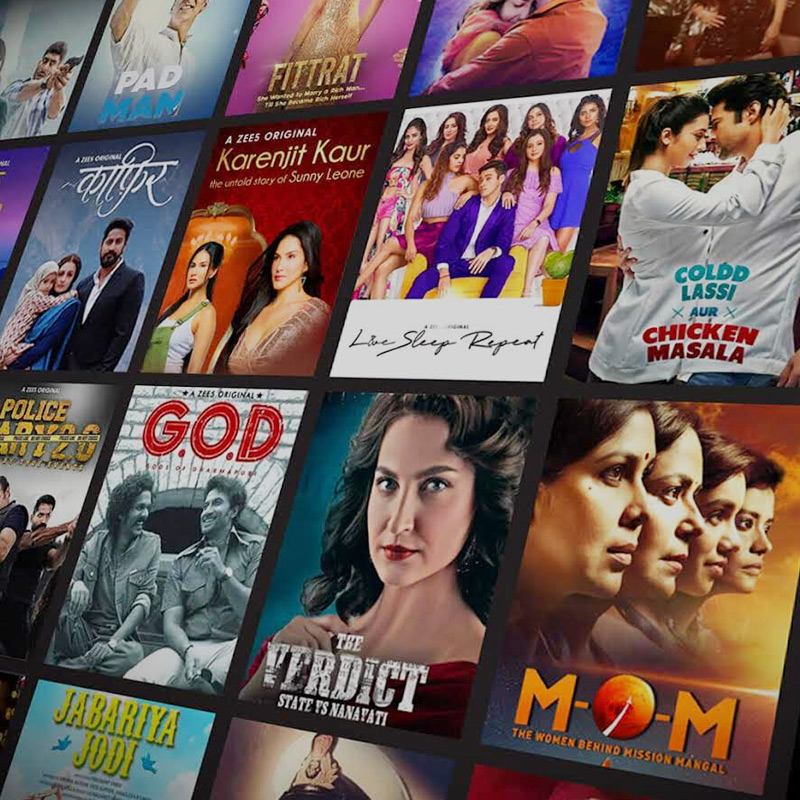
  • MX Player gets into a multi-year partnership with Lionsgate

    MX Player gets into a multi-year partnership with Lionsgate

    Mumbai: MX Player has partnered with global giant Lionsgate to bring premium Hollywood content, including award-winning titles across genres.

    With over 200,000 hours of content across 800+ original series, web series, international, dubbed content and an average time spent of 56 minutes per user per day, MX Player continues to ink partnerships to make quality content available to all of its users.

    MX Player senior vice president (content acquisitions and alliances) Mansi Shrivastav said, “At MX Player, we are invested in our consumers. As the second largest entertainment ecosystem across the globe, we have continually and consistently brought diverse content to the platform across genres, formats, and languages. Our partnership with Lionsgate allows us to bring some of the most popular and commercially acclaimed Hollywood films to our viewers in their local languages.”

    She further added, “This partnership also enables us to attract new users to the platform while consolidating our existing audience base. We are thrilled with this alliance and look forward to working closely with the team at Lionsgate to make more Hollywood content available for users in the region.”

    MX Player users in India, Pakistan, Afghanistan, Nepal, Bangladesh, Bhutan, Sri Lanka, and the Maldives will now have access to 50+ Hollywood blockbuster films dubbed in Hindi, Tamil, and Telugu each year as a result of this collaboration.

    Through this collaboration with Lionsgate, MX Player will have access to the most recent and well-liked Hollywood blockbusters, significantly broadening its current content inventory and enabling fans to watch movies in their preferred language.

    Lionsgate vice president (licensing and content partnerships) Gayathiri Guliani said, “Lionsgate has been bullish for its compelling content slate, and we are delighted to partner with MX Player as this will multiply our consumption, reaching out to maximum viewer base. It’s all about genre diversification, breaking language barriers, and having the best stories to watch. This alliance is all set to grow with multiple Lionsgate titles made available on the platform, spoiling viewers for choice.”

    “Hunger Games: Mockingjay part 1”, “Hunger Games: Mockingjay part 2”, “War” (2007) and “Destruction: Las Vegas” (2013) are among the recommended titles for September 2022 on MX Player.


  • Metaverse ecosystem opening up new influencer opportunities for brands, creators, & consumers: FleishmanHillard report

    Metaverse ecosystem opening up new influencer opportunities for brands, creators, & consumers: FleishmanHillard report

    Mumbai: FleishmanHillard and its research practice, True Global Intelligence, in partnership with Eleve Media, have released the ‘Web 3.0 Influencer and Intelligence Report 2022.’ It showcases the ways that conversation and influence are quickly changing in India around the rising evolution of the metasphere.

    Both the creator economy and the topics driving discussion of web 3.0 on social media have sharply increased over the past 12 months. The report research included a survey of over 500 influencers, content creators and select web 3.0 players from March through April 2022, in addition to the analysis of more than 12 months of social conversations. The research confirms the massive excitement around web 3.0, as well as specific areas of interest, including education, regulation and the need for re-imagined communities. 

    “Our report confirms the rapidly growing appetite for news and views about the metaverse and web 3.0-related trends. These advancements are already setting a precedent for brands and content creators who can design highly engaging and differentiated campaigns that leverage this advantage. We hope this report will increase our understanding of the subject and contribute toward the adoption of Web 3.0 in a meaningful way for brands and creators,” said FleishmanHillard India MD and partner Munavar Attari.

    The report also provides a detailed conversation analysis and an overview of the web 3.0 landscape in India.

    “Our research inspected the developments in the web 3.0 space over the past year and highlights just how dynamic the topic is, and how much open territory still exists for brand communications that satisfy this hunger. As brands adopt new technologies in web 3.0, understanding the velocity and direction of the current conversation can be valuable to start from a place of intelligence and understanding in India,” said FleishmanHillard TRUE Global Intelligence, managing director of APAC and global head of analytics Michael Rinaman.

    Major themes and findings are discussed in detail in the report, including how:

    •     The popularity of web 3.0 content reveals a dire need for a better understanding of the new generation of web technologies.
    •     The evolving landscape requires close attention to shifting conversations to understand emergent trends, nuances, and new risks.
    •     Most influencers want to create a community (web 3.0) over algorithms (web 2.0) in the metaverse.
    •     Influencers are on the lookout for next-gen tools to strengthen the creator economy.
    •     Creators and non-fungible tokens (NFTs) have paved the way for the metaverse to become an accelerated reality.
    •     Creators vote for Discord, virtual influencers, and social interactions as key web 3.0 tools.

    “Web 3.0 promises a more direct relationship between brands and consumers. And we would want brands to be equipped to experiment and explore web 3.0 platforms and opportunities. The ‘Web 3.0 Influencer & Intelligence Report 2022’ is a joint effort with FleishmanHillard in India to help brands strategically leverage this societal shift,” said Eleve Media CEO and founder Prince Khanna.

    From the web 3.0 Influencer and Intelligence Report 2022, the research from FleishmanHillard in India and Eleve demonstrates a sense of urgency that brands need to start to develop web 3.0 strategies now while there is still room for differentiation and partnership. As audiences become more familiar with web 3.0 topics such as NFTs, cryptocurrencies, blockchains, and tokens, there will be fewer opportunities to differentiate.

    Web 3.0 is set to change the influencer ecosystem and continue to drive conversation. In the report, brands can learn more about immediate opportunities to act – from embracing the key trio with creators (creation, consumption, and compensation) to crafting the right strategies and messaging to be considered relevant.

  • Publicis Worldwide onboards Nitin Sharma as senior vice president & head of client services

    Publicis Worldwide onboards Nitin Sharma as senior vice president & head of client services

    Mumbai: Publicis Worldwide India, part of the Publicis Groupe network in India, has strengthened its leadership team and announced the appointment of Nitin Sharma as senior vice president and head of client services. Nitin would be based out of Mumbai and report to Publicis Worldwide India managing director Oindrila Roy.

    An astute branding and marketing strategist, Nitin would manage some of the agency’s key brands while accelerating Publicis Worldwide’s upward growth and ambitions in the marketplace.

    In a career spanning over two decades, Nitin has worked across agencies, leading some marquee brands such as McDonald’s, Johnnie Walker, National Geographic, HDFC Life Insurance, IDFC First Bank, Bajaj Electricals, TBZ, Philips, Dabur, Yellow Pages, Kamasutra, and Elf Lubricants, among others.

    Before joining Publicis Worldwide, he spent over half a decade working overseas as a marketer, heading the marketing strategy for one of the Middle East’s most recognised financial services brands, UAE Exchange (now Unimoni). With his interest in modern marketing practises essential for business growth today and experience in handling large teams, Nitin brings with him the solidity and the balance required to help clients grow their business, both from a long-term perspective and by delivering day-to-day.

    Publicis Worldwide, India CEO Paritosh Srivastava said, “While we reinvent ourselves to cater to the evolving marketing landscape, it is imperative to have the sound backing of a team that will drive this momentum forward for us. Towards that goal, we are glad to have someone of the calibre of Nitin Sharma who comes on board with domain expertise that is rich and pragmatic. His strong ability to direct and lead brands to a reputable position in the marketplace while possessing qualitative and admirable leadership skills bodes well for our momentum in the long run.”

    On joining the agency, Nitin added, “I am super-stoked to be offered this role at Publicis Groupe, which has always been at the forefront of delivering truly integrated solutions which enable organisations to solve business problems and leverage emerging opportunities.”

    “I was particularly impressed with the unique integration model—’Power of One’—that strategically fuses creativity, data, and technology to help build compelling narratives, drive engagement, and create powerful experiences that deliver positive business outcomes. The Groupe’s name-bearer agency, Publicis Worldwide, has partnered with some of the finest brands in India. I’m privileged to work with Paritosh Srivastava and the leadership team in growing the agency’s strength and stature in the years to come,” he added.

  • Xaxis launches programmatic media commerce solution Discovery Commerce

    Xaxis launches programmatic media commerce solution Discovery Commerce

    Mumbai: GroupM’s outcome media specialist, Xaxis, has launched a new programmatic media commerce solution in India called Discovery Commerce. This helps brands and advertisers navigate the evolving programmatic media commerce ecosystem and drives stronger outcomes from their media investments.

    Discovery Commerce enables advertisers to utilise data signals specifically around product adoptions, search patterns, and purchase patterns, then integrate additional advertising strategies that help drive sales, build brands, and engage customers on e-commerce platforms or brand-owned sites.

    Powered by Xaxis’ programmatic excellence, strong global partnerships, proprietary technology, and tailored data touchpoints, the solution creates a holistic approach to e-commerce performance, driving consumers towards purchase across various platforms and points of sale. Subsequently, the data and insights gathered from the various touchpoints will be used as benchmarks to inform future campaigns and audience planning.

    Xaxis has already onboarded multiple partners into Discovery Commerce, with specialised capabilities around data, inventory, technology, and creativity, including key partnerships with Shopalyst and Flipkart.

    Flipkart VP monetisation Sankalp Mehrotra said, “Commerce advertising today continues to grow faster than any digital channel. Over the years, Flipkart Ads has created solutions that are disruptive, unique, and scalable. Our partnership with Xaxis will unlock the next stage of exponential growth for brands of all sizes. Consumers will benefit from seeing communication that has higher relevance and a more seamless purchase journey.”

    In addition to driving stronger e-commerce performance and building benchmarks for future campaigns, Discovery Commerce helps brands better understand consumer behaviours and create more accurate target audiences by connecting online and offline data points. It can reach multiple online environments, premium publishers, leading marketplaces, and shoppable media ad formats, offering a simplified and consolidated service that unites previously siloed consumer data points.

    Shopalyst co-founder Girish Ramachandra said, “We are happy to partner with Xaxis. With Xaxis’ Discovery Commerce solution, brands can make their ads instantly shoppable and help drive impressions to conversions in one seamless journey for consumers.”

    One way Discovery Commerce uses that data to elevate brand outcomes is through the use of Shoppable Media, a solution powered by Xaxis’ in-house creative and execution shop, Xaxis Creative Studios (XCS). XCS leverages AI to understand real-time consumer behaviours on retailer websites and applies dynamic creative optimisation with data-driven product recommendations based on validated customer preferences. It provides a more convenient way for shoppers to add branded products to their preferred retailer’s basket, removing the need to remember the brand when they are online or in-store. It also significantly shortens the shopping journey for consumers, enabling them to browse, compare, and complete the order without leaving the ad.

    GroupM India president – data, performance and digital products Atique Kazi said, “We believe there could not be a more exciting time to launch this solution as there are so many opportunities for brands and advertisers to capitalise on e-commerce platform growth. From consistent datasets to campaign measurement and optimisation knowhow, there’s various key ingredients when it comes to doing e-commerce advertising right. We are delighted to be working with the likes of Shopalyst and Flipkart – further combined with the behavioural data segments from other partners, we can give our clients a deep understanding of how to leverage data to secure better outcomes.”