Tag: brands

  • Guest column: Remarketing and its significance for brands

    Guest column: Remarketing and its significance for brands

    MUMBAI: Remarketing is a smart marketing strategy that enables brands to identify and target those specific customers who have visited the brands’ website but may not have made an immediate inquiry or purchase. They do, however, present an opportunity for a possible conversion, as they have already shown interest in the products and services by visiting the website. Remarketing also includes reaching out to the existing customers and retaining them by promoting various offers. It is a widely used strategy and one of the most popular ones in e-commerce today.

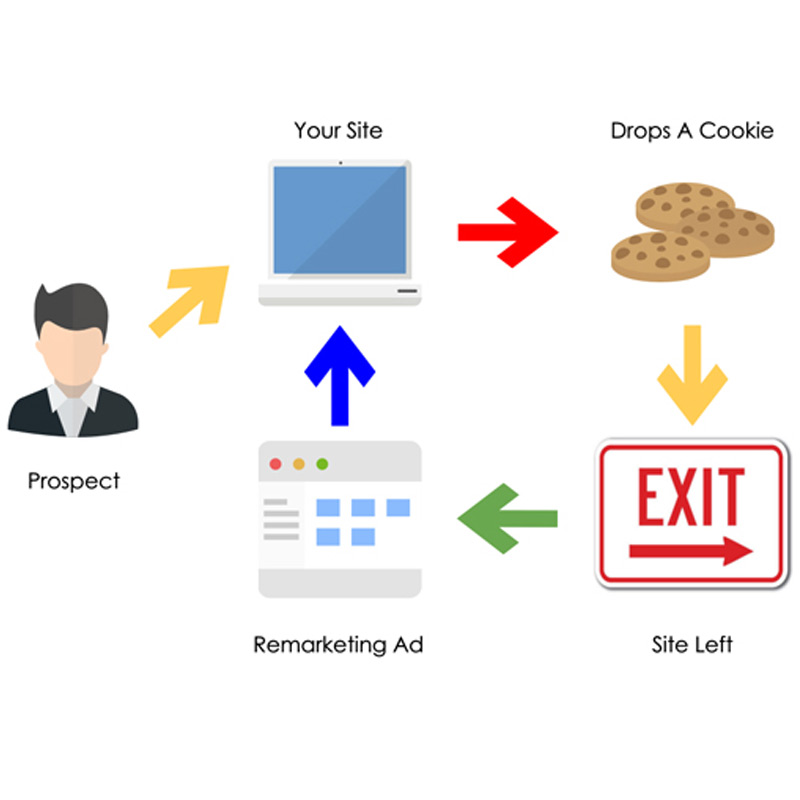
    For this, brands would have to place a remarketing tag on their website. Though it is possible to place these tags on each and every page of their website, it makes more sense to have these tags placed on certain specific pages to target a specific type of customers. For instance, the customers who have abandoned their carts, the ones who have saved the products for later or have had any sort of interaction with the website qualify better for retargeting, as compared to others. When the customers visit these pages, which have the remarketing tag, a cookie will be placed in their browser. This cookie will trigger the ads and display them on other sites where they browse.

    Brands can go a step further by using techniques such as dynamic remarketing and dynamic creative optimisation (DCO). Dynamic remarketing lets them dynamically target the customers as they browse the internet. Dynamically retargeted ads show content based on a customer’s profile, such as the product that has been viewed or added to the cart.

    DCO lets one dynamically change the elements of the ad creatives such as image, price, product description and call to action. It can also switch the ad copy that is being displayed. This increases the chances of customers zeroing in on that particular brand during the time of purchase, increasing the conversion rates.

    In addition to dynamic retargeting and DCO, there are various other techniques for retargeting. One can use cross-device retargeting, which enables displaying the ads to a specific user across multiple digital devices such as mobiles, tablets, laptops and desktops. It enables brands to retarget an ad on one device, knowing that the customer has seen an ad or visited their site on another device. Multi-channel retargeting can also be used for displaying ads via different channels like banner, video or text.

    Advertisers, however, have to be cautious. Retargeting involves the use of consumers’ data and, hence, advertisers have to consider the legal policies and data privacy regulations applicable in various regions across the globe. Thanks to recent developments, data privacy regulations are getting even more stringent in the European Union (EU) and this will affect the way and extent of retargeting that can be done in this region. The EU General Data Protection Regulation (GDPR) is all set to change the previous regulations and will impose more restrictions on companies for using the personal data without the consent of consumers residing in the EU. This can make the situation a bit tricky for advertisers. Brands will have to work their way around this cautiously.

    Remarketing has multiple advantages which will help to boost up the marketing strategy. For instance, a majority of the website visitors leave without converting. But these are valuable customers for the business, and letting them go is a huge blunder. This is where remarketing comes in. It lets brands follow these potential customers on other sites and re-engage with them. Remarketing lets brands display highly relevant ads to an interested audience.

    Instead of delivering ads to everyone, retargeting lets brands show ads only to the people for whom it is sensible. This actually helps to retain money in models like CPM, which are most commonly used. Also, remarketing is one of the best ways for customer retention. Acquiring new customers is always nice. But, it is important to bear in mind that it is also 7 times costlier than retaining the ones who are already aware of the brand.

    Remarketing also helps to create a better brand awareness and brand recall. On an average, one only gets a fraction of a second of the customers’ attention span. It is difficult to make an impact on their minds in such a tiny sliver of time. Therefore, it is crucial that brands retarget them in order to create lasting impressions in their minds. This increases the chances of them coming back to them while actually making the purchase and directly reflects on the brands’ conversion rates. It increases the campaign effectiveness and can also improve the RoI.

    Remarketing helps to target the visitors to a brand’s competitor sites as well. The ads are displayed when the customers are still in their search phase of the purchase cycle. The remarketing ads will be shown to the customers when they search a particular keyword. This also includes people who may visit a brand’s competitors’ websites that have returned results relevant to that brand’s products and services.

    Retargeting is a largely beneficial marketing technique and it is highly recommended that brands employ this in order to obtain the array advantages it brings along. This is a simple technique but offers multi-fold returns.

    public://Ashish-Shah,-Founder-&-CEO.jpg

    The author of the article is founder and CEO of Vertoz. The views expressed here are strictly his own and Indiantelevision.com may not subscribe to them.


    Also Read:

    GUEST COLUMN: From Juggle To Juggernaut: Localising content for India

    Guest column: Taking Indian content to the global market

    Guest Column: The comeback of full-service agencies in India
  • Star unveils Re.Imagine Awards for IPL ad campaigns

    Star unveils Re.Imagine Awards for IPL ad campaigns

    MUMBAI: The American Super Bowl continues to remain one of the most awaited sporting leagues around the world. It is that time of the year when brands don their creative hats to come up with some of the most interesting and ingenious advertisements.

    Taking inspiration from Super Bowl and its notable campaigns over the years and in a bid to bring similar advertising culture in Indian sports advertising, Star India has decided to award the most creative advertisements that will run during IPL 2018. The Star Re.Imagine Awards will recognise creativity and innovation in the use of integrated media in advertising campaigns aired during IPL on Star Sports and Hotstar.

    Every creative broadcast on Star Sports and streamed on Hotstar during the league will automatically be eligible for the Star Re.Imagine Awards. A high-powered jury, including the likes of advertising legend Sir John Hegarty, one of the world’s most celebrated creative directors Piyush Pandey, acclaimed filmmaker Raju Hirani, marketing veteran Vibha Rishi, digital evangelist Rahul Welde and ad-man V Sunil will deliberate on the winners on 26 May and select two campaigns that they believe have excelled in terms of creativity and leveraging the platform. Two winning teams of 24 members each will be hosted for a premier global sporting event.

    Star India head consumer strategy & innovation Gayatri Yadav said, “Vivo IPL 2018 is poised to be one of the biggest sporting events ever and is the most powerful platform to connect with consumers and build brands. Star Re.imagine Awards is a first of its kind initiative that will celebrate and recognise creativity & the integrated use of media on this the largest stage of any campaign. We are very excited to bring together a bespoke independent jury of some of the most eminent names across marketing, media and storytelling to celebrate two campaigns aired during this IPL on Star Sports network and Hotstar which push the boundaries of creativity. Recognising that great campaigns are powered by great teamwork the award will celebrate members of the integrated team across marketing, creative and media, who will be hosted for a premier global sporting event.”

    Partnering  Star India in this initiative are Sideways, Kyoorius and audit partner PWC.  

    For the first time, Vivo IPL 2018 proposes to connect with many Indians in six relevant languages—Hindi, English, Tamil, Telugu, Kannada and Bengali. By leveraging the combined reach of digital and television, the tournament will be broadcast on multiple TV channels and live streamed on Hotstar with an aim to reach out to 700 million fans across TV and digital in India. This will be one of the first few leagues in the world which proposes to use virtual reality (VR) and to bring live action from the stadium to fan homes. This immersive VR experience would make it possible for fans to come closer to the high-octane matches from the comfort of their homes. Along with dedicated language feeds, the network also proposes to have a Super Fan Feed available across cable, DTH and on Hotstar. This will be a curated feed for the intense fans who want more than just to watch the game. It may also include features like multiple camera angle options while viewing and data layers about the teams and players during the telecast.

    Also Read :

    IPL 2018: The dos and don’ts for brands

    Star India bags production rights for IPL 2018

    Star India bags production rights for IPL 2018

  • IPL 2018: The dos and don’ts for brands

    IPL 2018: The dos and don’ts for brands

    MUMBAI: Brands are always on the hunt to find events with high engagement and some sporting properties are just that. The Indian Premier League (IPL) has been one of the most sought after and followed sports events in India since 2008. It’s 2018 now, its eleventh edition and the IPL has come a long way.

    The T20 tournament is the fifth most popular sporting event in the world with over 335 million viewers and the number only seems to be increasing every year. Ad displays are synonymous with the IPL. Every conceivable property, right from boundary line ropes, billboards, stumps to even the sight screen is covered with brands and is monetised.

    The IPL has turned out to be the best property for advertisers, considering its short three-month schedule, high consumer involvement and television ratings. Ever since the league started, it has managed to attract major clients as sponsors, including PepsiCo, Vivo, Oppo, Havells, Vodafone, Samsung, DLF, Karbonn among other big spenders.

    With less than two months to go before the season starts in April 2018, brands have begun their hunt to pick their favourite teams.

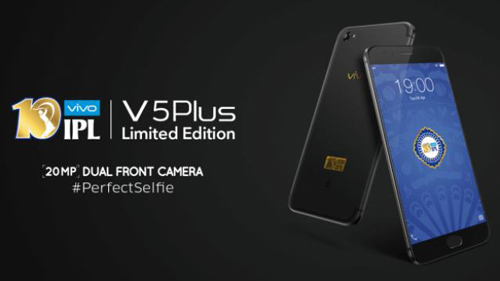
    Any sporting event is only made possible through the commercial participation and support of sponsors, partners, licencees and broadcasters. While Vivo Mobiles is the league’s title sponsor this year, several brands have come on board to become the associate sponsors for the teams. 

    The IPL governing council issues brand and content protection guidelines for all the brands that provide guidance on appropriate and acceptable commercial and non-commercial utilisation by third parties of the IPL proprietary names, proprietary marks and trophy image and audio-visual representations of the league.

    Franchise sponsors and partners are granted certain rights by the franchises they associate with. The rights that franchises may grant to their sponsors and partners are governed by the franchise agreement, sponsorship guidelines, player ID guidelines and other applicable league rules.

    But just because a brand isn’t Vivo doesn’t mean it can’t get a boost from the game—just that it needs to be careful. The council issues many pages of guidelines on the do’s and don’ts.

    Indiantelevision.com got its hands dirty and compiled the crib sheet for advertisers and players below : 


    Players:

    Major players competing in the games have established sponsorship deals with one or several brands. But once the league begins, they need to be careful about what they say, wear and do.

    They Can

    They Cannot 

    Share their experiences at the games via social media

    Post or talk about their personal brand sponsors or mention any branded products

    Share their own photos or videos

    Mention or promote any organisations they support

    Use IPL logo, so long as its not in a commercial context

    Wear any branded apparel that isn’t official on IPL property


    Official sponsor brand:

    These are the brands that shell out big bucks for the title league partnership.  Official sponsorship is expensive stuff for a usual five-year deal which is why only mega brands end up signing on the dotted line.

    public://vivo_0.jpg

    They Can

    They Cannot 

    Advertise while the game is in progress

    Conduct any advertising or promotions that have not been pre-approved by the IPL governing council. 

    Enjoy exclusive advertising within their market category

    Cannot use IPL name or logo that is confusingly similar or likely to be mistaken for IPL footage which is unlicensed and unauthorised. 

    Mention the game on social media platforms


    Supply their goods and services on an exclusive basis within IPL venue


    Sell merchandise and team jerseys


    Can run ticket promotions or IPL prizes in contest


    Other brands: 

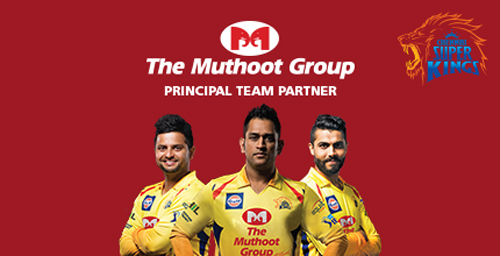
    Brands that are not official title sponsors but are partnering team sponsor or additional sponsor are allowed to do a limited amount of marketing during the league. These brands include brands like Kent RO, Muthoot Finance, Royal Stag, Kingfisher, Parle, Lotus Herbals among others that have come on board this season


    public://mit_0.jpg

    They Can

    They Cannot 

    Run marketing campaigns that feature the teams they sponsor

    No franchise sponsor or partner may use the IPLname or marks in any of its marketing communication or promotion 

    Merchandise with general cricket terms, India related terms, provided there is no usage of IPL name or logo

    Manufacture and sell counterfeit merchandise relating to IPL or unlicensed use of the IPL relating to any of the teams participating in the league

    Can run ticket promotions or IPL prizes in contest

    Launch a new campaign while the league is in process that talks about their association with the tournament without prior licence from the IPL committee.


    Brands cannot reproduce or distribute items during IPL and cannot be used on goods, in business names or in advertising promotions without licence from the IPL


    A formal or pre-existing association with any of the eight participating teams does not permit a team player or team sponsor to use the IPLname or logo without prior authorisation from the committee.


    Engage in ambush marketing, basically an attempt to create the false impression of an official relationship with IPL.


    Live score on mobile and SMS guideline for official and team sponsors:


    They Cannot

    Use IPL name or footage on any mobile or wireless technology including on mobile apps without licence

    SMS updates of live stores and game that utilise the IPL name 


    Brands and match schedule:

    They Can

    They Cannot 

    Use the match schedule to provide information in a purely non-commercial sense 

    Commercial use or presentation of match schedule by third parties is not permitted

    Though the rules may sound stringent, they are to safeguard the interests of parties. Brands have to be extra cautious while associating and marketing themselves during sporting events and it is not all fun and games in the end!

    Also Read :

    IPL 2018 gets a makeover with Star India

    Star India bags 5 new advertisers for IPL 2018

    IPL 2018: Team sponsorship deals may see an uptick

    Global appeal of Indian sports high, says Deloitte report

  • Star India bags 5 new advertisers for IPL 2018

    Star India bags 5 new advertisers for IPL 2018

    MUMBAI: Star India is building up on its advertiser list for IPL 2018 with the announcement of five new brand additions, taking its total portfolio to 16. New names include Colgate, Amul, MakeMyTrip, Parle Products and Vu TV.

    Vivo, Coca-Cola, Polycab, Kent, Elica and Dream 11 are existing names. Speaking on the association Star Sports EVP and head of ad sales Anil Jayaraj said, “Combining the power of television, digital and new-age technology, Star India promises to transform the Vivo IPL 2018 into, perhaps, the most immersive cricket viewing experience the fans have ever seen. The brands that have come on board will get to leverage the power of multiple screens, multiple languages and broaden their reach and engagement like never before. Advertisers’ interest in Vivo IPL continues to be very high and we are in advanced conversations with a number of other categories and brands which we will close over the next few days.”

    Parle Products category head Mayank Shah said, “We have been investing in IPL over the past few seasons and it has worked very well for us. We believe that this year it will be much bigger and better than before. With six languages and the extra focus on regionalisation, Vivo IPL will help us target consumers across the country in a language that resonates with them.”

    MakeMyTrip group CMO Saujanya Shrivastava feels that April May (the IPL months) are the best for its business. He said, “We are confident that this association will strengthen our position and have a significant positive impact on our business”

    Star India has reimagined the Vivo IPL 2018 and is set to make India’s greatest sporting spectacle more engaging for its fans than ever before with technology at the heart of this experience. The network will broadcast every match live in six different languages across TV and digital. According to the broadcaster, last month’s auction alone drew a viewership of 46.5 million fans on television, six times more than the number that tuned in last year, in addition to digital viewership which was five times more than that recorded last year.

    Also Read :

    Star India bags production rights for IPL 2018

    Star ushers in IPL’s new era with a bang

    IPL 2018 gets a makeover with Star India

  • Guest Column: The future of advertising

    Guest Column: The future of advertising

    It’s a rare and beautiful thing these days, the truth. We’re living in a world where echo chambers and ‘what we want to believe’ determines our truth of the day. With distrust becoming the new normal, consumers are becoming masters of the art of calling bullshit, especially when it comes to brand claims, stories and advertising. The age of the naïve wide-eyed bambi-in-the-woods consumer is well and truly over. In the post-truth world, ideas like honesty, authenticity, trust will be key to earning consumer respect.

    Some brands are leading the way, and here’s a few learnings from them on what ‘truthful’ advertising means:

    Showing off that thing you can *undeniably* do well

    Forget ‘hopes, dreams, desires’, the straight talk about great products is what people want. Brands will need to make sure they have a product that’s so compelling that its story is undeniably great. Advertising’s role would be to tell people about it in a way that they listen. 

    After years of trying to sell ‘happiness’ in a bottle with not-so-great results, Coca-Cola went back to selling its undeniable product truth – great taste – with its new advertising inviting consumers to ‘taste the feeling’. In fact, it’s very latest product Coke Zero Sugar (which is a big success) eschews the typical ‘lifestyle’ advertising we’ve seen associated with zero calorie drinks and goes the old-school taste-tests way. All while informing consumers not to believe it until they taste it for themselves. 

    Authentic self v/s piggybacking on what’s ‘cool’ or trending

    Brands will need to know their place in the world rather than trying to awkwardly ‘fit in’. Know what you can authentically represent and the value that you can bring and tell those stories.

    Clearasil attempted to be cool by trying to make memes about acne but what it ended up being was straight up cringeworthy. That’s when they decided to be honest about the fact that it’s a company run by skincare experts not pop-culture experts. With the new ‘We know acne, we don’t know teens’ campaign they captivated their teenage audience with refreshingly honest and entertaining communication.

    Real people have flaws and the unrealistic ideals of perfection seen in advertising only serves to create distrust in the brand. Advertising will need to embrace and celebrate the ‘real’ v/s the fake.

    Target’s latest swimwear collection focused on body positivity and showcased completely untouched models across sizes and shapes. It was a bold move, redefining beauty as ‘flawsome’ instead of the unattainable ideal that industry has peddled for decades.

    Dropping the act

    And finally, we know interruptive advertising sucks, but what sucks more is deceit. Consumers want choice and transparency when it comes to advertising. The moral of the story–in the years ahead, honesty is likely to be the most profitable policy for advertising.

    The author is the chief strategy officer at ScoopWhoop Media. The views expressed are personal and Indiantelevision.com may not subscribe to them.

    public://girl.jpg

    Also Read :

    Guest Column: M&E sector pins hopes on a developmental budget

    Guest column: Cybersecurity in the advertising sector

    Guest Column: From Juggle To Juggernaut: Localising content for India

  • Amul, Parle amidst global brands liked by Indians

    Amul, Parle amidst global brands liked by Indians

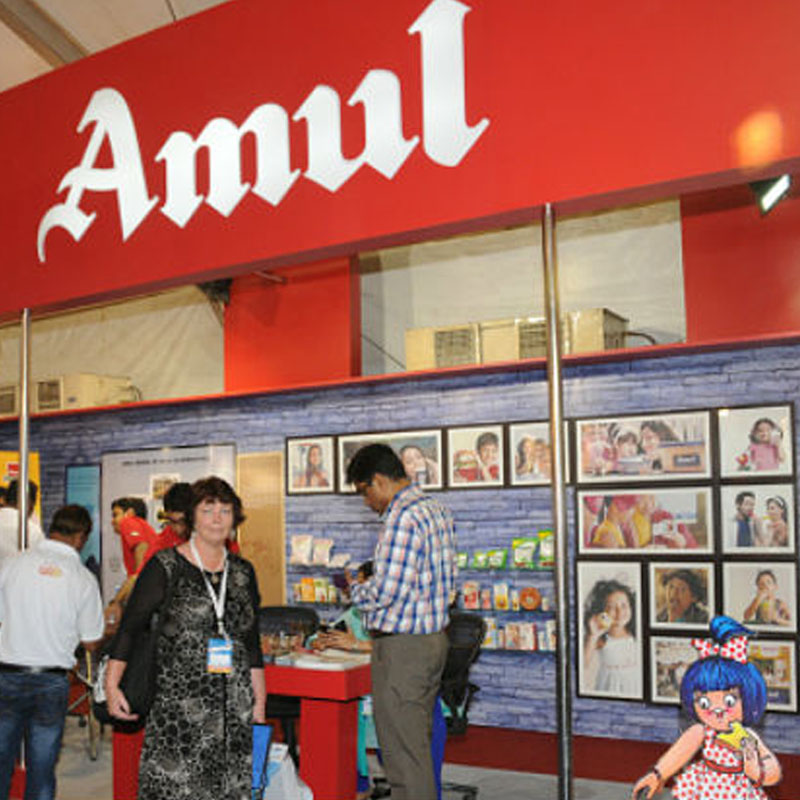
    MUMBAI: Domestic brands such as Amul, Parle, Big Bazaar and Dabur are liked and revered by Indian consumers at par with international brands like Samsung and Coca-Cola, a Nikkei BP-Market Xcel Data Matrix survey has revealed.

    The top 10 brands featured in the survey are a mix of technology, FMCG and retail brands.

    According to the Brand Asia Survey 2017, Samsung has emerged as the most popular brand in terms of consumer brand relationship, followed by food and drinks brand Amul and mobile brand Nokia.

    “Amul, the food and drinks brand, has scored second place this year beating Coca-Cola (rank 10) and Pepsi (rank 15),” Ashwani Arora, Senior VP Research, Director on Board, Market Xcel, told IANS.

    “Nokia is one brand which is revered by Indians and has a high connect and past equity. The brand was once a household name in India. The relaunch of the brand in India has refurbished the emotional connect with consumers as is evident in the survey,” Arora said.

    Samsung mobiles and fast-moving consumer goods (FMCG) company Parle ranked fourth and fifth in terms of the most popular brands in India.

    “Parle — a brand from the pre independence era — goes on to prove the love people have for it still. It has ranked fifth this year and its win is solely dedicated to the wide variety of its biscuits which has satiated consumer palettes since ages,” said Arora.

    “Hence, Indian brands are equally liked and revered by consumers,” he added.

    The survey revealed that Future Group-owned retail business Big Bazaar was the only retail brand to mark a place in the top 10 popular brands at rank six.

    According to Arora, the kirana shops are unable to provide the choice, ambience, service and discounts which Big Bazaar offers leading to its popularity among customers.

    “The (Big Bazaar) brand has many firsts to its credit. The only national competitor to the brand being Reliance Retail,” he added.

    The rest of the brands in the top ten category included toothpaste brand Colgate, messaging platform WhatsApp, FMCG brand Dabur and beverages company Coca-Cola.

    A total of 200 brands were surveyed in 13 countries across Asia with a mix of national and international brands.

    The categorisation of nominated brands was from FMCG, food and drinks, clothing/fashion, automaker, IT/home electronics, telecom, media/entertainment, finance, retail, restaurants (QSRs), sporting goods, transportation/logistic, aviation, finance and social media (internet).

  • The rising trend of coopetition among brands

    The rising trend of coopetition among brands

    MUMBAI: Who would have thought that companies would overcome their ego and actually collaborate with other brands to come up with joint advertisements? That is the new trend in the market-coopetition (a combination of cooperative and competition).

    Companies are willing to do anything today, including riding along with other brands just because it will benefit them. Coopetition essentially involves one company advertising through another company, so that each can benefit from the brand loyalty and reputation of the other. It is also called brand partnership and the term is relatively new to the business vocabulary and is used to encompass a wide range of marketing activities involving the use of two or more brands.

    An early instance of co-branding occurred in 1956 when Renault tied up with French jeweller Jacques Arpels to turn the dashboard of one of its newly introduced Renault Dauphines into a work of art. A unique case of coopetition was when Burger King made a proposal to archrival McDonald’s to create a unique burger McWhopper but Ronald McDonald frowned on it.

    public://Screen Shot 2018-01-14 at 7.03.43 PM.png

    The most infamous case was the success story of Samsung and Sony partnership back in 2004. Two competitors who operate in the same television manufacturing business decided to come together in a joint venture to develop and produce LCD panels for flat screen TV sets. Teaming with a rival produced two innovations, knocking down other competitors from their positions and more than doubled the combined market share of these two companies. The companies ended their partnership of liquid-crystal displays for televisions in 2011.

    Although a common practice internationally, the phenomenon is fairly new in India. The most acknowledged has been Ariel washing powder and LG washing machine coming together for a brand alliance. The partnership was strengthened by a TVC that showcased LG as the best washing machine to wash your clothes using Ariel washing powder.

    Indian two-wheeler motorcycle company Hero Group and Japanese Honda Motor Company entered a joint venture to set up Hero Honda Motors Limited in 1984. The joint venture not only created the world’s single largest two-wheeler company but also one of the most successful joint ventures worldwide. But, on 16 December 2010, the companies signed an agreement to dissolve their partnership.

    We have also witnessed telecom companies partnering with handset manufacturers to strengthen their position jointly in the market. This results in an increased sale of handsets and mobile network subscribers. In 2017, Sunil Bharti Mittal-led Airtel launched Android-powered 4G smartphones in partnership with Karbonn Mobiles. Domestic handset maker Micromax and Vodafone also came together to offer a smartphone at an affordable price hence increasing the mobile and network penetration in smaller markets.

    The latest addition to the list is sanitaryware Parryware joining hands with toilet cleaner Harpic to educate and promote imperative lifestyle habits. Emphasising the need for hygienic and clean toilets, the duo has even jointly launched a television commercial which revolves around the need to keep toilets sparkling clean and germ free for maintaining hygiene as well as longevity, while showcasing bathrooms as an important factor that drives health and well-being of consumers in their living spaces.

    Additionally, various food delivery apps have also been tying up with cab hailing services and e-commerce websites tie-up with mobile handsets as an exclusive seller such as OnePlus with Amazon. Although the trend is fairly new, it is an interesting space to see two brands coming together to achieve marketing and revenue goals together.

    Also Read:

    Indian TVCs that rapped with consumers

    The attention grabbing gimmick of comparative advertising

    Why do we lack animated ads despite their popularity

  • IPL net realisation up, digital ad revenue grew astronomically as compared to TV

    IPL net realisation up, digital ad revenue grew astronomically as compared to TV

    MUMBAI: How have the businesses of brands, advertisers and the allied industry changed since the advent of one of the most popular sporting events — IPL. The net realisation of IPL property has gone up by five per cent despite the depreciation of the rupee against the US dollar.

    Started in 2008, IPL success has been a catalyst for the T20 boom across the sporting world. But, for India, it was the beginning of a journey towards being a sporting nation. In short, the IPL has proved to a true game-changer — with distinct pre-and post IPL eras of sports marketing. It has added a new word to India’s vocabulary: Sport-ainment!

    IPL may see leading sports broadcasters such as Sony Pictures Network India (SPNI) and Star Sports invest over US$ 2 billion to pocket broadcast rights. Duff & Phelps is however expecting the broadcast and digital rights for IPL in next five years to go beyond $2 billion.

    Duff & Phelps 2017 report indicates 26 per cent growth in IPL brand values to USD 5.3 billion compared to USD 4.2 billion last year, boosted by the renewed Vivo title sponsorship deal at Rs 22 billion. A team of 6-7 persons worked on the report which also includes Duff & Phelps London MD Trevor Birch who was also the CEO of Chelsea FC. (As per Brand Finance, however, the value of IPL system grew by nine per cent in 2017 to $3.8 million.)

    Digital content is becoming a strong medium of social media engagement for the sports viewers. The number of tweets pertaining to the IPL has crossed 8.5 million and continues to grow.
    “In the span of next five years, it is a possibility that digital will reign over television, television will remain where it is — which means there would neither be significant growth nor fall. To give an example, Sony’s ad revenues crossed INR 13 billion this year with 10 per cent increase from last years ad revenue, while Hotstar’s ad revenues from IPL rose to Rs 1.2 billion, more than double the previous year,” Duff & Phelps MD Santosh N told Indiantelevision.com.

    The brand value of the individual teams have risen 34 per cent on an average in 2017 compared to 2016. The net realisation of IPL property has gone up by five per cent in the overall value of IPL business.

    Talking about the changes IPL is making to accelerate its growth in coming years, Duff & Phelps MD Varun Gupta said, “IPL is doing great when it comes to audience penetration — viewership in rural areas is going up, significantly. Focusing on international markets is making IPL capture eyeballs in different countries. With Afghanistan players playing for different franchises, it has added Afghani viewers too — for example.”

    IPL 2017 also ascended to new heights, with nearly 45 per cent of viewership coming from rural India.

    Talking about the ad revenue “Cricket is heavily leading with 80 per cent and the remaining is from other sports. India is a cricketing nation, the fact is — it has many slots for ads, everytime a wicket falls between the overs and the time outs,” Santosh added.

    Speaking on the competition among players bidding , “On the television side, the clash is between Sony and Star, but, in the digital space, Amazon, Jio and Hotstar are going to have a tough fight,” Gupta added.

    About whether advertisers are moving to digital, Santosh added, “Every advertiser is looking at the ROI, with digital advertising you can structure it in a better way which is not possible in a linear TV.”

    As per Maxus, a total of approximately six million mentions on social media were registered in the 10th season, more than twice those of the last season (approximately 3.1 million mentions). Mumbai Indians had an incredibly successful digital media strategy, attracting over 83 million engagements across Facebook (50 million), Instagram (29 million) and Twitter (3.95 million).
    “Merchandising continues to be a challenging aspect in India, their needs to be a better understanding as in how to license your brand to maximise revenues, its an area where international franchise has also struggled with and they got it right in the past 5-6 years,” Gupta added.

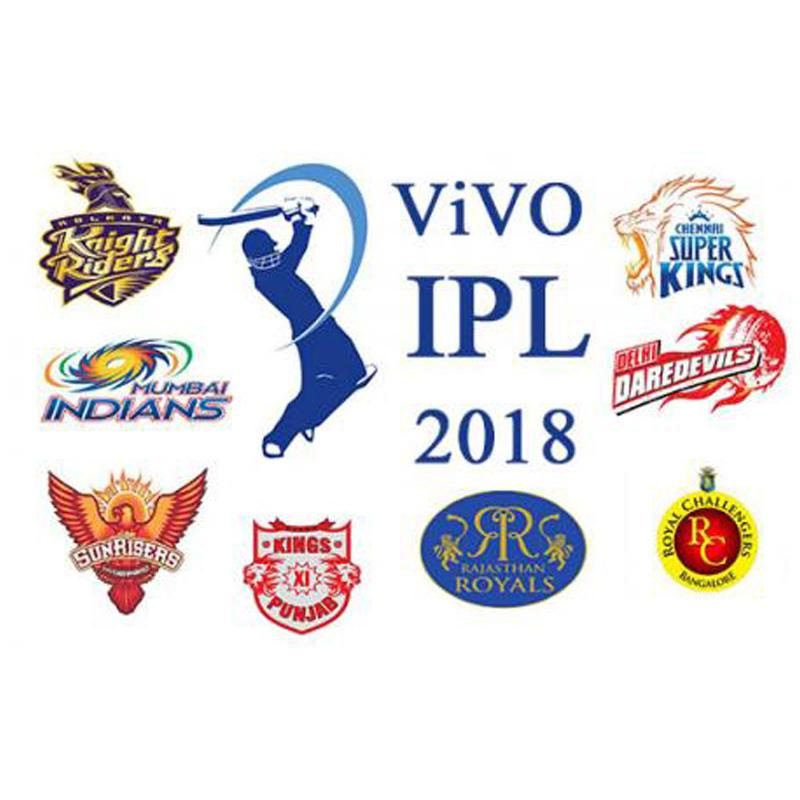
    Brand finance is an independent branded business valuation and strategy consultancy which has also compiled a report on IPL brand value in 2017. Comparing the data of Duff & Phelps and Brand Finance, Duff and Phelps have Mumbai Indians(MI) on the top with brand value of $106 million in 2017 and 36 per cent increase compared to last year followed by Kolkata Knight Riders (KKR) with $99 million gaining 29 per cent brand value. Royal challengers Bangalore with 31 per cent increase sits at third position with $88 million.

    Whereas, Brand Finance (UK) has KKR on top with $58.6 million and 24 per cent increase in brand value followed by MI with 17 per cent hike and $54.1 million. SunRisers Hyderabad has placed itself at third position with $46.5 million and 23 per cent hike. RCB is on the fourth position with only 4 per cent increase and $44.4 million as its brand value.  

    About the difference in the reports, Gupta said, “This involves a lot of primary and secondary research, it might be possible that we interacted with different stake-holders. The methodology might be different from ours: we use income and royalty approach to arrive at our final output.”

    ALSO READ :

    IPL: Discovery & YuppTV in fray, CoA-BCCI discuss conflict of interest & pay today

    CSA T20 Global League reschedules player draft dates

    IPL: BCCI tells SC rights bidding process under way, hearing on 22 Aug

  • Brands support Genesis Foundation’s Rhythm & Blues Festival

    MUMBAI: A musical rollercoaster of pop, rock, Indian classical, Bollywood hits and more, a euphoric extravaganza of dance, music, friends and fun and a gratifying experience of contributing to a noble cause – the 6th edition of Genesis Foundation’s Kasauli Rhythm & Blues Festival delivered on all counts. The event saw participation from close to 600 supporters and music enthusiasts from different locations.

    #KasauliRnB, which features in the list of some of the most-anticipated music festivals of India, is a confluence of artists, music-lovers and supporters of Genesis Foundation’s cause. Proceeds from the Festival go into the treatment of critically ill under-privileged children with heart disorders. Supporting the Foundation on this journey are supporters like Fitbit and Monster.com, all of whom have contributed to making this effort successful.

    The spectacular evening of day 1 began with the performance of the renowned band, Late too Soon, who played rock and pop numbers. Their energetic performance was followed by Rajeev Raja Combine, an Indo-Jazz fusion band, which had people on their feet. And then came the electric performance by Nasya, who played a combination of popular Sufi, Haryanvi and Punjabi folk dedicated to all the attendees from the neighborhood. Headlining on day 1 were ‘Swatantra Rock’ band Eka, who left the audience breathless with their high-octane performance. The night ended with an after-party with the original fusion king, Lesle Lewis, who has composed some of the most iconic anthems of the generation. The pull of the music, the ambience and the Festival’s cause managed to lure even his excellency Shri VP Badnore, the Honourable Governor of Punjab along with his family.

    On the second day, as the sun cut through the mountain breeze, Tritha Sinha led a group of people in a session of Meditation with Music, leaving them rejuvenated and ready for the day. In the afternoon, it was time for a dance – a dance of fingers on drums and tambourines – led by the Delhi Drum Circle.

    The evening’s performances began with Kamakshi Khanna Collective, who brought the smoky blues to #KasauliRnB. Following her was Neeraj Arya’s Kabir Collective, a band whose lyrics are inspired by the verses of the famous poet, Kabir. Their performance had the magic of soul-searching philosophy as well as all the elements of classic rock. As the sun set, Jonita Gandhi performed to some of the latest Bollywood numbers like ‘Breakup Song’, Ed Shereen’s ‘Shape of you’ and popular AR Rahman’s Mayya Mayya that left the crowd roaring for more. Everyone was up and dancing and singing along. And then, the grand dame of Indian rock and roll took stage. Usha Uthup, whose powerful and resounding voice has made people of all ages fall in love with her music, had the audience wishing the night would never end as she sang song after song that was familiar and well-loved. Songs like Jaane Ja Jaan, Dum Maaro Dum, Monica, Oh my Darling left the audience asking for more. With her performance and after the weekend’s entire electrifying line-up, the Festival reached a crescendo, and trended at No.7 on desktop and No. 3 on mobiles pan-India on Twitter.

    Talking about the event, Genesis Foundation founding trustee Prema Sagar said, “Kasauli Rhythm & Blues Festival has become a force to reckon with and we are happy and grateful for the relentless support that we receive each year. It is heartening to see that even though people come here to enjoy, they want to contribute to our cause whole heartedly. I’d like to thank everyone who was able to make this Festival such a success. We hope to see you in the coming years as well.”

    Jonita Gandhi said, “We had a blast as the audience was really warm and they were very appreciative of the different styles of music. We always love to perform among such a great crowd, so happy that they enjoyed and so did we. Thank you to GF for inviting us. This is a very important cause as we need to spread awareness about this issue and I think it’s a great initiative that they are supporting. A cause like this is something that always brings people together and tonight is a perfect example of that. Hopefully this event will help support their cause in the best possible way. I’m glad to contribute for it.”

    “It’s been a great journey of over 48 years with music. Genesis Foundation is and has been doing the best thing in this world, which is giving life to those who need, and helping little kids get a chance to smile again. My music has always been about spreading love and so I relate to the cause even more. I am thankful to GF for having me here,” said Usha Uthup, the headliner performer at #KasauliRnB.

    Monster.com MD – APAC & Middle East Sanjay Modi said,“The passion and enthusiasm of team Genesis Foundation (GF) is inspiring. It just goes to prove that when you love what you do, you put your heart and soul in it to make it a success! With the Kasauli Rhythm & Blues (RnB) festival, GF has found the right track to reach out to people for the noble cause of helping the underprivileged children. Like Billy Joel said, ‘Music in itself is healing, it is an explosion of expression of humanity. It’s something we are all touched by.’ I am glad to be a part of yet another season of RnB and strongly believe that it is important for each individual to understand their responsibility towards the society and work towards its betterment.”

    Fitbit India in an official statement commented, “It has been a pleasure to be a part of the 6th Kasauli Rhythm & Blues Festival as the title sponsors and to be associated with Genesis Foundation for the third year. We are happy to have been a part of this fantastic journey with the Foundation team towards spreading smiles through the treatment of critically ill children. We would like to congratulate the GF team for yet another brilliant edition of the KRBF – that is now amongst the best music festivals in the country. We witnessed amazing interest from the audience at the Fitbit booth at the festival and partnering with the Genesis Foundation is in line with our endeavour to empower people to lead healthier, more active lives by providing them with data, inspiration and guidance to reach their goals.”

  • BMW leads among popular auto brands on Instagram

    MUMBAI: The BMW brand’s international Instagram channel has broken through the ten million followers’ mark, making it one of the most successful automotive brand on Instagram worldwide.

    The impressive figure of 10,000,000 followers underlines the BMW brand’s commitment to social media. For BMW marketing, Instagram is more than just another digital communication channel. BMW uses its Instagram channel to share the BMW brand lifestyle with its followers – through the latest news on upcoming models, glimpses of its own history or looking ahead to the future of mobility. With its clear focus on strong visuals and a highly-interactive community, Instagram is the ideal channel for communicating the brand values of joy (“sheer driving pleasure”), aesthetic appeal and innovation. However, growing the community is not top priority. It is more important to cover a wide variety of topics with relevant content that appeals to users and increases their involvement in the form of likes, shares and comments. The BMW Instagram channel impresses with its targeted, long-term channel management and regular publication of emotionally-engaging content.

    In addition to effective influencer marketing, the brand also celebrates the involvement and enthusiasm of each individual fan. Under the hashtag #bmwrepost, BMW shares photos taken by enthusiasts and hobby photographers with the community in appreciation of its loyal fans around the globe. Where else can you get this close to a brand and share your own photo millions of times? User activation through #bmwrepost has been a resounding success. It is no coincidence that #BMW has already been used more than 19 million times and is by far the most popular brand hashtag in the automotive sector.

    “The aim of our social media strategy is to optimise how we use the special features of the specific channels available to us,” explains BMW head of digital marketing Jörg Poggenpohl. “Instagram is made for initiating authentic dialogue with followers worldwide. It is important to us not only to celebrate our own achievements, but, above all, to share the excitement and enthusiasm of our fans and customers with an audience of millions.”

    BMW marketing was quick to recognise the enormous potential of the social media network. BMW published its first image on Instagram back on 30 May 2012: a high-gloss photo of a BMW 650i Coupé. By May 2014, BMW had a million followers. Since then, its Instagram fan community has grown exponentially: from two million followers in early 2015 to double that number by the autumn of the same year. A year later, in autumn 2016, BMW had already reached the eight million mark.

    BMW’s popularity on Instagram confirms the success of the brand’s social media strategy. The parameters are tailored, individual content, professional editing and authenticity. In addition to Instagram, international BMW marketing also successfully uses the social media channels Facebook, Twitter and YouTube.