Tag: brands

  • Brands eager to be part of the story today

    Brands eager to be part of the story today

    MUMBAI: The content industry is in a massive flux. Norms and rules turn redundant in months now and the need for good quality content that can attract a global audience is at an all-time high, thanks to the advent and massive growth of OTT platforms like Netflix and Amazon Prime. Brands and marketers have rolled up their sleeves to cash in on this boom.

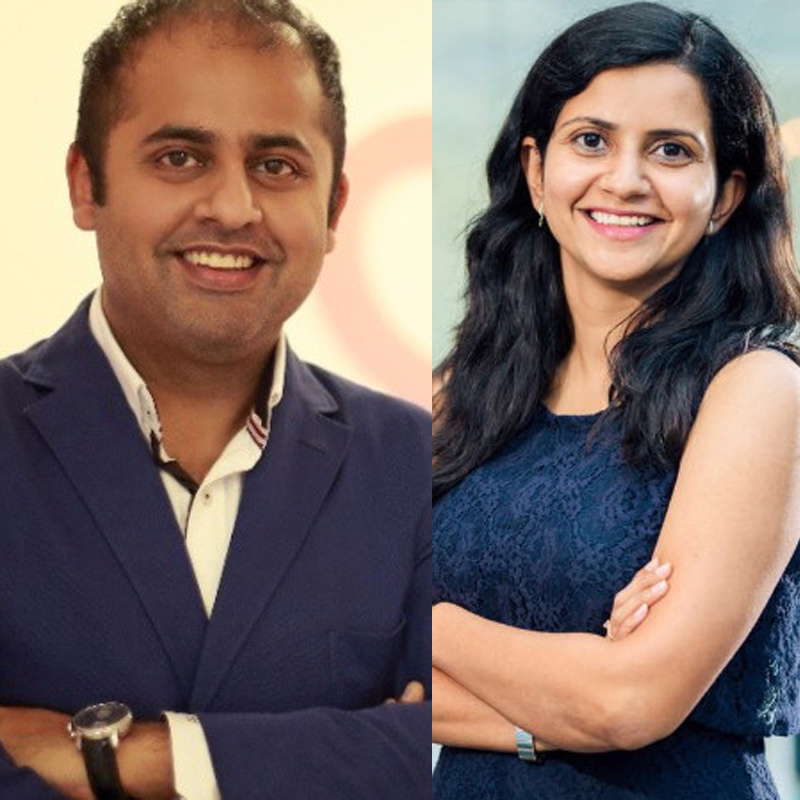
    The Story Lab, a global content specialist from Dentsu Aegis Network, started its Indian operations just a few years back and is considering to support this highly creative ecosphere in expanding further with its excellence backed by learning from the many international markets including the US, the UK, Russia, and Australia. Its global head of formats Fotini Paraskakis, who was recently in India to meet the team, joined by India head Kumar Deb Sinha had an exclusive chat with the Indiantelevision.com, highlighting the aspirations of the team and some of its strategies.

    Fotini, who had joined the team just a few months back, in September, after a long stint with Endemol Shine, mentions that working with The Story Lab is very exciting for her because it is platform-and client-agnostic. She adds, “I have been working in the Asian region, including India, for the past 20 years and I am very familiar with the content. When I was previously coming to India, it was very traditional for me. We had three or four shows that we pitched to the top GECs but now, it is the creator’s game. I always thought that India was extremely creative and that creativity is coming out now.”

    She added, “Working with The Story Lab, I think we are able to support these creators and producers helping them create forward-thinking innovative ideas and take them to partners and platforms that we already have the leverage of and have strong relationships with. It is interesting for me to see how we can build this strong kind of premium content house.”

    Echoing her thoughts, Kumar says, “At this point in time there is a huge opportunity for content in India. Most of it is OTT but traditional television is also changing its programming in a big way. It is because platforms like Netflix have changed the consumption patterns of the audience. With global content in global language at easy reach, people want more from the content industry. So, being an international network, we can easily execute newer trends in India. It is also faster to grow in India as people are just hungry for content right now.”

    Coming from the head of a content team that is a part of an agency framework, many would like to believe that this zeal is towards creating branded content only, but Kumar contends, “That’s exactly where The Story Lab is extremely different from other players in the market. While others are talking branded content, we are talking about a big content play, not limited to whether a brand funds it or not.”

    While branded content might not be at the core of The Story Lab philosophy, the leadership still believes that brands can anyway benefit from this boom of creative content in the industry. Kumar mentions, “When you talk about brands leveraging on content, it is not today’s thing. In fact, it started several decades back with P&G when they started sponsoring the whole afternoon soap band. It’s called ‘soap’ because P&G started it.”

    He added, “Probably, earlier they were more focussed on brand visibility. But today, they have taken a leap and want their brands to play a role in the story. I would say, in the last one or two years, there has been cutting-edge work done by the brands in digital content space. Interestingly, most of this has been done by start-up brands. Pepperfry, Epigamia, and Furlenco are a few examples.”

    Fotini shares an interesting insight into the global scenario saying, “In other territories, we are seeing brands going a step ahead, in fact. They just want to be associated with good stories. They don’t necessarily need their products in something. The brands now have a better foresight of associating with content that can create talking points for them. And that’s where The Story Lab, again, can play an important role by connecting brands who just want to support a good story with the right content.”

    On being quizzed whether this whole new paradigm will affect the traditional advertising industry in the long run, Kumar denies any such possibility. “The reason being the roles of both are very different. While traditional advertising has a clear role of reach and awareness, content is more about engagement.”

    He further notes, “The budgets, obviously, are very different for both. What might happen is clients start earmarking a certain part of their marketing budget as content budget. Whether that money will come from the advertising budget; I am not very sure about.”

    While both Kumar and Fotini are very eloquent about their plans to support the content market in India, they are still not revealing much about their own marketing strategies. While Kumar notes that it’s still very early to disclose the strategies, Fotini gives some scoop into what the action plan of The Story Lab has been in the global market.

    She elaborates, “So what we do in the UK; we go looking out for talent. We have started a creative programme where we, for example, invite a few people from the industry to share, learn, and work with other creators. There are no strings attached but we develop a good network of potential talent, people who we would like to work with. Also, sometimes we do pitching sessions regarding particular resources we have been looking for. Sometimes, we just support the industry. In the UK we also have a separate fund, purely to shore up production.

    “Basically, what I am saying is that Dentsu as a company is invested in content. They have different funds and a kind of creative collaboration that we fund directly. Or we pitch creators, producers, and writers together to talk about ideas, and share knowledge.  So, these are the kind of things that we want to start replicating in our key territories including India.”

    Fotini sees the Indian market as a highly creative space, which is also willing to spend more on production and distribution. She shares, “Most people might not think like that, but there’s a quite lot of money in the production space in India. It is far ahead of other Asian markets except China. If you look at other Asian territories, their budgets are much lower because the markets there are very ad-driven. Sure, the entry of platforms like Amazon and Netflix is now plowing in a lot of money, so that trend is changing. But they are still behind India.”

    On being asked where does India stand globally in its willingness to allocate funds, Fotini mentiones that there is no comparison because the models across are quite different. “The UK and the US are completely different markets because they have restrictions on advertising. In the US, traditionally there has been no branding and all the money comes from broadcasters. And there has been a lot of money. In the UK, there has been a lot of content and it is very creative as well. But what’s happening there recently is that the broadcasters' budgets have been cut. They are now looking for partners to make up this deficit. Sometimes it’s The Story Lab, sometimes someone else. They are not allowed to do branded content.”

    “In India, on the other hand, quite often the money is made out of brands. We are used to working with limited budgets. And also the people are very creative in terms of thinking alternates; if we can’t do this then let’s try doing that. The way creators and producers think is very different here.”

    Both Fotini and Kumar are very positive about the opportunities that the Indian market has for them right now. Fotini, with extreme confidence, wraps up the conversation saying, “The Story Lab is here to stay. We want to create long-term partnerships with creators, producers, and distributors. We already have long-term partnerships with different platforms and we want to bring them a good lot of content opportunities. Everything is in place already and we are going to build it strong and take it forward.”
  • Dettol topples Trivago from top spot in BARC week 2 of 2019

    Dettol topples Trivago from top spot in BARC week 2 of 2019

    MUMBAI: The Broadcast Audience Research Council (BARC) India has released its data for top advertisers and brands for week 2 of 2019.

    The data reflects top 10 advertiser and brands across genre on Indian television (U+R): 2+ Individuals demonstrating ads that were inserted the most from 5 January to 11 January 2019.

    Top Advertisers:

    Hindustan Unilever Ltd is still holding strong to the top advertiser spot. The owner of a vast product portfolio, including foods, beverages, cleaning agents, personal care products led the game with 120788 insertions.

    The maker of products like Dettol, Veet, Durex condoms, Strepsils, Air Wick, and Harpic, Reckitt Benckiser Ltd, has also maintained its last week position in the second spot with 114626 insertions. ITC, too, has once again ranked third as it made 44191 insertions in week 2.

    Procter & Gamble and Ponds India stood fourth and fifth, just like the last week, with 33604 and 28427 insertions, respectively.

    Top Brands:

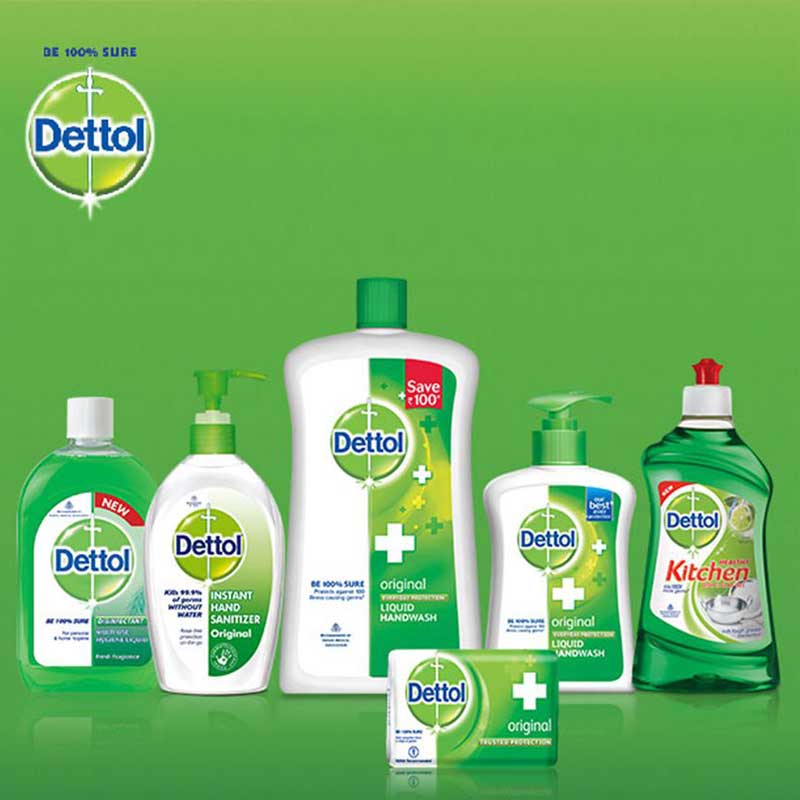
    Dettol Liquid Soap made a fresh entry onto the top spot in the brands' category with 16819 insertions in week 2 of 2019. Dettol Toilet Soaps stepped up from the fourth position of the last week to rank second in the list with 11394 insertions.

    Trivago, which was maintaining the top position for past several weeks, slipped to the third position in the second week with 9929 insertions.

    Santoor Sandal and Turmeric came in fourth with 9879 insertions followed by PolicyBazaar.com with 9841 insertions. 

  • Brands willing to spend double digits for branded content: TVF’s Vijay Koshy

    Brands willing to spend double digits for branded content: TVF’s Vijay Koshy

    MUMBAI: They are viral, that's for sure. Churning out millennial-relatable content, The Viral Fever (TVF) is not only one of the leading content creators in the digital space but can be termed as a pioneer too. It has been creating web-series with killer brand integrations from a time when the idea of branded video was very blurry.

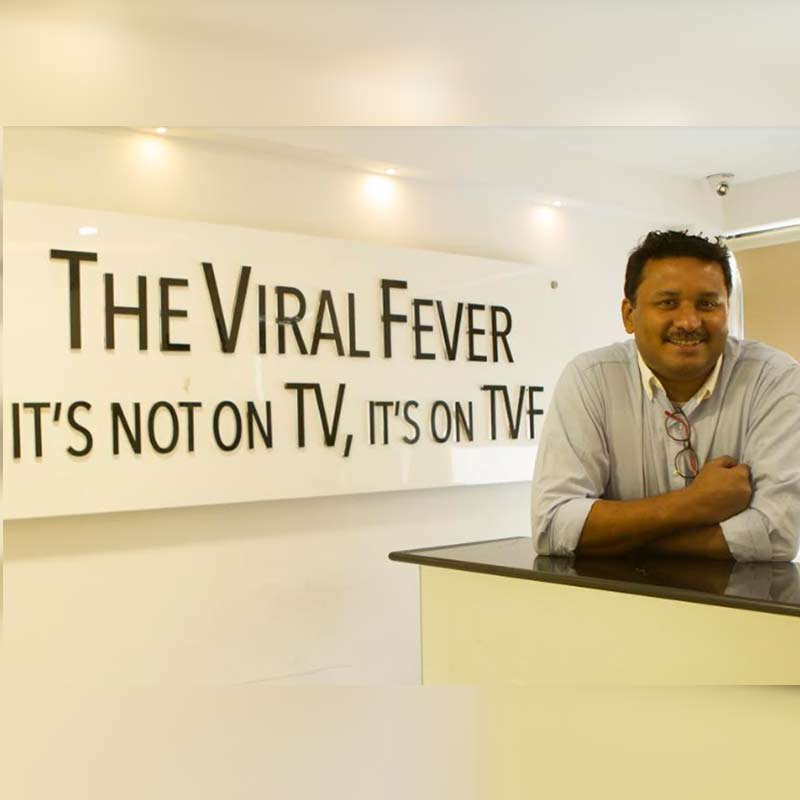
    In an interaction with Indiantelevision.com, TVF brand partnerships head Vijay Koshy shared how TVF has evolved over time, coping with changes and challenges.

    The birth of online video content saw urban youth as the target. It is only recently with cheaper data  that tier II and tier III cities changed the orientation and strategy of content creators. Koshy said that TVF was very clear from the beginning that it would make content for the “real India”.

    “So, when it started itself we were very clear that we will cater to the real India. Real India does not necessarily reside in Bombay, Delhi, Bangalore. Meirut, Agra are as important as Bhubaneswar, Guwahati, Lucknow, Jalandhar. Now audiences from tier II cities are also consuming digital content thanks to better data penetration with brands like Jio. If it’s a good story, it will cut across country, they will relate to it,” Koshy said.

    The audience is always the hero of the story. The focus remains on creating stories which can connect to the life of audiences. Once the connection is established, then it will connect brands with core content.

    Online is experimenting and so is TVF. Despite  integrations in categories like auto and FMCG, it still saw more than half of its business came from e-commerce players. The latest one was with Brand Factory for the series Weekends.

    “Brand Factory has innovative ways of marketing and in that sense, it has always been open to experimenting with new formats. Brand Factory specifically has been always very proactive and talks to a very young audience unlike other brands in its category. When we worked with them, they were very clear that they wanted the brand to be thematically integrated into whatever the content would be,” he shared.

    TVF is also working with the BSFI industry, which is an interesting category. AMFI is one of the largest partners that TVF has on board. “Everyone knows mutual fund is good but to talk about what’s the lowest amount that we should start, where I can invest, that kind of important communication can happen very naturally through web series. So, brands are willing to experiment and try out web series. I think a lot of brands are now, at least, segregating double-digit share as far as branded content is concerned,” he added.

    According to him, a lot of brands are realising digital demands and are backing that up with budgets for branded content. He also added that as per his estimation eight out of ten brands are recognising the importance of digital platforms.

    Talking about the growth in investment in branded videos, he shared that brands are asking pertinent questions about pre-roll and display ads including completion rates, click rates, overall effectiveness and ROI etc. Some brands, therefore, want to take the road less travelled and invest in branded content.

    “Every time you create content, you are experimenting with change. Audience taste in this segment is also changing so dramatically that you need to be really close to them to understand their passions, motivations so that you can understand their content needs and preferences. The way we go about is telling brands that if you are spending on digital, start in a small way,” Koshy added.

    When it comes to TVF, revenue model is based on partnerships with brands. It has to maintain a fine balance of good storytelling while keeping the brand requirement also in line, which is not very easy to achieve. According to Koshy, over the years, TVF has managed to master that.

    However, TVF is evolving and not anymore limited to web content only. It is getting into other things like influencers, where it will collaborate with well-known influencers exclusively to help them create content. It is also experimenting with reality shows, while getting into the regional space in a big way starting from the South.

    Moreover, it also has its own platform which means brands can do pre-rolls and brand campaigns also on its content. International brands like Tuborg, Redbull, along with lot of local brands like Tata Motors have done a lot of pre-rolls with TVF. Hence with a large spread network, the company is confident that it will have multiple offerings for new brands who want to get into the digital space.

    “It’s a fine line. Often our brand partners have real concerns on the amount of visibility or ensuring that the brand values are intact. Because we have been doing this for so many years now, we understand what brands want. The biggest thing we tell them if this content does not work out, you can go back to selling cars, shampoo, something else but for us, it is our reputation that is at stake. We will do our best to make the content work,” he commented while asked about creative freedom in branded content.

    “So, when that kind of reassurance comes on, they tend to agree to take that risk eight out of ten times. Even brands before campaigns go on and research everything possible but get rejected. In today’s world brands are also willing to experiment because they are seeing their communication is not impactful as it used to be earlier,” he added.

    After ruling the space for so long, creating exemplary brand integrations, it has its own defined audience giving brands a reason to spend. What’s important for team TVF is that how does it engage with brands so that they come back and keep working with them on a regular basis. 

  • BrandVid 2018: Emerging importance of content creators in branded videos

    BrandVid 2018: Emerging importance of content creators in branded videos

    MUMBAI: With the rapid change in the online ecosystem, marketers are gradually increasing their investment for branded content. Subtle product placement and proper storytelling in branded videos are becoming two key elements of video marketing. Facebook and YouTube have emerged as the most important platforms while they are working closely with brands as well as creators.

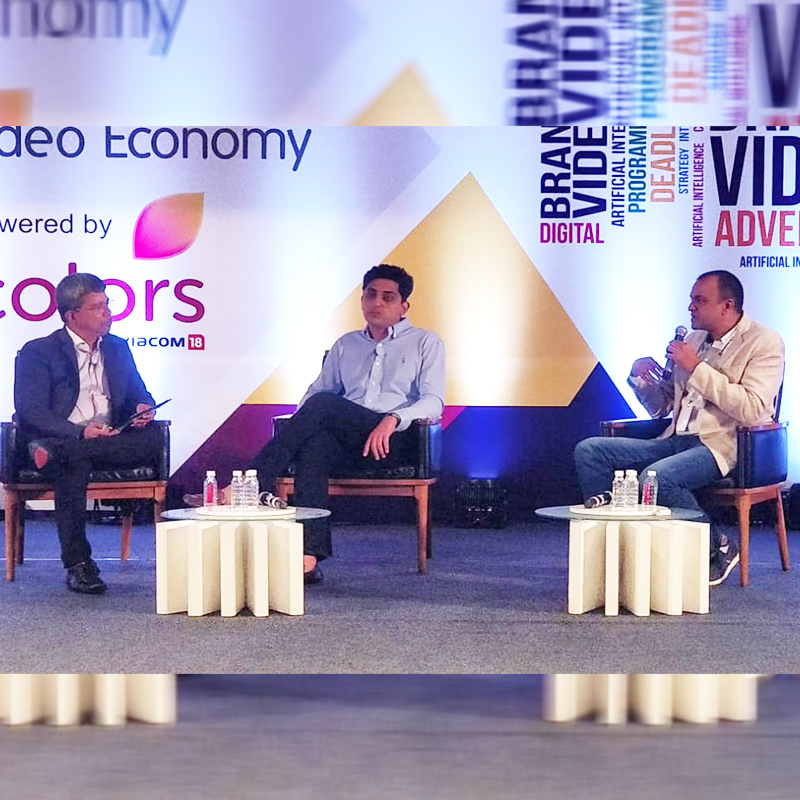
    In the first edition of Indiantelevision.com’s BrandVid powered by Colors, spokespersons from the two tech giants spoke about their experience in new video economy. YouTube India entertainment head Satya Raghavan and Facebook India entertainment partnerships head Saket Jha Saurabh discussed what each of them is offering to brands, how brands are operating in the respective ecosystems and what could be the best practices for them to follow.

    Talking about branded videos and digital films, Raghavan said YouTube always thinks about three primary stakeholders which are the consumers, creators and advertisers. Whether it is about integrating a brand within the existing content or a brand wanting to create content with creators, these three elements of the ecosystem always create amazing opportunities together. Going back in time, he mentioned #CrashThePepsiIpl campaign when they discovered all of these three stakeholders actually ended up coming together to make this program a huge success.

    “Last year we started new format called speed dating where we had brands give briefs to our upcoming creators and creators then got 10 minutes to pitch the solutions to brands and out of that also emerged pieces of content. I think we are just at the beginning of the interplay of content integration and branded content,” Raghavan said.

    Facebook has also started out building communities which can be monetised. As a platform, Facebook sees video as a form, not substance. “We feel that from Facebook and Facebook family of apps’ perspective, the idea is how you solve or customise solutions for brands. I think that’s really what we focus on,” Saurabh commented.

    While Facebook has definitely been the dominant one in video marketing ecosystem, he also mentioned how other apps from the group are also growing relevance. As an example, he spoke about Make My Trip’s association with WhatsApp, where the entire booking process was moved to the messaging app, and the company saw a huge fall in call centre complaints. In this case, Make My Trip leveraged the intimacy and inter-connectivity on Whatsapp to engage consumers.

    Fashion and beauty brands have been optimising Instagram on a great scale. “These people understand that visual storytelling is really the thing to do, especially when you are trying to reach a younger audience. Instagram is really a choice when it’s visual storytelling,” Saurabh added. According to him, brands are increasingly realising they have to do platform-first, mobile first content as well as creating customised videos.

    Speaking about what brands can achieve on YouTube, Raghavan said a consumer comes to YouTube to either entertain himself or inform or educate. According to him, it’s important for brands to understand this behaviour and even YouTube spent a lot of time trying to explain brands how to fit themselves into this continuum of things. 

    His advice for brands is that they should think about how they can be a part of all of these three types of storytelling whether its entertainment, education or information. “We are seeing a lot of that happening in financial services space now because brands are starting to penetrate deeper. Earlier, very few of us dabbled on things like the stock market or even mutual funds. But, that category is seeing amazing penetration at this point in time. So, a lot of brands from that area come to us and talk about what they can do about all of these three things.  This game is still to be played and in a couple of years we will see some amazing things happening in that space,” he added.

    Both of the experts were asked if a brand can become media destination for customers where they build a direct engagement with storytelling. Saurabh gave a few niche examples such as Craftsvilla’s birth and growth was aided by Facebook. Royal Enfield is also doing a great job in community building. In the case of Instagram, he gave the example of fashion designer Sabyasachi Mukherji’s page which depicts good storytelling.

    “Brands need to build the community ahead of the transaction, not when they will transact. It may lead to a transaction or different levels of engagement. The fact is that our goal is to make brand managers understand that whether it’s brand marketing or performance marketing, Facebook has solutions for both but building a community and having a certain thematic play in the market is very important,” he said.

    However, while all the gaga is over traditional brands who are investing in branded content, Facebook has noticed that creators are becoming brands as well. Hence, this is about content brands also who are finding their voice on the platform and being able to monetise what they do best.

    Agreeing with him, YouTube’s Raghavan put it in a little different angle. According to him, best practice a brand can follow is actually to think like a creator. “We encourage brands to think like a creator. Create consistent output of content and appreciate the fact that content has always been there. Think like a creator and work with our creators. They understand consumers and that’s how they continue to create content day in and day out. It’s really about the message,” he commented.

  • BrandVid – Can a brand become a media company?

    BrandVid – Can a brand become a media company?

    MUMBAI: Traditional media companies today have a very diverse story and narrative no matter what the subject. A consistent story is shared across paid, earned and owned media. However, media companies are more than that today. They create programming and/or distribute it. They also share the content via various media channels.

    But what we’ve been increasingly seeing is that brands have now started to become media companies by creating and distributing their in-house content. 

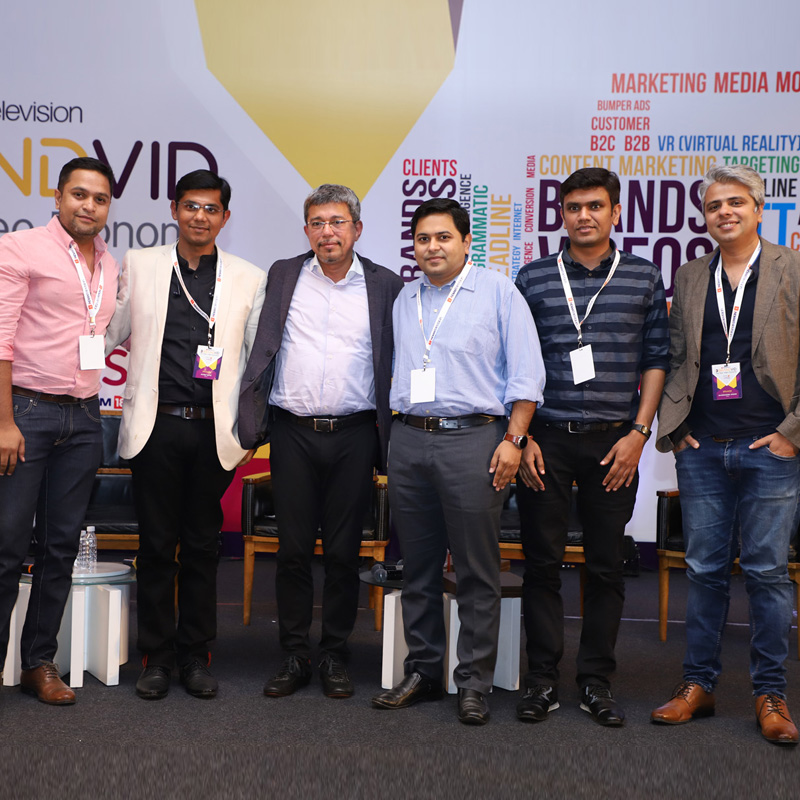
    It is challenging for a traditional agency to sustain and survive in a competing environment like this. But is there a way where brands, agencies and publishers can co-exist and collaborate? Well, that was precisely the topic of discussion at BrandVid 2018, powered by Colors. The session saw industry leaders discuss on whether a brand can after all become a media company. And if yes, how can they monetise their assets. 

    Clearly disagreeing with the proposition, Firstpost business head of revenue & strategy Anurag Iyer believes that the objective of becoming a media company and becoming a brand are completely different. He said, “Redbull as a business looks at its studio business as a separate entity and has great traction back to its website, but does its film on adventure and sports result in more Redbulls being sold? I don’t think so! But does it have a great brand rub off with their audiences? Absolutely!”

    On the other hand, Online Fashion portal Myntra is a brand as well as an e-commerce company that is also a media company to some extend as it creates in-house content. But does that mean it will become a full-fledged media company in the time to come? Probably! Myntra VP marketing Achint Setia is of the opinion that brands need to first figure out the role of content and the business objective. For a brand, its business objective is to drive revenue and sales and that’s where content plays a critical role. “Brands have a role to play in consumer’s mind and they should stick to that role. However, that role can get enhanced and more meaningful with the right use of content.”

    But while brands are struggling to find their sweet spot in the cluttered media ecosystem, there hasn’t been a better time for agencies as they get to have the cake and eat it too. Isobar Group MD South Asia Shamsuddin Jasani wants partake of that cake. Though it is a difficult proposition, big global brands want to monetise their content. Global FMCG giants Mondelez and Pepsi want 20-30 per cent of their spends to be recovered via video content and Isobar doesn’t want to miss out on that opportunity. 

    A lot of brands mistake content’s role in their business lifecycle. It is not about monetising content for the sake of it or about using content as an ROI drive. It is more about using content to have a deeper relationship with your community. 

    Shamsuddin said, "Big advertisers feel there is some monetisation that needs to happen and they are all grappling with how to create those monetisation opportunities. As an agency, we are working with brands to create those IPs. As brands, they will do it and as agencies we will have to do it because we don’t have a choice or they will push us to do it.”

    Although it’s a vicious and profitable cycle, but when does a brand pause, take a step back and think whether they are overstepping their business objective and should rather focus on sales and revenue? That’s exactly what Marico head of media and digital marketing Ankit Desai thinks. He believes it will be a few hits and a lot of misses for brands if they go the media company route. “While media companies can deal with many misses and start over again, it’s a different ball game for brands as it is linked back to business objective where you don’t have the option of repetitive failure since your marketing money will be wasted and that’s really the challenge.”

    Getting customer attention is a task for most marketers today. The millennial consumer will not stick to your content no matter how well made it is if it isn’t engaging and informative enough. It will take a lot of time for brands to understand the young customer of today. Agreeing that brands will become media companies in the future, Fastrack head of marketing Ayushman Chiranewala said that you cannot time when it will actually happen. He however thinks that it will come from a different business need which will be to be on the top of customer mind because getting the customer attention will only keep getting difficult in the future.

    Brands will become media companies in the times to come and there is no denying that but the timeline is likely to vary. For Myntra, it may happen in less than three years from now whereas Fastrack believes it will take five to 10 years. Interestingly, today content creators are also becoming brands in themselves. They create an IP and later sell products around the IP, eventually creating a brand. 

    All in all, maybe the world in the future will not be about everyone trying to do everything but about a lot of collaborations and partnerships. But every brand and creator should keep their minds open and think about consumer intent first.

  • Learning the importance of video marketing today

    Learning the importance of video marketing today

    MUMBAI: “Is it viral yet?” More often than not, this is what you will hear from marketers and agencies soon after they make a brand campaign or a video live on social media. The virality of a video is the new scale of measurement for most advertisers now, and rightly so! When a video goes viral, it can increase your search engine ranking, click-through rates, open rates and conversions.

    Brands have for the longest time needed a video marketing strategy but what has changed is how important video has become on every platform and channel. It is no longer restricted to doing television commercials or doing product placement on some television show or a movie. It has become the centre to their outreach and social strategy.

    While videos are great and should be every marketer’s best friend, there are several questions around it that need to be answered.

    How do you know if your videos are working? How can you measure the efficacy of your videos? How do you build brand confidence? What is the role of videos in overall brand strategy? What platforms should you choose to deliver the videos? How do you treat videos in regional languages? And most importantly, what are the top 5 things to keep in mind for branded videos and video marketing?

    To find out the answers to these compelling and perplexing industry questions, Indiantelevision.com will host a summit on branded videos and video marketing – BrandVid 2018( brandvid.in) on 30 October 2018 at Sahara Star, Mumbai. The summit will see industry stalwarts discuss these topics and map out a way for the industry where all major stakeholders can make the most of videos.

    Video has absolutely dominated social media and according to a recent HubSpot Research report, four of the top six channels on which global consumers watch video are social channels. And a common topic for every A&M conversation – video is the way forward – finally seems to look right.

    Video marketing isn’t just limited to slapping a video on television, YouTube and other social media platforms. Today, 70 per cent of millennials prefer watching a brand’s video when shopping online. According to Video Marketing Statistics 2018 report, 84 per cent of consumers are convinced to purchase a company’s product after they’ve watched their video. It is also interesting to note that 81 per cent of businesses with an explainer video on their homepage said that those videos have increased their sales.

    As per a report by Syndacast, click-through rates increase by between 200-300 per cent when a marketing email contained a video.

    Remember the Dancing Uncles video that went viral? No? Well, have a look at it here:

    []

    Bajaj Allianz signed Sanjeev Srivastava aka the internet’s dancing uncle to promote one of its offering. Lately, he was also seen promoting Amazon India’s Great Indian Festival Sale. The power of internet and video today!

    In a general media ecosystem, you would have a brand, an agency and a production house where a brand gives a brief to an agency about the kind of video they want and they in turn hire a production house to shoot the video and later get it edited from a third party. But that’s changing now. Brands are now becoming media companies and they have their own in-house content studio that creates content for them on-the-go. It’s challenging for a traditional agency to sustain and survive in a competing environment like this. But is there a way where brands, agencies and publishers can co-exist and collaborate? Maybe yes but how only time will tell.

    Most videos today seem to be mindless and done just because every other brand on the block is doing it. Marketers often forget that they don’t need to follow the herd mentality.

    It is incorrect to judge your video campaign solely on it becoming viral and famous. It may not always lead to your products being sold from the shelves. As simple as video marketing seems, it is actually more complex than that. While brands and agencies have exploited video marketing to the core, whether or not it works entirely depends on what do you want your audience to hear, see and feel. And most importantly, what message are you trying to convey and what is the call to action?

    All in all, video marketing is not only fun, it’s also one of the best ways to get up close to your audience and give them a real glimpse of what you and your business or your clients are doing The more they know about your positive practices, the more likely they are to stick around.

  • boAt signs Kartik Aaryan as brand ambassador

    boAt signs Kartik Aaryan as brand ambassador

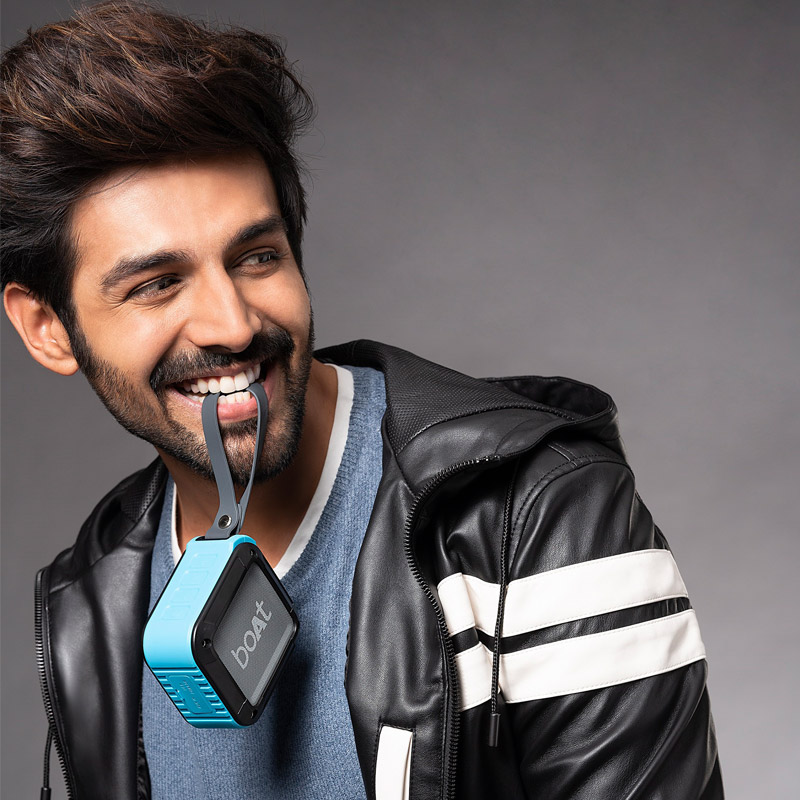
    MUMBAI: boAt, a lifestyle brand that deals in fashionable consumer electronics like earphones, headphones, speakers, travel charger and premium rugged cables has signed on Bollywood actor Kartik Aaryan as its new brand ambassador to help steer the brand to its target audience of fashionable youthful consumers.


    In a sector dominated by established global brands, boat has ramped up quickly in a short span of two years, through its core high-quality audio product line of smart, efficient, stylish and durable ‘hearables’. Bollywood’s rising star strengthens the brand narrative of boAt’s high tech solutions offering the best in style and fashion. With a strong focus on consumer desires and aesthetics, the brand has created products that seamlessly integrate into the evolved consumer’s personal style statement.


    The trendy look and feel of the boAt bluetooth speakers and headphones have led to the new category of ‘hearables’ akin to fashion accessories. It has already created a community of over 800,000 boAtheads (consumers) who want to be seen listening and wearing their boAt accessories to make a lifestyle statement. 


    boAt co-founder Aman Gupta says, “We are hopeful he is going to take our brand’s style quotient to a whole new level. He complements our commitment to product designs and aesthetics and is seen as credible influencer amongst the new age millennials. Thus aligning with our brand image which is all about building brand equity through credible influencers and a strong word –of–mouth approach.”


    Commenting on the association, actor Kartik Aaryan adds, “The brand perfectly represents a generation that is energetic, unapologetic and fun loving which resonates with my personality and age. The millennial audio brand offers designs that are bold, fresh and in line with the latest lifestyle trends, making it the preferred choice for those who looks to make a statement with their choice of accessories. I love the way the products seamlessly integrate into my lifestyle.”


    Kartik gained popularity through his recent films Pyaar Ka Panchnama and Sonu Ke Titu Ki Sweety.


    Launched in 2016, boAt is a lifestyle brand with fashionable consumer electronics products such as earphones, headphones, speakers, travel chargers and premium rugged cables. Whether it is the use of tough fibre to considerably extend the lifespan of its connector cables, or the waterproof bluetooth speakers or the ‘Bassheads’ series of wired headsets that were designed keeping in mind the preferences of listeners of both Indian music, as well as pop and electronic dance music. Every boAt innovation has consumer needs and desires at the core of its design.


    boAt had recently raised 6 crore funding from Fireside Ventures.

  • Advertisers shifting focus to OTT for brand safe environmentAdvertisers shifting focus to OTT for brand safe environment

    Advertisers shifting focus to OTT for brand safe environmentAdvertisers shifting focus to OTT for brand safe environment

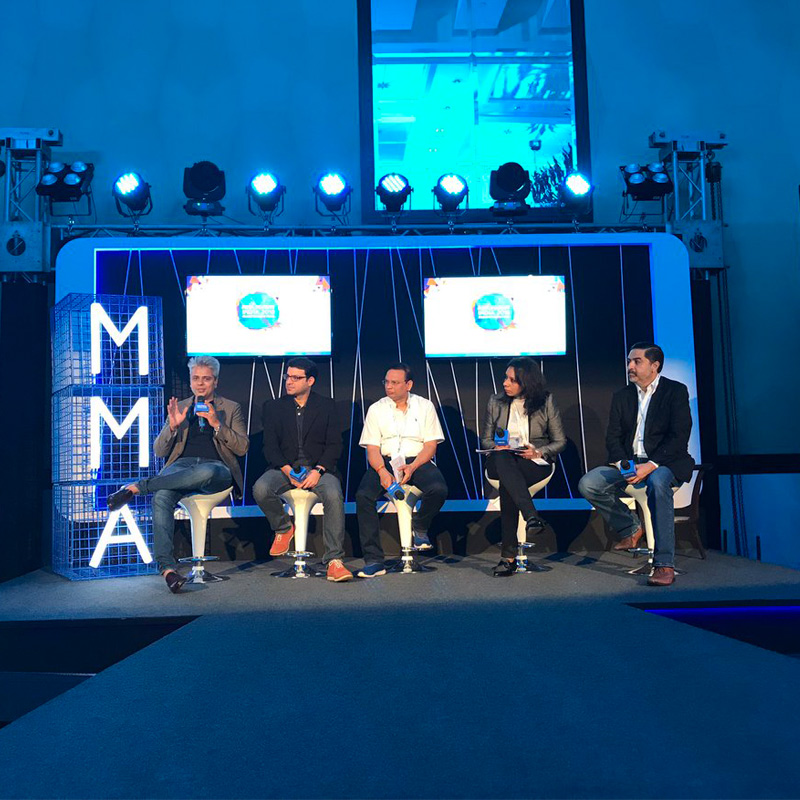
    MUMBAI: Over-the-top (OTT) platforms in India have reached a tipping point with growth in internet users. The change in viewing habit is also altering the way brands want to communicate with consumers. Despite the shift towards OTT platforms, social media giant YouTube remains the dominant player in digital advertising space. Experts from the ecosystem discussed how these players can attract more money focusing on some shortcomings in a session ‘Video 2.0- Time to Pay?’.
    The event was organised by Mobile Marketing Associations India. Hotstar EVP & chief marketing officer Sidharth Shakdher, Sony Pictures Networks India digital business head Uday Sodhi, Isobar South Asia, India group MD Shamsuddin Jasani, Patanjali Ayurved Ltd CGM, and marketing head Avinash Kumar took part in the session that was moderated by Neena Dasgupta, CEO and director Zirca Digital Solutions.

    Dasgupta started the session asking what have been the major shifts in recent time. Jasani mentioned two new trends- one is the high focus on collecting data in the right manner, especially after the rollout of GDPR and the second is the surged demand for a brand safe environment. Brands(http://www.indiantelevision.com/iworld/social-media/facebook-watch-has-its-work-cut-out-in-video-content-creation-180912), as well as agencies, now want their advertisements to appear in the proper content. He cited examples of content owners and creators like SonyLIV and Hotstar which are extremely brand safe.
    The moderator raised a question as to why 70 per cent of revenue still goes to YouTube(http://www.indiantelevision.com/iworld/over-the-top-services/local-ott-players-not-distressed-by-youtubes-originals-plan-180918), the walled garden, while OTT platforms have a good hold over content. Hotstar’s Shakdher said a large number of brands now want to place their ad where content is safe. “Just reach for the sake of reach does not mean anything,” he commented. He also cited the example of Patanjali.

    Avinash Kumar, the exec from the largest domestic FMCG brand also acknowledged the importance of the safe environment. For a brand like Patanjali which reflects “high world value” being deep rooted in Indian culture, putting its ads in the proper place is very important. According to him, a clear shift is visible. Though it started with YouTube, realising the lack of curated content and facility to interact in a safe environment, it moved out. It now only interacts through OTT platforms and considerably works with both Hotstar and SonyLIV whose representatives were present on the stage.
    Kumar, on the other hand, pointed out YouTube’s advantages along with the difficulties of OTT platforms on which they can work. Google’s video streaming service is not only free but also leaves the highest choice for content. He said OTT platforms need to have more content options as well as democratise the payment for content in a way that Jio has achieved in data consumption.
    “There is need of OTT platform, as well as YouTube. It is not an us versus them. So for example when we are doing something for a brand, we have in the mix both as there are different KPIs for different segments,” Jasani said.
    Moreover, Dasgupta added a counterpoint to the fact that Indians don’t want to pay for content. OTT platforms garner 20-22 per cent of the revenue from subscription, which is expected to reach 40 per cent in the next five years.

    Jasani at the start of the session only highlighted that the underlying strength of digital has always been data. While OTT platforms have a huge amount of data as well, the question is if consumers are ready to pay for that data.
    Uday Sodhi said the first steps are definitely being taken already. The movement of money from all other mediums is shifting towards OTT platforms which indicates these platforms definitely carry some value. According to him, these added values help to OTT players get higher rates for ads than others. “Now we are able to sell the inventories on most popular events or shows through which a brand can easily target its defined TG, which for me is the subtle way of targeting, and they are ready to pay for it,” he added. He also mentioned for events like FIFA, IPL, KBC, brands don’t mind to buy premium inventory.
    However, the events merely don’t attract brands. The affordability, right moment, target audience also play a key role. “We should make every ad dollar count. When you are buying a sporting event, you are buying demographic of the event. You don’t buy cricket for sake of cricket. You know demographic composition, product proposition. It’s never a black and white decision,” Shakdher commented.
    Interestingly, before Patanjali buys inventory on OTT, it first goes to the traditional TV to compare rates. If it sees an OTT platform ranking at the top, then it goes ahead. Getting a brief from the OTT platform it goes back to TV to compare the affordability it is getting on the digital platform.
    However while OTT platforms provide better facilities than TV, Patanjali’s Kumar thinks in terms of getting consumer data back the two mediums don’t have much difference.

    “Let’s say I am buying a spot at whatever price, what I am getting out of spending on it is as simple as TV data. You have an image and video fingerprint, you have lots of AI which can put actually the kind of geography and customers I am trying to reach. Do I get that data back from Hotstar or SonyLIV? In fact, we are operating in the same environment as TV. You give us few cookies we cannot decipher,” he pointed out stating the “biggest challenge” for OTT players. In addition to that, there is no accurate data available for digital like TV ratings or BARC data.
    The session ended on a note that it is not about competition between TV and OTT, it is more about whether brands are willing to invest and support in data. Such willingness from brands can enable freemium or AVoD OTT platforms to create better content and engagement, ultimately leading to higher engagement for brands.

  • PrettySecrets accelerates growth with Myntra

    PrettySecrets accelerates growth with Myntra

    MUMBAI : Apparel brand PrettySecrets will now be available across Myntra, Filpkart and Jabong. The brand has recently tied up with Myntra to be a part of Myntra’s Brands Accelerator Program.

    Last year’s End of reason sale on Myntra saw that PrettySecrets has a month on month growth of over 80 per cent on Myntra. This year PrettySecrets has grown by 110 per cent. It has done sale worth Rs 4 crore in the month of June on Myntra alone.

    PrettySecrets’ growth chart over the past one year has had a very positive influence over Myntra which in turn is one of the biggest fashion ecommerce brand. With both the big brands coming in together it definitely makes a win –win situation for both the parties as well as the customers.

    PrettySecrets CEO and founder Karan Behal says, “The overall online marketplace distribution channel for PrettySecrets has grown 70 per cent over last year (2017) and has achieved a growth rate of Rs 30 crore which is 1/3rd of the overall brand revenue. This association has already catapulted the brand into the offline space with higher recognition and growth. We hope this association helps in reaching higher heights.”

    Myntra head category business and chief strategy officer Ananya Tripathi said, “The vision of the Brand Accelerator program at Myntra and Jabong is to help shape the journey of emerging Indian fashion brands with unique customer proposition and take them to the top 10 national spot in three years.”

    “The success and growth trajectory of Pretty Secrets goes on to show the kind of impetus the program offers to brands. We see great potential in the women’s innerwear category in the coming years and will continue to support the brand with deeper consumer insights and marketing support through technology,” he added.

    The Myntra Accelerator Program has helped the brand in getting increased visibility through complimentary access to Myntra’s visibility tools such as banners and brand days etc which is promoted to over 50 million unique customers.  Myntra and PrettySecrets’ collaborated machine learning tools will help strengthen the customer analytics capabilities and increase sell through rates for PrettySecrets on Myntra’s platform which will help build PrettySecrets’ brand positioning.

  • Are celebs killing their brand by endorsing too many products?

    Are celebs killing their brand by endorsing too many products?

    MUMBAI: How often do we come across an ad that features a Bollywood celebrity? Maybe, a lot, and it is mostly driven by people’s affinity for seeing their favourite celebrity on television, outside of movies.

    The brand value added by a celebrity to the product is immediate and palpable. When a celebrity signs an endorsement deal with a company, an element of legitimacy is suddenly attached to the product simply because of the power of the name backing it up. Even though viewers enjoy watching their favourite celebs on screen advertising products, more often than not, the message becomes a little too much about the celebrity rather than the product itself. 

    Today, there are numerous celebrities endorsing multiple brands. Two such popular celebrities are Amitabh Bachchan and Shah Rukh Khan, who endorse multiple brands across a range of categories from fashion, food and beverage, consumer products and others. 

    public://AMITABH-BACCHAN-COLLAGE.jpg

    Does a celebrity’s association with several brands reduce his brand equity? It is quite likely that their endorsements may not resonate as well when the same face woos them with the goodness of everything–from biscuits to oil to a direct-to-home connection to chocolates. The case is similar is for female celebrities. Deepika Padukone promotes Coca-Cola, L’Oreal, Venus and Axis Bank while Katrina Kaif backs Mango Slice, Veet, Pantene and Lux.

    But the question here is whether these celebrities actually consume or use the products that they endorse. Highly unlikely is the quick answer.

    Although the Advertising Standards Council (ASCI) has laid down guidelines for celebrity endorsements, not much seems to be followed in the industry. The ASCI’s guideline for celebrity endorsement states:

    a) Testimonials, endorsements or representations of opinions or preference of Celebrities must reflect genuine, reasonably current opinion of the individual(s) making such representations, and must be based upon adequate information about or experience with the product or service being advertised.

    b) Celebrity should do due diligence to ensure that all description, claims and comparisons made in the advertisements they appear in or endorse are capable of being objectively ascertained and capable of substantiation and should not mislead or appear deceptive.

    Celebrities that do not abide by these guidelines have to pay a fine of Rs. 20 lakh or more according to the current limit for appearing in a single advertisement or a campaign or per year, whichever is more. 

    public://SHAHRUKH-KHAN-COLLAGE.jpg

    But the celebrity ad world isn’t entirely about the money after all and not every celebrity wants the limelight all the time. Some are picky about the brands they associate themselves with. Cricketer Virat Kohli and Bollywood actor Aamir Khan are paragons for this endorsement phylosophy. 

    According to a recent report by corporate advisers Duff & Phelps, Kohli is India’s most valuable brand surpassing even Shah Rukh Khan who held the title since 2014. While the early glamour may have pushed Kohli to advocate Pepsi and Fair & Lovely Men, he eventually decided to move away from these brands. He was signed up as the brand ambassador for Pepsi in 2011 but refused to renew the contract, which ended in April 2017, saying at the time that he would not ask people to consume something that he himself does not. Kohli said, “The things that I’ve endorsed in the past—I won’t take names—but I feel that I don’t connect to [the brands] anymore. If I myself won’t consume such things, I won’t urge others to consume it just because I’m getting money out of it.”

    Many saw his move as a sign of a man who believes in himself and someone who has invested his mind, heart and body in his role as a leader in society. “I want to give something to people that I use myself. One of the reasons I decided not to sign Pepsi is that I have undergone a lifestyle change. It might have been big money for me and a very lucrative deal but I opted out as we need to have some thought behind the products we promote and we must understand that people trust us,” he added. He no longer endorses fairness creams or products of that genre since equating success with skin fairness goes against his values.

    It is no coincidence that the number of celebrity endorsements has gone up in recent years. A 2015 study by Nielsen found that famous faces work best on millennials and gen Z– the two generations most likely to spend the most compared to their predecessors and with aims of having a topnotch lifestyle.

    In 2014, Bachchan had also cut off ties with Pepsi after 16 long years of commitment, when a young girl asked him why he promoted a product her teacher branded as ‘poison’. Bachchan, having realised the impact on the minds of people, even urged his son Abhishek and daughter-in-law Aishwarya Rai Bachchan to be careful about their ties.

    Studies have shown that consumers have better brand recall of products backed by celebrities. Celebrity backing adds awareness, trust and familiarity–important objectives for marketers to achieve. People believe that by using products their favourite celebrities endorse, they will be able to emulate their lifestyle.

    Similarly, Aamir Khan has been known to be picky about which products he wants to endorse. Although the actor was associated with Coca-Cola, Godrej, Titan Watches, Tata Sky, Toyota Innova, Samsung, Monaco Biscuits in the past, he decided to move away from products that he does not believe in and does not consume himself. 

    The actor witnesses backlash after his intolerance comment in 2016 and the uproar impacted his endorsed brand Snapdeal that bore the brunt with more than 7 lakh customers uninstalling the app. Soon after the incident, Khan was removed as the India brand ambassador for Incredible India and was replaced by Bollywood actress Priyanka Chopra. The actor did not have any endorsements for nearly two years as brands did not want to associate themselves with negative publicity. 

    The actor was recently announced as the India and Pakistan brand ambassador for Chinese handset maker Vivo, which many see as his big come back. Brands of Desire CEO Saurabh Uboweja believes that Khan, as a brand, doesn’t need comebacks to make his point. “He is a brand in every way and on the contrary, it is a big opportunity for Vivo to establish itself as a mainstream brand,” he says.

    While the over exposure does harm the brand equity of celebrities in the long term, being selective with endorsements is beneficial to the star as well as the brands.

    Also Read :

    Pepe Jeans launches India centric ad with Siddharth Malhotra

    The ins and outs of femvertising

    The influence of influencer marketing

    Kohli brand driving on the up

    Gender stereotyping remains the template for weight-loss ads