Tag: brands

  • How brand Dhoni will fare post-retirement?

    How brand Dhoni will fare post-retirement?

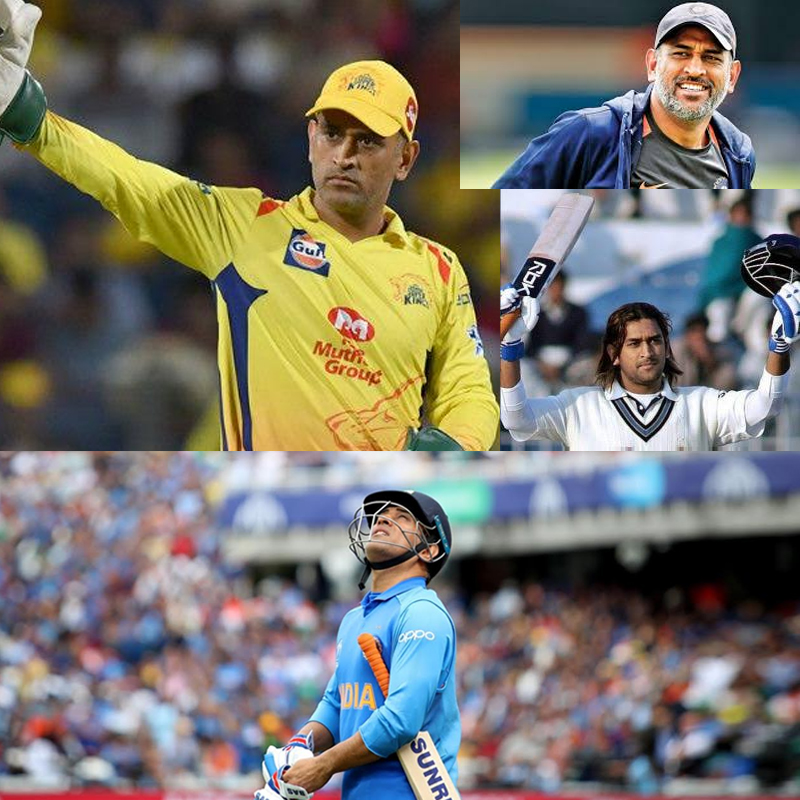
    NEW DELHI: Former Indian cricket team captain, Mahendra Singh Dhoni, announced his retirement from international cricket last week via an emotional video on Instagram.  

    As soon as the news broke out, social media was abuzz with his name trending on top, not only netizens but brands also paid tribute to the iconic cricketers in their style. 

    Brands bid farewell to MS Dhoni for making India proud

    The ‘Captain Cool’ has always been a darling of brands and been able to attract audiences. He has endorsed brands across all categories. These include soap, insurance, two-wheeler, engine oil, used cars, and others. However, his brand value has taken a slight dip in the last few years. The announcement of Dhoni’s retirement brings us to the next big question – What will be the impact on the equity of brand Dhoni? Will this be the end of an era, or brands will continue to invest in Dhoni? 

    As per reports, between January 2019 to November 2019, Dhoni associated with 44 brands. If going by this year trend from January to March, Virat Kohli regained the top spot, while Mahi bagged the second spot in the list.

    Several experts believe that his brand value might not be affected as he will continue to play IPL. The former captain also has plans to associate himself with the international leagues, which may increase the brand value, depending on the situation.

    Dhoni was excluded from the Board of Control for Cricket in India’s (BCCI’s) annual contract list for October 2019 to September 2020.

    Even though he retired from Test cricket in 2014, but it never impacted his brand value.

    Let us closely look at how brand Dhoni has fared in the advertising world. In 2010, he topped the chart for celebrity endorsements on television during the first six months. According to the Adex survey of TAM Media Research, during the January to June period of 2010, Dhoni endorsed 24 brands on TV. As per Forbes data, Dhoni made $26.5 million (about Rs 200 crore) in 2010, and only a small portion of that payout, about $3.5 million (about Rs 26.4 crore), came directly from Dhoni's on-field play.

    In 2016, his net worth was at $31 million, and brand endorsements comprised a large part of this value. His total annual earnings from brand endorsements were between Rs 120 crore to Rs 150 crore at that time. 

    In 2018, the Duff & Phelps’ Celebrity brand value ranking valued Dhoni at $26.9 million placing him at 12th spot in terms of celebrity brand value.

    According to the same report, Dhoni was at the 9th spot with a brand value of $41.2 million in 2019. In the same year, he managed to retain the 5th spot on the Forbes India celebrity 100 lists.

    TRA Research CEO N. Chandramouli feels that whenever a sportsperson retires, their brand equity does fall as they have a limited shelf-life, both on and off the field. “This will not be very different for MS Dhoni also, but he still has a successful IPL career, which will give him a continued presence on the sporting field. His endorsement value started seeing a dip about six months ago, but he will still command a strong value till his IPL days.”

    Dhoni, earlier reportedly used to charge between Rs 8 – 12 crore for each endorsement. However, now experts feel this may come down to Rs 3.5 – 4 crore. 

    Chandramouli states, “As his visibility reduces on the field, with lesser engagements, a brand will calculate the ROI of his field presence, and associate if the ROI is justified. It is a cut-throat business and a difficult market. The endorsement value of a player is correlated to his success and presence.”

    There will be brands that would want to associate with the cricketer because of the trust he has built on and off the field, and this will pay off with more extended brand associations. 

    According to a report by ESP Properties, sports sponsorship in India grew a healthy 17 percent to Rs 9,000 crore in 2019. As per the last year's report, there were 70 new brand endorsement deals, of which cricketers clinched 50 deals. Dhoni pulled 63 per cent of the total brand endorsements. 

    On the other hand, Samsika Marketing Consultants chairman and managing director Jagdeep Kapoor has a distinct view as he believes Dhoni as a brand goes beyond cricket. His core values reflect life. “He is a unique brand property. The attributes, the passion, the zest for life are traits that good brands would like to associate with,” adds Kapoor.

    However, the audiences will miss the long-haired cricketer on the ground who can hit helicopter sixes and entertain them.

  • Lux Toilet Soap is top brand in BARC week 26 ratings

    Lux Toilet Soap is top brand in BARC week 26 ratings

    NEW DELHI: The Broadcast Audience Research Council (BARC) of India has released its data for top advertisers and brands for the period between 27 June to 3 July 2020, respectively.

    The data reflects the top 10 advertisers and brands across genres on India television, 2+ Individuals, NCCS All demonstrating ads that were inserted the most in the 26h week of 2020.

    Top advertisers:

    Hindustan Unilever continued to be the biggest advertiser with 317861 insertions as compared to 292536 insertions in week 25, followed by Reckitt Benckiser which ranked second with 78007 insertions.

    The following spot was acquired by Brooke Bond Lipton India Ltd with 47425 insertions.

    Godrej Consumer Products and ITC Limited recorded 45498 and 39209 ad insertions respectively.

    Wipro Ltd acquired the sixth spot with 24700 ad insertions on TV.

    Other top brands in the pecking order were as follows: Ponds India, Amazon Online, Lakme, and at the last Procter & Gamble.

    Rank Advertiser Insertions
        Week 26
    1 HINDUSTAN LEVER LTD 317861
    2 RECKITT BENCKISER (INDIA) LTD 78007
    3 BROOKE BOND LIPTON INDIA LTD 47425
    4 GODREJ CONSUMER PRODUCTS LTD 45498
    5 ITC LTD 39209
    6 WIPRO LTD 24700
    7 PONDS INDIA 23382
    8 AMAZON ONLINE INDIA PVT LTD 22284
    9 LAKME LEVER LTD 19452
    10 PROCTER & GAMBLE HOME PRODUCTS 19182

    Top Brands: –

    Lux Toilet Soaps became the top brand in BARC week 25 rankings as it recorded 24498 insertions on TV. It was followed by Horlicks (16423) and Wheel Active 2 in 1 (13877)

    The fourth and fifth sport was acquired by Amazon. In and Surf Excel Easy Wash with 13768 and 13173 views, respectively.

    Other top brands in the pecking order are as follows: Lifebuoy, Close up, Policy Bazaar, Pears, and Sunsilk.

    In week 26, there was a drop of 4.05 per cent in the total number of insertions for advertisers whereas for brands it was down 6.1 per cent. 

    Rank Brands Insertions
        Week 26
    1 LUX TOILET SOAP 24498
    2 HORLICKS 16423
    3 WHEEL ACTIVE 2 IN 1 13877
    4 AMAZON.IN 13768
    5 SURF EXCEL EASY WASH 13173
    6 LIFEBUOY TOILET SOAP 12814
    7 CLOSE UP EVER FRESH 12574
    8 POLICYBAZAAR.COM 12004
    9 PEARS 10840
    10 SUNSILK BLACK SHINE 10633
  • Brands roll out quirky campaigns for Father’s Day

    Brands roll out quirky campaigns for Father’s Day

    MUMBAI: As the world gears up to celebrate Father’s Day, brands across verticals rolled out special campaigns with a generous amount of emotions, creativity and even humour, to connect with them. Some brands took to social media to make the most of the day.

    Here are a few campaigns which made quite a buzz.

    Manforce Condoms

    Manforce Condoms has come up with its Manforce flavours of quirky and fun, with reference to the Father’s Day campaign to drive home the point that all this pleasure should not be had without protection. The films showcase different situations of ‘When you try to work from home’, with one common message at the end of a child crying. This campaign is a message for all those who don’t like the ending, we have a better one and for all those who do, Manforce Condoms wishes them Happy Father’s Day!

    Philips

    Philips India has launched a campaign as a tribute to fathers and celebrating the father-daughter bond. The campaign #MyDadMyInspiration is built on the heartwarming moments between a father and his daughter. The campaign launched across Philips’ social media channels. As a part of consumer engagement, Philips will ask people to share their own stories describing how their dad inspired them to be the best version of themselves.

    Paree

    Paree, a homegrown sanitary napkin brand launched a new digital film that celebrates the unconditional love and bond that a father and daughter share. #PapaKiParee focuses on the role of a father in understanding his daughter’s needs and prioritising to make her comfortable when she’s suffering from cramps. The video captures the true sentiments of a concerned father having a candid conversation with his daughter during her periods and understanding the physical and mental discomfort of heavy flow, cramps, and PMS she endures. It beautifully portrays how a father cherishes his daughter and always puts his daughter’s happiness and needs first.

    Glenfiddich

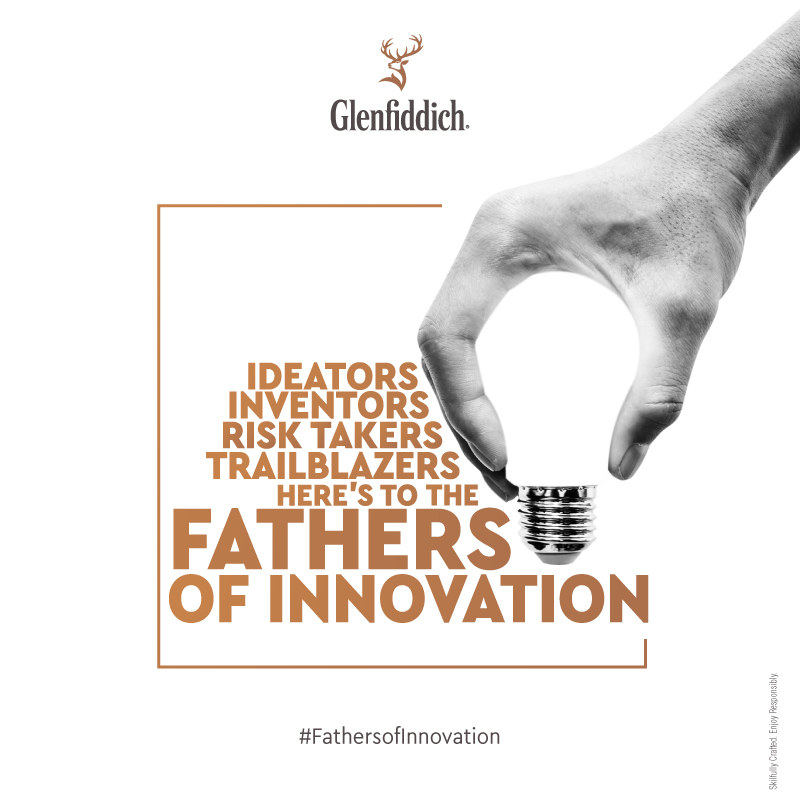
    Glenfiddich re-envisions fatherhood by celebrating individuals for giving birth to disruptive ideas that changed the world. Men have fathered significant contributions and fuelled transformation in their respective fields, right from artificial intelligence to robotics, virtual reality to cryptocurrency. The digital campaign acknowledges the vision and significant contributions of ideators, inventors, risk-takers and trailblazers on the brand’s social media handles.

    Nerolac

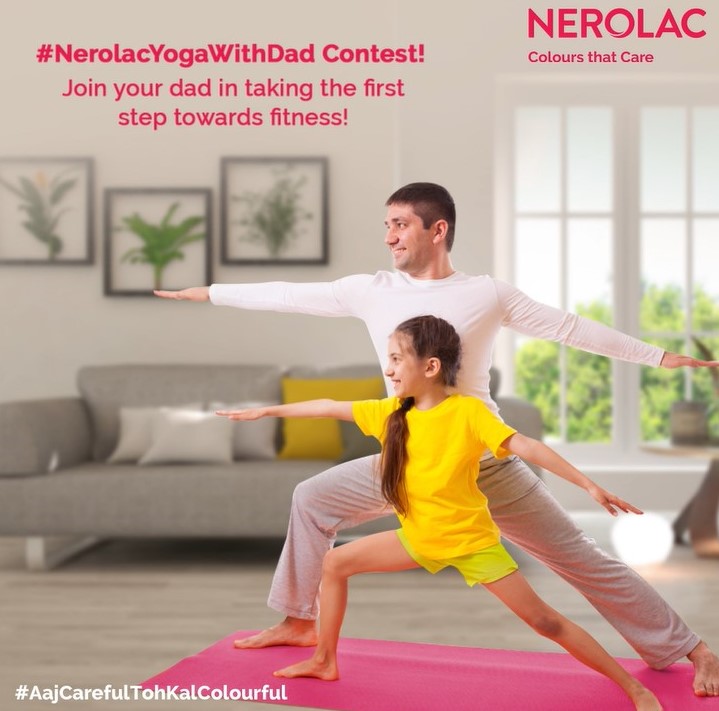
    With Father’s Day and International Yoga Day around the corner, Nerolac has launched an engaging contest, #NerolacYogawithDad, as an extension of its latest brand campaign #AajCarefulTohKalColourful. Through the initiative, Nerolac urges citizens to encourage their fathers to kickstart their fitness journey for a healthy and bright future! This is the fourth extension in the campaign’s ongoing series.

    The initiative encourages participants to post a picture practicing Yoga with their father across social media platforms including Facebook, Instagram, and Twitter with the hashtag #NerolacYogaWithDad.The winning entries will feature on Nerolac’s social media page.

  • AR, VR fantastic tools for brands to communicate their story

    AR, VR fantastic tools for brands to communicate their story

    MUMBAI: The outbreak of Covid2019 has changed life and business more than anybody could have imagined. To survive this pandemic, businesses around the globe are embracing digitisation faster than ever before. Two kinds of technology, augmented reality and virtual reality, are once again in the spotlight due to the pandemic. These two technologies have been underestimated and underutilised in the past. A virtual conference held by The Advertising Club  Bangalore on the topic ‘Bringing brands to life through AR & VR technologies’ saw panellists AliveNow CEO Adhvith Dhuddu, AutoVRse co-founder Ashwin Jaishanker, and FlippAR CEO Vivek Jain. The session was moderated by VRNAculars and Tripvana CEO Aneesh Koorapaty and Pink Lemonade founder and CEO Tina Mansukhani Garg.

    Koorapaty raised a question before the panellists about why it is more immersive now as compared to other media segments like print, radio etc.

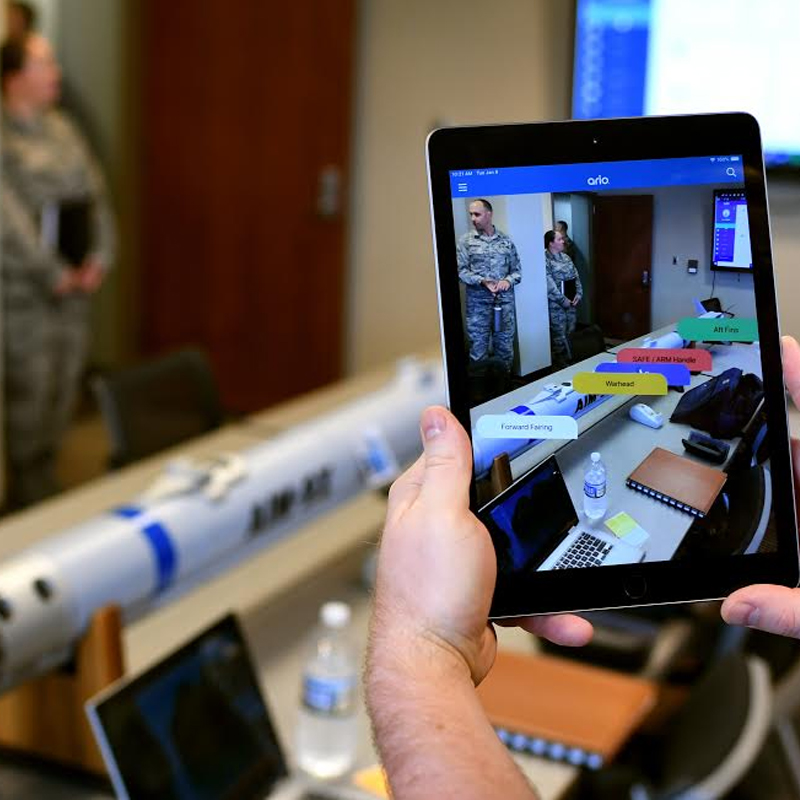
    Dhuddu said that if you see the history of media and advertisement, especially on the web and on the mobile phone, it has always been about swiping up and down, left and right, clicking and other dimensions. AR and webAR are now able to interact through a person's eyes, lips, hands and facial gestures. It is now an immersive experience for people, they can use their front and back camera to bring life to a product and understand their placing in the real environment. He notes that the possibility of using augmented reality is endless. Because of the experiences created on augmented reality it feels immersive and realistic.

    “AR is in the business for a very long time, but it is in the past two to three years that brands and agencies are able to look at AR differently. The credit goes to social media platforms like Snapchat and now Instagram who have allowed tech companies and developers to build AR experiences into their app. So, the brand that already has its audience on their page can expose them to AR experiences.”

    Stories are the most powerful means for brands to inspire and influence. Products attached with stories have higher value as compared to products with just description notes Jain. Immersive tools like AR and VR are fantastic tools for brands to communicate their story.

    Ashwin Jaishanker thinks that brands recognised the potential of virtual reality very recently. With time, audiences started seeing a very complex narrative of AR. “The metrics that you create with AR on your customers is on a different level. This technology invites your user to experience the world designed in your product and it helps them explore the product by themselves,” he further added.

    Aneesh highlighted that for brands, AR and VR are great ways to create emotional connection.

  • These brands faltered in their communication

    These brands faltered in their communication

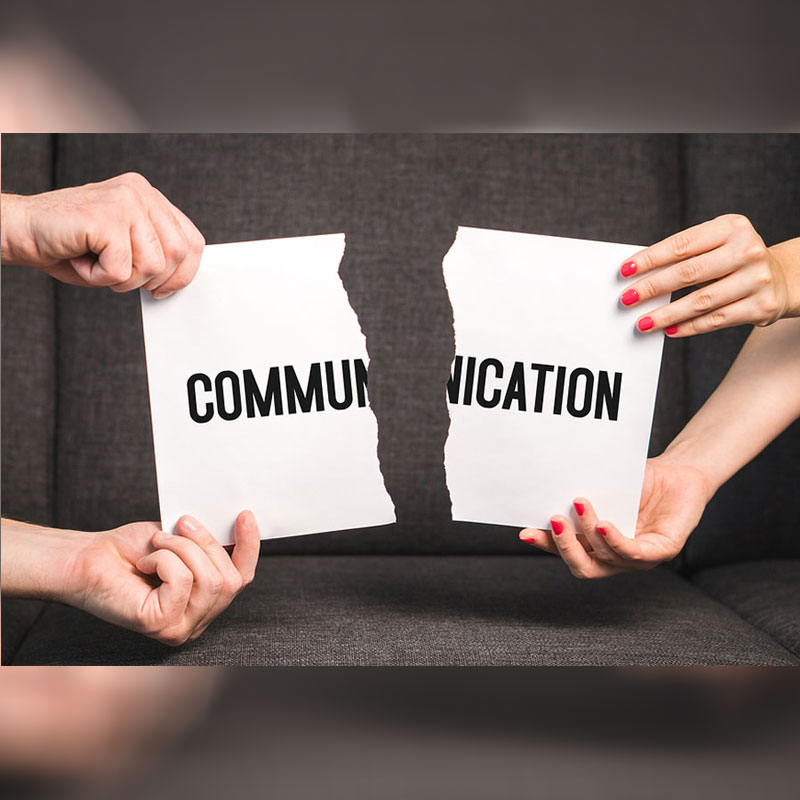
    NEW DELHI: There have been ample researches by Kantar stating how important it is for the brands to have a voice amidst this lockdown and keep advertising. It has been insisted that brands stay creative, empathetic, and understand consumer needs as they work on their campaigns. 

    Dwelling at length on how brands should be planning their communication to Indiantelevision.com in an earlier interaction, Dentsu One president Harjot Singh Narang said that brands will have to go deeply humane and adapt to the new paradigm exactly like how human relationships adapt to and grow in uncertain times. Wunderman Thompson South Asia chairman and group CEO Tarun Rai had also mentioned that brands need to be empathetic in their approach. 

    However, despite so much discussion about what and how a brand should be promoting itself during this period, there were some brands that faltered in their planning. The biggest example of this came in the form of KENT RO’s distasteful, classist, and misogynistic ad for its atta maker. 

    The social media ad was called out by netizens and brand experts alike and the brand quickly took it down with an apology, stating that it was ‘unintentional’. 

    There were two other campaigns that caught the attention of communication consultant Karthik Srinivasan, which he talked about in his blog and LinkedIn page. 

    The first one was cooking oil brand Gold Winner, which did a ‘shabby’ job out of its influencer campaign on social media. 

    The brand used images from other popular cooking channels and websites without taking creators’ permission or giving credits and used them for a mass copy-paste campaign on Twitter. The worst part was that they misused the sentiment of “we cooked for our mom” to earn some brand points. 

    Srinivasan wrote in his blog, “I have no clue why brands and agencies still indulge in such monumentally stupid and shallow online promotions. It’s not as if they know all these things. The only explanation is that they know it and couldn’t care less. All they want is a LOT of people talking about their product with stock statements and stock photos. It doesn’t need to be real for them and even questions and mockery of the campaign don’t really matter to them at all. You could call it anything – confidence, bravado, chutzpah… or idiocy.”

    Next was not as much a brand going wrong with communication but the unfortunate placement of its ad next to a piece of negative news. Amul and Indigo found their ads placed quite close to the news of Indigo fliers testing positive for Covid2019 on the first day of them resuming flight operations. 

    Most recently, Diet Sabya, an anonymous social media account calling out designers and celebrities for copying designs, voiced its opinions on a far graver issue by calling out jewellery brand Dhora for creating a Covid-themed necklace. 

    The brand clarified that it sees the design as a lesson that all have learnt from the crisis. It wrote in an Instagram story, “I guess, it’s the lessons we learn from all the crisis, wars, struggle for independence, etc. and yet remember that day as a lesson to empower our present. You can shut your eyes with disgust to a crisis or you can take the learnings and implement it to make a better future.”
    Dhora further added, “I am glad that we all can co-exist happily with different opinions yet support each other. We are all game for criticism. Thanks to our supporters and customers. However, it’s probably the worst time to pull each other down @dietsabya. All we have right now is each other.”

    Diet Sabya was quick to respond stating, “Trying to leverage Covid-19 by making over-priced necklaces is anything but privilege… Do you really think that any more would want to remember a crisis that has so far uprooted the lives of millions? Do you really think people want to remember the worst recession in history? Do you really think ANYONE would want to wear this ‘ART’ to remember the 362,124 lives lost?”

  • ZEE5 emerges as top pick for brands, courtesy user growth, ad-suite, transparent measurement

    ZEE5 emerges as top pick for brands, courtesy user growth, ad-suite, transparent measurement

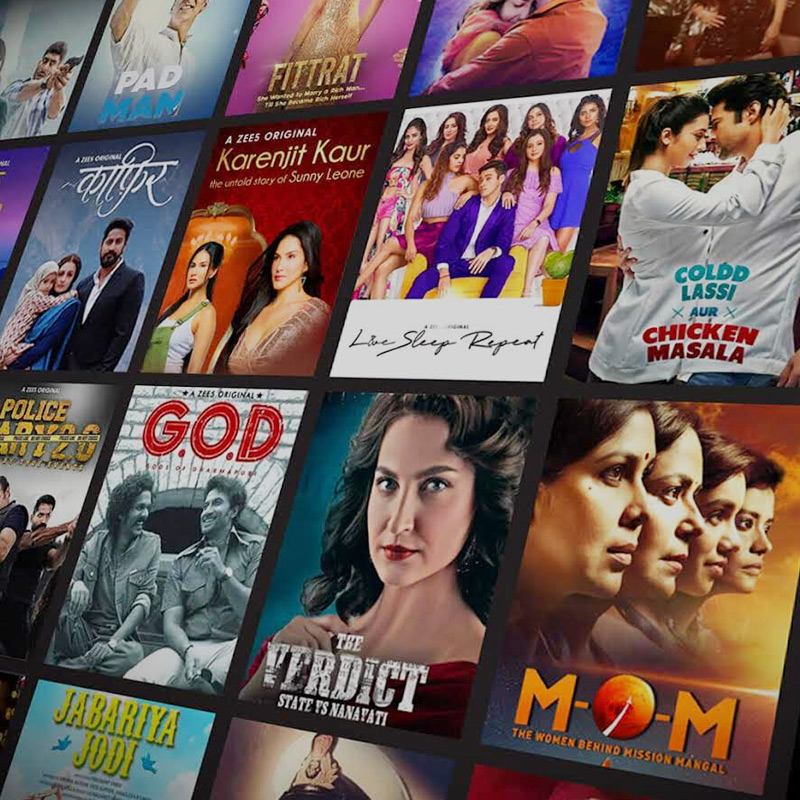
    MUMBAI: Brands cannot overlook over-the-top (OTT) platforms while planning media mix. Broadcaster-led streaming services like ZEE5, Hotstar, VOOT with their impressive number of monthly active users and large scale of content have started taking away some of the TV ad dollars. But the lack of unified measurement has been one of the major concerns of brands as they want clarity on impact and reach. However, while the industry is grappling with the hardship, ZEE5 has initiated numerous partnerships to offer measurable results to its advertiser community.

    ZEE5 entered partnerships with Moat, a standard verification across the digital industry that measures viewability of video and display ads. The streaming service’s digital creatives are exceeding Moat benchmarks thus giving more confidence to brands that users are spending more time viewing them and ads are reaching completion more frequently. While the Moat benchmark of ad playing to completion is 39.4 per cent, ZEE5 has touched 71 per cent. For Moat’s audibility, the benchmark for the percentage of impressions where the video was audible at a given period of time is 47.5 per cent, while ZEE5 has almost doubled to 93.9 per cent.

    A recent report from Deloitte Global predicted that revenue from ad-supported video services will reach an estimated $32 billion in 2020 whereas Asia (including China and India) will lead with $15.5 billion in revenue in 2020, nearly half of the global total. Although the report came out before COVID-19 crisis and there might be changes in statistics, but the increasing affinity of brands towards streaming services is significantly noticeable. At such a critical juncture, ZEE5 will have an edge over others on the back of credibility from a third-party tool.

    Last year, ZEE5 also integrated with Nielsen to deliver the best accountability for brands and partners on their advertising front. The Nielsen Digital Ad Ratings (DAR) provides a method of measuring online advertising audiences, delivering reach, frequency and gross rating point (GRP) metrics along with demographics like age and gender. Moreover, DAR reports demographic information from Facebook, with Nielsen correction & calibration factors.

    ZEE5 has been taking proactive measures as AVOD business is poised for growth. The Deloitte report also added that these streaming services are in the process of convincing advertisers to shift some of the TV ad budgets to streaming video by placing forward innovative ad models and personalised content. 

    As brands look at more consumer insights and metrics while deciding on marketing mix spends,  ZEE5 also offers data from the Media Rating Council (MRC). MRC is a standard devised to determine whether an ad impression is viewable or not. According to MRC, a display ad will be considered as “viewable” if 50 per cent of the ad creative is visible for at least one second in the viewable space of the browser. ZEE5 is overreaching CTR and VTR also, as per MRC standard. While other OTT platforms have 30-40 per cent VTR, ZEE5 has more than double, ranging between 75-85 per cent. At the same time, ZEE5 achieves 0.5-1 per cent CTR while other OTT platforms attain 0.2-0.5 per cent.

    ZEE5 is leaving no stone unturned to maximise the ROI for brands. It launched an industry-disrupting ad-suite last year which helps deliver brand KPIs on aspects like reach, saliency, lead generation and SOV while allowing for segmentation, personalisation and measurability to ensure higher returns on marketing investments. 

    AdVault helps advertisers to reach its target through a vast range of solutions as per the campaign needs. AMLI5 supports bands to intensify the impact by offering influencers marketing, social media, content marketing, brand integrations, SMS-email campaigns. On the other hand, Play5 helps brands integrate with the content through customised gamification, branded polls and quiz. Wishbox enhances the chart aiming at higher engagement through video commerce. Infonomix leverages the flexibility and effectiveness of Ad Suit to deliver value through action led campaign planning.

    ZEE5’s humungous number of monthly active users have already accentuated its top position in the pecking order of the streaming services. The platform has also been named ‘India’s Most Desired Video Streaming Brand’ by TRA’s Most Desired Brands 2020 report. The smart user interface and depth of content across languages have taken it beyond the premium tier easily. ZEEL’s big bet on OTT has undoubtedly emerged as a way for brands to reach masses on the back of its content, tech and data. 

  • OTT: The new kid in town for brands to reach their TG

    OTT: The new kid in town for brands to reach their TG

    MUMBAI: OTT consumption has been on a steep upward curve in India for the last three years. Now, after the country has entered a lockdown phase, taking social life out of lives, the media and entertainment industry is suddenly abuzz with a new wave of growth. More people are maintaining social-distance and staying at home, tasting new content and exploring new platforms in this unprecedented crisis. While the staggering change in the M&E landscape is already underway, the sudden lifestyle change is truly a bonanza for OTT platforms. 

    According to the latest BARC-Nielsen report, the time spent per user on video streaming apps excluding YouTube grew by 11 per cent in the second week of lockdown. Original series has driven the growth, followed by movies. The statistics only reaffirms that the new-age viewers don’t let go of any opportunity to binge, be it a lockdown, a vacation or even commute time during a busy day. 

    Therefore, it’s not surprising that advertisers and agencies, who have been riding the AVoD bus, rolling out campaigns or getting into branded integration deals with the streamers, will take more OTT platforms into consideration for media planning. That is good news for India's media and entertainment companies like Star, Zee, Sony and Viacom18. Their linear television business model has been hit by economic static, especially as production has stopped and advertising revenue will see a bump.  

    Despite the huge reach of linear TV, the new-age urban audience have already been considering streaming services as its source of entertainment. IPSOS Predictions 2020 also state that 72 per cent of urban Indians watch more TV from streaming services opposed to cable TV. This shift to OTT is now being accelerated by the stay-at-home direction, especially as theatres have been shut down and leading GECs are unable to churn out fresh content.

    Even before this sudden surge in viewership, brands are looking at OTT platforms primarily because of these factors for the last couple of years to reach out to end consumers. They also look for brand safety, integration opportunities, full video views, and indeed, the ability to sharply target a specific set of consumers/cohorts. Home-grown players like ZEE5, Hotstar, VOOT, MX Player and SonyLIV are gradually taking space in the media mix of brands. Moreover, now that live events and big sporting tournaments are getting cancelled, coupled with the absence of new content on TV, advertisers can potentially shift ad spend to digital despite scaling back on the expense. The platforms can increase ad-inventory based on an increase in viewing hours as well as revenue per user. 

    ZEE5 has seen a staggering 22 per cent increase in MAU and a 15 per cent increase in DAU compared to last month. The platform has witnessed the upsurge in viewership across all geographies. Because viewers have plenty of free time, the streaming service has seen the highest increase in binge-watching with double-digit growth in long-form content consumption. Moreover, the platform has revealed its content lineup for April with a mix of popular old shows, Korean shows, and digital original films.  

    "In the era of social distancing and limiting exposure to the external world, consumers and viewers are turning to forms of digital entertainment and Eros Now is playing its part. We have seen an increase of 200 per cent in paid subscribers on a daily basis and App Annie shows a 78 per cent increase in daily traffic on the platform,” Eros Now CEO Ali Hussein said.

    The platforms are experimenting with the pattern of content offering, too. ZEE5 has made some of its premium and new original content available for free, breaking down the paywall, the first player in the industry to do so. Amazon Prime Video has also rolled out a similar strategy making a selection of kids and family content available free to watch for all Amazon customers. Eros Now consumers can access two months of free Eros Now subscription if they subscribed prior to 31 March.

    While a social cause is undoubtedly driving such decisions, OTT platforms are going to see a jump in users even after the crisis is over. As more audiences are getting to taste the premium content, many of them will later opt for subscriptions. Other than that, if this lockdown continues for more than a month, a significant chunk of ad spend will also start moving towards OTT from TV as the latter will be bereft of fresh content for a long time. As brand-building activity has suddenly stopped, many brands will look at OTTs to reinitiate the spending given the recent boost in viewership. However, we will see more clarity in the space in due course of time.

    According to the FICCI-EY 2020 report, digital advertising grew to Rs 191.5 billion in 2019, 24 per cent higher than in 2018. Ad growth was driven by increased digital media consumption across social media, news, gaming, sports and entertainment, leading to a growth in sellable inventory.

    GCPL media services head Subha Sreenivasan Iyer said that the ability to target a specific set of consumers/cohorts is what makes sense for brands while choosing OTT platforms. She also added that there's a wide variety of content, multiple types of readily-available audience, enabling sharper targeting across OTTs.

    Loreal media head Neel Pandya pointed out the factors which drive brands to OTT platforms: brand safety, ability to drive full video views, content associations and partnerships that can go beyond advertising and more creative and out-of-the-box thinking.

    He added that apart from conventional video buying options, there are opportunities in OTT platforms that can be used to influence consumers across the journey. The key factors include building salience through associations and integrations, building advocacy by creating content and leveraging celebs that also have massive social media following. He added that OTTs help drive consumers to the brand's online shop through innovative formats designed to drive traffic.

    GroupM change planning and transformation principal consultant Vishal Jacob noted that while all the brands are depending on TV, they don’t mind expanding their spend to online video. He noted that when it comes to online video, predominantly there are two options –YouTube and OTT.  But, he added, OTT players provide full visibility to the ads and a stronger brand safety environment. According to Jacob, OTT advertising is largely dominated by CPG players like Colgate, Unilever, GSK, Pepsi, etc.

    GroupM India partnerships and trading president Ashwin Padmanabhan stated that as OTT platforms have started engaging a huge number of consumers, significant ad spend is moving there. He added that brands like ZEE5, Hotstar, Voot, SonyLIV are investing in technology, leading to higher engagement and brands are looking at capitalising that.

    “In essence, content on OTT is quite similar to TV in its audio-visual and storytelling but with a large scope of multi-level targeting by way of multiple cohorts. So categories that choose TV are a natural fit for OTTs as well,” GCPL’s Iyer added.

    However, there are a few existing challenges. As Indiantelevision.com spoke to experts, all of them mentioned the need for a single currency to measure ROI. “A single currency is the need of the hour,” as Iyer puts. GroupM’s Jacob also added that a lot of brands are now questioning the effectiveness of OTT platforms as it has been taken largely on words till now. 

    “Duplication among OTT and other digital platforms is very high. And currently, there is no major platform where we can do unified targeting reducing this duplication and bring about efficiencies,” Loreal’s Pandya echoed the tone. However, this challenge bothers linear TV, too. 

    “Another (challenge) is the cost-effectiveness; it’s important to remember that running longer films/edits may not really be a viable option given the costs,” Iyer added. Pandya said that keeping aside tentpole properties, the platforms still lack the scale that some of the large platforms have.

    However, leaving aside the challenges, ad spends on OTT are set to grow. According to experts, advertising on OTT will see an increase between 10 to 15 per cent in 2020 (the numbers may be revised after the COVID-19 impact is taken into account). The future looks more promising as 26 per cent growth is expected by 2025.

  • From Fevicol to Dettol, brands play active role in creating awareness on COVID-19

    From Fevicol to Dettol, brands play active role in creating awareness on COVID-19

    MUMBAI: As confirmed novel coronavirus cases have reached 167 in India, brands across different sectors have started creating social awareness campaigns to educate consumers about the disease. Streaming giant Netflix, Zomato, Hindustan Unilever’s Lifebuoy, Reckitt Benckiser’s Dettol and Amul, among others, have joined the bandwagon to stay relevant and express solidarity with people during COVID-19 scare.

    Lifebuoy

    Sensing the fear among people, personal hygiene brands have started posting precautionary tips. HUL’s Lifebuoy has been actively promoting the use of alcohol-based hand sanitizer to stay safe. The campaign was praised for its message, as it mentioned key competitors such as Dettol, Lux, Godrej No 1, Santoor in its ad and urged people to buy any product which is easily accessible to them.

    Dettol

    Reckitt Benckiser, a consumer health and hygiene company, has launched a Paigham-e-Sehat campaign around its brand Dettol. To drive behaviour change communication, the programme is aimed at 550,000 Madrasas across India. Prior to this campaign, Dettol in partnership with TikTok launched #HandWashChallenge to raise awareness about washing hands.

    @urvashirautela

    Wash Hands and Stay Cool ##HandWashChallenge @dettol_india

    ♬ Hand Washing Song – Viruss

    Amul

    Dairy brand Amul never misses a chance to stand out. For instance, the brand featured a topical ad with Amul girl washing hands as the caption read ‘Better saaf than sorry’. The ad appeared on all social media platforms like Twitter, Facebook and Instagram.

    Fevicol

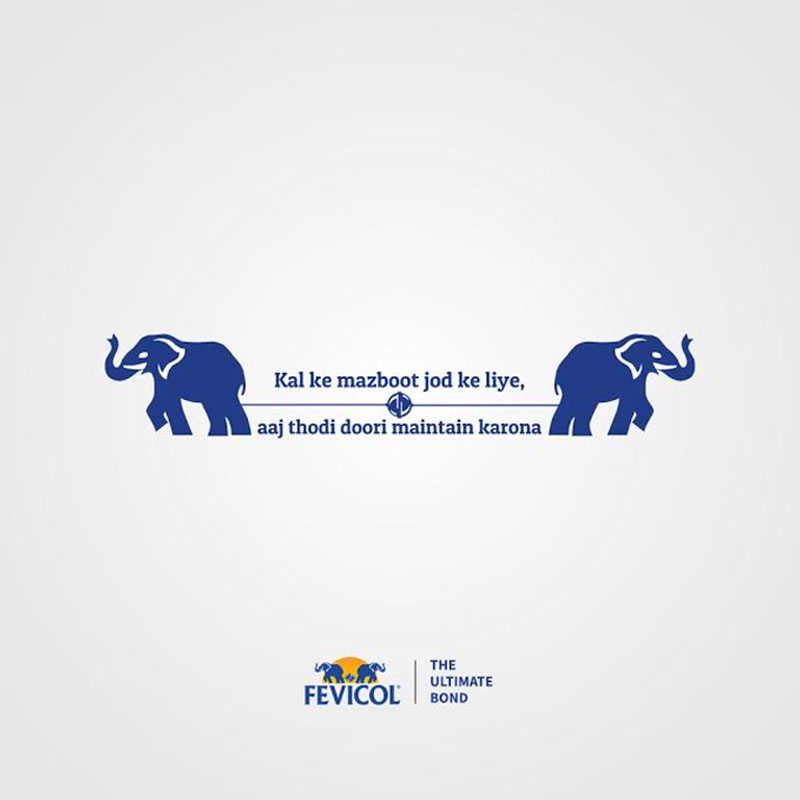
    Fevicol is known as a brand which has mastered the art of ‘moment marketing’. During the times of COVID-19 scare, Fevicol tweaked its iconic logo of two elephants and increased the distance between them to convey the message of social distancing.

    Zomato

    Zomato’s Deepinder Goyal through his twitter handle talks about the precautionary measures taken at Zomato.


    Viviana Mall

    Viviana mall in its social media campaign urges people to spread information and not panic.
    It has collated a few important tips to protect ourselves from COVID-19.

    Mad Over Donuts

    MOD through its social media post builds confidence among people by talking about the hygiene maintained while preparing food. It has mentioned how the entire staff wears gloves and masks while cooking.

    Balaji Motion Pictures

    With the COVID-19 pandemic becoming increasingly prevalent around the globe, Ekta Kapoor’s Balaji Motion Pictures requests people to stay indoors.

    Red Chillies Entertainment

    Red Chillies Entertainment through its post explains the importance social distancing.

    Treize Communications

    As the novel coronavirus outbreak grows, companies are asking their employees to work from home for their safety and work efficiency. Treize Communications brings in some tips for making work from home easy and fun.

    Viacom18

    Viacom18 in through Instagram post are educating people to stay safe amidst novel coronavirus scare. They have set out certain precautionary measures to create awareness around the disease

  • An Indian IP For Kids: Brands Collaborating With Windmill Look To Create Meaningful, Interactive Conversations

    An Indian IP For Kids: Brands Collaborating With Windmill Look To Create Meaningful, Interactive Conversations

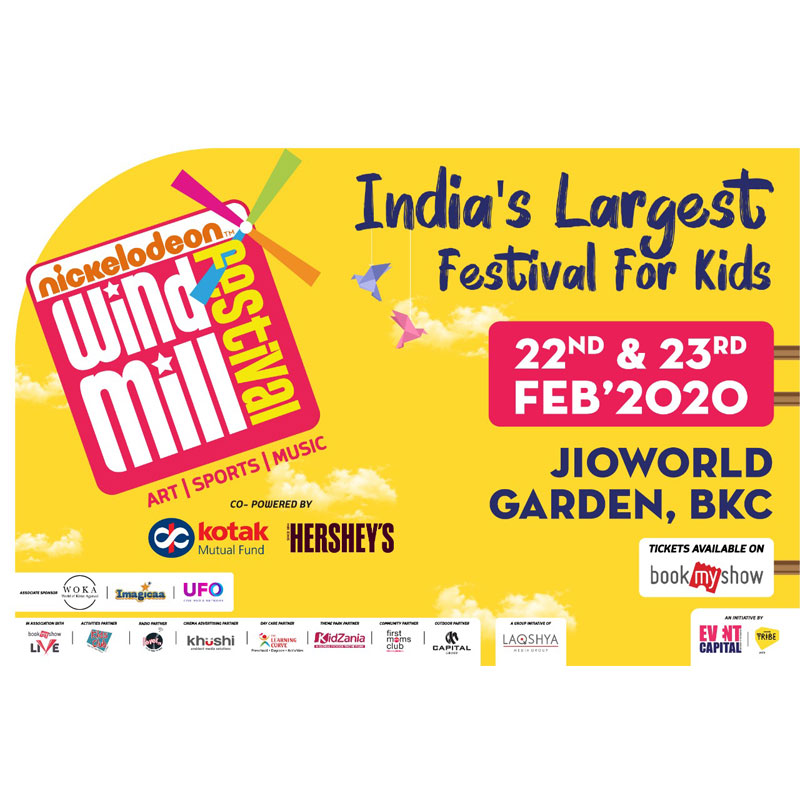
    MUMBAI: The 4th edition of Nickelodeon Windmill Festival, an initiative by Event Capital and Tribe Asia, will take place on 22nd – 23rd February 2020 at JioWorld Garden, BKC. Having grown into India’s largest children’s outdoor festival, Windmill has brought on board sponsors like Hershey’s, Kotak Mutal Funds, Soulfull, V-Nourish, Toppscholars, WOK, Sarda Farms, Laughing Cow, Enrich and Club Mahindra who are looking to create deeper brand connects with consumers.

    The need of the hour today is to better understand children as consumers, and communicate with this segment in an impactful, integrated manner.  Windmill as a platform is built as a fun, safe and interactive environment which attracts hundreds of parents and children year on year.

    Commenting on the upcoming event, Janak Vora, CEO, Event Capital said “We are pleased to announce our sponsors for the 4th edition of Nickelodeon Windmill Festival.  With the support of brands collaborating with us, we look forward to provide a better platform for them to engage with families in the best way possible. Our aim is to encourage families to step out and involve their kids to discover their inner passion and interact with various brands as well”.

    Brands coming on board have chosen the platform as a less intrusive form of marketing, as it enables the brand to start a relationship with potential customers and strengthen the bond with existing customers effortlessly. As compared to in your face advertising, playing a pivotal role enhancing a kid’s experience builds a positive recall value which works wonders for a brand.

    The collaborations have all come on board with a purpose in mind and are perfect brand fits to avoid mindless clutter. 

    Brands who have chosen to collaborate with Windmill have similar sentiments in mind.

    Commenting on this, Rasika Prashant, CMO, Soulfull said,”Windmill Festival has been a tent pole partnership for Soulfull. We have been able to reach out to thousands of kids and mothers during the event and establish meaningful conversations with them. The event organization is very good and allows us to showcase brand Soulfull in an impactful manner."

    Adding to this, Mrs.Kiran Agarwal, Founder, WOKA said,  “Associating with WindMill is always special as they cater to children as we at WOKA feel the same. Connecting at a platform with which WindMill comes in the market is a great way to reach to children with different backgrounds, age and sensibilities. WOKA looks for opportunities such as these where we can showcase our association and connect with children through our value based animation films and yet exchange a bond of happiness with our young minds.”

    Building a healthy ecosystem for effective play and learning, Windmill is dedicated to the best interests of kids.

    WindMill will take place on 22nd and 23rd February 2020 at Jio Gardens, BKC and the tickets can be bought on:  https://bit.ly/2R3lwEw

  • Will make brands’ IPL 2020 splurge into judicious investment: Velocity MR’s Jasal Shah

    Will make brands’ IPL 2020 splurge into judicious investment: Velocity MR’s Jasal Shah

    MUMBAI: Summer and IPL are now synonymous in India. Even after a decade since its launch, the mega sporting event continues to attract eyeballs as well as brands.

    Last year, a new age consumer insights provider Velocity MR published IPL Brands Insights Book 2019 unravelling the mystery of marketing decision makings during the league. The research firm announced the second edition of the study as well.

    For the first edition, Velocity MR tracked ads worth $40 million during IPL 2019 and covered more than 70 advertisers and over 100 sponsors. Altogether, it evaluated around 150 ads.

    “This study got interests from 11 brands who aggressively promoted their brand during IPL 2019. Our book titled, IPL Brands Insights Book 2019 was very well received in the marketing corridors of brands who sponsored or advertised during IPL 2019 and have plans for 2020 as well,” Velocity MR CEO and managing director Jasal Shah commented.

    “Our unique models of ROI calculation, Impact Scores AKA 'Mother of all Insights' because just one score covers more than 10+ marketing metrics, Jersey Analysis, Viewership Trend, Loyalty Analysis, Media Basket Analysis, Sponsorship Analysis – generate quality insights for brand custodians and these make our IPL Brands Insights Study a must for all those who are going to splurge in IPL 2020. We’ll make that splurge into a judicious investment,” he added.

    Shah added that there will be new outcomes certainly in the second edition as the market dynamics are never same. According to him in this fast-evolving digital world, strategies change overnight and with multiple options, even consumers’ patronage can’t be taken for granted. He noted that they keenly study all the changes and understand more from the viewers.

    For this year’s study, the methodology remains the same as last year but new centres have been added. The research methodology includes quantitative Online Surveys for Delhi, Bengaluru, Chennai, Hyderabad, Kolkata, Mumbai, Ahmedabad and Pune (18-20 Minutes), quantitative Offline F2F Surveys for Visakhapatnam, Indore and Jaipur (18-20 Minutes).