Tag: brands

  • TOI Bangalore makes way for good times with an 80-page issue

    TOI Bangalore makes way for good times with an 80-page issue

    Mumbai: One of the most palpable ways to tell if things are coming back to normal is to begin the day with a newspaper whose mere heft bears a piece of positive news.

    In the wake of a devastating second wave and amidst concerns about a third one, it’s how businesses strive to make the present worthwhile that inspires and injects new hope in all of the economy. It’s an effective stimulant on the consumer side too. When readers see a thicker paper filled with brand advertisements, they are more motivated to come out of the inertia of consumption and begin to feel a sense of comfort with the status quo.

    A bearer of this sweet news was Saturday’s Times of India Bangalore 80-page edition filled with ads from consumer-facing brands who want to usher in a wave of normalcy without waiting for the situation to fix itself.

    According to TOI, the edition featured as many as 125 advertisers. The paper drew brands from across the categories of consumer durables, retail, luxury, real estate, BFSI, apparel, digital, automobile, and more signaling that they are ready as ever to make the ‘New Normal’ not just a survival story, but a story of growth.

    “This uplifting edition could not have been accomplished without the combined efforts of the Times of India Bangalore team whose unwavering belief in change translated into this bumper issue,” the organisation said in a statement.

  • PepsiCo’s snacks unit reports double-digit Q2 growth in India

    PepsiCo’s snacks unit reports double-digit Q2 growth in India

    New Delhi: Despite the severe impact of the second wave, global food and beverage major PepsiCo has reported double-digit growth in India in the second quarter for March-April-May.

    PepsiCo’s net revenue from the Africa, Middle East, South Asia (AMESA) division under which India falls, was at $1.6 billion in the quarter, up 62.97 per cent as against $0.98 billion in the corresponding period in 2020. Overall, the company’s global net revenue growth was up 20.52 per cent to $19.21 billion.

    In the AMESA division, PepsiCo’s snacks unit volume reported “double-digit growth in India and Pakistan and mid-single-digit growth in the Middle East, partially offset by a high-single-digit decline in South Africa,” said PepsiCo in an earning statement for Q2. “Beverage unit volume grew 38 per cent, primarily reflecting a four percentage-point impact of our Pioneer Foods acquisition and double-digit growth in India.”

    Additionally, the Middle East and Pakistan each experienced double-digit growth and Nigeria experienced mid-single-digit growth, it added. “The recovery from the pandemic contributed to a current-year increase in consumer demand, which had a positive impact on net revenue, unit volume and operating profit performance,” the US based company said, PTI reported.

     “As mobility trends improved, our international beverage business accelerated and delivered 22 per cent organic revenue growth, while our international snack business delivered 11 per cent organic revenue growth,” said PepsiCo.

    Over the outlook, the company is expecting its international markets to perform well despite an uneven recovery across geographies as vaccination efforts and mobility trends vary.

  • How consumer behaviour changed in the wake of the pandemic

    How consumer behaviour changed in the wake of the pandemic

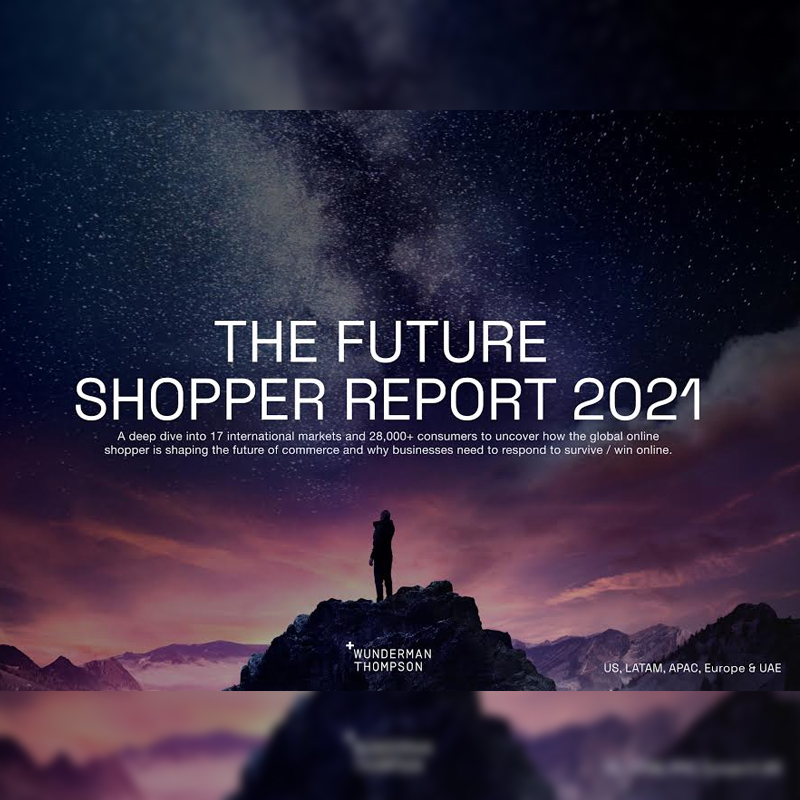
    MUMBAI: The fifth iteration of Wunderman Thompson Commerce’s Future Shopper Report ’21, which surveyed nearly 30,000 consumers across 17 markets, inferred the major changes in consumer’s purchasing behaviour in the wake of the pandemic.

    Across Asia, consumers reported that digital commerce has been more important to them during the pandemic than anywhere else and it is shoppers in this region who are also now demanding the most from digital retailers. Nearly 86 per cent of Indian shoppers are less prepared to put up with ‘mediocre’ or even ‘satisfactory’ shopping experiences and demand excellence from brands and retailers, it says.

    Despite the unabated rise of eCommerce and the fear to physically shop – 72 per cent of Indians are the most frightened about shopping in-store as compared with their global counterparts in the wake of COVID-19.

    Consumers on the whole are demanding integrated omnichannel offerings from retailers and brands. What’s more, two-thirds of global shoppers say that they prefer to shop with brands that have both an online and offline presence, while 59 per cent of consumers said they wished brands would communicate seamlessly with them across all channels, digital and physical. And their expectations need to be met, with close to 73 per cent saying retailers need to get better at giving them the products, service, and experience they expect.

    This means that retailers must operate across multiple channels including social commerce which is going to be a massive aspect of eCommerce. In fact, 44 per cent of global consumers have already bought from a social platform and over half intend to increase this in the future.

    The report delves deeper and wider than ever before into what consumers want from their digital shopping experience and how and what retailers and brands must deliver. In a post-pandemic world, online shopping will account for over half of retail sales globally with 72 per cent of global shoppers saying that online shopping came to their rescue in 2020 and about 73 per cent saying e-commerce would be more important to them in 2021.

    “eCommerce can no longer be treated as the supplementary sales channel,” said Wunderman Thompson Commerce global head of Consultancy and Innovation Hugh Fletcher. “Global shoppers have clearly stated that, in the future, it will be their primary channel for retail purchasing. For some organisations, and particularly marketplaces, they are reaping the rewards of investing in a strong online presence, while the news has been littered with stories of businesses who have not identified these changing demands going bust.”

    “Amazon continues to be the leader of the retail pack in the West, alongside Mercado Libre in LATAM and a number of marketplaces in APAC, but they are facing increasing pressure from consumers to be more ethical and from competitors who are investing in their own direct-to-consumer offerings, digital marketplaces, innovations, and social media platforms. Couple this with the fact that COVID-19 has weakened brand loyalty, and serious challenges remain in the sector – it’s no longer enough to just have an online offering that reaches customers on one or two channels and to expect long-term ROI.”

    “2021 and beyond will usher in an era of more diverse online offerings, with marketplaces, direct-to-consumer brand sites, and social commerce all having a key role to play. Businesses must ensure that this more complex online landscape complements their overall retail offering which needs to span digital and physical,” Fletcher concluded.

  • Devyani Rajya Laxmi Rana joins Coca-Cola India’s leadership team

    Devyani Rajya Laxmi Rana joins Coca-Cola India’s leadership team

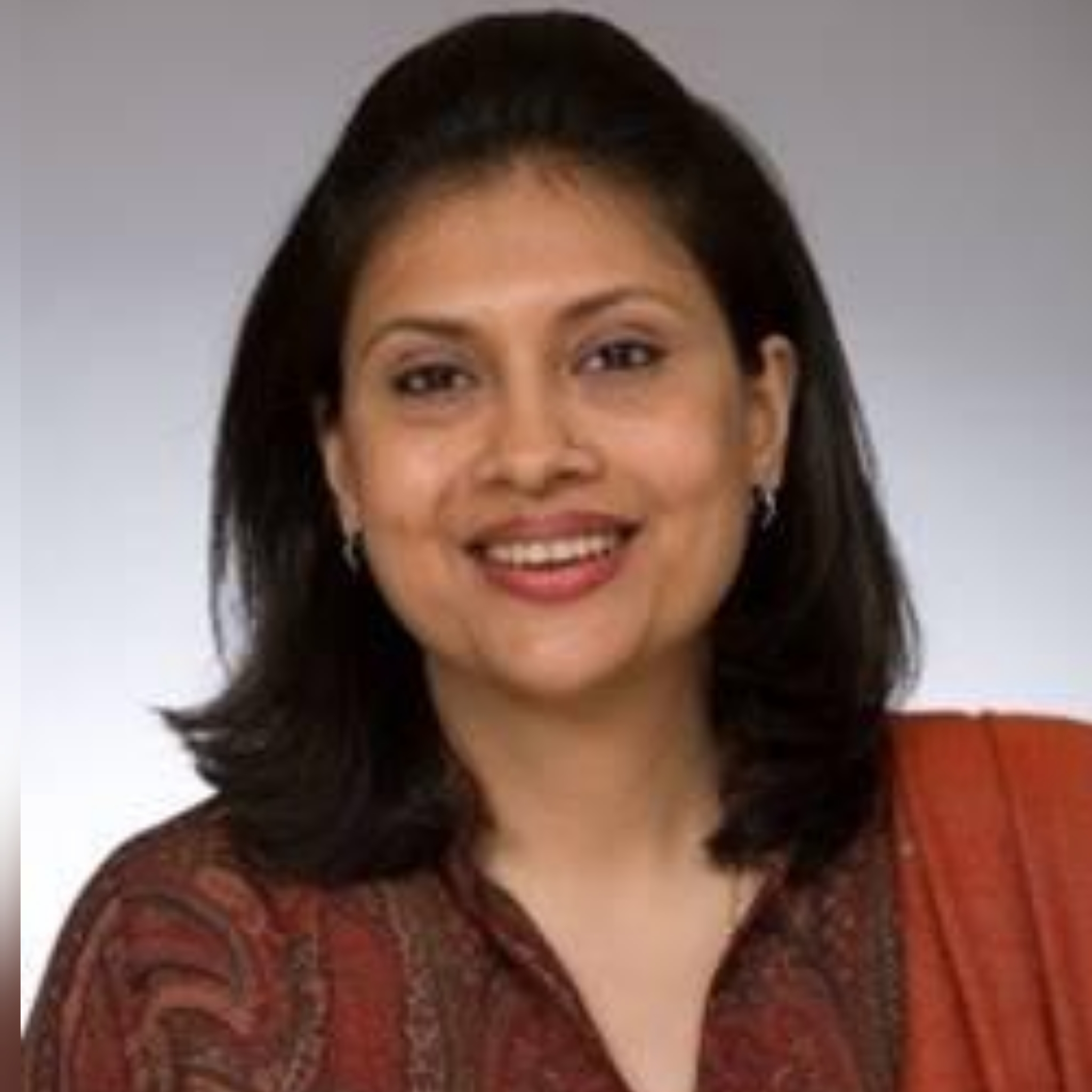
    New Delhi: Coca-Cola on Thursday strengthened its leadership team and appointed Devyani Rajya Laxmi Rana, as vice president Public Affairs, Communications, and Sustainability for India and Southwest Asia.

    Formerly, Devyani was director of Public Affairs for India, Nepal, Bhutan for Caterpillar India, leading Caterpillar and its subsidiaries’ work in government/corporate affairs, public relations and communications, corporate social responsibility, and sustainability for the region. Before that, she led portfolios with the United Nations Development Program (UNDP) and United Nations (UN) in India, as well as The Schwab Foundation for Social Entrepreneurship, Geneva, Switzerland World Economic Forum (WEF).

    She has over 25 years of work experience in government and corporate affairs, strategic business advocacy, risk management, communications, CSR, and sustainability.

    Coca-Cola, president, India, and Southwest Asia, Sanket Ray said, “I am delighted to welcome Devyani on this exciting charter to deepen Coca-Cola’s engagement in the region as she joins the leadership team to spearhead the practice in the region. Devyani brings a wealth of experience in advocating for policies, legislation, trade agreements, and regulations. Her contributions will augment our belief in our purpose even stronger and serve as an acceleration of the work that was already underway.”

    Devyani has successfully developed effective strategies focused on maximizing impact in the region on infrastructure, environmental, social and governance, and trade, resulting in business profitability, increased footprint, and expanded manufacturing operations for domestic and export markets, said the company in a statement. Apart from that, she has also led advocacy, internal, external, and brand communications initiatives that have delivered positive business outcomes and contributed to the engagement of the organizations and teams she served.

    An alumnus of London School of Economics and Political Science (LSE), London, Devyani holds a Master’s Degree in Political Science from Tribhuvan University, Kirtipur in Nepal and a Bachelor of Arts, (Hons.) in Political Science from Lady Shri Ram College, University of Delhi, New Delhi, India.

  • National brands gauge the Bangla TV market on Tele-wise Bangla summit

    Mumbai: There is little doubt about television as a far-reaching instrument of viewership connecting masses pan India. It remains the medium of choice to build reach and brand salience. However, as the second wave of the pandemic swept through the country, it also impacted the overall TV viewership across regions. This, in turn led the advertisers and brands to reflect on the way they leveraged TV to reach out to their target audience.

    As a part of the inaugural edition of the Tele-wise Bangla Summit 2021 organised by Indiantelevision.com in partnership with Zee Bangla, industry experts and stakeholders from across sectors weighed in on the strength of the West Bengal TV market and the disruption caused by Covid-19 on people’s lives, their consumer spending, and TV viewing habits.

    In an informative discussion ‘Gauging the Might of the Market’ –  moderated by independent media consultant Paritosh Joshi, marketers debated on how the Bangla market remains highly relevant for national brands looking to make their presence felt in the state when it comes to TV ad spends.

    The session kicked off with Joshi observing that, although the pandemic has largely resulted in an overall bleak economic environment, FMCG remained the sole bright spot. Godrej Consumer Products Limited marketing head (homecare category) Somasree Bose Awasthi pitched in that it was true specifically with regards to essential items, which have been driving the growth in the sector. The premium or discretionary categories like grooming or hygiene products have suffered a setback in the last year. She added, however, that the reverse migration due to the pandemic had led to a revival in the rural economy across the country, including West Bengal.
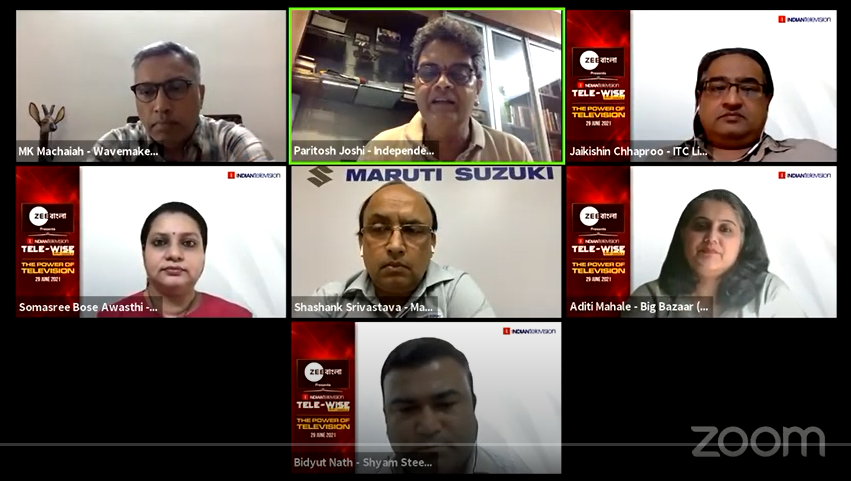
    Shyam Steel India, head of brand marketing, Bidyut Nath corroborated this by saying that, while the pandemic had brought most large-scale construction activity in the cities to a standstill, with workers going back to their villages, it had continued almost uninterrupted in the rural areas as people did not cease to build houses for themselves, irrespective of the pandemic. So while there was little positive growth in the sector, it did reflect a steady growth with nearly 69 per cent of the populace constructing homes, he said.

    The panellists discussed how the pandemic also caused people to become risk-averse when it came to buying decisions, due to which market leaders in a particular sector and trusted brands gained.

    According to Maruti Suzuki India’s marketing & sales executive director Shashank Srivastava in such times, the trusted brands become the anchor for consumers. “That trust helped us, and our market share went up in most segments, despite Automobiles being a discretionary, high-value purchase. In general, the retail sales were better in 2020 than the previous year for Maruti, mainly because of the change in consumer perception towards public transport, resulting in more people becoming inclined towards owning private vehicles,” he said.

    However, the fall in incomes did show in the “telescoping of demand”, whereby the demand for a higher segment shifted towards a lower segment vehicle, he added.

    Future Group’s Big Bazaar marketing head Aditi Mahale shared that while the group had 15 to 20 stores across the state, nearly eight to ten of them were based out of Kolkata.

    “We had to cut back on TV ad-spend last year, mainly due to lack of fresh content, and we focused more on the news genre and digital,” said Mahale, but the group continues to use television as part of its marketing strategy, especially during regional festivals, for “retail is, by nature, always local” with even their competition being largely local in the genre.

    For ITC, which has its roots in West Bengal, the state is “priority #1 market”, said ITC’s Media & PR head Jaikishin Chhaproo, largely because of the unparalleled distribution strength that it provides.

    When it came to the media mix in the state, panellists shared that television had a regional reach of more than 70 per cent in the state. Hence brands try to capitalize on the richness of the regional content by preparing creatives with local flavour and by going “hyper-local”.

    “Becoming hyper-local is the need of the hour. Doing local TVCs with local actors really pays off. But brands face challenges in terms of talent & cost,” said Wavemaker India’s ITC lead and special initiatives president MK Machaiah.

    In West Bengal, like most other markets- there is an innate attachment to sports. So while Shyam Steel India did see great brand engagement post onboarding Virat Kohli and Anushka Sharma as brand ambassadors, Bidyuth Nath agreed that going hyper-local by engaging with local celebrities is also indispensable. All panellists agreed on the value that localised content brings to brand promotions in the state, regardless of the medium – print, television, or digital.

  • Zupee appoints Gaurav Mehta as CMO

    New Delhi: Zupee has announced Gaurav Mehta as the company’s new chief marketing officer. He was previously associated with GirnarSoft – the name behind the automotive market, Cardekho.com.

    A post-graduate in Brand Management and Media Planning from Mudra Institute of Communications (MICA), Ahmedabad, Mehta has diverse experience spanning 19 years, which includes 13 years as a digital business expert in a number of leading companies. “An analytics and research-driven marketer, Gaurav has been in the mobile marketing space since 2008,” said the company in a social media post.

    Mehta also shared the update in a LinkedIn post and added that he would be working alongside Zupee, founder and CEO Dilsher Malhi to enhance the skill-based gaming platform. He also thanked CarDekho’s chief executive officer and co-founder Amit Jain for the support he received from the company during his stint.

    In his career spanning over 19 years, Mehta has worked with OLX South Asia as chief marketing officer for four years and as chief manager at Yahoo.

  • Tata Studi shows the right way to learn in its new ad campaign

    New Delhi: E-learning application, Tata Studi has launched a new ad campaign, positioning the platform as a ‘perfect’ after-school coach for students.

    Conceptualised by Gozoop, the campaign – Padhne ka Sahi Tareeka (the right way to learn’ highlights the functionality of the application and showcases the science of learning that helps a child become an independent learner. The app also lets parents know how their child is performing, through a feature called ‘Progress Tracker’.

    Tata ClassEdge, chief- B2C, Sachin Torne said, “We want to enable students to plan and schedule their studies across different subjects, learn systematically instead of cramming and rote-learning and use effective study strategies to confidently face exams. There’s a science behind effective learning and Studi packs in some of the best principles from this science.”

    The ad series is aligned to emphasise on dedicated facets provided by Studi, which is part of the Tata group and caters to CBSE students of Class 1 to 8. The campaign was released on both electronic and online platforms.

    “Parents want their children to be more independent in their studies. They want them to experience more, get inspired more, shine more – Studi is a means to that end – a coach in the life of the child where he / she can learn concepts that last for long,” said Gozoop, group director, brand communications, Megha Ahuja. “This campaign will capture many such stories and trace the trajectories of children and parents like you and me, who can benefit from edutech learning, but in the right way. Our aim has been to capture the same story throughout.”

  • Throwback Thursdays: A look back at game-changer ad campaigns over the years

    Mumbai: IndianTelevision.com kicks off its Throwback Thursdays series where we go into flashback mode to revisit brilliant ad campaigns created over the years – one campaign at a time. Be it in Print, Television, or Digital (in the recent past)- the medium is irrelevant so long as the messaging was crystal clear and the execution fantastic.

    And what better campaign to kickstart with, than one considered by many ad gurus as one of the greatest ad campaigns of all times – and one that broke new ground and changed the rules of the game.

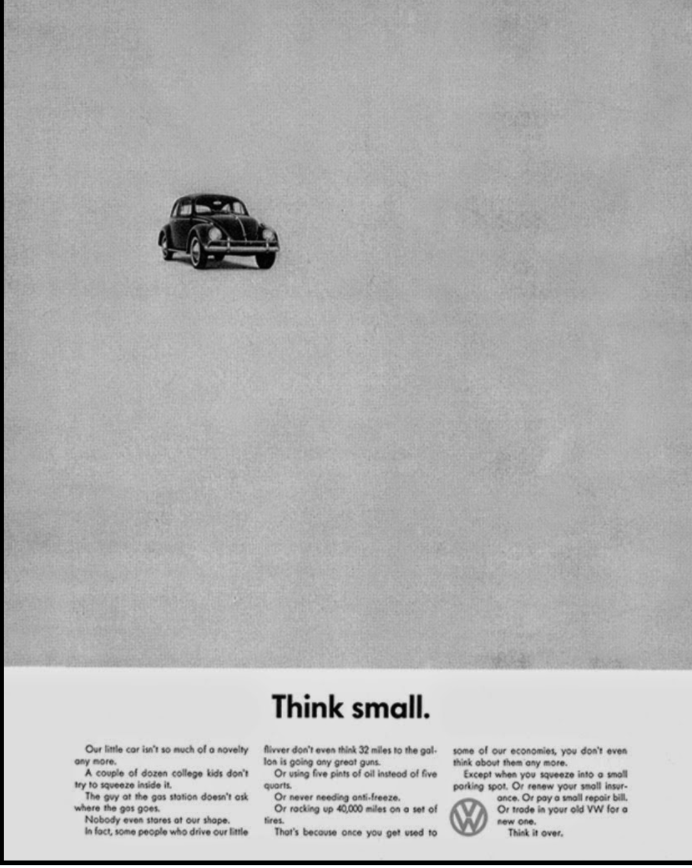
    It’s the 1960s ‘Think Small‘ ad campaign for the Volkswagen Beetle.

    Product: Volkswagen Beetle car

    Agency: Doyle Dane Bernbach (DDB)

    Country: United States

    Year: 1959

    Think Small was one of the most famous ads in the advertising campaign for the Volkswagen Beetle, art-directed by Helmut Krone, the copy written by Julian Koenig.

    However, there was nothing small about the campaign’s aspirations!

    Consider this. The first Beetles arrived in the United States in the 1950s. Volkswagen had hired the Doyle Dane Bernbach (DDB) ad agency to create a campaign that would introduce the German car to the US market.

    A lot was working against the Beetle. It was small and plain in comparison to the big, flashy cars that Americans were obsessed with, at the time. Also, it was awkwardly shaped (which later led to it being dubbed the “Beetle”). And to make matters worse for its sellers, this was at a time when following World War II the anti-German sentiment was at a high. The initial reception to the car was expectedly lukewarm.

    Here’s how an ad agency changed the car’s fate.

    In 1960, DDB launched a game-changing campaign called “Think Small”, that promoted the car’s diminutive size as a distinct advantage to consumers.

    The black & white campaign encouraged drivers to “Think Small.” DDB revolved the print campaigns around the car’s ‘small’ form and focussed on minimalism. It contradicted the traditional association of automobiles with luxury and big size, keeping simplicity at its core.
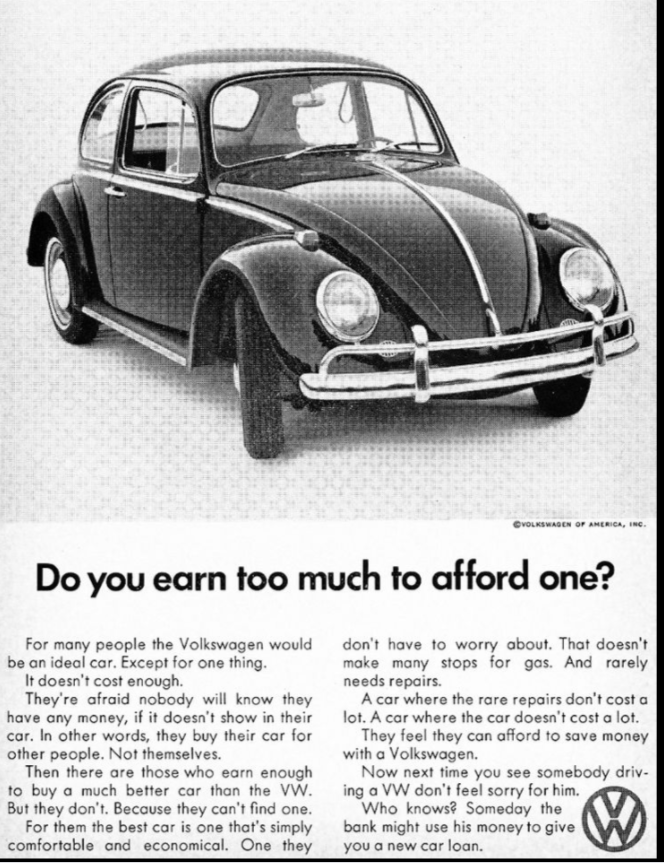
    This is why most of the print ads from this campaign and others that followed had a lot of empty white space with a small, stark picture of a Beetle, followed by a copy that matter-of-factly listed the compact car’s advantages in an irreverent, even self-deprecating manner.

    Each ad that followed in the series stood on its own, highlighting the car’s strengths while not trying to hide its possible weakness. And they were so cleverly done that they left the readers keen to watch out for the next one.

    Even more notably, the ads were modestly unpretentious and emphasised as much on the intelligence, frugality, and essence of the Beetle’s buyer as they did on the car itself. The smart copy asking ‘Do you earn too much to afford one’, is a case in point- implying that don’t let your money (or its excess thereof) come in the way of buying a good car!

    This tone of dry humour became a hallmark of Volkswagen Beetle ads, even later in its Television commercials. The ads effectively made the case for why owning a small, oddly-shaped car (in other words: thinking small) actually made sense, managing to show the consumer the bigger picture.

    And the rest, as they say, is history or rather the stuff that advertising lore is made up of.

    The Volkswagen Beetle Print Ads shook the automobile industry and the marketing landscape of the 1960s and over the next several years, VW became the top-selling auto-import in the US.     

    Doyle Dane Bernbach’s Volkswagen Beetle campaign was ranked as the best advertising campaign of the twentieth century by Ad Age, in a survey of North American advertisements.

    The distinctive but simple print campaign and the equally brilliant ones that followed it, brought widespread attention to the car, imbibing the Beetle in pop culture for years to come.

    It did much more than boost sales and build a lifetime of brand loyalty. The ad, and the work of the creative minds behind it, changed the very nature of advertising, becoming known as one of the most legendary campaigns of all time.