Tag: brands

  • Dentsu cracks the code: three human truths that will define marketing in 2026

    Dentsu cracks the code: three human truths that will define marketing in 2026

    MUMBAI: In an era where artificial intelligence orchestrates our every click, the most valuable marketing insights remain decidedly human. Dentsu’s latest media trends report strips away the algorithmic complexity to reveal three enduring behaviours that will separate winners from also-rans in 2026: our craving for simplicity, our need to connect, and our dwindling attention spans.

    The sixteenth edition of Human Truths in the Algorithmic Era arrives as brands grapple with seismic shifts—conversational search engines that blur the line between query and oracle, agentic AI that promises to shop on our behalf, and cultural formats from Japanese anime to Chinese microdramas rewrite entertainment rule books.

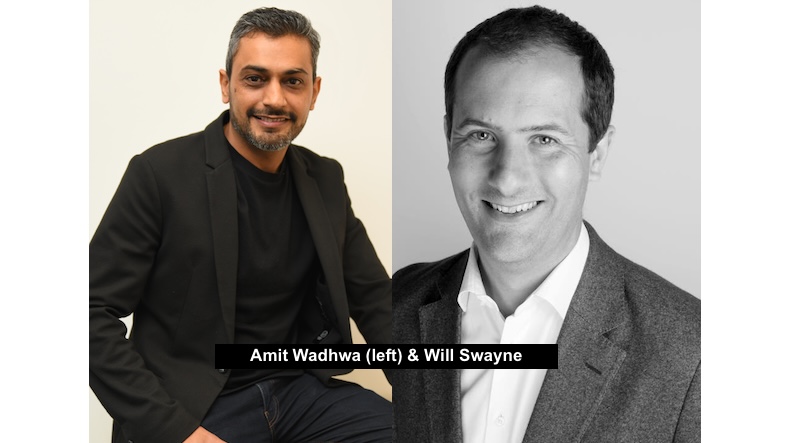
    “Just a few years ago, the media landscape seemed dominated by a handful of platforms,” said dentsu global practice president of media and integrated solutions  Will Swayne. “By 2026, the foundations may crack even further. Brands must focus on what remains stable over time by rooting their strategic thinking in core, invariable human behaviours.”

    The first truth—we are simple until we are complex—captures how consumers chase convenience but rebel against algorithmic predictability. Nobody enjoys searching for parking spots or wading through bloated recipe blogs. Yet the Labubu plush toy frenzy proves the thrill of the chase still matters.

    Dentsu identifies search experience optimisation as the new battleground, encompassing everything from large language model optimisation to retail search. As zero-click searches proliferate, brands must ensure content appears everywhere consumers look—whether that’s ChatGPT, TikTok or Amazon.

    The report warns against “agent inflation”—rushing to deploy AI agents without strategy. With 80 per cent of chief marketing officers citing generative AI as a priority investment, dentsu urges building context-aware systems with governance safeguards, not chatbots slapped together for boardroom optics.

    Then there’s the friction paradox. Whilst Amazon rolls out instant-scan shopping and same-day perishable delivery, cult brands like Knitwrth announce collection drops weeks in advance with strict no-returns policies. Trader Joe’s refuses online ordering entirely. Strategic friction, dentsu argues, can spark desire and build community—if wielded deliberately.

    The second truth—we are social animals—explores how influence has decentralised. Nearly half of American adults regularly spend time with friends, and 83 per cent of consumers believe brands should facilitate human connections, not just transactions.

    Reddit threads now rival mainstream media for product reviews. Substack recently surpassed The Wall Street Journal in traffic. Dentsu’s research shows promotional content from creators holds attention longer and drives greater consideration than brand ads—but only when creators retain control.

    The report urges brands to invest in diverse smaller creators with authentic ties rather than chasing mega-influencers. Twice as many people engage most with influencers under one million followers than with mega-influencers. Gen Z favour Twitch and Discord; boomers prefer LinkedIn and Facebook.

    Live experiences remain unmatched for forging shared memories. Streaming platforms are acquiring sports rights and launching original live programming—WWE’s Raw has ranked in Netflix’s global top 10 every week in 2025. Meanwhile, Millennial nostalgia is peaking: Oasis tours, Buffy reboots, and The Devil Wears Prada sequels are minting money in 2026.

    Business messaging is finally monetising at scale. WhatsApp, WeChat and Messenger each boast over one billion monthly users, with WhatsApp reportedly opened 891 times monthly versus TikTok’s 359. New ad placements are emerging, but the real opportunity lies in unified commerce and customer experience through persistent conversations.

    The third truth—we don’t read advertising—acknowledges that nobody ever has. Howard Luck Gossage nailed it decades ago: “People read what interests them; and sometimes it’s an ad.”

    With exploding screen time and AI slop drowning feeds, advertisers are collectively spending more to reach fewer people. Dentsu’s answer: play the quality game, not the saturation game.

    AI-generated audiences offer a way forward. These synthetic consumer profiles simulate real-world attitudes and behaviours, providing immediate creative feedback and reducing research costs. Dentsu’s Generative Audiences capability combines ID-based precision with AI-driven scale, enabling brands to engage known customers accurately whilst connecting with new audiences as interests shift.

    Carat’s Brand Reset research—the world’s largest attention study on video’s long-term impact, spanning 40,000 people and ten NextGen video platforms—reveals that connected television now delivers outcomes comparable to broadcast. A single CTV exposure lifts long-term sales by 3.16 per cent over three years, approaching broadcast television’s 3.61 per cent. Even short-form vertical video in fast-scroll environments can lift sales by 6.62 per cent with proper attention.

    Entertainment presents untapped white space. Sports docuseries reach 40 per cent of global consumers monthly, capturing women, Gen Z and emerging markets where traditional sports lag. Gaming still captures less than five per cent of global media investment despite massive user bases. And 50 per cent of Gen Z watch anime at least weekly—more than any major sports league in the United States.

    dentsu creative and media brands in South Asia chief executive Amit Wadhwa frames the challenge starkly: “In a world ruled by algorithms, human truths remain our compass. Technology opens doors, but empathy, creativity and understanding people will determine who truly wins.”

    The report, developed by 30 global media experts, positions media not as a channel but as a growth engine connecting creativity, commerce and culture. Brands that anchor strategy in enduring human truths whilst embracing new formats—from agentic AI to microdramas—can move beyond mere survival.

    Because in 2026, as algorithms reshape everything from search to shopping to storytelling, the brands that win won’t be those with the most agents or the biggest ad budgets. They’ll be the ones that remember we’re still human—simple when we can be, social when we need to be, and utterly unmoved by advertising that forgets what interests us.

  • Real Bazar pitches AI matchmaking for the creator economy

    Real Bazar pitches AI matchmaking for the creator economy

    MUMBAI:The influencer marketing game is worth $24bn, yet brands still struggle to find creators who actually suit them—and creators still struggle to get paid properly. Real Bazar, a Mumbai startup launched on October 1st, reckons it has the answer: artificial intelligence that plays cupid between companies and content-makers.

    Co-founded by Abhishek Mittal and Viraj Dave, the platform uses AI to match brands with creators whose audiences and styles align with their needs, then handles everything from brainstorming reels to tracking performance and processing payments. The pitch is simple: stop wasting time on mismatched collaborations and botched content.

    “The creator economy is at a critical inflection point,” says co-founder Mittal. Brands face mounting pressure to produce short-form video content that resonates, he argues, whilst creators struggle to monetise their work effectively. Real Bazar’s gambit is to transform what he calls “transactional collaborations” into sustained partnerships.

    The platform offers three core functions. Its AI-integrated reel studio helps companies draft and optimise video content at speed. Its matchmaking engine analyses brand objectives against creator profiles, pairing them by niche, engagement and audience fit. And its collaboration hub manages negotiations, payments and performance tracking in one place.

    Whether Real Bazar can solve influencer marketing’s thorniest problems—authenticity, transparency and return on investment—remains an open question. But in a market where brands are desperate for content that converts and creators are hungry for fair pay, the startup is betting that algorithmic efficiency beats human intuition.

    The platform launched with little fanfare beyond its press release. Time will tell whether its AI can truly decode the alchemy of viral content—or whether it simply adds another layer of technology to an already crowded market.

  • Brands miss a trick with gTLDs as Icann opens digital land grab

    Brands miss a trick with gTLDs as Icann opens digital land grab

    MUMBAI: A fresh survey from the Internet Corporation for Assigned Names and Numbers (Icann) reveals that 52 per cent of marketing leaders see serious brand-boosting potential in owning a bespoke top-level domain—but a third haven’t the faintest clue what a gTLD actually is.

    Top-level domains (the bit after the dot, like .london, .tech or .love) are about to hit the market again, with Icann gearing up to open its first application window in over a decade come April 2026. But despite the looming gold rush, many brands are snoozing through the starter gun.

    Of the 2,000-plus marketers surveyed across eight countries—including the UK, US, China and India—only 19 per cent had ever worked at a firm that applied for a gTLD. Yet once they were told what a gTLD is, a staggering 92 per cent could see the upside. Chief attractions? Brand differentiation (46 per cent), improved trust (45 per cent), tighter online control (44 per cent), and better SEO (44 per cent). In short, more power behind the dot.

    Still, roadblocks remain. Cost (31 per cent), ignorance (27 per cent), and tight resources (24 per cent) are keeping the gTLD dream on ice for many. Regional views are anything but uniform: Nigeria (74 per cent) and India (61 per cent) are bullish on the potential, while China is more split—half the marketers there think gTLDs are worth it, the other half call them a waste of money.

    This matters. Marketers say standing out online is their top challenge (53 per cent), followed by grabbing the right audience (52 per cent) and keeping up with digital trends (47 per cent). A gTLD—essentially your own walled garden on the Internet—could be a game-changer. Think trust, exclusivity, and a domain that actually means something.

    Icann SVP of global domains & strategy Theresa Swinehart says: “The New gTLD Program: Next Round presents an opportunity for businesses, communities, governments, and others to apply to operate their own secure space online, tailored to fit their organization, community, culture, language, and customer interests. Now is also the moment for brands to consider applying for a gTLD, and this research tells us there is still a lack of awareness. Icann can help provide information and raise awareness of the Next Round and the opportunity it presents for global communities, organizations, and businesses, including brands.”

    For brands looking to own their digital patch—whether it’s .coffee, .africa or .you—the clock is ticking. And with consumers more sceptical than ever online, trust might just come in three characters or more.

    Read the full report: Understanding the gTLD Opportunity for Brands

  • Cricket and cinema: the strategic brand accelerator in India’s cultural economy

    Cricket and cinema: the strategic brand accelerator in India’s cultural economy

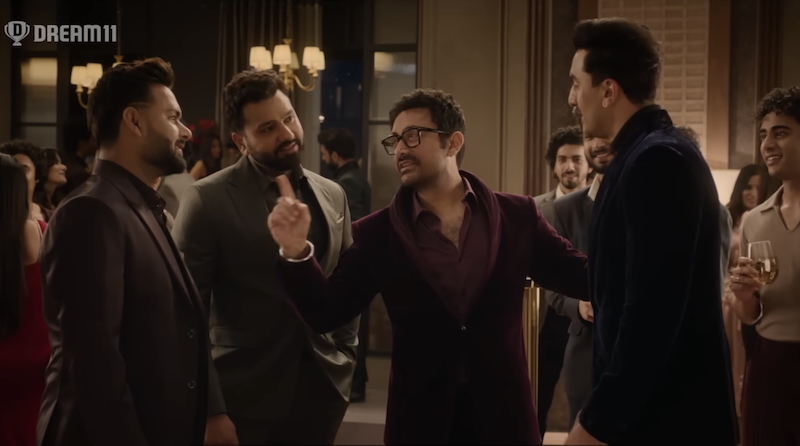
    MUMBAI: With IPL 2025 underway, it’s worth examining why the combination of cricket and Indian cinema remains the most potent market entry and brand acceleration strategy in India’s dynamic consumer economy. Brands like Dream11 and EMotorad continue to demonstrate how effectively leveraging the insight ‘cricket and cinema unite India as a country’ can drive exceptional marketing results. 

    What makes cricket and cinema uniquely powerful is their unparalleled ability to transcend India’s extraordinary diversity. In a nation with 22 official languages and countless regional subcultures, these two cultural forces create a shared national experience that cuts across all demographic divides. The data supports this observation: when mapped against consumer engagement metrics, no other cultural touchpoints come close to matching their penetration across income brackets, age groups, and geographic regions. This isn’t merely entertainment – it’s the social fabric that connects 1.4 billion people. 

    For brands like Dream11 and EMotorad that recognise this cultural alignment, the benefits extend far beyond conventional marketing metrics: 

    The 2024 IPL season shattered all previous viewership records, reaching an astonishing 572 million viewers across platforms, with average engagement time increasing to 47 minutes per match. This represents nearly 40 per cent of India’s population actively engaged with a single longish running event.

    When these viewership patterns are overlaid with the social media footprint of leading Indian cinema personalities – many commanding follower-ships larger than the population of European countries – the potential reach becomes unparalleled in global marketing. The cross-platform amplification effect creates a visibility multiplier that traditional media planning simply cannot replicate. 

    EMotorad Dhoni Sandeep Vanga Raddy

    Analysis of over 200 Indian brand campaigns shows that those leveraging both cricket and Indian cinema consistently generate emotional engagement scores 3.7x higher than those using either element alone. This emotional resonance translates directly to brand affinity metrics that persist long after campaign completion. 

    The strategic advantage of this dual approach lies in its demographic universality. Consumer panel research across 18 Indian states reveals that cricket-cinema integrations uniquely solve the urban rural divide that plagues most marketing strategies. 

    In a market where consumer trust metrics show declining confidence in traditional advertising, the implicit endorsement effect of cricket-Indian cinema integrations provides a critical credibility accelerator. Recent research indicates brands with authentic cricket and cinema  associations report up to 41 per cent higher trust ratings than category competitors. This trust premium directly influences the consumer decision journey, with 68 per cent of consumers demonstrating increased purchase intent for products within this ecosystem. 

    Forward-thinking brands are now moving beyond simple endorsements to create sophisticated ecosystem strategies that maximize the cricket-cinema connection. Through narrative integration, these brands develop authentic storylines that merge cricket themes with Indian cinema storytelling conventions, creating content that resonates at a deeper cultural level with Indian audiences. 

    Their platform architecture constructs comprehensive touchpoint ecosystems that begin during IPL broadcasts, extend through celebrity social channels, and culminate in immersive digital experiences, creating seamless consumer journeys across multiple media. Additionally, strategic brands position themselves to capitalise on specific cricket-cinema convergence points—such as celebrity reactions to dramatic match moments—enabling real-time engagement that feels organic rather than manufactured. This integrated approach allows brands to participate in cultural conversations in ways that traditional advertising simply cannot achieve. 

    As more brands recognize this strategy, the key differentiator has become execution sophistication. Brands achieving breakthrough results are those implementing “cultural intelligence” – the ability to authentically participate in the cricket-cinema conversation rather than simply appropriate its imagery. 

    The most successful campaigns demonstrate deep understanding of the subtle cultural codes embedded within both cricket and cinema, allowing them to engage at a level that feels native rather than commercial. 


    Jaspreet Bumrah Haridik Pandya Dream11

    Perhaps most importantly, leading brands have developed specialized metrics to quantify the impact of cricket-cinema integrations beyond traditional marketing KPIs. These include cultural relevance scores, conversation share analysis, and cross-platform engagement attribution that capture the true business impact of these strategies. 

    In India’s intensely competitive brand landscape, the cinema-cinema  convergence represents not just a marketing tactic but a strategic imperative. Brands like Dream11 and EMotorad haven’t merely adopted this approach – they’ve embedded it within their core business strategy. 

    With another IPL season, the brands that will emerge victorious are those that recognize a fundamental truth: in India, cricket and cinema aren’t just marketing channels – they are the cultural operating system through which consumers experience and interpret brand meaning. 

    The question for strategic leaders isn’t whether to engage with this cultural ecosystem, but how to do so with the sophistication and authenticity that today’s discerning Indian consumer demands. 

  • How storytelling paints a profitable picture for brands: Ficci Frames

    How storytelling paints a profitable picture for brands: Ficci Frames

    MUMBAI: Once upon a brand… In a world flooded with content, the magic of storytelling remains the ultimate spell to captivate audiences and cash in on consumer loyalty. 

    At the launch of the M&E report Ficci Frames 2025, industry titans came together to discuss the growing influence of curated storytelling in advertising, proving that a well-told narrative isn’t just about selling a product, it’s about building a brand that lives in people’s hearts and minds.

    With television and OTT platforms continuing to dominate audience engagement, storytelling has evolved into a strategic art form, transforming advertisements from mere promotions into cultural touchpoints. Whether in entertainment, sports, or news, audiences forge deep emotional bonds with stories, elevating characters into household names and making brands an intrinsic part of their daily lives.

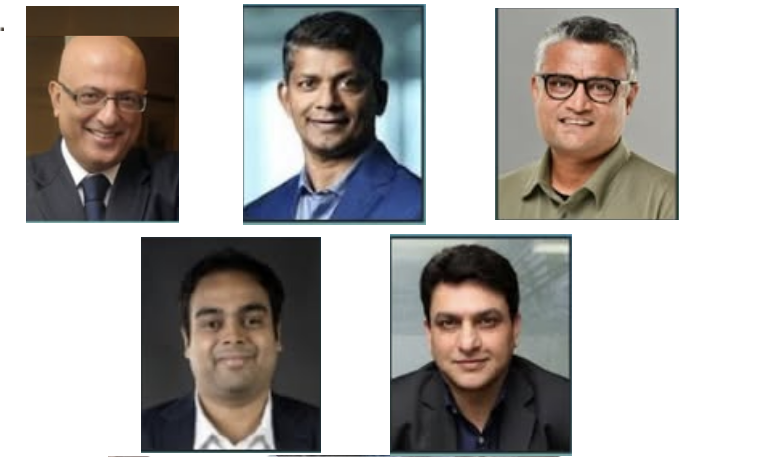
    Moderated by Madison Media & OOH group CEO Vikram Sakhuja, the panel featured industry leaders: Ajit Varghese (JioStar), Prasanth Kumar (GroupM), Ashwin Moorthy (Godrej Consumer Products Ltd ), and Ashish Sehgal (Zee Entertainment Enterprise Ltd.). Together, they dissected how brands can maximise the power of storytelling to boost engagement, drive conversions, and optimise their return on media investments.

    The panelists agreed on one fundamental truth: storytelling isn’t just about visibility, it’s about relatability. In today’s digital landscape, where consumers are bombarded with advertisements, the challenge isn’t just to be seen but to be remembered. The secret? Emotionally resonant narratives that seamlessly integrate brand messaging into content that audiences already love.

    “The most impactful ads don’t feel like ads at all,” said Ajit Varghese. “They are stories that resonate, narratives that connect, and moments that become part of popular culture.”

    Prasanth Kumar echoed this sentiment, explaining that consumer trust is no longer built on frequency alone but on emotional relatability. “You can buy eyeballs, but you have to earn loyalty,” he pointed out, emphasising the importance of crafting stories that entertain rather than interrupt.

    With digital fatigue setting in and audiences gaining more control over what they watch and how they engage, traditional advertising tactics are losing effectiveness. This is where professionally curated storytelling steps in, offering brands a way to naturally embed themselves into content without disrupting the viewing experience.
    It’s no coincidence that brands that invest heavily in storytelling are also the ones driving stronger consumer recall and, ultimately, better business. With OTT platforms enabling hyper-personalised targeting, advertisers are no longer casting a wide net but rather crafting messages that resonate with specific audience segments.

    “The beauty of curated storytelling is that it allows for a seamless blend of brand messaging within content that audiences already love,” said Ashwin Moorthy. “It’s not about pushing a product; it’s about making it an organic part of the consumer’s experience.”

    This shift is evident in the way brands are reimagining their advertising strategies. Instead of simply placing an ad between episodes, brands are now becoming part of the narrative itself. From cleverly placed product integrations in OTT series to brand-led storytelling that feels like high-quality entertainment rather than a sales pitch, advertisers are realising that the most effective marketing doesn’t feel like marketing at all.

    And the numbers back it up. A well-executed brand story doesn’t just build awareness, it drives action. Whether it’s increased purchase intent, higher engagement, or stronger customer retention, storytelling delivers tangible returns. As ad spends increasingly tilt towards premium content collaborations, brands are moving away from traditional formats and investing in innovative, immersive narratives that blur the lines between content and commerce.

    Looking ahead, the advertising industry is undergoing a seismic shift. Gone are the days when commercials were an unwelcome interruption. Today’s audiences demand content that is engaging, relevant, and seamlessly integrated into their viewing experience. The most successful brands will be those that adapt to this new reality, using storytelling to create experiences rather than just advertisements.

    Ashish Sehgal summed it up perfectly: “Tomorrow’s best ads will not feel like ads. They will be experiences, seamless, engaging, and deeply personal.”

    The panel also touched on the growing importance of trust and credibility in advertising. With misinformation and ad fatigue on the rise, consumers are becoming more discerning about the content they engage with. This places a greater responsibility on brands to ensure that their storytelling is not just compelling but also ethical and authentic.

    For advertisers, the message is clear: investing in storytelling is no longer optional, it’s essential. In an era where consumers can skip, mute, and scroll past traditional ads, the brands that win will be the ones that weave themselves into the narratives people love.

    As the session wrapped up, one thing was certain, whether on TV, OTT, or digital platforms, the future of advertising belongs to those who tell the best stories. Because at the end of the day, great marketing isn’t just about selling a product. It’s about making people believe in a story and wanting to be part of it.

  • Mad Influence launches Xley – a marketplace for creators and brands

    Mad Influence launches Xley – a marketplace for creators and brands

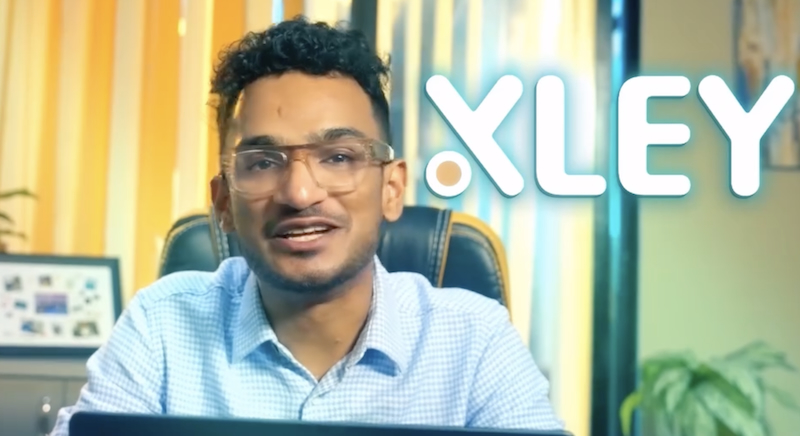
    MUMBAI: Another influencer marketplace which claims to simplify life for creators and advertisers has been announced. Called Xley (pronounced zilley) it’s coming from the Mad group, which is the parent company of influencer marketing agency Mad Infuence.  

    An invite only market place, it claims to use AI and ML to simplify, optimise and elevate brand creator collaborations. It has access to about 200 million creators across YouTube, Instagram and Tiktok, in more than 54 languages, 10,000 cities ad 150 countries.

    The platform is claimed to have three core pillars: advance audience insights, extensive creator discover tools, and comprehensive campaign management and performance tracking.

    Xley’s key features are claimed to include creator discovery, utilising over 25 advanced filters for demographics, language, niche, and audience interests; ML-powered insights for campaign analysis and performance tracking; an effortless management dashboard to plan, execute, and monitor campaigns; scalability to suit various campaign needs; and data-driven decisions through advanced analytics to maximise ROI and refine marketing strategies

    “Xley is more than just a marketplace; it’s a movement to empower creators,” Mad Influencer and Xley founder Gautam Madhavan, “It’s  a platform that reimagines the creator economy.”

    “Our vision was to create a platform that not only offers real-time analytics of social profiles but also simplifies and automates end-to-end campaign management in one cohesive space. As development progressed, it became evident that Xley’s capabilities extended far beyond initial expectations – enabling a broader user base, optimising efficiency, and empowering content creators with enhanced visibility and streamlined brand partnerships. By significantly reducing manual workloads, accelerating timelines, and improving ROI, Xley stands as a transformative solution, redefining how brands and creators collaborate globally,” added Xley head of strategy Aman Narula.

    For brands, Xley  automates manual processes like creator vetting and campaign tracking, improves ROI through data-driven insights, and extends global reach by connecting with creators across diverse languages and regions. Creators benefit from global visibility, access to aligned campaign opportunities, the ability to build long-term partnerships, a centralised hub for managing campaign-related activities, business analytics, revenue tracking, and effective campaign management with faster approvals and reduced downtime.

  • Kraftshala’s 2024 digital marketing hiring trends: skilled entry level jobs in demand

    Kraftshala’s 2024 digital marketing hiring trends: skilled entry level jobs in demand

    MUMBAI: It’s back to offices for most digital marketing companies, remote working is passe at the entry level – maybe hybrid working is ok –  according to a trends report released by edtech platform for  marketing jobs   Kraftshala. 

    Entitled the Digital Marketing Trends Report 2024, it highlighted the surging demand for skilled entry-level digital marketers despite news of hiring slowdowns across the year in other sectors. The report provides a detailed analysis of 765 roles floated during Kraftshala’s placement processes for three programs: marketing launchpad, marketing launchpad (emerging talent – hinglish), and content and social media launchpad.

    Key findings revealed a steady increase in entry-level hiring in 2024, driven by agencies and large brands actively seeking skilled professionals. Agencies accounted for 60 per cent of these roles, underscoring their reliance on fresh talent for growth. Bangalore, Mumbai, and Delhi-NCR emerged as dominant hiring hubs, contributing to 67 per cent of the roles. Interestingly, cities like Pune, Hyderabad, Jaipur, Chennai, Kolkata are also growing in prominence in India’s digital marketing landscape.

    Kraftshala DataBangalore remains the top choice for competitive compensation, with 28 per cent  of roles in the city offering higher cost to company (CTCs). Interestingly, cities like Chennai and Noida, despite their smaller market size, are also offering premium compensation for niche skills, demonstrating the growing importance of regional hubs in the hiring landscape.

    The workplace trends revealed by the report are equally compelling. 93 per cent  of the roles floated in 2024 were either in-office or hybrid, and only 7 per cent were fully remote. Employers emphasised collaboration and on-the-ground problem-solving, which explains the limited adoption of fully remote positions. For candidates, this shift underscores the need to be adaptable to workplace expectations while demonstrating the ability to thrive in team environments.

    Fluency in English remains a key factor for success, with over 80 per cent of marketing roles requiring understanding and a certain level of fluency in the language. While this does not preclude candidates with lesser fluency from securing opportunities, it does emphasize the advantage of strong communication skills during early hiring stages. 

    The perennial debate of skills versus degrees is also uncovered in this report where it’s clear that more and more recruiters are now open to non-linear career trajectories, valuing practical skills over conventional resumes. Examples of hires with non-traditional backgrounds, including those with career gaps or unrelated degrees or in fact no graduation degrees, illustrate the industry’s openness to diverse talent profiles.

    Said  Kraftshala founder & CEO Varun Satia: “The digital marketing industry is at a fascinating crossroads, with immense opportunities for those willing to upskill and adapt to the changing landscape. Recruiters are not just looking for candidates with certificates but those who can bring real value through their problem-solving abilities and technical knowledge. This report underscores the importance of building practical, hands-on expertise to stand out in today’s competitive job market.”

    “What we’re seeing now is a clear departure from traditional hiring practices. Employers are willing to pay premium salaries even for entry-level roles, provided the candidates can demonstrate their ability to think critically and adapt to emerging technologies. This is a wake-up call for students to not just focus on collecting certificates but actually focus on skill building.”Varun Satia

    Recruiters are shifting their focus away from traditional hiring processes like aptitude and psychometric tests, instead prioritizing tasks that gauge problem-solving abilities and encourage candidates to apply themselves. This change aligns with the decline of basic roles, which are increasingly being automated or redefined. In parallel, recruiters are demonstrating a willingness to pay higher salaries for skilled candidates, even if it means extending the hiring timeline to secure the right talent. “

    The report also underscores the challenge of ensuring quality among a growing pool of applicants. An example in the report notes how an emerging company sifted through 7,000 applications over five months to fill a single digital marketing role, highlighting the critical importance of demonstrated skills over superficial qualifications.
    Kraftshala’s findings also shed light on the growing importance of technical specialisations. Roles in programmatic advertising and e-commerce are experiencing rapid growth, reflecting the industry’s adoption of cutting-edge technologies and emerging trends. 

    (The main picture of this story was generated using Microsoft Image generator. No copyright infringement is intended.)

  • WPP and Universal Music partner for brands and bands

    WPP and Universal Music partner for brands and bands

    MUMBAI: This could be music to WPP’s  clients’ ears.  The creative transformation company and  music-based entertainment  powerhouse Universal Music group (UMG)  announced on 12 December that they are planning to work in harmony with each other.

    The duo has got into a strategic partnership that will provide clients’ brands with cutting-edge audience engagement strategies leveraging the power of music. The new alliance  brings together UMG’s family of artists and labels, and its global data and insights team, with WPP’s creative scale and extensive client network, giving brands new opportunities to connect with audiences through music. 

    The collaborative partnership offers WPP clients’ new opportunities to connect with some of the world’s most popular artists and their music, and unique access to UMG’s iconic music catalogue to unlock additional areas of amplification through data-driven and technological innovation. In addition, WPP and UMG will work together to responsibly explore new ways that AI can better help brands and artists connect and create authentic cultural moments.

    The announcement builds upon the history of successful collaboration between WPP and UMG for Brands (UMGB), as exemplified by their ongoing partnership with The Coca-Cola Co. Working together, WPP and UMG have collaborated on global initiatives such as the award-winning Coke Studio and Sprite Limelight music platforms. Through these programmes, a diverse array of established and emerging artists have amplified brand messaging, galvanising fan communities worldwide while expanding their audiences. 

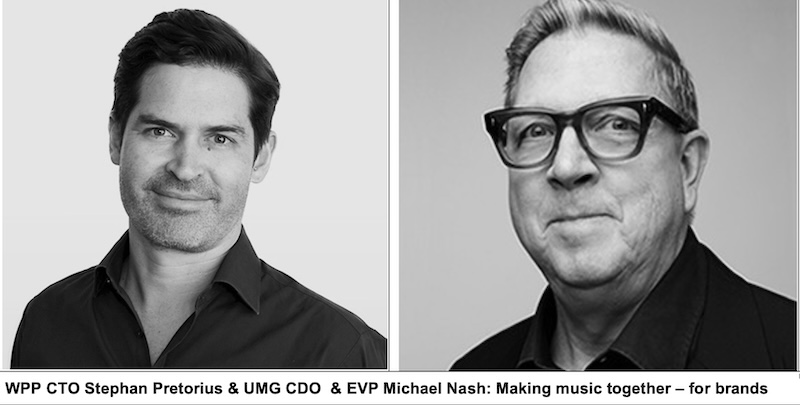
    “Music is becoming an even more powerful cultural force, and technology is rewriting how we experience it,” said WPP chief technology officer Stephan Pretorius. “This partnership with UMG will allow us to leverage emerging technologies and data insights to create truly innovative music-driven campaigns for our clients, shaping the future of brand engagement.”

    “This collaboration provides benefits to stakeholders of each company. On  the one hand, combining innovative new technologies with UMG’s industry-leading data insights, we can create significant new commercial opportunities for our artists and songwriters,” added  UMG chief digital officer & EVP Michael Nash. “In addition, working together with WPP, we will harness and amplify the unmatched power and reach of music for WPP’s clients and brands through new strategic initiatives and programmes.”

    This initiative is part of WPP’s larger strategy to invest in data and technology-driven solutions and partnerships with the world’s leading companies to drive value for its clients. Hopefully, WPP’s clients have their headphones on and are listening. 

  • Pepperfry enters luxury furniture & home decor market

    Pepperfry enters luxury furniture & home decor market

    Mumbai: Pepperfry, an e-commerce furniture and home decor marketplace, has forayed into the luxury furniture and home decor category. This launch caters to customers seeking high-end, unique pieces.

    The luxury furniture segment offers over 650 items from 25 brands, including Freedom Tree, Orange Tree, and Ziba Homes. The home decor segment features over 1000 products from 30 brands like Jaipur Rugs, Noritake, and India Circus. The collection includes sofas, dining sets, carpets, lamps, and lights, crafted with premium materials.

    Pepperfry chief business officer Hussaine Kesury said, “Our leadership in the furniture, mattress and home decoer segment has always been fueled by innovation and a deep understanding of our customers’ evolving needs. Recent consumer insights show a clear surge in demand for premium furniture and home decor, with more customers seeking luxurious, high-quality options for their homes. Leading brands have echoed this demand, reinforcing the need for a dedicated luxury segment. With our vast omnichannel presence across 100+ cities and 150+ stores, expanding into this space was a natural progression. We are excited to offer discerning customers a curated selection of luxury furniture and home decor, further cementing Pepperfry’s position as the premier destination for all home furnishing needs.”

    In the next quarter, Pepperfry will expand its offerings by adding premium and luxury brands across its omnichannel platform. In response to growing demand for luxury goods, the brand plans to introduce over 5,000 exclusive products from national and international brands in the furniture and home decor category. This move strengthens Pepperfry’s position as a key destination for customers seeking premium home products.

  • Apple’s success in India shows manufacturing as key to employment: Ashish Dhawan

    Apple’s success in India shows manufacturing as key to employment: Ashish Dhawan

    Mumbai: The Convergence Foundation (TCF) founder-CEO Ashish Dhawan emphasised India’s success in electronics manufacturing as a clear sign of the country’s potential to boost job creation. Dhawan highlighted Apple’s rapid expansion in India, with its 29th factory being established in the country in just two to three years.

    “Many doubted India’s capability in manufacturing, questioning our productivity. But Apple’s success shows we can make it happen. This should instill confidence in India’s capacity for large-scale electronics production,” Dhawan stated.

    He urged stakeholders to view this success as a step toward addressing India’s labour-intensive exports gap, stressing the country’s demographic advantages and lower labour costs compared to China. However, he cautioned that significant reforms are still needed, particularly around reducing regulatory hurdles, improving ease of doing business, and investing in infrastructure.

    Dhawan stressed the importance of tying manufacturing growth to job creation. In a conversation with Foundation for Economic Development (FED) founder-director Rahul Ahluwalia, he pointed out that while sectors like automobile manufacturing have become more capital-intensive, industries like electronics assembly and apparel can create more jobs, which is critical for India today.

    “The government’s role in enhancing competitiveness has been vital,” Dhawan said, crediting both central and state governments for their efforts to improve labour and land policies. “Business leaders are calling for competitiveness, and the government is responding.”

    Dhawan also urged India to set its sights on matching the success of East Asian economies like South Korea, Taiwan, and Vietnam. He cited Uttar Pradesh as an example, pointing out the stark difference in exports between the state and Vietnam, despite UP’s much larger population. Dhawan called for a strategic push to capture the world market in labour-intensive sectors, comparing India’s performance with East Asian benchmarks.

    Dhawan further advocated for India to become the world’s skills hub. He pointed out that India already leads in global remittances, receiving $120 billion annually, and projected this could grow to $300 billion if India strategically sends more skilled workers abroad.

    He also called for government-to-government arrangements to facilitate temporary work visas in OECD countries, where 50 million jobs are expected to open up over the next two decades. India, Dhawan argued, is well-positioned to supply skilled labour in sectors like healthcare, domestic services, and more.