Tag: brand

  • Times Group shuts down Pune Mirror, turns Mumbai Mirror to a weekly

    Times Group shuts down Pune Mirror, turns Mumbai Mirror to a weekly

    New Delhi: The pandemic, lockdown and unprecedented economic crisis have massively impacted the media industry. It has hit the distribution, circulation, and advertising revenues of these companies.

    The latest victim of this unprecedented crisis is the Times Group, which has decided to cease the publishing of Pune Mirror and relaunch Mumbai Mirror as a weekly newspaper. Both these products will continue to have a strong digital presence.

    In a statement issued, the Times Group said, “Following months of discussions and deliberations, we have made this extremely difficult and painful decision to recalibrate our portfolio of publications. We truly value the contribution of our journalists and other staff towards building such a strong brand in a relatively short time, and thank them for their hard work and great effort.”

    It further said that not only has the newspaper industry been among the hardest-hit in terms of revenues, but it has also been weighed down by an import duty that has added to newsprint costs. With the long-held hope of a stimulus not materializing and the Indian economy is now officially in recession.

    Mumbai Mirror was launched 15 years ago. Feisty and fearless, energetic and enthusiastic, playful yet punchy, the paper lived up to its name from the day it was born, mirroring Mumbai in all its myriad moods. It was as local as Mumbai’s locals – the lifeblood that keeps the city on track and moving. The paper became such an integral part of the reader’s life, driving the narrative of the city, that it was decided to extend the experience to Bengaluru, Pune and Ahmedabad.

    Mumbai Mirror had also released several successful brand campaigns that went on to be appreciated by the industry and the audiences.

  • Seniority & Nobel Hygiene’s latest offering is for silvers with active lifestyle

    Seniority & Nobel Hygiene’s latest offering is for silvers with active lifestyle

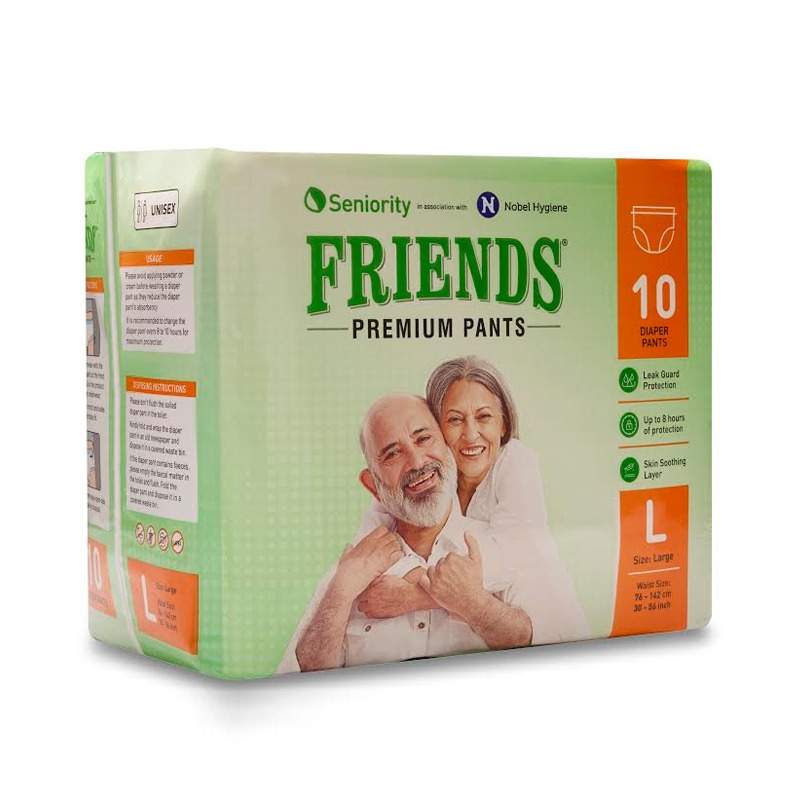
    NEW DELHI: Adult incontinence is a major health issue affecting millions of senior citizens across the world. In an effort to cater to the evolving needs of the elderly, Seniority and Nobel Hygiene have joined hands to launch a new range of adult diapers – Friends Premium Pants with a unique odour-lock technology and anti-bacterial core for added comfort.

    Friends Premium Pants has been designed with exclusive features such as leak guards on both sides to enhance its absorption capacity for up to 10 hours. The pant-style diapers offer greater comfort and hygiene, and are the perfect solution for elders with light incontinence issues. Its unique features provide the freedom, dignity, and confidence to the elderly to lead an active lifestyle.

    Seniority co-founder Tapan Mishra said, “Incontinence is not just a physiological issue but also a major mental health concern for the elderly and their caregivers. Our deep understanding of the consumers’ requirements, combined with the industry intelligence of Nobel Hygiene, has allowed us to introduce Friends Premium Pants. We are delighted with this collaboration since it strengthens our commitment to cater to the lifestyle needs of seniors and make them more mobile and independent.”

    Nobel Hygiene VP- marketing and commerce Kartik Johari said, "Friends Diapers remains steadfast in our commitment to the silvers in India, and to ensure that they receive the best-in-class products for their azadi. Thus, when Seniority approached us to co-create an offering for their audience, it was the perfect meld of market and product. We are glad to offer a special collaboration product to serve the needs of even more silvers.”

    Seniority has released several campaigns in order to reach out to its audience and create awareness about its products in the category.

  • Uday Shankar gets appointed as FICCI president

    Uday Shankar gets appointed as FICCI president

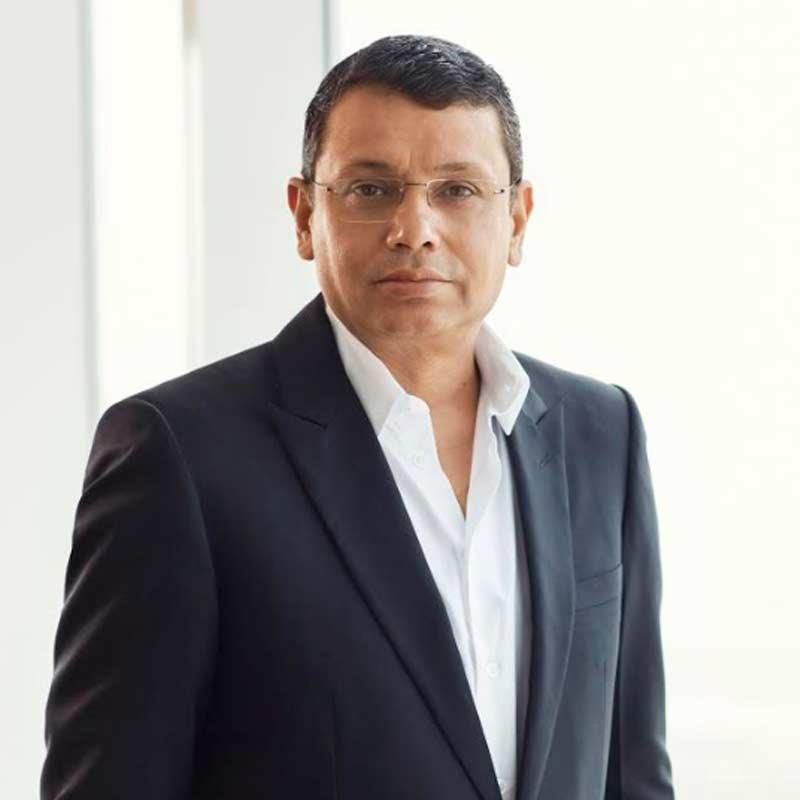
    MUMBAI: Here’s another stripe he’s adding to the numerous ones he has got during his fascinating career. Disney Star India chairperson and Walt Disney Co Asia Pacific president  Uday Shankar will take over as FICCI president–elect for 2020-21  during the lobbying body’s ninety third AGM on 11, 12, and 14 December 2020. He will succeed Apollo Hospitals managing director Sangeeta Reddy. 

    In the process, he will become the first ever media and entertainment industry executive to lead the national chamber . Prior to this he was chairman of FICCI’s media & entertainment committee, apart from being president of the Indian Broadcasting Foundation. 

    Uday currently leads Disney’s direct-to-consumer business in over 30 countries and has been behind the tremendous success Star India has achieved in entertainment and sports broadcasting, apart from the streaming service Disney +Hotstar. 

    Uday has also been a vociferous advocate of the entertainment and broadcasting sector, speaking out at times against regulation which has slowed down the TV ecosystem. He has been at the forefront of landmark initiatives in television broadcasting, such as self-regulation of content and digitisation of the broadcasting sector. He holds an M. Phil in economic history.

  • Advertising in newspapers most trusted by consumers: ASCI-ISA report

    Advertising in newspapers most trusted by consumers: ASCI-ISA report

    MUMBAI: Advertising seen on traditional media continues to enjoy high trust amongst consumers, with newspapers (86 per cent) emerging as the most trusted, a report by the Advertising Standards Council of India (ASCI) and the Indian Society of Advertisers (ISA) stated.

    The Trust in Advertising study, carried out by Nielsen, puts forth that while a section might say that people are no longer willing to trust advertising, a larger chunk of society still believes in brand advertising and their messages. They still make their purchases and preferences on the basis of this.

    The study was conducted with people across age groups in 20 centres in India, including metros, smaller towns and rural areas. The study found that eight out of 10 people trusted advertising messages across media.

    TV (94 per cent) was the most common medium for consumption of advertising, followed by digital (82 per cent), print (77 per cent) and radio (29 per cent). Viewership of TV ads is driven by non-metro markets.  Interestingly, viewership of ads on digital is the same in rural (82 per cent) as it is in metros (83 per cent).

    According to Nielsen global head – strategic alliances and new verticals Prasun Basu, this demonstrates the growing importance and centrality of this medium in the hinterland. ASCI spotted early that the growing consumption of digital content and advertising pointed to a permanent change in consumer behaviour and marketing. Accordingly, it set up robust monitoring mechanisms for digital platforms alongside its monitoring of print and TV advertising. It now scans more than 3,000 digital platforms for misleading messages.

    While newspapers are the most trusted medium of ads with 86 per cent consumers reposing faith in them, TV (83 per cent) and radio (83 per cent) are not far behind. Text/SMS ads were the least trusted at 52 per cent.

    About 70 per cent of the respondents said they trust advertisements which are endorsed by celebrities.  

    In terms of shifts, consumers put greater trust in advertisements consumed on TV, print, radio, social media, outdoor and search engines as compared to what they did in a similar survey conducted by Nielsen in 2015. However, there is a fall in the percentage of consumers trusting text messages over this period (58 per cent vs. 52 per cent).

    Among sectors, audiences displayed a very high level of trust for advertisements of educational institutions at 82 per cent. This is possibly because culturally, Indians have a strong belief in education as a means to secure their future. Ironically, ASCI finds that a significant portion of misleading ads come from the education sector. It therefore has a high focus on education sector advertising.

    “ASCI’s job of monitoring the education sector is even more crucial, given these findings. In India, the poorest of people prioritise education spends over other necessities. Most educational institutions promise job guarantees or make false claims of being the number one or guaranteeing 100 per cent placement without any objective data or evidence. We are doing our best to make sure that such false advertising is removed from the market,” said ASCI secretary general Manisha Kapoor.

    Home care products such as detergents, mosquito repellents etc as a sector also enjoys relatively higher trust levels. However, real estate advertisements were amongst the least trusted by consumers.

    When it comes to taking action when they see a misleading or offensive advertisement, about a third of consumers are likely to discuss this with their family/friends, another third take some action by posting it on social media, or reporting the same. However, almost 30 per cent of consumers do not take any action. This, too, is a major focus area of ASCI. It has used every tool available to make it easy for consumers to point out misleading claims in advertisements. Consumers can lodge complaints on its website (www.ascionline.org), or via email (contact@ascionline.org). Consumers can also send their complaints via WhatsApp (7710012345).

    According to ISA chairman Sunil Kataria said, “Brands are built on the back of long term communication with consumers and audiences. It is in the advertisers’ own self-interest to make sure that all communication is honest and truthful, so consumers can trust advertising messages, and thereby, brands. This study helps advertisers, agencies, media owners and planners understand what works well and introspect on what needs improvement.”

    Below is the report.

    A DETAILED STUDY ON ‘TRUST IN ADVERTISING’ (ascionline.org)

  • Honeygate: A sweet tale turns bitter for brands

    Honeygate: A sweet tale turns bitter for brands

    KOLKATA: Honey is one of the most loved home remedies or immunity booster in Indian households. With the onset of Covid2019, the sweet miracle has attracted more Indian consumers, even global buyers. But a plot-twist has changed the narrative, as top brands in the category are allegedly adulterating the product with the addition of sugar syrup.

    An investigation by the Centre for Science and Environment (CSE) has found that leading brands sell honey which doesn’t meet purity standards. Dabur, Patanjali, Apis Himalaya, Baidyanath, Zandu failed to clear the Nuclear Magnetic Resonance Spectroscopy (NMR) test. What’s more concerning is the fact that the business of adulteration has evolved to hoodwink stipulated Indian tests.

    “The honey category stands stirred and shaken. Sugar syrup is sure an adulterant. The next time a consumer reaches out for a jar of honey, there is going to be suspicion around. And rightly so. The brand equity of the category is stirred,” Harish Bijoor Consults Inc. brand guru and founder Harish Bijoor said.

    Will brand reputation and business suffer?

    As the brand reputation of honey is based on health benefits, the controversy is not going to bode well for manufacturers. Brand consultant Shubho Sengupta stated that the category is very close to Indian families, unlike new age brands. Certainly, the consumers will be disappointed, thereby impacting the brand equity. Consumers might look at it as “tampering with Indian tradition,” remarked Sengupta adding that there are many emotions at play. However, it is hard to make out what would be the impact on sales.

    Business strategist Lloyd Mathias echoed the sentiment, and noted that the addition of sugar syrup is damning, because consumers buy honey for its health benefits and some of the prominent brands like Dabur, Jandu, Patanjali being on the list is disheartening.

    “Honey, as an overarching category, promises purity. If that purity comes under question, then it is a huge blow on the brands that are failing the test. Today, a lot of consumers must be thinking about what they are buying. It impacts large brands very badly. Last time when something like this happened, brands like Pepsi, Maggie had a tough time coming back,” pointed out Naresh Gupta, co-founder & chief strategy officer at Bang In The Middle. He added that food is a very high involvement category and consumers will not be quiet if they found anything wrong with what they consume.

    Will this cause a long-term impact?

    However, Alchemist Brand Solutions founder and managing partner Samit Sinha differed slightly. He went on to explain that many of these brands have a wide portfolio and honey is not their flagship product and not even the biggest contributor to their revenues. Moreover, the brands in the rejected list are very large, established, and riding on strong momentum. Hence, they have the ability to ride out the storm.

    Moreover, a lot of developments happen but they are restricted to the intellectual community, and it is not certain if this one will actually reach the target consumer – the middle-class Indian housewives, he noted.

    “Our expectations on substantiating claims and superior products have been historically far-fetched and the attitude on the ground has been more like 'adjust karlenge'.  Also, the impact on the category will be short-term as the consumer mindset is like 'aisa toh sab karte hain' (everyone does this), so it is a possibility that people will get over it,” Sinha added.

    Mathias, too, held the view that while the report may cause a bit of a hub-bub now, public memory is short-lived. But if these brands don’t go and correct themselves, they will continue to lose in terms of consumers’ faith.

    “The only good thing is the brands will hopefully address the issue and will make sure they are not adulterating natural honey,” he said. Sinha’s also optimistic that one good thing that will emerge from the incident is that the brands will no longer sell fabricated products but superior products.

    However, after a huge face loss, the brands have started defending themselves. According to Gupta, these companies cannot debunk the claim just by releasing an ad saying “I am pure,” because the whole report has been covered widely across media. They will have to put their money where their mouth is to win back the consumers’ trust.

    While the experts agree that CSE is a reputed organisation which has carried similar movements in the past, Sengupta mentioned that consumers will, unfortunately, believe the brands’ claims because brands like Dabur will spend huge to kind of own the narrative. Very few consumers will care about an NGO report unless the competitors promote it.

    Will it help the brands that passed the test?

    You can count on one hand the number of brands that passed the quality test, among them being – Marico’s Saffola Honey, Markfed Sohna and Nature's Nectar. These products will jump in to maximise the impact, acknowledged Sengupta. Mathias concurred, adding that it is a positive endorsement for those brands. “Those two-three brands will be preferred hugely and they might come up with campaigns. That will bring a systematic change in the category. It’s a category dominated by heritage players for a very long period but suddenly the category will change,” Gupta commented.

    Saffola lost no time in tooting its horn and advertising the fact that it “has launched the best quality honey in its purest form” in India.

    “Every batch of Saffola Honey is tested using NMR (Nuclear Magnetic Resonance) technology, which is one of the most advanced tests in the world, in the best in class laboratories to ensure that it is 100 per cent pure, free from added sugars and free from any form of adulteration. Saffola Honey is produced at a USFDA registered plant with state-of-the-art technology ensuring robust quality checks and controls. Saffola Honey is also compliant with each of the quality parameters mandated by FSSAI,” a Marico spokesperson said.

    Right now, the biggest brands producing honey are like the magician whose best trick has been suddenly exposed for what it is – a sleight of hand. It will be interesting to see how the magic syrup makes its comeback.

  • ‘Forever in our kitchens & hearts’: Brands eulogise MDH Uncle

    ‘Forever in our kitchens & hearts’: Brands eulogise MDH Uncle

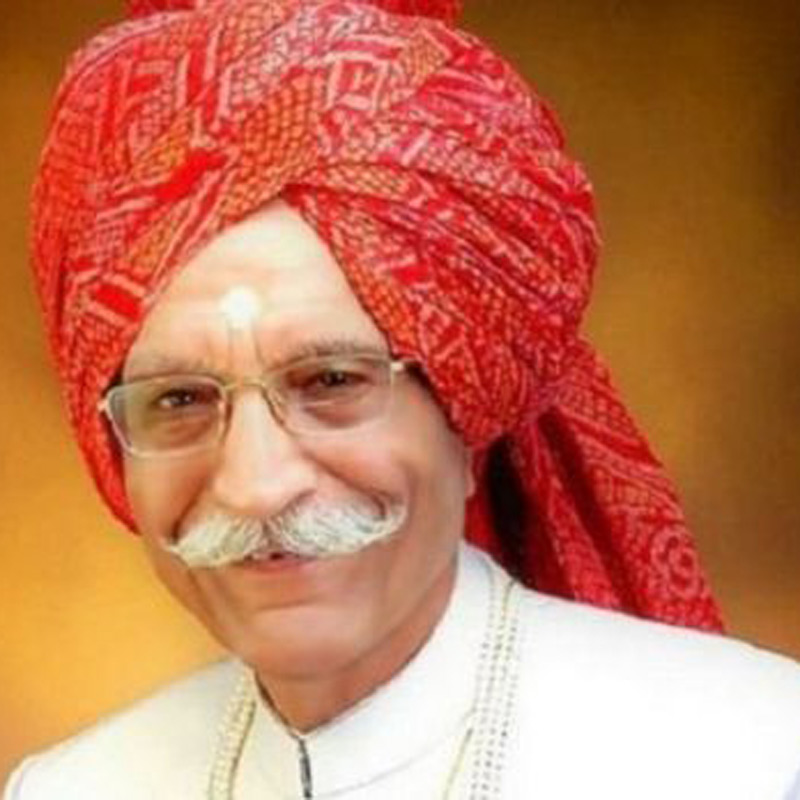
    New Delhi: It’s a sad day for the Indian business community with the passing of 'Mahashay’ Dharampal Gulati, owner and CEO of spice brand MDH (Mahashian Di Hatti), as well as the most recognisable grandpa on national television.

    He was known by many monikers: 'king of spices', ‘masala king’, ‘MDH uncle’ and there is hardly anyone in India who would have not heard the memorable jingle for the brand created under his tenure – ‘Asli Masale Sach Sach, MDH MDH’.

    He was undergoing treatment in Delhi for the last three weeks.

    From a small shop in Karol Bagh, late Mahashay Dharampal Gulati built MDH into one of India's leading spice brands, valued at around Rs 1,000 crore. He officially established his company in 1959. At present, MDH Spices, which reportedly manufactures nearly 50 different varieties of spices, has 15 factories across the country and sells its products all over the globe.

    He will always be regarded as an iconic entrepreneur and will continue to inspire generations ahead.

    Multiple brands across categories came forward to pay tribute to this iconic leader:- Pepsico


    A post shared by Pepsi India (@pepsiindia)

    Policybazaar

    Ceat

    Indigo

    Badshah Masala

    EaseMyTrip

  • Hero ISL shoots up 16 per cent in viewership

    Hero ISL shoots up 16 per cent in viewership

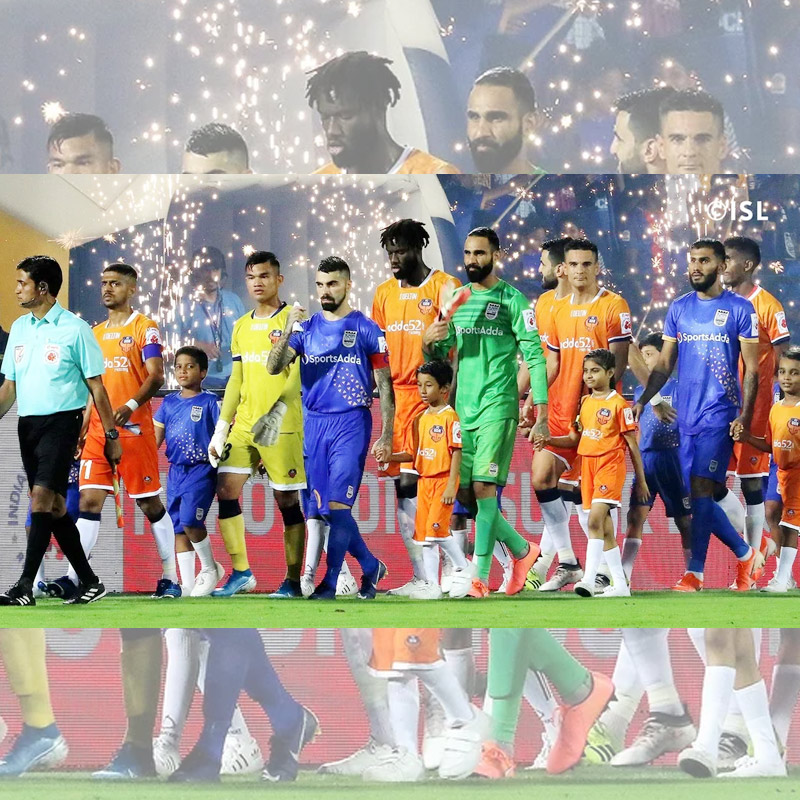
    MUMBAI: Football fever is going strong in India with the seventh edition of the Hero ISL currently underway. As the first major live sporting league played in the country post the onset of Covid2019, the Hero ISL has logged a significant growth trajectory with a 16 per cent spike in viewership in the opening week (first eight matches), as compared to the previous season. The growth is universally seen across markets – HSM 18 per cent, south 14 per cent.

    Hero ISL returned on 20 November in a new 11 team avatar, raising the competition a notch higher. The highly-anticipated Kolkata Derby between SC East Bengal and ATK Mohun Bagan debuted on 27 November and recorded the highest viewership for the legendary rivalry match. In fact, it’s 10X the viewership this fixture garnered in the Hero I-League in January 2020 at an all-India level.

    “We are thrilled to deliver a blockbuster opening week of the Hero ISL 2020-21. After a successful Dream11 IPL 2020, we laid emphasis on an enhanced viewing experience for football by stressing on product innovations, improved story-telling and fan engagement. We hope to maintain the momentum and build on the gains in viewership in Week 1. Hero ISL 2020-21 has also set the precedence for other sporting events to resume in India by following the highest safety standards,” Star India head sports Sanjog Gupta said.

    Acknowledging fandom across the globe, Hero ISL 2020-21 is being live broadcast in 83 countries across TV and digital platforms. Star India, the official broadcast partner in India, airs the tournament in seven languages and fans can also catch the action live on Disney+ Hotstar VIP and JioTV.

    Star Sports and FSDL introduced a series of exciting technological innovations this year to give fans the opportunity to engage with their favourite clubs and players from the comfort of their homes. The addition of a dedicated live Fan Wall raises the excitement a notch higher to help viewers celebrate important moments with their favourite team and heroes. The two LED screens feature fans from the home team and the away team, thus amplifying the rivalry virtually to enhance the viewing experience.

  • Meghna Chettri joins UTI Mutual Fund

    Meghna Chettri joins UTI Mutual Fund

    NEW DELHI: State Bank of India’s senior digital marketing manager Meghna Chettri has moved on from the organisation. She has joined UTI Mutual as senior associate vice president.

    Chettri drove the digital marketing function for SBI and led several successful campaigns under her leadership. She played a key role in pushing the recall of Yono, #GhasSeBanking, #GoVocalForLocal, and others.

    She has over eight years of experience and has had stints with Accenture and Cognizant in the past.

    During her career, she has won several awards and is a regular speaker at multiple forums.

  • Tata Tea Premium turns to Odisha with hyper-local advertising approach

    Tata Tea Premium turns to Odisha with hyper-local advertising approach

    NEW DELHI: Tata Tea is synonymous with its activism-led campaign – Jaago Re – that ran for nearly a decade and focused on multiple issues and subjects. It looked beyond the functional aspects of the tea advertising category and focused on self-actualisation – increased civic consciousness and political awareness — that a morning tea could offer its consumers. Undoubtedly, the campaign won over the audiences and gave a huge fillip to the brand in terms of brand recall and a strong market reputation.

    After a decade of Jaago Re campaigns, the brand decided to move a step forward and take a hyperlocal approach to its marketing strategy, shifting the needle from not just celebrating ‘India Pride’ but to also evoking ‘Regional Pride’. With this, Tata Tea Premium aims to usher in a new era of hyperlocal advertising and communication in the FMCG category and stay away from the clutter.

    In its quest to celebrate regional pride, the brand has recently launched its latest film focusing on Odisha. It illustrates how the people of Odisha don’t indulge in unnecessary confrontation but shows them taking charge when it counts.

    The proposition of the campaign is ‘Kadak Iraadon vale Odisha ke liye Kadak Assam Chai’.

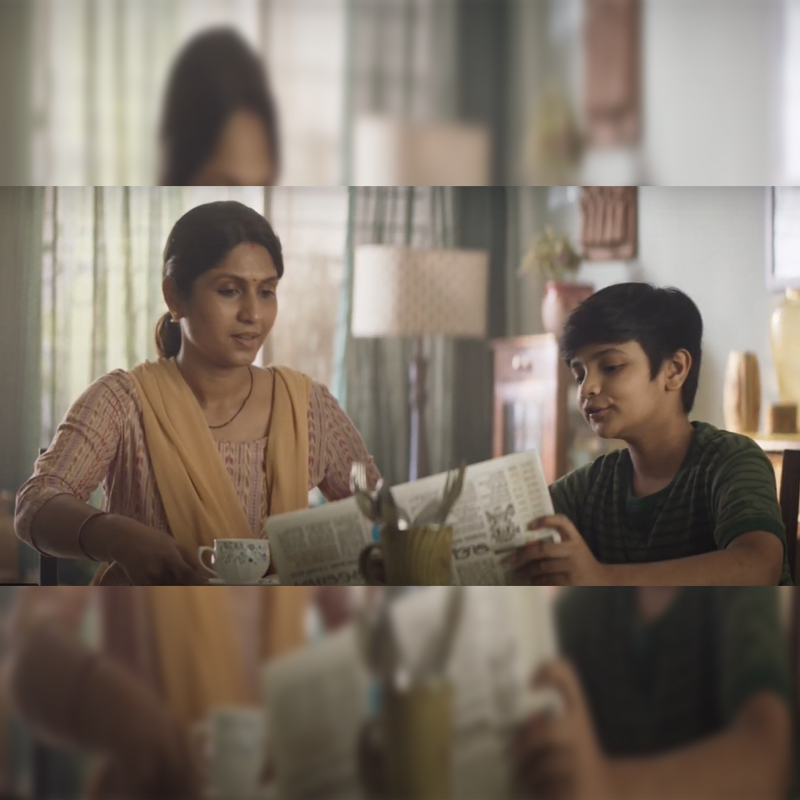
    Designed and conceptualised by Mullen Lintas, the film is set around the story of an Odia police officer. It opens with a mother and her son who are trying to take their scooter out of their own house but. due to their neighbours car being parked outside their gate, are unable to do so. While the son is livid as this keeps happening time and time again the mother does not want to get into needless arguments and would rather let it go. The turning point in the film comes when she gets an urgent call and has to rush to the office. It is seen that this woman is a police officer who has arrived at the police headquarters for a briefing to evacuate stranded people from a life-threatening cyclone. She shows her grit, bravery and strong resolve by leading the evacuation and getting people to safety.

    Once she has achieved this incredible feat we see her in the kitchen where she boils herself a cup of Tata Tea Premium. Her son then shows her a front-page article in an Odia newspaper where she is featured for her valour.

    Tata Consumer Products SVP marketing packaged beverages – India Puneet Das, said, “Our tea expertise has been catering to the local taste preferences and we are known for offering blended basis consumer taste preferences in various geographies across India. Today, while being Desh ki Chai, Tata Tea Premium celebrates the kadak spirit of Odisha and has showcased this pride of Odisha in its new packaging and communication, which is made especially for the region.”

    Earlier in 2019, the brand launched two campaigns around Delhi and UP. The two films focused on the cultural nuances of the two states and showcased how the people of the region are stereotyped. The UP film focused on power while the Delhi film focused on the city’s swag and how rich it is at its heart.

    It also launched state-specific packs featuring the ghats of Varanasi, Taj Mahal, dances, as well as iconic places and features of the capital, like the Delhi Metro and others.

    With the launch of the Odisha creative, the brand has clearly shown its intentions to build this hyperlocal campaign.

    Tata Tea comprises several brands – Tata Tea Agni, Tata Tea Elaichi, Tata Tea Premium and Tata Tea Gold. It is one of the biggest brands with a countrywide distribution. India is a tea-loving nation and nearly one out of every three people drink tea. It is estimated that 1.10 million tonnes of tea was consumed in 2019 and the market is only poised to grow in the coming years. Also, India is one of the biggest tea-producing countries. 

  • WhiteHat Jr brings in Hrithik Roshan for new campaign

    WhiteHat Jr brings in Hrithik Roshan for new campaign

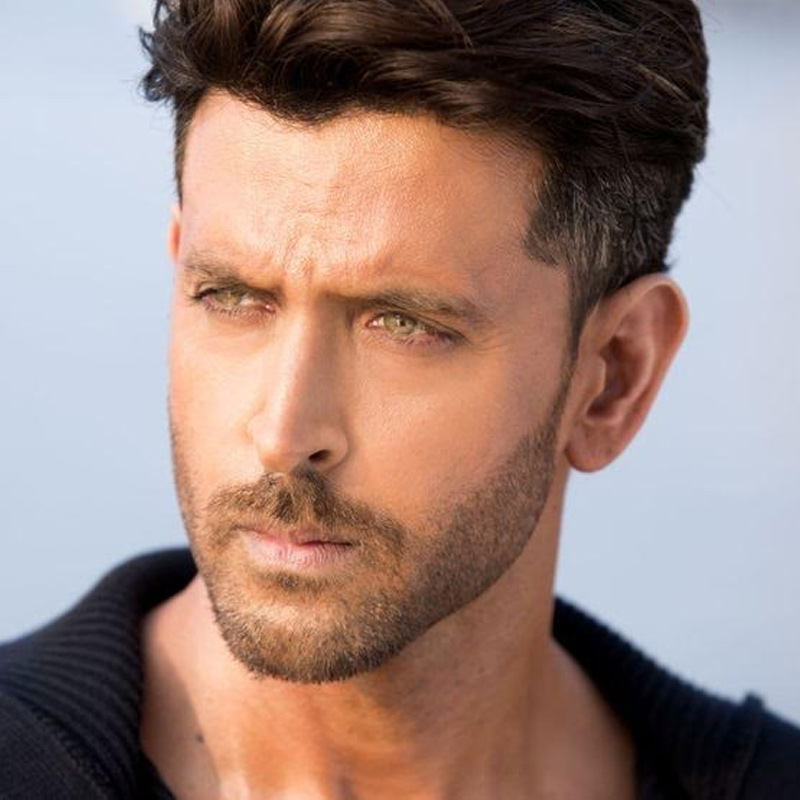
    NEW DELHI: WhiteHat Jr has roped in Bollywood actor Hrithik Roshan for its latest campaign, which urges students to book their free online coding class and sample the platform.

    The brand has already put in place its media plan across markets and the campaign is visible on the television. However, it is not yet clear if Roshan has come onboard as a brand endorser or appearing only for the present campaign.

    This is the second television campaign that WhiteHat Jr has initiated. The film showcases multiple investors and recruiters fighting to hire a young kid who has developed an app. The positioning of the brand is very clear – that it helps children learn more about technology from a very young age. 

    The move clearly states WhiteHat Jr’s intention to scale up in the market and cut across the audiences. For the record, WhiteHat Jr was bought out by Byju's in August this year for $300 million in an all-cash deal. Byju's acquired the platform with the objective to drive its ever-widening reach in the ed-tech space in the country.

    Roshan is one of the leading Bollywood endorsers and has been associated with multiple brands in past. He commands a large and loyal fan following which will give an edge to the Byju’s owned brand. He has nearly 33 million followers on Instagram, 29.9 million on Twitter and 17 million on Facebook. Roshan is a fitness freak and a progressive actor who has good films in his kitty. He is a big influencer.

    Interestingly, the move might also help the audiences to think about Byju’s in a brighter light as the ed-tech brand has been in the midst of controversies during the past months. It was embroiled in two lawsuits – one against angel investor Aniruddha Malpani, and another against software engineer Pradeep Poonia.

    WhiteHat Jr filed a $1.9 million case against Malpani alleging that he was defaming the company to promote his own start-up. The court has also sought Malpani’s written response in the matter by 14 January 2021. In a series of social media posts, Malpani had accused the ed-tech platform of hiring people with no coding skills. WhiteHat Jr got a major relief last month as HC passed an interim order restricting Malpani from posting, publishing or sharing any content derogatory or deprecatory of WhiteHat Jr or its content or management. It also asked the accused to take down selected social media posts.

    Malpani was earlier banned by LinkedIn for criticising WhiteHat Jr’s parent company Byju’s.

    A week prior to that, the Delhi high court had also asked software engineer Pradeep Poonia to restrict his criticism of the quality of teachers at WhiteHat Jr on social media platforms and pull down specific content. In this $2.6 million lawsuit, WhiteHat Jr had alleged that Poonia was in violation of the Trade Marks Act of 199, The Copyright Act of 1957 and Code of Civil Procedure of 1908.

    Poonia was also pulled up for sharing the name and numbers of lawyers who have filed the suit in the public domain, and hacking or accessing the internal communication platform Slack without authorisation and displaying communication between WhiteHat Jr’s employees on his YouTube channel. Poonia was also restrained from downloading any curriculum from WhiteHat Jr and circulating it to third parties. 

    Founded in 2018 by Karan Bajaj, WhiteHat Jr’s acquisition by Byju’s led to the fastest exit story in the Indian start-up ecosystem. At the time of signing the deal, WhiteHat Jr claimed it had achieved an annual revenue run rate of $150 million. It had over 5,000 teachers and was dedicating one instructor to each student. Byju's then decided to make significant investments into the start-up and help it expand beyond Indian shores. 

    The tides of fortunes turned in WhiteHat Jr’s favour with the Covid2019 pandemic, as students were unable to attend school and many parents enrolled their children in the platform's coding program to help them learn more about technology.

    Post-acquisition, WhiteHat Jr has aggressively worked towards gaining new users. It launched an ATL campaign that ran through IPL 13, creating a buzz for the brand.

    The campaign was supported with a strong digital and social media strategy. However, the brand had to face the ire of consumers on the digital front as it was continuously bombarding them with ads. On another occasion, it used the images of global leaders such as Sundar Pichai, Steve Jobs, Elon Musk and others to attract users, by urging them to be the next bigwig in Silicon Valley. Some of its ads were also in question and in October this year, the Advertising Standards Council of India (Asci) asked WhiteHat Jr to pull down several ads for making misleading claims.

    The ed-tech platform that teaches coding to children has definitely created a strong dent in the Indian start-up ecosystem and made inroads in the country – but not without more than its fair share of legal and PR hassles on the way.