Tag: brand marketing

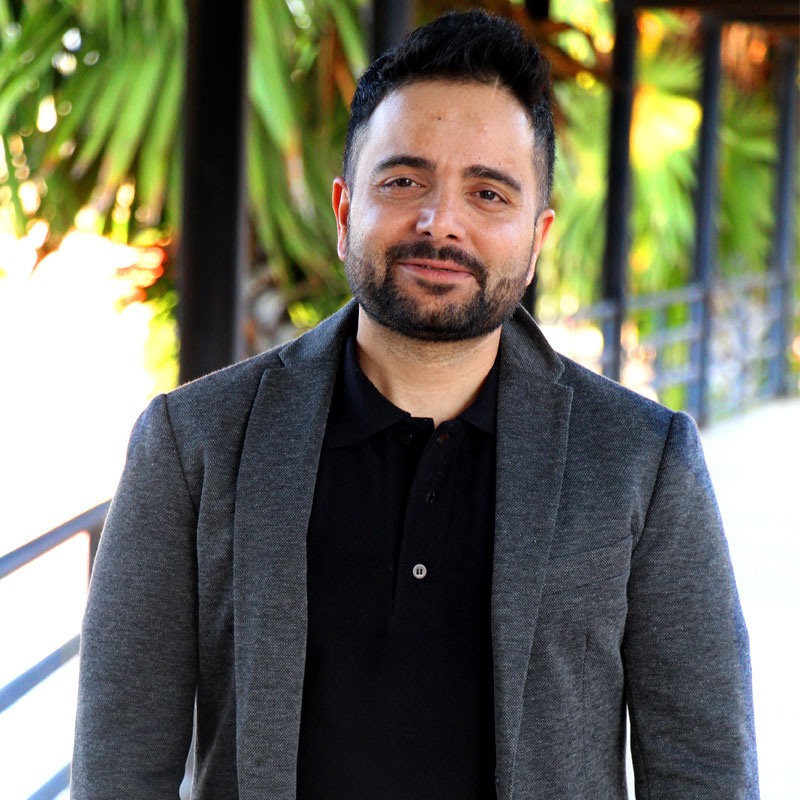
  • Preetha Athrey hits marketing jackpot, trades up to The Trade Desk as brand marketing director

    Preetha Athrey hits marketing jackpot, trades up to The Trade Desk as brand marketing director

    MUMBAI: Ever watched a seasoned marketer switch gigs like she’s flipping pancakes—swiftly, smoothly, and landing perfectly each time? Meet Preetha Athrey, who just flipped herself a sizzling new role as Director of Brand Marketing at The Trade Desk. If career moves were Olympic sports, she’d be clutching gold by now.

    Athrey, a seasoned brand-builder with a CV dazzling enough to make LinkedIn algorithms blush, announced today: “I’m happy to share that I’m starting a new position as director of brand marketing at The Trade Desk!”

    Athrey’s impressive professional innings include stints as marketing director for Twitter Asia Pacific, two-time entrepreneur, and roles at high-flying corporates such as Airtel, Time Warner, and Apollo Tyres. This certified independent director has navigated brands through marketing whirlwinds and emerged victorious each time. Talk about having more experience than a LinkedIn Influencer has connections!

    At The Trade Desk, a global leader in digital advertising technology, Athrey’s move signals a strategic play—much like swapping pawns for queens in a chess match of corporate marketing. Will her magic branding wand sprinkle gold dust again? Only every colleague who’s ever worked with her would say “obviously, yes!”

    Preetha Athrey stepping into her new role highlights the growing importance of brand narrative in a world ruled by algorithms and attention spans shorter than your last Netflix binge. Who better to keep audiences glued than someone who once kept Twitter timelines ticking across Asia Pacific?

    This career leap is not just a win for Athrey—it’s a slam dunk for The Trade Desk. As marketing continues to evolve at a dizzying pace, they’ve snagged someone who knows precisely how to make brands not just heard but adored.

    Stay tuned, folks—this could get very interesting, very fast. Because when Preetha Athrey makes a move, you know it’s going to shake things up.

  • GUEST ARTICLE: The creator economy and how it has evolved over the last few years

    GUEST ARTICLE: The creator economy and how it has evolved over the last few years

    Mumbai: For many decades, we have relied on traditional media outlets like television, radio, and print for our information and entertainment, consuming content created and curated by a few major media houses based on the preferences and requirements of the masses. The advent of the internet and web 2.0 brought a significant shift in how we consumed information by decentralising content communication, creation, and distribution. Thanks to the opportunity offered by social media, we found ordinary people like ourselves writing, filming, and creating niche as well as mass content that resonated with people worldwide.

    And as a result of this, people moved away from traditional media sources. They started surfing the internet to consume content and connect with people who shared similar interests and experiences. Over time, people learned to market their skills, hobbies, and interests online. This resulted in the rise of a new economy built by millions of independent content creators, curators, and community builders, marking the beginning of the “creator economy.”

    Today, the creator economy is estimated to be worth more than $100 billion, and it includes everyone who is a part of the web economy, such as social media, blogs, videos, software tools, and tech platforms like Hypothesis designed to help them grow and monetise.

    More than 50 million people worldwide identify as “creators,” with two million or more earning a living from their passion through platforms such as YouTube, Instagram, Twitch, TikTok, and others. According to a survey, YouTube content creators contributed a whopping Rs 6,800 crore to the Indian economy in 2020.

    The evolution of the creator economy

    ●      The birth of social media platforms

    Towards the end of the 2000s, we witnessed the birth of many social and content channels like YouTube, Instagram, Spotify, Medium, Linkedin, and more. The rise of the creator economy has relied heavily on the development of these platforms. We wouldn’t have creators if you didn’t have platforms on which they could create. It was due to social media sharing that content distribution became normalised. Today, creators are no longer at the mercy of large production companies, as these platforms have equipped them well to solve their distribution problems.

    ●      The emergence of influencer marketing

    Brands began to see the value in investing in creators to promote their products and services to their large on-platform audiences as they began to build a dedicated audience engaging with their content due to their skills and personalities. This proved a very successful marketing strategy, aka “influencer marketing,” as it allowed brands to tap into a new market and advertise to a niche audience more likely to be interested in the brand’s product during their moment of consumption.

    Brand sponsors began paying creators on platforms such as Instagram and Tiktok in exchange for their reach to an audience gained through the platforms.

    ●      Covid impact 

    As social media platforms proliferated, people found themselves increasingly attracted to screens, both as creators and consumers. What many believed would be a passing phase, like the dot-com era, soon became a compulsion.

    With the onset of the pandemic, millennials and gen-z turned towards social and subscription based platforms either out of boredom or to supplement their income due to the economic slump. Because of the nationwide lockdown, everyone was forced to use online health, education, shopping, and entertainment resources.

    This has led to the growing dominance of content creators in mainstream media who are willing to pay for tools that help them grow their content reach and maximise their revenue.

    ●      Creators are brands within themselves

    With the constant influx of influencers, competition for branded collaborations is becoming increasingly fierce, prompting influencers to seek alternative revenue streams.

    Instead of chasing revenue through generic clickbait content, influencers are becoming the new brands. Today, creators have gained enough loyalty from their audiences to be able to sell any product better than the traditional brands. Creators are launching their brands without investing millions of dollars in a team and resources, instead relying on a combination of audience and reach, good branding, and a distinct point of view with their product.

    Today, many brands consider working with creators an essential part of their brand and marketing strategy. But it remains a largely unorganised space, with discovering the right talent to work with and measuring success depending on how each brand structures its efforts. The creator economy needs a unified platform to connect brands with customers through the right influencers and manage the entire campaign pipeline. At the same time, it requires a platform for creators to engage with their audience and build meaningful relationships with brands.

    That’s where “influencer marketing software services” step in, allowing agencies and brands to discover the right creator, conduct outreach, set up campaigns, and track performance on one platform. On the supply side of the ecosystem, it empowers creators and influencers to reach their audiences by understanding their content performance and audience affinity and collaborating with brands and agencies.

    The author of this article is Hypothesis senior VP product and analytics Himani Agrawal.

  • GUEST ARTICLE: The future of brand marketing using influencers

    GUEST ARTICLE: The future of brand marketing using influencers

    Mumbai: ‘Influencer marketing is the future,’ ‘Influencer marketing helps brands reach millions,’ and ‘Influencer marketing has limitless potential.’ We see such statements across articles, news, blogs, etc. As we dissect the relevance and future of influencer marketing, let’s clarify what it is.

    Simply put, influencer marketing uses content creators on social media to craft engaging promotional content to drive traffic and conversions, boosting the brand’s growth and revenue. But is it true? Can we assume that brands can turn towards influencer marketing as the marketing industry’s future? And if so, how is this shift getting suitable returns? How is the integration happening across different mediums? How is it a reliable method of generating high ROI? Finally, and most importantly, what is influencer marketing for brands? In this article, we will unravel this boundless strategy.

    One strategy – multiple purposes served

    Influencer marketing, with its multifaceted benefits, serves more than one purpose. Some of the objectives of brand marketing with influencers can range from:

    1. Building brand awareness: Influencers can amp up the brand positioning and visibility for their respective followers, especially if they’re niche-based with a highly engaged audience.

    2. Increase reach: Influencers can help brands reach broader and more relevant audiences across cities or countries. This also helps the audience connect strongly with the brand that their favourite influencers associate with.

    3. Drive sales/traffic: Influencers can help brands get more qualified leads and traffic with their content.

    4. Improve brand image: Influencers are usually considered experts or key leaders in their niche or industry, and their followers highly value their opinions. When an influencer posts something good about or for the brand, this boosts the brand’s credibility and image.

    Sass and Sales are on the same side now-

    The evolution of digital marketing has taken over people’s digital privacy, so it’s safe to say that most of the expensive advertisements you’re pushing forward to your potential customers are not even reaching them. As a result, people are now paying to stop receiving advertisements. So it’s no surprise that the marketing industry witnessed the rise of influencer marketing as the hero of marketing, helping brands reach their potential customers on social media platforms with quirky, engaging, and relatable promotional content. Leading creators have mastered the subtle and sassy ways of promoting products or services. Be it Bhuvan Bam’s Myntra collaboration, RJ Karishma’s Hotstar collaboration or KYRA’s boAt collaboration, the content doesn’t just reach millions of people, it also helps people connect more with the brand. They feel the urge to buy the products recommended by their favourite influencer, driving high ROI in sales, website traffic, instals, brand visibility, awareness, and so much more.

    Pay Less, Earn More? Yes, that’s on the table

    Tired of paying for ads and marketing promises that never yield good returns? Influencer marketing has successfully established itself as a cost-effective strategy. How? Here’s an example: Micro-influencers charge as low as Rs 2,000 for content that reaches 50k potential customers. At the same time, macro influencers charge Rs 40,000 or more for content that reaches five million potential customers. Moreover, influencer marketing can be customised to suit your brand’s budget, ensuring your brand spends less and gains more.

    Not just that, some influencers even prefer to do barter campaigns, meaning your brand can give some products to the influencer in exchange for a promotional post for the product.

    Rule the digital world? Yes, along with customers’ hearts and pockets!

    The digital crowd is hooked on their social media platforms throughout the day. Be it Instagram, Youtube, Twitter, LinkedIn, or Facebook. However, the digital crowd is smart, so the selling process has to be more innovative. Customers are no longer attracted to advertisements promoting anything and everything. Brand marketing with influencers can be considered the liveliest form of marketing by simultaneously capturing millions across the globe. Let’s check out some of the leading influencer campaigns across different social media platforms to better understand them.

    1. YouTube influencer marketing: Youtube influencers specialise in different niches. Collaborating with YouTubers for brand marketing can add value for your target audience while driving higher conversions. Some YouTube brand campaigns with influencers include live-shopping, review videos, and narrative and reaction videos, among others. Case in point, Open Book launched a regional campaign with influencers to familiarise the brand’s new products with its target audience. The content revolved around experts talking about the products and their solutions.

    2. Instagram influencer marketing: With Instagram, brand marketing with influencers usually focuses on campaigns that aim to earn brand mentions, product reviews, content sharing, and contests. With the rising popularity of Instagram in the last decade, the creator pool has successfully implemented content curation and creation strategies that boost brand awareness, sales, brand visibility and more. Case in point: Paragon collaborated with mega influencers to target the youth audience and depict the brand as the go-to footwear for all occasions. The content revolved around reviews and product experiences, with a hint of humour.

    3. Snapchat influencer marketing: Snapchat marketing with influencers is often considered the ace of social media due to the high rates of conversion, genuine interaction, and two-way content engagement allure it holds. Case in point: In 2020, Dunkin’ Donuts launched the most extensive campaign on Snapchat. To put a smile on its customers’ faces, it launched a campaign on National Donut Day. The brand’s Snapchat channel was taken over by influencers who posted snaps from Dunkin’ Donut outlets. To enhance their customers’ experience, they also devised a “Geofilter” that visitors could access after signing up with the store, driving high outlet visits.

    Over the years, we have witnessed brand marketing with influencers on Facebook, TikTok, Twitter, etc. It is safe to say that the trend has seen a glorious rise, and the future of brand marketing with influencers is ripe with possibilities and opportunities. Most brands have started adopting and adapting as per the latest trends and updates, staying in-vogue with campaign strategies with the “WOW” factor for the digital crowd, like boAt with its first-ever campaign with virtual influencer KYRA or L’Oreal revamping its influencer marketing strategies in a relatable way. One thing is sure: influencer marketing plays a vital role in the growth trajectory of brands. It won’t be long before most leading brands shift their strategies to adopt influencer marketing as a core strategy.

    The author of this article is The Good Creator Co. co-founder Rahul Singh.

  • GUEST ARTICLE: Metaverse- A marketing trick or future of the internet

    GUEST ARTICLE: Metaverse- A marketing trick or future of the internet

    Mumbai: The metaverse is a concept of a persistent, online, 3D universe that combines multiple different virtual spaces. It is the intersection of virtual reality, augmented reality, and the world wide web. The 3D virtual reality ecosystem allows you to play games, create, explore, communicate, work, and socialise.

    From the advent of the internet in the 1990s to the web 3.0 wave, one of the most remarkable social developments is the confluence of real and digital worlds. The pandemic prompted brands to reach audiences worldwide using engaging ways that appeal to people while maintaining their authenticity, compelling the industry to resort to technology and tap into the metaverse.

    According to KPMG, by 2030, we may spend far more time in the metaverse than in the physical realm. People would use the metaverse’s virtual abilities to seek employment, generate an income, socialise with friends, shop, or even get married.

    Not just games but digital worlds

    The metaverse is so much more than solely a gaming environment; it’s a sci-fi vision come true. It is also not confined to tech giants; it’s open to creators from across industries. Established businesses are preparing for the virtual world. For instance, McDonald’s has applied for a trademark for a virtual fast-food restaurant and virtual goods and services. It will provide consumers another alternative to ordering food online and getting it delivered to their homes. Surely, creativity will drive the economy as experts from diverse professions integrate their expertise.

    The progression of the metaverse economic system will have a direct financial impact on the real-world balance sheets of entities. Which is why brands have started to employ creative marketing tactics to penetrate the metaverse and cash in on that early mover advantage. The metaverse is likely to transform the brand marketing paradigm as marketers will be able to engage consumers in immersive new ways while simultaneously working on developments and innovations to propel them forward with a seamless user experience.

    Additionally, metaverse allows employees’ digital avatars to enter and exit virtual workplaces and conference spaces in real-time. They can use their avatar to deliver live presentations, unwind with colleagues in a networking area, and perform any task with the ease of sitting at their desk.

    Marketing in metaverse

    With the rise of the internet, social media marketing has become essential to driving traffic and revenue for small and large businesses. Brands are shifting their digital marketing approach towards the metaverse to remain relevant, particularly to millennial and Gen Z audiences. They are the most fervent adopters of the metaverse. More importantly, metaverse platforms offer far more immersive and engaging experiences in comparison to traditional social media platforms. Some brands have even experimented with real-time monitoring of their brand visibility and engagement across many virtual platforms. It enables marketers to analyse data such as how long users hold digital products, how long they have users’ attention, and where users gaze while viewing advertisements.

    High-end fashion brands such as Gucci, Nike, and others are vying to “get there first,” putting their advertisements in front of a massive audience in innovative and engaging ways.

    Future of metaverse

    The future of the metaverse could be similar to our present world in many ways and may even replace some real-world activities, or it could almost overshadow our present world in a Ready Player One-esque future. The future trends are looking at the world through AR/VR devices and using immersive technology. Early adopters will have a huge advantage, making it essential for businesses to begin researching and experimenting as the pace of change accelerates.

    The metaverse is still at a nascent stage, and everyone is experimenting to see if they can see success stories as they explore, interact, and try out new marketing tactics. There are a few measures that brands may take to gain an edge by creating virtual experiences, offering in-world purchases, organising virtual events, exploring NFTs, streamlining social media marketing, developing a metaverse marketing strategy, and so on. More brands view the metaverse as a probability to interact with audiences in ways that are beyond their imagination and deliver new and unique brand experiences.

    The author of this article is Blink Digital director of technology Amer Ahmad.

  • Myntra’s Achint Setia joins Zalora Singapore as chief revenue & marketing officer

    Myntra’s Achint Setia joins Zalora Singapore as chief revenue & marketing officer

    Mumbai: Myntra CXO and head of marketing & social commerce business Achint Setia has announced he is moving on from his current role at the fashion e-commerce major. He has joined fashion e-retailer Zalora Singapore as chief revenue & marketing officer. Setia took to LinkedIn to make the announcement. At Zalora, he leads the revenue and profit & loss for the regional cluster along with driving the marketing function for the group. 

    Earlier in January this year, Flipkart-owned fashion e-commerce platform Myntra had promoted Achint Setia to the position of marketing and social commerce business head. In this role, Setia was responsible for building the Myntra brand, loyalty program (insider), user growth, content-led commerce, and live commerce businesses. He was previously the vice president and business head – social commerce at the fashion portal, having joined it in August 2018.

    Setia has business building expertise in consumer tech and media with cross-functional experience across marketing, operations, strategy, content, product development, and analytics.

    Before joining Myntra, he worked with companies like McKinsey & Co, Microsoft R&D, and Viacom18 Media.  

    An alumnus of Stanford’s Graduate School of Business, as well as the Indian School of Business, Setia also holds a Bachelor’s degree in Computer Engineering from NSIT.

  • upGrad on-boards Rakesh Raju as director of brand marketing

    upGrad on-boards Rakesh Raju as director of brand marketing

    Mumbai: Strengthening its leadership team, Asia’s higher Edtech major upGrad has announced the appointment of Rakesh Raju as the director of brand marketing. 

    In his new role at upGrad, Rakesh will be responsible for formulating go-to-market strategies and driving high-impact marketing initiatives to further strengthen the brand’s identity across online and offline channels. 

    An IIM Calcutta alumnus with over 12 years of work experience, Raju has led several marketing portfolios across FMCG and telecom industries. In his last stint with CavinKare, he joined as a senior brand manager and went on to head the e-commerce business and was subsequently promoted to a leadership role to manage the haircare portfolio for the domestic business. Prior to CavinKare, Rakesh had worked with Airtel as a senior product manager for the Telecom and airtel money business verticals.

    Welcoming Rakesh to his new role, upGrad head of marketing Ankit Khirwal said, “We are elated to have Rakesh Raju on board. His business prowess and experience in leading brands’ marketing efforts make him an ideal choice for upGrad, especially at a time when we are growing by leaps and bounds and such strategic hirings shall further help us to drive maximum campaign-performance efficiencies.”

    “The timing couldn’t have been any better – I am excited to join upGrad at such an important business juncture. I’ve always admired the leadership and the brand from the other side and now is the time I get to work with them closely for creating a stronger brand niche within an overcrowded space. Driving impactful education for millions requires commitment, and I hope to use my acquired skills and knowledge in a most optimum way to strengthen upGrad’s stature as the ‘higher-ed leader’ across levels,” concluded Rakesh.

  • L&K Saatchi & Saatchi appoints Avinash Jakhalekar as group creative director

    L&K Saatchi & Saatchi appoints Avinash Jakhalekar as group creative director

    Mumbai: Integrated business and brand growth agency L&K Saatchi & Saatchi has appointed Avinash Jakhalekar as group creative director. In this role, he will be based out of Mumbai and report to L&K Saatchi & Saatchi jt NCD Kartik Smetacek, the agency said on Tuesday.

    Over his 14-year professional career stint, Jakhalekar has worked across Lowe Lintas, Publicis Ambience, DDB Mudra and Network Advertising in various creative roles. After spending three years at Network Advertising, he moved on to DDB Mudra where he managed creatives on brands like Top Gear & Lavasa. His next career move was with Publicis Ambience as senior creative director – art where he worked on brands like Zee TV, Nerolac, Skoda, Citibank, SonyLIV, Brand Factory etc. He then moved on to Lowe Lintas where he was associated with brands like Mumbai Indians, Ultra Tech, Jameson Whiskey, ICICI Pru, Freecharge etc.

    Welcoming him to the agency, Kartik Smetacek said, “Avinash embodies the perfect qualities that I look for in creative person – equal parts talent, energy and resilience. We’re thrilled to have him aboard and look forward to him putting his amazing craft and can-do attitude to work on some of our key businesses.”

    Jakhalekar has managed creative output and rendition for a host of brands across agencies including UltraTech, Mumbai Indians, ICIC Pru, Zee TV, Citibank, Skoda, MX Player, Brand Factory, Burger King, Nerolac Paints among others.  

    Some of his work for brands like Lions Club, Yolo Homes, Natural Ice-cream, Zee TV etc. have gone on to win accolades at prominent award festivals like Goafest Abby, Effie India etc.

    Speaking on his role and responsibility at L&K Saatchi & Saatchi, Jakhalekar said, “It’s an exciting opportunity to be working for an agency that has been making heads turn with its noteworthy work over the past two years. The entrepreneurial spirit within the agency is one of the reasons that made me want to join. I can’t wait to get started and work alongside a fantastic team in producing some great work.”

  • GUEST COLUMN: Understanding the role of NFTs in influencer marketing

    GUEST COLUMN: Understanding the role of NFTs in influencer marketing

    Mumbai: Let’s start by understanding NFTs.

    The acronym NFT stands for “non-fungible token.” This signifies that it’s a one-of-a-kind code that can’t be substituted with anything else. An NFT is nothing more than a digital representation of a physical item. NFTs have monetary or sentimental worth and can be bought, sold, or traded. You can own them because they are digital assets. They are one-of-a-kind digital assets in the form of cryptographic tokens. Bitcoin tokens can be thought of as blockchain-verified dollar bills, and NFTs are works of art or other media files that have been confirmed on the blockchain.

    In the digital realm, the possibilities are limitless. NFTs are a gamechanger for digital content creation since they allow creators to create and sell art, music, books, films, and more. Digital marketers and content providers can communicate with customers on social media, give them valuable assets such as giveaway prizes, and more.

    How do NFTs impact influencers?

    NFTs have the potential to establish a new universe of intellectual property with copyright income for content creators and influencer-generated material that attracts influencers and content creators. We’ve seen over the last decade that viral moments may provide a monetary profit for their creators. Memes, short videos, and products are all examples of this. It can be used as a possible revenue stream for a variety of people and businesses, ranging from professional sports leagues to artists and others, who can now sell the NFT behind their brands instead of having to negotiate a three- or five-year usage of their image.

    Influencers can earn a lot of money, but their resources are limited. To make money, they rely on brand partnerships and collaborations. But NFTs change that by offering a completely new way to make revenue and improve marketing strategies. Because of its unique setup, the creator economy has enabled individuals to generate digital content using blockchain-based technologies, potentially altering the financial environment for the creators involved. They’ve made it possible for artists to make millions from just one piece of work. NFTs are being explored by creators as a means to deliver unique, paid experiences and communicate with their followers.

    NFTs also have the potential to be sold in the future. They can be configured to allow royalties so that when an asset is sold on the NFT marketplaces, the developer receives a portion of future sales.

    Naturally, the scope of influencers in the fields of lifestyle, fashion, and art is nearly endless. These influencers can sell exclusive content, such as digital art, while NFT ensures its validity and value. Influencers in the gaming industry are also getting involved, selling in-game weaponry and artifacts as NFTs.

    As a prize, NFTs can boost engagement. Influencers can organise a campaign and give away NFTs, which have a lot of value for their followers. NFTs are also excellent prizes for collaboration posts and user-generated content contests, particularly if they include a memorable moment, exclusive material, or a digital collectible.

    Moving Forward

    NFTs aren’t just the latest craze; they’re digital assets that exist exclusively online yet have real-world value. We’re getting more digitally oriented, and NFTs bring a popular activity, an investment possibility, and a status symbol into the digital realm. We like physical objects that we can hold and feel, but digital assets are the way of the future. Companies and influencers have a one-of-a-kind way to monetize online content and intellectual property, from unique digital art to a virtual baseball card to an unforgettable moment.

    It is critical to recognise that NFTs do not pose a threat to brand-influencer partnerships. On the contrary, by employing NFTs as a newer form of technology that will allow them to drive innovation, they will be able to improve their collaborations and continue to expand their ties.

    NFTs are popular because of their uniqueness and collectability. Creating products through limited partnerships between companies and influencers will be a whole new revenue source for both the brand and the influencer. Customers can gain access to a unique piece of the digital world with NFTs.

    Today, marketers are using Livestream product launches and other experience sessions with influencers in the form of tutorials to create experiences that are exclusive. The digital and crypto worlds are sweeping the globe as new generations of customers become increasingly accustomed to them and see the enormous value of this type of transaction and investment.

    (The author is CEO of Mad Influence, a social media marketing platform. The views expressed in this column are personal and Indiantelevision.com may not subscribe to them.) 

  • Keep your brand ‘Top of Mind’ with DTH advertising

    Keep your brand ‘Top of Mind’ with DTH advertising

    Mumbai: As the home to nearly 68.89 million active direct-to-home (DTH) subscribers, India has witnessed significant growth in DTH advertising. With this top DTH service providers like Tata Play are also ramping up their game as an effective ad medium for brands.

    According to an expert from the marketing and communications industry, presently 30-35 brands out of 50 prefer DTH to advertise their products and services.

    Interestingly, the medium has attracted brands across categories, from banking giants like SBI and Axis Bank to the leading automobile brands like BMW and Honda.

    Realme, who partnered with Tata Play, formerly Tata Sky, for advertising, sees DTH as a traditional advertising medium with high potential to connect the brand to communicate with audiences in tier 2 and 3 areas.

    From providing direct entry to homes and enabling them to deliver messages to their target audiences, DTH has emerged as an effective communication channel for brands to enjoy top-of-mind recall.

    “It’s the opportunities and advantages of DTH that has attracted the retailers to advertise on this powerful medium,” said AliveNow founder & CEO Advith Dhuddhu. “At the same time, DTH is highly clutter-free and provides exclusive space to the advertisers to engage their target audience.”

    While ads on digital platforms lose exclusivity due to distraction, DTH helps deliver targeted messages. It allows brands to connect with their audience when in a happy environment, mostly when they’re calmly sitting and watching TV at their homes.

    At the same time, the attention span on DTH ad mediums is higher. Patanjali Ayurved COO-media & communications Anita Nayyar feels that DTH as an option that helps unmissable attention from the audience will always be sought after by brands.

    DTH’s growth as an advertising medium

    However, DTH has not suddenly become a popular platform for advertising but has been relevant ever since its inception. If we look back to 2010, when DTH subscribers were barely half of the present number, the platform was still seen as a strong advertising medium among retail brands. It wouldn’t be wrong to say that DTH has always been among the top choices of media planners, according to experts.

    Over the years, DTH has developed its own set of audiences which makes DTH advertising an interesting option, noted Nayyar.

    She credited the present growth of DTH advertising mediums to the halt on other major advertising platforms due to the pandemic. For instance, the consumption of newspapers fell during the first lockdown, so did print advertising. But television still registered 9-10 per cent growth, which is evident for the growth of DTH too.

    How did DTH platforms level up the game?

    DTH companies are also doing their bit to harness the medium’s potential. For instance, Tata Play, with over 23 million connections has had associations with more than 100+ brands, including Swiggy, RealMe, Lotus Herbal, over the past 15-18 months. Buoyed by the advertisers’ response, Tata Play has rolled out various mediums for advertising over the last few years.

    This is not it, Tata Play advertising medium has a whopping reach to over 80 million individuals, which makes it a favorite of brands. The platform offers multiple ad mediums to brands to connect directly with the viewers.

    S&S banner is a notable ad medium by Tata Play. The S&S banner appears on the screen every time the channel is swapped. It provides the advertisers an exclusive presence for a minimum of one hour – appearing on every channel swap. It also ensures an average of 35 million impressions delivered on any time band! Over time, many brands have come forward to reap benefits from its S&S banner ad medium. From Paytm to Realme and from Honda to Swiggy, brands across the spectrum have been leveraging this feature with great interest.

    The ad medium also turned out to be very effective for the financial sector. For instance, The State Bank of India, which is known for its strategic marketing, collaborated with Tata Play in the festive season.

    According to The State Bank Of India VP- media strategy & operations Shweta Sinha enhancing visibility and evoking recognition with a niche audience is an advantage that the bank eyes on while advertising on DTH. “For instance, Tata Play’s S&S banner is a great platform to inform consumers about a new product/service launch, with its clutter-free delivery of the brand message,” said Sinha.

    The State Bank of India leveraged this feature for the Yono Shopping Festival which is targeted to a particular segment with superlative offers and discounts. “Advertising on Tata Play helped us to get a very high reach build up with effective results, making our campaign a success. At the same time, the S & S banner helped us to mark our presence in every DTH household. As our campaign was about a festive sale, we had a very crisp message to deliver- the date of sales and the discount offers, thereby S&S banner turned out as a best-suited platform for our campaign,” added Sinha.

    Axis bank too collaborated with Tata Play to leverage the benefits of S&S banner medium. With this, it is quite evident that DTH advertising is significantly booming in the BFSI sector too.

    Another brand, which rolled out its campaign on S&S banner said DTH was a perfect choice for the campaign, which was targeted to the Indian middle-class household who spends a significant amount of time watching television. “We rolled out the campaign at a time when the entire nation was under lockdown, and other advertising mediums like OOH became immaterial. We also realised that our targeted households spend two to three hours on television every day so we decided to not opt for any other medium and go with DTH,” said the brand’s spokesperson.

    DTH also provides ample advantages over other advertising mediums in terms of cost. The ad rates for advertising on other mediums are skyrocketing when compared to the advertising expenditures on a DTH service. Nayyar also feels that DTH will remain in the race, co-existing alongside other options.

    As far as cable TV is concerned, which happens to be a direct competition to the DTH, operators like Tata Play offer audience measurement and monitoring, giving brands the confidence to invest ad money than cable.

    Sharing her thoughts on the future of DTH Ad mediums, Nayyar said, studying and working from home is a new normal, as long as these phenomena are prevalent, the relevance of DTH will continue to rise at a high pace.

    The time is now for the brands that have not yet taken the DTH route. As experts believe it to grow even bigger in the coming years, reap the benefits for your business.

  • Times Professional Learning names Gaurav Barjatya as brand marketing & comms head

    Times Professional Learning names Gaurav Barjatya as brand marketing & comms head

    Mumbai: Times Professional Learning (TPL) has brought Gaurav Barjatya on board as head of brand marketing and communications. TPL is an education initiative by The Times of India Group with an aim to revolutionise professional education in India.

    Barjatya was last associated with WWE as marketing director and took care of India operations for more than two years. Previously, he also worked with Star TV Network as vice president – marketing for around eight years.

    In the past, he has also worked with Parle Agro as senior brand manager and Idea Cellular as manager – brand communications and media for more than four years.

    Barjatya has pursued his MBA from Fore School of Management, New Delhi and has completed the Star Edge – executive education programme from the Indian School of Business.