Tag: Bombay Shaving Company

  • From codes to scents: BSC appoints Rohit Taneja as category lead for fragrances

    From codes to scents: BSC appoints Rohit Taneja as category lead for fragrances

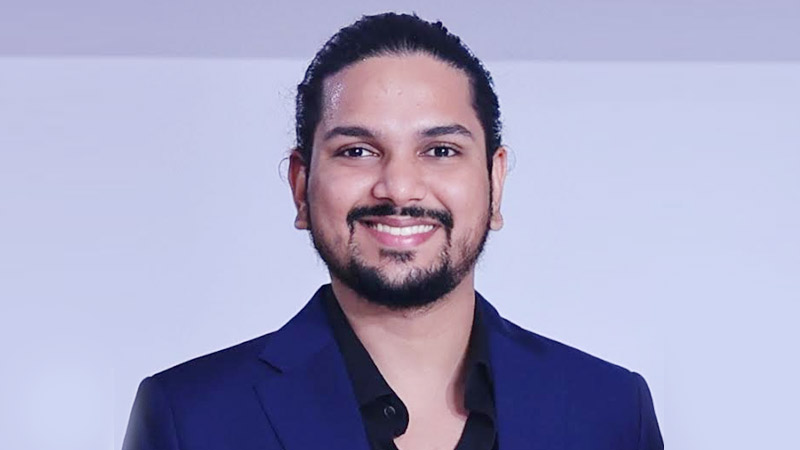
    MUMBAI: In a world brimming with transformative journeys, Rohit Taneja’s story stands out as a masterclass in reinvention. Once immersed in the world of software engineering, Taneja has pivoted his career to become a seasoned product leader.

    Now, as Bombay Shaving Company’s newly appointed category lead for fragrances, he embarks on an ambitious mission to shape the company’s foray into the captivating world of scents.

    Armed with over a decade of expertise in marketing and brand management, Taneja is poised to craft a fragrant legacy that redefines the company’s expansion strategy.

    Taneja’s career began as a software engineer at Infosys. He then transitioned into marketing with DDB Mudra Group, leading brand perception studies for major clients. His tenure at The Goodyear Tire & Rubber Company as a sales manager saw him managing sales across Rajasthan, Madhya Pradesh, and Gujarat. In 2019, Taneja joined Bombay Shaving Company, serving as associate director of consumer insights & marketing. In this role, he focused on understanding Indian grooming and beauty preferences, translating data into actionable insights, and enhancing customer loyalty.

    Taneja holds a Post Graduate Diploma in Communications Management from MICA, where he was among the top students in Account Planning. He also earned a Bachelor of Technology in Electronics & Communication from Uttar Pradesh Technical University.

    In his new position, Taneja will lead the development and marketing of Bombay Shaving Company’s fragrance line, aiming to strengthen the brand’s presence in the men’s grooming market.

    Bombay Shaving Company continues to innovate in the grooming industry, offering a range of products designed to enhance the grooming experience for men across India.

  • Bombay Shaving Company launches ‘Be Sensi’ campaign

    Bombay Shaving Company launches ‘Be Sensi’ campaign

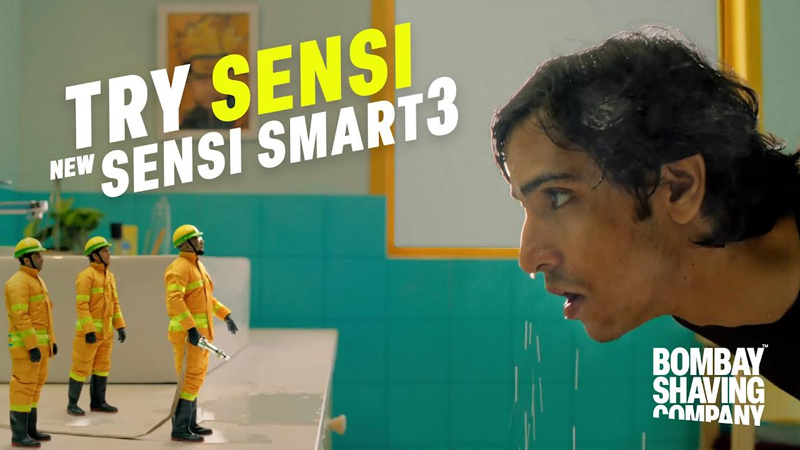
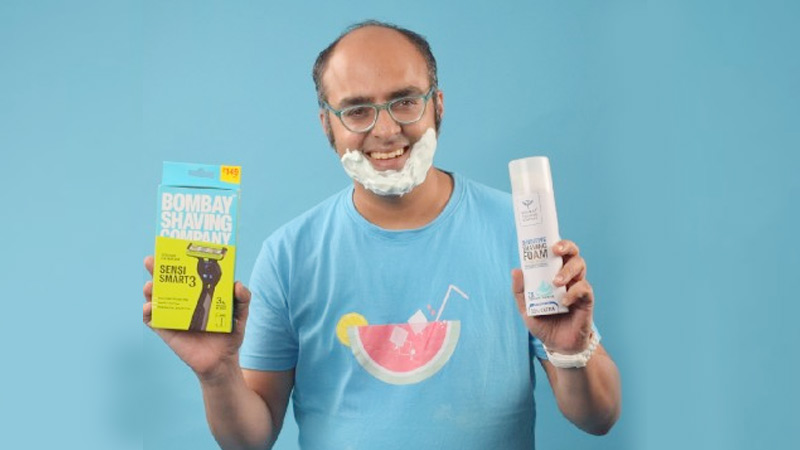
    Mumbai: Bombay Shaving Company, known for its innovative hair removal products for a new generation of Indians and exciting marketing campaigns, has launched a new campaign video for its Sensi Smart 3 Razor – “Be SENSI”. The campaign highlights the benefits of its hottest selling Sensi Smart 3 razor for first-time and early shavers, who are tentative of shaving – fearing razor burns and a harsh shaving experience from regular razors. In the video, Bombay Shaving Company’s founder and CEO, Shantanu Deshpande is seen making an appearance as a firefighter, leading the “SENSI Brigade” and rescuing a young man who is in extreme discomfort caused by using a  ‘Razor that Burn’. Shantanu  provides the shaver with the ideal razor for everyday, sensitive on skin shaves, the Sensi Smart 3 (with Aloe lubricating strip).

    This digital campaign addresses the prevalent concerns of the consumers fearing razor burns, especially among the first-time and early shavers. It also provides a perfect solution with the Sensi Smart 3 razor, boasting an Aloe cooling strip, in a fresh and humorous way. Adding another dimension to their founder-led brand building strategy, the campaign video features Shantanu Deshpande, the founder of Bombay Shaving Company leading the charge with his “Sensi Brigade” to fight Razor burns that are Non-Sensi .

    Shot in a contemporary style, with exaggerated quirk  the film does well to communicate the advanced benefits of the Sensi Smart 3 razor, in a way that gives Bombay Shaving Company a distinct vibe and personality in a typically non-experimental category – when it comes to advertising.  

    Conceptualised by the Mumbai-based marketing and advertising agency Sideways, the campaign aims to strengthen its reach through a comprehensive 360-degree marketing strategy across both online and offline channels. By fostering loyalty among young shavers, the campaign is set to solidify Bombay Shaving Company’s position as the preferred choice for hair removal and grooming needs in the market.

    Commenting on the same, Bombay Shaving Company CMO Gauri Malhotra said “As a consumer-focused Indian brand deeply rooted in developing products that are designed for Indian Skin and hair removal needs, we felt that it was necessary to provide an accessible and affordable solution (without compromising on best-in-class system razor experience) to young shavers who fear that shaving would lead to razor burns that would hurt their skin. While current brands in the category encourage shaver to upgrade to better razors at an extra price, we saw an opportunity to address this concern head on with a Sensitive on Skin and Smartly priced razor. This Sensi Smart 3 razor is a three blade system razor with an Aloe lubricating strip that’s sensitive on skin, available at just Rs 99, and provides bes in class shaving experience. This product has exceeded our initial expectations, and the feedback and reviews have been great. With these consumer first principles, and robust marketing initiatives, we are excited to make the Sensi Razor portfolio even stronger in the coming months”.

    Launched in 2024, the Bombay Shaving Company’s Sensi Smart 3 has already disrupted the razor category long dominated by legacy brands. This success is built on its superior performance for sensitive skin and exceptional value for money. In the process, it has already acquired an impressive 10 per cent share of the online market space. Building on this success, this campaign places a special emphasis on building affinity with young shavers, who are increasingly selecting Bombay Shaving Company as their preferred brand for hair removal and grooming.

  • SwopStore’s strategic partnership propels Bombay Shaving Company

    SwopStore’s strategic partnership propels Bombay Shaving Company

    Mumbai– SwopStore, a leading e-commerce optimization platform, has successfully partnered with Bombay Shaving Company, resulting in a significant revenue surge of approximately Rs 45, 00,000. This collaboration has also seen Bombay Shaving Company’s monthly conversion rate rise from 8 per cent to 20 per cent, solidifying their position as a frontrunner in the competitive grooming industry.

    SwopStore’s strategic interventions, leveraging advanced analytics, targeted marketing strategies, and enhancements to user experience, have played a pivotal role in boosting Bombay Shaving Company’s market presence and profitability.

    SwopStore co-founder Ayush Gupta expressed his excitement about the partnership, stating, “We are thrilled to have partnered with Bombay Shaving Company to achieve such impressive results. At SwopStore, we are committed to empowering brands with the tools and strategies they need to excel. The substantial growth in revenue and conversion rates at Bombay Shaving Company underscores our dedication to driving success for our clients.”

    Bombay Shaving Company DGM – D2C | Partnership and Alliances Davesh Mehndiratta also shared their enthusiasm about the collaboration. “Partnering with SwopStore has been transformative,” they said. “Their expertise and strategic approach have significantly boosted our revenue and conversion rates. We look forward to continuing this partnership and driving further growth and innovation in the grooming sector.”

  • Unleashing the power of Instagram reels and YouTube shorts: Crafting engaging brand narratives

    Unleashing the power of Instagram reels and YouTube shorts: Crafting engaging brand narratives

    Mumbai: Short-form video content on social media is Google and Metas’ answer to TikTok, which disrupted the video-sharing industry during the pandemic. Though TikTok became big and was used hugely by brands in the USA, India got YouTube Shorts & Instagram Reels to do the same. Before launching globally in mid-2020, Instagram reels attracted billions of daily views. One year later, in 2021, these short video-sharing platforms surpassed 5 trillion views globally. Thus, what was originally only watched for leisure has become integral to every business’s marketing strategy.

    Brands understood that video creation enables organizations & startups to:-

    1.   To increase brand awareness

    2.   To promote sales

    3.   To grow the social media community

    4.   To educate customers

    5.   To enhance brand strength

    According to a 2022 report by Wyzowl, 86% of businesses now use video as a marketing tool, and 93% say it’s an effective tool for reaching their target audience. Short-form videos (under 10 minutes) are having a major moment on social media, with platforms like TikTok and Instagram Reels seeing explosive growth in recent years. A 2023 report by Cisco found that short-form videos will account for 82% of all internet traffic by 2022. A 2023 report by HubSpot found that 63% of viewers say they are more likely to watch a short-form video than a long-form video.

    With all this happening globally and in India, brands must use video content & ensure it becomes as viral as possible through social media. Let’s ponder deeper into how some well-known Indian brands have benefited from short-form videos on social media.

    Top Indian brands leveraging from short-form videos and how

    Netflix

    Being the most watched OTT platform in the world, short videos have predominately been the best way to promote this brand on social -media. The best part for Netflix is that they already have the commercial rights to pick short snippets from their ongoing movies & TV shows to promote their page. The number of engagements, impressions, and discussions started with the utilization of short-form videos alone are only one of the many elements that make Netflix supreme at online entertainment.


    A post shared by Netflix India (@netflix_in)


    Sabyasachi

    Sabyasachi has been acing in the social media space for a long time now. They have been following the idea of using the video content of their happy customers and garnering a steady follower base through organic methods. Sabyasachi knows this very well because they regularly introduce their customers on their Instagram profiles. This was a pleasant surprise for customers to be featured on the official Sabyasachi page. They are also well-placed among celebrities and thus recruit influencers for raw original content. Engaging influencers helps attract more followers because these influencers have a loyal following. It works wonders for a fashion brand when you see the designs live in action through short-form videos.


    Zomato

    If you’re looking for quirky content and the encouragement to try out tasty food, Zomato helps you binge on some mouthwatering short-form video content. Not only have they become the lead in the food delivery sector, but they have also become one of the country’s best brands on social media. Food discovery brand Zomato knows its audience well and how to retain them. Be it contests, trending topics, or innovative video content, Zomato is attracting attention across all social media platforms.


    A post shared by Taran Singh (@ayootaran)


    Bombay Shaving Company

    This brand wholly & almost has been relying on short-form video content for brand building & upscaling. Since their business proposition is unique, they are here to break through many stereotypes. They are going all out in exploiting the trend of video content to showcase their range of products & effectiveness on Indian Men skin types. Both men & women have been applauding their efforts, and it has become a popular gifting option for Men.


    Pizza Hut

    Pizza Hut is the leader in the pizza market on social networks compared to other pizza chains. The brand regularly launches UGC campaigns for its viewers to participate and increase its follower base. The brand uses social media influencers to discuss its products through challenges, which has worked for them so far. The short videos are raw and real since they reach out to celebrities, food bloggers, and other popular influencers, maximizing their follower base.


    Audi India

    On International Women’s Day, Audi India launched a catchy short video campaign called #drivethechange. The campaign was a big hit as it resonated very well with the changing trends in societal reforms towards women. Also, it tried to break stereotypes about women driving cars in general and all comic remarks around women drivers. It encouraged modern-day women to step out and chase their dreams since they are the true force that drives our lives. Hundreds of women participated and appreciated the initiative.

    Short-form videos are here to stay.

    The rise of social media has changed the concept of online communication and the division between personal and public space online. According to HubSpot’s 2022 Marketing Industry Survey, short-form video has the highest ROI among all social media content. That’s why 30% of marketers prioritized short-form videos in their marketing budget this year.

    These are lessons for all new startups and upcoming brands to use short format messages to tell their story and build a narrative around their brands. Integrating Internet features, such as digital music and video, user-generated content, and digital media sales, improves content consumption. Hence, short-form videos, the brand-owned tool, must be maximized to gain credibility and brand recognition in the long run and sustainable marketing strategies.

    The author of this article is C Com Digital founder/director Chandan Bagwe 

  • Bombay Shaving Company ropes in Rannvijay Singha as the face of its trimmer range

    Bombay Shaving Company ropes in Rannvijay Singha as the face of its trimmer range

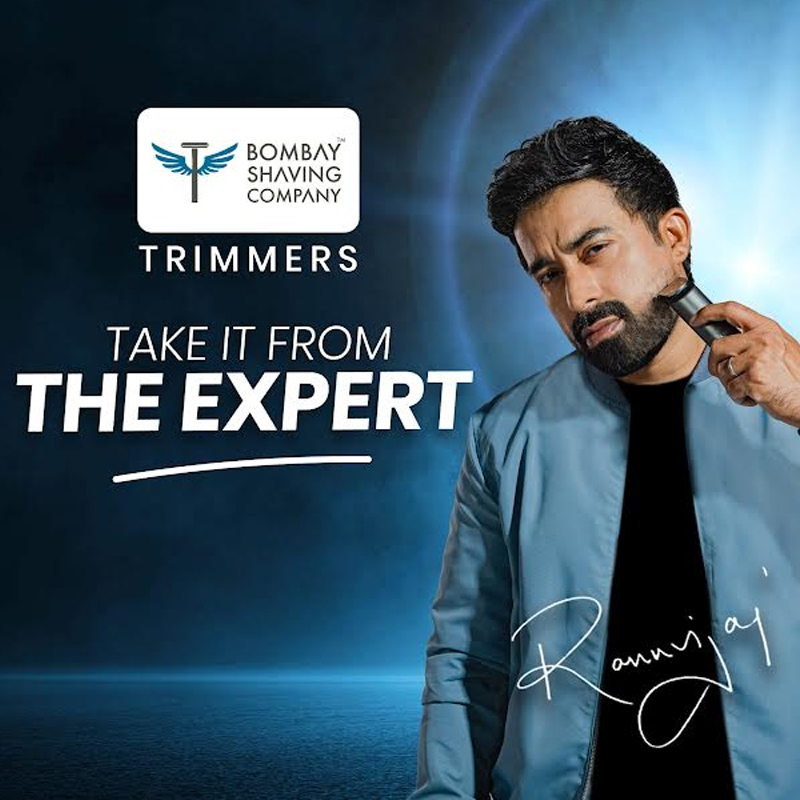
    Mumbai: Bombay Shaving Company (BSC) has signed Rannvijay Singha in an exclusive endorsement deal. The grooming brand has also introduced a video-led campaign, “Take It From The Experts.” The campaign video was directed and executed by Bandstand Entertainment.

    Singha will be the face and spokesperson of Bombay Shaving Company’s latest range of trimmer products starting this month. The announcement comes right on the heels of the company’s lucrative association with the Mumbai Indians earlier this year. It clearly demonstrates the brand’s intent to go all-in to revolutionise men’s grooming in the country.

    The engagement with Rannvijay kickstarts with an exciting and irreverent marketing campaign for BSC’s latest range of men’s trimmers. In the video-led campaign, confidently titled “Take It From The Experts,” Rannvijay will be seen enabling and urging the youth to make better grooming choices by trusting the expertise of Bombay Shaving Company instead of falling for the gimmicks of non-core grooming brands operating in the category.

    Speaking of his association with the brand, Rannvijay said, “Thanks to the nature of my work, I’ve had the good fortune of spending a lot of time with the youth of this country. I’ve seen firsthand how confidence changes lives for many. A lot of that self-confidence is derived from looking and feeling good. That’s why they deserve grooming solutions driven by expertise. I’ve been an avid user of Bombay Shaving Company’s trimmers for some time and can personally vouch for the thought and attention to detail that goes into their products. It’s a pleasure and privilege to be associated with them.”

    Commenting on the partnership, Bombay Shaving Company chief operating officer Deepak Gupta added, “We have an extremely optimistic outlook on the trimmer category per se, and are superbly placed in terms of product innovation and equity to serve it well. Starting September, and in the following months, we’re poised to scale to three times our current volumes, and seriously challenge current incumbents. More substantially, we believe that unwanted hair removal creates the biggest delta in the perception of self-image and appearance, and we are committed to becoming the brand of choice whenever a 15-year-old is ready for his first shave or trim. The association with Rannvijay – someone an entire generation looks up to – becomes even more meaningful from this perspective.”

    “Very few understand the hopes and aspirations of a young generation of men better than Rannvijay. We are delighted to have him on board not only as the face of the trimmer range, but perhaps even as a guide and inspiration for our activities to come. We are going to market with a range of trimmers that score high on design, performance, value, and other nuanced features based on deep learning as grooming experts. We’re confident Rannvijay will convey our proposition with substance and impact to over two crore Indians across metros and non-metros in the months to come,” said Bombay Shaving Company vice president of marketing Laalit Lobo.

    Elaborating on creative execution, Bombay Shaving Campaign creative director Broti Roychoudhury commented, “The problem statement was clear. Trimmers as a category demand a grooming expert’s presence and voice. “Take It From The Experts” makes the point with clarity, conviction and chutzpah, i.e., palatable to a younger (gen Z and millennial) audience. The tone and treatment is deliberately eclectic and quirky, which distinguishes it from regular category codes, with clear impact moments that viewers will recall. And I’m so happy that Rannvijay hopped on without hesitation and added his own unique flavour to the campaign. Now we’re all set to deploy it in many interesting ways across online and offline channels.”

  • How are inflation-hit FMCG players protecting their bottom lines?

    How are inflation-hit FMCG players protecting their bottom lines?

    Mumbai: The domestic fast-moving consumer goods (FMCG) industry has been feeling the impact of unprecedented inflation for several quarters now. The unexpected rise in commodity prices, whether in food, chemicals, or packaging, combined with the spike in fuel prices, exacerbated by increased logistics and shipping costs, is putting pressure on FMCG companies, including packaged food companies, while also reducing the share of buyer income available for spending on consumer staples. As the market continues to witness an incremental increase in inflation, it’s not only the consumers who are feeling the pinch, but also the manufacturers, leading to a downgrading of sales across urban and rural areas.

    With no respite in near sight, how are the FMCG players dealing with the situation? How are brands resorting to innovative ways to mitigate the rise in input costs and deal with the soaring inflation?

    Most of the FMCG companies have increased prices of the products, says Kantar South Asia Insights Division managing director Soumya Mohanty. “So, it’s actually the end consumer who is feeling the pinch most. As a result, they are rationalising spends.”

    Findings from the latest Kantar Global Issues Barometer report indicates for 74 per cent of Indians, the increasing cost of living and other issues of concern are having an impact on their big life plans. “Customers are however unwilling to cut their spending on essentials, it’s the large ticket high value items which are most likely to bear the brunt most,” notes Mohanty. “We expect brands to optimise their portfolio to rationalise the cost of production and pass on the benefit to consumers.”

    Inflation’s impact can’t be “dealt with,” says White Rivers Media co-founder and CEO Shrenik Gandhi. This is why industry leaders are implementing changes that they hope will mitigate the said impact, he adds, pointing out some cost-saving initiatives that major FMCG players have begun implementing.

    Can “shrinkflation” be a solution?

    Among these methods is “shrinkflation,” which has been adopted by several major manufacturers, including Hindustan Unilever, Nestle, Dabur, P&G, Coca-Cola, and Pepsico. According to news reports, Haldiram has cut down the size of its aloo bhujia packet to 42 gm from 55 gm.
    HUL, Nestlé, Dabur, Marico, ITC, and Britannia have rolled out price increases of between 5 per cent and 20 per cent since October last year. Dabur India has introduced a mix of pricing actions and cost-control measures, even as companies across the board are using recycled aluminium for cans, cutting costs on advertising and marketing spends, and postponing new launches.

    According to Gandhi, some innovative ways FMCG brands are mitigating the rise in input costs and dealing with the soaring inflation are by investing in technology and digital initiatives to increase efficiency, introducing “bridge packs” as a strategy that gives slightly more grammage than the lower-priced pack while charging the customer higher, and by resorting to economical packaging and recycled products.

    “The Edelweiss report points out that FMCG companies are integrating systems across suppliers, inventory management, and distributor management, which were previously distinct systems in silos,” he noted. “Digital initiatives are being implemented across the board, from supplier onboarding and management to inventory management, distributor management to sales. Even if technology does not directly impact the end product, it will certainly play an increasingly important role in ensuring that it reaches customers faster and generates greater cost savings for these companies.”

    Increasing the price is not always an answer

    For FMCG and packaged food products, India has always been a very price-sensitive market, and the market volumes were at the lower end of the market, catering to the masses. In the Indian FMCG industry, smaller, single-use SKUs at price points of one rupee, two rupees, five rupees, and ten rupees are important.
    Hence, consumer companies are finding ways to increase prices without disturbing the grammage in the sensitive segments, priced less than Rs 10, and also protect margins at the same time. For fear of undermining demand in this category, they are considering launching ‘bridge packs’ at a higher price.

    Some manufacturers are using thinner packaging to counter runaway costs in commodities, packaging, and freight. Parle Products is looking at savings from carton configuration—meaning, it is looking at ways to add more packets of biscuits or snacks per carton. Britannia has said the company is bringing in process automation to raise productivity, reducing the distance to market to reduce cost and provide fresh products to consumers, reducing wastage at the factory and in the marketplace, and moving to a target of using up to 60 per cent of renewable energy.

    Avalon Consulting partner Santosh Sreedhar agrees that increasing prices is easier said than done in India, which is “a highly price-sensitive” market. However, he adds that beyond a point, this becomes inevitable as commodity pressures increase. “For brands that are operating at these price points, it’s a challenge since the product is sold on price. “In the case of one fruit juice company we are in touch with, the sales dropped as much as 40 per cent when the price of their highest-selling SKU was increased from Rs 10 to Rs 12,” he mentioned.

    “In my view, in most products, the opportunity to further reduce pack size is low as the companies have maxed out the potential. So, we may see companies now trying to move up the price point. We have already seen this happen in confectionery and shampoos more than a decade ago when 50p products moved to rupee one. There was a temporary dip in sales for many brands, but eventually, the market settled down at the higher price point,” he added.

    He lists out the following options for FMCG companies if they have to retain margins, apart from increasing prices: reduce pack sizes; change product formulation; reduce packaging/packaging reengineering. Changing product formulation is very much a possibility, but may not be applicable in many product categories, says Sreedhar. “We are not expecting at least the top brands to change the composition, but companies can come up with lower priced variants that help them continue to serve customers at lower price points. Many of the shampoo and chocolate brands have done this in the past where the product in the larger SKUs is different from the ones in the smaller SKUs.”
    According to Pescafresh founder Sangram Sawant, the quality and freshness of the product, remaining non-negotiable factors, do pose a double challenge for the brand to ensure cost optimisation across functions and efficiency. He said, “Just-in-time inventory, reducing shrinkage, maintaining cold chain across the supply chain links, and introducing technology stacks to reduce the supply chain hurdles have helped us offset a few cost increases.” The brand has currently not decided to hike prices. However, if its procurement costs continue to rise, it will “take a call accordingly.”

    The Impact on AdEx?

    Will the current scenario warrant a decrease in Advertising spends by brands, as marketing costs are known to one of the first to take a hit in uncertain times?

    Sawant says that with the introduction of Pescalive, the seafood e-supplier is innovating across the supply chain and marketing functions to control costs. With regards to ad spends, the brand is in the process of building Pescafresh as an overall foodtech brand and will continue to focus on the same for the fiscal, he adds.

    Whenever there is uncertainty, consumers need reassurance, and they fall back to familiar and known options, observes Kantar’s Mohanty. So, it will be key for the brands to stay true to their core purpose and talk to consumers about it. For this to happen, communication is going to be important. So, visibility on different medias- TV, Social media will be important and Ad expenditure is unlikely to get reduced, he believes.

    Bombay Shaving Company COO Deepak Gupta is optimistic on the impact on Adex as well. Marketing spends is a function of number of units sold, contribution margin and marketing effectiveness, he notes. “For premium brands on a growth trajectory, current situation provides a unique opportunity as reduced ad expenditure from incumbent brands is leading to higher SOV (Share of voice), and lower CPMs (cost per mille) without increasing absolute ad spends.”

    “We are increasing our ad spends on key categories with a channel focus to improve TOMA (top-of-mind awareness) and enter into consideration set of prospective buyers. Overall, we expect higher marketing investment from FMCG brands in second half of the year, considering the onset of festive season and easing of inflationary pressures,” he adds.

    While mass FMCG brands are resorting to price increase, volume reduction (or both) and cut in marketing and other discretionary spends, for premium brands the effects have been less pronounced as target consumers for premium grooming products are less price sensitive.

    According to Deepak Gupta, the brand has been able to grow by investing in strengthening brand equity and maintain gross margin by reducing discounts, promotions and other discretionary spends. 

    He takes a more optimistic outlook on the long-term impact of the inflationary trend. “In our view, July-August-September quarter bodes well for FMCG sector as inflation has peaked and festive season is expected to lead to demand revival. Count and intensity of Covid cases have also reduced considerably compared to previous quarters which will lead to incremental growth.” We do not expect any price hike or volume reduction as brands will invest to gain higher share of wallet, Gupta adds.

    New-age integrated sales and distribution SaaS platform FieldAssist CEO Paramdeep Singh Anand that connects CPG businesses to the broader value chain too holds on to a positive stance. “According to a recent report, the inflation rate in India is expected to reach five per cent by March 2023, that is a dip of two percentage points. Recently the government has asked FMCG companies to reduce cooking oil prices. Amidst these developments, it is difficult to say if inflation will rise further.”

    This is to give some respite to the CPG companies who have been dealing with the trilemma of raising prices, cutting margins or cutting corners, he adds. “It is clear that we have reached the saturation point where companies that have been reducing grams without impacting prices cannot do so anymore for having reached the threshold. A similar statement could be said of companies increasing prices. That leaves many with the option of adopting strategic moves to stay in the race.”

    Strategies such as using technology to identify “golden stores”, or the twenty percent stores that sell eighty percent of your products would help in optimising assortment, price, promotions and share of shelf, says Anand. “Another strategy could be optimising advertising costs by targeting new-age platforms to tap audience, for instance gaming sites, or utilising influencer marketing in untraditional ways. This will reduce expenditures and help utilize funds optimally,” he adds.

    Apart from reducing price and volume, FMCG brands are looking at each line of P&L to optimise cost. Reducing advertising spends, increased focus on hero SKUs to get scale advantages, premium product innovation, reducing consumer promos and discount, improving sales mix to deliver higher gross margins, allocating higher spends for more capital efficient channels and top customers etc are some of the additional ways that industry stakeholders cite to mitigate input cost pressures, other than supply side measures.

  • Bombay Shaving Company appoints Varun Gupta as senior vice president – growth

    Bombay Shaving Company appoints Varun Gupta as senior vice president – growth

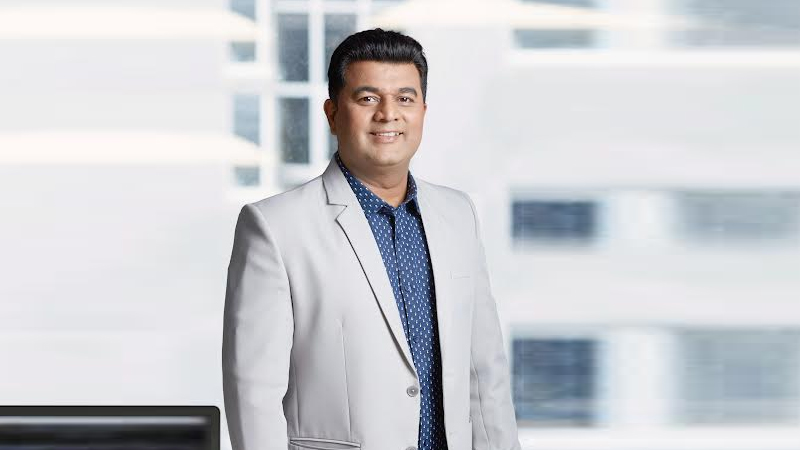
    MUMBAI: Personal care brand, Bombay Shaving Company has appointed Varun Gupta as senior vice president – growth. With this appointment, the Delhi based grooming and hair removal brand further strengthens its executive leadership to deliver on its mission of “of reaching two crore bathrooms, with five products per bathroom, creating ten minutes of happiness”, in the next 12-16 quarters, the company said in a statement.  

    The Company will rely on Gupta’s D2C-to-Omnichannel expertise to stitch together consumer experiences with solid, long-term business outcomes going forward, as it aims to become IPO ready soon.

    Gupta was the founding member of ‘Too Yumm!’ & ‘The Gift Studio’ during his time at the RP – Sanjiv Goenka Group, having led the launch network for their FMCG business with ‘Too Yumm!’. He has also had stints at Unilever and Pepsico.

    “Varun brings a wonderful blend of technology understanding, customer centricity, entrepreneurial zeal and large business pedigree – qualities that will take Bombay Shaving Company into the future. Right through his career, he has demonstrated a remarkable ability to navigate complexity and uncertainty to shape sustainably profitable businesses, making him a truly valuable addition for us,” Bombay Shaving Company founder & CEO Shantanu Deshpande said.

    “Direct to Consumer space gives an opportunity to engage with past and future audiences in ways that are richer and non-transactional. Online channels, on the other hand, address customers with immediate intent. With unconventional channels like Quick Commerce taking rapid strides, the opportunities are immense. I look forward to building on the great work done by the team across D2C and other channels; and make BSC’s vision in the country a reality!” Varun Gupta said on his appointment.

  • Shakti Kapoor was a spontaneous choice: Bombay Shaving Company COO on latest campaign

    Shakti Kapoor was a spontaneous choice: Bombay Shaving Company COO on latest campaign

    Mumbai: Historically, ‘hair removal’ has been associated with the fairer sex’s aspirations to attain smoother, polished skin, and their willingness to undergo various forms of trials, tribulations and torture in the endeavour. So also, hair removal products and brands through the ages have targeted only women for the longest time. Well, that’s changing with the arrival of the metrosexual male who enjoys grooming, fashion, shopping and other lifestyle characteristics as much as, if not more than, his female counterpart. In fact, what was once considered ‘macho’ is now simply too ‘crude’ for this uber-cool and ultra-aware species, who couldn’t be caught dead with unshaved body hair in their armpits! But what would happen if one tried to juxtapose both these old and new worlds by getting a ‘traditional’ rough ‘n’ tough male known for his rudimentary masculine image to subject himself to this procedure?

    Grooming brand Bombay Shaving Company (BSC) did just that, by having veteran actor Shakti Kapoor- known for his over-the-top villainous and comic roles in the Bollywood films of yore – try his hand at the brand’s back and body shaver, Backpro. The result was a ‘one for the ages’ reveal video, with candid, hilarious confessions to ‘hair-raising’ tales from the inimitable, irreverent-as-ever ‘Crime Master Gogo’ on his lifelong experiences with body hair!

    Talking to IndianTelevision.com about the brand’s association with Shakti Kapoor for its latest campaign on Backpro – Back and Body Shavers, BSC COO Deepak Gupta said that the product with its unique offering in the hair removal category demanded “unconventional marketing.” Calling Kapoor an ‘icon of 90’s India,’ Gupta says, “There’s an authenticity to his personality and storytelling that’s endearing and cuts through the clutter. He also enjoys a very loyal following from a mature male audience. You’ll be surprised to know that he’s one of the most searched celebrities of his generation.”

    Interestingly, Shakti Kapoor has had his own personal journey with body hair, which had quite organically become a part of conversations and imagery in popular culture, Gupta divulges. “So as a brand committed to bringing joy to the mundane act of hair removal, Shakti Kapoor turned out to be quite a spontaneous choice for the campaign.” he says, adding that the campaign has had a fabulous start, notching up over 2.5 lakh organic views in the first three days of launch, and generating considerable buzz on social media.

    The brand film features Shakti Kapoor as himself and Atul Parchure as the actor’s long-suffering, patient manager. The core campaign and creative strategy were conceptualised in-house by BSC Marketing VP Laalit Lobo and his team. The brand film was directed by Adhiraj Sharma, while Mohak Pajni from the house of Leap of Faith Production was the creative producer behind it.

    The brief was to “authentically capture Mr Kapoor’s personal journey with body hair and retain his inimitable comic style, in his natural elements and setting,” reveals Gupta. The process involved multiple rounds of discussions with the actor to know him as an individual, separated from the typical narrative. “He was consulted on the script, and gladly agreed to contribute with his inputs,” he shares.

    Talking about the brand’s communication and marketing strategy behind the campaign, Gupta shares, “We don’t want to dilute the share ability of this campaign with too much paid media. We’re already seeing wonderful engagement on social media and that will continue.” The TG the brand hopes to target through this campaign is males over the age of 30 living in metros predominantly.

    Gupta further adds, “More than selling product, the marketing strategy is to get men talking about their hair removal and grooming choices through clever content marketing and CRM strategies.”

    The brand also plans to run this campaign in cinemas as cities begin to open up and introduce the brand to newer audiences with a special focus on Mumbai/Pune – a market where the brand has made inroads with its recent collaboration with Mumbai Indians, and which it is keen to build and nurture for the long term.

    Watch the full video featuring Shakti Kapoor and Atul Parchure here:

    The brand also shared the backstory of the video while posting it on its social media handle. “We had so much fun co-creating this video with him. Some of the parts of the video are true, some made up; We’ll let you solve that mystery. But what’s 100 per cent true is that there was never a dull moment during the three months that our team worked with him for this,” it wrote, adding a ‘fun fact’: “Shakti Sir took home the portrait of him that you see in the film after the shoot.”

    Kapoor also shared the video on his Instagram handle and the response he received from his fans is remarkable, considering the actor does not technically belong to the “insta-generation,” showing that good content needs little else in the form of validation.


  • IPL 2022: Bombay Shaving Company inks partnership deal with Mumbai Indians

    IPL 2022: Bombay Shaving Company inks partnership deal with Mumbai Indians

    Mumbai: Homegrown grooming brand Bombay Shaving Company has signed on as the ‘official grooming partner’ of Mumbai Indians for the upcoming season of Indian Premier League (IPL).

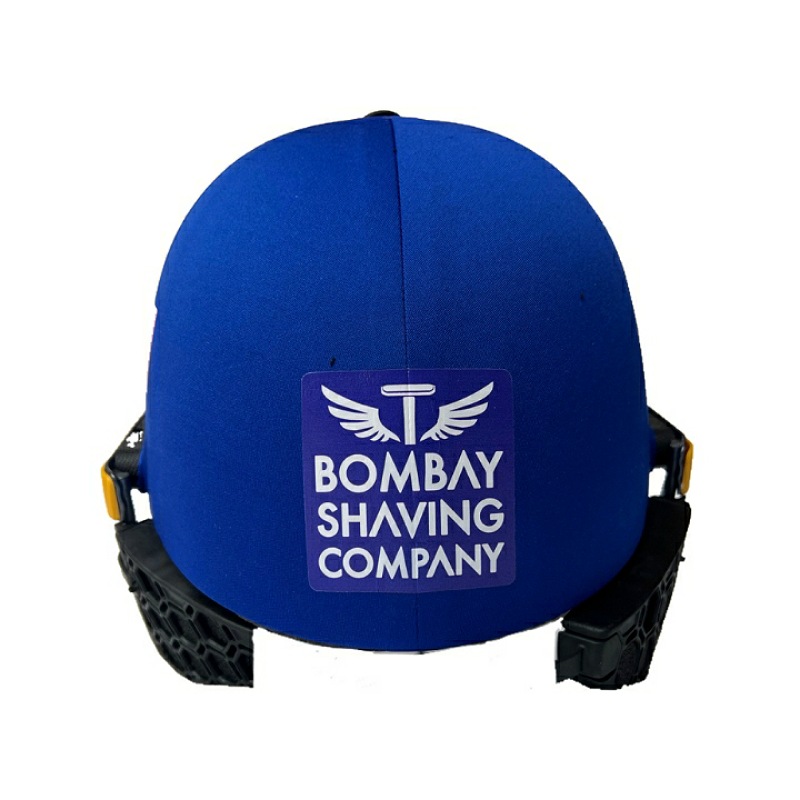
    As part of this association, the brand logo will be seen on player helmets, caps and kits right through the two-month carnival of cricket. It will appear at the stadium, on TV, in social media, and across all other Mumbai Indians marketing touchpoints in the city, said the brand in a statement. “The company aims to reach over 300 million men and women across India over the next three months as partners of the T20 Cricket extravaganza 2022,” it added.

    “We’re not only immersed in Mumbai Indians, we intend to become an integral part of the lives of the people in Mumbai and the state of Maharashtra,” said Bombay Shaving Company COO Deepak Gupta. “We are planning to expand our distribution to 1,00,000 stores by the end of this year, stock up shelves with some of our best products, and paint the town blue with exciting merchandise, offers and activities for both – customers and partners. We understand the love people of the city have for the team, and we want to be the brand that brings them closer to the team.” 

    “We have always believed in associating with brands which resonate and support our objective to create the best fan experience,” stated Mumbai Indians’ spokesperson. “Bombay Shaving Company brings a seamless brand and team connect as our partner and we look forward to having a successful collaboration with them in a season where we eagerly await welcoming and entertaining the fans in the stadiums.”


    More than anything else, it’s been a meeting of values with the franchise. Beyond the blue, and similarities in name, Mumbai Indians represent the sentiment of the nation – with a wonderful mix of players and faces from every region. As a brand and company built with the intent to bring a smile on faces across India, and help them put their ‘best look forward’, there couldn’t have been a better platform and team to partner with. It’s been the most spontaneous choice,” commented Bombay Shaving Company founder and CEO Shantanu Deshpande.

    Earlier this year, the grooming brand made its presence felt in the recently concluded India vs Sri Lanka series. This partnership is set to further propel the brand, according to a statement.

  • Digital Brand Fest 2022: Decoding digital transformation for tech-led future

    Digital Brand Fest 2022: Decoding digital transformation for tech-led future

    Mumbai: Indiantelevision.com is organising a five-day event ‘Digital Brand Fest 2022’ from 21 to 25 February to explore and understand the new forces driving the digital transformation for a tech-led future. The week-long virtual summit is presented by Voot. Interakt, Josh and Pixis have joined as industry partners.

    The industry stands at a crucial juncture today. As the internet empowered consumers with more choices, digital became the new battleground for brands to test their marketing skills and retain their connect with consumers whose preferences were changing faster than ever. Whether it was the boom in influencer marketing or the popularity of short-video platforms, brands did not hesitate in jumping onto the digital bandwagon to up their marketing game.

    As we enter into 2022, Indiantelevision.com is taking this opportunity to bring a host of industry experts together on one platform to discuss these trends shaping the future. Digital Brand Fest 2022 will have brands, advertisers, tech platforms discuss all these developments and more. The virtual event will also look at the changes in consumer behaviour and how it has impacted the industry’s growth.

    The event will begin on Monday, 21 February with a keynote on ‘Decoding Current Digital Trends’ by Google industry head – telecom, media and entertainment Siddharth Shekhar.

    It will be followed by two-panel discussions – ‘Human X Machine’ and ‘SMS, Notifications and Whatsapp Marketing’. The first session moderated by Indiantelevision.com founder CEO and editor-in-chief Anil Wanvari will have Bharat Arora (Taboola), Nikhil Kumar (mediasmart and Affle company), Mehul Desai (Integral Ad Science), Rohan Chincholi (Havas Media Group India) and Salil Shanker (Amnet India) as panelists.

    On the second panel moderated by Niraj Ruparel (GroupM) are Ahshad Jussawala (Jio-Haptik), Jayant Kshirsagar (CleverTap), Madhur Acharya (WOW Skin Science), Priya Patankar (PhonePe), Ritesh Ghosal (Soptle) and Suchit Sikaria (SUGAR cosmetics).

    The discussion on 22 February will commence with Rapido’s Amit Verma, BigBasket’s Arun Jayaraman, Pixis’ Neel Pandya, Essence’s Sonali Malaviya, Snowflake’s Vimal Venkatraman, and Fresh to Home’s Vanda Ferrao deliberating on ‘Performance Marketing, Partnerships for good ROI’. The panel will be moderated by Xaxis India’s Dimpy Yadav.

    The second session will explore ‘Digital Marketing – The New Dynamic Shift Post Pandemic’ with BharatPe’s Ashish Agarwal, Omnicom Media Group’s Bharat Khatri, GoKwik’s Chirag Taneja, Godrej’s Michelle Francis, Adlift’s Neha Pandey and Network 18’s Puneet Singhvi as panellists and Chetan Asher of Tonic Worldwide Media as the moderator.

    Day three (Wednesday, 23 February) will witness another insightful session on ‘Engaging Communities and Driving Culture through Social Media’ moderated by Kosal Malladi from Madison Digital. Panellists include Sharechat’s Akshat Sahu, Cleartrip’s Himanshi Tandon, Zivame’s Khatija Lokhandwala, Trell’s Manikanta Yadavalli, Kalyan Jewellers’ Rupesh Jain and Puma’s Shreya Sachdev.

    On Thursday, 24 February a TBA-moderated panel will delve into ‘Content Marketing’ trends with Kunal Bhardwaj from Upstox, Maninder Bali from Vedantu, Pallavi Chelluri from Moglix, Samir Sethi from Policybazaar.com and Sharmin Ali from Instoried.

    ‘CTV 101’ and Gen Z X Short Video’ will be key themes discussed on the last of the summit, Friday, 25 February. The first panel moderated by Anil Wanvari includes Gijsbert Pols from Adjust, Mete Bargmann from Magnite, and Vijay Anand Kunduri from PubMatic.

    The second session will have Lenskart’s Anupam Tripathi, OML’s Gunjan Arya, Verse Innovation’s Nakul Puri, Bombay Shaving Company’s Siddha Jain and WATConsult’s Sahil Shah as speakers.

    For registration, click here.