Tag: Bodhi Tree Multimedia

  • Studio Bodhi is newest entrant in regional OTT space

    Studio Bodhi is newest entrant in regional OTT space

    Mumbai: Covid2019 has given a huge fillip to the OTT industry. There is a massive surge in the audiences on these platforms and viewers are consuming more content than ever, thus creating a huge requirement for fresh content. The acceleration in the rate of content adoption and growing demand for content in native languages, has led to an increase in the appetite for regional consumption.

    With an aim to capture this increasing potential and strengthen their position in the regional space, the promoters of Bodhi Tree Multimedia with the backing of Sumukha Capital have launched Studio Bodhi to cater to the ever-growing need for content across the country.  

    The combined forces will develop exclusive original IPs and produce unique content in multiple languages across genres for the burgeoning OTT market. With eminent writers and directors on board, Studio Bodhi has 10 projects at different stages of production and will continue to work on numerous IPs in the near future. The studio is currently working towards producing a rich slew of original offerings in languages such as Tamil, Bengali and Marathi in 2021 and further expanding into Telugu, Punjabi and Malayalam by 2022.

    Bodhi Tree Multimedia MD Mautik Tolia said, “Content today is region agnostic with good rooted stories transcending all barriers and can travel across the world. Studio Bodhi is our earnest endeavor to further widen our horizon to build a vast range of successful digital series to cater to every audience palate. Over the past few months, with projects at various stages of development, we have diligently worked towards acquiring the best of talents to put together a team together which we believe will deliver compelling content. With our new venture, we are looking forward to exploring different genres and narrative styles.”

    Sumukha Capital, a division of Sumukha Group founder Santosh Kanodia said, “We are committed to investing Rs 200 crores in the entertainment industry ventures in the coming years. We recognise the need gap for regional content that is produced at top-notch quality standards and feel this has the potential for exponential growth. The lineup is extremely exciting and the ambition is to move to produce a slate of 10 originals every year.”

    With projects greenlit in multiple languages, Studio Bodhi aims to nurture the ecosystem with content that is relevant for regional consumers and make regional content mainstream. The alliance with proven excellence in creativity and production ushers in an exciting new phase in the business of content creation for Studio Bodhi.

    A month earlier, Bodhi Tree Multimedia also debuted on NSE Emerge and raised Rs 3.71 crore from its SME initial public offering. The move aimed to help in expansion activities, strategical growth.

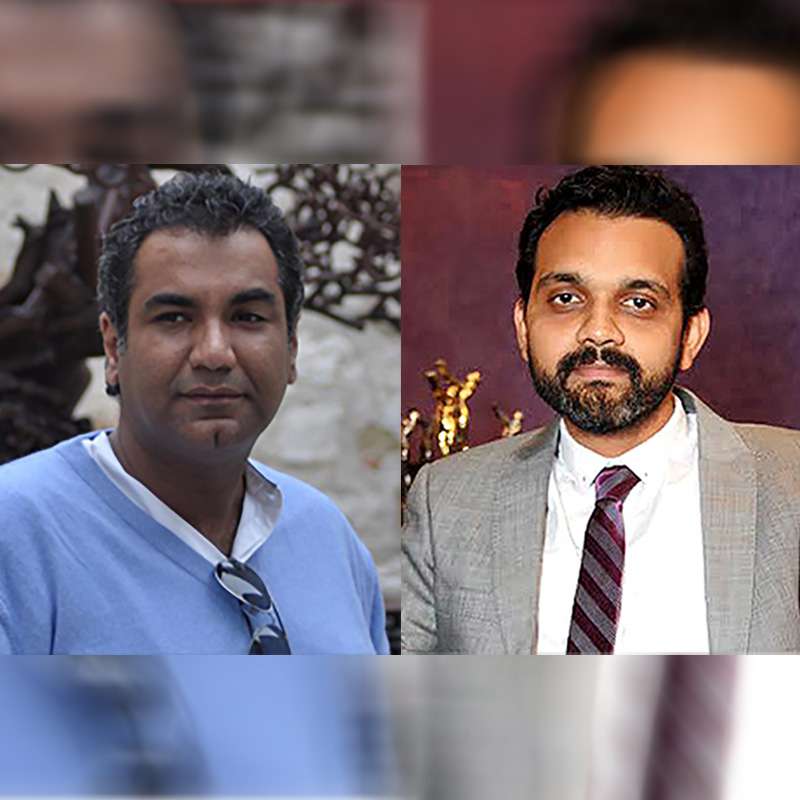
    Bodhi Tree Multimedia started its journey in 2013. The production house started by Mautik Tolia, Sukesh Motwani initially focused on general entertainment on TV, later expanding into other genres and also in digital content. Along with working for major broadcasters, it has produced content for OTT platforms like Voot, Viu.

    It has over 30 successful shows and 1000+ hours of digital media content in its kitty. 

  • Bodhi Tree Multimedia’s debut on NSE Emerge to fuel expansion & growth

    Bodhi Tree Multimedia’s debut on NSE Emerge to fuel expansion & growth

    KOLKATA: It is not a common practice for production houses in India to venture into the capital market. But in quite a unique move, content production company Bodhi Tree Multimedia Ltd recently debuted on NSE Emerge. It has already raised Rs 3.71 crore from its SME initial public offering, which will go towards expansion activities and strategic growth, said Bodhi Tree Multimedia managing director Mautik Tolia.

    Started in 2013 by Tolia and Sukesh Motwani, the production house initially focused on general entertainment on TV, and later expanded into other genres and also into digital content. Along with working for major broadcasters, it has produced content for OTT platforms like Voot, Viu.

    Tolia said that they had been considering going public since last year, and the process would have been finished in the last financial year if the Covid2019-induced lockdown had not struck suddenly. Hence, they had to push it back by a couple of months.

    “You are at a point in entertainment industry where you are at an inflection point with digital content, TV content. Moreover, new avenues of content production are emerging. If you want to take advantage of that, this is the right time to focus on accessing the capital market because it is a long-term way for a company to grow. Eventually, if you want to develop your own IP, being listed opens lots of doors for you. It’s a strategic objective, more than anything else,” Tolia explained.

    The company posted Rs 27.45 crore consolidated revenue for FY20. For the first five months of FY21, it has reported Rs 4.86 crore revenue and profit of 0.32 crore. In a filing on the stock exchange, the company has also stated that it intends to utilize the issue proceeds towards working capital requirements, general corporate purpose and meeting the issue expenses.

    Elara Capital VP – research analyst (Media) Karan Taurani also endorsed the decision of getting listed. Noting that content making has, in fact, picked up during Covid period due to increased amount of time spent on TV and digital platforms, Taurani said this has led to greater demand for good content from major broadcasters and OTT players alike. According to him, Bodhi Tree Multimedia is a solid production house which has made quality TV shows and web-series. Hence, Taurani expressed confidence that it will get a good valuation.

    Taurani went on to mention that being platform-agnostic will also work in Bodhi Tree’s favour in a market where most listed content creators churn out shows either for their own channels or OTT platforms. Hence, it will provide multiple opportunities overall, he shared.

  • Bodhi Tree Multimedia enters capital market with IPO

    Bodhi Tree Multimedia enters capital market with IPO

    KOLKATA: Bodhi Tree Multimedia promoted by Sukesh Motwani and Mautik Tolia which produces content for television, films and digital platforms has reported robust performance in FY20. Being one of the few content production companies to get listed in a decade, the company recently entered the capital market through an IPO on NSE Emerge (SME Platform of NSE).

    Despite the pandemic, the company witnessed a turnover of Rs 27.45 crores demonstrating a burgeoning growth. In addition to this, Bodhi Tree Multimedia expects a good FY20-21 with the value of the order book which will be serviced in the coming year.

    Bodhi Tree Multimedia founder director Sukesh Motwani said “The entertainment industry boom with the explosive rise in digital OTT content along with an increasing growth television content gives us an unique position to create rooted Indian content for the Indian as well as global market. It’s the best time to be a content creator.”

     “The entertainment industry has the distinction of not only qualifying as a recession proof sector, but also as a sector with enormous growth potential. As an established player in creating content for television and films and digital platforms, Bodhi Tree Multimedia continues to demonstrate its resilience in a challenging market. Operating in the entertainment industry with a potential to grow exponentially in the years ahead, the company is all geared to capitalize on this exponential growth potential. Amidst the COVID-19 restrictions around the world and the uncertainty in the global economic outlook, we will continue to focus on growing our business profitably and prudently. The outlook for FY21 looks promising with orders in hand, ” Bodhi Tree Multimedia managing director Mautik Tolia said.

    The company’s IPO’s net proceeds will be utilized for meeting the company’s working capital requirements, general corporate purposes and meeting expenses related to IPO.  The company has issued 3.90 lakh equity shares at a price of Rs 95 per equity share. The IPO opened for public subscription on 9 October 2020 and closed on 13 October 2020.

    As an established player at the forefront of creating differentiated and edgy content on television and digital platforms. Bodhi Tree Multimedia is leveraging its brand in the market for entertainment content. The Company has several shows that are at various stages of development, under production and on air with marquee clients in this space.

  • Industry must scale down together to ensure one party does not cannibalise another: Bodhi Tree CEO Mautik Tolia

    Industry must scale down together to ensure one party does not cannibalise another: Bodhi Tree CEO Mautik Tolia

    MUMBAI: The TV production industry had to hurriedly drop everything and wrap up shoots in order to comply with government directives to stop shooting and avoid large gatherings. With shoots re-opening in the near future, production houses will have to implement several changes in the way they function.

    Bodhi Tree Multimedia CEO Mautik Tolia says that production processes will see drastic changes. “Crews will have to be made smaller. Sanitization stations will need to be put up on sets. The temperature of the crew will need to be monitored. Set areas will have to be kept under very strict controls to make sure all areas from the food getting served, props, equipment used are disinfected on a recurring basis.”

    He feels that the decision to halt production to curb the spread of the COVID-19 had to be taken immediately, but it has left almost everyone grappling for solutions as the media and entertainment fraternity has never witnessed a standstill like this. A strong ecosystem consisting of clients, vendors, technicians and talent relationships will help them get through this testing phase.

    “This lockdown is bound to have a ripple effect across the entire chain from broadcasters to the very last worker on sets. We are anticipating the industry to lose close to a few thousand crores in the wake of this lockdown because of the COVID-19 outbreak,” he says.

    This pandemic has also robbed the daily wage workers of their livelihood. Unfortunately, layoffs and pay cuts will be the grim reality that cannot be denied. Tolia says: “We have 40-50 daily wage workers. Some of them have returned to their hometown and are waiting for the lockdown to end. Some of them are in Mumbai. We are in touch with them and make sure of their well-being, ensuring that relief reaches them. We will not lay off people. Instead, we are finding ways for everyone to come together collectively as a company and finding a balance to ensure that everyone is taken care of in the interim with feasible measures.”

    Even though budget cuts are on the anvil, it will be mindful about not compromising on the quality of the content.

    Tolia suggests that the entire ecosystem will have to find a way to scale down together in terms of current market rates.  He says that it is not a matter of an individual company but the entire industry which will have to make corrections across the system from actors, technicians, vendors, set rentals, etc. to come out of the crisis.

    “It will have to be done in a manner where all stakeholders have to come together in the spirit of co-cooperation and solidarity keeping in view the long term and making sure that one party does not cannibalise the other. That is the only way the industry will be able to tide this over,” he adds.

    Due to the lockdown, the company had to halt the shoot of two projects which are on the floor. But the teams are utilising this time to focus on pre-production, research and development.

    The creative team at the production house is keeping busy with ideating, developing new content, continuing with the scripting of existing shows so script banks can be put in place. Casting is also going on with actors sending self-tests from home.

    “We are constantly ideating and brainstorming to understand the changes occurring, both at a practical and philosophical level. While nothing has changed for us with these processes, we will continue to create storylines for our future shows with an understanding of the fact that content value can never go down. In addition, we are also building our bank in terms of scripts for our current on-air shows,” says Bodhi Tree Multimedia founder-director and CCO Sukesh.  

    As creative professionals and writers, Tolia and Motwani feel it is a good time to create a development slate of content that can be pitched to platforms over the next year. It is a time to think and reflect on what kind of content will work in the coming years.

    According to Motwani, COVID-19 is a part of reality and the organisation will have to embrace the new normal. The idea is not to exploit the pain of this time but rather get inspired and inspire and create hope for society with the kind of stories that are created. 

    Tolia adds, “The entire media and broadcast fraternity will be compelled to integrate this reality in some way and it will definitely reflect in our ideas and in our current stories. While some shows may use the impact more subtly in the background, some shows could entirely be centred on the new reality of our pursuits to counter COVID-19. Constant brainstorming sessions on how we as storytellers can capture these times are being implemented.”

    Elaborating more on their OTT venture with Voot’s Marzi and The Raikar Case, Tolia and Motwani say it has helped them immensely with the learning curve on original shows. While Marzi is an adaptation of an international format, The Raikar Case is an original creation that took 1.5 years to write.

    Motwani adds, “It is one of those shows which has a combination of interesting characters, dialogues and twists in each episode. It is probably one of the first ‘whodunit’ in the Indian digital space.”        

    Marzi revolves around the importance of consent with a psychological touch to the storyline. While it has been adapted from a British show called The Liar, Motwani says that it has helped them find the art of science in adapting an international format.

  • Colors to premiere ‘Naati Pinky Ki Lambi Love Story’ on 27 Jan

    Colors to premiere ‘Naati Pinky Ki Lambi Love Story’ on 27 Jan

    MUMBAI: Colors will bring heart-warming love story Naati Pinky Ki Lambi Love Story from 27 January. The show will trace the journey of Pinky who is short but feisty, a fighter but also a dreamer, perceived as flawed but hope to find her true love.  Produced by Bodhi Tree Multimedia, Co-powered by Pravin Masalewale, the show will air every Mon-Fri at 9:30 pm.

    Viacom18 Hindi Mass Entertainment and Kids TV network head Nina Jaipuria said,“We started the year on a high note with Bigg Boss and Naagin ruling the charts. Keeping up the momentum, we bring to viewers a love story, a genre that is revered by the audience. As storytellers, we always attempt to make our stories relatable and heard and Pinky’s journey resonates the same. Questioning society’s definition of perfection, we present the love story of a free-spirited Pinky who is of short height but stands tall to inspire people to live life wholeheartedly. This saga of love, emotions and insecurities will strike an emotional chord with the viewers and at the same time entertain them.”

    A typical Delhi girl, Pinky Kashyap (played by Riya Shukla) is born and brought up in an orthodox Brahmin family. Standing tall at 4 feet 8 inches, she wants nothing beyond a conventional, married life. While her life comes with its own share of drama but Pinky tactfully uses her strength to counterweight what society defines as her physical drawback. Raised in a tightly knit family with a strict and reserved father, a loving and supportive dadi, a melodramatic mother, Pinky believes in living life to the fullest.  Just like every other girl, even Pinky’s parents want her to get married, her height always poses as a hurdle. But while Pinky is determined, she soon finds out that going the conventional way is not always easy. Will she find the Amitabh to her Jaya? Will she get married to her true love?

    Viacom18 Hindi Mass Entertainment chief content officer Manisha Sharma said,“While most people fight their flaws every day, we present the story of Pinky who has turned them into her strength.Naati Pinky Ki Lambi Love Story is a heart-warming amalgamation of her endeavours to find true love and her exceptional way of living a life that is beyond society’s judgement. Pinky’s compelling personality will stand out and viewers will relate to various stages of her life, the challenges she faces and the hysterical ways in which she conquers them. With diverse characters and an engaging storyline, we hope to create magic with Pinky’s Lambi Love story.”  

    Bodhi Tree Multimedia producer Sukesh Motwani said, “Pinky and her varied moods will not just entertain, inspire but will also compel viewers to be a part of her journey. Right from her unapologetic ways of dealing with emotional complications to her pursuit of finding a life partner. It’s the first-time the audience will witness the love story of a girl with short stature and will also touch upon sensitively the battles she fights every time she is needled. Every character in the show is distinctive and in the most fascinating way will contribute to her life. We hope Pinky finds a way to win the audience's heart.” 

    Riya Shukla, who plays the titular character on the show said, “Having explored the world of Bollywood, I am thrilled to make my television debut with COLORS. Naati Pinky Ki Lambi love storywill take viewers through a beautiful and warm narrative of Pinky’s journey of finding her one true love. While she lives her life wholeheartedly, she does come across a stumbling block, but her quintessential personality promises to touch lives. I hope the viewers fall in love with Pinky’s unusual ways of dealing with uncertainties.”

    Naati Pinky’s incredible love story is going to make you smile, laugh and make you moist eyed as the cast of Riya Shukla, Puneet Choksey in the lead roles and Vishwajeet Pradhan (playing Pinky’s father as Ram Kashyap), Dheeraj Rai (playing Pinky’s love interest as Gagan) and Bharti Achrekar (playing Pinky’s Dadi) will take the viewer on a joyride. 

    Focussing on her ‘short’comings and how she tactfully fights them, COLORS has designed a 360-degree campaign to engage with the viewers. Right from installing handle extensions in metros, Pinky helping the listeners on radio with their short girl problems to introducing Naati Pinky Ki Naati Chai glasses, the entire campaign will highlight many quirks of Pinky’s personality. The entire campaign is backed by strong print, digital, radio, on-ground and television plans to create a major impact. Additionally, the channel will also introduce a digital property #NaatiTales which will embody the essence of the show's lead character Pinky through various content pieces and digital mediums. The short series of stand-up acts will be enacted by two of television's renowned names Kavita Kaushik and Supriya Shukla. Along with these videos, a short story formed creative will also help establish the property #NaatiTales. 

  • Bodhi Tree focusing on three verticals to scale up business

    Bodhi Tree focusing on three verticals to scale up business

    MUMBAI: Over the top (OTT) services have given a big boost to production houses in the country  Bodhi Tree Multimedia, started by Mautik Tolia and Sukesh Motwani five years ago, only concentrated on general entertainment programs on TV initially. Following the change in the overall entertainment industry, they have also expanded their work arena. Currently standing with a team of around 50 people, the production house is aspiring to scale up its business by focusing on three verticals – GEC, regional and the freshly included web content.

    The three verticals operate with completely separate teams. Show type dictates team structure because sensibility for each genre and vertical is different. Bodhitree Multimedia’s three shows with two leading broadcasters are currently on air including Aap ke Aa Jane se, Fearfiles and Hrudayaat Vaaje Something. After already having established its position in the TV production space, it has also entered the booming digital space. Its two web series Banned and 13 Mussourie are also streaming on Viu, while one with Voot is yet to be released.

    In the content pipeline, it has five-six web properties for different OTT platforms while for GEC two-three shows with leading broadcasters are under development. The next content slate also include biopics and period pieces. Both the founders spoke to Indiantelevision.com and reaffirmed that they will pay equal attention to all the segments.

    “We are very clear right now in terms of being able to find a way to give equal importance to each vertical. We still believe TV is big and it will grow and we need to have a very strong presence there. We also believe web is here to stay and gives us more experimentation for new content. We also feel regional content is going to be lot more relevant now both on TV and web. We are also focusing on synergies that can be worked on between OTT, television and regional content,” Bodhi Tree Multimedia director Tolia commented.

    “We are very much focused on different business activities. Only thing we are doing is being clear about the slate we are developing and the product we are developing. So, there we are particular about what we do but not in terms of a single line of business,” he added.

    Talking about digital content, Tolia said that since it’s an evolving medium right now, content creators are trying to figure out the type of viewers and their preference for content.

    However, along with the rapid growth of OTT in the country, the question of regulation has also been raised. A certain section of the industry has feared if a regulatory framework comes in, it may curb the creative freedom of producers and the platforms.

    “I feel that as long as there are some very basic standards and practices, it’s about how to have some ethics for content. Those ethics need not be very restricted. The whole idea is that content has to understand and mature. So, there will be certain discussions that will happen, certain kind of code that should come but how restricted that’s code going to be that’s the debate,” Bodhi Tree Multimedia director Motwani commented on the issue.

    Over the five years going through changes, working with leading platforms, the road was definitely not all flowery. Motwani said they took up interesting challenges in terms of content they made which were slightly different. As the content they create is more complex, realistic with more layered characters, they end up spending a little more time than other producers. Due to the run-of-the-mill content, they don’t follow the usual economy of scale model. Hence it has led to the question if they can make the amount of money that another producer makes.

    “We are passionate and that keeps our hunger growing. So that has been one fascinating challenge for us and also the idea that while we are taking on a different type, can it still deliver a hit. How do we mix popular elements with different ideas, how do we mix the grammar of telling a story which can reach to a mass viewer while the theme itself is slightly unconventional?” Motwani added.

    In a stark contrast to many other production houses who concentrate on only one genre, Bodhi Tree Multimedia keeps working in different segments across TV and digital. In addition to that, as demand for OTT content increases, it is optimistic that new opportunities will open up. While it acknowledges the learning curve has to be very steep and high for developing expertise in all segments, there is confidence that they are strategically placed at the right position.

  • Worldwide Media  gets going with Grazia Intern Diaries

    Worldwide Media gets going with Grazia Intern Diaries

    MUMBAI: For sometime now, publisher Worldwide Media has been churning out video content which has been making its way on television or on the web. Among the shows it has executed figure: The Good Homes show (in association with channel TLC and Hafele), Famously Filmfare  (Colors Infinity),  Nexa Journeys on AH1 (Discovery) and Secret Ingredients (for Michelin Tyres).

    And the latest to come out of its content studio (headed by Vidyut Patra) is the scripted reality web series Intern Diaries – an eight part show.  As the title suggests, it is all about the experiences of two young girls as they intern – where else but at Worldwide Media fashion title Grazia.  The first two episodes were released digitally on 15 May and with two being released every week, since then.  The last of the two episodes are slated to go out next week.

    “Given the current consumption pattern on digital, video content draws the maximum eyeballs and hence when it came to expanding Grazia’s audience base on digital, we thought of creating an original web series that would resonate its brand tonality – being young, easy chic, uber-cool and high street. Grazia , being a fashion and beauty brand catering to a younger audience and having interns working with the team round the year, the idea of Intern Diaries was formed,” Worldwide Media (Grazia’s parent) business strategy and special projects head Sunil Wuthoo explains, giving the backdrop to the series.

    To Worldwide Media’s advantage,  Lever brand Ponds BB+ latched on to the idea and agreed to associate with it. The reason: a similar target group of young female audience mainly into the world of fashion and glamour.

    The show features two girls – Tara and Anika, who are interning at Grazia and are aspiring to make a mark in the world of high fashion, style and Bollywood. And according to the Grazia website, the interns are seen working their way through tasks, completing them to the magazine’s standard. The web series  takes “the audience through a journey of real situations, fashion emergencies and challenges from a millennial’s point-of-view and is relatable.”

    Because it was shot in the Grazia offices, it features its editor Meharnaz Dhondy and members of the magazine’s  brand team. To add to the glam quotient, fashion  icons such as Manish Malhotra,   Anita Dongre, Masaba Gupta, Sonakshi Sinha  and Payal Singhal were roped in to interact with the Anika and Tara in scripted situations.

    Says Wuthoo: “We have shown them going through the daily grind like planning magazine covers or some or the other challenges like visiting a designer store to source clothes for a model shoot. And that’s where they get to interact with the star or the designers.”

    Line production was assigned to Bodhi Tree Multimedia. “The team was kept small to about 10-12 members so as not to disrupt the actual day-to-day functioning of the magazine and most of the shoot was done in all real locations across Mumbai,” reveals Bodhi Tree Multimedia co-founder Mautik Tolia.

    Promotion was in three phases – pre-teaser, teaser and promo. While the teaser phase was used to boost the excitement, pre-teaser phase saw celebrities talking about their own internship experience. Those videos were posted on Grazia’s social media pages as well as on the featured celebrities’ social media pages.

    This was further followed by the launch of the microsite that acted as a hub for this show, which not only hosted the episodes, but also a lot of ancillary content around the show including details about the characters and their fictional lives.

    “We also sustained the interest of the viewers by connecting them with the characters through Facebook live sessions and publishing key moments from the show on various platforms. All of this is also being cross promoted across various social assets belonging to brands like Filmfare, Femina, TopGear, Hello! India, which further helped reach out to a young demographic,” says Wuthoo.

    At the time of writing, Intern Diaries had manage to generate close to 10 million impressions, 2.5 million views, with a reach of 8 million.

    Also Read:

    Swiggy, AIB target India’s love for food and movies

    TVF’s ImMature first Indian show to reach Canneseries

  • How to get your story on screen?

    How to get your story on screen?

    MUMBAI: The key to survival in the cut-throat world of television programming is creativity and conviction. At a time when writers and good ones at that, are available nineteen to a dozen, television channels are picky-choosy about the scripts and scriptwriting talent that they hire. In such a scenario, many a scriptwriters with fire in their belly and the desire to be successful are left with no choice but to taken the route of becoming a producer by roping in investors.

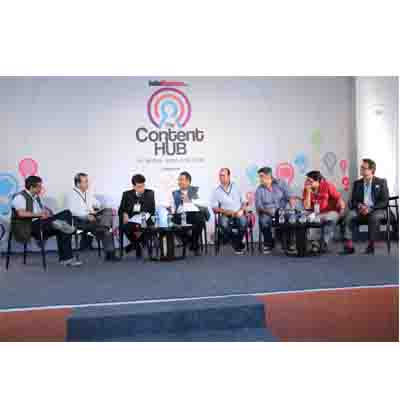
    With a focus on how new age writers also have to don the hat of a producer not out of choice but out of compulsion, The Content Hub 2016’s session ‘The Age of Creative Producers’ set the ball rolling by focussing on issues of show-runners, C driving creativity as well as writers and directors turning producers.

    The session was attended by writers, producers, directors and broadcasters alike from the television industry. The session was chaired by Bodhi Tree Multimedia co-owner Sukesh Motwani and the panellists included Neela Telefilms owner Asit Modi, The House of Originals director Nivedita Basu, Sony SAB programming head Saeed Akhtar and Swastik Pictures founder Siddharth Tewary.

    Shedding light on the issue of writers and directors becoming producers, Tewary said, “Writers have no other option than to become producers because many a times, production houses don’t agree to produce their stories. So writers are left with no choice but to manage their funds and produce it on their own.”

    Basu opined, “The concept of writers and directors collaborating with production houses is nothing new. It already existed in the industry. Moreover, the collaboration between writer and production house as well as between the production house and channel has become a key factor.”

    For the smooth shooting for any television show, a ‘show-runner’ is a must. The show-runner is responsible for the show’s creative and financial aspects and also looks after the overall creative authority and management responsibility for television programs. Emphasising the importance of having an able ‘show-runner’ to helm the television show, Basu added, “Nowadays having a good concept is nothing. It’s all about how you build the characters. It is good to have a very experienced person as a show-runner by a channel.”

    Elaborating on the concept of show-runner, Modi opined, “It is important to have somebody who has knowledge about all aspects of creation rather than writing. Thus it is important to have a show-runner who has a better idea, vision and understanding about what the audience wants.”

    Broadcasters play a pivotal role in getting the content out on television and highlighting the criteria that broadcasters look for while choosing a show, Sony SAB programming head Saeed Akhtar opined, “An individual should have a vision on what they are creating. Today, a lot of shows on television are infinite, and thus it is very important to have a vision about the show as for broadcasters, the show is a product, which they need to sell to advertisers as well as the viewers. One should choose the right person internally to drive a particular kind of brand and maintain brand hygiene. If the channel identifies a person who has the capability to drive a particular idea into a good show and everyone’s conviction is on that show, then broadcasters helps in creating an ecosystem so that the essence of the core idea always stays.”

  • How to get your story on screen?

    How to get your story on screen?

    MUMBAI: The key to survival in the cut-throat world of television programming is creativity and conviction. At a time when writers and good ones at that, are available nineteen to a dozen, television channels are picky-choosy about the scripts and scriptwriting talent that they hire. In such a scenario, many a scriptwriters with fire in their belly and the desire to be successful are left with no choice but to taken the route of becoming a producer by roping in investors.

    With a focus on how new age writers also have to don the hat of a producer not out of choice but out of compulsion, The Content Hub 2016’s session ‘The Age of Creative Producers’ set the ball rolling by focussing on issues of show-runners, C driving creativity as well as writers and directors turning producers.

    The session was attended by writers, producers, directors and broadcasters alike from the television industry. The session was chaired by Bodhi Tree Multimedia co-owner Sukesh Motwani and the panellists included Neela Telefilms owner Asit Modi, The House of Originals director Nivedita Basu, Sony SAB programming head Saeed Akhtar and Swastik Pictures founder Siddharth Tewary.

    Shedding light on the issue of writers and directors becoming producers, Tewary said, “Writers have no other option than to become producers because many a times, production houses don’t agree to produce their stories. So writers are left with no choice but to manage their funds and produce it on their own.”

    Basu opined, “The concept of writers and directors collaborating with production houses is nothing new. It already existed in the industry. Moreover, the collaboration between writer and production house as well as between the production house and channel has become a key factor.”

    For the smooth shooting for any television show, a ‘show-runner’ is a must. The show-runner is responsible for the show’s creative and financial aspects and also looks after the overall creative authority and management responsibility for television programs. Emphasising the importance of having an able ‘show-runner’ to helm the television show, Basu added, “Nowadays having a good concept is nothing. It’s all about how you build the characters. It is good to have a very experienced person as a show-runner by a channel.”

    Elaborating on the concept of show-runner, Modi opined, “It is important to have somebody who has knowledge about all aspects of creation rather than writing. Thus it is important to have a show-runner who has a better idea, vision and understanding about what the audience wants.”

    Broadcasters play a pivotal role in getting the content out on television and highlighting the criteria that broadcasters look for while choosing a show, Sony SAB programming head Saeed Akhtar opined, “An individual should have a vision on what they are creating. Today, a lot of shows on television are infinite, and thus it is very important to have a vision about the show as for broadcasters, the show is a product, which they need to sell to advertisers as well as the viewers. One should choose the right person internally to drive a particular kind of brand and maintain brand hygiene. If the channel identifies a person who has the capability to drive a particular idea into a good show and everyone’s conviction is on that show, then broadcasters helps in creating an ecosystem so that the essence of the core idea always stays.”

  • The Content Hub: Broadcasters are averse to experimenting with content

    The Content Hub: Broadcasters are averse to experimenting with content

    MUMBAI: The first edition of Indiantelevision.com’s The Content Hub saw a full panel of broadcasters, producers and writers discussing how to change the dynamics of TV content. Moderated by Bodhi Tree Multimedia director Sukesh Motwani, the panel consisted of Doordarshan ADG West Mukesh Sharma, Zee TV business head Pradeep Hejmadi, Cinevistaas producer Siddharth Malhotra, Shashi Sumeet Productions co founder Sumeet H Mittal, Satyamev Jayate director Satyajit Bhatkal, Viacom18 head of content regional network Sanjay Upadhyay and writer Purnendu Shekhar.


    Motwani started off by asking whether the only model of monetising was through having daily soaps with the 23 minute per episode limitation? Upadhyay responded to this saying that some efforts have been made to break away tried to break away. “For instance, Viacom18, we have attempted to do this with our regional shows with one hour shows run twice a week,” he said. “What we found with this is that the audience’s addiction level isn’t as good as a daily because they are so used to dailies. At the same time, economics do play a big role.”


    Motwani further queried if broadcasters could experiment with hour long episodes during weekdays while restricting certain genres to only weekend? Hejmadi  pointed out that it isn’t easy to do dailies, as people generally think. “There is a need for change, yes. But the manner of migrating the audience is also needed. Some people have tried that but even then there is a thought process that broadcasters don’t encourage innovation,” he said.


    On the other hand Malhotra said that when the 9pm-10 pm time band became successful, the economics improved and after that no one even tried to experiment with hour long episodes. Upadhyay clarified that though the broadcaster makes an effort, the pressure on them is heavy. Shekhar lamented that broadcasters are scared of losing loyal audiences by introducing short stories that conclude in four episodes from Monday to Thursday.


    In most shows, the characters drive the shows and shows are scripted accordingly. Hejmadi pointed out that it takes to build characters and promote them amongst viewers to develop stickiness, hence having limited episode shows – like say which run from Monday to Friday does not really work, thanks to the attention deficit among Indian veiwers.  even suggested that producers should comHee with their own research insights that they should show broadcasters.


    Public broadcaster Doordarshan, on the other hand,  tends to look at art, culture and of course  literature for inspiration. Sharma said that this was mainly due to them having a different mandate. “For us the universe isn’t between 7pm to 11pm. We also do events such as every second Sunday is a ‘mothers’ day’ where we bring mothers and daughters to talk about them and this makes good money. But we don’t interfere with producer whether or not a show makes money.”


    As to Motwani’s question of whether there can be different shows for ‘India’ and ‘Bharat’, Upadhyay said, “Honestly, we don’t try hard enough because we don’t have patience. We shift goal posts depending on hits.”


    With a few shows having big names backing them such as Saraswatichandra and Everest, he also went on to say, “The noise that comes out of big shows may amortise costs in a shorter time.”


    While format shows are slowly losing audiences in India, the TV community needs to look at other metrics than simple TVTs and TRPs,  opined Satyemev Jayate director Bhatkal. “We chose the graveyard slot – Sunday morning  – when no one is really watching television to do the show,”he said. “We wanted to reach those viewers who don’t generally watch television, we wanted to encourage appointment viewing. People who would take the trouble  to switch on their sets at that early hour. And we apparently did, if we look at the buzz that SMJ generated online. And this is what sellers of channels also need to do, show the media buyers and planners the  volumes of social media data. In six episodes, we had billions of impressions and we were trending worldwide,” he said.