Tag: Blockchain

  • GUEST ARTICLE: How blockchain and the metaverse are revolutionising esports and boosting fan engagement

    GUEST ARTICLE: How blockchain and the metaverse are revolutionising esports and boosting fan engagement

    Mumbai: The gaming and esports industries, both in India and worldwide, have come a long way since their humble beginnings. From physical world cardboard games to playing Super Mario on 16-bit gaming consoles to the era of PlayStation and XBox to now playing e-games, fantasy, and multiplayer esports battle tournaments on smartphones, gaming has really evolved and become more organised and interactive with time. What is the next stage of evolution for the esports and gaming industries?

    To answer that, the next big growth frontier for the esports domain will be based on the dual wonders of metaverse and blockchain-based gaming, which are bound to transform the industry and take fan engagement to a whole new level. But the questions are how and why? Let’s delve deep to find out.

    The market and the promise

    Blockchain technology is already positively transforming the esports industry as we know it. If there is a time for blockchain-based gaming, then it is now. Today, global investors, brands, media outlets, and consumers are nothing but immensely bullish about the possibility of esports and blockchain-based gaming in the metaverse. As per insider intelligence estimates, the total viewership of esports is expected to grow at a 9 per cent compound annual growth rate (CAGR) between 2019 and 2023. A report by the Federation of Electronic Sports Associations of India (FEAI) predicts that the total size of India’s esports industry will be more than Rs 1,000 crore by 2025. In another latest report published by Finder, India has gained the top spot in terms of the adoption of NFT gaming and play-to-earn games, with 34 per cent of the surveyed reporting having played P2E games, and an additional 11 per cent of them willing to play such games in the near future.

    What do all of these statistics tell us? It tells us that a gaming revolution is on the horizon, and furthermore, esports within the metaverse and blockchain technology’s applications in esports are poised to be big in the coming decade. The concept of metaverse and blockchain, coupled with augmented reality and NFTs, are inter-related, with critics now arguing that blockchain, with its decentralised architecture, can help esports and games thrive both in the real-world as well as in the metaverse, by overcoming the shortcomings of centralised data storage.

    Blockchain – the disruption driver in esports arena

    The biggest advantage of blockchain is its decentralisation, which removes intermediaries and empowers players to be the decision-making authorities while adding real-world value to their virtual assets, including in-game ones. The decentralised structure of blockchain helps to bring all the stakeholders of esports like players, sponsors, media, team managers, and advertisers under one roof, thus enabling easy management and distribution of prize money, media rights, sponsorship, and fan engagement.

    With the rise of blockchain-based esports and non-fungible tokens (NFTs) in esports, a new gaming model is emerging based around real asset ownership. And thereby, the new “play-to-earn” model is enabling esports to move away from free-to-play and pay-to-play models. In addition, through blockchain applications, players can get rewarded with cryptocurrencies for playing—which will be another advantage along with the emergence of the ‘metaverse’.

    Furthermore, blockchain addresses two of the industry’s major concerns: security and vulnerability, by making transactions safe, transparent, and fair by providing a decentralised, transparent ledger where no single entity controls the network, making attack or hacking nearly impossible. Also, due to low transactional costs, it is easier to transfer money or any other tokenized asset across the globe, thus democratising the sector and improving accessibility for stakeholders.

    Fan engagement 2.0: blockchain and the metaverse 

    Blockchain gaming can take fan engagement to the next level by placing players and the fans at the heart of everything they do – from the creation of fan-centric ecosystems that will enable greater interaction between fans and teams, improving relationships with sponsors, unlocking new revenue streams and much more! To begin with, fan loyalty solutions can be created through blockchain technology, which provides a frictionless way for sponsors, partners, and fans to utilise loyalty tokens across the ecosystem. Fans can also be rewarded for taking certain actions, such as interacting with the team, making purchases from sponsors, or watching advertisements.

    NFTs, for example, can be viewed as the digital equivalent of trading cards in the future, with entire leagues, teams, and individuals licencing them today. Harnessing NFTs can unlock multiple opportunities for esports fans, who can use NFTs to unlock access to VIP spaces, clubs, and channels hosted by leading esports teams, which will allow fans to get closer to their favourite teams and gain a sense of camaraderie. Teams could also build a virtual version of their stadium in the metaverse and sell NFTs as tickets to fans for tours. Over time, NFTs can additionally become the digital tool for membership, rewards, access, and other aspects of ongoing fandom.

    Also, blockchain technology can be used to create and develop tokenized membership or fan tokens that may be purchased by fans and used to unlock discounts, rewards, exclusive content, etc. It can also unlock ways of interacting with pro teams/orgs wherein fans can use their token to get exclusive content, digital collectibles, merchandise, or behind-the-scenes sessions. Fans can even use their token to gain voting rights for their favourite epsorts teams and players, giving them a greater sense of belonging to their favourite epsorts teams and players. Moreover, given that blockchain-based platforms are extremely secure, flexible, and easy-to-scale, fans can make use of digital wallets to store and redeem tokens with ease, make transactions incredibly fast, and earn their rewards quicker than traditional loyalty platforms.

    On the other hand, esports in the metaverse will evolve to be a close-to-reality experience. What are the ways that the metaverse will make gaming more immersive and boost fan engagement? To start with, we will move from a physical event to an immersive hybrid model where instead of attending a tournament arena to watch the players, one could enter a virtual environment that places one within the play environment itself. Thus, esports tournaments in the metaverse could virtualize the entire experience for fans in a never-seen-before manner.

    In conclusion

    While metaverse is still in its early stages as of today, there is a growing interest in the Indian start-up ecosystem in the adoption of web 3.0 and blockchain in this sector. No wonder we are witnessing a revolution in gaming with blockchain. The intersection of blockchain, metaverse, and esports is certain to make gaming more integrated with our real-world experiences and will also make fan engagement more deeply personal, unique, and innovative. Together, blockchain and esports will create an ecosystem that will work seamlessly and make gaming more immersive, fun, and engaging for players.

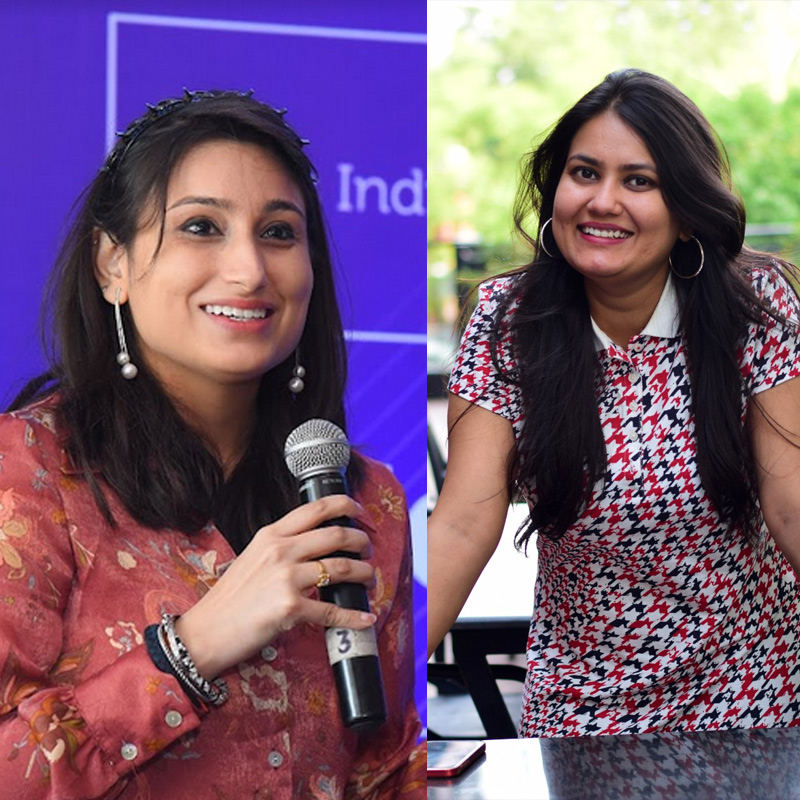
    The author of the article is Stan co-founder and CEO Parth Chadha.
  • House of Gaming joins hands with blockchain venture Bluewheel Capital & Wharf Street Studios

    House of Gaming joins hands with blockchain venture Bluewheel Capital & Wharf Street Studios

    Mumbai: House of Gaming, a next-generation technology firm aimed at developing esports in India through its three verticals: Indian Gaming League, Hefty Games, and GameGods, has partnered with Bluewheel Capital and Wharf Street Studios. The aim is to bring blockchain gaming to the mainstream. The association’s goal is to build a reputation for the House of Gaming enterprise’s recent ventures into Age of Tanks ( Bluewheel Capital) and Epiko Regal (a fantasy world influenced by and based on Indian mythology created by Wharf Street Studios).

    The House of Gaming’s alliance with Bluewheel Capital and Wharf Street Studios will strengthen its efforts to support and drive Web3 gaming adoption across the globe. The collaboration also aims to kickstart and fuel the gaming and NFT ecosystems of Hefty Games with exclusive P2E (Play to Earn) tournaments. Fostering higher engagement, in addition to the existing portfolio of Lokesh, TSG, Gyan, AS Gaming, and Team Orangutan Elite, House of Gaming also intends to release NFT trading cards, allowing gamers to own collectibles from their favourite gamers.

    Because of its collaboration with Polygon and eDAO, Hefty Games has established itself as a one-stop shop for all forms of digital art in the gaming world on the blockchain. Polygon, which is also the leading Ethereum scaling and infrastructure development platform, will help to engage gamers and bring them closer to industry titans like Hindustan Talkies, the media conglomerate, and Hungama, one of South Asia’s largest digital media entertainment companies. At Hefty Games, we aim to get things going and keep them going. Expanding partnerships in the worlds of collectibles and blockchain, this collaboration will help India realise the positive economic impact of blockchain gaming while transforming House of Gaming into a multi-service entertainment application.

    Contributing to the development of the most diverse portfolio of gaming titles via the blockchain association, House of Gaming will aim to elevate itself to be a powerhouse for providing entertainment across esports, games, and blockchain technology.

    House of Gaming co-founder and CEO Yash Pariani said, “Our strategic alliance with Bluewheel Capital and Wharf Street Studios is a gateway to newer means of engagement in the esports community. With the widespread adoption of Web3 gaming, there is even greater momentum and scope added to the sector. We are looking forward to creating a strategic impact towards enhancing the future of gaming.”

    Bluewheel Capital CEO V Agarwal said, “Our partnership with House of Gaming will help incentivize engagement, allowing players to turn blockchain into a potential source of income. With the increasing difficulties of cryptocurrency and Web3 gaming, its true potential remains unrealized. The collaboration will revitalise the industry to create advantages in the NFT space.”

    Wharf Street Studio founder and CEO Venkatesh Krishna Murthy said, “Our collaboration with House of Gaming only increases our chances of expanding the blockchain world and making NFT Games an important source of revenue distribution for an influx of upcoming games. Epiko Regal is one such competitive title, and our goal is to give this game a significant stake in the blockchain ecosystem.”

    Recently, House of Gaming collaborated with the blockchain giant Polygon to introduce gaming NFTs via Hefty Games. Following the recent announcement of Hefty Art bringing MF Husain’s paintings into the metaverse, its collaboration with Polygon and eDAO will help bring gaming enthusiasts closer to industry titans such as Hindustan Talkies, the media conglomerate, and digital media entertainment company Hungama.

  • GUEST COLUMN: How the metaverse, web3, and blockchain are changing the dynamics of marketing

    GUEST COLUMN: How the metaverse, web3, and blockchain are changing the dynamics of marketing

    Mumbai: Web3, blockchain, and metaverse are three concepts that are generating a lot of buzz and enthusiasm in the domain of business technology right now. There are new technologies emerging all the time, and web 3, blockchain, and metaverse are among those that have the potential to change many industries. Digital marketing is always evolving and developing as new technologies emerge. We now have a much better approach to connecting consumers and companies as we go to Web 3. The metaverse, on the other hand, is now a catch-all term for virtual worlds in which users may connect with one another and interact using applications and services in a significantly more realistic manner. With the advent of digital marketing, various new and innovative internet marketing trends have emerged to target customers. Things are set to change again, especially with the advent of blockchain technology.

    Let’s have a close look at what Web3, blockchain, and metaverse play in digital marketing and how these three are changing the dynamic of the industry-

    1)   Web3

    What really is the purpose of the name web3? because it is expected to be the third significant development of the internet, following the worldwide web (web1) and the consumer web (web2, or social media). The idea behind the creation of web 3 was to create a more democratic internet. No single party will be able to restrict the information flow or “pull the plug” and terminate a network just because they possess the hardware on which it runs.

    Web 3 undoubtedly raises the bar in order to provide something innovative and remarkable, but also engaging and uplifting in the digital marketing industry. Web 3 seems to be something that allows businesses to engage with customers and give them reliable solutions. It clearly works, and if used correctly, it may yield fantastic benefits. Web3 intends to be wiser and more knowledgeable than earlier internet eras. We can anticipate digital marketing changing as a result of newer, more immersive technology. Digital marketing is by far the most effective method of reaching out to audiences and consumers.

    2)   Blockchain

    Blockchain technology improves transparency, prevents fraud, and ensures that data collection is done correctly and without issues. It undoubtedly contributes to this element and experience, yet pushes the boundaries in a really unique way. Blockchain marketing is a modern digital marketing method that makes use of blockchain technology. A blockchain is a database that enables transactions to be safe, transparent, and tamper-proof. It is an ideal marketing tool since companies can trace data transfer and guarantee its accuracy.

    Blockchain technology overcomes this problem by bypassing networks such as Facebook and Instagram, providing companies with immediate access to their clients. As an outcome, companies may be more creative in their marketing strategies and more proactive when anything goes wrong.

    3)   Metaverse

    Marketing in the metaverse is still very much in development. While everyone wants to enter the metaverse, leading companies say that the industry is still trying to figure out what marketing in the virtual world entails, whether through social media, public relations, or digital marketing. An entrepreneur evaluates and understands if marketing in a metaverse leads to a greater return on investment (ROI) or more engagement with their end customers than marketing in the digital or physical worlds where they are directly targeting their consumers.

    Old-fashioned advertising methods are being phased out in favour of fresh concepts that reach individuals of all ages. Influencers, who post photos or videos on social media platforms like Instagram and other platforms to show off their products in an engaging way, are the most popular type of digital marketing—it’s not uncommon for personal sponsorships from everyday people with a large number of followers (or “influencer”) accounts to attract thousands, if not millions, more views than traditional ads alone!

    Web3, metaverse, and blockchain are technologies that will influence our future. As we speak, the way we live, earn, and socialise is changing dramatically. The greatest method is to have an open metaverse in which everyone may come and depart whenever they choose. This is where everyone may explore projects and communities that they are interested in. Blockchain technology is changing not just the way digital marketers buy advertisements, but it is also opening up new prospects for small companies. Blockchain’s security, transparency, and simplicity will revolutionise the way businesses do business online, including making their social responsibilities more visible to customers.

    The author is Hyper Connect Asia co-founder and business & growth lead Ankur Pujari.

  • PRandit wins PR mandate for Tezos India

    PRandit wins PR mandate for Tezos India

    Mumbai: Gurugram-based PR firm PRandit Solution has secured the PR and media relations mandate of blockchain adoption company Tezos India. 

    Tezos enables people and entities to optimally use its blockchain in India. Tezos India was able to secure the mandate by participating in a competitive multi-agency pitch, following an open call by Tezos India for outsourcing their PR and media activities.

    PRandit will be responsible for crafting and disseminating all the key messages and information relevant to establishing and projecting the credibility of Tezos India as an enabler towards creating a well-rounded Tezos ecosystem in India. In addition, as a part of this mandate, PRandit will explore opportunities for Tezos India and its spokespersons to be featured across relevant national and international media outlets, spanning across print, electronic, online and new-age media outlets, among others.

    PRandit Solution co-Founder & COO Shalu Jha said, “India currently hosts one of the largest tech and startup industries in the world, and blockchain and crypto have, of late, become the fastest-growing space as well as one of the hottest topics in the media and communications universe. And in line with these developments, Tezos India has been, of late, playing a crucial role in helping enthusiasts and young Indians get closer to the marvels of Web3 at large, and the Tezos blockchain in particular. As a ‘tech-first’ PR company, we at PRandit are very happy and proud to partner with Tezos India to enable them to increase their visibility, credibility, and prominence in the media ecosystem at large, and amongst their target audience in particular. Our focus for Tezos India’s PR would be towards ensuring that their larger organisational goals are being served while actively evangelising and spreading awareness about Tezos, crypto, blockchain, and web3, among other allied subjects.”

    Tezos India head – operations Poorvi Sachar added, “We at Tezos India are pleased to associate with PRandit for our 360-degree media and PR related engagements. We are confident that through their strategic know-how in the media and communications arena, PRandit will be playing an instrumental role in highlighting Tezos India’s areas of expertise and operations, achievements, etc. We look forward to a fruitful, long-term collaboration.”

    Notably, Tezos India is an organisation supporting the Tezos ecosystem in the Indian sub-continent and is a grantee of the Tezos Foundation. As innovation in the blockchain space advances in India, Tezos India constantly strives to address key barriers facing blockchain adoption to date in India through: developer adoption, education & training, and ecosystem development. 

    On the other hand, PRandit Solution is a leading Indian B2B agency in the field of strategic communications-related services and has helped over 500 startups and businesses with their brand positioning, media relations, public relations, reputation management, etc., since its inception in 2018.

  • Esports team GodLike Esports collaborates with blockchain-based fan engagement startup Stan

    Esports team GodLike Esports collaborates with blockchain-based fan engagement startup Stan

    Mumbai:  Esports organisation GodLike Esports has entered into a strategic agreement with Bengaluru-headquartered esports fan engagement startup Stan. This will enable them to provide officially licensed non-NFT digital collectibles for GodLike BGMI team’s fans and followers, among other services and rewards. 

    The key objective of the partnership between Stan and GodLike, which was facilitated by Numen Esports and Gaming, is to build an ecosystem for fans in order to connect with them actively and unlock new experiences for the fan base. 

    Following this partnership, Stan shall be giving access to GodLike fans to chat, play and even meet GodLike team members; furthermore, Stan users will also have a chance to visit GodLike’s Bootcamp, India’s largest gaming/esports facility.

    Among the key players of Godlike Esports BGMI team with whom Stan has collaborated include: Chetan ‘Kronten’ Chandgude, Abhijit ‘Ghatak’ Andhare, Jonathan ‘Jonathan’ Amaral, Vivek ‘ClutchGod’ Abbas, Abhishek ‘ZGOD’ Choudhary and Suraj ‘Neyoo’ Mujumdar. 

    In addition, they have also collaborated with an influencer and an ex-professional player Kronten, GodLike owner, founder and director Abhijit ‘Ghatak’ Andhare (also an influencer and an ex-professional player).

    Speaking on the partnership with GodLike, Stan co-founder and COO Nauman Mulla said, “Entering into a strategic partnership with the biggest organisation in India, GodLike Esports, was a no brainer for us at Stan, as want to give access to all the GodLike superfans, all of that Stan is offering. We aim to work with all the major stakeholders in this esports ecosystem, which is why we are very excited about this partnership. We intend to empower fans and connect them with their favourite esports athletes and creators; and to that end, now Stan users will be able to play a game, chat, make a live call, and meet GodLike members. We are proud to announce that Stan is the only platform today giving access to GodLike fans to meet, chat, play and also visit their gaming facility, and no other application or company are offering these services.”

    Kronten said, “We are excited to partner with a brand as visionary and groundbreaking as Stan. Physical collectibles and memorabilia have been a part of sporting culture across the globe for so long and converting these to digital tokens using advanced technology will revolutionise fan engagement. All of us at GodLike are looking forward to engaging with our fans and community through Stan.”

  • Music NFTs are an alternative way for artists to increase their earning potential: Report

    Music NFTs are an alternative way for artists to increase their earning potential: Report

    Mumbai: Music NFTs are an alternative way for artists, most of whom depend on extractive record labels and centralised platforms to earn a living, to increase their earning potential, according to a report by video games, data, analytics and market research firm Newzoo. This allows them to sell their singles, EPs, or albums as NFTs to their most loyal fans, it added. 

    The report indicated the trends in the metaverse, blockchain gaming, and NFTs. It identifies and analyses metaverse trends, case studies, the future of the metaverse, P2E, blockchain gaming, and NFT space.

    According to Newzoo’s report, 2021 has undeniably been the year of NFTs, with several high-profile collections being sought after for the boost in social status and financial incentives they offered. Despite the current market pullback profile picture (PFP) NFTs are likely to be key elements when it comes to digital identity in the metaverse.

    The report suggests that consumers spend increasingly more time in virtual worlds, and successful brands follow them. As a result, consumer-facing companies will be forced to develop a metaverse strategy to stay connected with their (future) customers and remain relevant.

    As time spent in virtual worlds increases, our digital identity and representation will grow in importance. This opens a wide array of opportunities for traditional and digital fashion brands alike to dress our digital selves with in-game skins and virtual garments, thus giving rise to the direct-to-avatar business model. This also has important implications for the future of e-commerce.

    Play to earn and blockchain gaming –  As time passes, we are likely to see more blockchain games challenge traditional AAA titles in terms of technical complexity and at some point size of the player base. Though blockchain gaming faces some notable challenges particularly sustainability and regulatory concerns these are likely to be mitigated as the space matures.

    The report also highlights the key challenges of this industry. Some major challenges include politics and regulations where governments will want to control virtual worlds, and regulations may create new barriers between worlds. Also, UGC spaces require strong safety and content moderation processes in place, supported by machine learning and trust/safety agents.

    Privacy and ethics also need to be addressed because metaverse activity tracking has the potential to become far more powerful than web tracking. At the same time, accessibility and scale are also seen as challenging as the metaverse is not yet accessible or interoperable at scale. Lastly, new standards and protocols are needed for the industry.

  • Gather Network gives additional responsibilities to Ashesh Koul; appoints him CTO

    Gather Network gives additional responsibilities to Ashesh Koul; appoints him CTO

    MUMBAI: Dubai based Web3.0 & blockchain content monetisation platform, Gather Network has announced their expansion plans for India’s operations with additional responsibilities assigned to the Chief Technology Officer (CTO) Ashesh Koul. In his new role, he will manage the company’s growth in the South Asian market and will also lead a team of 40 employees.

    Koul has been a technologist at Gather Network for over four years. He has a keen understanding of both the business as well as consumer’s needs. Therefore, his skills & experiences will help to create a Web3 powerhouse for leading business strategy, tech consulting & building blockchain capabilities.

    With core competencies in business strategy, tech consulting & software development, his role has been instrumental in leading global teams and owning end-to-end wide range of business functions & technology solutions. He comes with 18 years of experience in the technology industry, having led large teams of  more than 200 engineers as well as working hands-on in Fortune 500 enterprises and technology start-ups. Ashesh has a strong technical background in mobile, middleware, automation, and big data, & recently applied for a patent as well.

    Gather Networks intends to significantly increase its workforce in India with its new Indian operation headquarters that recently opened its doors in Gurugram, NewDelhi.

    Koul said, “I am really excited to contribute to Gather Network’s vision of expanding across the South-East Asia region. The company’s journey in South Asia over the last few months has been both enriching and exhilarating and I look forward to applying what I’ve learned in the current role in the enhanced profile. From the perspective of our clients and talent, there are tremendous opportunities to create interesting synergies across geographies. I am really grateful to Gather Network for this opportunity and their trust  in me”.

    Gather Network CEO, founder Reggie Raghav Jerath commented, “I’m overjoyed to have Ashesh lead the growth and operations in the region. We intend to capitalise on his knowledge and experience as one of our core members from the last four years to achieve even greater momentum in the Blockchain & Crypto space. To that end, we intend to pursue specific organic and inorganic growth strategies while continuing to invest in innovation. We believe that Ashesh’s experience and strong financial acumen will play a vital role in driving these initiatives and maximizing value for our clients and stakeholders in the South Asian market.”

    Gather has various products that help in enabling monetisation for content creators such as Gather Online, where web and mobile developers can monetise from the end-user processing power with their express permission,  Gather Enterprise, which is a consultancy service providing solutions for business on tokenization, and Gather Cloud, a decentralized cloud services providing businesses with the processing power that keeps the cost of cloud computing in check with the use of their own existing devices.

  • NFTICally unveils Comearth to drive e-commerce in the Metaverse

    NFTICally unveils Comearth to drive e-commerce in the Metaverse

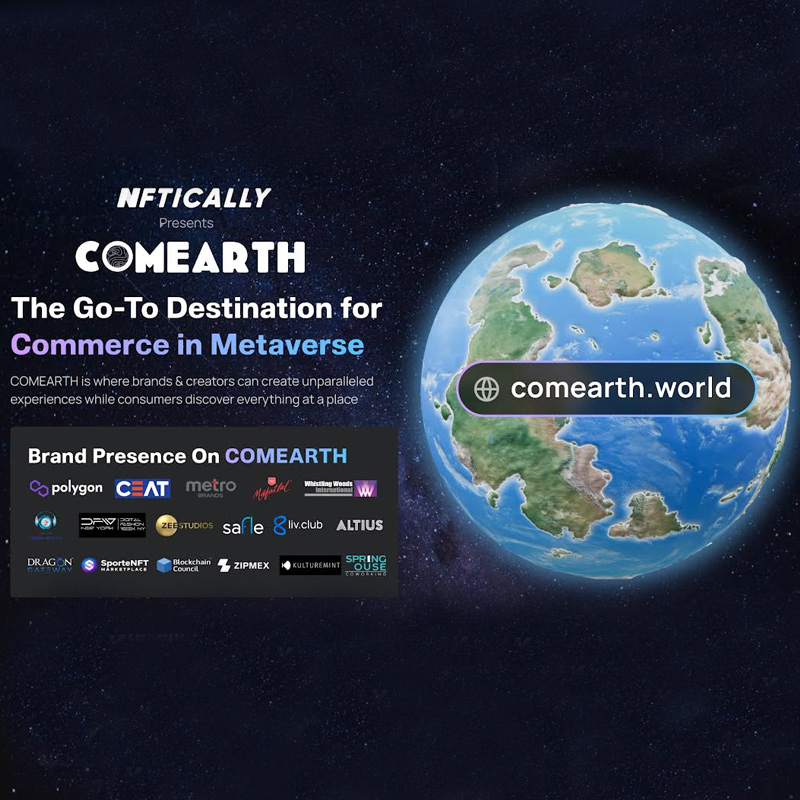
    MUMBAI: Global Web3 E-Commerce SaaS platform NFTically has launched  Comearth. This is a destination for commerce in the Metaverse. Comearth, a 3D immersive virtual environment, will be powered by NFTically’s “Web3 E-Commerce Engine ” & backed by the trust and decentralization of the Polygon Blockchain. In Comearth, brands, enterprises, content creators, and celebrities will be able to purchase their virtual spaces / virtual real estate as Comearth’s “Citizens” and launch the e-commerce experiences for their customers, consumers and followers.

     The metaverse has the potential to be a $13 trillion ecosystem within a decade. The e-commerce industry also is expected to expand at a CAGR of 22.9 percent between the years 2020-2027 to size over $16.2 trillion. Exploring the intersection of two burgeoning markets, Polygon co-founders Sandeep Nailwal & Jaynti Kanani, Coinbase CPO Surojit Chatterjee, Unacademy co-founders Gaurav Munjal, and Roman Saini, Indian film-maker Subhash Ghai, Actor Kunal Kapoor, Capital X’s Cindy Bi, Nazara’s Nitish Mittersain have invested in NFTICALLY to build a 3D immersive metaverse ecosystem that would power e-commerce for 100,000 brands & individuals by 2025.

    NFTically founder & CEO Toshendra Sharma said, “Web3 is the next generation of the internet, which will profoundly impact e-commerce solutions. Comearth will bring a fully-immersive DIY layer to e-commerce and enable immersive hyper-personalisation for everyone. We intend to democratise and facilitate mass Web3 adoption & bridge the gap between web3 and web2 E-Commerce.”

     The launch was graced by NFTICALLY’s advisors and partners including film writer-director, producer, Subhash Ghai, Mafatlal Group vice-chairman Priyavrata Mafatlal, Kulturemint director Govind Singh Sandhu and The Blockchain Council CEO Pradeep Aswal. They reflected upon the perspectives of brands getting empowered with Comearth for augmenting retail and consumer experiences.

     Comearth comprises different sizes of land parcels that cater to businesses and industries ranging from large to small enterprises, celebrities, and individuals. It will act as a global marketplace for goods (digital, physical, and phygital) and services (within and outside of the Metaverse) & facilitate e-commerce and lead generation. The land parcels can be purchased as NFTs and are governed by the smart contracts deployed on top of Polygon Blockchain. The comprehensive DIY tools empower the landowners to start their metaverse venture in minutes and will be accessible by mobile, laptops, and VR devices.

     Polygon Studios Metaverse lead Brian Trunzo said, “Polygon Studios is pleased to welcome Comearth as a valued partner into the ecosystem. Their easy-to-use and powerful suite of tooling brings brands and rights holders closer to their audiences — a key aspect of facilitating broader Web3 adoption”.

  • Warner Bros. launches a blockchain programme for Looney Tunes franchise

    Warner Bros. launches a blockchain programme for Looney Tunes franchise

    Mumbai: In collaboration with Nifty’s, a platform for NFT-powered fan communities, Warner Bros. Consumer Products has developed a new story-driven blockchain programme around the “Looney Tunes” franchise. Digital art will be used as a new storytelling medium for “Looney Tunes: What’s UP Block?,” creating a fresh narrative for the franchise, revealed through NFTs.

    Filled with antics and humour just like the “Looney Tunes” characters, the programme will offer fans access to participate in activities and games as the story unfolds, both digital and in real life while earning rewards and benefits along the way including virtual meet and greets, special access and discounts to “Looney Tunes” merchandise, exclusive never-before-been-seen content, new NFT drops, and much more.

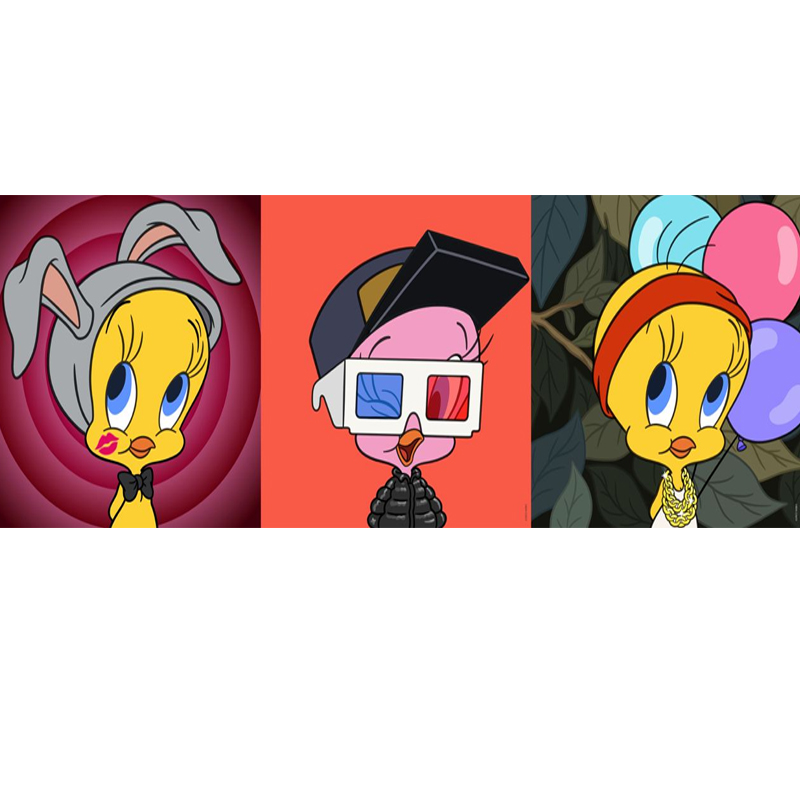
    As part of the yearlong celebration of Tweety’s 80th anniversary, the canary will be the first “Looney Tunes” character featured in the new collection, all to have expressions, clothing, and accessories that will allow collectors to build community and connect with other “Looney Tunes” aficionados. This summer, the public sale, as well as an early access sale for Nifty’s community members who currently own certain NFTs, will commence.

    In a statement, Warner Bros. head of NFT commercial development Josh Hackbarth said, “‘Looney Tunes’ is a pop culture sensation, representing the golden era of animation with 80+ years of storytelling and laughs. From the recent success of “Space Jam: A New Legacy” to the classic cartoons from the 1940’s and 50’s, these beloved characters continue to spark nostalgia and excitement across all generations. Today, as digital engagement and technology evolve, the “Looney Tunes” collection will further expand the reach of the franchise, bringing fans together from around the world, offering unique experiences, community building, storytelling and a whole new way for them to engage. And what better way to kick things off with Tweety as his 80th birthday celebrations continue.”

    Nifty’s CEO and co-founder Jeff Marsilio said, “NFTs have limitless potential, and we are just scratching the surface of what is possible. We’re thrilled to be expanding our partnership with Warner Bros., visionaries in storytelling and creative entertainment, to use NFTs in this innovative way that also engages users and connects them to a community of other ‘Looney Tunes’ fans.”

    The Tweety avatars will be minted on the Palm Network, which features low gas costs and fast transaction finality. This is the third project launched by Nifty’s and Warner Bros. to create NFTs incorporating mainstream entertainment IP. Late last year, the two partnered to create the ‘Matrix Avatars’ NFT programme, which the parties state remains one of the largest PFP (profile picture) projects to date. In July of 2021, Nifty’s introduced a collection of limited-edition NFTs featuring characters from the live-action/animated film ‘Space Jam: A New Legacy’, which reintroduced the popular ‘Looney Tunes’.

  • CAMM Summit 2022: ‘Ad-tech to allow brands to take control of consumer experience’

    CAMM Summit 2022: ‘Ad-tech to allow brands to take control of consumer experience’

    Mumbai: Facebook rebranded to Meta in October last year and threw the marketing world into a frenzy by coining a new buzzword ‘metaverse.’ Marketers are often quoted saying that technologies such as AR/VR, blockchain, cryptocurrency, non-fungible tokens (NFTs) will have a transformative effect on the advertising industry but the implementation of these technologies at scale still has ways to go.

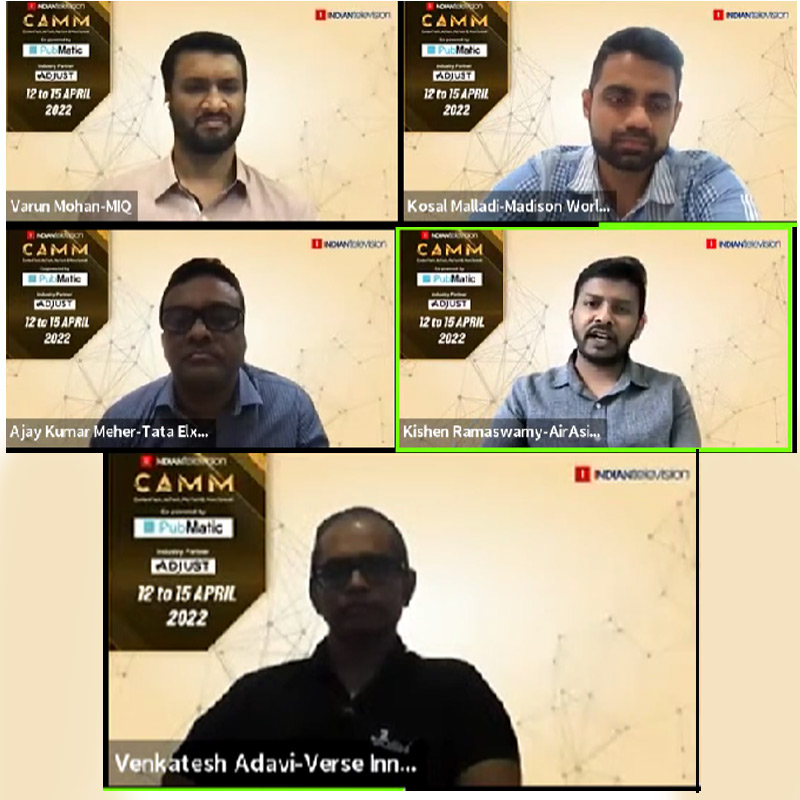
    “In digital media, we’ve been comfortable talking in terms of reach, frequency, leads but suddenly there is a challenge that we’re all facing,” said Madison World vice president Kosal Malladi during a panel discussion held recently. The discussion was on ‘new technology experiences in content-tech, ad-tech and mar-tech’ organised by IndianTelevision.com during its Content-Tech, Ad-Tech, Mar-Tech and More (CAMM) Summit and Exhibition 2022. The virtual event was co-presented by PubMatic and industry partner Adjust.

    The challenge we’re facing, explained Malladi, is that while there are a lot of people giving ‘gyaan’ about the metaverse, blockchain and everything associated with it, they don’t know how to implement it. “Adtech and martech is evolving so quickly that if we don’t keep pace with the change, we’ll become dinosaurs.”

    The discussion was joined by eminent marketers, technologists and media strategists including AsiaAsia India lead product marketing and brand communications Kishen Ramaswamy, Tata Elxsi global practice head for media and new media Ajay Kumar Meher, Verse Innovation vice president monetisation, growth strategy and partnerships Venkatesh Adavi and MIQ India and SAARC head of growth and revenue Varun Mohan.

    Starting off the discussion on the applications of blockchain technology, Tata Elxsi’s Ajay Kumar Meher said, “There are people who’re asking the fundamental question of what is the practical use of a blockchain.”

    “Blockchain is a shared immutable ledger,” he explained. “It is a process of recording transactions that is unchangeable. It also helps in tracking assets that may be digital assets such as NFTs. Should the asset only be digital in nature? Not necessarily. The sale of a house may be recorded and registered on a blockchain so that the owner can be defined. This would prevent the same property from being sold multiple times to different people.”

    In the media and entertainment industry, “blockchain can manage content micropayments. Suppose a broadcaster is buying the rights to a movie and an artist has recorded a song that is played in the movie, then that artist can be paid a specific micropayment every time the movie is played,” said Meher.

    He added, “If a content owner would like to sell the rights to his content to various stakeholders via the blockchain then he will be able to track whether the content is being used as stipulated in the agreement. Another level of usage are royalty payments where we can define all the stakeholders in the piece of content and precisely know what is to be paid for a particular usage.”

    “Artists who are creating a lot of digital assets may leverage NFTs to define their ownership of that asset,” Meher further said.

    Meher shared several use cases on how blockchain could be deployed in the media industry including creating a blockchain-based exchange between advertisers, agencies and publishers to measure exactly how many ads are displayed on the publisher side.

    “The wastage of media will be controlled with far more engagement opportunities unlocked by ad-tech,” remarked MiQ India and SAARC head of growth and revenue Varun Mohan. “Ad-tech will play a vital role on the measurement side. Today, If I take the FMCG category as an example, they are facing a lot of challenges in monitoring data that is coming from offline channels. With ad-tech, brands will take ownership of consumer behaviour and engagement via multiple touchpoints that will help them plan their media activation.”

    Next Verse Innovation’s Venkatesh Adavi spoke about the use cases for AR/VR in India. He said, “AR is quite ahead in terms of adoption compared to other technologies. It is being used by both people who consume content as well as marketers and media companies who want to talk about their brands and products.”

    He added, “VR still suffers from issues such as proliferation of equipment, bandwidth and network coverage that needs to be there to enable the ecosystem. There’s still some heavy lifting required in terms of development of VR content and from an access point of view.”

    “AR technology is growing fast as there is a processor and camera in everyone’s hand via the smartphone. What we see on short video app Josh is that users live creating content that can be layered on AR. Brands are also catching up. We get a lot of brands who want to create AR effects, so that they can be a part of the content that consumers create.

    “The holy grail of marketing is engagement and AR gives a canvas to marketers to enable their products to be utilised in the videos that consumers are creating. If millions of consumers create videos using brands’ AR effects, then you get so much earned media,” surmised Adavi.

    AirAsia’s Kishen Ramaswamy spoke about potential use cases of the metaverse in the airline industry. “Metaverse is a combination of AR/VR but with a real-world economic model. Today, in general, people are more open to having virtual meetings over physical ones, especially in the corporate segment. This opens up people to have experiences outside the workplace. That is important for us as a brand and we’ve been focusing on creating experiences that our audiences would appreciate,” Ramaswamy said.

    “For a first-time flier booking a ticket, checking-in and picking your seats can be an intimidating experience,” he stated. “Why not create a metaverse experience where our customers can explore doing those things and learning on their own. For a brand, it is an opportunity to show what they can expect. We expect this use case to become a reality in the near future.”  

    Watch the panel discussion here: