Tag: Blockchain

  • “The first choice for those in sports is Sportel Monaco” – Sportel Monaco’s Loris Moneni

    “The first choice for those in sports is Sportel Monaco” – Sportel Monaco’s Loris Moneni

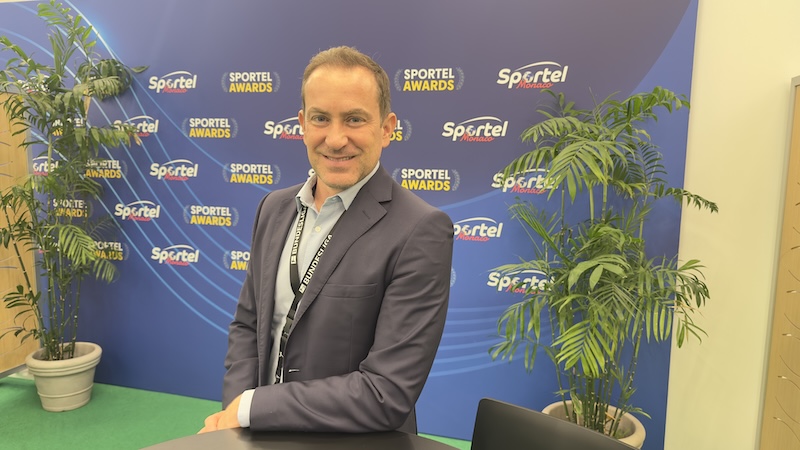
    Loris Moneni is content as punch. It is the last day of the 35th edition of Sportel Monaco and as the executive director of the sports media rights and technology confab, he has reason to be pleased. There has been a strong turnout of buyers, exhibitors, sports leaders, and government and federation representatives. Thousands of meetings between the various participants have laid the groundwork for deals running into hundreds of millions of euros, possibly even billions. The veteran of Monaco Mediax has spent nearly two decades at the event management firm, doing it all—from director of marketing communications at the TV festival to executive director of the Sportel Awards, finally rising to become executive director of Sportel Monaco.
    Indiantelevision.com sat down with Moneni in Monaco to discuss the highlights of Sportel Monaco and what lies ahead in the coming months and for the 2026 edition. Excerpts from the conversation:

    On the highlights of Sportel Monaco 2025
    From the organising side, it was the new layout. We put in place a new entrance and new layout just to make it feel different. The participants have been coming for many years with the old layout. For some of them, we have new spaces to use in this building. So it was interesting for us to propose something new. We noticed everyone had very busy days with lots of people coming together at the same time. Lots of meetings, lots of good conversation—it was really an interesting atmosphere with good energy.

    On the major trends discussed at the conference
    We had new big topics. We had a sharp focus on private equity and how they are viewing investment in sports tech and sports initiatives. This was a big masterclass panel in the conference programme. I think it was really interesting for everyone, and it was also new for us to welcome this kind of conference. It’s also important for us to have new buyers coming. That was the case this year, with new companies attending Sportel for the first time. We also had a good mix of buyers and sellers.

    On the number of exhibitors, attendees and buyers
    We had 2,000 participants coming from 70 different countries around the world. So it’s really important. We have 150 to 160 new companies attending this year compared to last year. At least 30 to 40 per cent of the attendees were buyers, which is good for the sellers of sports media rights.

    On Sportel’s leaning towards Europe and plans to make it truly global
    That’s not totally true. It’s not totally European; it’s becoming more global. We have the big professional leagues coming from the US—the NBA, the NFL, the NHL. The ATP, the WTA—they are all here. The World Cup hockey from Canada is here for the first time. They are exhibiting this year to promote their tentpole events. The ICC attended, despite not having a stand. So we have good representation from all over the world and from this continent.

    On the presence from Asia
    Annually, we have been having the same presence. I mean, we have new companies, which is good for us, but we are more or less about 10 per cent. We have about 60 per cent from Europe, then about 20 per cent from the Americas, and the remainder from other nations. We are encouraged by the presence from Asia—that’s why we are going to Singapore next March with Sportel Asia.

    On the presence from the technology side
    We have lots of people now talking about one of the other big topics—AI. So many players coming and talking about that. You probably see some of them exhibiting. We have lots of people coming from the AI side, and this is one of the most used technologies now in content production for sport.

    On the absence of blockchain companies this year
    You’re right, we don’t have many actors and players in blockchain this year at Sportel. There were discussions. I can’t really explain why, but it’s a fact.

    On the feedback for Sportel Singapore from European and American clients
    We have got very good response from our clients, who have expressed their sincere interest to go to Singapore—much more than the last time we did an Asian outing in Bali. Even though it’s just the beginning of the commercialisation of Sportel in Singapore, it’s pretty encouraging. We will have this larger presence from Asia, and the goal for us is to bring Europe and the US to the Asian market.

    On the percentage of renewals from existing clients for 2026
    We’ll give you more information in the coming months because they have until the end of this year to confirm their location. But usually the renewals are pretty good. We have more or less 60 to 70 per cent of people that renew every year.

    On what he sees developing in the sports, media rights and sports tech business in the coming year
    We can see now that we have new collaborations that didn’t exist in the past, and maybe some unusual collaborations happening in the world of sports broadcasting, media rights and technology. It’s nice because we see more and more competitors and companies popping up. Also, more and more sports events are taking place, and we can see new opportunities cropping up.

    On speculation about Sportel coming to India and whether it can be scaled up like the one in Monaco
    I can’t answer this question in the affirmative. But it is definitely a location, a place that we look forward to being present in—probably next year we can make it to India. Why India? Because it’s quite an underdeveloped sports market, and it’s a really huge market, as is the entire south Asian region. So it’s really interesting for us to be present there. I believe that there’s real interest to have Sportel there because it is a one-sport nation—cricket. The traditional sports that we have in Europe are not very popular in India; they have niche audiences.
    But I know that Indians are watching football, especially the Premier League. Hence, it would do well for the other big leagues in Europe to go there and promote themselves, to build their audiences and make their media rights valuable.
    We are not looking for the scale of Monaco in India. The format of Sportel abroad is different from the one in Monaco. In Monaco, you have 2,000 participants. When we go to Miami or Singapore, it’s more like 500 to 700 attendees and we don’t have a big exhibition; you don’t have as many stands. We have only 20 to 25 exhibitors, whereas in Monaco we have 75 to 80 exhibitors.

    On the rationale behind the pitching competitions and the start-up exhibition area
    It’s important for us to have these kinds of small companies or start-ups. They are looking forward to the big players seeing their products or services or the improvements they have made. The big players need them also, to get exposed to their innovations and new technology, as they are always looking to offer audiences at home and in stadia something new. So it’s really important for us to have this mix of traditional players that have been coming to Sportel for maybe 30 years, and the tyros which are just entering the market. With this mix, we have the entire sports and sports tech community together in one location.

    On the perception that large-format global exhibitions and confabs are on their way down, with exhibitors and attendees preferring to communicate digitally post-covid
    That may be true as a generalisation in turbulent times with mergers and acquisitions ballooning, companies going bust and tight cost controls being resorted to. However, it is not true in our case. The strength of Sportel is the “executives” and the “quality of people” coming to the event. More or less half of the attendees here are decision-makers. So they travel and have been doing so for many years. The current economic and geopolitical turmoil has not stopped them.
    If they have to choose one event in the sports and media rights business, all of them would choose Sportel Monaco. Of course, our attendee numbers dwindled just after covid, but it was the same for everybody. But what’s also true is that we bounced back quickly and we have had 2,000 participants from 2022, and the figures are the same in 2025. Our strength is that everyone involved in the sports ecosystem wants to be at Sportel Monaco.

    On the outlook for Sportel 2026
    We have lots of goals for next year. The first is to maintain our renewal targets of existing exhibitors for 2026. The second one is to attract newer exhibitors and companies to come and attend and exhibit. We already have many new big players and other newer companies who have expressed their intent to be present at Sportel Monaco 2026. We have to now convert those. Other goals that are a priority at this time would be to keep this kind of atmosphere and good energy that I was seeing at the beginning of this year’s Sportel. We know that the discussions between participants this year have been serious and they have made announcements. They were here to discuss business, strike deals and build relationships. After speaking to attendees, they have made it quite clear to me that the objectives they had set have been met. So it has been a successful Sportel 2025, and we would like 2026 to be the same, if not better.

  • Bybit backs India blockchain tour 2025 as title sponsor

    Bybit backs India blockchain tour 2025 as title sponsor

    MUMBAI — Crypto exchange heavyweight Bybit has inked a deal to become title sponsor of the India Blockchain Tour (IBT) 2025 — a high-octane, eight-city Web3 campaign led by Octaloop, aimed at turbocharging India’s decentralised future. It kicked off in Hyderabad on 28 June and will culminate in Bengaluru on 30 November.  The tour’s centrepiece is Metamorphosis 2025, slated for 27–28 September in New Delhi.

    The move marks a deepening of Bybit’s long-term bet on India’s blockchain ecosystem. “India is one of the most dynamic landscapes for blockchain innovation,” said Bybit India head Vikas Gupta. “By partnering with IBT, we reaffirm our commitment to empowering India’s crypto community through education and builder support.”

    Each tour stop — spanning Hyderabad, Ahmedabad, Kolkata, Goa, Mumbai, Chennai, Bengaluru and New Delhi — promises a high-impact blend of policy panels, builder workshops, startup showcases and fireside chats with global blockchain leaders. With immersive activations in five Indian languages, the series aims to bridge geographies and cultures, extending well beyond tier-1 bubbles.

    Bybit’s Gupta is set to headline a keynote session titled From Fomo to Fundamentals: Fixing India’s Crypto Literacy Gap, unpacking the disconnect between India’s booming adoption and its patchy financial literacy. He will spotlight Bybit’s efforts to plug the gap through its Bybit Learn initiative, university tie-ups with IITs Delhi and Kharagpur, and deeper community engagement.

    The 2025 edition also sees Metamorphosis, Octaloop’s flagship summit, move from Bengaluru to the capital — a calculated shift to blend the buzz of community energy with policymaking gravitas.

    The title sponsorship follows Bybit’s registration with India’s Financial Intelligence Unit (FIU-IND), signalling its intent to play by the rules and stay the course in the world’s fastest-growing Web3 market.

  • Shemaroo aims to set up metaverse and blockchain offshoot in Dubai

    Shemaroo aims to set up metaverse and blockchain offshoot in Dubai

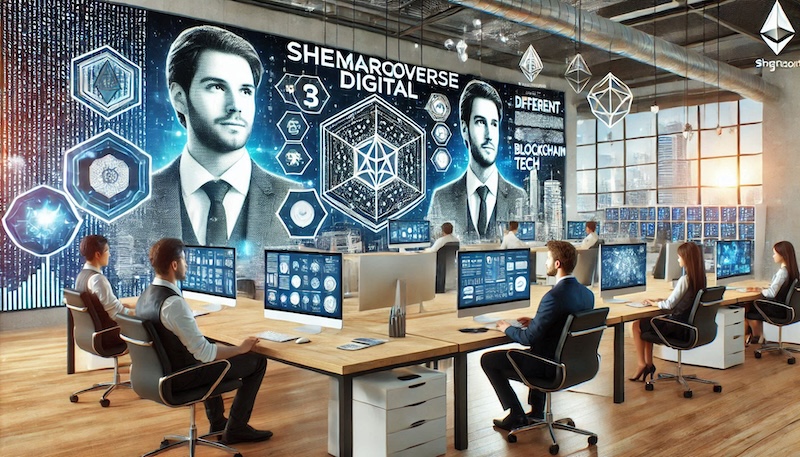
    MUMBAI: Shemaroo Entertainment is spreading its wings. The emerging media and entertainment giant is planning to set up a 100 per cent offshoot in Dubai called ShemarooVerse Digital. 

    The company got a go-ahead  from its board for this proposal and informed the Bombay stock exchange about its intent over the weekend.

    Shemaroo said it is taking this step to innovate and stay ahead in the evolving digital entertainment landscape. Shemarooverse will focus on creating immersive experiences and leveraging block chain technology to redefine ownership and interaction in the entertainment ecosystem.  

    Dubai, according to the company is welcoming web3 ventures and it has a very friendly web3 regulatory environment, which is critical for token-based transactions  and block chain integration. Talent too is available aplenty aside from cutting edge tech to support the development of a globally competitive product.

    The company added that the objective is to position Shemaroo as a leader in the web3 and metaverse space, ensuring scalability, innovation, and long-term growth. It aligns with Shemaroo’s vision of creating transformative consumer experiences and strengthening its position in the next era of entertainment. 

  • Ekalavya Bhattacharya appointed Offbeet Media Group’s chief digital officer

    Ekalavya Bhattacharya appointed Offbeet Media Group’s chief digital officer

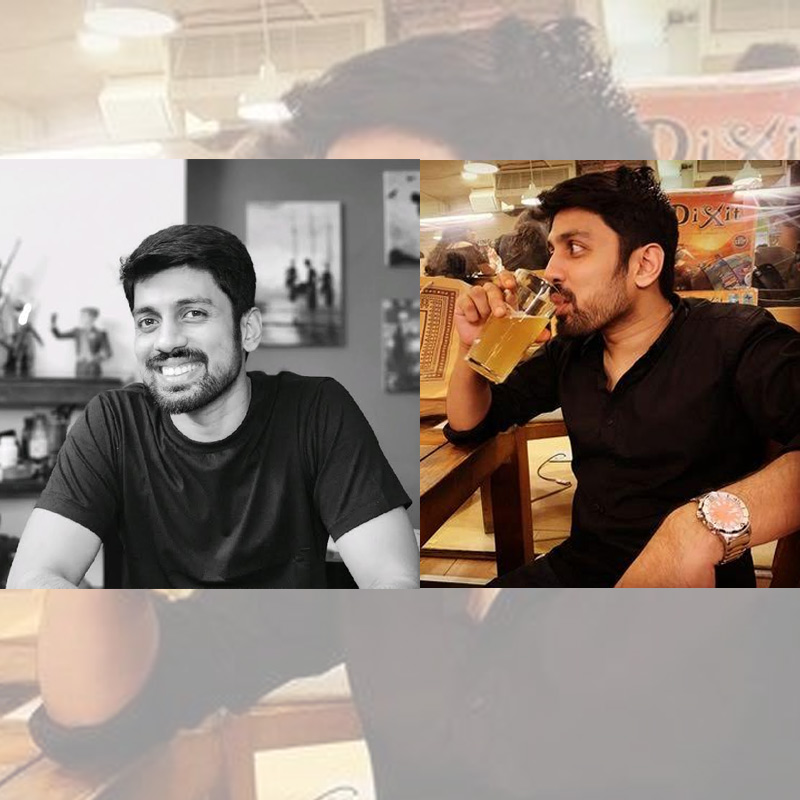
    Mumbai: After successfully launching and running the OTT platform of Balaji – ALT Balaji, Ekalavya Bhattacharya has joined the new age media and content company, Offbeet Media group to set up and lead the esports and web3 verticals for the group. With this move, FusedBulb, a creative-tech company started by Bhattacharya that offers web3 and blockchain strategy, would also be merging into Offbeet Media.

    He joins Offbeet Media after a stint at Alt Balaji as chief strategy officer & creative director. Prior to that, as MTV India digital head, he was also instrumental in charting the map for the digital and social growth for MTV India with many award winning campaigns and properties to his credit.

    “The gaming industry today, globally, is bigger than movie + sports combined. It’s growing rapidly across mobile, PC and console markets in India as well. Within gaming, esports is capturing the imagination of everyone in the media industry and is the most attractive route to connect with GenZ and millennials today. With streaming and game-casting audiences growing month-on-month, this is a super exciting space to be in! We want to set up India’s most definitive Esports Academy and be the leaders in the event space for competitive gaming!” he said.

    He will also be setting up the web3 vertical for the group. “Web3 is the natural progression for the evolution of the web. The opportunities in the Metaverse, decentralised eco-systems, NFTs and blockchain tech is endless. Right from consumer engagement, immersive experiences, efficiency in supply chains, Web3 is the way to go and we are excited to be the go-to guys for brands in this space,” he said.

    Offbeet Media Group founder & CEO Jaideep Singh said “At Offbeet we have been continuously evolving and expanding, entering into new streams of business lines in sync with our vision of being a New Age media and content company and we are super excited to have Bhattacharya joining us. He will bolster our business offering and overall capabilities in the digital footprint across all our rapidly growing business lines.”

  • Full stack developer: The next big thing in technology?

    Full stack developer: The next big thing in technology?

    Presently, full stack developer has emerged to be a highly sought career alternative worldwide. Companies are hiring full stack developers in huge numbers. A Full Stack Developer must possess a vivid knowledge of the front end, version control, the back end, debugging, database management, operating system, and system design. Therefore, the demand for full-stack developers is increasing because of their inclusive technical knowledge in various fields.

    What is Full Stack Development?

    Full Stack Development is an end-to-end application software development. This software development encompasses a front end as well as a back end. The user interface is the main part of the front end, while the back end comprises application workflows as well as business reasoning.

    What is the next big thing in technology?

    Technology is expanding at an unbelievable rate. Every business is using technology to elevate its offerings. The usage of technology was different before the pandemic. However, after the recent pandemic, the usage of technology in full-stack development has changed. In this article, we are going to discuss those contemporary trends.

    1. Artificial Intelligence (AI)
    Realising the importance of confidentiality of business and data, companies have started to adopt Artificial Intelligence. AI is considered to be the next-generation technology. And it has already entered the commercial market around the world. It has become essential for full-stack developers to master AI. An Artificial Intelligence expert will contribute to the development and growth of the company. AI specialists will also be able to comprehend customers’ requirements and behaviours.

    2. Blockchain
    Blockchain has mushroomed enormously in recent years. Various companies are opting for and investing in blockchain. This technology simplifies monetary transactions of companies. Hence, it is highly recommended for a full-stack developer to acquire proficiency in blockchain. Then the specialist can look after the transfer of money, government transaction, digital currency transaction and land transaction.

    3. Machine Learning (ML)
    Companies have ultimately understood the worth of Machine Learning. Thereafter, this technology has seen a spike in its growth. Machine Learning procedures can analyse data from previous experiences and can improvise its predictions and decisions. Hence, a Full-stack developer must know Machine Learning to bag the benefits and opportunities for his company.

    4. Code Development
    One of the latest trends is low code-development. Coding a program is a slow process. Therefore low-code development was invented. This code does not require complicated coding and offers logical understanding. It helps the customers to understand the software and customise it according to their requirements. Low code development helps in digital transformation and the development of complicated industrial solutions.

    5. Programming Language
    Learning Computer Language or Programming Language is extremely important for a Full-stack developer. All applications and web pages are developed with the help of Programming Languages. One of the most popular Computer Languages is JavaScript. This language is extremely easy and flexible to use.

    6. Mixed Reality
    Mixed Reality is one of the recent inventions. It has opened many unimaginable opportunities with the passing years. It was only possible because there was an incredible improvement in computer vision, input system, graphics and visualisation techniques. Mixed reality includes two main parts: Virtual Reality and Augmented Reality. This technology mixes real and natural environments and creates an absolute virtual environment. This gives users an out-of-the-world experience. This is generally used in the commercial, health care and, gaming sectors.

    Conclusion

    A career in Full-stack development is quite lucrative. This is because of the high remuneration and job availability. If you are willing to commence a career as a Full-stack developer, then get yourself enrolled in a Full-stack developer course. Join the online courses offered by Imarticus to explore and bag more opportunities.


  • Taki launches staking feature & advanced creator benefits to its over 650K users

    Taki launches staking feature & advanced creator benefits to its over 650K users

    Mumbai: Taki, the global web3 social media network, has launched its staking feature after surpassing a milestone of over 6,50,000 users. Built on the Solana blockchain, Taki will now enable all of its users to earn rewards by locking up some of the tokens they own for a set amount of time. Furthermore, the platform is preparing to introduce new features that will allow creators to earn exclusive sign-up benefits that will boost their earning potential.

    As a significant advancement, Taki now allows its users to stake using the $TAKI token. To begin staking, users need to have the tokens in their Taki wallet. People will be able to choose how long they want to stake their tokens from a list of predefined time periods. Users can redeem the stake of both the original tokens and additional earned rewards once the staking period is complete. Taki users will initially have one active stake per token. The platform is working on future plans to build even more rewarding staking opportunities that will be available to the most active users.

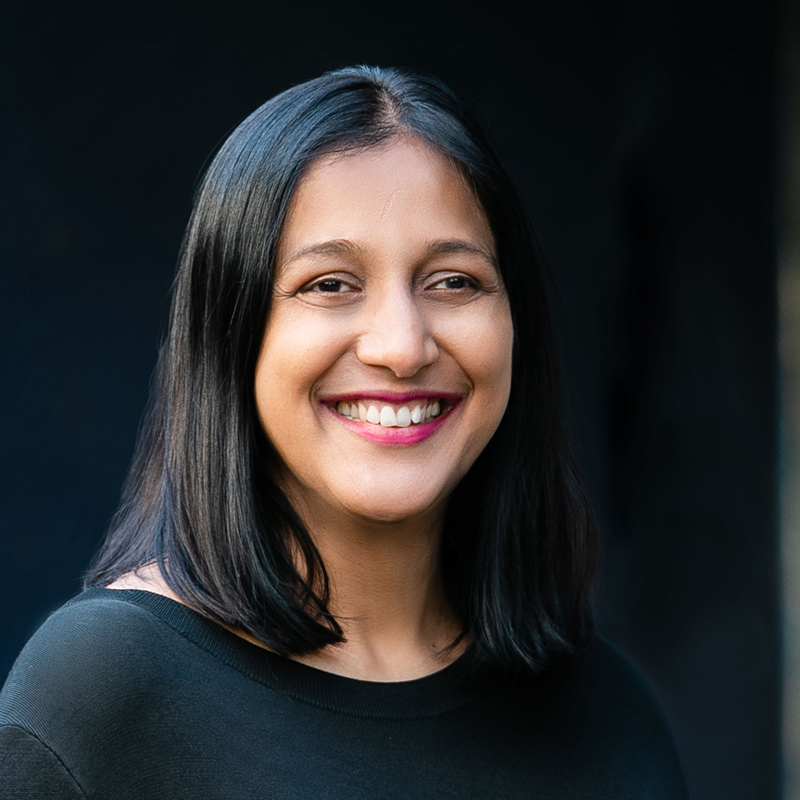
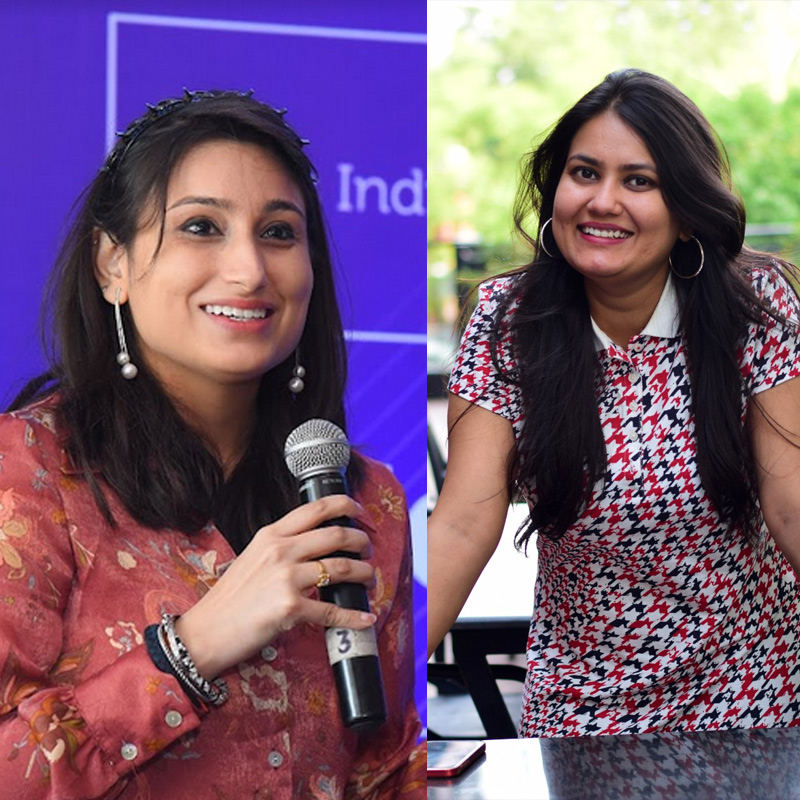
    Taki co-founder Sakina Arsiwala said, “We are witnessing an active rise in the demand for Taki tokens in web3. In support of the growing number of content creators on the platform, we are constantly adding utility and value-driven features for participants. With this staking feature, we are working towards supporting monetisation opportunities and bringing higher value benefits to the users.”

    A global token-powered social network, Taki is a platform where everyone can earn a daily income by simply posting content and chatting with others about things that interest them. As a part of its latest update, Taki will now allow users to earn a $TAKI token on every post, adding to their higher daily earning levels.

    SuperLayer venture partner Saad Rizvi said, “This is a very crucial update for all of us at Taki as it reflects our ultimate vision to build a creator-focused platform, where people posting content are financially rewarded without depending on advertisers. These new innovative platform features increase the value for users who are engaging with social media in a web3 environment.”

    Taki social network participants will also get a unique invite link, especially made for creators to bring their audiences to Taki, where everyone can earn. Creator accounts will receive higher visibility for their content by qualifying for the list of Taki’s top users on the leaderboard, including opportunities to be in the top feed. Anyone who wants to start their own creator account can fill out the form here.

  • GUEST ARTICLE: Thinking about data ownership in the web3.0 world

    GUEST ARTICLE: Thinking about data ownership in the web3.0 world

    Mumbai: It has been almost two decades since we saw the rise of the internet and various applications like Facebook, Twitter, Gmail, etc. They have brought a revolutionary change in everyone’s lives. From sending messages or doing a video call, there is a powerful solution available for everything. But even though they solve major problems, there is one major concern: user data.

    Data ownership and web2.0: Introduction 

    Most of the applications we use today store a huge amount of data on their servers to design advanced models and algorithms to show advertisements and information. This information includes not only your name and email address but also the posts you read, advertisements you click, and so on. To be more precise, although you can use such applications for free today, you are giving a huge amount of data to the companies in return.

    This has raised several concerns related to data privacy and preservation. As per the recent survey done by termly.io, in 2013, hackers breached Yahoo’s systems and stole information from over three billion accounts. However, the information did not include any sensitive figures like payment data or bank account numbers.

    Likewise, in March 2021, hackers scraped data from Facebook and exposed 533 million users’ information from all across the world. This has all the important information like user locations, biographical, etc. 

    But with constant technological improvements and the emergence of concepts like web3.0, there has been a new gleam of hope seen among everyone, which would return the data ownership to the users.

    Data ownership and web3.0

    By leveraging blockchain, web3.0 addresses several storage, centralisation, and data ownership concerns. Web3’s architecture does not use centralised servers to store data, but rather a large group of nodes spread across the globe.

    Such nodes act like a bridge for the exchange of data between the decentralised applications and end users. A large number of decentralised applications are non-custodial and community-governed. Also, it secures all intellectual property rights algorithmically, giving users a true experience of data ownership. However, the underlying blockchain makes the process quite transparent and preserves privacy through advanced cryptographic algorithms.

    How does web3 achieve its goal of sovereignty over user data and privacy?

    Web3 utilises some of the most advanced features of blockchain and distributed ledger technology to protect users’ data and privacy.

    Encryption: Every asset, message, or even financial transaction is encrypted. Encrypted data is only accessible by decrypting it and requires private keys.

    Private Keys: A private key is like your UPI pin, cryptographically made. It proves data ownership, digital identity, and the blockchain public address.

    Authenticity: With private keys, users own their data and have the absolute right to share it. Users can leverage all the benefits from the data collected and profit earned from assets.

    New ways of consuming data without compromising users’ control over it

    For example, if user data were democratised, big corporations and users would be able to profit together. Recently, there was a conflict of interest between Apple and Meta-related user data.

    Apple has given a choice to users to share data or not. Individual users’ ability to choose whether or not to share their data has no bearing on any small-scale business seeking to advertise to a specific audience.

    Further, there could be a decentralised marketplace where small-scale businesses could pay the communities for their data exchange instead of paying large entities like Facebook for the same information. This would provide a new source of income for the community members.

    Internet data is not just about making great profits or advertising. There is also a segment of people who collect data, not for profit but to invest in something new. Researchers and surveyors often look for user data to support their research or an invention.

    If we could monetise the data, it would help the users earn some passive income and motivate them to increase the amount of data available to work for the betterment of society and research.

    One such great example is credential data networks. The credential data network allows developers to build better products and communities. It opens up a collaborative infrastructure for users to get rewards where their credentials are used. This helps users earn income and build a large data network.

    Challenges while adopting web3 for data ownership

    Web3 has opened up numerous opportunities but is still in the work-in-progress stage. There are a lot of challenges and hurdles coming up while adopting decentralised applications, bringing a revolutionary paradigm shift in how we consume the internet. One such challenge is regulation. It isn’t easy to regulate things in web3.0. Several experts believe it would open up new ways of conducting cybercrime and online abuse, among several other things.

    Secondly, the user wallets that store account information like private keys have a bad user experience, and it is difficult to understand their usage by any layman. It is difficult for people to understand the terminologies of wallets, gas fees, keys, and much more. A lot of work is needed to onboard users and help them learn such concepts.

    What does the future look like with web3?

    The internet is constantly evolving, and recently many issues have come up regarding the safety of users’ data. Web3 opens up new opportunities for people to control their data by leveraging credential data networks and decentralised social graphs. Products like Soclly are leveraging a decentralised social graph called the lens protocol to revolutionise social media applications.

    The decentralised architecture stores data across numerous scattered ledgers. This eventually reduced the chance of hacking and gaining access to the data significantly. Not only this, but it also gives the opportunities to the users to own their data rather than centralised companies such as Meta and Google to own them. In a nutshell, this new age technology will bring a bright future for internet users to own and control their data.

    The author of this article is Soclly co-founder Prayag Singh.

  • 5ire onboards activist Didier Drogba as advisor

    5ire onboards activist Didier Drogba as advisor

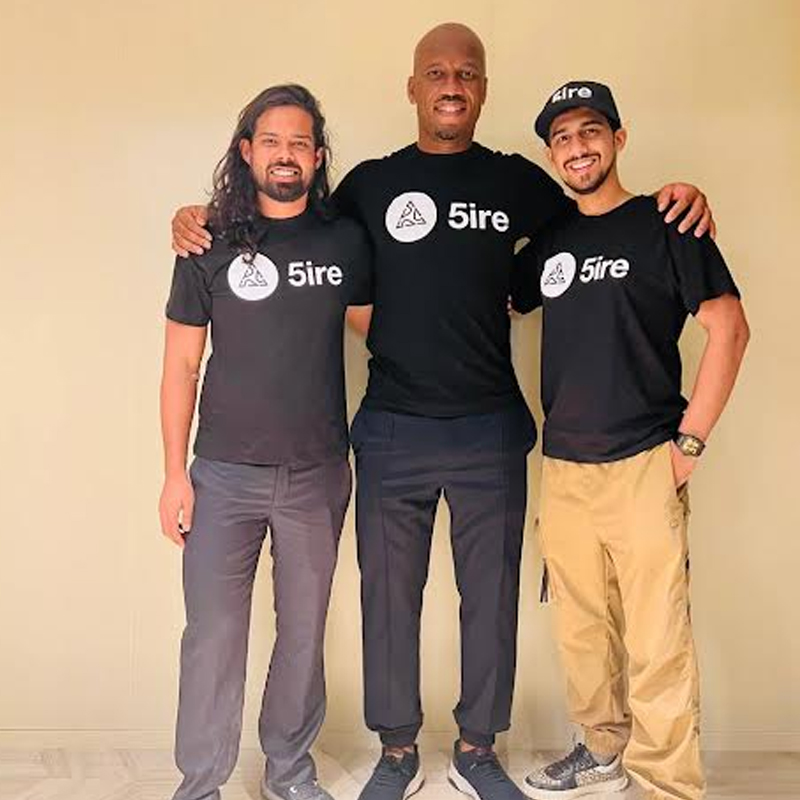
    Mumbai: Didier Drogba, a Chelsea legend and one of the greatest footballers turned social and environmental activists, has joined hands with 5ire, the 5th-generation blockchain network.

    Founded by visionary entrepreneurs from India, Pratik Gauri and Prateek Dwivedi, 5ire signs up Drogba as their business advisor to work towards a shared vision of pushing the boundaries of sustainability and making this planet a better place.

    As an advisor for 5ire, Drogba will leverage his network and the Didier Drogba Foundation to get more businesses and institutions on 5ireChain, the world’s first and only sustainable blockchain.

    The former captain of the Ivory Coast national football team and its all-time leading scorer in professional football, Didier Yves Drogba Tébily, is one of the greatest footballers to have graced the sport. He is best known for his time spent playing for Chelsea, where he was chosen by the club’s supporters as the best player to ever represent the team. He has scored more goals for Chelsea than any other foreign player and is presently the fourth-highest goal scorer in club history.

    Never one to shy away from social issues, Drogba is credited with having famously stalled a civil war in his country on the day he led the Ivory Coast team to their first-ever berth in the Football World Cup finals. Since then, he has been known to have been actively involved in social causes, receiving an honorary degree in recognition of his contributions. His role in the peace process also earned him a place on the fabled Time magazine list of the top 100 most influential people in the world in 2010.

    Having launched the Didier Drogba Foundation , which works towards helping provide better options for improving the lives and futures of children, he has been working tirelessly with the vision of creating a better world for future generations.

    On this occasion, 5ire CEO and founder Pratik Gauri said, “Didier is a footballing legend and a superstar in the truest sense of the term. He is also an incredibly empathetic human being and an agent of change, who cares for this planet and its future. The work he has done over the past decade in bettering the lives of children has been phenomenal. He shares our vision of sustainability and making this planet fit for future generations. We are delighted to have him on board as 5ire’s business advisor and look forward to working with him towards a common goal.”

    Adding to it, Didier Drogba said, “I have been working on social issues for more than a decade, and I have realised how societal and environmental factors are intricately intertwined. This is where I have felt that technology can play a part in paving the path towards sustainability. My association with 5ire is a natural culmination of my experiences and beliefs, and I am thrilled to partner with this cutting-edge brand, helmed by young tech visionaries like Pratik and Prateek, who are working towards not only revolutionising the way the world does business, but to ultimately make the planet a better place to live in.”

    5ire co-founder Prateek Dwivedi added, “Didier is an inspirational leader. Not only is he a legend of the world’s greatest sport, but he also happens to be deeply involved in the betterment of the world around him. His exploits in social and environmental activities and his constant endeavour to make the world a better place for children and future generations make him a natural fit for the 5ire ecosystem. We are delighted to have him on board and look forward to changing the world with him.”

  • “The media and entertainment industries are particularly primed for a blockchain revolution”: Tezos India founder & president Om Malviya

    “The media and entertainment industries are particularly primed for a blockchain revolution”: Tezos India founder & president Om Malviya

    Mumbai: Tezos India is a blockchain adoption entity in India. As innovation in the blockchain space advances in India, Tezos constantly strives to address key barriers facing blockchain adoption to date in India: developer, education and training, and ecosystem development. Tezos is a self-upgradable blockchain that enables forkless upgrades with its on-chain governance system, improving accessibility and longevity for solutions built and utilised by the Tezos community.

    As part of Tezos’ ambitious plan to spread awareness regarding the positive use of blockchain technology across India, a new initiative titled “Tezos India Game Launchpad (TIGL)” has been rolled out, which will be a platform that will assist developers with grants, technical support, game publishing, fundraising and shall support them to launch their games on the Tezos blockchain.

    TIGL is intended to tap the potential of Indian developers by imparting knowledge about learning, creating, and marketing their games on the web. Through the active participation of developers and publishers, Tezos’ novel initiative sets the ball rolling for harnessing the power of blockchain technology. TIGL will start its operations in India, but at the same time, it will look to expand in other emerging markets for play-to-earn gaming. Tezos India is also a grantee of the Tezos Foundation.

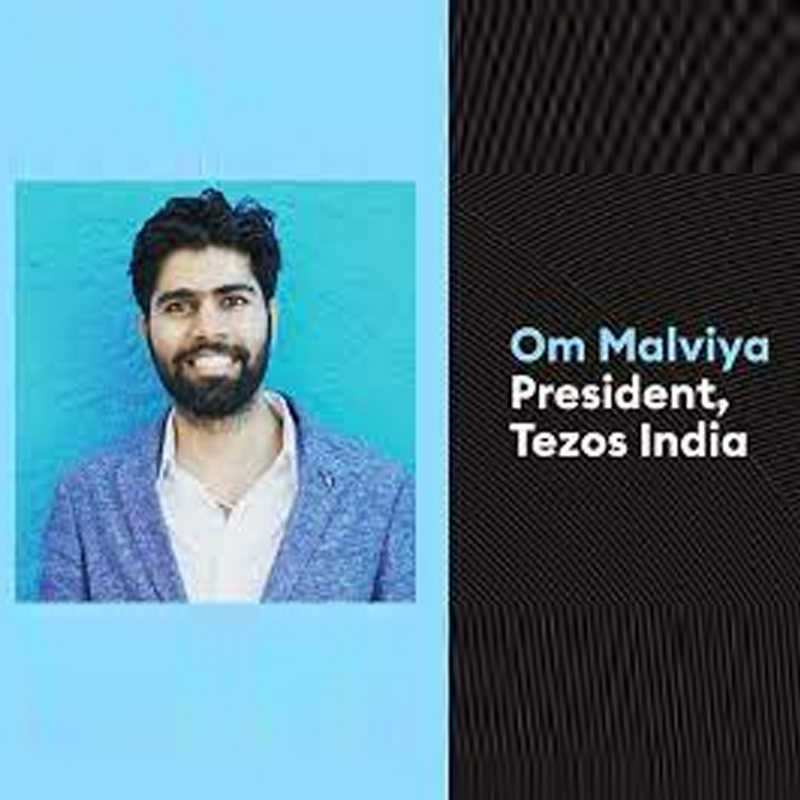
    Indiantelevision.com caught up with Tezos India founder and president Om Malviya. He is extremely bullish about the future of bitcoin, decentralised finance, fintech, Tezos and decentralisation (powered by blockchain).

    Back in his college years in 2015, Malviya’s elder brother—who is an entrepreneur and engineer by profession—told him to check out bitcoin and blockchain technology. Ever since there’s no looking back! Over the next few years, Om researched, delved deep, and gained invaluable hands-on experience in this space. He then started the portal “ItsBlockchain” to educate people about bitcoin and blockchain technology, as at that time no other medium/platform existed where people could learn about the technology and latest developments in the crypto and blockchain space.

    A few years later, Malviya wanted to switch from the media space to a more tech-centric, product-based domain. With that in mind, he attended Draper University in 2018, where he eventually met his co-founder, Bernd Oostrum. Both Malviya and Oostrum were die-hard Tezos fans, and hence they started building actively on Tezos with multiple experiments and innovations. Over the years, they have built plentydefi.com, naanwallet.com, and several other Tezos tools. One of the duo’s products, Tezsure, is dedicated to developing DeFi instruments and tools for onboarding the masses onto the Tezos blockchain.

    Despite facing initial challenges like lack of adoption of web3, crypto and Tezos itself, Malviya firmly believes that Tezos is bound to grow significantly in the years to come. Eventually, he was proven right! The space grew as did the users, and hence Om and his co-founder were able to find their perfect product-market fit.

    In 2019, Malviya added another feather to his cap by founding Tezos India to create a well-rounded Tezos ecosystem in the country. As Tezos India founder and president, Malviya’s work encompasses defining the budget, hiring for key roles, defining strategy, streamlining internal organisational processes and using his network to get business development leads to onboard startups, companies, and other organisations.

    Edited Excerpts:

    On the market gap

    Om: Tezos India was launched in late 2019 before Covid hit the country. Things became extremely intricate for the initial month, but awareness and acceptance have increased since then, and it’s still growing. To educate and support these prospective creative communities, Tezos created its arts and culture vertical as a result of the significant growth of NFT artists and communities.

    There has been significant overall growth in the market as the number of NFT users and crypto holders have increased. Developers are recognised for their potential, and are joining this market with innovative ideas and projects, and are working on cases in a way that has never been done before. Now there are many jobs and financing options for them.

    On Tezos India’s projects

    Om: Tezos India envisions making blockchain technology freely accessible to the Indian populace because it can help a variety of business profiles operate more efficiently. The Tezos blockchain is thus being promoted in India through a variety of events: meetups, hackathons, panel talks, and gaming tournaments. We recently held the TezAsia Hackathon, one of the biggest hackathons, by Tezos India in partnership with TZ APAC, with enormous cash prizes, internship opportunities, and PPO offers to not only promote blockchain but also to support the developer community by giving them career opportunities and enlightening them with the offerings of this revolutionary technology.

    Similarly, the “She-Crypt” campaign was designed to encourage women in crypto and blockchain to increase overall women’s participation in the domain. Many of these projects have been implemented throughout time to inform and inspire individuals to make the most of the blockchain environment.

    On Covid-19 challenges

    Om: Since we function as a non-profit organisation rather than a business, it didn’t affect us. But in general, one could argue that a lot of people who entered this field discovered prospects for blockchain businesses.

    On the rising demand for blockchain

    Om: With the introduction of blockchain, the underlying technology that provides transparency and immutability, the “fad” is catching up with the currencies that are emerging from it. According to publicly available information, Indians have invested more than $10 billion (Rs 1,000 crore) in blockchain alone. Apart from that, we also see that the use of the underlying blockchain technology has found the most takers in the banking and financial sector.

    Furthermore, the fact that the Indian government is actively utilising this for land title registry, vehicle lifecycle management, farm insurance, and electronic health record management speaks volumes about the awareness, willingness, and pace at which blockchain is intended to be ingrained into the social and economic fabric of the nation.

    On scepticism that crypto is a “fad”

    Om: For logical reasons, cryptocurrencies have been grabbing the investors’ and media’s interest. According to some reports, cryptocurrencies are merely a craze. Cryptocurrency values had plummeted by early 2022 compared to their peak in late 2021. According to analysts, the present value of a risk asset would decline due to the increase in interest rates. Additionally, cryptocurrency dealers and investors in India are currently becoming cautious, and a noticeable decline in cryptocurrency purchases has been noted.

    On blockchain impacting M&E industry

    Om: Major industries, including finance, telecom, healthcare, automotive, supply chain, and retail, are studying the potential benefits of blockchain technology as it quickly spreads throughout society. When it comes to the use of distributed shared technology, the media and entertainment industries are often the most underappreciated. The intriguing thing is that the media and entertainment industries are particularly primed for a blockchain revolution and stand to benefit greatly from the myriad benefits that the technology provides.

    The decentralised approach has already had a significant influence on startups in the entertainment industry, content producers, and music businesses. Although blockchain-based smart contracts have not yet significantly changed the entertainment industry, they may affect contracts and open the door to a safe, secure alternative to conventional discussions. Additionally, the use of blockchain networks can prepare the entertainment industry for better and more reliable payment methods for creators and promote smooth crew participation methods on international projects, removing the barriers that limit entertainment players’ prospects.

    Salman Khan, Sonu Nigam, Kamal Haasan, and Amitabh Bachchan were some of the first actors in Bollywood to adopt NFTs (non-fungible tokens). Making NFTs and digital collectibles based on a large fanbase and following not only provides business for these celebrities, but also provides a significant boost to India’s NFT and blockchain industries. These are digital assets that are shown as tokens on a blockchain, each of which is distinct and has its worth. Duplication is uncommon even when the assets are intangible since buyers are aware that it would “lower the value of the property.”

    On blockchain boosting operational efficiencies

    Om: Business operations involving several organisations (businesses or partners) frequently struggle with inefficiency and poor data quality. Imagine a small portion of an entire business process that is distributed across several parties, fully secured, auditable, and free from the requirement for data duplication or centralised “governor” oversight. This is one way to conceptualise blockchain.

    Blockchain technology enables the flow of transactions between numerous parties while maintaining data security at all times and making transaction auditing simple.

    This technology involves distributing a shared ledger of data to numerous parties. Without the need for a central governor, this information is distributed among all stakeholders via a distributed network.

    Due to the way blockchains are developed, anyone messing with the blockchain will be discovered by users. A central controller doesn’t need to perform any reconciliation because the blockchain makes sure that transactions are validated according to the business rules themselves. Each participant completes this validation in parallel to one another.

    Since every transaction is documented and immutable (cannot be modified), it is very simple to audit to determine who performed which activities. Therefore, we can say that blockchain technology is full of miracles if used constructively.

    On Tezos India Game Launchpad (TIGL)

    Om: Web3 gaming is flourishing, with over $2.5 billion (Rs 250 crore) invested in just the second quarter of 2022. With a base of more than 400 million gamers that is only going to grow in the coming years, the groundwork has been laid for a web3 gaming revolution in India.

    Thousands of well-known web2 games are already making headway in this market. But it can be difficult for game makers to grasp the complexities of blockchain and know where to begin.

    Tezos India has introduced the TIGL, a platform that will facilitate game developers in raising money, releasing their games on the Tezos blockchain, and receiving funding and technical support.

    Web3 gaming is going to explode since it’s giving players and game creators new business and creative opportunities. Accessing the $100 billion gaming market is possible. With this endeavour, Tezos India is laying the groundwork for a decentralised gaming future in which widespread adoption is anticipated shortly. The game makers will be able to work together internationally through strategic relationships with TIGL’s international partners, including Tezotopia, IndiGG, and others. The finest game launchpads will also be made available to selected developers, and they will have the opportunity to collaborate with TIGL’s partner VCs for investment support.

    This is because industry executives have concluded that the blockchain is where gaming will go in the future. Games are migrating from web2.0 to web3.0. To give the coaching and direction required to create top-notch blockchain games, TIGL has partnered with leading blockchain games, gaming guilds, and venture capital companies.

    On web3 and the gaming industry

    Om: Blockchain gaming has the potential to monetize a bigger player base than the free-to-play model, where, on average, less than two per cent of players buy in-game goods. Due to the advantages for players outlined in the section above, there is a greater propensity to spend money, which makes it possible to monetise users. In traditional gaming, all transactions take place within a closed ecosystem, making it possible to capture value across ecosystems. With blockchain technology making interoperability possible, interaction with other ecosystems and games would open up a new revenue source in the form of on-chain royalties.

    On the shift to Play-2-Earn (P2E)

    Om: The Play-2-Earn (P2E) idea, in which players get compensated for their time, effort, and skills, is made possible by blockchain technology.

    The concept of P2E has seen a sharp increase in attention since the beginning of last year. Web3 gaming players climbed 24 times between January 2021 and January 2022, from 3,43,000 to 8.51 million, according to DappRadar.

    The blockchain gaming industry is still in its infancy, though. Though some significant gaming companies, such as Ubisoft, EA Sports, and Zynga, have begun experimenting with blockchain-based games, the majority of the development has been driven by crypto-native businesses.

    On NFTs as a monetisation tool

    Om: Content creators now have easier access to the web3 world thanks to blockchain technology, particularly NFTs. Future creator economies are being driven by these tokens. NFTs are granting content producers more control over monetisation and content rights, allowing them to increase their income. Over the past year, NFTs have expanded at an explosive rate. The cumulative NFT 30-day trading volume for the top five markets exceeded $2.8 billion (Rs 280 crore) in 2021, according to DappRadar’s NFT marketplace tracker.

    Despite the fact that these tokens have been popular for a while, the fashion has been changing frequently. Sports highlights, trade cards, and GIF-animated artwork initially dominated NFTs. After that, the craze for digital treasures began, and this year, NFT-related crazes have begun with movies, music, fashion, virtual property, gaming assets, avatars, and virtual pets.

    Even though the ecosystem has produced some extraordinary discoveries, one application of NFT utilities—the creator economy—is just starting to gain traction. The new audience using NFTs to generate and advertise their abilities is made up of content creators. These niche content producers use NFTs in their content strategies for everything from music to video.

    On smart contracts in blockchain

    Om: A smart contract on the blockchain aims to make business and trading between identified and unidentified parties easier, sometimes without the need for a middleman. A smart contract reduces the formality and expenses linked to conventional approaches without sacrificing reliability and trustworthiness. By accelerating transactions, minimising bureaucracy, and fostering cost-efficiency, smart contracts can bring about a fundamental shift in how international trade and business are conducted.

    Smart contracts might have a big impact on a variety of industries, including the arts, music, real estate, banking, manufacturing, retail, supply chain, and telecommunications. If the platforms that host them accepted payments in all currencies rather than just cryptocurrencies and brought them under the jurisdiction of the present judicial system, the adoption of smart contracts would be sped up.

    On regulatory framework

    Om: Indians are free to trade cryptocurrencies at the top exchanges because there isn’t a strong regulatory framework in place. Investing in cryptocurrencies, as well as any other “virtual digital asset,” such as non-fungible tokens, is now subject to a 30 per cent government tax (NFTs). Additionally, cryptocurrency intraday traders would be subject to a one per cent tax deduction at source (TDS) on trades that exceed a predetermined level.

    Although some people may view this as a punitive step, it’s good news for Indian cryptocurrency fans. Those in India who are optimistic about the potential of cryptocurrencies and blockchain technology see these levies as an official government endorsement of crypto assets as an alternate form of investment.

    On opportunities in the blockchain & crypto space

    Om: The money aspect of crypto is going to be a massive hit in the near future. Being able to send $10,000 (Rs 7,96,985) within one minute from one country to another has huge implications. Stablecoins are already big and are going to be even bigger in the years to come.

    Increased institutional adoption will accelerate the adoption of bitcoin and cryptocurrency in general.

    DeFi is one of the least frictionless ways to get access to financial products. A lot of users do not have easy access to structured products, perpetual and derivatives trading, lending and borrowing, etc. DeFi removes that and makes it easier for everyone.

  • GUEST ARTICLE: The role of crypto in facilitating the content creator economy

    GUEST ARTICLE: The role of crypto in facilitating the content creator economy

    Mumbai: With technology opening myriad opportunities across sectors, it has ushered in an era of growth for the creator economy. Content creators today have a new means of monetising content, which is empowering them to become the sole owners of what they produce and engage directly with the audiences. Blockchain is revolutionising how content creators can make money from their creativity and hard work online. In the past, they relied on brands by engaging, promoting or representing them. Despite having millions of followers or influence on social media, they have to depend on brands to make money from their content. 

    With the growth in digital spheres such as streaming platforms and even the metaverse, for instance, they are now able to explore new avenues to showcase their work, establishing a link with audiences and earning directly. At present, the total creator economy market size is over $100 billion, and it also states that 46 per cent of creators generating content for over four years are earning more than $20,000 annually.

    Undoubtedly, the creator economy empowers content creators by giving them ownership. They now do not have to think much about the ever-changing online algorithms, worry about how much brands will value them, and can depend on their actual supporters, fans, or audiences for income. They can decide where and when to work and how to engage with audiences directly to make money. Thus, cryptos are democratising the ecosystem by unlocking many options to make, share, and sell content across platforms.

    How is blockchain boosting the creator economy?

    The rise of creators, consumers, and engagement on social media have made these online platforms leverage emerging and new-age technologies to offer realistic, advanced, and real experiences to their users. It is vital to make sure that creators get paid for their hard work without relying on anyone else as the ecosystem grows. With the advent of technology like blockchain, decentralisation is happening, and as users are gaining ownership of what they create online, it is making the ecosystem more equitable for them by linking consumers and producers through a direct exchange.

    Blockchain, which is the basis of non-fungible tokens (NFTs) and cryptocurrencies, has made it possible to track or record transactions or exchanges in real-time. Content creators today are using NFTs to digitally trade their assets and collect royalties. Once issued, the NFTs assign a monetary value to these digital assets. Also, a token is tied to the content that makes it the original piece. The owners then sell or auction off these NFTs with cryptocurrencies, which can be later converted into real money.

    How does it bring additional benefits for creators?

    The most significant advantage of blockchain technology for content creators is that it empowers them by allowing them to earn directly from their audiences without the use of intermediaries. They get full control, complete rights, and visibility of their earnings. The content creators, thus, by engaging, are able to earn, which greatly boosts the creator economy. Moreover, the benefit of crypto is that it stores the value of financial incentives with the distributed ledger to decentralise each financial transaction with the help of blockchain. The networks don’t hold or store a centralised source of original information, which makes it safe from hacking or exploitation.

    Taking a step ahead, the creators can use creator tokens to create and offer unique resources and provide unique experiences to their followers for community building. For example, they can offer member passes to grant greater access to fans and create new income pathways. Also, such tokens let fans get closer to creators by paying extra. The creators will subsequently be able to expand their income source by possibly investing their earnings in crypto assets. Today, there are leading platforms such as Taki, Chingari Clubhouse, and others that are providing opportunities for content creators to earn money. This sector is gaining huge traction, and as technology, demand, and awareness develop further, it can definitely provide an alternative source of income and possibly higher returns to content creators.

    The way forward

    It is indeed welcoming to see that the Indian government hasn’t banned but regulated the crypto ecosystem, leaving scope for learning and understanding to bridge the trust deficit and address the hesitations. As per reports, the creator economy in India has grown to Rs 1,300 crore in the last couple of years as many small, medium, and even global brands are actively opting for social media creators and influencers to promote their products, which shows that the future is bright. The country, which is on its way to emerging as a resilient digital economy, has to formulate its policies to adopt the innovations and trends to not miss this bus at this juncture. India is witnessing a rise in its internet and social media population, and a conducive ecosystem for the development of blockchain, NFTs, cryptos, and web 3.0 can empower the content creators by making them sole owners of their content and selling it directly to their loyal fan base. 

    The author of this article is Taki co-founder Sakina Arsiwala.