
Connect with us


MUMBAI: As Maharashtra prepares for one of its most high-stakes local elections on 15 January, political parties have shifted their primary battleground from the streets to...
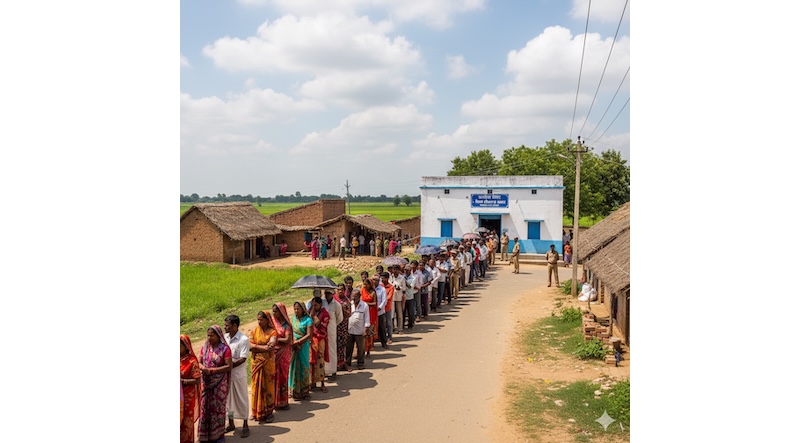
MUMBAI: The battle for Bihar in 2020 wasn’t just fought on dusty village squares and opposition rallies. It raged across television screens and newspaper columns, with...
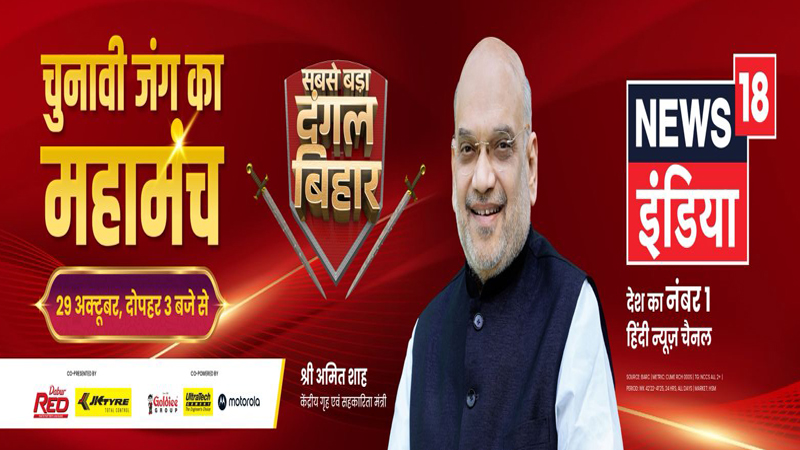
MUMBAI: When it comes to Bihar, the battle is always bigger, the banter sharper, and the stakes sky-high. News18 India’s Sabse Bada Dangal Bihar 2025 promises...
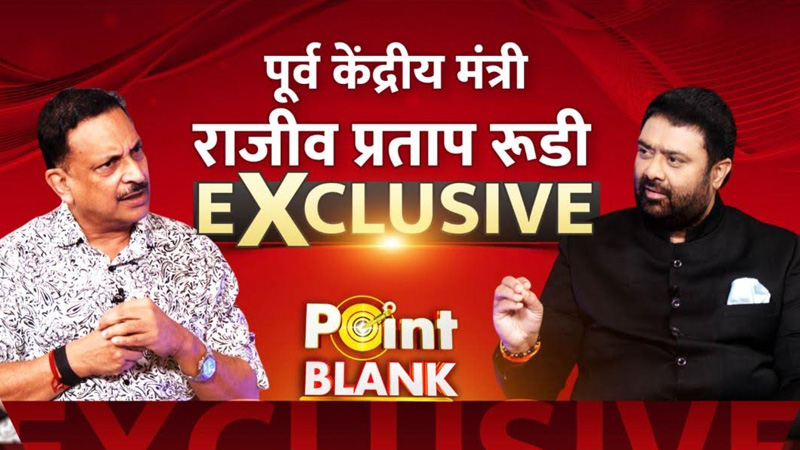
MUMBAI: It was no political tea break on Point Blank, it was all straight talk. Senior BJP leader and former union minister Rajiv Pratap Rudy declared...
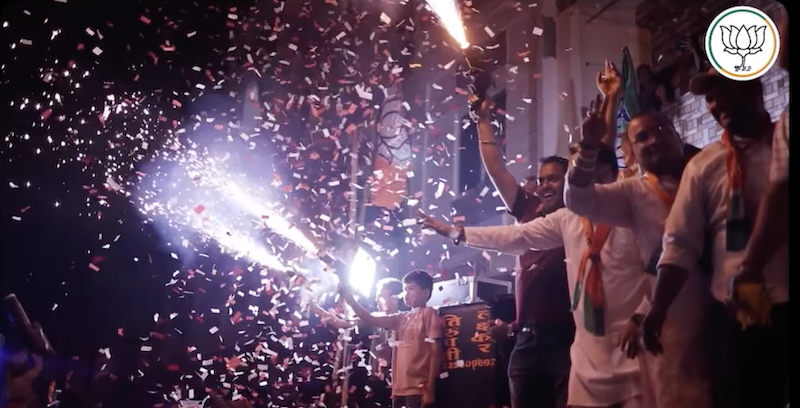
MUMBAI: The BJP’s victory over AAP in Delhi can be examined through key marketing principles – product lifecycle, distribution strategy, and competitive positioning. Product Failure:* AAP...
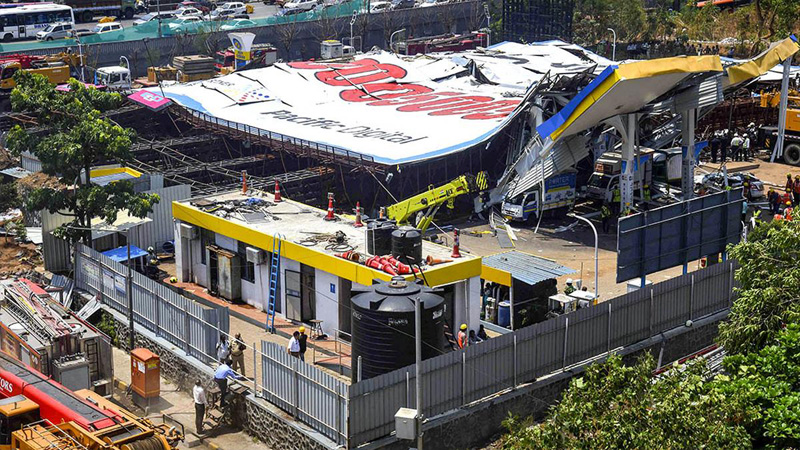
Mumbai: On 1 July, state minister Uday Samant announced in the legislative assembly that the Maharashtra government is soon to introduce a new policy regarding hoardings...
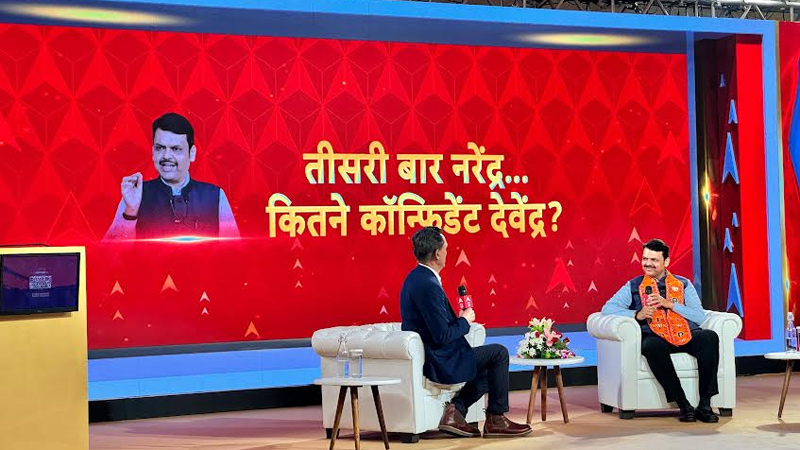
Mumbai: Maharashtra’s Deputy Chief Minister and senior BJP leader, Devendra Fadnavis, took center stage at the ABP News ‘Shikhar Sammelan’ today, as the nation eagerly awaits...
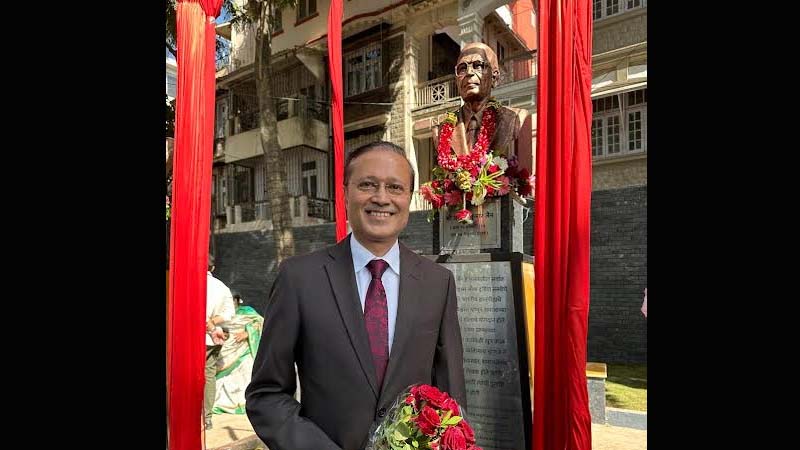
Mumbai: Seventeen distinguished figures instrumental in Mumbai’s advancement were celebrated as their busts were revealed at Kilachand Garden in Girgaon, with BJP national president J P...
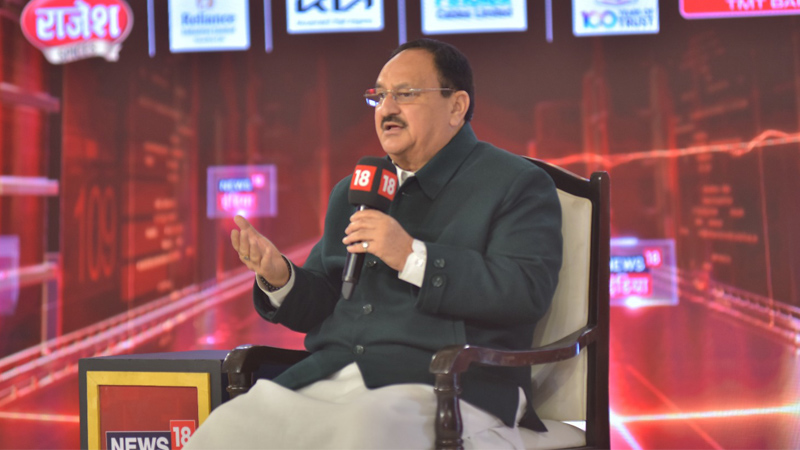
Mumbai: Concluding its highly acclaimed flagship summit, News18 India, the nation’s premier news channel, on Monday (February, 2024) hosted a gathering of India’s foremost voices. This...

Mumbai: The first opinion poll conducted by ABP News and CVoter before the 2024 Lok Sabha elections has thrown up interesting insights, bringing to light the...
Mumbai: The pre-poll survey conducted by ABP News and CVoter has brought to light the public sentiment in the five states heading for elections — Chhattisgarh,...
Mumbai: The ruling BJP may emerge as the single largest party and may just touch the half-way mark of 115 seats in the Madhya Pradesh assembly...
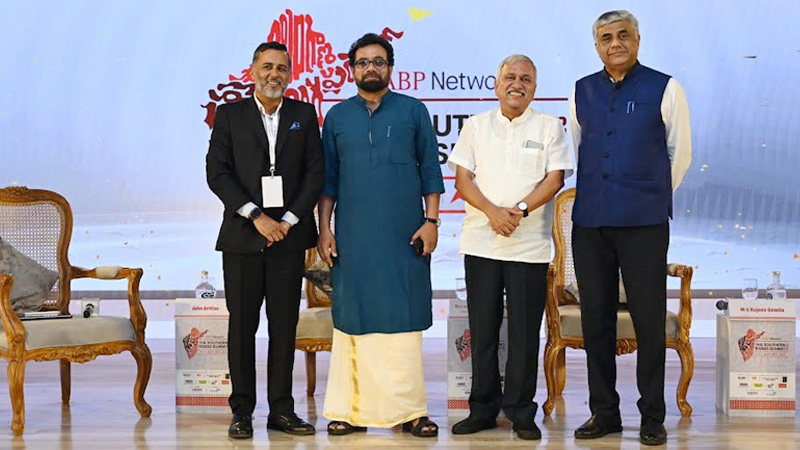
Mumbai: Political heavyweights engaged in a spirited debate at ABP Network’s “The Southern Rising” Summit. The debate took place during a session titled “Whose New India?...
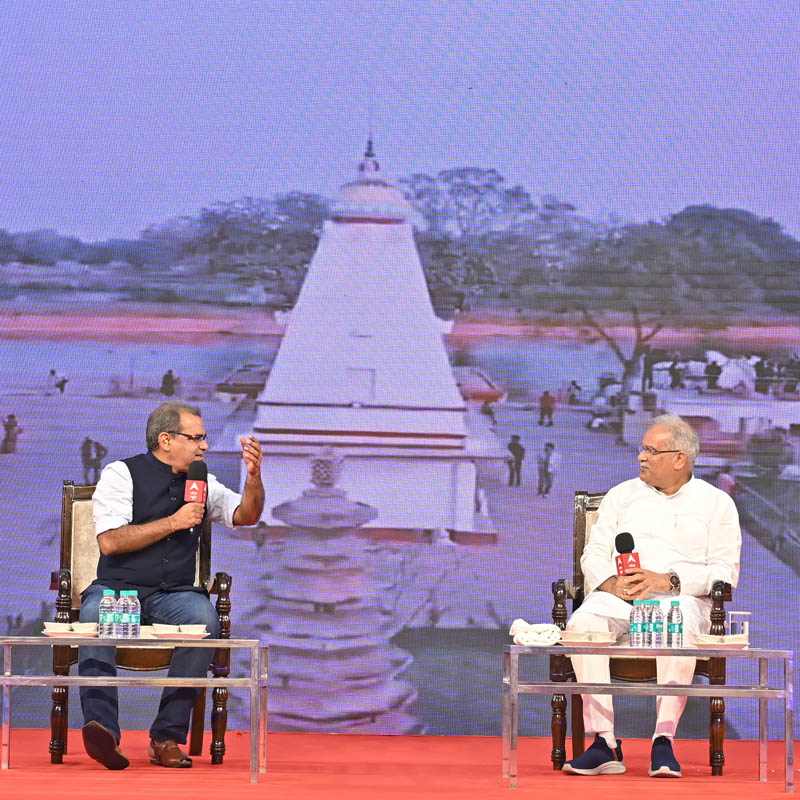
Mumbai: ABP News, one of India’s Hindi news channels, delved once again into the political landscape of Chhattisgarh through an enlightening session of ‘Shikhar Sammelan,’ as...
New Delhi: India TV has predicted that if Lok Sabha elections are held now, prime minister Narendra Modi-led National Democratic Alliance (NDA) can register a landslide...
Mumbai: Bharatiya Janata Party (BJP) may return to power in Rajasthan, Chhattisgarh and retain power in Gujarat, Madhya Pradesh and Himachal Pradesh, according to assembly seat...
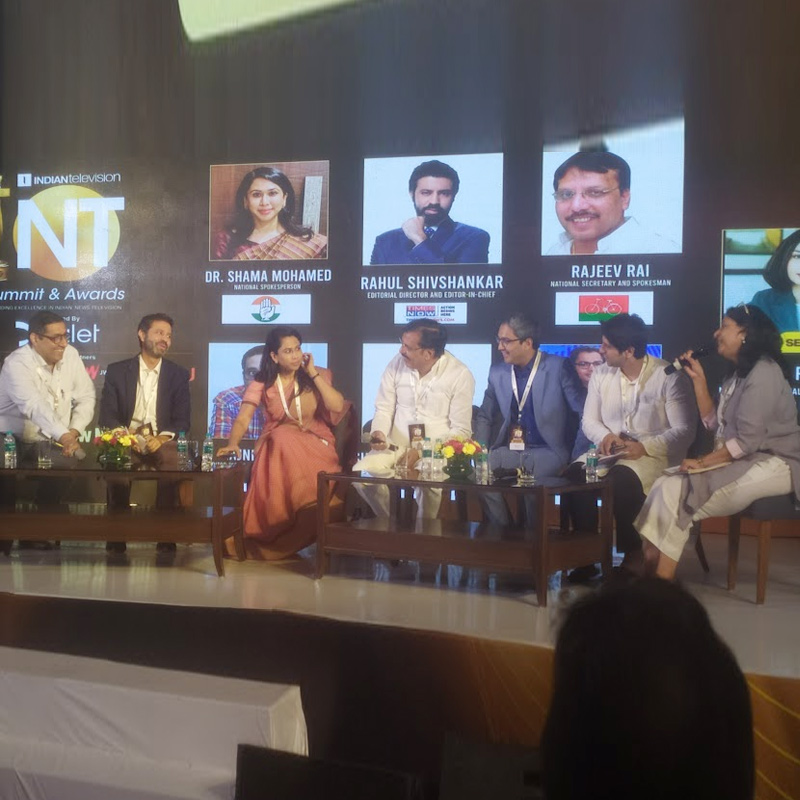
Mumbai: Is television new coverage balanced or has news journalism become a business? Should news broadcasters present the facts clearly while programming it? Do you think...
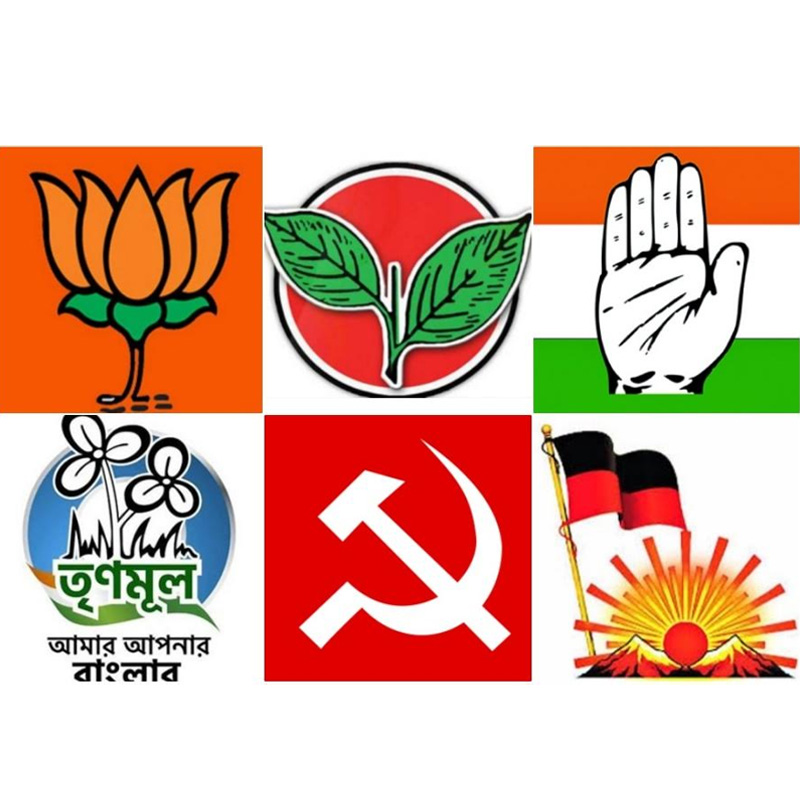
KERALA: As people in four Indian states and one union territory await the vote counting day on 2 May, television news channels in the country are...
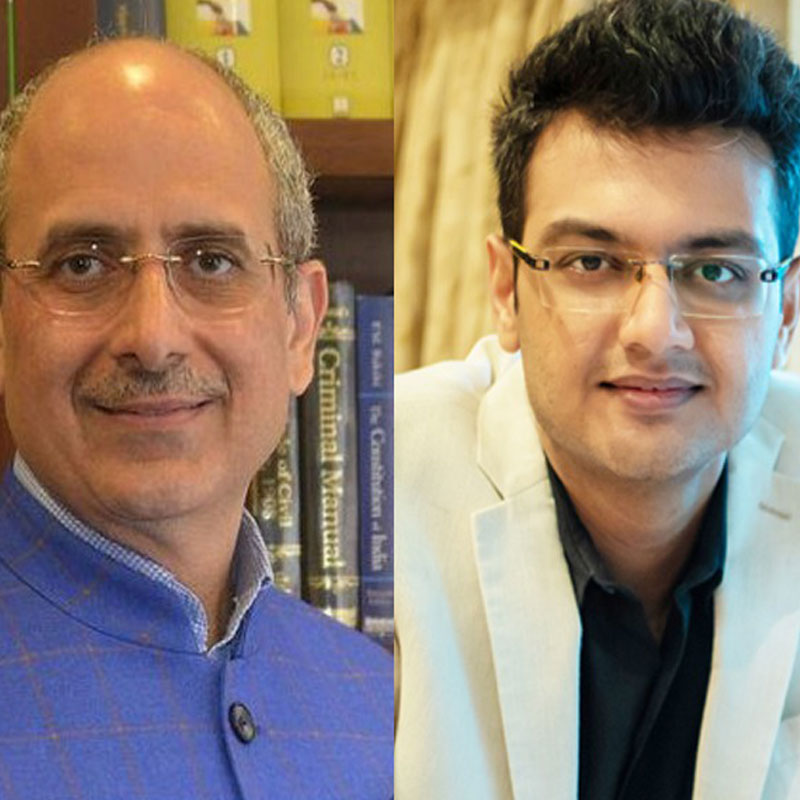
NEW DELHI: Amidst the huge chatter of Indian media being biased and muzzled, BJP national spokesperson and Supreme Court advocate Nalin Kohli has claimed that the...

NEW DELHI: When India Today predicts election results, the country can rest assured that it has seen what others have missed. The India Today-Axis-My-India poll anticipated...
NEW DELHI – Elections can be unpredictable for political parties. Their results aren't for the India Today Group. As every other media outlet faltered in its...
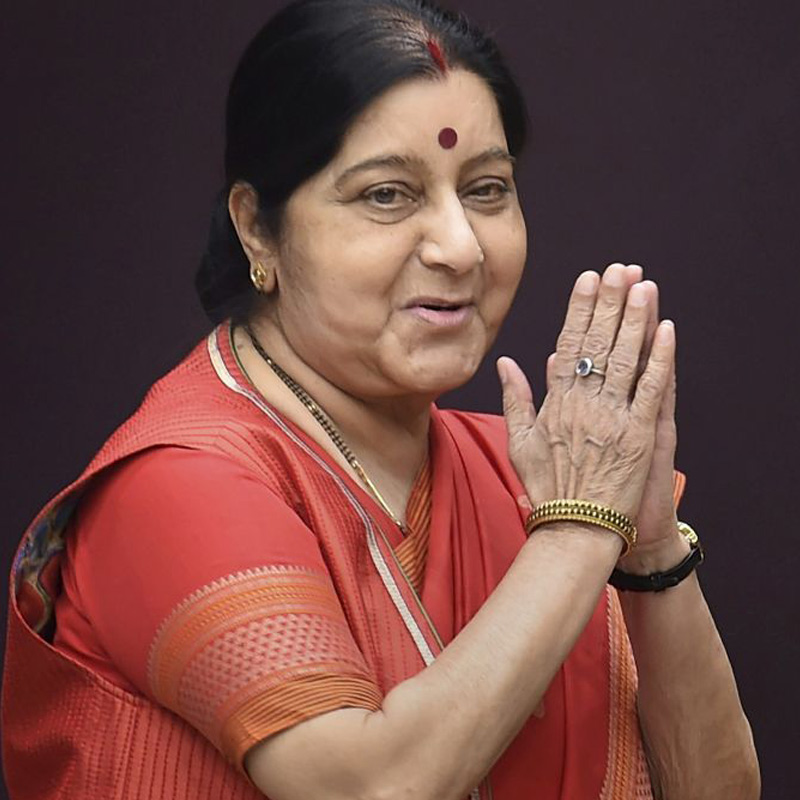
MUMBAI: It was a sad day for Indian politics, yesterday, as one of the most vibrant politicians of her time succumbed to a heart attack. Senior...
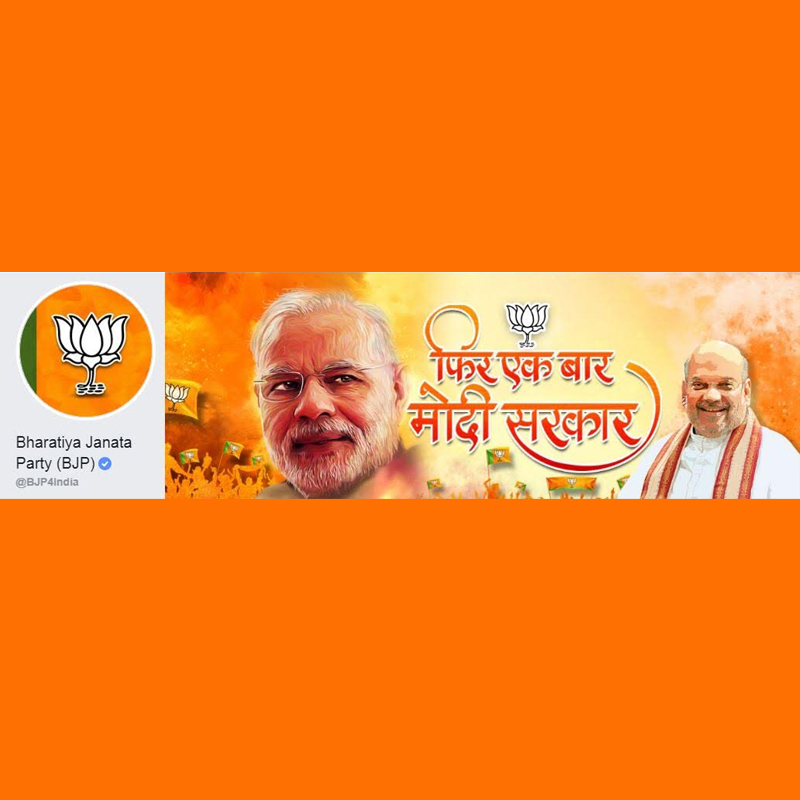
MUMBAI: With less than 10 days left for the most awaited General Election of India, where the country selects its next prime minister, global social media...
MUMBAI: Buzzoka, India’s most disruptive influencer marketing company has launched the Digital India Report Card, a survey that attempts to understand the performance of the current...

MUMBAI: For almost three decades, TV has remained the preferred choice for political parties to advertise during the poll seasons, given its mass outreach. However, despite...
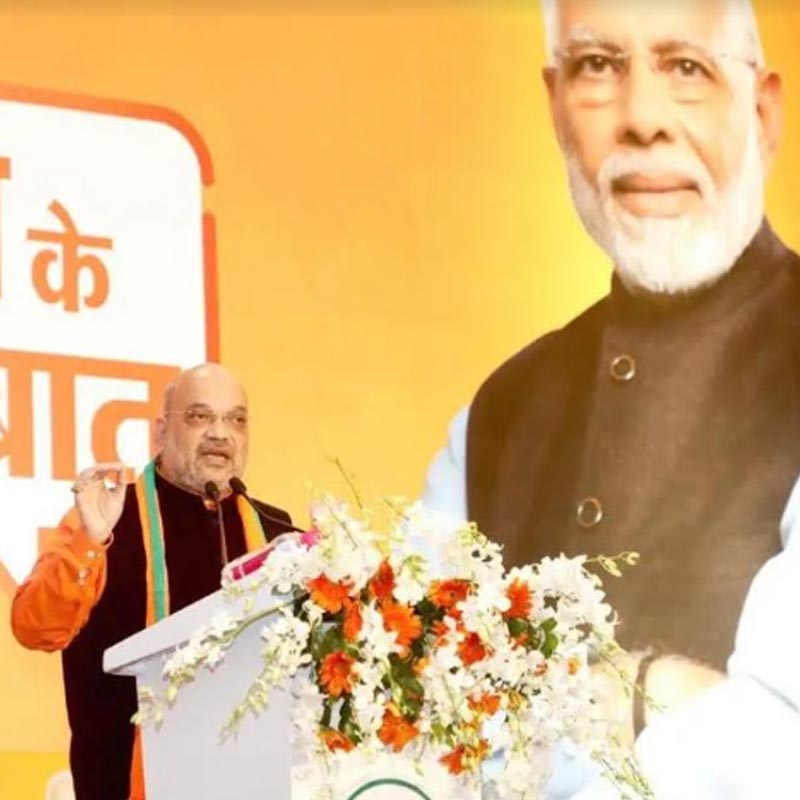
MUMBAI: All political parties have started taking digital seriously and are spending on Facebook ads before the upcoming elections. The social media giant has revealed some...

MUMBAI: The general elections of 2019 are just around the corner and for the past few months a feirce political battle is ensuing in some of...
MUMBAI: The Broadcast Audience Research Council (BARC) India has released its data for top advertisers and brands between 10 November 2018 – 16 November 2018. The...
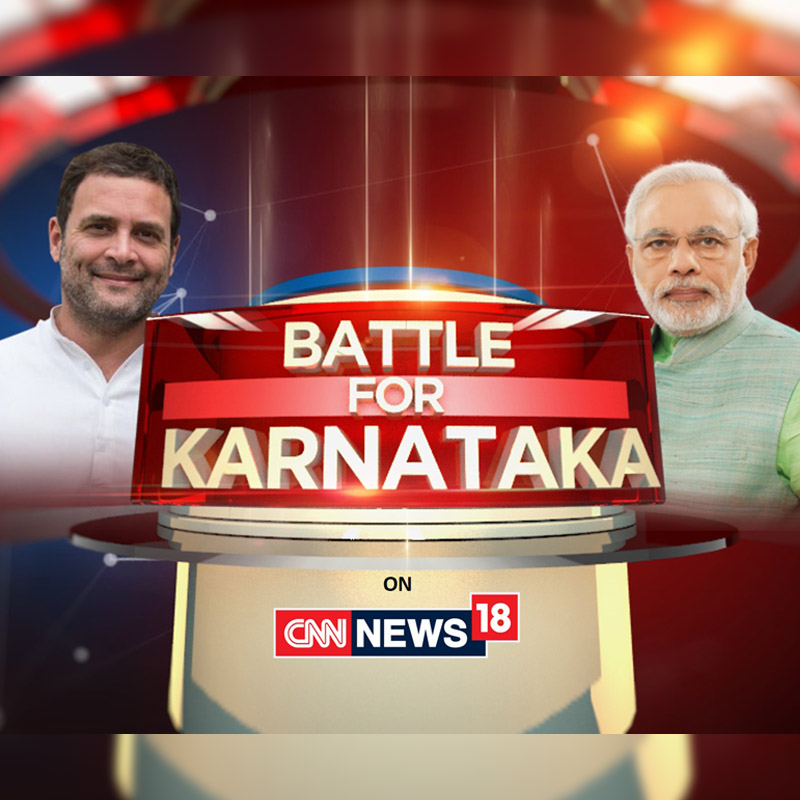
New Delhi, 19th April, 2018: Termed as the big battle between the BJP and the Congress ahead of the General Election in 2019, the upcoming Assembly...
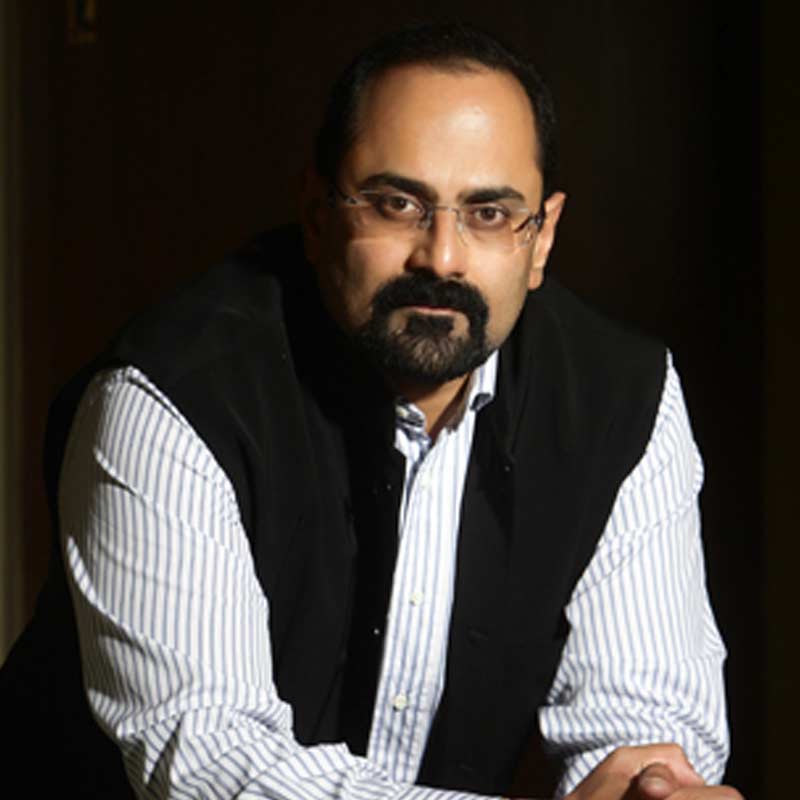
MUMBAI: Rajeev Chandrasekhar, after being sworn in as BJP’s Rajya Sabha MP on Tuesday, has resigned from the board of directors of ARG Outlier Asianet News...
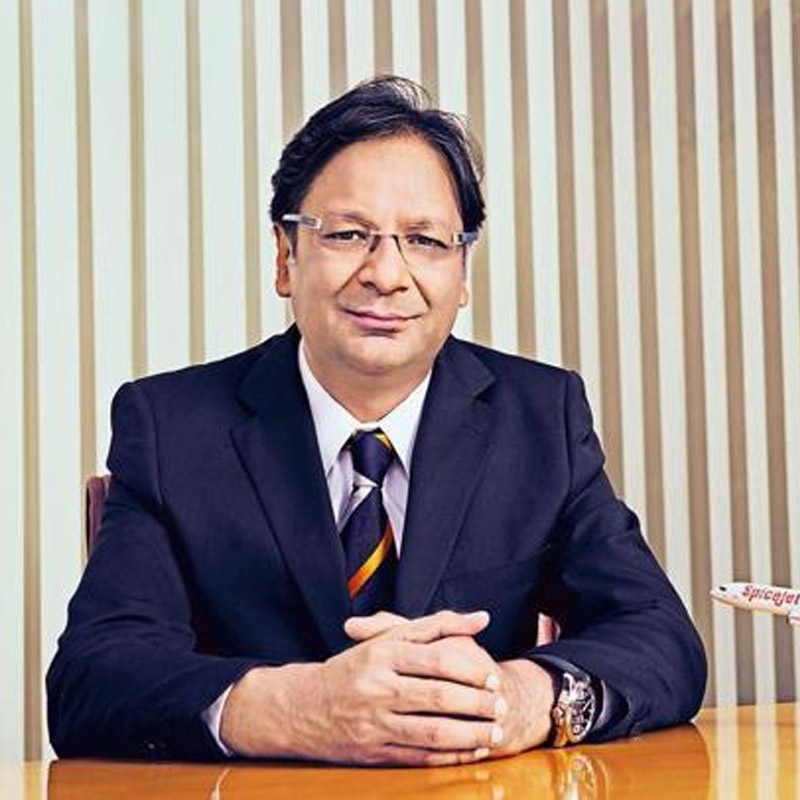
MUMBAI: NDTV may change hands as its founders — Prannoy Roy, Radhika Roy and the promoter firm RRPR Holding — are facing a CBI probe for...
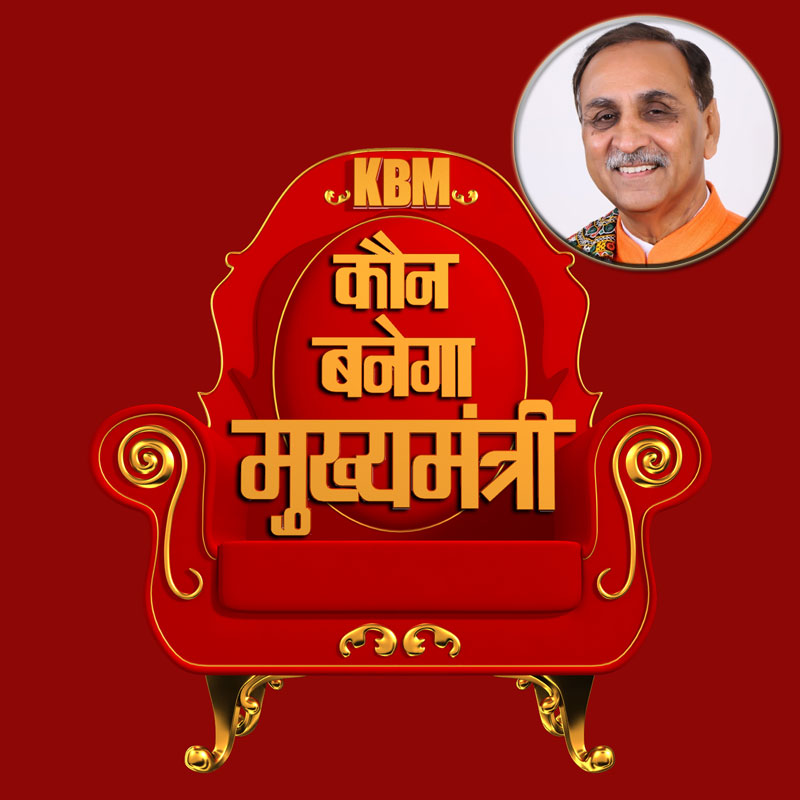
MUMBAI: It’s going to take no less than a gargantuan effort on the part of the Congress party to defeat the Bharatiya Janata Party in the...
NEW DELHI: The National Critical Information Infrastructure Protection Centre (NCIIPC) safeguarded 300 establishments in India from the recent worldwide cyberattack by the WannaCry ransomware. Giving this...
BENGALURU: For the eighth week in row, FMCG major Hindustan Lever Limited (Lever) was the top television advertiser in terms of advertisement insertions per week for...
BENGALURU:FMCG advertisers had 92.25 percent of the share of television advertisement insertions among the total TV ad insertions by top 10 advertisers across genres list in...
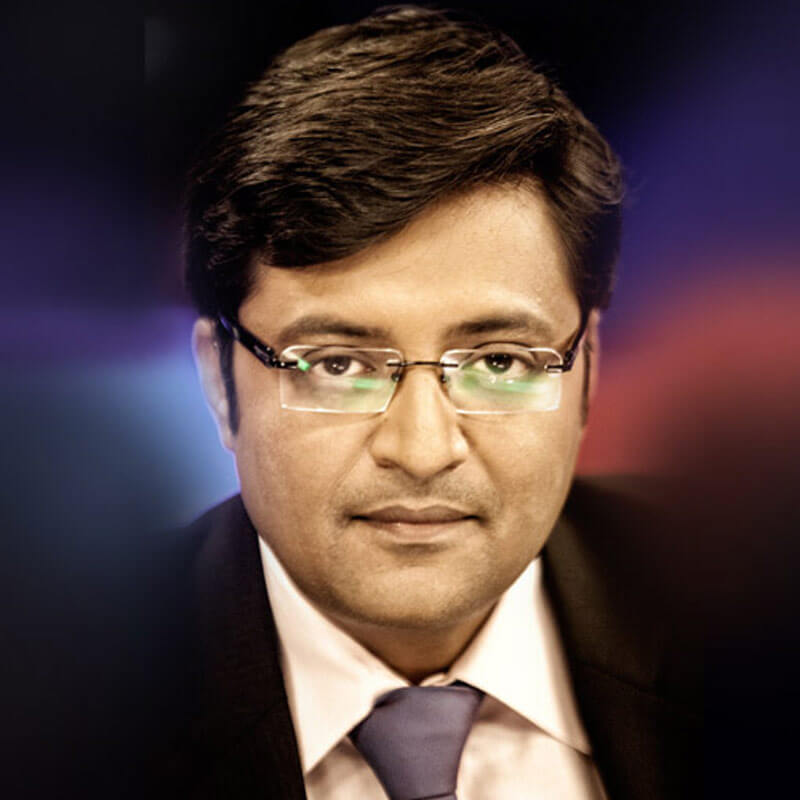
MUMBAI: Arnab Goswami’s up and coming TV news channel, ‘Republic’, is back in the news and limelight. This time, though, criticism is from an unlikely quarter....
MUMBAI: Arnab Goswami’s up and coming TV news channel, ‘Republic’, is back in the news and limelight. This time, though, criticism is from an unlikely quarter....

MUMBAI: Media Mogul and the chairman of Essel group Dr. Subhash Chandra Goel has filed nomination for the second Rajya Sabha seat that fell vacant from...
MUMBAI: Media Mogul and the chairman of Essel group Dr. Subhash Chandra Goel has filed nomination for the second Rajya Sabha seat that fell vacant from...
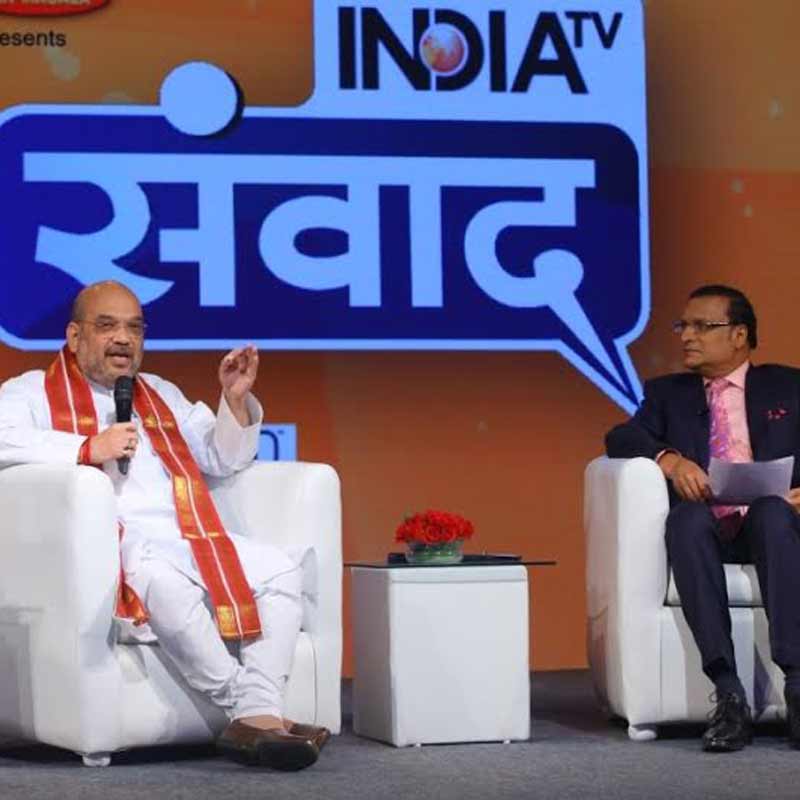
MUMBAI: “Samvaad ” the first Full Day Mega Conclave by India TV instituted to take stock of the Modi Government’s first two years in office, saw...
MUMBAI: “Samvaad ” the first Full Day Mega Conclave by India TV instituted to take stock of the Modi Government’s first two years in office, saw...

BJP sweeps Assam, Mamata rocks Bengal, it’s a change of Guard in Tamil Nadu & Kerala #NewsXTodaysChanakya New Delhi, May 16, 2016: As the political battle...
BJP sweeps Assam, Mamata rocks Bengal, it’s a change of Guard in Tamil Nadu & Kerala #NewsXTodaysChanakya New Delhi, May 16, 2016: As the political battle...
NEW DELHI: Film and Television Institute of India (FTII) director Prashant Pathrabe has justified his action in calling in the police after he was gheraoed for...
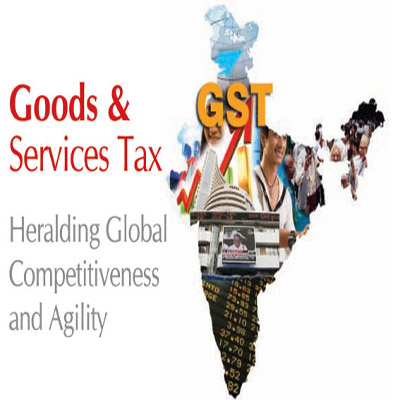
NEW DELHI: Even though the Rajya Sabha Select Committee on the Goods and Services Tax (GST) gave its green signal today, the going will not be...

MUMBAI: As Network18’s news channels CNN-IBN and IBN7’s special programming around Modi Government’s one year in power draws to a close, the channels presented a special...

NEW DELHI: In a day of speedy action, the Delhi High Court today upheld the stay on telecast of a documentary based on interviews including one...
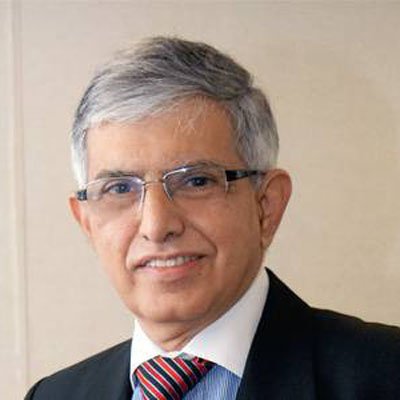
MUMBAI: Madison Media on 20 February released its Advertising Outlook 2015 report. While releasing the report, Madison World chairman Sam Balsara gave the advertisers five important...
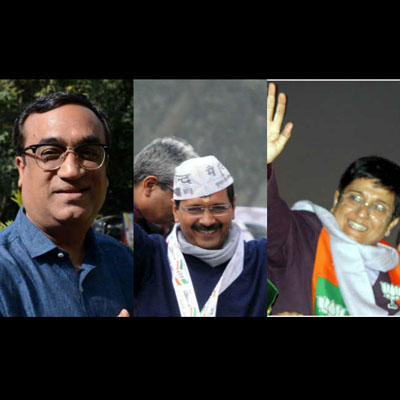
MUMBAI: Over 67 per cent of Delhi’s voting population reached polling booths to register their opinion and celebrate the festival of democracy. Many exit polls unanimously...
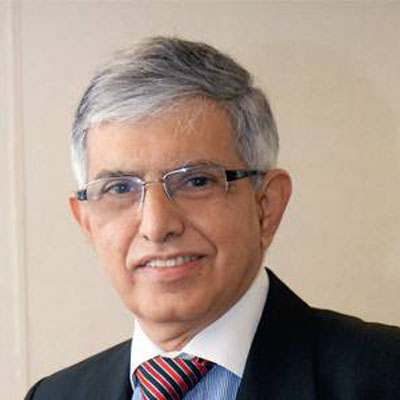
MUMBAI: The Madison Report on 2015 is all set to be unveiled on 20 February by Minister of State with Independent Charge for Power, Coal and...


