Tag: Bergner India

  • “Our localisation mindset helps us compete effectively even in saturated markets”: Bergner’s Umesh Guptaa

    “Our localisation mindset helps us compete effectively even in saturated markets”: Bergner’s Umesh Guptaa

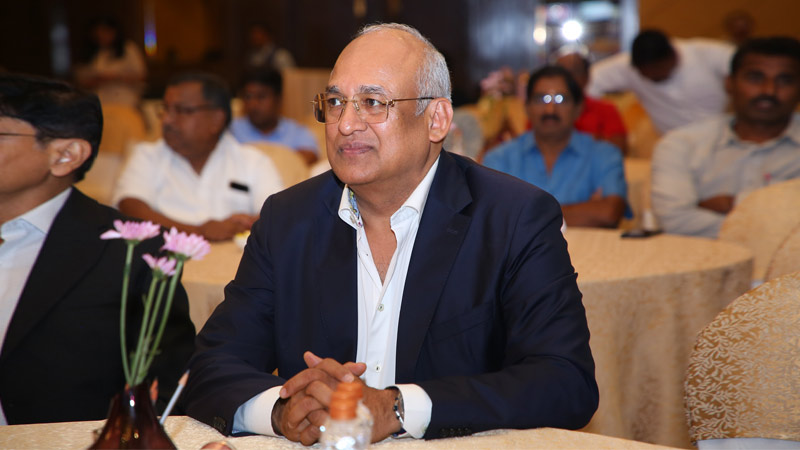
    MUMBAI: In a market brimming with tradition and price-led buying, cookware brand Bergner is rewriting the playbook with a fresh blend of material innovation, regional relevance, and data-led storytelling. From launching India’s first Tri-Ply non-stick range tailored to south Indian cuisine to pioneering Bergcast, a health-focused podcast, the brand is forging deep emotional and cultural connections with consumers, one pan at a time. In this detailed conversation, Bergner’s leadership breaks down how regional insight, creative risk-taking, and agile marketing are helping the company  stir up brand love, trust, and category growth across India’s diverse kitchens. In an email conversation with Indiantelevision.com, Umesh Guptaa, Managing Director of Bergner India, shares insights on the brand’s regional growth strategy, innovation playbook, and the future of Indian kitchens. Excerpts from the interview:

    On how Bergner gained a strong foothold in north and western India. 

    A pivotal move that strengthened our presence in north and west India was shifting the narrative from price-driven marketing to awareness-driven storytelling. Instead of pushing discounts, we focused on educating consumers about why cookware material matters emphasising the health and performance advantages of switching from aluminium to Tri-Ply.

    We leveraged influencer partnerships, digital storytelling, and chef collaborations to highlight the benefits in a relatable, everyday context. At the same time, we introduced affordable Tri-Ply ranges, making premium cookware more accessible without compromising on quality.

    This two-pronged approach education and accessibility not only differentiated us in a competitive market but also built stronger brand preference and trust across these regions.

    On what has gone in to Argent Samsara range to allow it to capture the diverse southern Indian market.

    South India’s rich culinary traditions are deeply tied to specific cookware shapes and techniques. From crispy dosas to fluffy appams and simmered curries, the right cookware is key to getting it right. With Argent Samsara, we set out to create a range that respects these traditions while bringing modern innovation to the Indian kitchen.

    Our research revealed a major gap, traditional cookware like paniyarakkal and appachetty were largely available only in aluminium or basic non-stick. These materials lacked durability and raised health concerns. There was no premium, high-performance alternative that retained the traditional form while delivering modern efficiency.

    That’s how Argent Samsara became India’s first Tri-Ply non-stick cookware range designed especially for south Indian cuisine, featuring thoughtfully crafted pieces like Paniyarakkal, Appachetty, traditional-shaped Handi, Roti Tawa, Square Multi Tawa, and Round Grill Pan. It wasn’t easy, Tri-Ply is usually flat-based and western in design—but we pushed boundaries to retain traditional shapes while offering Tri-Ply’s even heat distribution and durability.

    To make cooking easier and healthier, we also added a Quantaniumnon-stick coating across most of the range (except the handi), giving users the best of both worlds heritage and hassle-free functionality. What makes this range even more relevant is the growing love for south Indian food across India. From dosas to sambar, these dishes are now staples in households nationwide, appreciated for their flavour, comfort, and nutrition. With families preparing these meals at least once a week, Argent Samsara brings them cookware that’s rooted in culture, yet built for today’s kitchens.

    On how Bergner use regional consumer data to predict and adapt to nuanced preferences, particularly when entering highly competitive markets.

    At Bergner, consumer insight drives product innovation. We analyse a mix of sales trends, platform search behaviour, feedback from retail partners, and on-ground conversations during store visits, roadshows, and cooking events. This helps us uncover patterns that go beyond national averages, like cookware preferences by region, meal prep styles, or cookware material awareness. 

    For example, our deep dive into southern markets revealed a high frequency of traditional dishes like dosa, appam, and paniyaram, yet no premium cookware existed for them in safer materials like Tri-Ply. That led to the development of Argent Samsara, a first-of-its-kind Tri-Ply range designed specifically for South Indian cuisine. Ultimately, our approach is not just about reading data—it’s about listening to kitchens across India and responding with products that feel familiar yet elevated. This localisation mindset helps us compete effectively even in saturated markets.

    On how Bergner innovated communication wise around the Tri-Ply technology

    As the first brand to introduce Tri-Ply cookware in India, Bergner faced the challenge of not just launching a new product, but reshaping consumer perception. Most Indian households were still using low-grade stainless steel or non-coated aluminium cookware often unaware of the health risks and poor heat performance. The bigger hurdle was education: helping consumers understand why cookware quality matters, and how Tri-Ply offers a safer, more efficient, and longer-lasting alternative. It was a shift from price-led decisions to value-driven choices—a transition that needed more than just advertising. To overcome this, we moved beyond traditional product marketing and launched Bergcast—India’s first branded podcast in the cookware space. Instead of focusing on specs, Bergcast sparked conversations around nutrition, cookware safety, and cooking methods, featuring trusted voices like chefs, nutritionists, and health experts. It helped consumers understand why the choice of cookware matters just as much as the ingredients, especially when it comes to preserving health.

    This innovative, education-first approach made Tri-Ply relatable for everyday users—turning what seemed like a high-end product into a smart, health-conscious upgrade for Indian kitchens. It helped build lasting trust and significantly improved Tri-Ply adoption across urban and semi-urban markets.

    On the challenges that the company faced while expanding in south India. 

    One of the biggest challenges we encountered in south India was navigating the strong reliance on traditional cookware formats, often dominated by unbranded or aluminium products. While Bergner has strong recall in the premium cookware space, there was still a trust gap when it came to region-specific cooking needs especially for dishes like dosa, appam, or paniyaram.

    We tackled this by spending time on-ground listening to consumers, retailers, and chefs—to understand the cookware expectations rooted in local traditions. These insights helped us design products that catered specifically to south Indian kitchens, while staying true to our core of performance and health.

    To build awareness, we focused on regional storytelling, in-store promotions, and local influencer collaborations helping consumers relate to our products while showcasing their performance. Making these ranges easily accessible in retail stores across south India helped close the loop between interest and purchase.

    On how Bergner measures RoI. 

    At Bergner, we measure RoI not just by reach, but by how effectively it drives engagement, conversions, and brand lift. For digital, we track metrics like click-throughs, sales, and repeat visits. In traditional media, we focus on recall, retail footfall, and partner interest.

    A strong example is the launch of our Argent Samsara range, India’s first Tri-Ply Non-Stick cookware designed for south Indian cuisine. Through a mix of digital storytelling, Bergcast podcast episodes, and roadshows with Chef Vikas Khanna, we saw a notable increase in product awareness and store-level promotions across South India. The integrated campaign proved how combining data-led digital efforts with culturally relevant offline activations can deliver both impact and measurable RoI.

    On how the company evaluates and maintains its creative edge in its partnerships with external marketing agencies.

    At Bergner, we view our agency partners as strategic collaborators, not just service providers. We evaluate creative partnerships based on three key pillars: alignment with brand vision, agility in execution, and the ability to bring fresh consumer-centric insights to the table. Regular brainstorming sessions, performance reviews, and creative workshops ensure that the ideas stay relevant, bold, and differentiated.

    A standout example would be the development of our branded podcast, Bergcast, a concept that emerged through an open creative sprint with our content agency. Instead of launching another product-centric campaign, we decided to shift the narrative toward education, health, and storytelling, positioning Bergner as a thought leader in the cookware space. This not only set us apart in a crowded market but also opened up a new content format that deepened consumer trust and engagement.

    On how Bergner splits its ad budget between TV, digital, print, and OOH.

    Bergner’s advertising budget is primarily digital-first, given its precision, agility, and measurable RoI. Approximately 60–70 per cent of our spends are directed towards digital platforms—ranging from performance marketing and social media to influencer collaborations and video content. The remainder is strategically allocated across OOH, print, and select cinema or TV placements during high-impact campaigns.

    A great example is the Argent Samsara launch. We shifted a significant portion of our traditional media budget towards OTT platforms and cinema advertising, with a strong focus on storytelling through our brand film featuring Chef Vikas Khanna. This move led to a noticeable spike in digital engagement, website traffic, dealer interest and most importantly, a marked increase in brand mind share among health-conscious, premium cookware buyers. It reaffirmed that meaningful storytelling on relevant platforms delivers far greater impact than broad-based visibility alone.

    On a risky marketing initiative that paid off in terms of consumer adoption 

    One of our boldest initiatives was launching Bergcast, India’s first branded podcast in the cookware space. Instead of focusing on product promotion, we shifted the conversation to cookware safety, nutrition, and health—areas often overlooked by consumers. It was a risk to invest in long-form content in a category traditionally driven by price and promotions.

    However, by collaborating with chefs, nutritionists, and health experts, we were able to educate listeners about the dangers of non-coated aluminium cookware and highlight safer alternatives like Tri-Ply. The podcast received strong organic traction and sparked meaningful conversations across social media, retail counters, and influencer communities—ultimately driving deeper trust and awareness around healthy cooking.

    On how the company tweaks messaging for maximum impact in different tier 1, tier 2, and tier 3 towns and cities.

    At Bergner, we tailor our marketing to meet the awareness, aspirations, and access levels of each market tier.

    In tier 1 cities, consumers are more informed and actively seek products that align with their lifestyle and health goals. Here, we focus on premium storytelling, highlighting innovation, design, and wellness. Platforms like Instagram, YouTube, OTT ads, and podcasts like Bergcast allow us to connect with this audience on a deeper level.

    In tier 2 cities, the audience is curious but still cost-conscious. Our messaging strikes a balance, educating about the long-term health and value benefits of better cookware while keeping communication rooted in everyday relevance. Regional influencers, digital explainers, and in-store visibility are key here.

    In tier 3 cities, awareness is still developing, so we prioritise basic education around cookware safety, the drawbacks of traditional materials like non-coated aluminium, and the importance of quality. Trust-building through dealer relationships, retail activations, and vernacular communication is critical. Across all tiers, we adjust the tone, platform, and focus, but the core message remains: good cookware leads to better health and better living.

    On the unique consumer touchpoints or brand experiences that Bergner deploys to distinctly position itself in the minds of the consumers.

    Bergner stands out by creating meaningful consumer experiences that go beyond just selling cookware. Our innovation-first approach—like pioneering Tri-Ply cookware in India has helped us lead conversations around healthier, performance-driven cooking.

    We engage consumers through a strong digital presence, including product-led storytelling, influencer collaborations, and targeted video campaigns across OTT, YouTube, and social media. On-ground initiatives like Indian Cooking Club, live demos, and roadshows with Chef Vikas Khanna build real-world trust and community.

    Combined, these touchpoints create a distinct, emotionally resonant brand experience one that positions Bergner not just as a cookware brand, but as a partner in everyday cooking.

    On an example where applying global quality standards to an Indian cooking practice give an unexpected but highly beneficial market response.

    One of the most impactful adaptations we’ve made was applying global Tri-Ply standards to traditional Indian cookware shapes like the handi, paniyarakkal, appachetty, and tadka pan. These shapes are deeply rooted in India’s culinary heritage, especially in regional cuisines, but were mostly available in basic aluminium or conventional non-stick variants often compromising on durability, heat efficiency, and safety.

    We took these beloved shapes and re-engineered them with Tri-Ply construction—something rarely seen before in this category. This upgrade not only improved performance through even heat distribution but also addressed key consumer concerns around health, safety, and longevity of cookware.

    The response exceeded our expectations. Consumers especially those who cook regional dishes regularly appreciated the thoughtful balance between traditional functionality and modern technology. It validated our belief that cookware innovation must start by respecting local culinary habits, while raising the bar with world-class quality.

    Bergner-India_Store-Launch

    On how Bergner’s forward-looking vision in terms of disruptive product innovations or market expansions will significantly reshape the cookware market landscape in India.

    At Bergner, we believe the future of cookware lies in bridging health, heritage, and smart functionality. Our vision is to continuously challenge the status quo by introducing products that solve real problems in Indian kitchens whether it’s healthier cooking, better material science, or adapting traditional forms to modern needs.

    We were the first to introduce Tri-Ply cookware in India, and now we’re making it more accessible across segments democratising premium technology for every home. We’re also investing in data-led product development, using insights to identify gaps and bring forth innovations in form factor, coating technology, and compatibility with modern cooking appliances like induction and air fryers.

    Looking ahead, we are exploring cookware tailored to emerging dietary trends, multi-functionality, and material innovation that blends sustainability with performance. Market expansion into tier 2 and tier 3 cities remains a strong focus, supported by both retail partnerships and hyper-local digital strategies.

    The goal is simple: reshape how India cooks smarter, safer, and more joyfully while preserving the emotional connection we all share with food and tradition.

    Bergner-India_Store-Launch

    On the KPIs that Bergner monitors closely, and how dynamically does it adapt its strategies in response to real-time feedback and evolving market insights.

    At Bergner, we follow a layered KPI framework that blends performance metrics with long-term brand impact. For product launches, we closely monitor sell-through rates, category growth, channel-specific conversions, and repeat purchase behaviour. On the marketing front, we track a mix of reach, engagement, assisted conversions, sentiment analysis, and content performance across platforms.

    Real-time consumer feedback plays a central role in shaping our next steps. If we observe content underperforming or receive feedback indicating confusion around a product, we quickly adapt—whether it’s refining the message, optimising creatives, or shifting media strategy. This agile and insight-driven approach ensures we remain relevant, responsive, and rooted in consumer expectations.

  • Bergner & Shoppers Stop cook up a storm, stir the pot with Hitech Giro X

    Bergner & Shoppers Stop cook up a storm, stir the pot with Hitech Giro X

    MUMBAI: Let’s be honest, the only thing worse than burnt toast is pretending burnt toast is a culinary masterpiece. Luckily, Bergner and Shoppers Stop have joined forces with culinary superstar chef Vikas Khanna to rescue home chefs everywhere from kitchen disasters. Launching the ultra-advanced Hitech Giro X cookware, they’ve set out to turn amateur cooks into kitchen wizards—minus the magic wand (though we wouldn’t mind that either).

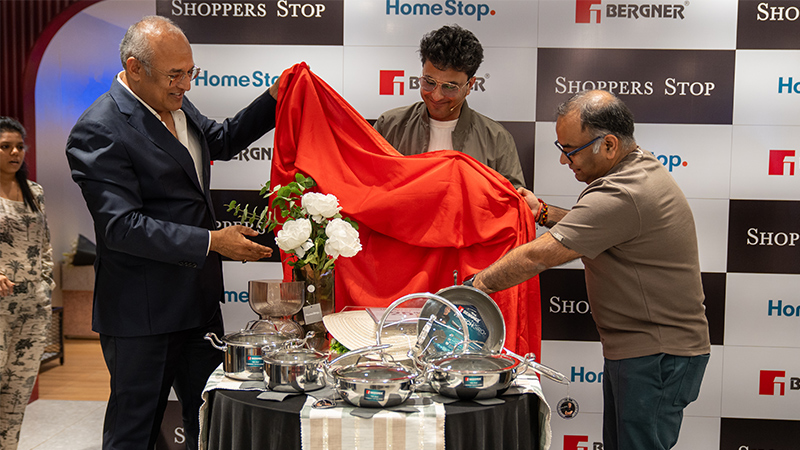
    In an exclusive event at HomeStop, Mumbai, Michelin Star chef Vikas Khanna unveiled Bergner India’s new cookware range, Hitech Giro X. This collection isn’t just cookware—it’s a ticket to culinary nirvana. Featuring cutting-edge Tri-Ply construction and Ceratech ceramic coating, the Giro X range guarantees even heat distribution, minimal oil use, and healthier meals, all while looking sleek enough to impress even your judgmental aunt Meena.

    “Exceptional cookware is the foundation of great cooking. Bergner India is dedicated to advancements that make cooking healthier, more accessible, and more pleasurable. Hitech Giro X exemplifies this, offering a seamless cooking experience through its durable, efficient, and thoughtfully designed features. We’re excited to partner with Shoppers Stop to bring this innovative cookware to Indian kitchens,” said Bergner India MD Umesh Guptaa.

    Khanna wasn’t shy about his enthusiasm either, stating, “In my line of work, I’ve learned that the quality of your cookware matters just as much as the quality of your ingredients. The Hitech Giro X makes cooking healthier, faster, and more enjoyable for anyone who loves spending time in the kitchen. It’s a privilege to be involved in this launch with Shoppers Stop and Bergner India. This range is a real game-changer, and I think everyone should see it for themselves at HomeStop.”

    Shoppers Stop MD & CEO Kavindra Mishra shared, “At Shoppers Stop, we are committed to bringing the best in lifestyle and home innovation to our customers. Hitech Giro X aligns perfectly with our vision of blending cutting-edge technology with everyday convenience. Through this partnership with Bergner India and Michelin Star Chef Vikas Khanna, we aim to redefine modern home cooking.”

    The launch featured an exclusive masterclass where Chef Khanna demonstrated the capabilities of Hitech Giro X, showing off its tri-ply technology and exceptional cooking performance. Attendees, mainly Shoppers Stop First Citizen cardholders, were left both inspired and ready to tackle cooking challenges head-on.