MUMBAI: Well, well, just as we were getting cynical about love and that romance is on the way down here is some contrarian news from affiliate network Admitad. According to data provided by it, the worst is behind us and love is blossoming; couples have returned to gifting with consumption rising 15 per cent during Valentine’s Day (VD) week.
Analysis of over 500,000 orders revealed an average spend of Rs 2,000, with mobile devices accounting for more than half of all purchases. Hotel bookings surged 20 per cent as couples opted for weekend getaways, whilst food delivery orders rose 15 per cent. Fashion items dominated gift choices at 25 per cent of purchases, followed by cosmetics at 15 per cent and electronics at 12 per cent. The most dramatic growth came in flowers and luxury goods, which saw sales spike 89 per cent and 67 per cent respectively compared to non-holiday periods.
Digital-savvy shoppers maximised value, with 20 per cent claiming cashback and 12 per cent using promotional codes. Affiliate stores influenced over a quarter of purchases, whilst online media recommendations drove 15 per cent of sales.
The strong performance marks a sharp reversal from 2024’s 10 per cent decline in Valentine’s spending, suggesting renewed consumer confidence in Asia’s third-largest economy.
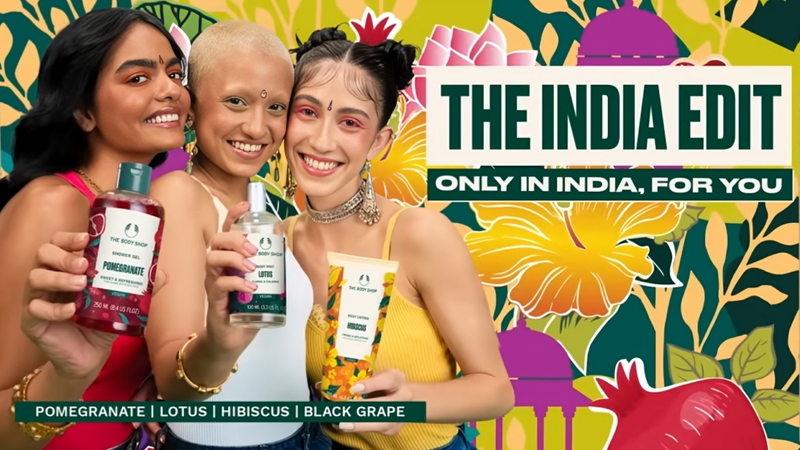
Mumbai: The Body Shop, an ethical and sustainable beauty, has launched a striking new campaign to celebrate The India Edit, its first-ever India-inspired collection. Anchored by the tagline “Only in India, for You,” the campaign is a heartfelt tribute to Indian youth, cultural richness, and the beauty of inclusivity.
The campaign’s centrepiece is a visually captivating video that uses a lateral sliding frame structure. This unique storytelling approach takes viewers on a visual journey through the richness of Indian beauty, individuality, and self-expression. The video artfully integrates The India Edit’s four curated collections—Lotus, Hibiscus, Pomegranate, and Black Grape—each inspired by traditional Indian ingredients and crafted in line with The Body Shop’s ethical values.
What’s more, the brand’s commitment to inclusivity shines through the cast, which features models from diverse backgrounds and identities. Together, they embody the multifaceted beauty of India, celebrating the idea that beauty is as unique and varied as the country itself.
Adding to the visual splendour is a custom-designed artistic backdrop by an illustrator. Bursting with vibrant colours and intricate patterns, the backdrop draws inspiration from India’s cultural heritage, bringing each scene to life and amplifying the bold, unapologetically Indian spirit of The India Edit.
The campaign has been rolled out across a range of platforms, from in-store displays to social media and digital channels.
The Body Shop has always been synonymous with ethical beauty, and this collection is no different. With IFRA-certified fragrances and a focus on India’s unique natural treasures, The India Edit exemplifies the brand’s dedication to ethical and thoughtful beauty.
Mumbai: Beauty brand Orgatre has launched an eco-friendly beauty range of products that are formulated with a holistic approach to beauty using VITAMILS a unique blend of essential oils to effectively nourish and rejuvenate the skin and hair, the products are suited for all skin types.
Orgatre’s products are a testament to natural sustainability as they are completely cruelty-free and made with organic ingredients to give skin the much-needed love and care. Each formulation is crafted with meticulously sourced organic ingredients, meticulously selected to give your skin the nourishment and care it deserves.
Orgatre provides ethical skincare solutions that promote a positive relationship between beauty and the environment.
A testament to elegance and reliability in beauty. Orgatre’s Lush Lip Combo is made with premium, non-toxic components like Jojoba Oil, that result in lips staying vibrant and nourished. Its weightless texture smoothly glides on for a perfect matte look and is enhanced with Vitamin E for suppleness. Style and reliability are given priority in this product, which is free of cruelty and parabens. It guarantees hydration and skin renewal because it is infused with skin-loving nutrients including Rosa Canina Seed Oil and Rosehip Seed Oil. Orgatre’s Lush Lips Matte Lipstick line offers a versatile spectrum of tones that are guaranteed to last all day and define your lips with a non-sticky, matte finish.
Orgatre Damage Repair Shampoo
Orgatre’s Damage Repair is formulated with the use of powerful ingredients such as Collagen Powder, Pea Peptide, Cedarwood Oil and Rosemary Oil. Collagen powder strengthens the hair follicle while Pea Peptides smoothens the locks and makes them silky. Cedarwood Oil effectively cleans, balances the scalps pH and regulates the production of sebum. Rosemary Oil is a potent ingredient that adds lustre to the hair and prevents it from greying. This revolutionary formula strengthens the hair from within while promoting growth and minimising split ends. This shampoo also contains Vitamins F, E B7, B3 and B5 which nourish the scalp and restore the hair’s original lustre. The combination of essential oils like Rosemary, Argan, Avocado, Cedarwood and Peppermint add moisture and strength, revitalising the damaged hair.
Orgatre Veta Hair Removal Foam is a Unisex, cutting-edge, hassle-free hair removal solution. This foam spray is painless and uses cutting-edge technology, transforming conventional hair removal techniques. It is enhanced with nourishing ingredients. Its rapid action and simple application assure even coverage, leaving the skin feeling silky and smooth in no time. Its hair-dissolving ingredients effectively remove unwanted hair while minimising skin irritation, and it is designed to be delicate on the skin. This foam is a mess-free, multipurpose solution for hair removal that works well on a variety of body parts. Designed with your comfort and convenience in mind, Orgatre Veta Hair Removal Foam provides long-lasting smoothness.
Elevate Your Hairstyle: Hair Powder Wax Volumizer
Orgatre’s Hair Powder Wax Volumizer is the ultimate solution for effortlessly achieving stunning and voluminous hair. This cutting-edge hair styling product is painstakingly crafted to add volume and texture to your hair, boosting its fullness and thickness for a more voluminous look. Its special powder ingredients make application simple and guarantee even dispersion for a perfect finish. This volumizing powder wax is infused with wax, providing additional styling flexibility and maintenance, making it simple to style your hair. Its texturizing effect creates a textured finish that is perfect for shaping and styling. It provides a long-lasting hold throughout the day, ensuring your hairstyle stays in place. This matte-finish hair volumizing powder wax is easy to use and defines every hair strand, giving a structured and finished look without the need for professional assistance.
Orgatre Hair Growth Serum 2.0: A Revolutionary Formula for Stronger Strands and Thicker Beards
Orgatre’s Hair Development Serum 2.0, a powerful concoction meticulously crafted to maximise the development of your hair and beard. This revolutionary VITAMILS blend, rich in vitamins and essential oils, is combined with elements that have been scientifically proven to create a serum that will completely change the way you take care of your hair. The Orgatre Hair Growth Serum 2.0 includes potent ingredients that promote healthier hair. Aloe vera extract promotes growth and soothes the scalp, while Green Tea Leaf Extract stimulates growth, reduces hair loss, and combats dandruff. Additionally, Anagain and Redensyl promote growth, thickness, and density. It’s an all-in-one solution for improving hair quality and shine that is suitable for any skin type.
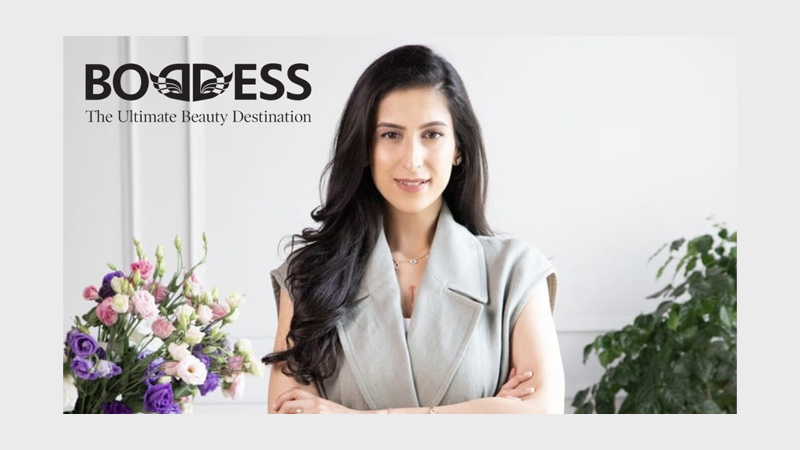
Mumbai: Born during the pandemic, Boddess Beauty has emerged as a dynamic force in the beauty and wellness industry. Founded by entrepreneurs Mansi and Ritika Sharma, this beauty and wellness platform boasts a diverse portfolio of 100 plus renowned brands. Committed to empowering every woman, they recently introduced their own label ‘The Honest Tree,’ a clean and vegan bath & body brand.
With a blend of curated products, offline & online platforms, and strategic collaborations, Boddess emerges as a beacon of resilience, with Mansi Sharma leading creative endeavors, setting new benchmarks in the ever-evolving beauty landscape.
Indian Television caught up Boddess Beauty co-founder and creative director Mansi Sharma to gain insights into her entrepreneurial journey, on the launch of ‘The Honest Tree’, AR/VR playing a role in enhancing the beauty shopping experience, and much more…
Edited Excerpts:
On the inspiration behind embarking on the entrepreneurial journey of creating Boddess Beauty
Boddess was the product of a deep love for beauty technology and a passion for making beauty brands available to a pan-India audience; not just in major tier one cities. Back when we started we realised that the Indian consumer has both the appetite and the curiosity for experiencing world-class beauty products and brands, but insufficient access. Through our years of experience in the industry, we curated a collection of top skincare, makeup, body care, fragrance & accessories brands to bring to the Indian consumer.
On the key challenges Boddess faced during its launch in the pandemic, especially in the beauty and wellness industry, and how did the brand successfully overcome them
As an omnichannel platform we were lucky to be able to tap into our online community when malls and public spaces were shut down. We also noticed a shift from makeup to a deeper penetration in skincare, hair care and eye makeup as growing categories as they catered to demands of the time. Every crisis brings with it an opportunity; these were just a few of the many opportunities we were presented with during the pandemic.
On the creation of your private label, ‘The Honest Tree,’ and its differentiating aspect in the market
With a deeply entrenched philosophy of growing premiumisation and more importantly personalisation, we wanted to create a brand for Indian body skin concerns, based on the reality of India’s extreme climates, pollution levels and harsh sun exposure. After studying the market, we realised a lot of local Indian brands focused solely on face care, and most highly efficacious body care products came from abroad and at a high price. After almost a year of experimentation, studies, and trials we came out with a line that provides a luxurious body care experience, catering to Indian/South Asian skin concerns at an attractive price point. Our first-of-its-kind back-acne lotion targets a niche but widely experienced concern of body/back acne that prevents consumers from exposing their body skin confidently. The response we’ve gotten is extremely gratifying for it, and this is just one of twenty-one state-of-the-art SKUs in our collection.
On the collaboration with Netflix’s “Kho Gaye Hum Kahan” and partnerships with entertainment industry projects aligning with Boddess’ brand strategy
The collaboration has a very interesting story – I had a brief stint working with Tiger Baby Films during which I came across the script of KGHK and heard that the film was looking for a beauty brand partner. I felt that the film’s characters were a perfect match to our target consumer and introductions were made. The rest as they say is history.
On seeing technology, such as augmented reality or virtual try-ons, playing a role in enhancing the beauty shopping experience
It has gone from a ‘good to have’ to a ‘must have’ status among retailers at this point. With the advent of e-commerce and online shopping having means of experiencing products and brands without having to physically be present is becoming increasingly important whether that is in fashion or beauty. However, one must note that by no means do these technological advances replace the in-person shopping experience completely. Our loyal e-commerce customers still love swatching, trying and playing with our products before they purchase. Virtual try-ons and augmented reality exist to complement the overall 360-degree retail experience instead of replacing any format.
On Boddess Beauty maintaining a balance between offering a diverse range of beauty products from renowned brands while ensuring affordability for a wider consumer base
Our selection of brands and products extend themselves right from premium to masstige and mass, but we are very selective based on product efficacy, brand ethos and consumer demand. We understand that India, being an extremely price-sensitive market is also an extremely aspirational market, with every consumer having the desire for premiumisation as well as personalisation. Therefore, it’s essential to provide a brand curation that leaves the customer inspired.
On your role as creative director at Boddess Beauty, shaped by international experience, contributing to reshaping beauty standards, combating ageism and colorism, and promoting inclusivity in the Indian beauty industry
I don’t think a world of beauty exists for us in which we are not redefining what it means to be beautiful, feel beautiful and look beautiful. From a very young age beauty has meant happiness for me. I want women and men alike to feel happy in their own skin, with makeup and skincare available as tools for them to enhance that happiness. Our campaigns with female doctors, technicians and several other inspiring figures have shed light on the beauty that comes with empathy, service and empowerment.
On Boddess Beauty’s future expansion plans, both in terms of product offerings and market reach
We have just launched two exciting new brands – Max Factor and The Honest Tree (our own body care label) with a few other major international brand launches in the pipeline. Stay tuned for brand announcements in the near future. In terms of our physical expansion, given the roaring response to our Itanagar store, we endeavour to be present in tier 2 and 3 cities wherein a large beauty footprint is still missing.
Mumbai: Myntra, one of India’s leading fashion, beauty and lifestyle e-commerce destinations, has unveiled a new campaign ‘Sneaker for Every Scene’ shining a spotlight on the premium sneakers offering curated by the Myntra Sneaker Club (MSC) store on the platform. The Myntra Sneaker Club has evolved to be the go-to destination for India’s burgeoning sneaker enthusiasts, offering them a curated array of premium selections and some of the legendary and iconic lines from globally renowned sneaker brands. This includes coveted lines such as Nike Pandas, Air Jordans, Air Force, Dunks, etc from brands such as Nike, Adidas, Asics, New Balance and more. This campaign not only celebrates the love for sneakers among individuals but also underscores the diverse and expansive sneakers range available at the Myntra Sneaker Club, a testament to its growth and journey over the years.
Spreading the love for sneakers, ‘Sneaker for Every Scene’ campaign focuses entirely on the platform’s premium range of sneakers and the depth of its offering that includes 10k+ styles from 20 leading brands. Designed with an overall category insight that sneakers give a sense of confidence, help individuals conquer every scene and stay at the forefront of trend-first fashion, the campaign keeps sneakers at the heart. It includes a film based in three different settings, highlighting sneakers as essentials for every scene and giving individuals a sense of confidence to overcome any situation while putting the spotlight on premium sneaker lines and the latest drops from some of the biggest sneaker legacy brands such as Nike, Adidas, PUMA, New Balance, Skechers, Converse, Reebok, Under Armour etc available as part of the Myntra Sneaker Club.
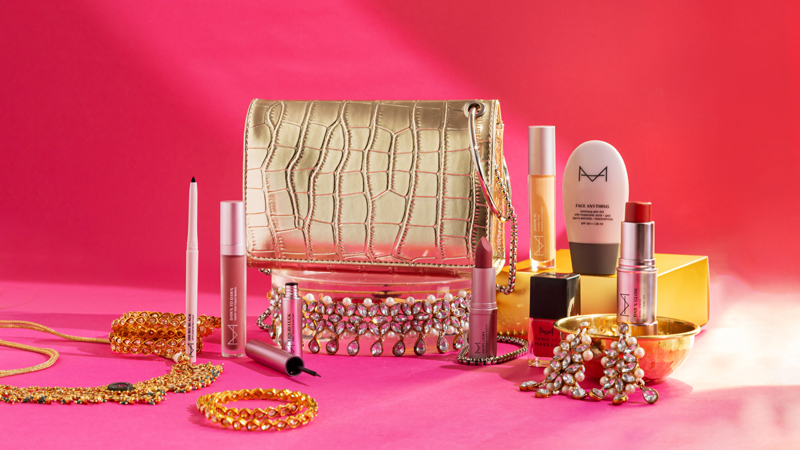
Mumbai: House Of Makeup is a makeup brand that aims to redefine beauty with its commitment to inclusive, high-quality products, and a passion for empowering individuals to express themselves authentically. With the spread of the Peach-Fuzz makeup trend, House Of Makeup invites beauty enthusiasts to experience the allure of clean, glowy-dewy makeup for an effortlessly radiant look.
Aimed at accentuating natural features and enhancing your real beauty, the Peach-Fuzz Makeup trend embraces a minimalist approach to makeup. This look is all about achieving a soft, dewy glow that radiates freshness and plumpness. House Of Makeup’s high-performance, affordable products are all you need to nail this look.
House of Makeup founder and CEO Harlin Sachdeva said, “The Peach-Fuzz makeup trend is right up our alley, as we are big fans of the natural, no-makeup makeup look. In fact, most of our products are designed for everyday use and make for an effortless, no-fuss routine, Our mission has always been to empower individuals to embrace their natural beauty, and this trend rides on our commitment to provide products and techniques that enhance one’s innate radiance.”
The Peach-Fuzz trend emphasises a clean, fresh-faced look, using lightweight formulations and strategic applications to achieve a youthful glow. House Of Makeup’s specially curated line of products, especially the luminous skin tint and crease-free concealer, caters to this trend, offering a range of skincare-infused makeup that nourishes the skin while providing a radiant finish.
House Of Makeup encourages makeup and beauty enthusiasts to explore the Peach-Fuzz makeup trend and discover the joy of achieving glowing skin effortlessly. The products offered by House Of Makeup are 100 per cent clean, have no toxic ingredients, are cruelty-free, paraben-free, and sulphate-free, among other things.
Mumbai: Beauty and personal care (BPC) products in the burgeoning D2C segment emerged as the largest selling category in India after about 3.7 lakh packs of Vitamin C Serum were sold during 2023, according to GoKwik’s network data report.
The highest repeat rate was also observed in BPC at 30 per cent, followed by fashion at 28 per cent. The electronics category saw one of the lowest repeat rates, at 14 per cent.
“D2C brands are increasingly becoming shopper favourites. Shoppers are consistently finding value in shopping from these brands. As a result, the repeat order rate of the most shopped categories has also seen a significant increase. With exclusive deals, loyalty points and offers, deepening markets and evolving trust in these brands, we can expect further growth in this industry.” Said GoKwik co-founder and CEO Chirag Taneja.
He further added that 2023 marked another significant year for D2C brands and contributed to their growth. From obtaining funding to omnichannel expansion or becoming listed on the stock exchange, D2C brands have proved they are here to stay and grow.
While shoppers continued to shop various products from the D2C brands, one significant product emerged as the winner, Vitamin C Serum. With over 3.7 L orders, this product clocked the most orders on GoKwik’s network of D2C brands, and emerged as a phenomenon, cementing its position in the skincare routine of Indian shoppers.
With 3.4 L orders, sunglasses came in the second spot as one of the shoppers’ favourites on the GoKwik network while Skincare Combos ranked third with 2.1 L orders.
Online premium memberships also seemed to be a hot favourite amongst D2C shoppers last year which could also be an indication of growing trust and loyalty for particular brands. Gift cards too had a huge demand from shoppers, possibly becoming a popular gifting option during the festive season.
“Shoppers buying directly from a D2C brand reflects growing trust in the products available on the brand website with no risk of counterfeits, etc especially when it comes to beauty and cosmetics,” Chirag added.
The top three products in terms of the highest orders in this category were Vitamin C Serum, closely followed by Night Cream and Hair Growth Serum.
Fashion stood tall clocking the second-highest number of orders. This could be indicative of the individuality in the space of fashion which is leading to an increase in the number of brands in subcategories that align with shopper needs. Here, the highest-selling products were Men’s T-shirts, both in black and white and black tops for women.
Healthcare products secured the third position in order volume, showcasing how rapidly Indian shoppers are becoming health-conscious and trusting D2C brands to cater to their needs. The top-selling products in this category were Immunity Kits and Ayurvedic Oil.
The highest-selling items in the electronics category, as seen on the GoKwik network, were Wireless earphones followed by Smartwatches.
Furthermore, products related to hair-related concerns have spiked, especially in metro cities (Delhi, Mumbai, Bangalore, Kolkata) as Hair Serum and Hair Gummies were the most ordered products there.
Interestingly, one person from Gurgaon ordered SPF 50+ sunscreen 942 times last year. Onion shampoo remained the top choice of another shopper in Delhi who bought the product 514 times. Even in the cold paradise of Srinagar, De-Tan cream was ordered 44 times. In Bangalore however, scalp massager became a shopper’s favourite, as a customer ordered it over 80 times in a year.
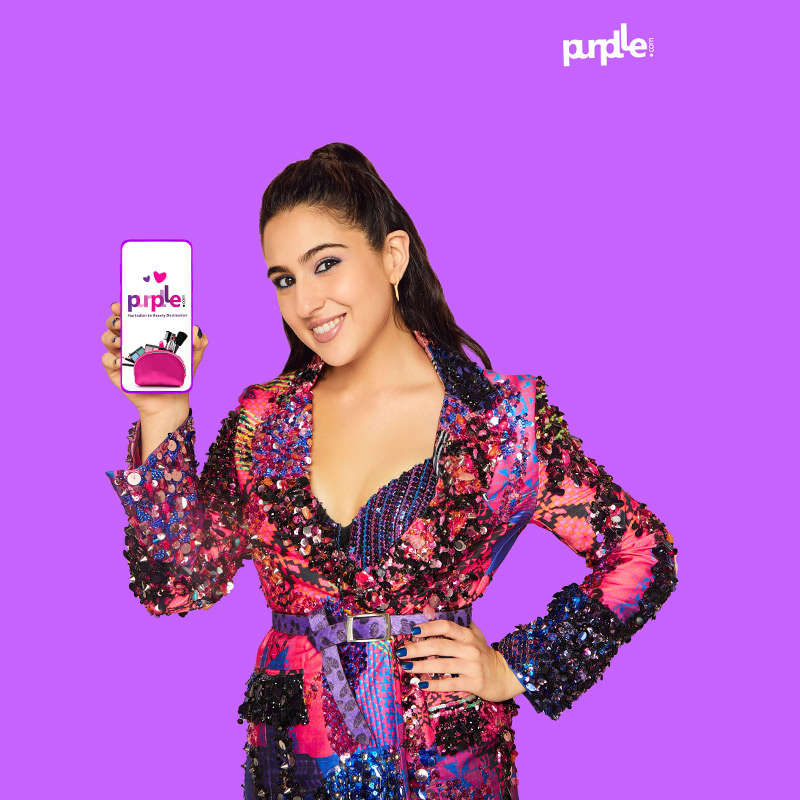
GoKwik houses over 1200 eCommerce brands in its network including Lenskart, Neemans, Man Matters, Purplle, Shoppers Stop, etc, ranging from fashion, beauty, health and nutrition, electronics and other key categories of the online shopping space.
Mumbai: Jagran New Media’s lifestyle website HerZindagi.com announced its entry into the Indic language landscape with the launch of its Tamil site, following its success in Hindi and English. HerZindagi.com in Tamil brings to its readers an array of content tailored for women, across the topics of fashion, beauty, shopping, recipes, travel, kitchen hacks, finance, and more. With this launch, Jagran New Media expands its reach to a new section of readers across the globe. It is one of many steps in its incredible growth trajectory and expansion plan to bring the magic of HerZindagi to everyone.
Jagran New Media CEO Bharat Gupta said, “Indian digital users are growing exponentially, especially from tier two and three cities. It is no surprise that 75 per cent of that growth is coming from Indic language users, compared to a mere three per cent of English language users in India. With a brand like HerZindagi, which has already won the trust of its readers in the Hindi heartland, it is the logical next step for us to take this exciting platform to the readers in the south of India.”
Associate VP and business head of health & lifestyle verticals Megha Mamgain said, “Our teams are carefully studying the interests of Tamil readers and creating content that captures regional nuances, is relatable, accurate, and adds value to the lives of our readers. We hope to serve this carefully created content to Tamil readers in India and across the world. Using what we’ve learned from the success of HerZindagi.com in Hindi, we hope to put the interests of Tamil women readers front and center.”
HerZindagi, the company added, has a user base of over 19 million. HerZindagi was launched in 2018 with the aim of creating a platform to serve the interests of women. HerZindagi has consistently served original, credible, and relatable content. In a digital environment where male users and GenZ took precedence, HerZindagi brought the focus to the needs and wants of the mature women of today.
Strengthened by the trust of its millions of users, HerZindagi is now expanding its reach with this Tamil launch. With this launch, HerZindagi.com is expanding its reach in the South Indian market with the larger intent to launch in Telugu, Kannada, and Malayalam in the upcoming months.
With the same commitment to serving original, expert-backed content that is utility-based, HerZindagi Tamil offers to bring value and enrich the lives of its readers. The content has been crafted keeping in mind the interests and sensibilities of the Tamil audience. Along with text articles, the site also offers Google Web Story format, which will allow users to experience the rich media, tappable stories that are created for a mobile first experience.
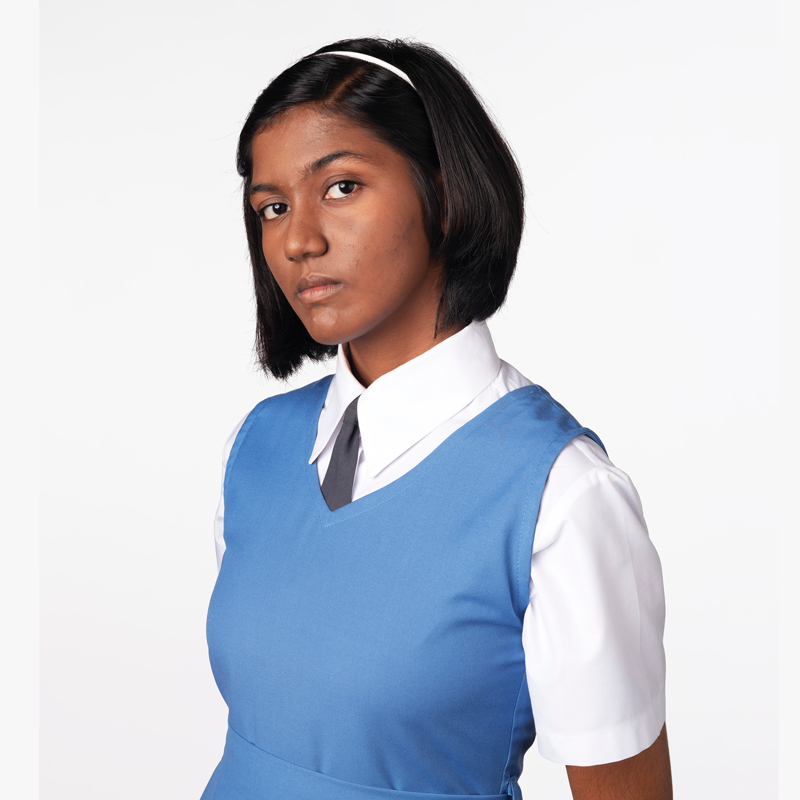
Mumbai: As the writer of this story, I don’t know if the recent “#StopTheBeautyTest” campaign by Dove is just blown out of proportion or it isn’t. Dove, HUL’s soap brand, has been in India since the 1990s and one of HUL’s other products, Glow & Lovely (previously Fair & Glow) – a skin-lightening cream, has been around in the country since 1975. So, my question is, has the fair skin obsession been fiercely propagated in India by one of the largest FMCG giants, Hindustan Unilever (HUL), or “#StopTheBeautyTest”? Or is the existence of both the brands at varied timings in the country, just a point to be brushed aside? Time and again when this tug of war between beauty and calibre has occurred, it has only led me to ask more and deeper questions. This time, I spoke to industry veterans who have pondered on the points about the creative and strategy of this campaign which has been conceptualised and executed by Ogilvy.
He was the first person I called to review this campaign, simply because on my LinkedIn, apart from HUL CEO & managing director Sanjiv Mehta, he was the first person whose post dared to speak something which not many could lend an ear to. Bang In The Middle (BITM) co-founder and chief strategy officer, Naresh Gupta says, “I think it’s very dishonest on the part of HUL to do a campaign like this. That’s where the whole issue is. I understand that you have a brand to sell and nobody has the right to tell you to not sell the brand. But when they try to take this righteous approach – the whole righteousness is wrong, because, from the business perspective, this is not what they’re doing when they’re selling Axe and Glow & Lovely. They’re doing something different – they’re prying on all the insecurities a person has when they’re selling Glow & Lovely and Axe.”
He further continues to ask – who are these people who would move to buy Dove? “They are actually at one point of time buying Glow & Lovely or are on Axe. So, you made money off them at some stage of life, and now you are continuing to make money off them at another stage of life. The other problem is the way the whole campaign has been executed – it is not executed with a positive tone of voice, which is the deeper issue. My concern is that the campaign should have been executed with a much more positive tone of voice,” he explains.
Even though many root for HUL’s hypocrisy, on the other hand, FCB India executive creative director Sumitra Sengupta likes the brand’s (Dove’s) work in bits but still feels that it doesn’t strike that spark. “After speaking to the urban target group for so long, I think Dove decided to address the masses. Yes, it’s written beautifully, is fabulously shot, and imparts information emotionally, but doesn’t create magic.”
Some people recognise that Dove, over the years, has been a trailblazer, breaking beauty conventions and stereotypes and Dentsu Creative chief strategy officer Sumeer Mathur is one of them. This campaign is phase two of an earlier campaign that focused on how women are judged at the time of seeking a life partner. The communication seems to be taking the same position forward. “If anything, it’s more of the same and not entirely new or fresh,” he feels.
Business strategist and PepsiCo India, Motorola & HP Asia former marketing head Lloyd Mathias finds this campaign interesting and in line with Dove’s core proposition that beauty is not defined by shape, size or colour – it’s authentic and all about self-esteem and confidence.
“Dove’s current campaign “#StopTheBeautyTest” tries to counter the prevalent stereotypes about beauty that are reinforced early on from darker skin tones to body shaming. It is a hard-hitting campaign bringing to the fore the trauma many young girls go through in India,” he adds.
Elucidating on the hype and buzz that this ad has created on social media Lloyd explained that the debate is a clear indication that the campaign strikes a chord, which is good for the brand that plays a niche in the soap market. Besides the activism, it inspires and drives consideration which is hugely positive for the brand.
Talk about being regressive!
Along with MediaMonks chief content officer, an ex-Ogilvy, an ex-MullenLowe Lintas Azazul Haque many others strongly believe that “#StopTheBeautyTest” is a very elite way of looking at Indian society. It feels like a conversation that happens in high society about how suppressed and regressive our society is. Brands like Dove should inspire women to celebrate real beauty instead of questioning society for suppressing a certain gender.
A lot of people watching this ad feel that for a brand like Dove which has always stood for true beauty, and has done some commendable work in the past, Azazul thinks that “#StopTheBeautyTest” lacks a deep-rooted insight.
Naresh firmly stands his ground when he says that the current Indian president Droupadi Murmu doesn’t fit the beauty bill, the way any brand would want to fit the beauty bill – but she has climbed to the top position in the country and you can’t get a more inspirational woman to look up to than her. “So if you look at it that way, society is moving somewhere else, and the brand is stuck somewhere else. This is just dated thinking and execution. And we, advertising people, live in our echo chamber, thinking this is what happens and this is what doesn’t happen,” he asserts.
Several also feel that the campaign puts Indian society in a poor light by portraying it as regressive even now, which, to be true, isn’t the fact. “To a certain extent, it is true that in Indian society few parents still believe that looking beautiful is a parameter of success. But this ad makes it look like most Indians are stuck in this conservative, parochial mindset. Also, it makes the women, the mother, the family- the villain,” says Azazul.
Sumeer understands that we seem to live in a world where it’s good to have an opinion and even better to be outraged. “It’s great if a certain section of society feels that we have moved on from judging girls on the beauty parameter and this no longer holds relevance for them. However, it would be interesting to know what the masses think about this ad – right now the criticism seems to come from the progressive English-speaking digital urban classes,” he explains.
He has a different stance on this and goes on to add that he thinks many girls even in urban India would find this communication relevant, the fact that teenage girls face unfair scrutiny and feel overwhelming anxiety about their body and looks is a global phenomenon that is well documented by psychologists. Young men seem to be developing similar issues these days in many social pockets.
“Would husbands get the idea of beating their wives because they saw “Darlings”? Similarly, it would be regressive if it ended in ambiguity on what Dove believes in and that’s not the case, it’s not promoting beauty tests. Merely calling out a social evil does not mean you are propagating it. Could it have been executed with more positivity, would that have worked better at getting people to sit up and notice the issue? Usually, when a brand takes on social evil, its communication needs to hold a mirror to society. On a normal day most brand communication is sun-shiny,” he reveals.
Lloyd, too, doesn’t consider the campaign to be regressive at all, as it shows a mirror to deeply prevalent social mores, thus bringing them to the fore. “Highlighting social issues will always raise controversies and bring out polarising views but these are inescapable in these times where social media enables everyone to have a view and air it freely. Smart brands harness this to their advantage,” he explains.
Naresh has believed for a very long time that the advertising guys are out of touch with reality. The world has moved on and the progression has happened to a very large extent. But the advertising folk have gone back on their appeals – they haven’t moved forward.
“15-16 years ago the advertising appeals were much more progressive. Agencies have been doing far more progressive work – ‘Daag Acche Hai’ (the tagline and brand campaign line for HUL’s detergent brand – Surf Excel) comes from the same company – that is so much progress. But when you do this “#StopTheBeautyTest,” it is not progression, it’s regression. And this is what has happened in advertising for the last 10 years – we have only gone back in time, we have not moved forward,” debates Naresh.
For business and brand strategist and Harish Bijoor Inc founder Harish Bijoor, the “#StopTheBeautyTest” campaign is unnecessary today. “It is so yesterday! I do believe society has moved on. Reminding it of what it did in the past is an unnecessary stoking of the issue and the pot,” he says.
Compared to the fabulously progressive work Dove has done with its other social experiments, Sumitra does find this ad to be regressive. She added, “It sets up the problem beautifully, but doesn’t provide a solution. And I think ‘Dove says… stop the beauty test’ sounds a trifle arrogant.”
HUL’s hypocrisy or just plain marketing?
With HUL Dove’s “#StopTheBeautyTest” campaign on one end, and its Glow & Lovely and Axe products’ advertising on the other, is this HUL’s hypocrisy or just plain demands of the various products in their portfolio? Every single time, when ads for fairness creams are rolled out, and on the other hand much is spoken about calibre outshining outward beauty, one tends to think that how farce could all this conversation get. Well, ad people, Sumitra and Azazul feel that HUL is doing justice to all its brands.
“Various brands of HUL stand for various points of view. So one can stand for artificial, outer beauty while the other celebrates real beauty. I don’t see a clash there,” clarifies Azazul.
Additionally, Sumeer points out, “If you see their actions, across its portfolio Unilever is moving towards more inclusivity, they have dropped ‘normal’ from some 200 beauty products, all these brands (Axe, Glow and Lovely) have moved on to a more progressive, modern worldview. I feel brands and people must be encouraged to evolve, pillorying attempts to evolve serves no purpose, it works against the agenda of change and inclusivity.”
Naresh, on the contrary, discussing the print execution of this campaign feels that through this campaign, Dove is giving a sense that teachers evaluate students, giving them marks on the way they look, which is blatant cheating. “They are being provocative, that’s the correct thing to do. But it can’t be a mark sheet because, in reality, there is no mark sheet. If a teacher says something like this to a student and if the student complains, the teacher gets sacked,” he says.
He goes on to add that if HUL has done the research, they should have put the research out in the public domain, mentioning clearly that this is what they have heard from their research and this is why the campaign is happening – that also they are not doing. He is of the thought that the brand is just trying to be clever.
Lloyd, speaking from a business and brand point of view, elaborates, “Multi-brand and multi-category businesses will always face the criticism of seeming hypocritical as they have different positionings for their various offerings.”
He strongly believes that in this case the criticism is justified as while Dove walks the higher ground of inner-beauty, there’s little doubt that HUL’s Glow & Lovely, panders to skin lightening. This is a fundamental contradiction.
On a concluding note, Sumeer discusses that there isn’t a monolith India – different people are on a different scale in terms of attitudes and concerns, and there is always a trend and a pushback against every topic on social media, as it allows everyone to express and share their opinion. It’s hard to gauge where the critical mass of opinion is.
“Keep your brand audience in mind, if it matters to them it matters to the brand, that’s a good north star to have,” he signs off.
MUMBAI: The folks at Hindustan Unilever Ltd (HUL) are in a celebratory mood. Reason: the FMCG multi-product major has announced shiny financial results for the quarter ended 30 June 2022, even though the economy is sailing through rough weather. The company’s turnover grew 19 per cent with underlying volume growth of 6 per cent. HUL continued to grow significantly ahead of the market, gaining value and volume market shares1. EBITDA margin at 23.2 per cent remained healthy despite unprecedented inflationary headwinds. Profit after tax before exceptional items (PAT bei) grew 17 per cent and profit after tax (PAT) grew 11 per cent.
Home care: Stellar performance continues
Home care delivered 30 per cent growth driven by strong performance in Fabric Wash and Household Care. Both categories grew in high double-digits with all parts of the portfolio performing well. Liquids and fabric sensations continued to outperform driven by effective market development actions. Calibrated price increases were taken across fabric wash and household care portfolios as input cost continue to inflate at significantly high levels. During the quarter Comfort Delicates was launched which is specially made for delicate clothes.
Beauty and personal care: Strong growth ahead of the market
Beauty & personal care growth of 17 per cent was broad based. Hair care grew in high double-digit led by strong performance in the premium portfolio. Soaps delivered price-led double-digit growth driven by strong performance in Lux, Dove and Pears. Skin care and color cosmetics delivered strong YoY growth on a soft base. Premium portfolio in skin care performed well and is significantly ahead of pre-Covid levels. Calibrated pricing actions were taken across the portfolio to offset the impact of record inflation in input costs. During the quarter, Tresemme’s hair care range ‘Pro Pure’, Baby Dove Derma Protect Baby Wash, Vaselines’s summer range of body moisturisers and Lakme’s Facial Foams were launched.
Foods and refreshment: Steady performance on a high base comparator
Foods and refreshment grew 9 per cent driven by solid performance in ice-cream, coffee and food solutions. Ice cream had a very strong quarter broad based across brands and formats taking it significantly ahead of pre-COVID levels. Tea delivered steady performance and cemented its market leadership. Coffee had a strong quarter growing in double-digit. Health food drinks continued to gain market share and penetration on the back of focused market development actions. Foods grew in double-digit led by jams. Unilever Food Solutions delivered a solid performance and continued to build its salience with professional chefs.
Operating margins remain healthy
EBITDA margin at 23.2 per cent remained healthy despite the unprecedented inflation in input costs. YoY EBITDA margin declined 110 bps. PAT (bei) was up 17 per cent YoY. PAT at Rs 2,289 Crore was up 11 per cent YoY. The difference between PAT (bei) and PAT growth is largely due to a one-off prior period tax credit we had in base period. The company says it continues to manage “its business dynamically driving savings harder across all lines of P&L and taking calibrated pricing actions using the principles of net revenue management. It continues to invest competitively behind our brands. “
CEO & managing director Sanjiv Mehta said: : ‘In an environment which remains challenging, marked by unprecedented inflation and consequential impact on consumption, we have delivered yet another quarter of robust topline and bottom-line performance. We have grown competitively whilst protecting our business model by maintaining margins in a healthy range. While there are near term concerns around inflation, the recent softening of commodities, forecast of a normal monsoon, and monetary/ fiscal measures taken by the government augur well for the industry. We are confident of the medium to long term prospects of the Indian FMCG sector and remain focused on delivering a consistent, competitive, profitable and responsible growth. ‘