Tag: BCG

  • Sony Pictures Networks India brings in BCG to slash costs

    Sony Pictures Networks India brings in BCG to slash costs

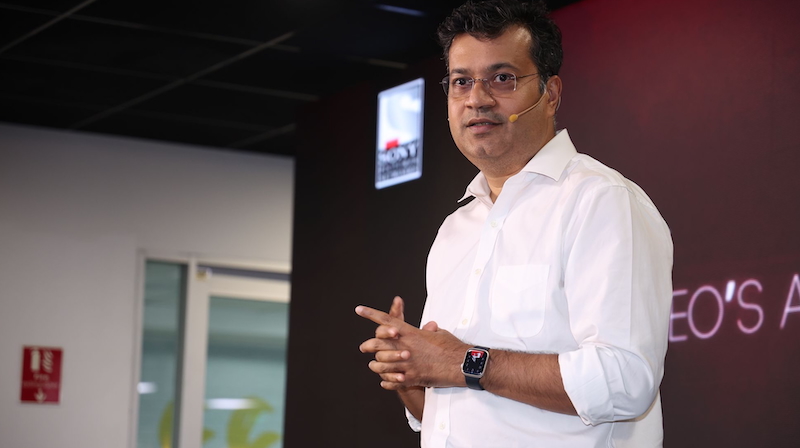
    MUMBAI: Sony Pictures Networks India (SPNI) has hired Boston Consulting Group to conduct a comprehensive audit of its operations, according to media reports. The review, ordered by new chief executive Gaurav Banerjee (GB to his associates), aims to cut costs and boost efficiency across the broadcaster’s television and digital arms.

    GB, who took the helm in 2024 after the departure of long-serving chief N.P. Singh, is driving the strategic overhaul as India’s broadcast sector grapples with spiralling content costs, fierce competition from digital rivals, regulatory interference and volatile advertising revenues.

    The audit will scrutinise both SPNI’s 28 television channels and SonyLiv, its streaming platform, hunting for redundancies and wasteful spending on programming, marketing and content rights. BCG has been tasked with creating “a roadmap for sharper efficiency”, a senior executive told media outlets.

    The consultancy’s mandate spans linear television and digital operations, with particular focus on aligning content investments with revenue reality. The exercise seeks to eliminate structural inefficiencies and streamline overlapping processes without disrupting core operations.

    Industry analysts say GB’s decision to deploy BCG signals a new era of financial discipline. The timing is critical. SPNI reported revenues of Rs 651.1bn and net profit of Rs 84bn in the financial year ending March 2024. Subscription income reached Rs 320.6bn whilst advertising contributed Rs 282.5bn. Yet content costs are climbing faster than revenue growth, forcing a fundamental reassessment of the business model.

    “The era of unchecked spending is over,” said an industry veteran. “This audit is about building a leaner, sharper SPNI that can weather current pressures and thrive in the next phase of media growth.”

    The BCG review carries symbolic weight beyond operational fixes. For employees, partners and investors, it signals that GB intends to apply rigorous financial scrutiny to SPNI’s expansion plans. For rivals, it demonstrates that whilst SPNI will compete aggressively, it will avoid ruinous spending wars.

  • HDFC Ergo twins up with Consumr.ai to insure AI-driven customer journeys

    HDFC Ergo twins up with Consumr.ai to insure AI-driven customer journeys

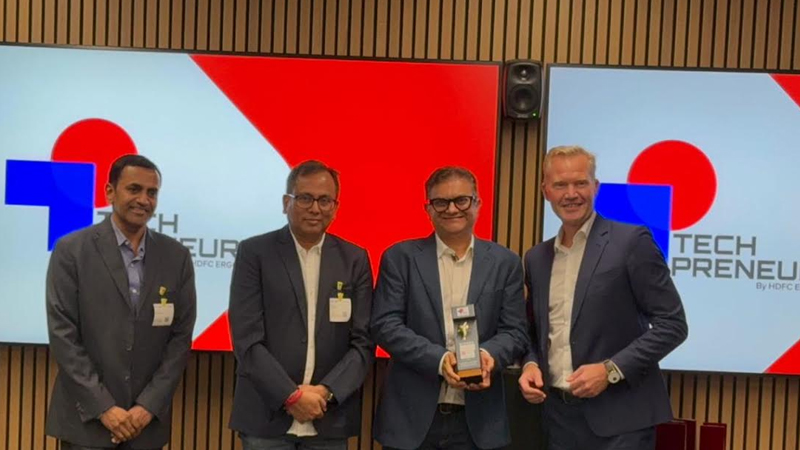
    MUMBAI: Insurance just found its digital double. HDFC Ergo has roped in Consumr.ai, India’s next-gen customer intelligence platform, to pilot a proof-of-concept (POC) that could transform how policyholders experience insurance from the first ad to the final claim. The partnership was sealed after Consumr.ai emerged as one of four winners of Techpreneur Season 2, an innovation programme that drew over 140 AI and tech companies worldwide. Winners were picked through a rigorous evaluation by leaders from BCG, Google, HDFC Ergo and Ergo International.

    At the centre of the POC lies Consumr.ai’s proprietary AI Twins technology virtual doppelgängers of consumer cohorts built on real behavioural data. These AI-powered twins simulate how different audiences respond to creative campaigns, products, and messages, enabling “always-on” customer-informed decision-making. In other words, it helps HDFC Ergo keep the customer firmly in the driver’s seat of every marketing, product, and creative choice.

    The POC will tap into deterministic behavioural data from hundreds of millions of global users via integrations with Meta, Google, DV360, Linkedin, Snap, and Amazon. HDFC Ergo’s own first-party data can also be securely onboarded, anonymised at cohort level, and modelled into AI Twins, all while maintaining full GDPR and CCPA compliance and without ingesting personally identifiable information.

    Consumr.ai co-founder Vivek Bhargava said: “Our AI Twins technology transforms real behavioural data into actionable intelligence that enables real-time personalisation at scale. This aligns perfectly with HDFC Ergo’s vision of a digitally agile, customer-first future.”

    On successful completion, the POC could be scaled across HDFC Ergo’s business lines, distribution channels, and even new frontiers such as influencer marketing, regional positioning, and voice-of-customer programmes. The model could also be replicated for Ergo International’s global markets, turning the Indian POC into a global insurance playbook.

    Consumr.ai already has a strong BFSI track record, having deployed AI Twins for Rustomjee, Aditya Birla Insurance, and even a Fortune 100 US insurer. With HDFC ERGO in the mix, the three-year-old platform has doubled down on its mission to be the innovation engine powering the insurance industry’s leap into the future.

  • Snap Inc & BCG launch India’s first report on Gen Z

    Snap Inc & BCG launch India’s first report on Gen Z

    Mumbai: With a population of 377 million, Gen Z is now the largest generation ever to live in India. While they’re often perceived as teenagers, Gen Z is far from a homogeneous group. Their immense purchasing power and unique perspectives & behaviours demand the attention of businesses and marketers alike.

    To separate fact from fiction and gain a deeper understanding of this influential generation, Snap Inc. partnered with Boston Consulting Group (BCG) to develop a report on Gen Z titled “The $2 Trillion Opportunity: How Gen Z is Shaping the New India”.

    This expansive research offers new perspectives into Indian Gen Z’s distinctive spending power across multiple categories, that no other report has explored in the past. The report also delves into uncovering unique insights into how they engage, influence, shop, and spend—shaping the future of India’s economy.

    Top key headlines from the report:

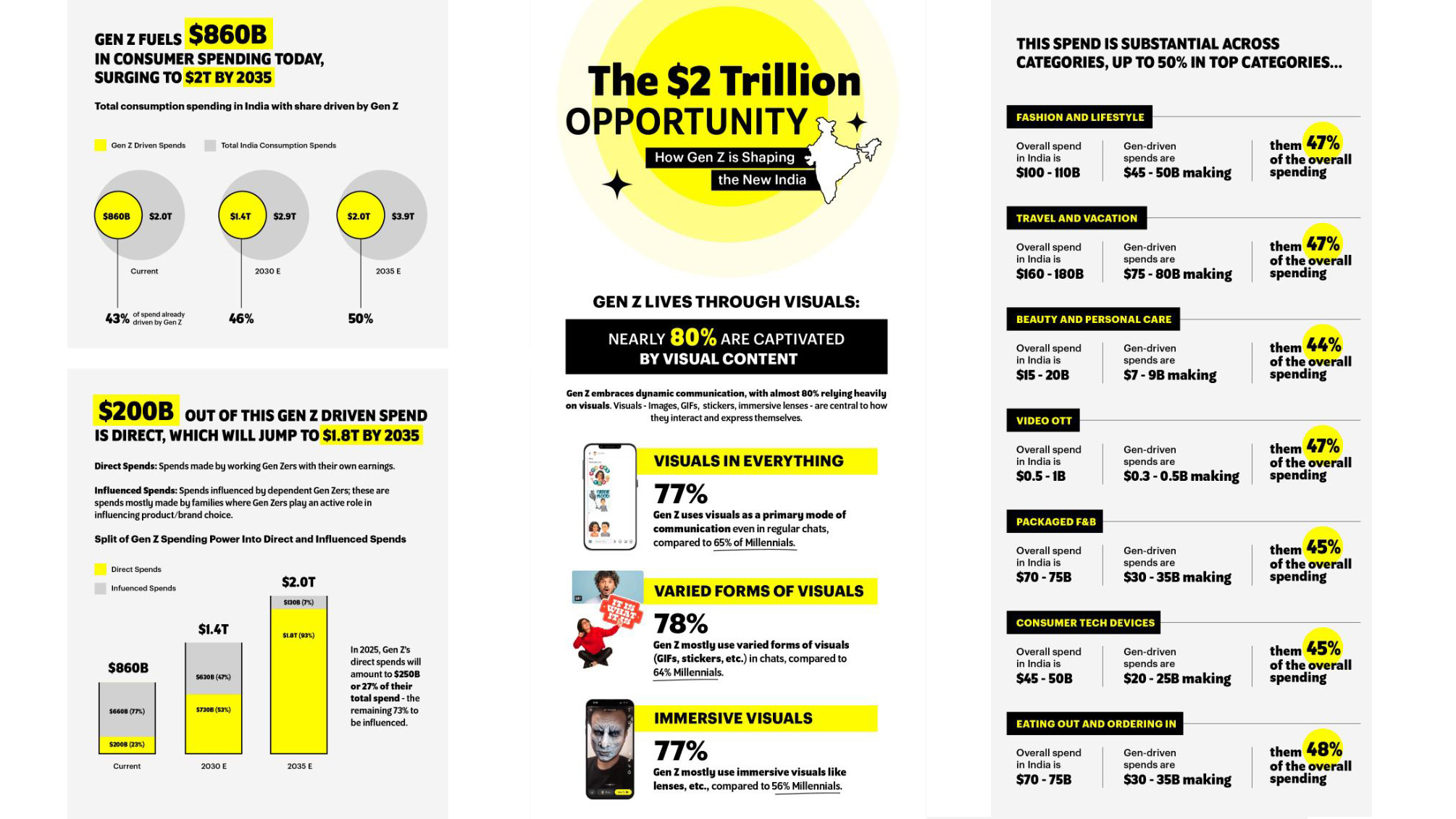
    1    Collective spending power reaches an impressive $860 billion, surging to $2 trillion by 2035.
    2    In 2025, Gen Z’s direct spending will amount to $250B.
    3    1 of 4 Gen Z are already in the workforce, by 2025 every 2nd Gen Z will be earning.
    4    Gen Z buys as many times as Millennials and is 1.5 times more likely to research their purchases.
    5    45 per cent of businesses recognize Gen Z’s potential, but only 15 per cent take action to actively address them indicating a huge opportunity.

    With 90 per cent of its daily active users aged 13-34, Snapchat is the undisputed voice of young people in India.

    Commenting on the findings from the report, Pulkit Trivedi, Managing Director, India, Snap Inc., said, “India is a young nation with a 377 million Gen Z population which will shape the future of India’s growth in the next two decades. Gen Z will be the biggest contributor to India’s consumption growth driving $ 1.8 Trillion worth of direct spend by the year 2035. In partnership with the Boston Consulting Group, we are excited to share deep insights on the economic potential, values and shopping behaviour of Gen Z in India. As a platform that serves the Gen Z audience, we look forward to working with brands and businesses to harness this growth potential.”

    “Our research evaluated the substantial impact of Gen Z  on consumption in India. Gen Z is already driving 43 per cent of India’s consumer spending. Their influence is not limited to select categories – it cuts across categories ranging from fashion, eating out, to automobiles and consumer durables. It is important for marketers to take note that this generation is driven by unique values and beliefs and therefore have distinctive purchase behaviours, however, we noticed that only 15 per cent of brands we spoke to are actively taking steps to tap into this opportunity. For businesses, understanding and authentically engaging with Gen Z isn’t just good to have; it’s necessary for winning today and will be imperative for survival tomorrow.” said BCG India Senior Partner and managing director Nimisha Jain.

    A powerhouse driving nearly half of India’s total consumption

    Gen Z isn’t just influencing the market; they’re redefining it. Their collective spending power reaches an impressive $860 billion, constituting 43 per cent of the country’s total consumption. This dynamic cohort is impacting significant spending across categories such as 50 per cent of total spending on footwear, 48 per cent on dining, 48 per cent on out-of-home entertainment, and 47 per cent on fashion and lifestyle. They are poised to play an increasingly vital role with their spending power projected to reach an astounding $2 trillion by 2035.

    Gen Z’s direct spending power to reach $1.8 trillion by 2035

    One in four Gen Z is already part of the workforce, meaning this generation wields a total spending power of $860 billion. However, the way the spending is distributed shows that currently, out of Gen Z’s total spending power of $860 billion, approximately $200 billion comes from direct spending—money they earn and spend themselves—while $660 billion comes from influenced spending, which includes purchases influenced by their recommendations or preferences. By 2035, these figures are expected to change dramatically, with direct spending projected to reach $1.8 trillion, implying that every second rupee of consumer spending in 2035, will be driven by Gen Z.

    On average, 70 per cent of Gen Z rely on their inner circle for guidance and love sharing updates

    Often misunderstood as a detached cohort, Gen Z is deeply rooted in authenticity and meaningful connections. About 70 per cent consider their inner circle— composed of close friends and family—their primary guides – actively sharing details of their day, major concerns in their life and seeking guidance on key choices such as what/where to buy, what content to watch among others. 8 of 10 Gen Zers take inputs from their close friends on what/where to buy in shopping.

    With a strong preference for visual content, nearly 80 per cent of Gen Z rely on images, GIFs, and immersive visuals to express themselves and connect with their circle. This group cares deeply about demonstrating their authenticity to those they love, and prefer to express themselves through visual sharing. This strong bond highlights their desire for connection and the importance they place on seeking input from those they trust.

    77 per cent of Gen Z’s Desire For Immersive Visual Is Driving Trends Like ‘Shopcializing’

    Gen Z care more about immersive visuals than the generation before them, with 77 per cent of this cohort find using augmented reality and interactive visuals more engaging, demonstrating a greater need for brands to create immersive content. They’re all about “shopcialising” — sharing shopping experiences with their inner circle via photos or video calls. This “phygital” blend of online and offline shopping is so seamless that one out of two  Gen Z are likely on the phone checking wish lists or creator pages online while in-store – far surpassing the 32 per cent of millennials.

    When it comes to brands, this youth generation is all about trends, not traditional loyalty. They’re 1.7 times more likely to choose trending styles when shopping over brands,  with 72 per cent of Gen Z shoppers turning to creators’ social channels as their go-to for shopping inspiration.

    45 per cent of Businesses Recognise Gen Z’s Potential, But Only 15 per cent Take Action

    Despite the undeniable influence of Gen Z in India, there exists a significant disconnect between recognition and action. While 45 per cent of businesses acknowledge Gen Z’s potential, only 15 per cent have actively leveraged these insights—a gap that presents brands with a prime opportunity to forge deeper connections with the generation shaping India’s consumer future.

    To capitalise on this opportunity, brands and marketers should focus on five key strategies:

    1    Rapidly innovate to stay on trend.
    2    Integrate social interaction throughout the shopping journey.
    3    Provide visually immersive experiences—online and offline.
    4    Create seamless omnichannel purchase pathways.
    5    Engage with the right influencers in the right way.

    Methodology: The findings of this report are based on primary research done with about 1000 parents to assess the right degree of influence and ~1200 Gen Zers and millennials to discern their defining values and purchase behaviour – blended with BCG and Snap’s joint experience in this space.

  • Indian content producers see uptick in revenues from online video platforms

    Indian content producers see uptick in revenues from online video platforms

    Mumbai: The production of local originals in India is heating up and giving a boost to the creative economy. Online video platforms are expected to invest heavily into local original content to ensure robust paid subscriber growth.

    “The market for digital content has definitely increased,” said Fremantle India managing director Aradhana Bhola. Fremantle India is known for its unscripted TV reality series like “India Idol” and “India’s Got Talent.”

    Fremantle is a global production and distribution company based in the UK that has created hit reality series “Too Hot To Handle” on Netflix and “Hear Me. Love Me.” featuring actor Shilpa Shetty on Prime Video. The Indian arm of the production company has collaborated with YouTube India for two YouTube originals “Hello 2021” followed by “You V YouTube” hosted by actor and cricket presenter Gaurav Kapur.

    “We don’t have a formal partnership in terms of some kind of output deal, however, we are working a lot with them (YouTube),” said Bhola.

    According to Media Partners Asia, investment in online video content reached $1 billion in 2021. Furthermore, the investments in local content increased from 29 per cent in 2020 to 37 per cent in 2021. Licensed/acquired content accounts for 63 per cent share of investments in online video content.

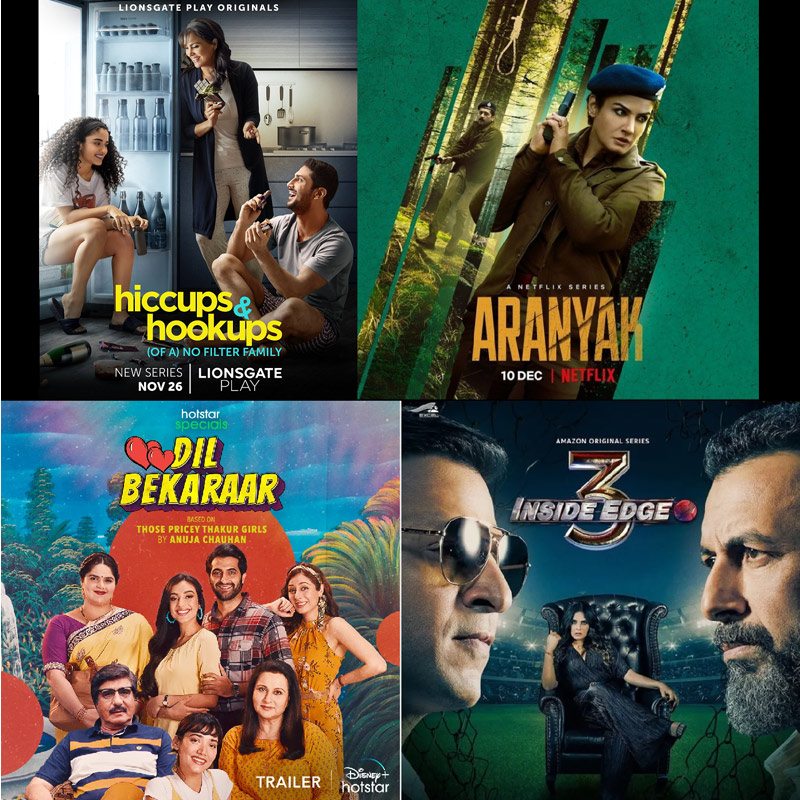
    OTT platform Lionsgate Play, the streaming arm of Lionsgate Entertainment is also launching its first Indian original “Hiccups and Hookups” starring Lara Dutta and Prateik Babbar. Prime Video is releasing the third season of its hit series “Inside Edge.” Disney+ Hotstar is releasing its family drama “Dil Bekaraar.” Netflix is releasing its comedy “Decoupled” that stars R Madhavan and Surveen Chawla. The space for local originals is heating up.

    There is a strong correlation between OTT players who are willing to invest in premium content to service uptake and audience stickiness, according to a study by Boston Consulting Group (BCG). “In the last two-three years, the Indian OTT industry has come of age. The subscription OTT industry is growing at a much faster pace compared to the rest of the industry. This indicates a maturing of the consumer who is now willing to pay for specific content,” said BCG senior partner and managing director Kanchan Samtani.

    Media Partners Asia vice president and head of India Mihir Shah estimates that if OTT players continue to invest in local content at this rate the subscription video on-demand adoption will grow by four times and reach 224 million subscribers and $ 2.1 billion in revenues by 2026.

    The leading OTT players in terms of subscriber share in the SVOD market are Disney+ Hostar (50 per cent), Prime Video (19 per cent) and Netflix (5 per cent). Revenue share of SVOD subscriptions is at 25 per cent for Disney+ Hotstar, 22 per cent for Prime Video, and 29 per cent for Netflix.

  • Second Covid wave weakens consumer sentiments, anxiety at an all-time high

    Mumbai: Consumer anxiety is at its highest level since the coronavirus outbreak hit India last year, shows the latest round of consumer sentiment survey conducted by Boston Consulting Group (BCG).

    The second wave of covid-19, which saw a huge spike in the country’s caseload and casualties numbers, has further weakened consumer sentiment as households cut their expenditure, says the report. At least 58 per cent of consumers think their income in the next six months will be lower than pre-COVID levels, as against 44 per cent in July last year. Similarly, the sentiment about spending has been impacted, with 51 per cent of consumers expecting their spending over the next six months to be lower, as compared to 40 per cent in July 2020.

    According to the survey, this fall in sentiment is steepest among the less affluent income groups or those with annual household income less than Rs five lakh. The study carried out between 23 May and 28 May covers 4000 consumers across all socio-economic groups in urban and rural India and is the sixth conducted by the group during the pandemic, since March last year.  

    Unlike last year, sentiments were impacted more uniformly across large towns, small towns, and rural areas in 2021 with 55-60 per cent of consumers across all feeling that the worst of the coronavirus is still ahead, BCG said in its report.

    Even amongst those in the Rs 10 lakh and above annual income bracket — termed as “affluent” households by the survey — expect their incomes to shrink in the next six months.

    The survey demonstrates uncertainty for more discretionary categories such as apparel, personal care, cosmetics, travel, and out-of-home entertainment in particular. “Travel, out of home entertainment continues to show negative sentiment with expected cutbacks reaching all-time highs,” as per the survey’s findings.

    The report sheds light on consumer anxiety, which is at its ‘highest levels’ since the pandemic hit India, with concerns around economic outlook, health, and lifestyle being accentuated.

    An overwhelming 86 per cent of those surveyed cited concerns over an economic recession due to the pandemic. Over 80 per cent reported feeling some sense of uncertainty toward their jobs and income—the highest ever recorded by the consulting firm.

    However, the forecast is not all bleak- there are certain positive themes too. Some categories like essentials, health, in-home entertainment, etc continued to show a stable, positive sentiment.

    “There is an impending sense of uncertainty however we have observed certain positive messages too. The spending sentiment has not been impacted similarly across categories. Essentials, health, in-home entertainment continue to be winners. Some of the discretionary categories, however, have been negatively impacted.” said BCG India MD & partner Nimisha Jain.

    There were also indicators that the shape of the new normal for consumer behaviour is beginning to emerge, now that we have been in the crisis for over a year.

    “Many of the newly adopted behaviours ranging from social commerce, online shopping, digital content/ payments – have continued to stick, even when the lockdowns were no longer in place. However, others like ‘do it yourself’ regimes, online doctor consultations have shown high sensitivity to the pandemic situation.” said BCG India Centre for Customer Insight lead Kanika Sanghi.

    A positive trend has also emerged, which shows a significant increase in the willingness to take vaccines after the lethal second Covid wave – especially in small towns and rural areas, which had shown high levels of hesitancy/ indifference earlier. At least 78 per cent of the eligible consumers in large towns said that they were very willing to take the vaccine now – compared to 62 per cent earlier. For rural, it stands at 63 per cent now as compared to 41 per cent earlier.

    BCG’s COVID-19 consumer sentiment research is based on a global survey that currently covered both developed and emerging markets. It is fielded in waves to provide a longitudinal view of consumer sentiments about the coronavirus pandemic, and changes in consumer consumption behaviour.

  • Media consumption in India growing @9% in last 6 years: CII-BCG report

    Media consumption in India growing @9% in last 6 years: CII-BCG report

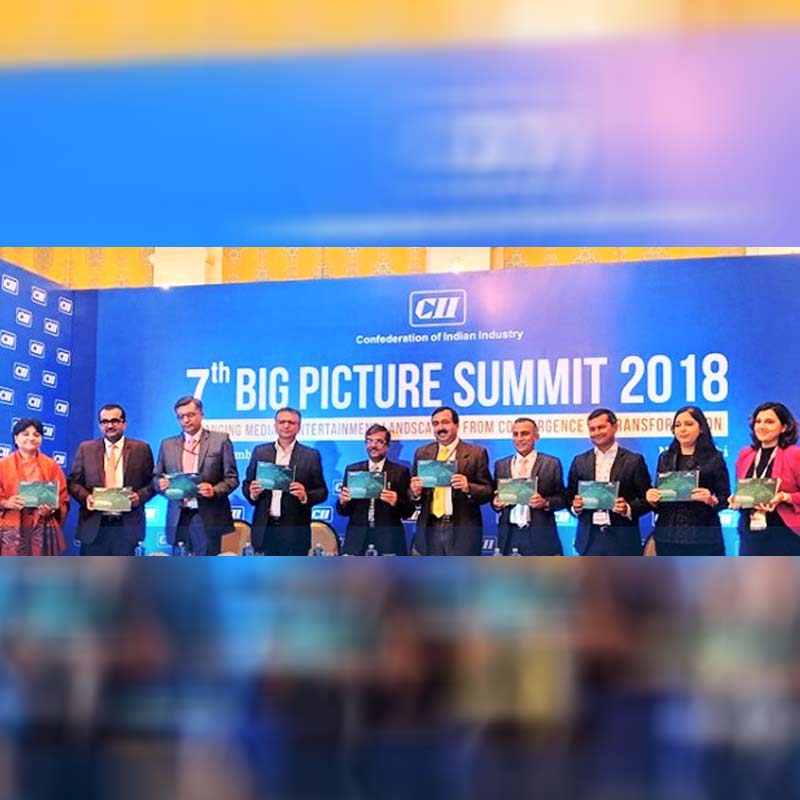
    MUMBAI: The Indian media industry, experiencing disruptions, is witnessing an increase in consumption that has been facilitated by proliferation of broadband too and over the last six years has been growing at the rate of nine percent.

    According to a CII_BCG report released today at CII Big Picture Summit event in New Delhi, at 4.6 hours of consumption per capita per day, India is still behind China (6.4 hours) and US (11.8 hours), suggesting further headroom for growth.

    “Unlike in developed countries, in India this growth has been additive and not cannibalising traditional media, yet. For the next several years, we expect India to remain a multi-modal market where all forms of media, including traditional media like TV and digital will continue to co-exist," the report states.

    In 2012, total media consumption per capita per day was 2.7 hours which was further distributed into print (0.2 hours), radio (0.2 hours), TV (1.9 hours) and digital (0.4 hours). On the other hand, 4.6 hours consumption per capita per day has increased to print (0.3 hours), radio (0.3 hours), TV (2.7 hours) and digital (1.3 hours).

    Over the past 2-3 years, the number of broadband users has become 2X (~480 million broadband users across mobile and fixed) and the data consumption has become 10X (~10 GB per user per month).

    Indian media formats are primarily advertising driven and consumer costs are minimal. Unlike the US where the cost of a cable connection can be as high as $80 per month, India with $3 cost of cable per month doesn’t have the need for skinny bundles.

    India is undergoing a video explosion. Indian consumers are consuming ~190 minutes of video per day per user across platforms, which has been growing at ~8 per cent over the last five years. 30+ digital platforms have been added to the wide range of TV channels. While an average consumer consumes 10-15 channels per day and 2-3 apps in any given month, the overall spectrum of platforms from a content creators/curator’s perspective is massive.

    Global players are realising the importance of creating curated content, in line with viewer preferences. Players like Netflix invest aggressively to match 3X the investment made by top players like Amazon Prime and Hulu. Top 5 global players as per their annual content budget are Fox ($16.7 biilion), Comcast ($15 billion), Disney ($12.7 billion), Time Warner ($12.4 billion) and Netflix ($12 billion).

  • Govt may invite bids for railway TV content this month, market pegged at Rs 2.3k cr

    MUMBAI: Content on demand on trains and at stations is a sizeable market, says a report by the Boston Consulting Group (BCG) and, the Indian Railways estimates the infotainment market to be around Rs 2,277 crore in three years’ time.

    The Railway Ministry, in a bid to revamp railways, may invite bids for Content on Demand (CoD) and rail radio services in April. Services that would be included under the CoD initiative are — movies, TV serials, short videos, kids’ shows and devotional content. The CoD would also include streaming audio such as regional songs, movie songs, and devotional music; and providing electronic newspapers, gaming and educational content.

    Railways’ bids for app-based cab services will also be invited by May.

    The video, radio, digital music and digital gaming contracts will be for a period of 10 years. The railways is, through these initiatives, expecting revenue of Rs 16,000-20,000 crore in the next 10 years.

    As per the BCG report, to provide offline content, railways may have to shell out Rs 38,000 per coach. But, the online content will be expensive — for Rs 25 lakh each. Coaches are required to be well equipped to offer content streamed via the internet.

    The non-fare revenue plan is to roll out rail radio and CoD on one-third of the trains in the first year and most of the remainder in the second year. Ideas such as allowing weddings at stations or giving branding rights of trains and stations to FMCG companies.

    Content companies such as Balaji Productions, Eros Entertainment and Shemaroo Entertainment, and aggregators such as Fever FM, Radio Mirchi, Hungama and Bindass may be interested in bidding. Internet players and service-providers in the offline streaming market include Moving Talkies, Dwingloo, PressPlay TV, Fropcorn, TouringTalkies, Zonk, CloudPlay and MyFreeTV.

    Telecom companies such as Vodafone, Idea, Airtel, are also expected to be interested. The content providers will offer to the passengers both, paid and free content. The service provider shall provide only ‘U’, ‘U/A’ and ‘PG’ rated video content. ‘A’ rated content shall not be allowed.

    This government policy includes providing video and radio content through WiFi in stations and on trains, leasing spaces on platforms to automated teller machines, giving outdoor spaces for installing advertising hoardings and billboards.

    According to the railways, the entertainment CoD will be provided on the personal devices of passengers at stations and in trains and in a phased manner, which will be listed out in the Tender Document. The licensee/service provider will be permitted to provide streaming video and audio content services. Radio, however, will not be allowed at stations.

  • How is OTT redefining media: CASBAA announces summit in Singapore

    MUMBAI: CASBAA, the Association for digital multichannel TV, content, platforms, advertising and video delivery in Asia, has announced its 4th OTT Summit, Asia’s OTT industry marquee annual event. A series of panels comprising the region’s leading experts will explore in detail how traditional media is responding to the digital challenges of OTT.

    “We are delighted to be returning to Singapore for the fourth edition of CASBAA’s OTT Summit,” said CASBAA CEO Christopher Slaughter. “While traditional media incumbents remain dominant, there’s no denying the growing impact of over-the-top (OTT) video services, and how they are transforming viewing habits throughout the region. We have been saying it for years, but it’s now increasingly apparent that OTT is truly a big part of pay TV’s future.”

    The spectacular success, both critical and commercial, of such diverse video platforms as Netflix, Hooq and Spuul have established OTT services as real competitors to mainstream broadcasters. According to a survey by BCG, OTT services are growing by more than 20 per cent annually and winning share over traditional TV.1 Traditional media must respond fast to this existential crisis.

    The real challenge for incumbents is how to rethink their business strategies in light of such drastic industry transformation. Are legacy business models holding traditional media back as they contemplate the OTT challenge?

    CASBAA has convened a select field of industry thought leaders, senior executives and market practitioners, including:

    Ajit Mohan, CEO Hotstar
    AravindVenugopal, VP – Media Partners Asia
    Winradit Kolasastraseni, SVP Innovation – Discovery Networks Asia Pacific
    Simon Vella, Head of Asia, MPP Global
    Oliver Wilkinson, MD, PwC
    Alan Soon, Founder & CEO, Splice Newsroom
    Shad Hashmi, VP – Digital Development, Global Markets &Operations Asia,BBC Worldwide
    Lam Swee Kim, CMO, Dimsum& Star Online Malaysia
    PremKamath, Deputy MD, A+E Networks Asia
    Alexandre Muller, MD APAC, TV5MONDE
    Jonas Engwall, CEO, RTL CBS Asia
    Virat Patel, MD, Pioneer Consulting
    Monica Bhatia, Regional Digital Director, APAC, Maxus
    Genny Yang, Group Account Director, Kantar Milward Brown
    David Schonfeld, Director Technical Operations, A+E Networks Asia
    Alex Merwin, VP International, SpotX
    Luke Gaydon, VP of OTT Solutions, Brightcove
    Yu-Chuang Kuek, Managing Director APAC, Netflix
    Ravi Vora, CMO, Hooq
    S Mohan, Co-Founder & COO, Spuul
    Lindsay Servian, Head of ONTAPtv.com, PCCW Global
    Maya Hari, MD –SEA & India, Twitter
    Tim Martin, CEO RugbyPass
    Michael Greco, VP APAC,Vindicia
    CK Lee, VP, Sports Business – Content Group, ASTRO
    Unmish Parthasarathi, Head of Digital Sales, International Cricket Council & Founder, Picture Board
    Craig Johnson, MD Media, SEA & India, Nielsen
    Priya Khatri, GM Sales & Business Development, SEA Eyeota
    Jay Shah, CEO, OpenDNA
    James Miner, CEO, Miner Labs
    Roger Harvey, Regional Director, Irdeto
    Mike Kerr, MD Asia, BEIN
    Joe Welch, SVP Government Relations APAC, 21st Century Fox
    HianGoh, Partner, NSI Ventures
    Yinglan Tan, Venture Partner, Sequoia
    Marcel Fenez, President, Fenez Media

    The industry’s essential platform to explore how OTT is transforming the broadcasting landscape, the CASBAA OTT Summit 2017 will take a deep dive on a range of topics, includingtrends in Asian viewership, whether OTT is a game changer in sports, how traditional media is adapting, the synergy between OTT and multiscreen, and how to use data as metrics for success.

    The CASBAA OTT Summit 2017 has been recommended for all those involved at the senior level in media and broadcasting, from content providers and broadcasters to investors and regulators.

    CASBAA OTT Summit 2017 is supported by the presenting sponsor Brightcove, and sponsors including Adobe, Diagnal, Irdeto, Mediamorph, MPP Global, PCCW Global and Vindicia.