Tag: BCCI

  • LG to spend Rs 50 mn on marketing activities around T20 World Cup

    MUMBAI: LG India has earmarked a marketing spend of Rs 50 million during the international Cricket Council (ICC) World Twenty20 that kicks off later this month.

    LG, an ICC global partner, is, however, not planning to cut a sponsorship deal with BCCI for the IPL, according to a senior company executive.

    LG India VP marketing L.K. Gupta says, “LG India has started its cricket promotion with the 20-20 Win Win contest. This campaign aims to create a unique and strong proposition for LG Brand shops and gives consumers a unique opportunity to be a part of T20 World Cup. Five lucky winners will win tickets to Colombo to watch the T20 World Cup daily. A total of 225 consumers
    will go to Colombo to watch T2O World Cup. During the promotion on every purchase, the consumer will register themselves by messaging <Invoice no> < Space> <State> to the specified mobile no. In Tamil Nadu, there will be a ‘Slogan‘ contest. This promotion is not applicable in Kerala. “

    Talking about the ICC deal, he said that the company has a long association being the Global Partners promoting cricket among its billions of followers. “We are proud to be associated with this great sport and with ICC this year also, to help grow the popularity of cricket and the pride associated with international cricket at the highest level. Through the 20 20 win win campaign we will once again connect emotionally with our consumers by making them a part of this sport. We are spending close to 50 million on this campaign which is being activated in more than 450 LG showrooms along with radio advertising in more than 50 cities.”

    LG is also active on the digital front. It has launched a property called My Cricket My Voice. “LG Electronics is one of the Global sponsors of ICC events till 2015. Along with several offline initiatives and campaigns that are built around cricket every year, this year LG India has launched an online property called ‘LG My Cricket My Voice’.

    This long term property has been launched with a single minded objective of increasing consumer engagement. LG India’s plan is to make this property robust by launching several cricket related online activities spread over a period of time under ‘My Cricket My Voice’ wherein consumers can participate on contests, interact with select cricket personalities, express their views, passion, opinion etc on cricket, a sport that is almost a religion in India.”

    He explains that the first activity under this umbrella was launched on 30 August that involved an interactive session with Harsha Bhogle on LG Twitter platform. The campaign, he adds, generated 1321 tweets in a few hours.

    LG also has plans to bring on board a couple of other cricket personalities for a similar consumer engagement program just before the ICC World Twenty20 Sri Lanka 2012 under ‘LG my Cricket My Voice’. ‘LG My Cricket My Voice’ will continue to serve the cricket enthusiasts, a platform to express their love for Cricket.

    In terms of the other digital innovations that LG is doing, Gupta notes that the company co-hosted this year’s online voting for LG People’s Choice Award on LG India Facebook page. This worldwide voting that was resting on ICC Facebook page was given an impetus this year by adding LG India Facebook page through an API as another voting platform. Simultaneously a cricket quiz content was hosted on the LG India site which he says received close to 7000 entries.

    “Over and above the individual activities, LG India is constantly seeding posts and tweets on the LG digital assets on a regular basis,” avers Gupta.

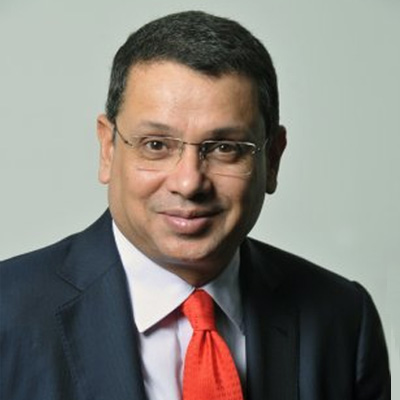
  • ‘BCCI rights great opportunity to build Star’s sports biz’ : Star India CEO Uday Shankar

    ‘BCCI rights great opportunity to build Star’s sports biz’ : Star India CEO Uday Shankar

    Star India CEO Uday Shankar, conqueror of TV news and entertainment business, is ready to wage a new battle in sports broadcasting.

    When the BCCI rights came up for grabs after the abrupt termination of contract with Nimbus, Shankar quickly pounced upon it. He tiptoed in, surprising hot contender Sony to pocket the prized rights to telecast international cricket in India from 2012 through 2018. His winning bid: a whopping Rs 38.5 billion.

    “We believe in the power and value of cricket as content in India. By acquiring the BCCI rights for telecast, we think it is a great opportunity to create a new business,” he says.

    Shankar‘s timing couldn‘t have been better. A couple of months later, joint venture partner Disney agreed to sell its 50 per cent stake in ESPN Star Sports, allowing Star to aggressively build and expand the sports broadcasting business in India.

    “Drama and cricket are the two big pools of content that the masses love to watch in India. We are already a key player in entertainment. Now we can have independent charge over the sports broadcasting business,” he says.

    Shankar has placed huge bets on digitisation that would plug leakages in subscription revenue and dramatically increase the paying subscribers to broadcasters. “In the current construct, those rights are not profitable. The market is primarily so unattractive because of the theft and leakage in subscription revenues. Digitisation would enable content owners to get a better share of the subscription revenue,” he avers.

    In the first part of the interview with Indiantelevision.com‘s Sibabrata Das, Shankar talks about Star‘s game plan in sports broadcasting, the rise in acquisition costs, the huge opportunity that digitisation would throw open and the need to build a robust subscription income.

    Excerpts:

    Q. Why did News Corp. and Disney end their 16-year-old joint venture partnership in ESPN Star Sports (ESS) when it allowed them to lead the sports broadcasting business in Asia?
    When the discussions started two years back, it was not on a buyout proposal but on how to take ESS forward in a changed market environment. The sports business was under financial pressure and both partners were worried. The Champions League T20 rights (for $975 million) did not bring much value. Acquisition prices were rising and competition was not helping stem it. This later turned into the need to go separate ways but the possession of the rights over sporting events made a split in the properties complex and impossible.

    The obvious course was to acquire the entire 50 per cent stake of the joint venture partner and be the sole owner. The deal took time because Disney had to take the final call on whether it wanted ESPN to exit from Asia.

    Q. When Star bid for the BCCI rights on its own, had Disney agreed to sell or it was an act of defiance to build a sports broadcasting business outside the JV?
    We were still discussing the future of ESS when the BCCI rights came up for renewal. And because there was no clarity on the future of ESS, we could not come to an understanding on what its position would be on BCCI. We at Star knew the strategic value this property would add to our thriving entertainment business. We expressed an interest that in case ESS was not clear and since the bid had a final deadline which was approaching fast, Star would go ahead and bid for the rights as a one-off.

    Even in the JV agreement, this kind of provision was there that either party (ESPN or Star) could go and bid for the rights. However, they could not use the rights on their own without the approval of the other party. So we agreed that instead of letting BCCI go away to a competitor, Star would bid for it as a one-off and then assign the rights to ESS in case they wanted it. If ESS didn‘t want, Star could go ahead and broadcast it. So that‘s how it happened.

    Q. Did the BCCI rights tilt the deal in your favour as we understand that even Disney had expressed an intent to acquire News Corp‘s stake in ESS (though they had made heavy investments in UTV and were looking at consolidating that business)?
    The two are not linked. We were very clear that it would be a one-off bid (for rights). Now let‘s assume that Disney had bought out ESS. Then they would have definitely insisted on a non-compete agreement and we would have had to find a way of handing over BCCI. I don‘t know what would have happened; that‘s a conversation one can only speculate on. But if Disney had chosen to play in the sports market here, then they would have definitely tried to also get a piece of the BCCI.

    Q. When you realised the strategic value of the BCCI rights, did the fear of Sony haunt you as it had the lucrative IPL (Indian Premier League) rights and its entertainment business was on the upswing?
    Of course, it was an important consideration. It would have made Sony a very formidable player in the sports space. And we were then not present in that space; we were only an entertainment company.

    We also knew that there were a few others like Ten Sports and BCCL (Benett Coleman and Company Ltd) who had bought the tender documents. All of them were key competitors. And anybody who had the cricket rights would have a serious strategic weapon.

    But that wasn‘t why we decided to go for the BCCI rights. We definitely believe in the power and value of cricket as content. It gets the largest number of viewers across all target groups. We also genuinely believe that there is an opportunity to improve the quality of cricket on TV. And we thought the best place to start that would be the BCCI rights.

    ‘In the current construct, those rights are not profitable. Our big punt is in digitisation‘ 

    Q. Was the bid of Rs 38.51 billion on the higher side?
    You would bid only what is the rational value of the tournament and not beyond reasonable limits. In fact, Sony and our bids were pretty close; it clearly tells you that there was a consistent logic that both of us were applying.

    You must appreciate that nobody had the time to plan for it because it happened suddenly. BCCI (rights) wasn‘t on Sony‘s or anybody‘s horizon. It was comfortably settled with Nimbus; they were holding the rights for almost six years and they were going to have it for several years more. If anybody says it was part of their serious strategic consideration, that wouldn‘t be correct. How can you plan for something that is not available in the market? But when it came up for grabs, everybody thought it was a great opportunity. And we definitely thought of it is as a great opportunity to create a new business.

    Q. But since it was unplanned, you could have overestimated the value of the property? Or how did you arrive at a right value?
    There was a reserve price that BCCI had indicated and based on that we did the mathematical calculations. The ad rates for India cricket matches per 10 seconds and the kind of distribution revenues that can be earned are available in the market. So based on that we did our calculations.

    Q. Media analysts say those numbers wouldn‘t make up for the bid amount unless digitisation happens. Did you bet too heavily on digitisation when you did the calculations?
    In the current construct, those rights are not profitable. The market is primarily so unattractive because of the theft and leakage in subscription revenues. More than Rs 150 billion gets collected from the ground in form of subscription income. But the net off carriage fees that comes to the broadcasters and content owners is a small fraction of that.

    Our big punt is that in the next couple of years when digitisation moves significantly forward, a lot of that would change. The leakages would have been plugged, there would be more fair and transparent business processes. And that would enable content owners to get a better share of the subscription revenue.

    Sports nowhere in the world has sustained on advertising revenue; that is a small part of it. Wherever it makes money, it makes it on the back of subscription income. And that is what we are hoping would happen in India as well.

    Q. Since Star has a very strong entertainment broadcasting business, will the network power not enable you to push up advertising rates for your sports properties?
    You can‘t move that synergy to up the ad rates much just because you have more properties under your belt. The target audiences and the set of advertisers are different. The big advertisers on sports, for instance, are telecom and auto companies. General entertainment channels primarily address a female TG.

    So you can‘t play much on network strength. We have not factored in any dramatic upside in advertising revenues. Let‘s face it; ad rates can‘t go beyond a certain level of elasticity.

    Q. Are you expecting ARPUs (average revenue per subscriber) to climb with digitisation of cable networks?
    No, I am not factoring in a tremendous increase in ARPUs. India is always a value conscious market and cricket is a mass market product. There would, of course, be some people who have the ability to pay higher value. But most people won‘t pay that kind of money.

    There is also enough competition in the market which would ensure that the ARPUs don‘t go beyond a certain limit. What we are looking at is the big shift in cable that should happen. In case of transparency, we clearly see a visible link between the subscriber base and the payouts. 

    Q. What sort of paying subscribers would sports broadcasters attract?
    If the whole country goes digital, you are talking about 120-130 million C&S homes in the next few years. Even if you say 60 per cent of the entire universe goes cable, you are talking about 70-75 million C&S homes.

    The 8-9 million paying subscribers for sports currently under analogue cable would go up significantly. Sports is driven by events. But at any time, the genre would be attracting 60-70 per cent of the total subscriber base. I think that is the ratio that DTH (direct-to-home) gets.

    ‘Sports had been relatively less competitive in India because the two big players were together. Now since ESPN and Star have parted ways, the next 5-10 years, will see a new round of competitiveness and aggression in the sports market‘

    Q. After having acquired the BCCI rights for such an aggressive price, will Star match that aggression for the upcoming cricket boards that will be up for grabs within a year?
    We neither choose to nor can afford to be over aggressive. If we are also aggressive, then rights prices would shoot up. Now it is Sony‘s and Ten Sports‘ turn to be aggressive.

    Q. Do you see acquisition prices climbing further?
    If the competitive norm stays, then there will definitely be a tendency for the acquisition prices to go up. A lot, however, depends on how the distribution market pans out. If the distribution market continues to be so leaky and porous and cable stays largely analogue, then even the current prices will be unsustainable. However, if the digital transformation happens and if there is a matured digital distribution market that comes up, then definitely the prices will go up.

    Q. Even if Disney decides to come back after the two-year non-compete period is over and India continues to have analogue cable?
    I am not too sure if it continues to be analogue, how many players would be interest. That is the biggest stumbling block. But on the other hand, I also think analogue cable will not survive even if the current digital initiatives fail to go through; analogue will dies on its own. This is a funny market. The analogue experience is poor and the number of channels that the consumers can watch is very few. The cable operator doesn‘t pay taxes; nor does he pay fair value to the content owner. How long will the society tolerate this kind of a distorted model?

    Q. Consumers are probably tolerating analogue cable because the ARPUs are low?
    The ARPUs are not that low. How much does DTH charge? You can‘t charge beyond a certain reasonable price. What you can charge consumers also depends on affordability and the kind of value that they attach to it. Price doesn‘t escalate in isolation; there has to be a realistic basis.

    In certain areas of Mumbai, cable subscription is Rs 300-350 per month. In low income areas, people are paying less. ARPUs are not uniformly low. That will happen in a digital environment also.

    Q. Can‘t acquisition prices for cricket rights go up because of strategic value that the property brings?
    No mature media company will pay irrationally high for strategic reasons unless this can translate into business value. If they do that, they will go bankrupt. There are a couple of media companies who are prime examples of that. There is a company that launched an entertainment channel and decided to go completely crazy for what they thought was the strategic value. The strategic value worked so well for them that they had to sell out. The news companies have gone ahead and spent so much money on all kinds of distribution, etc. We know the financial mess they are all in.

    You think anybody would pay obscenely high just because it has strategic value. Star would not do that; nor would Sony and Zee. If BCCI prices were double this and tomorrow if IPL is available for three times more, would I go and buy those rights? No way. I don‘t want to go and acquire rights and be sacked or drive my company bankrupt.

    Q. With the current distribution of cricket properties across sports broadcasters, what sort of dominance will Star have?
    It is very difficult for anyone to have any kind of very big position in market share, let alone dominance. In this market, every sector of broadcasting and media is so competitive. Whether it is entertainment, news or regional, one thing that we have seen is that there is new competition coming in every day.

    If anything, sports all these years has seen less and less of competition in India primarily because there was a JV between ESPN and Star. Until IPL came, it was just ESPN-Star. Sony had a game only because it got the IPL; without it, it would have been a marginal player. Ten Sports continues to be a marginal player except for a few rights they have like the South Africa and the Sri Lanka boards.

    Sports broadcasting requires heavy investments. And not everybody may have the appetite to take big risks unless you are a Zee or Sony, specially because the distribution deals are so uncertain.

    Since ESPN and Star have parted ways, it is only a matter of time that Disney and ESPN will come back to India. So I think over the next 5-10 years, you will see a new round of competitiveness and aggression in the sports market. Sony has launched a sports channel; they will have to really work hard to build that and will need more rights. I am sure they will surely bid aggressive for whatever rights come up. Ten Sports will also be forced to bid for a few more rights if they want to stay competitive in the game. You saw how expensive their bid was for the South Africa rights. The price they paid was pretty high and they got it.

    Sports had been relatively less competitive in this country because the two big players were together. That phenomena is set to change.

    Q. But in UK you have News Corp as a big player and ESPN as a much smaller player. Wouldn‘t India replicate that market?
    Those are very settled markets and even there that is not quite the case. In India tell me one sector of media where one single player sits with 50 per cent share. When it started, that may have been the case. About 20 years ago, Zee had a large share. Then Star came and build a large share in Hindi entertainment. See how competitive the market is today.

    Take regional. The only market where one player continues to build a very big share is Sun network in Tamil Nadu. And we all know the reasons behind that. But if it‘s a freee market, then it is difficult for anybody to take a 50 per cent or a 40 per cent share. Very, very difficult.

    India is an emerging market. So global attention is on this market. Media, despite all the softening, is still delivering the second largest growth rate in the world year-on-year. And that will continue to be the case for a long time. The most attractive growth rate market is not available so easily for media. China does not allow media that easily. So where can you dominate ? India has a huge consumer base; you are talking of 120-130 million C&S homes. Incomes are going up. I think there will be more and more people coming in.

    Western media companies are looking at India primarily because they are not getting growth in their own markets. More and more large Indian companies are stepping in. You have seen what has happened in the last 2-3 years. Big Indian corporates have made their foray into media. Reliance Industries Ltd (RIL) and Aditya Birla have come into media. I think media is going to get more and more competitive. And no matter how much money you might have, no matter how aggressive you might be, I don‘t see a situation where anybody will be able to build a 50 per cent share in any vertical.

    Q. Since Rupert Murdoch had said that IPL was a big miss, would Star‘s next big stretch be on acquiring its rights when it becomes available in future?
    Of course, it was a big miss. I don‘t even know what the contractual agreement between Sony and BCCI is. They may have a preferred access to renew it. But if it comes up and continues to be a strong property, then we will surely be interested. We have seen a little bit of softening in IPL and hopefully that‘s temporary. But the renewal is long away and it would depend on what BCCI‘s price expectation is at that stage.

    Q. Do you see cricket viewership plateauing?
    Cricket viewership depends on a variety of things. First and foremost is the nature of the tournament. Following immediately afterwards is the performance of India. I think there is a value to be obtained from that.

    The quality of TV broadcast can make a big difference to how much the viewership can grow. Sports broadcasters generally have done a very good job of providing a professional cricket experience to the viewers. But it seems to have plateaued.

    The only rule of content – and that applies to drama, sports, news, anything – is that the sameness brings in fatigue. And there is a certain amount of sameness that seems to have settled in sports. That is the reason why cricket viewership might be peaking. If we can disrupt that sameness, bring in innovation and fresh approach to connectivity, to visual and to graphics, I think given the passion that cricket generates in this country only sky is the limit for viewership. When cricket is played in every nook and corner literally, how can you say that the viewership has peaked. I think the viewership can grow a great deal more provided we continue to grow and build on the experience that we can provide. And there the broadcasters and the boards can do a lot more together.

    Q. Are you talking of introducing doses of entertainment?
    No, I am not suggesting that. You can‘t turn cricket into soaps; you have to stay true to the sport. But within that, you have to innovate. And there is so much of technology to be used – you see what has happened in the last 10-15 years! New graphic technology has come in and the kind of replays that we get to see only can enhance the viewing experience. You can further enhance that experience a great deal more.
  • DLF ends Rs 2 bn IPL sponsorship

    DLF ends Rs 2 bn IPL sponsorship

    MUMBAI: Debt-ridden real estate company DLF has ended its costly association with cricket by ending its Rs 2 billion title sponsorship deal with Indian Premier League.

    DLF had taken the title sponsorship of IPL in 2008 with the objective of establishing its brand presence across India.

    “We have just stepped off the IPL. Sponsoring IPL over the last five years was a strategic decision wherein we wanted to establish our brand presence across India as the leading real estate player,” DLF Group Executive Director Rajeev Talwar told PTI.

    The real estate major had time till 28 July to renew sponsorship since it had the first right of refusal. The BCCI will now have to scout for a new title sponsor in wake of DLF walking out.

    However, the company is planning to nurture other sports as part of its Corporate Social Responsibility programme.

  • ESS ropes in 10 sponsors for Ind-NZ series

    ESS ropes in 10 sponsors for Ind-NZ series

    MUMBAI: Sports broadcaster ESPN Star Sports has roped in 10 sponsors for the India-New Zealand that kicks-off Thursday in Hyderabad.

    Tata DoCoMo and Havells are co-presenting sponsors while Maruti Suzuki, Nokia, McDonalds, Asian Paints, Quikr, IBM, Samsung, and ACC have come in associate sponsors.

    Kent RO Systems and Venus Home Appliances complete the roster, sponsoring ESS’ wraparound cricket show.

    The bi-lateral series comprising two Tests and two Twenty20 matches will mark the beginning of a hectic home season for the Men in Blue which will stretch all the way till 2013 beginning November when England visit for a full-fledged series followed by Pakistan and Australia.

    The series will also be the first one after the BCCI terminated its broadcast rights agreement with Nimbus. The rights were eventually won by Star India for a whopping Rs 38.51 billion till 2018.

  • Brand IPL plummets to $2.92 bn; franchises brand value down 15-20%

    MUMBAI: More bad news for the Indian Premier League as brand valuation of the cash-rich league has fallen further to $2.92 billion and is in the striking distance of falling to the first year‘s level of $2 billion, according to latest study from the brand valuation firm Brand Finance.

    The IPL brand, as a single entity including all the stakeholders, was valued at $4.13 billion in 2010, when the tournament was at its peak with former chairman Lalit Modi at the helm.

    However, the controversy involving Modi and former Minister of State for External Affairs Shashi Tharoor around the now defunct Kochi franchise which led to unceremonious exit of the former IPL chairman and a multiple agency probe into alleged financial frauds in the tourney further deteriorated the valuation of the brand.

    The controversies eroded the IPL‘s long-term brand value by $460 million which was valued at $3.67 billion last year when the study was conducted.

    The latest round of study will certainly ring alarm bells for the Board of Control for Cricket in India (BCCI) which will be forced to take corrective measures, particularly in the wake of a sting operation by a news channel which blew the lid over spot fixing menace in the league and other unlawful transactions between the IPL franchises and players.

    “The seemingly never ending series of governance and transparency lapses have contributed to the rapidly declining brand value of IPL. By brand value, we mean the commercial sustainability of IPL or the value in the long run that this iconic property could deliver for all stakeholders. On a fairly regular basis stakeholder relationships and the ‘Trust Flows‘ between IPL and its partners have got impaired,” explained Brand Finance Global Strategy Director M Unni Krishnan.

    “Our latest report shows that $1 billion of cash flows have dried up as a result of this and it is still diminishing. It will not be too long before which IPL would have regressed to its benchmark value of $2 billion in 2009, putting the whole ecosystem and the value creation of the franchisees under intense pressure. The proverbial Golden Goose is being systematically gutted.”

    However, it‘s not just the BCCI which had to bear the brunt of off-field controversies the nine IPL franchises as the second biggest stakeholders in the IPL also have nothing to cheer about as their brand valuation has plummeted by at least 15-20 per cent across the board.

    The brand valuation of last year‘s table topper Mumbai Indians has shrunk to $48.21 million from $57.13 million last year, while the brand valuation of India Cements-owned Chennai Super Kings, which had second best valuation, dwindled by $10.09 million to $45.28 million.

    Vijay Mallya-owned Royal Challengers Bangalore, which had a valuation of $47.58 million, has dropped to $41.15 million. Shah Rukh Khan owned Kolkata Knight Rider has been valued at $39.03 million, compared to a $46 million in the year before period.

    Brand Finance noted, “While the core product asset and its innovative game format continues to draw in record crowds to the ground, IPL‘s owner needs to wake up to the larger stakeholder ecosystem meltdown which is happening due to the conduct of the organization and its decision making process.

    “It might be tempting for the owners to wish away all the ominous signs and take comfort under the blanket of business-as-usual. This is no longer an option as IPL‘s value is steadily diminishing and it will not be too long before which it will hit the $2 billion rock bottom valuation of 2009.”

    The brand valuation has cautioned the IPL franchises to become more proactive and shape the governance process of the tournament, which is currently run by the BCCI with franchises having little say in the running of the league.

    “Further, the commercial sustainability of the pivotal franchisee stakeholders who have already crossed five years of operations is coming under intense pressure. The revenue sharing terms from central pool of IPL will change from the current year progressively decreasing for the next five years.

    “With only another five years left to make something of their significant investments, the franchisee owners must proactively choose to salvage the league and ensure that its governance systems are worthy of IPL‘s true potential. They must become active participants and shape the governance processes of the league rather than being passive observers as they have the most to lose.”

    Brand Finance has valued the ‘brand‘ IPL, using the Royalty Relief methodology, which is based on the notion that a brand holding company owns the brand and licenses it to an operating company. The notional price paid by the operating company to the brand company is expressed as a royalty rate and the NPV of all forecast royalties represents the value of the brand to the business.

  • ‘No concrete offer has come from Jain Group’ : Rajasthan Royals CEO Raghu Iyer

    ‘No concrete offer has come from Jain Group’ : Rajasthan Royals CEO Raghu Iyer

    Rajasthan Royals recently grabbed media attention for a reported $200 million offer from Kolkata-based Jain Group of Industries to acquire majority stake. The deal failed to fructify and the Indian Premier League (IPL) franchise is busy working out its future growth plans.


    Amid controversies over shareholding issues, Rajasthan Royals has furiously pursued its low cost model and is one among the few franchises who have broken even. It has kept its costs under control even as revenue from central pool and team sponsorship has grown year-on-year.


    Despite being profitable, the franchise has had its fair share of challenges, the biggest one being the termination of franchise agreement by the BCCI. While the franchise was reinstated into the IPL after winning the legal battle, the arbitration with the BCCI is still on.


    In an interview with Indiantelevision.com‘s Ashwin Pinto, Rajasthan Royals CEO Raghu Iyer shares the franchise‘s journey and its plans to become a successful sporting franchise.


    Excerpts:

    Q. Is it true that Rajasthan Royals was offered $200 million for diluting majority stake?Are you now waiting for the BCCI‘s permission before cashing out?
    Many offers keep coming our way. Interested parties come and talk to franchise owners. One of them was from the Jain Group, but it is not on the table anymore. So far no concrete offer has been made. We are not waiting for the BCCI’s permission to sell the franchise.

    Q. Has Rajasthan Royals broken even?
    We have. We run a tight ship and are in the black. We have not gone berserk on buying players, which is a big cost area. You need to spend only where it is necessary.

    Q. Does the arbitration process with the BCCI make it harder to plan long term?
    No, the arbitration process continues. Our operational business also moves along.

    Q. Are Lachlan Murdoch and Suresh Chellaram silent investors or are they active in the team‘s functioning and operations?
    We are a professionally managed franchise and owners don’t get into day to day activities.

    ‘Very seldom does a property come and take over the entire playing field. The IPL has changed the business of sport. It is one of the largest brands that India has created and is one of the largest sporting brands globally‘

    Q. What impact has the IPL had on the business of cricket and sports marketing?
    Very seldom does a property come and take over the entire playing field. The IPL has changed the business of sport. It is one of the largest brands that India has created and is one of the largest sporting brands globally. If you look at the various stakeholders, everybody has gained significantly from it.


    The most important part is that the domestic cricketers have a platform to perform and also an opportunity to earn a very decent living. You can earn between Rs 1-3 million which is a decent amount of money for somebody who five years back would have struggled to make good money. Next comes the broadcaster Max who is very happy and has really raked in the moolah. Sponsors have been happy like DLF.


    The franchisees bought into the league and did not think that it would grow so much. The growth has been helped by the investment that each franchisee has put in. The paying public are also happy. One thing that is significant for this year’s IPL is that all the stadiums are pretty much full. Our home matches have been sold out. Barring one odd match here and there, most matches are full.

    Q. But the ratings this year are showing a downward trend. Is this because the IPL has lost some of its novelty sheen and matured as a property?
    I wouldn’t call it a downward trend. The cumulative reach has plateaued at the 140 million level. In terms of ratings, even the average of 3.6 is a success. Name one property on television that delivers this rating day in and day out – whether it is at 4 pm or 8 pm. Of course, if you compare it to the initial years where the IPL managed a 4.8 rating, it is low. I will give you the example of KBC which launched with a rating of 20 and then settled down at a rating of 5-6. Even soaps like Kahaani had a rating of 10 and then settled down.


    I wouldn’t say that the IPL has matured as other leagues have been around for 40-50 years. The IPL is still a baby. The fact of the matter is that with so many ups and downs, it is still delivering ratings and advertisers are coming in for the teams, Max (the official broadcaster) and the BCCI. This shows that the IPL is heading in the right direction.

    Q. In hindsight was adding two more teams a possible mistake as a longer tournament means increasing the danger of viewer fatigue? 
    I don’t think that there is a viewer fatigue at play. Fans are flocking to the stadiums for tickets. A rating of 3.5 is not fatigue. There are other factors – perhaps, there is fragmentation of media. And it is not that ratings have dropped drastically – it is a marginal drop in the initial period. The number of close matches has increased and if you observe the buzz, people are following the league.

    Q. Do you feel that it might be a mistake to hold an auction every few years which leads to confusion among fans regarding who is playing in their team?
    I wouldn’t call it a mistake. Having an auction is so that the teams have an even playing field. The idea of the auction and a salary cap was that all the franchises taking part would have an equal opportunity to pick up players and build decent teams. In order to address viewer confusion, the IPL introduced player retention. As a franchise what we would want is for the fans to remember Rajasthan Royals for the brand of cricket that we play.


    That is the challenge that is not unique to us. It is present for all teams. Our motto is find a way to win from anywhere. We did this under Shane Warne. This character was shown in the match against the Deccan Chargers when we chased down an almost impossible score. We want fans to remember our brand of cricket rather than this being Shane Warne’s team or Rahul Dravid’s team.


    The underdog story was something that people identified with. People thought of us as underdogs. We have built on this story. We have romanticised the story of us winning from nowhere. Over the last four years from research, we realised that fans remember that we have the X factor that is mercurial at times and can surprise the opposition. This is something we want to build on.

    Q. Is it fair to say that Chennai and Mumbai are at an advantage in terms of fan following because they have managed to retain the nucleus of their sides?
    These teams along with Bangalore are at an advantage due to the cities. The people in those cities are loyal and passionate about their team and this is evident from how the local film industries are passionate about their team. The fans there are more loyal than the fans in some of the other cities. Player retention was allowed to all the teams. Some franchises chose to retain. We chose to retain Warne
    and Watson as we felt that those were the two players around which the Rajasthan Royals name was pretty synonymous with.

    Q. Does the IPL Governing Council need a franchise representative?
    It would be nice if the IPL governing council had franchise representatives. Having said that, the IPL has interactive workshops with the franchises. As long as the IPL Governing council is addressing our problems, it is fine. The IPL makes it a point to ensure that franchises points are addressed.

    Q. One thing that is plaguing the IPL is the lack of fan engagement activation being done by franchisees during the off season. It is just about two months and then it is forgotten. Why isn‘t more being done
    in this regard?

    This issue has been brought up in the workshops. To be fair to the IPL, they have taken cognizance of this and have promised to address this. One challenge is the lack of availability of players. There is the Champions Twenty20 League but the franchises who have not qualified have to think of interesting things to keep their brand alive. We tied up with a school in Jaipur and ran a school tournament in November.


    Then in January we tied up with the Jaipur Marathon. Ideally it would be great if we could have Rajasthan Royals B and C teams playing cricket. This would keep the younger boys well oiled. Bit cricketers have commitments. They either play in the Ranji Trophy, Duleep trophy or the national side. It is not an IPL issue; it is a cricket issue. Franchises try to get around this. Delhi Daredevils has a soccer tournament. KingsXI Punjab does a talent hunt.

    Q. What marketing initiatives have the Rajasthan Royals been doing to boost fan loyalty this season?
    We started off with Rahul Dravid as the captain. Once he retired, his brand value shot up to a different level. We piggy backed on this to some extent. Locally in Rajasthan we did on-ground activities. The aim was for the fans to meet and greet players. We also had a huge bunch of local Rajasthan players in the team which was not there earlier like Pankaj Singh and Ashok Maneria. Along with Dravid, we took them to hangouts like malls where they could meet fans.


    In terms of above the line we always look at support from our sponsors. There is an HDFC ad which is about the values that Rajasthan Royals brings to the table. It is about promoting youth, it is about Dravid increasing the challenges to the youth within the team. It is about how the youngsters rise to the challenge. We are a team that promotes youngsters. We have 19 partners, up from 17 last season. Each one activates it in a different manner. TCS is doing a different activation for instance.

    Q. What was the brief given to FoxyMoron?
    Social media is growing in importance. All franchises have focussed on this area this season. This is the best way to keep in touch with fans and get responses. Post the player auctions, we got fan responses about whether they were happy or not happy with our picks. Post the sale of Ross Taylor, some fans were disappointed and wrote in.


    We are number four among IPL teams in terms of social media. So for a Mumbaiite if the first most popular team isMumbai Indians, the second is Rajasthan Royals. FoxyMoron’s role is to ensure that content remains fresh.

    Q. Has this been a challenging season in terms of mopping up revenues due to the economic slowdown?
    We have a hard working team and have managed good results. We have got a 15 per cent hike in sponsorship revenue. To be honest, it did take some amount of selling to get in the sponsors. We have 19 partners brands on board including Ultratech, Puma, Pepsi, and HDFC Life who have come back as sponsors. There was a question mark initially about how good the IPL would be after last year. But this year we are happy about how things have gone so far.

    Q. How do you break through the clutter to offer maximum returns to sponsors?
    Creative initiatives come from the clients as they want to break clutter in their category. For example, Ultratech Cement is with us and in their category there is only one company associated with another franchise in a smaller manner. In life insurance, HDFC Life is with us and I don’t see any brand in that category in the IPL. They take the trouble to do some really good advertising. Clients are with
    us not just as advertisers but also to gratify their sales force and distributors.


    Another important thing is that four local brands have tied up with us which is something that was not there last year. This shows the penetration that the IPL and Rajasthan Royals give. Bikajee is with us as a snack partner and it was a matter of prestige for them to tie up with us. They are doing good stuff in the interiors of Rajasthan which will in turn grow our brand.

    Q. What is the split in the local revenue streams?
    The trading window is starting to generate good revenue. It can become a significant area if teams look at this in a serious manner. Ticketing has been fantastic. Sponsorship, though, accounts for 60 per cent of revenue, followed by ticketing. Licensing and merchandising is the item that should show exponential growth this area. It is waiting to explode. I don’t think that it has done that for any franchise so far. To go back to your earlier question on how to keep the brand alive throughout the year, this is it: L&M has to come into play.

    Q. What is the split between central and local revenue and by when will local revenue dominate?
    55 per cent of our revenue comes from the central pool. The key is licensing and merchandising. Once that takes off, then local revenue will go past what we make from the central pool. The healthy share of television revenue will hopefully still be there. It will take four years for licensing and merchandising to grow.

    Q. What are the plans in terms of growing licensing and merchandising?
    The first plan is to keep the franchise brand alive across the year because if you sell merchandise for just two months, then it will not work. It has to be available for at least 10 months in a year. The second issue is to make merchandise more affordable.


    Teams come out with Jerseys for Rs 800-1000. I don’t think that Indians can afford this. It has to come down to Rs 200. For the next season, we want to tie up with a merchandise partner. Puma has been our merchandise partner and they have been pushing our brand, but the challenge is to penetrate into the interiors of the market to ensure that merchandise is sold.


    There are different reasons why franchises have not turned licensing and merchandising into a serious revenue stream so far. In the first year, nobody knew about the IPL and in the second edition, the IPL went to South Africa. This is the first year where franchises have been able to sit down properly and think about how they want to go about things. Licensing and merchandising is a long term play.

    Q. Have you approached ticketing and hospitality in a different manner this time?
    We brought down the ticket prices starting at Rs 200 for stands that are price sensitive. Some of the hospitality tickets are at Rs. 4000-5000 compared to previous years when it was only Rs 30,000-40,000. For the first four matches, we really stripped it down. We needed to see what the off take would be. We have done well.

    Q. After this year, central revenue contracts (like DLF‘s deal) come to an end. How do you see the BCCI faring in terms of stitching together new deals with more value, given that viewership has fallen?
    The IPL is a unique property and platform. It is something that people will be willing to pay a premium. I don’t see the BCCI not being able to get in sponsors at the value that they are forecasting.

    Q. Champions Twenty20 League doesn‘t seem to be going anywhere in terms of viewer interest despite getting Bollywood stars to promote it. What is the reason?
    It will take some more time to deliver as far as ratings are concerned. The quality of cricket is excellent. They will get in ratings when the same foreign teams play in it more often.


    Then the local audience will identify with those teams. One team that will get a big fan following is Trinidad and Tobago. They have been coming and doing pretty well. This season will be their third season. If a team comes in three to four times, fan following will go beyond the IPL teams.

  • ‘We are looking at 20% revenue growth this year’ : India Cements joint president marketing Rakesh Singh

    ‘We are looking at 20% revenue growth this year’ : India Cements joint president marketing Rakesh Singh


    IPL franchise Chennai Super Kings has been slowly and steadily building its brand over the past four years on the back of its iconic captain Mahendra Singh Dhoni. The sustained efforts of the last four years are beginning to show result as the franchise looks at a 15-20 per cent revenue growth this year.


    By retaining its key players, the franchise has managed to build a loyal fan base not just in Tamil Nadu but also among the Tamil diaspora. The two time IPL champions is leaving no stone unturned as far as engaging with fans is concerned and is stepping up efforts on the merchandising front to grow this revenue stream.


    In an interview with Indiantelevision.com’s Javed Farooqui,India Cements joint president marketing Rakesh Singh shares the franchises journey so far and the growth path ahead.


    Excerpts:

    Isn‘t Chennai Super Kings targeting a revenue of Rs 1.7 billion this year? What is the break-up?
    We did Rs 1.40 billion last year and are looking at a 15-20 per cent increase this time. It’s difficult to give a break-up for the simple reason that a major chunk of revenue comes from the central pool. There are components in our revenue pool – one is central pool which to my mind was Rs 60 crore (Rs 600 million) plus last year; then there are our sponsors and gate collections.

    Have you reached operational break even?
    In the first IPL edition, we broke even. We lost money in the second season (due to shift to South Africa). While we made marginal profits in the third IPL, we widened that in the fourth edition.

    How has IPL season 5 been for CSK?
    The IPL season has been good for us. Our total number of sponsors have gone up. Aircel is our main sponsor. Gulf Oil is our principal sponsor and then we have Life Ok and Washington Apples as new sponsors. We also have Amrapali Group, Hercules, and Usha International as sponsors.


    While our revenue continues to grow at a steady pace, what we are also trying to do is step up the merchandising efforts. We plan to grow merchandising by positioning it as a lifestyle brand so that fans not only buy CSK T-shirts during the IPL season but also wear them during the non-IPL season.

    How did the deal with a Hindi GEC like Life Ok happen with a team franchise from the South?
    There is a study done by one agency which says that 46 per cent of the fans support Chennai Super Kings andMumbai Indians. Now if that is the case, anybody who wants to take full advantage of the IPL needs to come to one of us. For somebody who wants make a Hindi GEC popular, it is a nice way of riding on the popularity of Chennai Super Kings. Another thing is that while we are the most popular team in Tamil Nadu, in most other cities we turn out to be the second most popular after the home franchise. I think that is because of the kind of team that we have with four Indian players – MS Dhoni, Suresh Raina, Ravindra Jadeja and R Ashwin.

    ‘We had made Rs 1.4 billion last year with revenue from central pool contributing over Rs 600 million. We have got new sponsors in Life Ok and Washington Apples‘

    The IPL has seen a lot of sponsor switches. How did CSK manage to retain its sponsors?
    We believe in consistency and that is the reason we don’t believe in changing our players. We don’t change our management and we don’t believe in changing sponsors. That has clicked because that does not confuse the fans. We treat our sponsors well and we give them a value for their money for at the end of the day sponsors look at RoI.

    There are reports that title sponsor DLF is not sure of continuing its IPL sponsorship?
    I don’t know about that but what I would like to say is that when the BCCI terminated the Nimbus contract, everybody was saying that the BCCI won’t get Rs 31.25 crore (Rs 312.5 million) per match. But ultimately the rights were sold for a much higher price. I think it has become a favourite time pass for everybody to talk ill of the only sporting brand that India has today.

    So are the team loyalties settling down?
    I think so. If you see the matches where Mumbai or Chennai are involved, the viewership will be high due to team loyalties. That is also the case globally where matches involving Man-U or Chelsea will have higher viewership as compared to other smaller teams. In the first three IPLs, most of the matches were 8 pm matches and the number of teams were less. But now we have more teams and the number of matches have gone up.

    What do you think is CSK’s USP?
    Our USP is that we always focus on cricket, unlike other teams who are focussed on glamour and parties. Not to say that these things don’t work but IPL at the end of the day is a cricket tournament. We have a disciplined team; so whether its on-field or off-field, our team carries a certain character. We have a very strong fan following in Tamil Nadu and Chennai in particular. As per one survey report, 96 per cent of Chennaites support Chennai Super Kings, which is the highest for any franchise in their home city. Mumbai Indians come second with 86 per cent fan support.

    How did you engage with fans?
    Besides youngsters between 15-24 age groups who form our vital fan base, we believe that we have also get a lot of support from families. If you look at our merchandise, there is a lot of emphasis on women and children – it’s not just the typical male cricket fan. A lot of families come to watch our matches in the stadium. To reach out to our fan base, we have also tied-up with Radio Indigo besides The Hindu and Dina Thanthi. Our media tie-ups is a cash plus barter deal. But the barter part is helping us a lot on activation. That is something that was missing last year. What it has done is bring down our marketing cost.


    We also launched a new video ‘Wave your hands” which has got one lakh views within no time that it was uploaded on YouTube. We launched this campaign sometime in the first week of April, and by the third week we already have one lakh views on YouTube. Earlier we had done “Whistle podu” which was also a big hit. Every fan wants to do something to support his or her team, so that way we are channelising their energy into doing something to support the team.

    How is licensing and merchandising doing?
    We have been giving merchandising a big push since last year, but it takes time. For example, we got almost Rs 4 crores (Rs 40 million) through merchandise sales last year but what comes to us is only 10-15 per cent after excluding the costs. What we are seeing is that it is a good platform to engage with fans. But in terms to revenue contribution, it is only about five to seven per cent. But internationally this percentage is 60 per cent and that is what our goal is: how to grow this stream. This year we have opened an exclusive in the Chennai airport where you get all kinds of stuff. We have also partnered UniverCell for distribution of merchandise in North America and Europe.


    In terms of licensing, for the first time we have partnered with Café Coffee Day to make it a hub for Chennai Super Kings fans. Similarly Park Sheraton has converted their lounge into a CSK Bar. So we want to see how these deals work and whether we can make it a yearlong thing. We are working on a fixed fee basis wherein licensees can use our name and do certain things. This year we aim to double our licensing and merchandising revenue.

    How has been the response been to ticketing? There were lots of empty seats during your home matches?
    There are three stands in the stadium which, due to certain clearances issues, the state government has not allowed us to use. On the rest of the stadium, we are overselling. Till we get the clearance, we won’t be able to sell tickets for those stands.

  • ‘We expect to break even this year’ : Kings XI Punjab COO Col Arvinder Singh

    ‘We expect to break even this year’ : Kings XI Punjab COO Col Arvinder Singh

    Kings XI Punjab is yet to recover from the shock, its break even target having gone haywire after the Board of Control for Cricket in India (BCCI) terminated its franchise contract in October 2010 for breaching ownership rules. The Bombay High Court came to its rescue, allowing it to be a part of the Indian Premier League (IPL) after submitting $20.7 million in bank guarantee.


    Having paid $76 million to acquire the IPL franchise, Kings XI Punjab is now on recovery course. Sponsorship deals have been stitched and the Mohali franchise is hoping to improve its performance this year.


    In an interview with Indiantelevision.com‘s Ashwin Pinto,Kings XI Punjab COO Col Arvinder Singh says the franchise should break even this year and post a revenue growth of 15-20 per cent.


    Excerpts:

    Q. Could you talk about how the IPL as a property has grown year on year?
    Cricket has achieved cult status in our country. In last four years since its inception in 2008, IPL has further strengthened the bond it has with the people of India.


    With time it has also amassed worldwide audiences. The league has grown beyond the realm of cricket and is considered as a complete entertainment package encompassing the entire family.

    Q. Kings XI Punjab had expected to break even in the fourth year. Has this happened or did the BCCI termination play spoilsport?
    We have not yet broken even. Break even is expected this year, for sure.


    Not everything goes as per plan. Ups and downs are a part of every business and they should not deter from chasing our dreams – that is to get the Cup home this year. We are constantly working towards creating a team which is extremely valuable and as partners, we will give all it takes – time, energy and resources for the love of the game.


    And yes, the arbitration process is yet to conclude.

    Q. What revenue growth do you expect this year and who are your sponsors?
    We expect 15-20 per cent growth this year and are on course to meet that target. ACC, ONN, USL, Kingfisher, Coca-Cola and Max Healthcare are some of our sponsors.

    Q. Emirates has not renewed its deal with you. Is the economic slowdown forcing brands to look at the cost of association more carefully compared to earlier years?
    We have been extremely fortunate that we have had the right partners since the inception of this tournament. This year too we have some of the best brands on our side – and we hope that there will be many more to come. When we enter in to a partnership with any brand, it is based on a set of mutually agreed and understood objectives.

    “We expect 15-20 per cent growth this year and are on course to meet that target”

    Q. IPL ratings fell last year, making it more expensive for marketers and sponsors. Do more efforts need to be taken in terms of marketing the event to consumers?
    IPL’s fan following is not limited only to India; it has also gathered audiences worldwide. While the ratings went down because of the World Cup just preceding the IPL season, the overall reach did see a substantial increase. IPL is looked as a complete entertainer and it will be interesting to see the ratings this year.

    Q. Has the licensing and merchandising area grown?
    This is a crucial source of revenue for the franchise. Having experimented with a few models in the past, we have now tied up with an international company to increase the reach of our L&M programme worldwide. This is a unique and long term agreement.

    Q. A sports marketing expert noted that the IPL has become more an icon-led rather than a franchise event. This means that if icons like Sehwag and Dhoni do not perform, viewership will get affected as people mainly want to watch icons. Do you agree with this?
    Our belief is that cricket is a team and not an individual game. Although iconic players have a definite rub off on the likeability of a team, this is but limited appeal to start with.


    For a more concrete connection with the fans, the franchise must establish itself as a custodian of the values and attitude that the region represents. This kind of association will withstand any player movement.

    Q. If you look at the IPL so far, which three players have been the most value for money in terms of performance for the franchise?
    Every player in our team is a performer and we do not undermine their strength. Each one of them is a valuable asset and we are confident of bringing the IPL trophy home this year.

    Q. On the field, Kings XI Punjab did not fare well in the previous couple of seasons. How much has this affected your brand valuation?
    Brand value is a cumulative total of a number of factors. Our performance last season almost ensured that we made it to the playoffs and this year we are pretty sure that our team has in it to make it there.


    We have been able to establish ourselves as a local team; we also have a loyal fan following in our catchment and also have a very huge fan following internationally. We have been growing for the past four seasons and we can only see it growing further this year.

    Q. What strategy was followed during the two player auctions and were you affected by not being able to retain some of them?
    We are very happy with the way the team has shaped up. We have great cricketing talent like Adam Gilchrist, Shaun Marsh, David Hussey, Praveen Kumar and Piyush Chawla, to name a few.


    We believe that we have the required strength in our team to take us all the way. Based on lessons learnt last season, we have enhanced the team strength with players like Azhar Mehmood and James Faulkner. We also have a great mix of experienced and young domestic players.

    Q. What are Kings XI Punjab‘s marketing efforts this year?
    Marketing is an integral part of our overall strategy; it helps us build a stronger connection with our fans. Our efforts are aimed at reaching out to our fans through all possible mediums.


    Currently one of the unique activities undertaken by us is our association with Indraprastha All India Sports Foundation for the ‘Cricket Champs‘ reality show. This initiative aims at nurturing youth to develop skills which not only will make them successful cricket captains but also help them in their personal endeavours.

    Q. Is Kings XI Punjab able to do activation during the off-season once the IPL gets over or is non availability of players an issue?
    We are there in our catchment area throughout the year whether through our presence on the social media like Facebook or with activities like KXIP Cup, Rocky and Ranjit Voice Hunt. We have always been doing activities to connect with our fans from time to time. Player availability is not an issue.

    Q. With the Big Bash league doing well in Australia, the debate about club versus country has again raised its ahead given how financially lucrative it is to play for clubs. How do you see things shaping up going forward?
    I see this format of the game with different perspective rather than just the financials. We believe that the club / IPL format provides the budding cricketers to showcase their talent and further hone their skills as they get an opportunity to play with and learn from experienced players. IPL has been a suitable platform to judge performance.

  • British Film Institute chooses Prime Focus Technologies as preferred supplier

    British Film Institute chooses Prime Focus Technologies as preferred supplier

    MUMBAI: Prime Focus Limited (PFL) has announced that its subsidiary Prime Focus Technologies Private Limited (PFT) has been chosen by the British Film Institute (BFI) as a preferred supplier of digital services for its film and television archives including scanning and digital restoration services.

    Following a tender process that saw bids from 35 suppliers from both the UK and abroad, PFT was selected as one of the specialist companies that the BFI will work with to help preserve and present its archive material.

    Commenting on the announcement, PFT vice president and UK head Aine Healy said, “This is just one of many exciting projects that the BFI is working on and we hope that we can continue to grow this relationship. We feel we have the perfect skillset, infrastructure and technology to ensure that the BFI.s archive is readily available for people to enjoy both today and in the future.”

    BFI’s head of conservation Charles Fairall averred, “The BFI is charged with the preservation and accessibility of UK’s film and television heritage. We.re very pleased to be partnering with Prime Focus Technologies and our other chosen suppliers, to preserve and open up our archive to new audiences.”

    Earlier Prime Focus Technologies had collaborated with the BFI on many high profile projects and has provided its services to other archives including the Imperial War Museum, British Movietone News, IMG, Huntley Archives and the Board of Control for Cricket in India (BCCI).

  • 2011: Building leagues and searching for life beyond cricket

    2011: Building leagues and searching for life beyond cricket

    2011 was a year where sports took a leaf out of the success of the Indian Premier League (IPL) and announced leagues following a similar franchise format. Leagues ranging from football to hockey are being built to offer content to sports broadcasters.

    Sports marketers believe that there is an audience for sport other than cricket as long as it is packaged, marketed and organised well in a professional manner.

    As far as cricket is concerned, the big news was the termination of Nimbus‘ rights for India cricket by the BCCI. On a more positive note, the sport did well for advertisers in terms of ROI.

    As far as the push towards non cricket is concerned, two leagues were announced this year in motorsports and American football. Nimbus and the Indian Hockey Federation (IHF) concretised their plans for World Series Hockey (WSH).

    The property for Nimbus will serve as a feeder for Neo Sports. Wizcraft International director Sabbas Joseph expects this franchise to break-even within five years. But given that politics has been responsible for the national sport going down the drain, it is not surprising that the initiative has run into some rough
    weather.

    In order to take the sport of horse racing to another level, R1 was launched marking Bennett Coleman‘s first big push into sport. The push also extended to sports entertainment with WWE opening an office in India.

    Life In The Fast Lane: It is not just mass sports that are going the league way to gain a wider audience and boost their commercial value. In motorsports, Machdar Motorsports announced the launch of a racing league at a cost of $12-15 million a year. It will no doubt be encouraged by the response that the first F1 race got in Delhi. The league, called i1 Super Series, will see the likes of Bollywood Badshah Shah Rukh Khan owning a team.

    The league, though, has been postponed to January next year, partly due to the fact that franchise owners want time for marketing activities. Also, it has been finding it tough to get corporates to own teams for I series, which is why it had reduced the ownership price from $5 million to $3.5 million.

    1 Super Series managing Darshan M expects the franchises, who have ownership for 15 years, to recoup their investments in the fourth year. Each team will race with two cars forming an 18-car grid.

    Aiming to grow the amount of sports it covers, Ten Sports has taken the broadcast rights for the event. Ten Sports CEO Atul Pande believes there is place for a domestic racing league. “Our programming mix is the best among the sports broadcasters and this property is a significant addition. With the kind of capital and marketing dollars chasing it, the event will gain traction,” he says.

    And for Khan, this offers an opportunity to get involved with other sports ventures apart from his Kolkata Knight Riders IPL franchise.

    GroupM ESP managing partner Hiren Pandit notes that the involvement of celebrities like SRK will lend visibility. “But ultimately it is the quality of sport being dished out that will determine its fate. At this point I am not sure if it will turn out to be a good TV sport. This will be a toy for the big boys.”

    Taking a Punt: In order to boost the profile of horse racing, RWITC formed a joint venture with Bennett Coleman and Procam to launch R1.

    R1 has 13 races lined up across the country in its debut year. Aired on Ten Sports, R1 kicked off with the Indian 1000 Guineas on 11 December 2011. The aim of the stakeholders is to position the sport as being cool and trendy so that younger viewers start tuning in.

    Zee is pushing the property on its other channels like Zee Café and Zee Studio. Bennett Coleman will also heavily promote the event across its different properties like Times Now.

    For the first time in the history of this sport, behind-the-scenes action will be captured, which include the jockeys‘ room and the stewards room. The live world feed will include new cameras including a Super Slo-Mo Camera.

    According to Pandit, horse racing operates in a tight segment. “It is seen in India as a gamblers sport. Some brands will associate with it. Whether they broaden the audience base or not remains to be seen,” he says.

    EFLI makes an entry: The Elite Football League of India (EFLI) announced a league aiming to grow American football in India. Based on the franchise model, it starts with eight teams, building up to a total of 52 by 2022 representing all Indian cities with a population in excess of one million.

    With Ten Sports as its partner, the league will kick off in November 2012 in Pune. Says EFLI CEO Richard Whelan, “American football is fast, furious and fun to watch. Indian viewers are now watching sports other than cricket. There is no doubt in our minds that the EFLI has picked the right time for its Indian touchdown. Even women are keen on watching sports.”

    Nimbus‘ Woes: Speaking of the bat and ball game, Nimbus is on a sticky wicket. It moved the Bombay high Court over its deal with the BCCI (the Board of Control for Cricket in India) that got terminated for non payment of dues.

    The BCCI has time to find a new broadcaster as there are several months to go before India plays a series at home.

    Ad revenue scene: Sports broadcasters earned an advertising revenue of around Rs 21 billion in 2011, a healthy growth over last year.

    Agrees Lodestar UN CEO Shashi Sinha, “2011 was special for sports as there was the cricket World Cup and the IPL. You had the highs of big properties as well as events that helped build the image of sports. FMCG brands also got more involved with cricket. The economic slowdown has not impacted sports ad revenue.”

    There is a challenge, though, in 2012 as ad revenue from cricket could degrow in terms of monies due to a lesser number of high profile events.

    Sinha finds the entry of new leagues an encouraging sign. “The surface of sports in India has not been scratched beyond cricket. There is scope for leagues to work as long as investments are made. It will be a question of how a property is leveraged and marketed.”

    The Cricket Rights Scene: On the cricket rights front, 2012 will see a lot of action as a host of properties come up for grabs.

    In 2011, Zee took the crucial step of renewing its rights for Cricket South Africa. Zee also renewed rights for Zimbabwe cricket, while ESPN Star Sports (ESS) retained Australia.

    The rights for India, England, West Indies, Pakistan, Sri Lanka, Bangladesh and New Zealand are all due for grabs.