Tag: BBC Two

  • BBC TV undergoes reorganisation; Charlotte Moore made controller, TV channels & iPlayer

    BBC TV undergoes reorganisation; Charlotte Moore made controller, TV channels & iPlayer

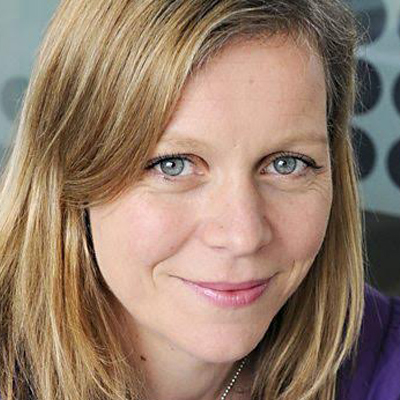
    MUMBAI: As part of a reorganisation that will offer a simplified and more co-ordinated strategy across BBC Television’s channel portfolio, the BBC has appointed Charlotte Moore as controller, TV Channels and iPlayer.


    In the newly created role, Moore – currently Controller of BBC One – will become the creative, editorial and strategic lead for BBC One, BBC Two, BBC Four and BBC iPlayer, ensuring the channels work in a complementary way while enhancing their distinctive positioning.


    The reorganisation will support new, creative approaches to programming and scheduling that reflect changing audience behaviour and the growing role of BBC iPlayer, as well as encouraging greater collaboration and allowing simpler movement of ideas and talent across the portfolio. It will also create a more streamlined commissioning system, with a single point of contact and faster decision-making.


    Moore will report to BBC acting director of television Mark Linsey, and will continue to sit on the TV Board.


    Linsey says, “Charlotte is an outstanding leader and has done a brilliant job making BBC One both distinctive and popular. This role will allow her to take a view across channels to drive distinctiveness, quality and risk-taking even further, whilst offering a single point of contact for programme-makers and ensuring audiences get the best programmes, however and wherever they choose to watch.”


    Moore adds, “I’m honoured to lead the BBC’s channel portfolio into the future at such a significant time. The creative opportunities this new approach brings will ensure the BBC keeps pace with our rapidly changing media industry. It is more important than ever for audiences and programme-makers that we have a clearly defined sense of purpose for each channel, to ensure we deliver even higher quality and more distinctive content. A united vision across the portfolio will encourage greater ambition and diversity of output, more creative freedom and quicker decision-making. I’m passionate about the BBC and committed to making this a place where the best creatives want to work, and having the right teams working together is key.”


    The appointment follows an internal recruitment process, and continues the BBC’s progress in creating a simpler and more efficient structure.


    Moore will take up her new responsibilities on 25 January. She will continue to lead BBC One and, within the new structure, will manage the heads of iPlayer, Daytime and BBC Four, as well as the new role of editor, BBC Two.


    Following the internal recruitment process, Kim Shillinglaw has decided to leave the BBC and, as a result of the reorganisation, the post of Controller BBC Two and Four will be closed.


    BBC Two and Four channel executive Adam Barker will take up the post of BBC Two acting editor, while recruitment for the new role takes place.


    Linsey adds, “Kim has led BBC Two and Four with great creativity, bringing viewers an amazing range of programmes including edgy documentaries like Meet The Ukippers, innovative comedy in Boy Meets Girl, ambitious TV experiments like Are Our Kids Tough Enough? Chinese School and distinctive treats like The Dresser, as well as re-energising factual entertainment and drawing younger audiences with The Real Marigold Hotel, Phone Shop Idol, Hell Week and Let’s Play Darts. She has modernised BBC Two’s identity, winning awards for the channel’s use of social media and the revamp of on-air, and refreshed the schedule with Monday’s clever quiz hour, box-set factual and comedy double bills back at 9 pm, whilst creating new commercial funding models in factual entertainment and natural history. She has been an outstanding leader of BBC Two and Four and I will be very sorry to see her go, but am incredibly grateful for her contribution.”


    Shillinglaw says, “I wish the BBC, Mark and Charlotte every success with the many changes BBC TV needs to make. I’ve loved modernising BBC Two and Four over the last two years but when you don’t get the big job it’s time to move on. And I’m looking forward to another big challenge.”


    The reorganisation follows other recent moves to simplify structures at the BBC, such as the appointment of Matthew Postgate as chief technology officer, bringing together BBC Digital, Engineering and BBC Worldwide roles.

  • BBC TV undergoes reorganisation; Charlotte Moore made controller, TV channels & iPlayer

    BBC TV undergoes reorganisation; Charlotte Moore made controller, TV channels & iPlayer

    MUMBAI: As part of a reorganisation that will offer a simplified and more co-ordinated strategy across BBC Television’s channel portfolio, the BBC has appointed Charlotte Moore as controller, TV Channels and iPlayer.


    In the newly created role, Moore – currently Controller of BBC One – will become the creative, editorial and strategic lead for BBC One, BBC Two, BBC Four and BBC iPlayer, ensuring the channels work in a complementary way while enhancing their distinctive positioning.


    The reorganisation will support new, creative approaches to programming and scheduling that reflect changing audience behaviour and the growing role of BBC iPlayer, as well as encouraging greater collaboration and allowing simpler movement of ideas and talent across the portfolio. It will also create a more streamlined commissioning system, with a single point of contact and faster decision-making.


    Moore will report to BBC acting director of television Mark Linsey, and will continue to sit on the TV Board.


    Linsey says, “Charlotte is an outstanding leader and has done a brilliant job making BBC One both distinctive and popular. This role will allow her to take a view across channels to drive distinctiveness, quality and risk-taking even further, whilst offering a single point of contact for programme-makers and ensuring audiences get the best programmes, however and wherever they choose to watch.”


    Moore adds, “I’m honoured to lead the BBC’s channel portfolio into the future at such a significant time. The creative opportunities this new approach brings will ensure the BBC keeps pace with our rapidly changing media industry. It is more important than ever for audiences and programme-makers that we have a clearly defined sense of purpose for each channel, to ensure we deliver even higher quality and more distinctive content. A united vision across the portfolio will encourage greater ambition and diversity of output, more creative freedom and quicker decision-making. I’m passionate about the BBC and committed to making this a place where the best creatives want to work, and having the right teams working together is key.”


    The appointment follows an internal recruitment process, and continues the BBC’s progress in creating a simpler and more efficient structure.


    Moore will take up her new responsibilities on 25 January. She will continue to lead BBC One and, within the new structure, will manage the heads of iPlayer, Daytime and BBC Four, as well as the new role of editor, BBC Two.


    Following the internal recruitment process, Kim Shillinglaw has decided to leave the BBC and, as a result of the reorganisation, the post of Controller BBC Two and Four will be closed.


    BBC Two and Four channel executive Adam Barker will take up the post of BBC Two acting editor, while recruitment for the new role takes place.


    Linsey adds, “Kim has led BBC Two and Four with great creativity, bringing viewers an amazing range of programmes including edgy documentaries like Meet The Ukippers, innovative comedy in Boy Meets Girl, ambitious TV experiments like Are Our Kids Tough Enough? Chinese School and distinctive treats like The Dresser, as well as re-energising factual entertainment and drawing younger audiences with The Real Marigold Hotel, Phone Shop Idol, Hell Week and Let’s Play Darts. She has modernised BBC Two’s identity, winning awards for the channel’s use of social media and the revamp of on-air, and refreshed the schedule with Monday’s clever quiz hour, box-set factual and comedy double bills back at 9 pm, whilst creating new commercial funding models in factual entertainment and natural history. She has been an outstanding leader of BBC Two and Four and I will be very sorry to see her go, but am incredibly grateful for her contribution.”


    Shillinglaw says, “I wish the BBC, Mark and Charlotte every success with the many changes BBC TV needs to make. I’ve loved modernising BBC Two and Four over the last two years but when you don’t get the big job it’s time to move on. And I’m looking forward to another big challenge.”


    The reorganisation follows other recent moves to simplify structures at the BBC, such as the appointment of Matthew Postgate as chief technology officer, bringing together BBC Digital, Engineering and BBC Worldwide roles.

  • BBC One orders new series of BAFTA nominated ‘Count Arthur Strong’

    BBC One orders new series of BAFTA nominated ‘Count Arthur Strong’

    MUMBAI: BBC One has commissioned a third series of comedy Count Arthur Strong.
     
    The BAFTA nominated series launched on BBC Two in 2013. Series two heralded a move to its new home on BBC One where it broadcast at the beginning of this year.
     
    The 7*30 min series is produced by Retort (part of FremantleMedia UK), Komedia Entertainment and Delightful Industries and written by Graham Linehan and the central character’s creator, Steve Delaney.
     
    Executive producers are Jon Rolph for Retort, Richard Daws for Komedia and Gregor Sharp for the BBC, and the series is produced by Richard Boden.
     
    In series three, Arthur still pursues his dreams of stardom no matter how much chaos he causes along the way, with Michael (played by Rory Kinnear) doing his best to limit the damage to the world around them and his own sanity.
     
    Linehan said, ”Very happy to hear that Arthur, Michael and the gang will have more adventures. And we’ve got some crackers lined up for this series.”
     
    Delaney added, ”I’m thrilled, delighted and humbled that BBC One have requested another series of Count Arthur Strong. Where do I sign? Quick, before they change their minds!”
     
    BBC controller, comedy commission Shane Allen said, ”How could we resist bringing back this character comedy masterclass, which blends the joyfully daft with skilfully inventive plotting. Series two really hit its stride and the move to BBC One has brought the audience response we were hoping for. It’s a privilege to be working with these writing and performing talents at the top of their game.”
     
    Retort managing director and executive producer Jon Rolph said, ”It’s a joy and a privilege to be irresistibly drawn into Arthur’s world, and we’re delighted that the BBC One audience think so too.”

    Executive producer Richard Daws from Komedia added, ”It appears Count Arthur is edging ever closer to becoming the national treasure he has always imagined he was.”
    Production and transmission of the show will be in 2016.

  • BBC seeks suppliers for priority marketing campaigns

    MUMBAI: UK pubcaster The BBC plans to acquire the services of a small roster of suppliers to provide strategic and creative content for its priority marketing campaigns commencing on 1 January 2007.

    This will be the result of a formal review of the BBC’s current Advertising Roster which is required to satisfy the BBC’s fair trading responsibilities.

    Suppliers will be required to work across the BBC’s public service portfolio including BBC One, BBC Two, its digital channels, radio networks and other New Media Services.

    Successful suppliers will work with the BBC’s marketing department to deliver communications plans and creative content for specific marketing campaigns. Campaigns will predominantly utilise the BBC’s own media – including TV, radio and online – with occasional use of external media such as posters and press advertising.

    The suppliers will have overall responsibility for successful delivery of the campaigns. Production of TV and radio executions, however, will be exclusively produced by the BBC’s preferred supplier in this area, Red Bee Media.

    Interested agencies need to apply via bbc.co.uk/supplying – see the link on the right-hand side of this page.

    The selection process will be completed by the end of the year.