Tag: BBC Four

  • UK based broadcaster BBC plans to build ‘digital-first’ focused services

    UK based broadcaster BBC plans to build ‘digital-first’ focused services

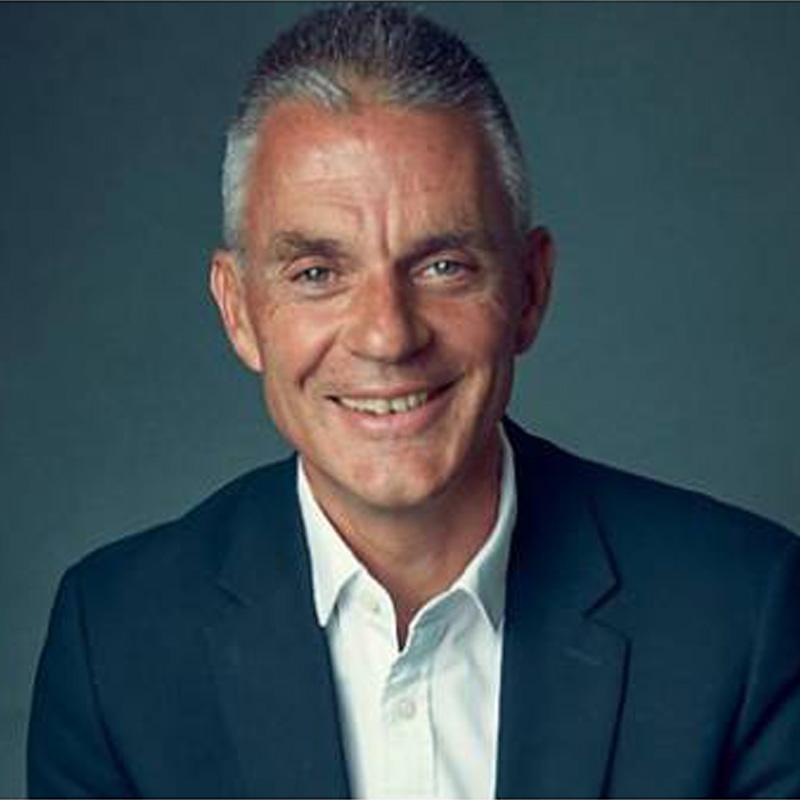
    Mumbai: UK pubcaster BBC director-general Tim Davie shared his plan to build a “digital-first” British Broadcasting Corporation (BBC). The plan will see the broadcaster prioritising its apps and websites over traditional broadcasting channels, said in a company statement.

    In the statement, BBC revealed closing its children-focused channel CBBC and art-skewing BBC-Four including slashing 1,000 jobs over time while putting more investment into digital services like iPlayer.

    Davie also said, “Quite simply, the success of our online services is the success of the BBC over the next five years. Each needs to be in the top two or three in their market in the UK, with our online services growing globally too.”

    Elaborating on iPlayer he said, “Today, iPlayer reaches less than 50 per cent of BBC viewers on average per week. Our ambition is to grow this to 75 per cent. We’ll do this by re-allocating significant amounts of money every year into video that delivers on iPlayer, across a broad mix of genres.”

    “We will propose to Ofcom to expand boxsets and archive, to have more BBC series available on demand. And we want to ensure that news and current affairs is as important to iPlayer as it is on broadcast, which means new on-demand content and formats to build new audience habits.”

    “We will continue to personalise iPlayer to make it much more relevant to every age group and different parts of the UK.”

    While speaking about budget slashing he said, “What we are laying out today is a £500 million plan for the next few years. This is made up of two things: £200 million a year of cuts which are necessitated by the two-year licence fee freeze. This represents the majority of our £285 million a year challenge by 2027-28. £50 million of this £200 million is already baked into our current budgets. The rest is delivered by stopping things and running the organisation better where we can. Then there’s a further £300 million a year which is about moving money around the organisation and delivering additional commercial income. This means that we are not just cutting money everywhere but making choices where to invest.”

    He also said that the plan is not to simply deploy flat savings targets across every department but to act more deliberately. “Focussing resources on frontline areas where we can maximise the value we deliver to those that pay for us.”

    Davie is clear that the future is digital. “The market challenge is clear. Though broadcast channels will be essential for years to come, we are moving decisively to a largely on-demand world. Today around 85 per cent of the time people spend with the BBC is with linear broadcasts. Too many of our resources are focused on broadcast and not online. And less than 10 per cent of our usage is signed in, so we can’t offer a properly tailored service, unlike all our global competitors. If we do not respond faster to these changes we will cede too much ground to those who are not driven by public service values.”

    “The vision is simple: from today we are going to move decisively to a digital-first BBC. We have a chance to do something that no-one else is doing: build a digital media organisation that makes a significant positive impact, culturally, economically and socially. A global leader driven by the search for truth, impartiality, outstanding creativity, and independence.”

    So what will happen to linear broadcast with the enhanced focus on digital? “As we move money into digital, we will inevitably have to spend less on linear distribution. But we will do this with great care – our big channels will be popular for the next decade, at least, and they are incredibly powerful.”

    Davie added: “We do plan to stop scheduling separate content for Radio 4 Long Wave, consulting with partners, including the Maritime and Coastguard Agency, ahead of the closure of the Long Wave platform itself. 5Live on medium wave will also close no later than December 2027, in line with a proposed industry-wide exit from the platform.”

    “Over time we expect to consolidate and share more content between services, and expect to stop broadcasting some of our smaller channels on linear. This will include services like BBC Four, CBBC and Radio 4 Extra. But we won’t do this for at least the next three years because for the moment they are still delivering value to millions of viewers and listeners, at low extra cost.”

    He further said that when it comes to network TV, the UK pubcaster will reduce the volume of hours commissioned a year by around 200. “We’ll still offer thousands of originated hours and a very broad range, but fewer hours will mean we are not constantly thinning programme budgets.”

    “We will focus our money where we are distinctive and more uniquely BBC. We will make tough choices about titles which may be performing on linear but are not doing enough to drive viewers to on-demand. A number of them will be cancelled this year. Importantly, higher-impact content will attract more investment from third parties to make our money go further.”

    “And while we will continue to play a vital role in classical music in this country, we must be realistic about the resources we use. We will continue to support the classical music sector, invest in Radio 3 and improve our educational impact. However, we will look to reduce licence fee funding in our performing groups – preferably by looking for alternative sources of income where possible.”

    In terms of news one of the things he mentioned was that putting digital first applies just as much to its international news services. The world service he pointed out is critical to the BBC, and its growing digital reach means bigger impact with audiences, more brand value for the BBC and the UK, and bigger opportunities for commercial growth.

    “Broadcast services will continue to play a vital role but unfortunately the licence fee settlement means that we cannot offer every service on all the platforms we do today. So we propose to move some of our broadcast radio and television services off linear where digital provides the better future route to audiences. This builds on the model we’re already using in Latin America and parts of Europe. Of course, we will protect broadcast services where that’s likely to remain the best way of reaching people in the long term.”

    He said that the government’s commitment to extend its £94 million annual funding for the world service for a further three years is very welcome. But he also noted that UK licence fee funding for the world service, which has been around £254 million in recent years, is now running at over £290 million including world news – a level that is unsustainable following the licence fee settlement.

    “We will set out plans in the coming weeks for how we will initially reduce licence fee spending on the World Service by around £30 million by the start of 2023/24, while protecting the full breadth of languages.”

    “At the same time, our strategic review will identify the right longer-term model for a digital-first world service and lay out a strong case for more investment from the government over the coming years. This case for a strengthened world service is compelling but we can only expect UK licence fee payers to fund so much.”

    One of the challenges in digital is that on the tech front there is work to be done. “Around 30 million UK adults come to BBC online on average per week, and 200 million globally on digital platforms. We are now up to over 45 million UK accounts, with over 25 million signed in monthly. But we have much work to do to be a leading-edge player in functionality, user experience and data.”

    “We’ve already begun investing more in product development, with an extra £10 million this year. From 2025 we expect to be investing up to an additional £50 million per year, transforming our level of personalisation and our use of real time data, and making our services as easy to use as possible.”

    “In news, we will fully roll out and continuously improve the new News app as a signed-in experience. We will grow our live news pages and transform the quality, prominence and impact of local news.”

    “In sounds, we will continue to improve our on-demand music offer. We will showcase some of the best non-BBC podcasts from British creators and host more of our podcasts on sounds first, before distributing more widely. We want to deliver local and network news better across Sounds and ensure we are securing distribution in connected cars.”

    He concluded by saying, “This is our moment to build a digital-first BBC. Something genuinely new, a Reithian organisation for the digital age, a positive force for the UK and the world. Independent, impartial, constantly innovating and serving all. A fresh, new, global digital media organisation which has never been seen before. Solely driven by the desire to make life and society better for our licence fee payers and customers in every corner of the UK and beyond. They want us to keep the BBC relevant and fight for something that in 2022 is more important than ever. To do that we need to evolve faster and embrace the huge shifts in the market around us.”

    “I believe in a public service BBC for all, properly funded, relevant for everyone, universally available, and growing in the on-demand age. This plan sets us on that journey.”

  • BBC Four intends to become global subscription service

    BBC Four intends to become global subscription service

    MUMBAI: The BBC is mulling over transforming BBC Four into a global subscription service in view of the ongoing economic adversity caused by the Covid2019 pandemic.

    “Outside the UK, we are exploring potential commercial opportunities for BBC Four to become a new global subscription service that takes our strengths in specialist factual to the world stage,” says the 76-page BBC annual plan 2020/21 released on Wednesday.

    Signed by chairman David Clementi and director-general Tony Hall, the document says that BBC Four will focus on bringing together collections of the most distinctive content from the BBC’s rich archive. “Arts will continue to be a centrepiece of Four as we carry on showcasing Culture in Quarantine through this period.”

    BBC Four intends to broadcast at least 60 hours of factual originated programmes (subject to the impact of Covid2019 on production delivery).

    Generational shift

    In news, BBC is making a generational shift in what news it covers and how it covers it by putting the audience at the heart of decisions. Its last major transformation in news was 25 years ago when the broadcaster introduced 24-hour rolling news and took the first steps in online news.

    “Today, audiences watch less broadcast news and rely more on online services, particularly on mobile. Reflecting this shift, we will move to a ‘story-led’ approach in news – putting the audience at the heart of decisions on what stories we cover and how we cover them. We will select stories not according to what is required for a specific programme, channel or platform, but instead with the needs of all our audiences and platforms in mind,” says the document.

    The idea is to maximise the value of the BBC’s news output by using the power of its portfolio to its fullest. “We want to serve audiences with compelling journalism that is engaging, useful and at a time and in a format of their choosing.”

    It stresses the need to discover new ways of “storytelling across our digital platforms, including iPlayer and Sounds, to connect with all audiences that use BBC content. We want our best journalism to travel further so that the quality, breadth and accuracy of BBC News can reach more people, more regularly, in more ways.”

    The document says that BBC’s new approach to digital storytelling will power the modernisation of the BBC News online offer and news app. Later this year the app will be completely refreshed and rebuilt from the ground up. This will focus on making it more useful and more used, aimed at the mobile generation under 35. “We build on our existing highly successful news app, but made better for a new generation with new ways of navigating in a mobile and always connected world. In an endless sea of mobile offers and user-friendly aggregators like Apple News and Facebook News, BBC News needs to be as intuitive and easy to use than other news providers, and to have a better editorial offer than anybody else. We want the app to be the best place to consume BBC news.”

  • BBC TV undergoes reorganisation; Charlotte Moore made controller, TV channels & iPlayer

    BBC TV undergoes reorganisation; Charlotte Moore made controller, TV channels & iPlayer

    MUMBAI: As part of a reorganisation that will offer a simplified and more co-ordinated strategy across BBC Television’s channel portfolio, the BBC has appointed Charlotte Moore as controller, TV Channels and iPlayer.


    In the newly created role, Moore – currently Controller of BBC One – will become the creative, editorial and strategic lead for BBC One, BBC Two, BBC Four and BBC iPlayer, ensuring the channels work in a complementary way while enhancing their distinctive positioning.


    The reorganisation will support new, creative approaches to programming and scheduling that reflect changing audience behaviour and the growing role of BBC iPlayer, as well as encouraging greater collaboration and allowing simpler movement of ideas and talent across the portfolio. It will also create a more streamlined commissioning system, with a single point of contact and faster decision-making.


    Moore will report to BBC acting director of television Mark Linsey, and will continue to sit on the TV Board.


    Linsey says, “Charlotte is an outstanding leader and has done a brilliant job making BBC One both distinctive and popular. This role will allow her to take a view across channels to drive distinctiveness, quality and risk-taking even further, whilst offering a single point of contact for programme-makers and ensuring audiences get the best programmes, however and wherever they choose to watch.”


    Moore adds, “I’m honoured to lead the BBC’s channel portfolio into the future at such a significant time. The creative opportunities this new approach brings will ensure the BBC keeps pace with our rapidly changing media industry. It is more important than ever for audiences and programme-makers that we have a clearly defined sense of purpose for each channel, to ensure we deliver even higher quality and more distinctive content. A united vision across the portfolio will encourage greater ambition and diversity of output, more creative freedom and quicker decision-making. I’m passionate about the BBC and committed to making this a place where the best creatives want to work, and having the right teams working together is key.”


    The appointment follows an internal recruitment process, and continues the BBC’s progress in creating a simpler and more efficient structure.


    Moore will take up her new responsibilities on 25 January. She will continue to lead BBC One and, within the new structure, will manage the heads of iPlayer, Daytime and BBC Four, as well as the new role of editor, BBC Two.


    Following the internal recruitment process, Kim Shillinglaw has decided to leave the BBC and, as a result of the reorganisation, the post of Controller BBC Two and Four will be closed.


    BBC Two and Four channel executive Adam Barker will take up the post of BBC Two acting editor, while recruitment for the new role takes place.


    Linsey adds, “Kim has led BBC Two and Four with great creativity, bringing viewers an amazing range of programmes including edgy documentaries like Meet The Ukippers, innovative comedy in Boy Meets Girl, ambitious TV experiments like Are Our Kids Tough Enough? Chinese School and distinctive treats like The Dresser, as well as re-energising factual entertainment and drawing younger audiences with The Real Marigold Hotel, Phone Shop Idol, Hell Week and Let’s Play Darts. She has modernised BBC Two’s identity, winning awards for the channel’s use of social media and the revamp of on-air, and refreshed the schedule with Monday’s clever quiz hour, box-set factual and comedy double bills back at 9 pm, whilst creating new commercial funding models in factual entertainment and natural history. She has been an outstanding leader of BBC Two and Four and I will be very sorry to see her go, but am incredibly grateful for her contribution.”


    Shillinglaw says, “I wish the BBC, Mark and Charlotte every success with the many changes BBC TV needs to make. I’ve loved modernising BBC Two and Four over the last two years but when you don’t get the big job it’s time to move on. And I’m looking forward to another big challenge.”


    The reorganisation follows other recent moves to simplify structures at the BBC, such as the appointment of Matthew Postgate as chief technology officer, bringing together BBC Digital, Engineering and BBC Worldwide roles.

  • BBC TV undergoes reorganisation; Charlotte Moore made controller, TV channels & iPlayer

    BBC TV undergoes reorganisation; Charlotte Moore made controller, TV channels & iPlayer

    MUMBAI: As part of a reorganisation that will offer a simplified and more co-ordinated strategy across BBC Television’s channel portfolio, the BBC has appointed Charlotte Moore as controller, TV Channels and iPlayer.


    In the newly created role, Moore – currently Controller of BBC One – will become the creative, editorial and strategic lead for BBC One, BBC Two, BBC Four and BBC iPlayer, ensuring the channels work in a complementary way while enhancing their distinctive positioning.


    The reorganisation will support new, creative approaches to programming and scheduling that reflect changing audience behaviour and the growing role of BBC iPlayer, as well as encouraging greater collaboration and allowing simpler movement of ideas and talent across the portfolio. It will also create a more streamlined commissioning system, with a single point of contact and faster decision-making.


    Moore will report to BBC acting director of television Mark Linsey, and will continue to sit on the TV Board.


    Linsey says, “Charlotte is an outstanding leader and has done a brilliant job making BBC One both distinctive and popular. This role will allow her to take a view across channels to drive distinctiveness, quality and risk-taking even further, whilst offering a single point of contact for programme-makers and ensuring audiences get the best programmes, however and wherever they choose to watch.”


    Moore adds, “I’m honoured to lead the BBC’s channel portfolio into the future at such a significant time. The creative opportunities this new approach brings will ensure the BBC keeps pace with our rapidly changing media industry. It is more important than ever for audiences and programme-makers that we have a clearly defined sense of purpose for each channel, to ensure we deliver even higher quality and more distinctive content. A united vision across the portfolio will encourage greater ambition and diversity of output, more creative freedom and quicker decision-making. I’m passionate about the BBC and committed to making this a place where the best creatives want to work, and having the right teams working together is key.”


    The appointment follows an internal recruitment process, and continues the BBC’s progress in creating a simpler and more efficient structure.


    Moore will take up her new responsibilities on 25 January. She will continue to lead BBC One and, within the new structure, will manage the heads of iPlayer, Daytime and BBC Four, as well as the new role of editor, BBC Two.


    Following the internal recruitment process, Kim Shillinglaw has decided to leave the BBC and, as a result of the reorganisation, the post of Controller BBC Two and Four will be closed.


    BBC Two and Four channel executive Adam Barker will take up the post of BBC Two acting editor, while recruitment for the new role takes place.


    Linsey adds, “Kim has led BBC Two and Four with great creativity, bringing viewers an amazing range of programmes including edgy documentaries like Meet The Ukippers, innovative comedy in Boy Meets Girl, ambitious TV experiments like Are Our Kids Tough Enough? Chinese School and distinctive treats like The Dresser, as well as re-energising factual entertainment and drawing younger audiences with The Real Marigold Hotel, Phone Shop Idol, Hell Week and Let’s Play Darts. She has modernised BBC Two’s identity, winning awards for the channel’s use of social media and the revamp of on-air, and refreshed the schedule with Monday’s clever quiz hour, box-set factual and comedy double bills back at 9 pm, whilst creating new commercial funding models in factual entertainment and natural history. She has been an outstanding leader of BBC Two and Four and I will be very sorry to see her go, but am incredibly grateful for her contribution.”


    Shillinglaw says, “I wish the BBC, Mark and Charlotte every success with the many changes BBC TV needs to make. I’ve loved modernising BBC Two and Four over the last two years but when you don’t get the big job it’s time to move on. And I’m looking forward to another big challenge.”


    The reorganisation follows other recent moves to simplify structures at the BBC, such as the appointment of Matthew Postgate as chief technology officer, bringing together BBC Digital, Engineering and BBC Worldwide roles.

  • George Entwistle is BBC controller, knowledge commissioning

    MUMBAI: George Entwistle has been named as the new BBC Controller of Knowledge Commissioning.

    In this role, Entwistle will be responsible for delivering the recently launched knowledge building strategy across the BBC on TV and on the web, from landmark series to documentaries; across specialisms from arts to history, natural history, business, science and religion; to consumer journalism and contemporary factual.

    He will head BBC Vision’s Knowledge and Learning commissioning teams who commission programmes and multi-platform content from Vision Productions and the independent sector, which together produce over 1,600 hours of output a year.

    BBC Vision director Jana Bennett said, “As a programme maker and a creative leader, George has an impressive track record across a wide range of genres including current affairs, arts and science. This gives him a deep understanding of how to deliver great factual programmes for all audiences.

    “He has been an outstanding member of the factual commissioning team and has also had real success leading the creative renewal in current affairs and during his time running BBC Four.

    “Knowledge building is a cornerstone of the BBC’s future and this is an opportunity to bring the knowledge story together more powerfully across all channels, the web and other platforms, building on the foundations laid by Glenwyn Benson.”

    Entwistle said, “The BBC’s knowledge output – on TV and every other platform – is right at the heart of our public purposes. I am delighted to be given the opportunity to play my part in taking forward our new Knowledge Strategy – in partnership with the exceptional talent across the BBC and the independent sector – to deliver factual content our audiences will find outstandingly valuable, compelling and enriching.”

    In 1999, after ten years in current affairs, he joined the science department as Deputy Editor of BBC One’s flagship science show Tomorrow’s World.

    He went from there to become Deputy Editor and, in 2001, Editor of Newsnight – which won five RTS awards during his editorship.

    In 2004 he moved to BBC Arts to become Executive Editor of Topical Arts. There he launched The Culture Show for BBC Two.

    He also spent several months as Chair of the Knowledge Building workgroup on Mark Thompson’s Creative Future strategy review.