Tag: Bauddhayan Mukherji

  • Caratlane makes a Pujo proposal with a love story set to Rabindra Sangeet

    Caratlane makes a Pujo proposal with a love story set to Rabindra Sangeet

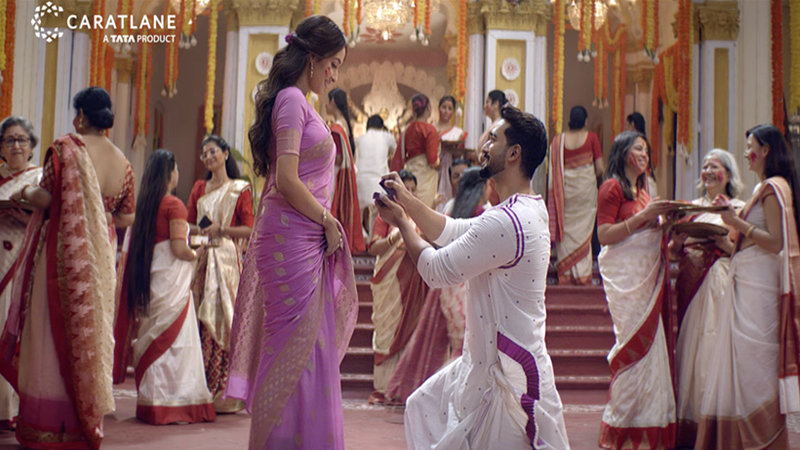
    MUMBAI: When love meets Pujo, sparks fly louder than dhak beats. Caratlane has dropped a new festive film that transforms Durga Puja into the most romantic stage for a proposal, complete with sindoor, Rabindra Sangeet, and one unforgettable ring.

    The campaign, titled ‘Maayer Aashirbaad’, is conceptualised by BBH India and directed by award-winning filmmaker Bauddhayan Mukherji of Little Lamb Films. At its core is Caratlane’s elegant proposal ring, unveiled as the ultimate symbol of commitment, timed to match the emotional crescendo of Bengal’s grandest celebration.

    Music drives the entire storytelling. Composed by Debojyoti Mishra, the score is a soul-stirring medley that blends timeless Rabindra Sangeet with earthy folk melodies. Sung by Mekhla Dasgupta and Chirantan Banerjee, the tracks double as dialogue, with lyrics becoming playful exchanges between the protagonists, actors Ayoshi Talukdar and Subhrojit Saha. Their chemistry carries the love story from Shoshthi to Doshomi, across iconic moments like Anjali, Dhunuchi Naach, and Bhog.

    The film reaches its high point during Doshomi’s sindoor khela, where the male lead drops down on one knee in a cinematic proposal. The ring gleams not just as jewellery but as a promise rooted in tradition yet charged with spontaneity. It’s the kind of moment that lingers, much like the colours of Pujo itself.

    For BBH India, CCO Parikshit Bhattacharya the festival was always a love story waiting to be framed. “Durga Pujo is already about romance, rituals, and memories. We wanted to set one more love story against that backdrop,” he said, emphasising how cultural truths create deeper brand narratives.

    Caratlane MD Saumen Bhaumik echoed that sentiment, noting that proposals are “matters of the heart free flowing, spontaneous, like a melody.” By weaving music, ritual and romance, the campaign aims to move beyond standard jewellery ads into something more heartfelt and enduring.

    With its lush visuals, rich soundscape, and a story that plays out as much in the heart as on screen, Maayer Aashirbaad isn’t just a campaign, it’s a proposal wrapped in the colours, chaos, and cadences of Pujo itself.

  • Blum’s the word as furniture fails get a funny fix on screen

    Blum’s the word as furniture fails get a funny fix on screen

    MUMBAI: When furniture starts groaning louder than your Monday blues, it’s time to check what’s ticking or rather, sticking behind those sleek surfaces. Blum India’s latest ad campaign takes a delightfully droll route to spotlight the unsung heroes of furniture design: the fittings. Yes, those tiny hinges and drawer runners you never think about until they squeak, jam or downright revolt.

    With a trio of chuckle-worthy films, the Austrian fittings giant turns everyday domestic drama into relatable comedy. There’s the drawer that refuses to glide, the door that slams like a moody teenager, and the overhead cabinet that needs two hands, a prayer, and a balancing act to open. Each ad ends with a simple fix: Blum’s quietly brilliant engineering.

    From the feather-light glide of the Legrabox drawer system to the whisper-soft closure of Clip top Blumotion hinges, and the gravity-defying ease of the Aventos lift-up mechanism Blum’s fittings promise to make your furniture behave, beautifully and silently, for years.

    Explaining the need for the ad campaign, Blum India managing director Nadeem Patni said, “While our business primarily targets B2B customers, end consumers are at the heart of everything we do at Blum. We wanted a new campaign that could appeal to a broader audience, particularly everyday furniture users. While communicating about the convenience of using our fittings remained the central message, we were determined to put it across with a touch of humor.”

    National award-winning filmmaker Bauddhayan Mukherji, aka Buddy, expressed his excitement about the campaign, saying, “When Nadeem and Neelam from Blum India suggested the humor route, I was pleasantly surprised. It meant we needed a cracker of a campaign. This set of films for Blum are those rare ones where everything just falls in place. Hope the viewers love the films as much as we did while making them.”

    The humour-packed spots come courtesy of National Award-winning filmmaker Bauddhayan Mukherji, aka Buddy, who called the collaboration one of those rare campaigns where “everything just falls into place” unlike most poorly-fitted cabinet doors.

    Catch the campaign on Blum India’s Youtube and Instagram, and the next time your drawer throws a tantrum, you’ll know exactly what not to blame: the carpenter.

  • Bangla film ‘Teenkahon’ wins two awards at maiden Kosovo filmfest

    Bangla film ‘Teenkahon’ wins two awards at maiden Kosovo filmfest

    NEW DELHI: Bengali feature film Teenkahon (Three Obsessions), which was premiered in India at the Mumbai Film Festival, has won the Best Screenplay award and Special Mention of the Jury for Cinematography at the Bridge Film Fest at Mitrovica, Kosovo.

    The maiden edition of the festival, in the partially-recognised state of Kosovo in south-eastern Europe, screened 10 feature films from across the globe.

    Teenkahon marks the directorial debut of advertising filmmaker Bauddhayan Mukherji and is independently produced by his Mumbai-based production company, Little Lamb films. The film is set for release next year.

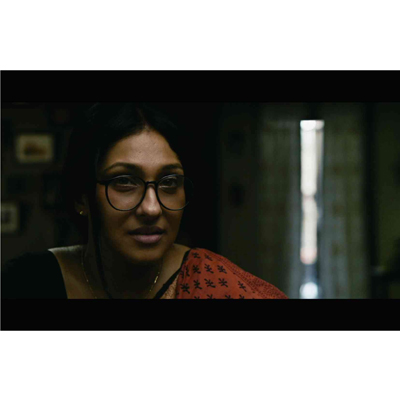
    A triptych, Teenkahon features Dhritiman Chaterji, Rituparna Sengupta, Ashish Vidyarthi and Sabyasachi Chakraborty, among others.

    Spread over a 100 years, the three stories are structured in the manner of the classical Three Act Play with each story exploring one facet of an obsessive relationship outside the purview of marriage. Each story is a vignette of the period it is set in and looks at the populist trends of the time which has been restored in terms of props, costumes, make-up and hair etc. and these films have been digitally manipulated to imitate colour processes that were available in India during the periods in which each film is set.