Tag: Battery

  • TCS releases global e-mobility  2025 study;  preference shifting toward electric vehicles

    TCS releases global e-mobility 2025 study; preference shifting toward electric vehicles

    MUMBAI:  It’s an electrifying report which tells us so much about consumer  attitudes towards electric vehicles (EVs).  Tata Consultancy Services (TCS) Future-Ready eMobility Study 2025 is filled with info nuggets to help those in the EV ecosystem to take some tips from it. 

    The study, conducted across 18 countries and 1,300 respondents, explores consumer preferences, industry challenges, and the roadmap to sustainable mobility.

    Key Findings:
    * Consumer adoption: 64 per cent of global respondents are likely or very likely to choose an EV for their next vehicle. Younger demographics (18–35 years) show the strongest interest.
    * Barriers to rowth: Charging infrastructure, cost, and range anxiety remain significant hurdles, with 74 per cent of manufacturers citing infrastructure as the biggest obstacle.
    * Budget constraints: Most consumers are willing to spend up to $40,000 on an EV, reflecting concerns about affordability. Only five per cent are open to paying a premium compared to internal combustion engine (ICE) vehicles.
    * Sustainability and costs: 63 per cent of EV influencers cite environmental sustainability as the primary motivation for adoption, while fleet adopters prioritise operational cost reductions.
    * Technological advances: Battery technology improvements are identified by 90 per cent of manufacturers as critical for enhancing range and charging speed. However, 70 per cent anticipate breakthroughs to take two to three  years or more.

    Regional Insights:
    * U.S. consumers lead in EV interest, with 72 per cent likely to consider an EV, compared to 31 per cent in Japan.
    * Hybrid EVs (HEVs) are emerging as a transitional preference, especially among older demographics.
    Industry 

    Challenges and Strategies:
    * Collaboration needs: Significant consolidation is expected among EV charging infrastructure companies, driven by scaling challenges. Partnerships with retail, government, and energy sectors are critical.
    * Environmental concerns: While EVs are seen as pivotal for sustainability, nearly 48 per cent of influencers believe their environmental impact is neutral, citing concerns over battery production and disposal.
    * R&D investments: Manufacturers are heavily investing in affordability and battery technology, with a focus on reducing costs and enhancing vehicle performance.

    TCS  president of manufacturing Anupam Singh said:“The EV industry is at a crossroads, navigating complexities while maintaining momentum. TCS is committed to leveraging AI and generative AI to drive smarter decision-making and sustainable transportation.”

    The report underscores that while EV adoption is accelerating, overcoming infrastructure and technological barriers will require collaborative innovation and systemic changes.

    (Picture courtesy: TCS Future-Ready eMobility Study 2025 )

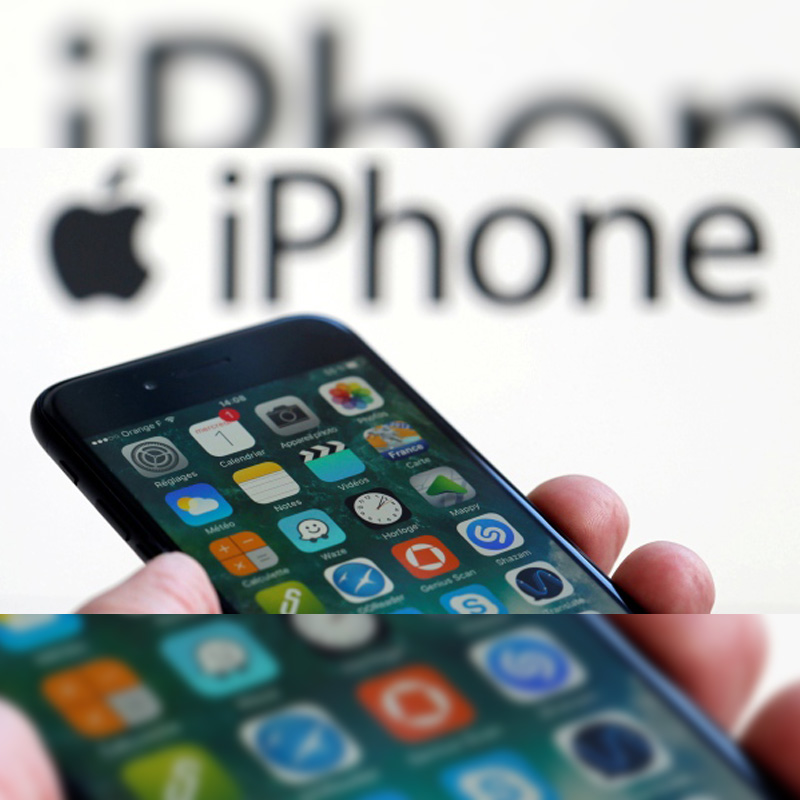
  • The impact of the iPhone battery fiasco on brand Apple

    The impact of the iPhone battery fiasco on brand Apple

    MUMBAI: Ever since Steve Jobs launched his company decades ago, the now ubiquitous Apple stands at the epitome of technology, especially when it comes to laptops and smartphones. For over a decade, users of the iPhone have not only cherished the Apple product as their most prized possession but also one that is worth every penny paid. For Rs 60,000-90,000, you get luxury combined with sleekness, unbeatable hardware and a lifelong association.

    Apple sold 6.1 million first-generation iPhone units over five quarters and over 51 million iPhones in the first quarter of 2014. The iPhone became the best-selling technology product of 2017, selling more units than Samsung Galaxy8 and Nintendo Switch combined. In December 2017, Apple took a risk in introducing three new iPhones, the most expensive iPhone ever, the $999 X.

    But avid iPhone lovers around the world felt angered when the news of Apple deliberately slowing down the battery of older versions was leaked early December last year. Although it was rumoured for the longest time that Apple slows down the earlier models, it was nothing less than a betrayal or shock for most of its ardent devotees as they felt it was a coercive move to get them to ditch the older ones for the latest expensive ones. They felt cheated and resorted to social media to criticise the company for beguiling them about throttling CPU performance of older models.

    public://inside.jpg

    On 28 December 2017, the company was quick to issue an appropriate and well-crafted response on its website, acknowledging the effect that old batteries have on the iPhone’s performance. The company offered $29 (Rs 2000) battery replacements as a solution which would otherwise have cost $79.

    In a media statement, Apple said, “To address our customers’ concerns, to recognise their loyalty and to regain the trust of anyone who may have doubted Apple’s intentions, Apple is reducing the price of an out-of-warranty iPhone battery replacement by Rs 3900 from Rs 5900 to Rs 2000 — for anyone with an iPhone 6 or later whose battery needs to be replaced, available worldwide through December 2018.”

    Early in 2018, Apple will issue an iOS software update with new features that give users more visibility into the health of their phone battery, so they can see for themselves if its condition is affecting performance.

    public://pic_0.jpg

    Stressing the fact that Apple will need to do a lot more than this, brand strategy specialist Harish Bijoor believes that Apple needs to fight the bad image it has accrued after all these decades with the latest controversy. “The brand is scarred for now on that count. Let’s remember, this is a politically correct world we live in. Something like this is considered a breach of trust with the gullible customer,” he points out.

    While this turned out to be a good PR move for Apple to resolve the issue, it would mean that more iPhone users would now take the offer instead of upgrading to a newer device. Though Apple will gain some revenue with the battery replacement program, it will be nowhere close to the margins the company would have enjoyed on a brand new iPhone sale.

    Barclays’ analyst Mark Moskowitz estimates that 77 percent of iPhone users are among those eligible to upgrade the batteries. “10 per cent of those 519 million users take the $29 offer, and around 30 per cent of them decide not to buy a new iPhone this year. This means around 16 million iPhone sales could be at risk, creating a negative (-) 4 percent downside to our current revenue estimate for C2018,” he says.

    Bijoor emphasises that there is a need for strict actions to be taken against such companies and consumer compensation is a must which needs to be more in terms of brand positive strokes rather than money.

    Indiantelevision.com tired seeking a response from Apple India’s spokesperson to understand the company’s point of view on the same but they did not respond to our message till the time of publication.

    Only time will tell whether the move will further help brand Apple in restoring its image or not. But for now, as Apple says in its advertisements, “If you don’t have an iPhone, well you don’t have a (slow) iPhone!”

    Also Read:

    Apple to acquire Shazam

    Apple commits $4.2 bn for original content

    Jio-Apple strike a win-win deal as Airtel plans aggressive 4G offer