Tag: BARC

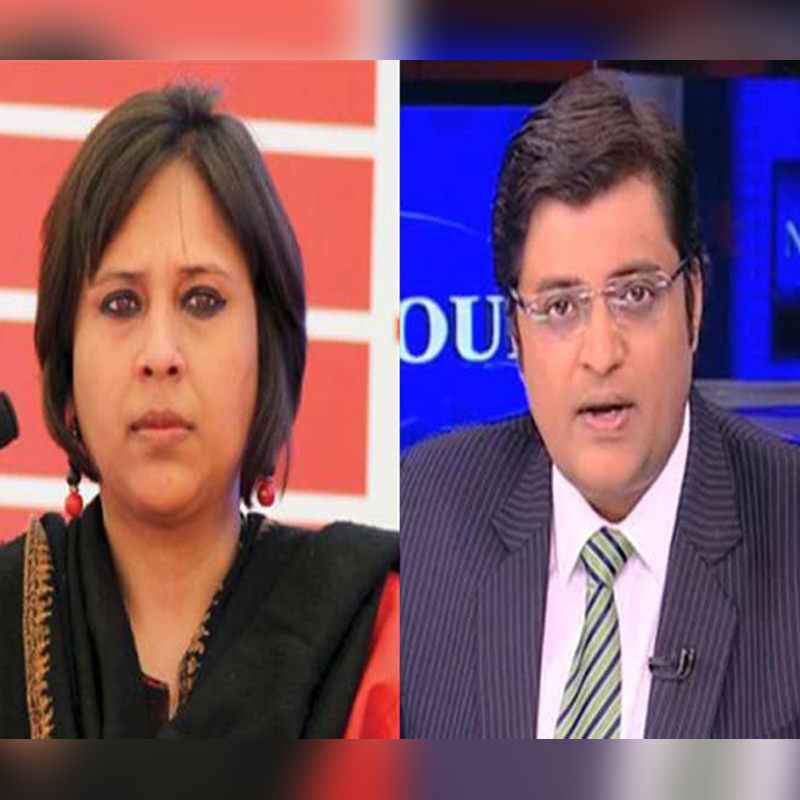
  • Arnab-Barkha face-off amplifies disturbing trends

    Arnab-Barkha face-off amplifies disturbing trends

    When a section of the Indian media tries to make a case for prosecution of industry colleagues, it’s a disturbing trend. It’s more worrisome when the case being made out is based on the assertion either-you-are-with-us-or-against-us, implying that plurality of opinion (no matter how unpalatable the `other’ view is) is not welcome and that everyone needs to subscribe to just one narrative.

    Is it a case of bloated egos?

    Could be.

    Is it a case of a section of powerful media succumbing to political pressure?

    Very much possible.

    Is it a case of corporate vested interests at work?

    Why not? As most Indian media organisations, especially the big ones, are owned and run by corporations who treat media just as a business.

    Or, is it an example that in a big democracy like India a pillar of democratic right — freedom of expression — now is being readied for sacrifice at the altar of short-term gains?

    The Arnab Goswami-Barkha Dutt (AG-BD) spat that’s keeping the nation interested presently and consuming lot of online space probably is the result of all the reasons listed in the previous para – and much more.

    While the AG-BD scrap, which has spilled over everywhere, has managed to corner eyeballs (wonder whether BARC would have data on this saga), another media related development seems to have largely gone unnoticed.

    According to the Mukesh Ambani-controlled online publication Firstpost, controversial teleevangelist Zakir Naik, accused of allegedly spreading hate through his sermons on his TV channel Peace TV, has slapped a Rs 500 crore defamation suit on Times NOW and AG.

    Why are we mentioning this defamation suit by Naik at all here? Simply because such cases will chip away at the foundation of Indian democracy and Indian media’s role as a watchdog or the Fourth Estate. This will also encourage vested interests in the country to take on more often a divided news media.

    Coming back to the face-off between AG and BD, it echoes many things, but more sharply two facts: growing intolerance in the country towards plurality of thought and opinion and increasing commercialisation of a news media where fact and fiction mix freely without alerting the consumer.

    Old school journalists have been aghast at the public display of verbal fisticuffs and washing of dirty linen (and egos) terming such behaviour from two high-profile news anchors as “shrewish and infantile,” egoistical and unworthy of such perceived role models for youngsters in the media.

    On the other hand, there are supporters of AG too, who is said to have started it all when during one of his recent shows he advocated that everybody who’s seen as anti-national (to be defined, probably, as per standards laid down by him and like-minded people), including media persons, should be legally prosecuted and punished. BD and some others media pros waded into the debate sullying the waters further with views and counter views.

    Where does that leave thousands of faceless and not-so-high profile journalists trying to eke out a living being a watchdog far away from the limelight?

    That’s a question that the media itself has to answer if it has to regain its fast-losing credibility and also protect its freedom that’s so essential in a democracy like India. For the present, it seems the Indian media is reeling under the Donald Trump effect.

  • BARC week 29: Star Utsav emerges as the no.1 channel in Rural HSM

    BARC week 29: Star Utsav emerges as the no.1 channel in Rural HSM

    MUMBAI: Star Plus continued to lead the Hindi general entertainment channel (GEC) genre in Urban+ Rural Hindi speaking market (HSM)  whereas  Zee TV  maintained its position at second slot as per Broadcast Audience Research Council (BARC) India ratings for week 29. On the other hand Star Utsav  emerged as the number one channel in rural HSM, pushing down Zee Anmol, which had ruled the top spot earlier.

    Urban + Rural HSM

    Even after witnessing a fall in ratings, Star Plus continued to lead the Hindi general entertainment channel genre with 696376 Impressions (000s) against 720065 Impressions (000s) in last week while Zee TV maintained its second position with 636898 Impressions (000s) followed by Colors on third spot with 584678 Impressions (000s).

    Star India’s free to air channel Star Utsav grabbed the fourth position with 450259 Impressions (000s) and Life OK was at the fifth slot with 437569 Impressions (000s).

    Zee Anmol stood at sixth with 433515 Impressions (000s) followed by Sony Pal at number seven with 413606 Impressions (000s) and Sony Entertainment Television at number eighth with 359426 Impressions (000s). Sab TV on number nine with 358682 Impressions (000s) and Rishtey maintained its tenth spot with 289896 Impressions (000s).

    Rural HSM

    In week 29, Star Utsav toppled Zee Anmol and grabbed leadership position with 348824 Impressions (000s) followed by Zee Anmol  at second position with 329641 Impressions (000s) and Sony Pal on third slot with 313911 Impressions (000s). Zee TV maintained its fourth position with 280475 Impressions (000s).

    Star Plus garnered  fifth spot with 218160 Impressions (000s)  while Rishtey grabbed sixth spot with 204803 Impressions (000s) followed by Colors at number seven with 169977 Impressions (000s) and Life Ok which stood at eight with 150327 Impressions (000s).

    Big Magic grabbed ninth spot with 102056 while Sony Entertainment Television stood at tenth 100707 Impressions (000s).

    Urban HSM

    Star Plus garnered first position with 478215Impressions (000s) followed by Colors on second position with 414701 Impressions (000s) and  Zee TV with 356423Impressions (000s) stood at number three.  

    Zee TV bagged third place with 356423 Impressions (000s). Life OK grabbed the fourth spot with 287242 Impressions (000s) followed by Sab TV at fifth with 266242 Impressions (000s) and Sony entertainment television with 258719 Impressions (000s).

    In Urban HSM,  &TV maintained its number seven position with 114297 Impressions (000s) followed by Zee Anmol with 103873 Impressions (000s) on eighth and Star Utsavl bagged ninth spot with 101436 Impressions (000s).  Sony Pal   bagged tenth spot with 99695 Impressions (000s).

  • BARC week 29: Star Utsav emerges as the no.1 channel in Rural HSM

    BARC week 29: Star Utsav emerges as the no.1 channel in Rural HSM

    MUMBAI: Star Plus continued to lead the Hindi general entertainment channel (GEC) genre in Urban+ Rural Hindi speaking market (HSM)  whereas  Zee TV  maintained its position at second slot as per Broadcast Audience Research Council (BARC) India ratings for week 29. On the other hand Star Utsav  emerged as the number one channel in rural HSM, pushing down Zee Anmol, which had ruled the top spot earlier.

    Urban + Rural HSM

    Even after witnessing a fall in ratings, Star Plus continued to lead the Hindi general entertainment channel genre with 696376 Impressions (000s) against 720065 Impressions (000s) in last week while Zee TV maintained its second position with 636898 Impressions (000s) followed by Colors on third spot with 584678 Impressions (000s).

    Star India’s free to air channel Star Utsav grabbed the fourth position with 450259 Impressions (000s) and Life OK was at the fifth slot with 437569 Impressions (000s).

    Zee Anmol stood at sixth with 433515 Impressions (000s) followed by Sony Pal at number seven with 413606 Impressions (000s) and Sony Entertainment Television at number eighth with 359426 Impressions (000s). Sab TV on number nine with 358682 Impressions (000s) and Rishtey maintained its tenth spot with 289896 Impressions (000s).

    Rural HSM

    In week 29, Star Utsav toppled Zee Anmol and grabbed leadership position with 348824 Impressions (000s) followed by Zee Anmol  at second position with 329641 Impressions (000s) and Sony Pal on third slot with 313911 Impressions (000s). Zee TV maintained its fourth position with 280475 Impressions (000s).

    Star Plus garnered  fifth spot with 218160 Impressions (000s)  while Rishtey grabbed sixth spot with 204803 Impressions (000s) followed by Colors at number seven with 169977 Impressions (000s) and Life Ok which stood at eight with 150327 Impressions (000s).

    Big Magic grabbed ninth spot with 102056 while Sony Entertainment Television stood at tenth 100707 Impressions (000s).

    Urban HSM

    Star Plus garnered first position with 478215Impressions (000s) followed by Colors on second position with 414701 Impressions (000s) and  Zee TV with 356423Impressions (000s) stood at number three.  

    Zee TV bagged third place with 356423 Impressions (000s). Life OK grabbed the fourth spot with 287242 Impressions (000s) followed by Sab TV at fifth with 266242 Impressions (000s) and Sony entertainment television with 258719 Impressions (000s).

    In Urban HSM,  &TV maintained its number seven position with 114297 Impressions (000s) followed by Zee Anmol with 103873 Impressions (000s) on eighth and Star Utsavl bagged ninth spot with 101436 Impressions (000s).  Sony Pal   bagged tenth spot with 99695 Impressions (000s).

  • Cricket, kids programmes drove viewers; fiction & rest suffered during IPL

    Cricket, kids programmes drove viewers; fiction & rest suffered during IPL

    MUMBAI: People? What people? Indians suffer from cricket fever the moment a league starts. Abandoned malls, and streets with only some who were hurrying to reach home. Abandoned were the remote controls as well because ‘there is no question about changing the channel anymore so the TV remote gets lost somewhere without a trace and no one minds.’ Cricket is considered a religion in India and T20 is the latest format of worship.

    The Indian Premiere League is undoubtedly one of the biggest properties in this format whose ninth season started in April and just concluded in May with 60 matches. Due to this curfew, programming themes like movies and fiction have seen a negative growth. Broadcast Audience Research Council (BARC) took a close look at the series to understand the unifying and divisive factors across series in this format. According to BARC, serials have witnessed a 2.4 per cent decline in its growth, while movies have observed 1.4 per cent decline.

    The only program themes to show growth during IPL are cricket and kids. While cricket’s viewership growth was driven mainly in weekends, growth in viewership of kids content was in weekdays. This was followed by a commensurately high drop in series and fiction. This might be a result of summer holidays wherein the kids’ content might have been eating into TV viewing hours of the primary viewers of fiction series viz. their mothers. News, non-fiction, music, reality and talk shows are the other themes that get affected during IPL.

    As opposed to that cricket had grown significantly more on weekends, which might have resulted in a drop in viewership across all other themes. However, the drop for fiction was reduced on weekends which are in keeping with conventional wisdom of soaps being popular on weekdays.

    With such a crazy fan following, driving viewers to their programmes and channels remain to be a challenge for the broadcasters. It will be interesting to see what innovations broadcasters intend to bring during the next series to attract eye-balls.

  • Cricket, kids programmes drove viewers; fiction & rest suffered during IPL

    Cricket, kids programmes drove viewers; fiction & rest suffered during IPL

    MUMBAI: People? What people? Indians suffer from cricket fever the moment a league starts. Abandoned malls, and streets with only some who were hurrying to reach home. Abandoned were the remote controls as well because ‘there is no question about changing the channel anymore so the TV remote gets lost somewhere without a trace and no one minds.’ Cricket is considered a religion in India and T20 is the latest format of worship.

    The Indian Premiere League is undoubtedly one of the biggest properties in this format whose ninth season started in April and just concluded in May with 60 matches. Due to this curfew, programming themes like movies and fiction have seen a negative growth. Broadcast Audience Research Council (BARC) took a close look at the series to understand the unifying and divisive factors across series in this format. According to BARC, serials have witnessed a 2.4 per cent decline in its growth, while movies have observed 1.4 per cent decline.

    The only program themes to show growth during IPL are cricket and kids. While cricket’s viewership growth was driven mainly in weekends, growth in viewership of kids content was in weekdays. This was followed by a commensurately high drop in series and fiction. This might be a result of summer holidays wherein the kids’ content might have been eating into TV viewing hours of the primary viewers of fiction series viz. their mothers. News, non-fiction, music, reality and talk shows are the other themes that get affected during IPL.

    As opposed to that cricket had grown significantly more on weekends, which might have resulted in a drop in viewership across all other themes. However, the drop for fiction was reduced on weekends which are in keeping with conventional wisdom of soaps being popular on weekdays.

    With such a crazy fan following, driving viewers to their programmes and channels remain to be a challenge for the broadcasters. It will be interesting to see what innovations broadcasters intend to bring during the next series to attract eye-balls.

  • Indian news media hurtling towards regulatory cliff: Prannoy Roy

    Indian news media hurtling towards regulatory cliff: Prannoy Roy

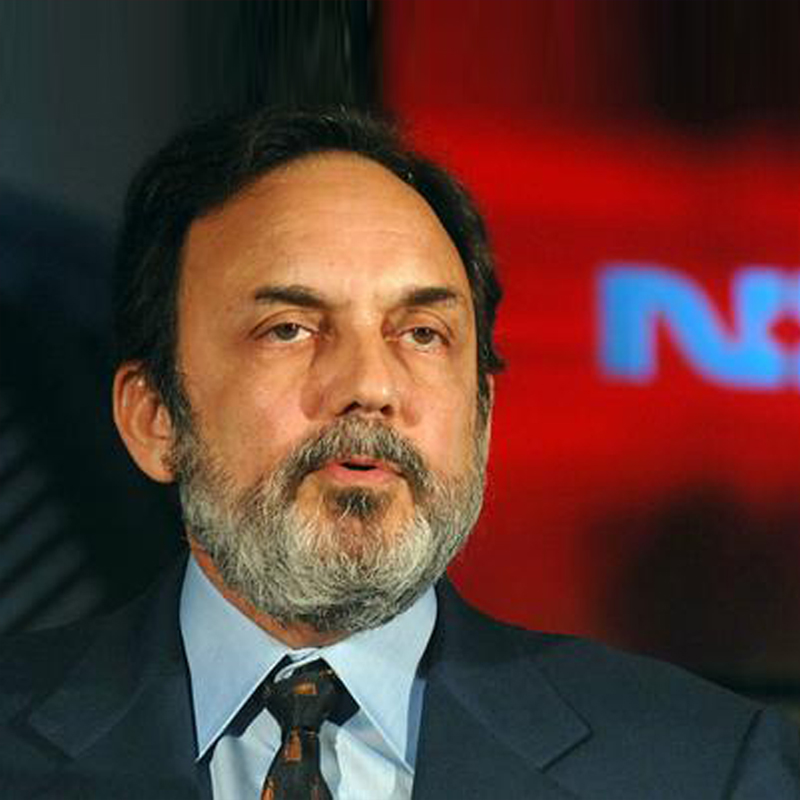
    NEW DELHI: When one of the poster boys of TV news in India holds forth on the subject of news, it is worth a read even if one did not agree with the person on every point. And when that person is Prannoy Roy, the reading becomes that much more compelling.

    “Almost by definition, the path to making profits for a news organization is littered with compromises that change the nature of journalism, often so that it can no longer be recognized as a news channel.

    “In the quest for profits in the overcrowded market of news channels in India, several choices are possible and different channels have chosen different routes, but the greater the success with any one of these routes, the more the nature of news journalism changes,” says Roy in his chapter in a book about NDTV and 25 years of television journalism, aptly named More News is Good News. The chapter has been put up on NDTV’s website.

    Pointing out that an easy option for TV news channels is to become tabloid-ish to gain eyeballs, Roy observes, “Virtually every single Hindi news channel in India today is grotesquely tabloid.”

    “I recall what I think is the lowest point so far when one Hindi channel anchor twirled her hair with her forefinger, looked into the camera and said, ‘Break ke baad aapko ek rape dikhayenge’ (After the break we will show you a rape),” Royrecounts one of the many faux pas of TV news in India.

    Though Roy feels that Indian media, especially TV news segment, has been much tabloid-ish — an observation that will certainly raise heckles in various quarters — he admits that it would be incorrect to put the full blame on Hindi news channels for this “grotesque” tabloidization.

    Not that NDTV — and Roy — hasn’t faltered, but it has also attempted to stand up and protest against discriminations. For example, alleging discriminations, NDTV filed a case in the US against a global advertising behemoth that had an interest in a company doing audience measurement in India.

    “Virtually every city in India has a ‘ratings consultant’ who, for a relatively small fee, will ensure higher ratings for any channel…In fact, Nielsen sent out their global head of security to India and, after a four-month elaborate investigation, he said, ‘I have never seen as much corruption of the Nielsen system anywhere else in the world’,” Roy holds forth on an open secret on audience measurement in India’s media world till a few years back and before BARC came into existence.

    What do such trends mean for journalism? Roy’s answer: “I don’t need to state the obvious that going tabloid in the quest for profits changes the nature of the beast, destroying journalism…the only Hindi news channel in India that is not tabloid is NDTV India and I must also report that the channel is making a loss!”

    Having held forth on tabloid journalism, TRP-fixing, `paid news’, blackmail and extortion, Roy is cautiously optimistic about the ‘soft power’ of media and its role in Indian democracy.

    “As India’s media has grown over the years, despite all the baggage, so far more news has been good news. So far we have seen the upside of unfettered journalism. But any strength taken too far becomes a weakness and our media appears to be hurtling towards its own regulatory cliff. It is at these critical moments that governments try to take control,” Royconcludes.

  • Indian news media hurtling towards regulatory cliff: Prannoy Roy

    Indian news media hurtling towards regulatory cliff: Prannoy Roy

    NEW DELHI: When one of the poster boys of TV news in India holds forth on the subject of news, it is worth a read even if one did not agree with the person on every point. And when that person is Prannoy Roy, the reading becomes that much more compelling.

    “Almost by definition, the path to making profits for a news organization is littered with compromises that change the nature of journalism, often so that it can no longer be recognized as a news channel.

    “In the quest for profits in the overcrowded market of news channels in India, several choices are possible and different channels have chosen different routes, but the greater the success with any one of these routes, the more the nature of news journalism changes,” says Roy in his chapter in a book about NDTV and 25 years of television journalism, aptly named More News is Good News. The chapter has been put up on NDTV’s website.

    Pointing out that an easy option for TV news channels is to become tabloid-ish to gain eyeballs, Roy observes, “Virtually every single Hindi news channel in India today is grotesquely tabloid.”

    “I recall what I think is the lowest point so far when one Hindi channel anchor twirled her hair with her forefinger, looked into the camera and said, ‘Break ke baad aapko ek rape dikhayenge’ (After the break we will show you a rape),” Royrecounts one of the many faux pas of TV news in India.

    Though Roy feels that Indian media, especially TV news segment, has been much tabloid-ish — an observation that will certainly raise heckles in various quarters — he admits that it would be incorrect to put the full blame on Hindi news channels for this “grotesque” tabloidization.

    Not that NDTV — and Roy — hasn’t faltered, but it has also attempted to stand up and protest against discriminations. For example, alleging discriminations, NDTV filed a case in the US against a global advertising behemoth that had an interest in a company doing audience measurement in India.

    “Virtually every city in India has a ‘ratings consultant’ who, for a relatively small fee, will ensure higher ratings for any channel…In fact, Nielsen sent out their global head of security to India and, after a four-month elaborate investigation, he said, ‘I have never seen as much corruption of the Nielsen system anywhere else in the world’,” Roy holds forth on an open secret on audience measurement in India’s media world till a few years back and before BARC came into existence.

    What do such trends mean for journalism? Roy’s answer: “I don’t need to state the obvious that going tabloid in the quest for profits changes the nature of the beast, destroying journalism…the only Hindi news channel in India that is not tabloid is NDTV India and I must also report that the channel is making a loss!”

    Having held forth on tabloid journalism, TRP-fixing, `paid news’, blackmail and extortion, Roy is cautiously optimistic about the ‘soft power’ of media and its role in Indian democracy.

    “As India’s media has grown over the years, despite all the baggage, so far more news has been good news. So far we have seen the upside of unfettered journalism. But any strength taken too far becomes a weakness and our media appears to be hurtling towards its own regulatory cliff. It is at these critical moments that governments try to take control,” Royconcludes.

  • AIR revenue has shown gradual growth; DD has not: Govt

    AIR revenue has shown gradual growth; DD has not: Govt

    NEW DELHI: In a digital age when most entertainment is downloadable and proliferation of television has made information easily accessible to general public, it’s heartening to note that pubcaster radio is holding its own against public-funded television.

    Minister for Information and Broadcasting (MIB) M Venkaiah Naidu informed Lok Sabha (Lower House of Parliament) that All India Radio, managed by pubcaster Prasar Bharati, has shown a gradual increase in revenues.

    The MIB minister added that on the other hand Doordarshan’s revenue generation has been below par.

    According to Naidu, operational cost of Doordarshan and All India Radio, however, is going north as a result of increased manpower hiring and resultant hike in remunerations and benefits given to government officials.

    Though Prasar Bharati is an autonomous body, the government has been providing non-plan support for meeting 100 per cent expenses towards salary and salary-related expenses and under planned expenditure for technical capital requirements.

    Prasar Bharati has received a total of Rs 9486.52 crore between 2013-2014 and June 2016 as plan or non-plan grant from MIB.

    During these years, the amount peaked in 2015-16 when the total grant was Rs 2795.89 crore.

    Year-wise Details of total expenditure and Revenue of DD and AIR during last five years are given as under:

    (Rs. in crore)

    All India Radio

    Year        Total expenditure          Revenue earned (Exclusive of Service Tax)

    2011-12   1213.58                                       325.01

    2012-13   1322.06                                     319.50

    2013-14   1460.33                                     367.50

    2014-15   1615.70                                     435.10

    2015-16   1710.08                                     447.76

    (Rs. in crore)

    Doordarshan

    Year       Total expenditure          Revenue earned (Exclusive of Service Tax)

    2011-12    1381.38                                              735.32

    2012-13    1501.64                                            1025.78

    2013-14     1602.94                                           1043.13

    2014-15     1815.22                                             911.01

    2015-16     1863.60                                            755.79

    Meanwhile, Naidu added that AIR has no mechanism to undertake audience measurement at regular intervals through field surveys.

    In the year 2014, DD National’s all-India audience ratings were 0.17%. In the year 2015, the ratings percentage dropped to 0.10% owing to the fact that the ratings agency did not cover 100 per cent of DD National on an all- India basis, MIB minister explained to Parliament.

    Government also admitted that increasing reach of other TV channels, mainly privately-owned, into rural areas has eaten into the share of DD viewership.

    In the current year, till the 27th week of 2016, ratings percentage of DD National was 0.11% as per data generated by Broadcast Audience Research Council (BARC), which is an industry initiative.

    EXPENDITURE ON TRANSMITTERS: Over Rs 1,033 crore has been spent by DD on maintenance of low-power and very low powered transmitters.

    The total expenditure incurred by Doordarshan during the last three years was 2013-14 Rs. 318.16 crore; 2014-15 Rs. 349.66 crore and

    2015-16 Rs. 365.65 crore.

    Minister of State for Information and Broadcasting Rajyavardhan Rathore told the Lok Sabha that Prasar Bharati has 368 very low power TV transmitters (VLPTs) in the country.

    The junior MIB minister said that while no in-house survey has been conducted to assess LPT (low power transmitters) viewership by DD, BARC too doesn’t provide such data.

    Prasar Bharati has decided to close four LPTs as they lie in the coverage zone of nearby high power transmitters (HPTs) in Madhepura (Bihar); Simri Bakhtiarpur (Bihar); Khagaria (Bihar); and Kalna (West Bengal).

    Rathore also added that upgradation/modernization of Doordarshan Kendras is a continuous process.


  • AIR revenue has shown gradual growth; DD has not: Govt

    AIR revenue has shown gradual growth; DD has not: Govt

    NEW DELHI: In a digital age when most entertainment is downloadable and proliferation of television has made information easily accessible to general public, it’s heartening to note that pubcaster radio is holding its own against public-funded television.

    Minister for Information and Broadcasting (MIB) M Venkaiah Naidu informed Lok Sabha (Lower House of Parliament) that All India Radio, managed by pubcaster Prasar Bharati, has shown a gradual increase in revenues.

    The MIB minister added that on the other hand Doordarshan’s revenue generation has been below par.

    According to Naidu, operational cost of Doordarshan and All India Radio, however, is going north as a result of increased manpower hiring and resultant hike in remunerations and benefits given to government officials.

    Though Prasar Bharati is an autonomous body, the government has been providing non-plan support for meeting 100 per cent expenses towards salary and salary-related expenses and under planned expenditure for technical capital requirements.

    Prasar Bharati has received a total of Rs 9486.52 crore between 2013-2014 and June 2016 as plan or non-plan grant from MIB.

    During these years, the amount peaked in 2015-16 when the total grant was Rs 2795.89 crore.

    Year-wise Details of total expenditure and Revenue of DD and AIR during last five years are given as under:

    (Rs. in crore)

    All India Radio

    Year        Total expenditure          Revenue earned (Exclusive of Service Tax)

    2011-12   1213.58                                       325.01

    2012-13   1322.06                                     319.50

    2013-14   1460.33                                     367.50

    2014-15   1615.70                                     435.10

    2015-16   1710.08                                     447.76

    (Rs. in crore)

    Doordarshan

    Year       Total expenditure          Revenue earned (Exclusive of Service Tax)

    2011-12    1381.38                                              735.32

    2012-13    1501.64                                            1025.78

    2013-14     1602.94                                           1043.13

    2014-15     1815.22                                             911.01

    2015-16     1863.60                                            755.79

    Meanwhile, Naidu added that AIR has no mechanism to undertake audience measurement at regular intervals through field surveys.

    In the year 2014, DD National’s all-India audience ratings were 0.17%. In the year 2015, the ratings percentage dropped to 0.10% owing to the fact that the ratings agency did not cover 100 per cent of DD National on an all- India basis, MIB minister explained to Parliament.

    Government also admitted that increasing reach of other TV channels, mainly privately-owned, into rural areas has eaten into the share of DD viewership.

    In the current year, till the 27th week of 2016, ratings percentage of DD National was 0.11% as per data generated by Broadcast Audience Research Council (BARC), which is an industry initiative.

    EXPENDITURE ON TRANSMITTERS: Over Rs 1,033 crore has been spent by DD on maintenance of low-power and very low powered transmitters.

    The total expenditure incurred by Doordarshan during the last three years was 2013-14 Rs. 318.16 crore; 2014-15 Rs. 349.66 crore and

    2015-16 Rs. 365.65 crore.

    Minister of State for Information and Broadcasting Rajyavardhan Rathore told the Lok Sabha that Prasar Bharati has 368 very low power TV transmitters (VLPTs) in the country.

    The junior MIB minister said that while no in-house survey has been conducted to assess LPT (low power transmitters) viewership by DD, BARC too doesn’t provide such data.

    Prasar Bharati has decided to close four LPTs as they lie in the coverage zone of nearby high power transmitters (HPTs) in Madhepura (Bihar); Simri Bakhtiarpur (Bihar); Khagaria (Bihar); and Kalna (West Bengal).

    Rathore also added that upgradation/modernization of Doordarshan Kendras is a continuous process.


  • Discovery’s Arun Thapar & Subhash Chandra Bose documentary

    Discovery’s Arun Thapar & Subhash Chandra Bose documentary

    MUMBAI:  When you decide to make a documentary that seeks to throw some light on the disappearance of a national leader, you obviously are going to get noticed. Especially if the leader is the much-revered freedom fighter Netaji Subhash Chandra who allegedly disappeared following an air crash in Taiwan and the channel in question is factual entertainment provider Discovery India.

    Today, the Discovery India will air the documentary Subhash Chandra Bose: the Mystery. With the Narendra Modi led government releasing the long-hidden-in-secrecy  Netaji  transcripts in January 2016, the issue has been hitting newspaper headlines all over again. And historians have been eager to get at the bottom of the truth about what really happened to Netaji as accounts of him being seen after he allegedly died have been recorded.

    Discovery’s documentary produced by Iqbal Malhotra’s Aim Television therefore comes at an opportune time. It has been a pet project of Discovery Networks Asia Pacific vice president and executive producer Arun Thapar who has worked on it for more than a year. Indiantelevision.com posed Arun some questions and got some quick replies from him. Read on:

    Why did Discovery decide to commission a controversial documentary on the life of Netaji? Whose idea was it – Discovery’s or AIM’s ?

    Discovery Channel has been a pioneer in bringing differentiated and high quality content to our audiences. We are committed to meet viewer expectations and widen our local appeal by showcasing great stories about India and its prominent figures.

    Subhash Chandra Bose  is one of the most celebrated freedom fighters of the country. But his life is still overshadowed by the mystery surrounding his death. Discovery Channel wanted to bring the amazing facts and perspectives on his alleged death or “disappearance” to its viewers, especially with the recently declassified Bose Papers now available and new leads in the enduring story. It’s not about controversy but about facts and perspectives.

    Why is it interesting now from the viewership perspective?

    Despite many books on the subject, theories and inquiry commissions, the mystery of Netaji’s death or disappearance continues to intrigue Indians. New twists and turns in the story continue to emerge. Through this film Discovery Channel’s purpose is to present the facts and raise the pertinent questions and delve into its many layers. It’s an incredible story of an extraordinary man in extraordinary times.

    Why was AIM Television commissioned to produce it?

    Discovery Channel enjoys a long and successful partnership with AIM TV, which is a well respected production company with a great track record. When we proposed the idea to Iqbal Malhotra, the Producer, he was excited to pursue the subject that’s been close to his heart.

    Did you have to keep any sensitivity in mind while deciding on the breadth and scope of the subject? While scripting and filming it? What did you rely on for the raw material for the script? Who has shot it? Who wrote it? Did you have to take help from specialists or historians who have been tracking the subject?

    The life and death of a national hero is an evocative subject. It needs a lot of care and research. We’ve been very particular about the sources and we’ve presented a balanced narrative that does not pursue sensationalism at the expense of substance. We’ve had participation by individuals close to the subject matter and it has entailed an exhaustive search for material, including archives and historic pictures from around the world. For research and interviews the team worked with experts and scholars from around the world. It’s taken a year to make.

    Did you face any challenges while filming it? And after completing it?

    Every production is challenging in its own way – access to research material, experts, characters, the logistics of filming abroad, multiple crews, collecting all the material, getting all the copyrights and the crafting of a compelling narrative that stays true to the available facts and ensures that the perspectives of speakers and contributors from various parts of the world are truthfully represented. All of this is a complex yet intrinsic and exciting part of the creative process, especially when you are making a show to Discovery’s high standards.

    Has this received interest from other Discovery channel outlets in the region and internationally?

    The film Subhas Chandra Bose: The Mystery will be available to Discovery programmers around the world. It is the prerogative of each regional programming expert to plan and air it according to the preferences and demands of each region’s respective audience.

    This subject can have massive appeal considering Netaji’s legacy. Which language and which part of India do you think will watch it the most?

    Discovery Channel is broadcast in four languages in India & South Asia – these are: English, Hindi, Telugu and Bangla.  We also have a separate channel for our Tamil viewers – Discovery Tamil, which will also simulcast the documentary. Discovery has gained enormously from our language localisation strategy and we believe that each language makes the content all the more appealing to its respective audience.

    How different is the profile of a documentary viewer now compared to say three years back?

    Well firstly, “documentary” is a bit of an archaic term. We are leaders in Factual Entertainment and that’s on the back of world class content, localised for Indian viewers, including a slew of purpose-made original content. The audience is not a homogenous set. It’s vast, diverse and continuously evolving in terms of tastes and preferences.  With digitalization, new channels and great content is now reaching viewers like never before.  Rural viewership data released by BARC has added massive audience numbers to the measured television universe and we are excited to serve our viewers the very best that TV has to offer. Viewers across various audience segments gravitate towards high quality, differentiated content. We have a sizeable following amongst the young and we have seen that the youth from smaller cities and towns is appreciative of content that satisfies curiosity and is revelatory.

    What difference has the  digital evolution brought in the traditional factual entertainment genre?

    Digital platforms have redefined viewer experiences and expectations, not only in the broadcast sector but across every end-user focused industry. For content consumption, the ‘second screen’ is complementing traditional lean-back TV viewing. This is an opportunity for broadcasters like Discovery to reach out to new audiences, especially the millennials. And we are focusing on immersive content that they will enjoy and be moved by.

    What other big national titles or other subjects or titles would Discovery be commissioning? Pardon my ignorance, but is this kind of a subject a first for Discovery in India?

    India content continues to be a focus area for the network. We have endeavoured to produce and broadcast ground-breaking programmes for Indian viewers and you can expect a lot more.

    In recent months, we have aired high calibre India programmes on a variety of subjects like Siachen, Humayun’s Tomb, A.R. Rahman, HRX Heroes with Hrithik Roshan, Mumbai Railways, 1965: India’s Battles & Heroes to name a few, on the Discovery Channel. Several more are in the 2016 line-up. We continue to innovate and deliver value to our viewers.