Tag: BARC

  • Trai proposes radio audience measurement on lines of Barc

    Trai proposes radio audience measurement on lines of Barc

    NEW DELHI: The Telecom Regulatory Authority of India (Trai) has come out with a set of recommendations on radio audience measurement (Ram) in India setting limits on ownership of stakeholders in the ratings agency, but there is no limit on the number of such agencies.

    In a preface, the regulator said there is a need to prescribe “a soft touch, conducive, forward looking, growth oriented framework” for Ram, which protects the interests of all stakeholders.

    The guidelines for rating agencies will be notified by the Ministry of Information and Broadcasting (MIB) based on the recommendations of Trai and there will be no ceiling on the number of rating agencies.

    Trai has a recommendatory role on such issues as final decisions rest with nodal ministries like MIB, Department of Telecoms (DoT) and Department of Space (DoS). In the past, many recommendations of the regulator had not been implemented at all or done so partially by the Ministry concerned.

    The Ram proposed guidelines mandatorily cover registration, eligibility norms, cross-holdings, methodology for conducting radio rating, complaint redressal, sale and use of ratings, audit, disclosure, reporting requirements and penal provisions for rating agencies.

    This will be very similar to the existing policy guidelines for television rating agencies issued by MIB under which Barc operates.

    Trai suggested the ratings agency should have adequate and equal representation from the three associations concerned — Association of Radio Operators for India (AROI), Indian Society of Advertisers (ISA) and Advertising Agencies Association of India (AAAI).

    The salient features of the TRAI recommendations are as follows:

    (i)Guidelines for rating system to be notified by MIB.

    (ii)Any agency meeting eligibility conditions can apply and get registered with MIB for doing the rating work. No cap on number of rating agencies has been prescribed.

    (iii)All rating agencies, including industry led body are required to comply with the guidelines.

    (iv)Guidelines to cover registration, eligibility norms, cross-holding, methodology for conducting rating, complaint redressal, sale and use of ratings, audit, disclosure, reporting requirements and penal provisions.

    (v)Voluntary code of conduct by the industry for maintaining secrecy and privacy of the listeners included in the rating process.

    (vi)Restrictions on ‘substantial equity holding of 10% or more’ between rating agencies and broadcasters/advertisers/advertising agencies have been prescribed.

    (vii)The rating agency to set up an effective complaint redressal system.

    (viii)Data/reports generated by the rating agency to be made available to all interested stakeholders in a transparent and equitable manner.

    (ix)The rating agency to get its entire methodology/processes audited internally on quarterly basis and through an independent auditor annually. All audit reports to be put on the website of the rating agency.

    (x)Penal provisions for non-compliance of guidelines.

    Since All India Radio (AIR) has a large geographical and population coverage and is not a member of AROI, representation of AIR should be ensured in the technical committee formed within the industry led body for guiding and supervising various radio rating processes.

    Trai said in its report that once guidelines are issued and implemented by MIB, these will be made applicable to all the rating agencies including the industry-led body.

    An independent rating agency, carrying out the rating process, can also outsource the field work, data collection and processing to third parties. The guidelines will not be applicable to the entities which have been contracted to carry out the field work, data collection and processing.

    At present, radio audience measurement in India is conducted by AIR and TAM Media Research.

    The full TRAI recommendation can be obtained at http://www.trai.gov.in/WriteReadData/WhatsNew/Documents/Recommendations_15_September_2016.pdf


  • Star Plus leads in urban+ rural; Zee Anmol in rural markets: BARC

    Star Plus leads in urban+ rural; Zee Anmol in rural markets: BARC

    MUMBAI:  Star Plus and Zee Anmol remained the undisputed leaders in Hindi general entertainment channels (GECs) genre in urban and rural Hindi-speaking market, according to Broadcast Audience Research Council (BARC)’s all India data of week 36.

    Urban +Rural (HSM)

    Star Plus continued as the undisputed leader in the general entertainment channel genre with 743856 Impressions (000s) followed by Zee TV on second slot and registered 578775 Impressions (000s) and  Colors on third with 576900 Impressions (000s).

    Zee Anmol stood on number four with 485943 Impressions (000s). Star Utsav bagged the fifth position with 434673 Impressions (000s) and Life OK grabbed the sixth spot with 412379 Impressions (000s), respectively.

    Sony Pictures Network’s three channels retain their position this week. Its free-to-air channel Sony Pal stood at number seven with 382183 Impressions (000s) followed by Sony Entertainment Television on the eighth position with 381091 Impressions (000s) and Sab TV on the ninth recorded 368837 Impressions (000s). Rishtey at the 10th level registered 339335 Impressions (000s).

    Rural HSM

    Zee Anmol retains its leadership position in week 36 with Jodha Akbar, Bandini and Kasam Hai Tujhe Aa Abhi Ja grabbing top three slots with 375864 Impressions (000s) followed by Star Utsav at second position with 333119 Impressions (000s) and Sony Pal on the third spot with 285311 Impressions (000s). Rishtey grabbed fourth position with 254813 Impressions (000s).

    Zee TV fell to number five with 253179 Impressions (000s).  Star Plus bagged the sixth spot this week with 245241 Impressions (000s) followed by Colors at number seven with 183869 Impressions (000s). Life OK stood at the eighth position with 142869 Impressions (000s) followed by Sony Entertainment at the ninth place with 115165 Impressions (000s) while Sab TV at 10th spot garnered 100309 Impressions (000s).


  • Star Plus leads in urban+ rural; Zee Anmol in rural markets: BARC

    Star Plus leads in urban+ rural; Zee Anmol in rural markets: BARC

    MUMBAI:  Star Plus and Zee Anmol remained the undisputed leaders in Hindi general entertainment channels (GECs) genre in urban and rural Hindi-speaking market, according to Broadcast Audience Research Council (BARC)’s all India data of week 36.

    Urban +Rural (HSM)

    Star Plus continued as the undisputed leader in the general entertainment channel genre with 743856 Impressions (000s) followed by Zee TV on second slot and registered 578775 Impressions (000s) and  Colors on third with 576900 Impressions (000s).

    Zee Anmol stood on number four with 485943 Impressions (000s). Star Utsav bagged the fifth position with 434673 Impressions (000s) and Life OK grabbed the sixth spot with 412379 Impressions (000s), respectively.

    Sony Pictures Network’s three channels retain their position this week. Its free-to-air channel Sony Pal stood at number seven with 382183 Impressions (000s) followed by Sony Entertainment Television on the eighth position with 381091 Impressions (000s) and Sab TV on the ninth recorded 368837 Impressions (000s). Rishtey at the 10th level registered 339335 Impressions (000s).

    Rural HSM

    Zee Anmol retains its leadership position in week 36 with Jodha Akbar, Bandini and Kasam Hai Tujhe Aa Abhi Ja grabbing top three slots with 375864 Impressions (000s) followed by Star Utsav at second position with 333119 Impressions (000s) and Sony Pal on the third spot with 285311 Impressions (000s). Rishtey grabbed fourth position with 254813 Impressions (000s).

    Zee TV fell to number five with 253179 Impressions (000s).  Star Plus bagged the sixth spot this week with 245241 Impressions (000s) followed by Colors at number seven with 183869 Impressions (000s). Life OK stood at the eighth position with 142869 Impressions (000s) followed by Sony Entertainment at the ninth place with 115165 Impressions (000s) while Sab TV at 10th spot garnered 100309 Impressions (000s).


  • Star Plus and Zee Anmol retain position on BARC meter in week 35

    Star Plus and Zee Anmol retain position on BARC meter in week 35

    MUMBAI: Zee Anmol’s shows Jodha Akbar, Bandini and Kasam Hai Tujhe Aa Abhi Ja grabbed top three positions in top five programmes of Hindi GEC in the Rural Hindi-Speaking Market. Backed by top three shows Zee Anmol continues to lead the genre, according to the all-India data of Broadcast Audience Research Council (BARC). In Urban + Rural and Urban Hindi Speaking Market, Star Plus continues to dominate the genre and maintains its leadership position in week 35.

    Urban +Rural (HSM)

    With a rise in ratings, Star Plus continued as the undisputed leader in the general entertainment channel genre with 761819 Impressions (000s) against 732303 Impressions (000s) in week 34.

    Zee TV maintained its second slot in week 35, and registered 598075 Impressions (000s) against  577316 Impressions (000s) in the previous week. Followed by Colors on third with 537562 Impressions (000s) and Zee Anmol, which stood on number four with 517888 Impressions (000s) against 530845 Impressions (000s). Star Utsav bagged the fifth position with 440375 Impressions (000s) and Life OK grabbed the sixth spot with 411927 Impressions (000s), respectively.

    Sony Pictures Network’s three channels retain their position this week. Its free-to-air channel Sony Pal stood at number seven with 389607 Impressions (000s) followed by Sab TV on the eighth position with 384302 Impressions (000s) and Sony Entertainment Television  on the ninth recorded 377075 Impressions (000s). Rishtey at the tenth level registered 301226 Impressions (000s).

    Rural HSM

    Backed by three shows Jodha Akbar, Bandini, Kasam Hai Tujhe Aa Abhi Ja,  Zee Anmol maintained its leadership position with 395901 Impressions (000s)  followed by Star Utsav at second position with 332806 Impressions (000s) and Sony Pal on the third spot with 290193 Impressions (000s). Zee TV maintained its fourth position with 256256 Impressions (000s).

    Star Plus  bagged the fifth  spot with 253005 Impressions (000s). Rishtey maintained its sixth spot in the Rural HSM with 223074 Impressions (000s) followed by Colors at number seven with 168687 Impressions (000s). Life Ok stood at the eight position with 143701 Impressions (000s) followed by Sony Entertainment Television at the ninth place with 104130 Impressions (000s) while Sab TV at tenth spot garnered 104110 Impressions (000s).

    Urban HSM

    Star Plus garnered the pole position  with 508814 Impression (000s) against 495758 Impressions (000s) in week 34 followed by Colors at the second place with 368875 Impressions (000s) and Zee TV with 341759 Impressions (000s) stood at number three. Sab TV grabbed the fourth spot with 280193 Impressions (000s) followed by Sony Entertainment Television at fifth with 272945 Impressions (000s) and Life Ok with 268226 Impressions (000s).

    In Urban HSM,  &TV maintained its number seven position with 159206 Impressions (000s) followed by Zee Anmol with 121987 Impressions (000s) on eighth and Star Utsav bagged the ninth spot with 107569 Impressions (000s). Sony Pal bagged the tenth spot with 99414 Impressions (000s).

  • Star Plus and Zee Anmol retain position on BARC meter in week 35

    Star Plus and Zee Anmol retain position on BARC meter in week 35

    MUMBAI: Zee Anmol’s shows Jodha Akbar, Bandini and Kasam Hai Tujhe Aa Abhi Ja grabbed top three positions in top five programmes of Hindi GEC in the Rural Hindi-Speaking Market. Backed by top three shows Zee Anmol continues to lead the genre, according to the all-India data of Broadcast Audience Research Council (BARC). In Urban + Rural and Urban Hindi Speaking Market, Star Plus continues to dominate the genre and maintains its leadership position in week 35.

    Urban +Rural (HSM)

    With a rise in ratings, Star Plus continued as the undisputed leader in the general entertainment channel genre with 761819 Impressions (000s) against 732303 Impressions (000s) in week 34.

    Zee TV maintained its second slot in week 35, and registered 598075 Impressions (000s) against  577316 Impressions (000s) in the previous week. Followed by Colors on third with 537562 Impressions (000s) and Zee Anmol, which stood on number four with 517888 Impressions (000s) against 530845 Impressions (000s). Star Utsav bagged the fifth position with 440375 Impressions (000s) and Life OK grabbed the sixth spot with 411927 Impressions (000s), respectively.

    Sony Pictures Network’s three channels retain their position this week. Its free-to-air channel Sony Pal stood at number seven with 389607 Impressions (000s) followed by Sab TV on the eighth position with 384302 Impressions (000s) and Sony Entertainment Television  on the ninth recorded 377075 Impressions (000s). Rishtey at the tenth level registered 301226 Impressions (000s).

    Rural HSM

    Backed by three shows Jodha Akbar, Bandini, Kasam Hai Tujhe Aa Abhi Ja,  Zee Anmol maintained its leadership position with 395901 Impressions (000s)  followed by Star Utsav at second position with 332806 Impressions (000s) and Sony Pal on the third spot with 290193 Impressions (000s). Zee TV maintained its fourth position with 256256 Impressions (000s).

    Star Plus  bagged the fifth  spot with 253005 Impressions (000s). Rishtey maintained its sixth spot in the Rural HSM with 223074 Impressions (000s) followed by Colors at number seven with 168687 Impressions (000s). Life Ok stood at the eight position with 143701 Impressions (000s) followed by Sony Entertainment Television at the ninth place with 104130 Impressions (000s) while Sab TV at tenth spot garnered 104110 Impressions (000s).

    Urban HSM

    Star Plus garnered the pole position  with 508814 Impression (000s) against 495758 Impressions (000s) in week 34 followed by Colors at the second place with 368875 Impressions (000s) and Zee TV with 341759 Impressions (000s) stood at number three. Sab TV grabbed the fourth spot with 280193 Impressions (000s) followed by Sony Entertainment Television at fifth with 272945 Impressions (000s) and Life Ok with 268226 Impressions (000s).

    In Urban HSM,  &TV maintained its number seven position with 159206 Impressions (000s) followed by Zee Anmol with 121987 Impressions (000s) on eighth and Star Utsav bagged the ninth spot with 107569 Impressions (000s). Sony Pal bagged the tenth spot with 99414 Impressions (000s).

  • Star’s multi-screen Rio 2016 coverage gets thumbs up from viewers

    Star’s multi-screen Rio 2016 coverage gets thumbs up from viewers

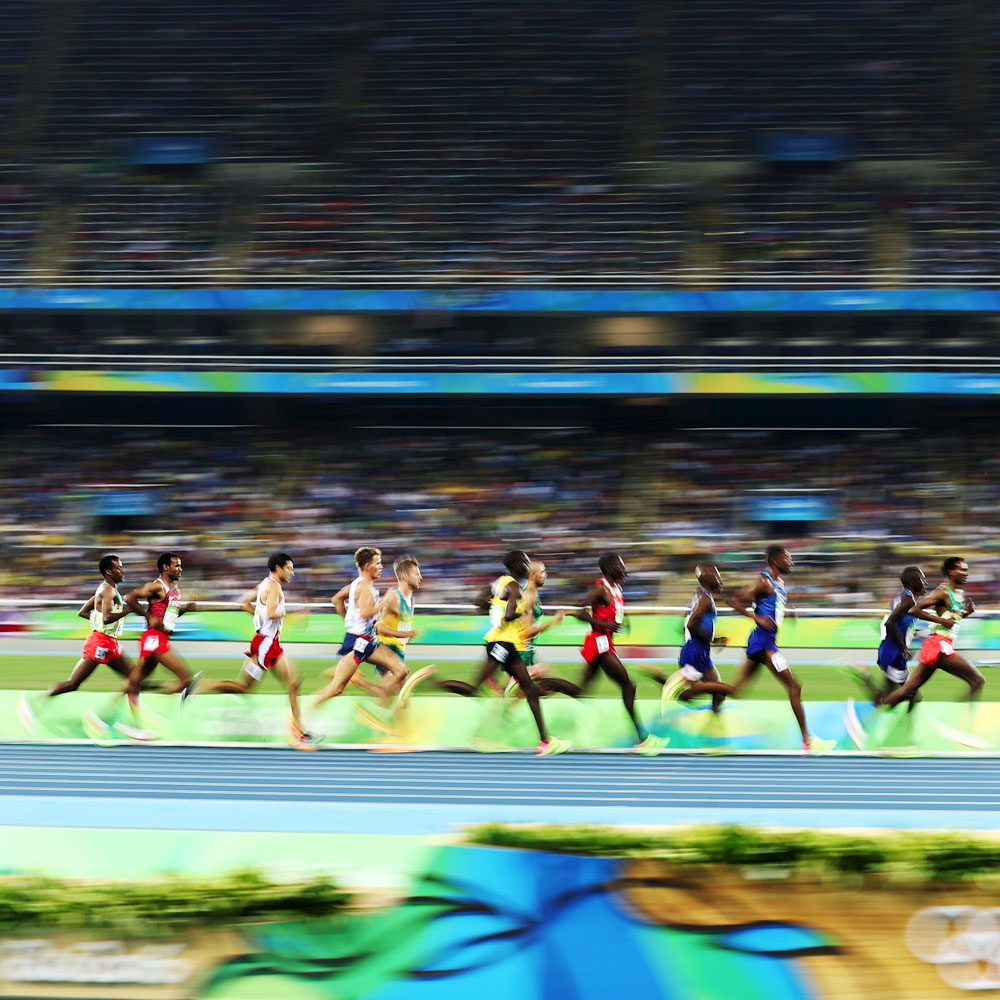
    MUMBAI: With 191 million viewers tuning into watch the just concluded Rio Olympics in Brazil and every two out of three doing so on Star Sports channels, coupled with nearly 70 percent of the reach of television in affluent homes in the top 6 metros via digital platform Hotstar, it has been a gold medal performance from Star India.

    This statement from Star India today when the media world is talking about a over US$ 350 million buyout of TEN Sports by Sony Pictures Network India, is important from the point of view of sports broadcasting in India. SPNI also runs co-branded sports channels with ESPN.

    “For us, it is a matter of pride that Star Sports is the destination network for multi sports consumption in the country. Our endeavour to build a multi sports ecosystem is being rewarded with audience interest and attention not just in cricket but even in other sports…Star India’s unprecedented reach made the Rio 2016 Olympic Games the most epic sporting event in the history of viewing sports in India,” an official statement from Star quoted Star Sports CEO Nitin Kukreja as saying.

    The immersive and data rich experience, backed by powerful visuals and marketing, has once again created history in terms of user delight, translating into the highest ever viewership of Olympics in India, Star claimed.

    “As the official television broadcaster in India (the Olympics feed were shared with pubcaster Doordarshan by Star under stipulated regulations), Star Sports brought the game alive and the Rio 2016 Olympic Games was bigger than ever before with an unprecedented 191 million viewers (as per BARC data; CS 4+ Urban) tuning in to watch the games,” the Star statement stated, highlighting that two out of every three viewers tuned in to watch the mega event on the Star Sports network, thus “re-establishing its credentials as one of the leading sports networks in India capable of delivering national impact across geographies and demographics.”

    Hotstar, the exclusive digital streaming partner in India for the Rio Games, providing round the clock coverage of the games with 14 live streams for sports fans, attracted nearly “70 per cent of the reach of television in affluent homes in the top 6 metros” delivering an incremental reach of almost 10 million viewers in India with viewers streaming almost an hour of the Games during the two weeks, propelling Olympics into the top brackets of sporting events covered online, Star said.

    The standout highlight of the tournament was when India came together to watch the thrilling badminton women’s singles final between PV Sindhu and Spain’s Carolina Marin.

    The gruelling gold medal encounter garnered 17.2million impressions (again BARC data), making it the highest viewed TV programme on that day. It was also the highest rated non-cricket game on any sports network since the inception of BARC. On Hotstar, more than 5 million viewers tuned in to watch the match live, unprecedented for any event outside of international cricket, Star statement added.

    According to Hotstar CEO Ajit Moha, “As the world celebrated its sports champions, Hotstar enabled an experience that was unprecedented for sports fans not just in India but anywhere in the world: free access to almost every single moment of the Olympics fans with big moments being curated and showcased on the platform round the clock. Olympics allowed us to showcase our mission of building India’s most exciting content destination on demand.”

    With Star Sports channels showing various disciplines of Rio Games, including one channel dedicated to Hindi commentary, Star also undertook a massive campaign #IsseBadaKuchNahi ( nothing is bigger than this) focused on the stature of the Olympics as well as the medal prospects from India.

    Star Sports, which has some premier sporting properties in its portfolio, has been creating a multi-sport ecosystem in India. In 2016, from the ICC World T20 to Seasons 3 & 4 of Pro Kabaddi to the recently concluded Olympics, with each of these events delivering in excess of 175 million audiences at an all-India level (Source: BARC). Further in the year ahead, Star Sports has a multi-sport calendar coming up, consisting of 2016 Kabaddi World Cup in Ahmedabad, the international cricket season at home for team India and the Indian Super League.

    Hotstar, having already established itself as the premier digital sports destination in India, offered the widest possible coverage of all 42 sports with over 3000 hours of live coverage on the web, and 14+ streams running on the app all day. Its communication was focused on the massive choice it offered sports fans, with access to every moment of the Olympics and the convenience of watching live games or catching up on big performances any time of the day.

  • Star’s multi-screen Rio 2016 coverage gets thumbs up from viewers

    Star’s multi-screen Rio 2016 coverage gets thumbs up from viewers

    MUMBAI: With 191 million viewers tuning into watch the just concluded Rio Olympics in Brazil and every two out of three doing so on Star Sports channels, coupled with nearly 70 percent of the reach of television in affluent homes in the top 6 metros via digital platform Hotstar, it has been a gold medal performance from Star India.

    This statement from Star India today when the media world is talking about a over US$ 350 million buyout of TEN Sports by Sony Pictures Network India, is important from the point of view of sports broadcasting in India. SPNI also runs co-branded sports channels with ESPN.

    “For us, it is a matter of pride that Star Sports is the destination network for multi sports consumption in the country. Our endeavour to build a multi sports ecosystem is being rewarded with audience interest and attention not just in cricket but even in other sports…Star India’s unprecedented reach made the Rio 2016 Olympic Games the most epic sporting event in the history of viewing sports in India,” an official statement from Star quoted Star Sports CEO Nitin Kukreja as saying.

    The immersive and data rich experience, backed by powerful visuals and marketing, has once again created history in terms of user delight, translating into the highest ever viewership of Olympics in India, Star claimed.

    “As the official television broadcaster in India (the Olympics feed were shared with pubcaster Doordarshan by Star under stipulated regulations), Star Sports brought the game alive and the Rio 2016 Olympic Games was bigger than ever before with an unprecedented 191 million viewers (as per BARC data; CS 4+ Urban) tuning in to watch the games,” the Star statement stated, highlighting that two out of every three viewers tuned in to watch the mega event on the Star Sports network, thus “re-establishing its credentials as one of the leading sports networks in India capable of delivering national impact across geographies and demographics.”

    Hotstar, the exclusive digital streaming partner in India for the Rio Games, providing round the clock coverage of the games with 14 live streams for sports fans, attracted nearly “70 per cent of the reach of television in affluent homes in the top 6 metros” delivering an incremental reach of almost 10 million viewers in India with viewers streaming almost an hour of the Games during the two weeks, propelling Olympics into the top brackets of sporting events covered online, Star said.

    The standout highlight of the tournament was when India came together to watch the thrilling badminton women’s singles final between PV Sindhu and Spain’s Carolina Marin.

    The gruelling gold medal encounter garnered 17.2million impressions (again BARC data), making it the highest viewed TV programme on that day. It was also the highest rated non-cricket game on any sports network since the inception of BARC. On Hotstar, more than 5 million viewers tuned in to watch the match live, unprecedented for any event outside of international cricket, Star statement added.

    According to Hotstar CEO Ajit Moha, “As the world celebrated its sports champions, Hotstar enabled an experience that was unprecedented for sports fans not just in India but anywhere in the world: free access to almost every single moment of the Olympics fans with big moments being curated and showcased on the platform round the clock. Olympics allowed us to showcase our mission of building India’s most exciting content destination on demand.”

    With Star Sports channels showing various disciplines of Rio Games, including one channel dedicated to Hindi commentary, Star also undertook a massive campaign #IsseBadaKuchNahi ( nothing is bigger than this) focused on the stature of the Olympics as well as the medal prospects from India.

    Star Sports, which has some premier sporting properties in its portfolio, has been creating a multi-sport ecosystem in India. In 2016, from the ICC World T20 to Seasons 3 & 4 of Pro Kabaddi to the recently concluded Olympics, with each of these events delivering in excess of 175 million audiences at an all-India level (Source: BARC). Further in the year ahead, Star Sports has a multi-sport calendar coming up, consisting of 2016 Kabaddi World Cup in Ahmedabad, the international cricket season at home for team India and the Indian Super League.

    Hotstar, having already established itself as the premier digital sports destination in India, offered the widest possible coverage of all 42 sports with over 3000 hours of live coverage on the web, and 14+ streams running on the app all day. Its communication was focused on the massive choice it offered sports fans, with access to every moment of the Olympics and the convenience of watching live games or catching up on big performances any time of the day.

  • Introducing digital measurement is more a political hurdle, than technical

    Introducing digital measurement is more a political hurdle, than technical

    NEW DELHI: Who is afraid of the yardstick, and an authentic one? The digital media has been a victim of many a misnomers. “Easily measurable” media, for example. The assumption stems from advertisers taking their campaigns’ ‘views’ or social media numbers at face value, and not questioning agencies on the effectiveness of paid or inorganic reach gained through proxies or hoax accounts.

    This fundamental lack of understanding or ignorance of duping digital figures comes in the way of measuring effective digital media consumption — an issue that the four-person panel gathered at Broadcast Audience Research Council (BARC) India’s session at Zee MELT were keen to address.

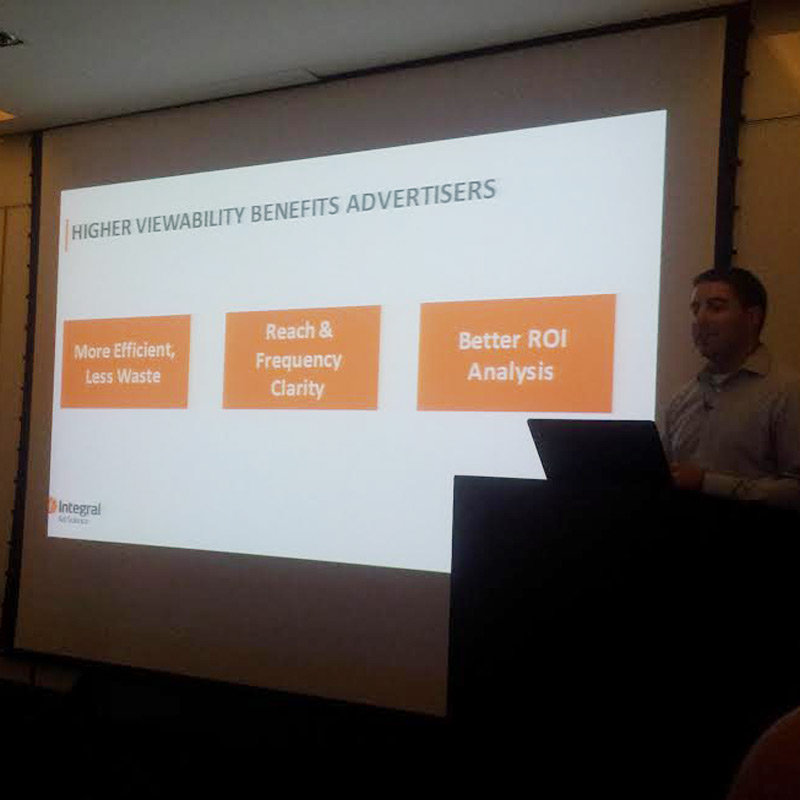
    The panelists were — Integral Ad Science product management VP Brian Murphy, comScore strategic partnerships SVP Paul Goode, Moat APAC director Guy Barbier, and BARC India CEO Partho Dasgupta.

    To put the panel discussion in context, BARC India is on an ambitious mission to roll out digital ratings in the country based on viewability in a few months. The aim is to measure unduplicated audiences across all devices and platforms together through a neutral third-party monitor. If that were achieved, BARC India will become the first rating agency to provide a TV+ digital viewership measurement service across the globe.

    Introducing a standard digital measurability in India was a high mountain hall, thankfully, the country could fast-forward the progress by learning from other mature markets such as the US, and Europe, Murphy suggested.

    “The first lesson learned is to accept that third-party javascript is not commonplace with publishers. There are both, policy and technological limitations,” he said. Secondly, Murphy observed, the stakeholders needed to be open about what could and could not be measured.

    The measurability standards need to be based on a realistic picture, after all.

    The panel also raised concerns that are perhaps unique to emerging markets such as India. From an advertiser’s perspective, a lot of the current digital traffic can be dismissed as invalid (due to duplication or its irrelevance to the brand). Given the fact that India is still at a nascent stage when it comes to digital marketing, will it deter advertisers from investing into the medium? Or else, advertisers can continue to rely on their existing media options that have been fruitful, and avoid the digital medium.

    While India has a relatively cleaner slate, it has already set out on the digital transformation path, however smaller it may be. Thus, there was no turning back for brands, Murphy noted. The real challenge would be to bring brands and publishers to come to terms if the standard measurement data, when rolled out, was below their expectations. “Coming to terms with the fact that you weren’t really getting the numbers you thought you were, is the real challenge,” Goode pointed out.

    The uneven brands-platforms power ratio was discussed as well, keeping in mind the growing digital ecosystem in India. “Those with the advertisement dollars will always have an upper hand. Its true for any market,” said Barbier, adding a global perspective. Traditional TV advertisers in India too are known to flex their muscle when it comes to getting their money’s worth. Advertisers buying spots during cricket matches sometimes refuse to pay the full worth of a spot if a part of the advertisement was cut out due to live coverage limitations, the panel cited.

    When it comes to programmatic media management, the assumption that the digital inventory is endless has been a hindrance to bringing in the advertisement dollars for premium inventory.

    Advertisement blocking was the elephant in the room that the panel dared to address. The panel established the fact that irresponsibly placing advertisement that causes the viewer inconvenience doesn’t serve anyone, be it the publisher or the advertiser. A huge advertisement that dominates the entire screen may not be able to provide an advertiser the desired viewability. On the contrary, it may put off the viewer from the publisher’s content. Success metrics can be driven by content and context, instead of blindly maximizing visibility of a campaign.

    Queuing back to introduction of digital measurement in a new market, the moderator raises the question: on which factors does the success of a digital measurement system depend? Threatened by the disruption that digital measurement may bring into their businesses, several publishers are bound to resist the introduction of a new digital currency, afraid that it will devalue their inventories.

    Broadcasters too are concerned that their metrics may not be able to keep up with that of digital, if both the mediums were to be judged on the basis of viewability numbers.

    Therefore, even after establishing the technological backbone for the measurement system, it cannot take off. This was seen in the case of Spain. Thus, establishing a digital measurement standard is a bigger political challenge than technological.

    When it comes to India, Dasgupta is optimistic that the level of resistance will not hinder the progress of the initiative in the market. “When it comes to videos, our confidence in the system comes from the number of major broadcasting partners that have signed up for this system. Moreover, the biggest push is coming from big brands and the Levers of the world who want an apple to apple comparison between television and digital videos,” Dasgupta concluded on an optimistic note.

  • Introducing digital measurement is more a political hurdle, than technical

    Introducing digital measurement is more a political hurdle, than technical

    NEW DELHI: Who is afraid of the yardstick, and an authentic one? The digital media has been a victim of many a misnomers. “Easily measurable” media, for example. The assumption stems from advertisers taking their campaigns’ ‘views’ or social media numbers at face value, and not questioning agencies on the effectiveness of paid or inorganic reach gained through proxies or hoax accounts.

    This fundamental lack of understanding or ignorance of duping digital figures comes in the way of measuring effective digital media consumption — an issue that the four-person panel gathered at Broadcast Audience Research Council (BARC) India’s session at Zee MELT were keen to address.

    The panelists were — Integral Ad Science product management VP Brian Murphy, comScore strategic partnerships SVP Paul Goode, Moat APAC director Guy Barbier, and BARC India CEO Partho Dasgupta.

    To put the panel discussion in context, BARC India is on an ambitious mission to roll out digital ratings in the country based on viewability in a few months. The aim is to measure unduplicated audiences across all devices and platforms together through a neutral third-party monitor. If that were achieved, BARC India will become the first rating agency to provide a TV+ digital viewership measurement service across the globe.

    Introducing a standard digital measurability in India was a high mountain hall, thankfully, the country could fast-forward the progress by learning from other mature markets such as the US, and Europe, Murphy suggested.

    “The first lesson learned is to accept that third-party javascript is not commonplace with publishers. There are both, policy and technological limitations,” he said. Secondly, Murphy observed, the stakeholders needed to be open about what could and could not be measured.

    The measurability standards need to be based on a realistic picture, after all.

    The panel also raised concerns that are perhaps unique to emerging markets such as India. From an advertiser’s perspective, a lot of the current digital traffic can be dismissed as invalid (due to duplication or its irrelevance to the brand). Given the fact that India is still at a nascent stage when it comes to digital marketing, will it deter advertisers from investing into the medium? Or else, advertisers can continue to rely on their existing media options that have been fruitful, and avoid the digital medium.

    While India has a relatively cleaner slate, it has already set out on the digital transformation path, however smaller it may be. Thus, there was no turning back for brands, Murphy noted. The real challenge would be to bring brands and publishers to come to terms if the standard measurement data, when rolled out, was below their expectations. “Coming to terms with the fact that you weren’t really getting the numbers you thought you were, is the real challenge,” Goode pointed out.

    The uneven brands-platforms power ratio was discussed as well, keeping in mind the growing digital ecosystem in India. “Those with the advertisement dollars will always have an upper hand. Its true for any market,” said Barbier, adding a global perspective. Traditional TV advertisers in India too are known to flex their muscle when it comes to getting their money’s worth. Advertisers buying spots during cricket matches sometimes refuse to pay the full worth of a spot if a part of the advertisement was cut out due to live coverage limitations, the panel cited.

    When it comes to programmatic media management, the assumption that the digital inventory is endless has been a hindrance to bringing in the advertisement dollars for premium inventory.

    Advertisement blocking was the elephant in the room that the panel dared to address. The panel established the fact that irresponsibly placing advertisement that causes the viewer inconvenience doesn’t serve anyone, be it the publisher or the advertiser. A huge advertisement that dominates the entire screen may not be able to provide an advertiser the desired viewability. On the contrary, it may put off the viewer from the publisher’s content. Success metrics can be driven by content and context, instead of blindly maximizing visibility of a campaign.

    Queuing back to introduction of digital measurement in a new market, the moderator raises the question: on which factors does the success of a digital measurement system depend? Threatened by the disruption that digital measurement may bring into their businesses, several publishers are bound to resist the introduction of a new digital currency, afraid that it will devalue their inventories.

    Broadcasters too are concerned that their metrics may not be able to keep up with that of digital, if both the mediums were to be judged on the basis of viewability numbers.

    Therefore, even after establishing the technological backbone for the measurement system, it cannot take off. This was seen in the case of Spain. Thus, establishing a digital measurement standard is a bigger political challenge than technological.

    When it comes to India, Dasgupta is optimistic that the level of resistance will not hinder the progress of the initiative in the market. “When it comes to videos, our confidence in the system comes from the number of major broadcasting partners that have signed up for this system. Moreover, the biggest push is coming from big brands and the Levers of the world who want an apple to apple comparison between television and digital videos,” Dasgupta concluded on an optimistic note.

  • BARC Week 33: Pay TV channels declines in ratings

    BARC Week 33: Pay TV channels declines in ratings

    MUMBAI: The standout of week 33 was the fall in ratings for all the major pay TV Hindi general entertainment channels, according to Broadcast Audience Research Council (BARC) all India data.

    Other noteworthy changes were: Big Magic exited the Rural HSM top ten channels list and Sab TV came in at number 10.  

    Urban + Rural HSM

    Star Plus continued as the  undisputed leader in the general entertainment channel genre even after a fall in ratings with 668069 Impressions (000s) as against 691536 Impressions (000). Star Utsav too witnessed a fall but maintained its position at number two with 549545 Impressions (000s) followed by Zee TV at third  position with 542520 Impressions (000s) against 598686 Impressions (000s). Fourth placed Colors generated 508811 Impressions (000s) as against 586734 Impressions (000s).

    Zee Anmol on the fifth spot with 479214 Impressions (000) against 490427 Impressions (000s) and number six was Life OK with 405279 Impressions (000s).

    In week 33, Sony Pal stood at seventh with 401288 Impressions (000s) and SPN’s other channels Sab TV and Sony Entertainment Television grabbed eight and ninth spot with 375133 Impressions (000s) and 369158 Impressions (000s) respectively.

    Rishtey bagged the tenth spot with 300669 Impressions (000s).

    Rural HSM

    In week 33, Star Utsav maintained its leadership position with 417767 Impressions against 4461095 Impressions (000s) in week 32, followed by Zee Anmol  at second position with 367641 Impressions (000s) and Sony Pal on the third spot with 309802 Impressions (000s). Zee TV retained its fourth position with 231427 Impressions (000s).

    Rishtey replaced Star Plus on fifth place with 222953 Impressions (000s)  and Star Plus  bagged the sixth spot with 216435 Impressions (000s) followed by Colors at number seven with 151145 Impressions (000s). Life Ok stood at eight with 147949 Impressions (000s) followed by Sony Entertainment Television at ninth place with 105116  Impressions (000s) while Sab TV entered the list at tenth spot with 103480 Impressions (000s). Big Magic exited this week.

    Urban HSM

    Star Plus garnered the pole position even after a dip ratings with 451634 Impression (000s)against   475066 Impressions (000s) in week 33 followed by Colors at second place with 357667 Impressions (000s) and Zee TV with 311093 Impressions (000s) stood at number three.

    Sab TV grabbed the fourth spot with 271653 Impressions (000s) followed by Sony Entertainment Television  at fifth with 257330 Impressions (000s) and Life Ok with 264041 Impressions (000s).
    In urban HSM,  &TV maintained its number seven position with 159776 Impressions (000s) followed by Star Utsav with 131778 Impressions (000s) on eighth and Zee Anmol bagged ninth spot with 111573 Impressions (000s).  Sony Pal was at tenth with 91486 Impressions (000s).