Tag: BARC India

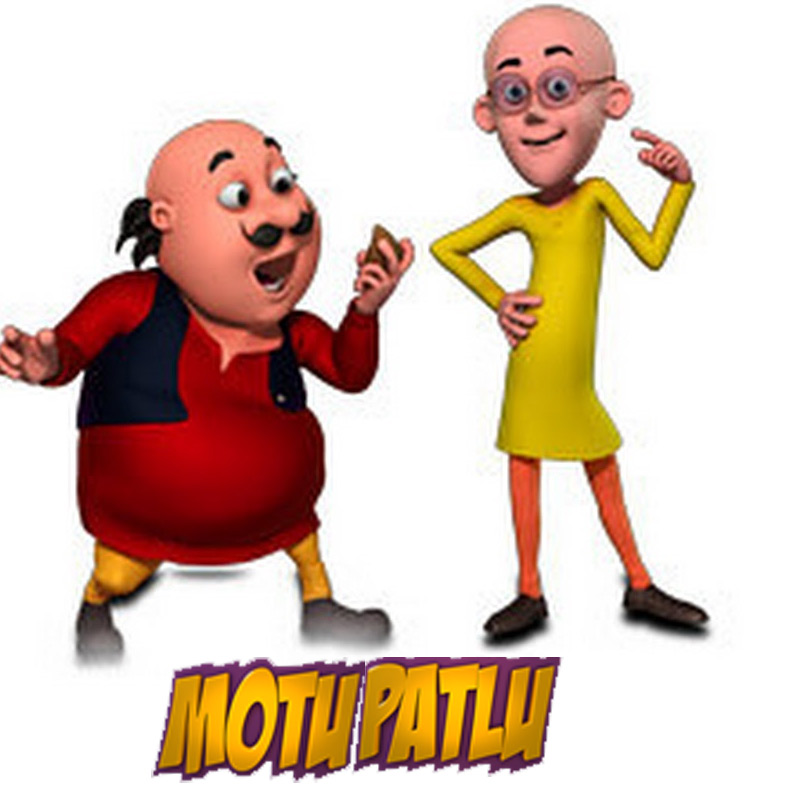
  • Motu Patlu slips; Nick maintains lead: BARC week 48

    Motu Patlu slips; Nick maintains lead: BARC week 48

    MUMBAI: Going by Broadcast Audience Research Council (BARC) India’s all India (U+R) data for week 48  in NCCS All 4-14 Individuals category, Cartoon Network’s Bhoot and Friends displaced Motu Patlu at the number one position.

    When it comes to the channel rankings however, ‘Bhoot and Friends’ good performance didn’t win Cartoon Network the top spot. Viacom 18’s Nick stayed strong as the leader of the genre with  69602 (000s sums) ratings. Turner International’s Pogo TV was seen at the second spot with  followed by Cartoon Network with 55007 (000s sums) and Disney Channel followed  closely behind with 54226 (000s sums) ratings. Cartoon Network took the fourth spot with a viewership rating of 50955 (000s sums), while Hungama came last amongst the five most watched channels in the genre with a rating of 50341 (000s sums).

    public://barc1_0.jpg
    Cartoon Network’s Bhoot and Friends led the top five kids programmes chart with a rating of 587 (000s sums) closely followed by the all time favourite Motu Patlu 36 Ghantey Race Against  It  with 551 (000s sums) ratings.

    Nick’s Motu Patlu repeated on the third spot as Motu Patlu in Carnival Island  with a viewership  rating of 534 (000s sums), while  Disney Channel’s Doraemon The Movie was fourth most watched programme with 466 (000s sums) ratings.

    public://barc2_0.jpg

    Last but not the least is on the top five program’s list was Pogo TV’s Ek Se Badhkar Ek  with a ratings of 454 (000 sums) . It is to be noted that the top program ranking is based on average rating across all airings in the week, including original telecasts and repeats.


  • Motu Patlu slips; Nick maintains lead: BARC week 48

    Motu Patlu slips; Nick maintains lead: BARC week 48

    MUMBAI: Going by Broadcast Audience Research Council (BARC) India’s all India (U+R) data for week 48  in NCCS All 4-14 Individuals category, Cartoon Network’s Bhoot and Friends displaced Motu Patlu at the number one position.

    When it comes to the channel rankings however, ‘Bhoot and Friends’ good performance didn’t win Cartoon Network the top spot. Viacom 18’s Nick stayed strong as the leader of the genre with  69602 (000s sums) ratings. Turner International’s Pogo TV was seen at the second spot with  followed by Cartoon Network with 55007 (000s sums) and Disney Channel followed  closely behind with 54226 (000s sums) ratings. Cartoon Network took the fourth spot with a viewership rating of 50955 (000s sums), while Hungama came last amongst the five most watched channels in the genre with a rating of 50341 (000s sums).

    public://barc1_0.jpg
    Cartoon Network’s Bhoot and Friends led the top five kids programmes chart with a rating of 587 (000s sums) closely followed by the all time favourite Motu Patlu 36 Ghantey Race Against  It  with 551 (000s sums) ratings.

    Nick’s Motu Patlu repeated on the third spot as Motu Patlu in Carnival Island  with a viewership  rating of 534 (000s sums), while  Disney Channel’s Doraemon The Movie was fourth most watched programme with 466 (000s sums) ratings.

    public://barc2_0.jpg

    Last but not the least is on the top five program’s list was Pogo TV’s Ek Se Badhkar Ek  with a ratings of 454 (000 sums) . It is to be noted that the top program ranking is based on average rating across all airings in the week, including original telecasts and repeats.


  • Which TV content grabs south India’s eyeballs?

    Which TV content grabs south India’s eyeballs?

    MUMBAI: When we talk about the television industry, everyone is aware that the Hindi-speaking market is vast. However, a significant part of the industry is concentrated in another part of India — the southern market. Its a highly influential market for advertisers.

    A recent newsletter released by the television ratings body Broadcast Audience Research Council (BARC) India ‘South Special Edition’ seeks to answer all the questions as to how the southern India is different from HSM w.r.t. important audience metrics? How southern states differ from each other in terms of programme theme preferences.

    Avg. Time Spent (ATS) vs Opportunity to See (OTS) and performance of product categories? How does the popular Hindi content dubbed in southern languages perform? And, most importantly, what the southern market watches on its television sets?

    As per the BARC study, south India has a lower share in the movies genre as compared to GEC. On the other hand, its share in GEC and news channels is higher than HSM. Also, within the regions, the relative ranking for most genres remains constant across HSM and South.

    public://barc3.jpg

    Surprisingly, programme themes and channel genres do not show the same trends across HSM and South. Serials, which are the staple of GEC channels (which saw the highest share in terms of channel genre), sees a drop in share for South as compared to the share for channel genre.

    Similarly, while movie channels are viewed lesser than HSM, in South, the trend is reversed when it comes to film-based programs i.e. South has a higher share compared to HSM.

    public://barc4.jpg

    The study also shows that South Indian viewership seems to begin earlier in the day than HSM and also end up earlier. South has a higher viewership than HSM only during  early morning hours (05:00-08:00).

    public://barc1.jpg

    Tile the gap between HSM and South reduces marginally during 18:00-21:00  hrs. South seems to have an earlier prime¬ time than HSM. It is clear that South and HSM do not have the same viewership trends.

    public://barc2.jpg

    BARC studies showed that the Southern Market shows the highest inclination towards film-based content followed by serials driven by AP/Telangana and Kerala, respectively. Kerala watches less movies as compared to other markets.

    public://barc5.jpg

    On the other hand, AP/Telangana watches less serials and more of news than other southern markets. In most of the markets, the most watched TV content is film-based followed by serials. Content based on music and tourism is the least popular in southern markets.

    How different are southern states in terms of rural and urban?

    The urban and rural viewership is comparable throughout the day with both seeing a peak during the prime-time. However, as opposed to the rest of the day, during prime-time hours, it is mainly the rural markets which seem to be driving the viewership and not urban markets.

    public://barc8.jpg

    When we look at states within urban and rural markets,  while rural markets have similar viewership trends across states, it is not the same case with urban markets. In urban markets, the viewership among markets differs between prime time hours and non-prime time hours. During non-prime time hours, AP/Telangana has a maximum viewership. After AP/Telangana, the maximum viewership alternates between TN/Pondicherry and Karnataka markets with Kerala having the lowest viewership for most day parts.

    public://barc9.jpg

    However, during prime time hours, this order is completely changed. Urban Karnataka has the maximum viewership post 21:00 hrs and this lead continues into late night  hours as well.

    What is interesting is that even among the rural markets, Karnataka displays similar behaviour with respect to prime time viewership. During late night  hours, Kerala, which is a relatively smaller market, sees the highest viewership.

    public://barc10.jpg

    Conversely, TN/Pondicherry, which is one of the bigger markets during non-primetime hours, shows the least viewership during prime time hours in both rural and urban markets.

    How is Hindi content dubbed in south languages performing?

    Popular content from Hindi GECs is now being dubbed and shown on southern GECs. This phenomenon is seen across all southern states with the exception of Karnataka. Shows from leading channels such as Star Plus (Diya Aur Baati Hum. Siya Ke Ram. etc.), Colors (Naagin. Sasural Simar Ka, Balika Vadhu, etc.), Zee TV (Gangaa, Kumkum Bhagya, Ek Mutthi Aasman, etc.) and Sony (CID, Bade Achhe Lagte Hai, etc.), have been dubbed.

    Interestingly, in AP/Telangana market, none of the channels sees an increase in viewership for Hindi dubbed content. In the other two markets, viz. Kerala and TN/Pondicherry, Hindi dubbed content sees a mixed response with some channels seeing a higher viewership than the original content in regional language.

    In the Kerala market, the highest spike is seen by Asianet Plus. Similarly, in TN/Pondicherry market, maximum growth is seen by Polimer, where the viewership for Hindi dubbed content is more than double that of the original content. This is on the back of several popular shows.

    public://barc11.jpg


  • Which TV content grabs south India’s eyeballs?

    Which TV content grabs south India’s eyeballs?

    MUMBAI: When we talk about the television industry, everyone is aware that the Hindi-speaking market is vast. However, a significant part of the industry is concentrated in another part of India — the southern market. Its a highly influential market for advertisers.

    A recent newsletter released by the television ratings body Broadcast Audience Research Council (BARC) India ‘South Special Edition’ seeks to answer all the questions as to how the southern India is different from HSM w.r.t. important audience metrics? How southern states differ from each other in terms of programme theme preferences.

    Avg. Time Spent (ATS) vs Opportunity to See (OTS) and performance of product categories? How does the popular Hindi content dubbed in southern languages perform? And, most importantly, what the southern market watches on its television sets?

    As per the BARC study, south India has a lower share in the movies genre as compared to GEC. On the other hand, its share in GEC and news channels is higher than HSM. Also, within the regions, the relative ranking for most genres remains constant across HSM and South.

    public://barc3.jpg

    Surprisingly, programme themes and channel genres do not show the same trends across HSM and South. Serials, which are the staple of GEC channels (which saw the highest share in terms of channel genre), sees a drop in share for South as compared to the share for channel genre.

    Similarly, while movie channels are viewed lesser than HSM, in South, the trend is reversed when it comes to film-based programs i.e. South has a higher share compared to HSM.

    public://barc4.jpg

    The study also shows that South Indian viewership seems to begin earlier in the day than HSM and also end up earlier. South has a higher viewership than HSM only during  early morning hours (05:00-08:00).

    public://barc1.jpg

    Tile the gap between HSM and South reduces marginally during 18:00-21:00  hrs. South seems to have an earlier prime¬ time than HSM. It is clear that South and HSM do not have the same viewership trends.

    public://barc2.jpg

    BARC studies showed that the Southern Market shows the highest inclination towards film-based content followed by serials driven by AP/Telangana and Kerala, respectively. Kerala watches less movies as compared to other markets.

    public://barc5.jpg

    On the other hand, AP/Telangana watches less serials and more of news than other southern markets. In most of the markets, the most watched TV content is film-based followed by serials. Content based on music and tourism is the least popular in southern markets.

    How different are southern states in terms of rural and urban?

    The urban and rural viewership is comparable throughout the day with both seeing a peak during the prime-time. However, as opposed to the rest of the day, during prime-time hours, it is mainly the rural markets which seem to be driving the viewership and not urban markets.

    public://barc8.jpg

    When we look at states within urban and rural markets,  while rural markets have similar viewership trends across states, it is not the same case with urban markets. In urban markets, the viewership among markets differs between prime time hours and non-prime time hours. During non-prime time hours, AP/Telangana has a maximum viewership. After AP/Telangana, the maximum viewership alternates between TN/Pondicherry and Karnataka markets with Kerala having the lowest viewership for most day parts.

    public://barc9.jpg

    However, during prime time hours, this order is completely changed. Urban Karnataka has the maximum viewership post 21:00 hrs and this lead continues into late night  hours as well.

    What is interesting is that even among the rural markets, Karnataka displays similar behaviour with respect to prime time viewership. During late night  hours, Kerala, which is a relatively smaller market, sees the highest viewership.

    public://barc10.jpg

    Conversely, TN/Pondicherry, which is one of the bigger markets during non-primetime hours, shows the least viewership during prime time hours in both rural and urban markets.

    How is Hindi content dubbed in south languages performing?

    Popular content from Hindi GECs is now being dubbed and shown on southern GECs. This phenomenon is seen across all southern states with the exception of Karnataka. Shows from leading channels such as Star Plus (Diya Aur Baati Hum. Siya Ke Ram. etc.), Colors (Naagin. Sasural Simar Ka, Balika Vadhu, etc.), Zee TV (Gangaa, Kumkum Bhagya, Ek Mutthi Aasman, etc.) and Sony (CID, Bade Achhe Lagte Hai, etc.), have been dubbed.

    Interestingly, in AP/Telangana market, none of the channels sees an increase in viewership for Hindi dubbed content. In the other two markets, viz. Kerala and TN/Pondicherry, Hindi dubbed content sees a mixed response with some channels seeing a higher viewership than the original content in regional language.

    In the Kerala market, the highest spike is seen by Asianet Plus. Similarly, in TN/Pondicherry market, maximum growth is seen by Polimer, where the viewership for Hindi dubbed content is more than double that of the original content. This is on the back of several popular shows.

    public://barc11.jpg


  • BARC India suspends three errant channels’ review

    BARC India suspends three errant channels’ review

    MUMBAI: Broadcast Audience Research Council (BARC), the only television audience measurement body in India, has temporarily suspended the review of viewership of three news channels.

    An industry source confirmed the news to Indiantelevision.com that BARC has communicated to all the broadcasters that ratings for India News, TV9 Telegu and V6 News have been suspended owing to suspected mala fide practices. These news channels will not be seen in latest ratings as well.

    BARC India neither confirmed nor denied the information when Indiantelevision.com got in touch with the ratings agency.

    The weekly review of the three channels has been suspended for four weeks, and their review will not be published from the current BARC Week 46 to BARC Week 49.

    Contacted by Indiantelevision.com on the BARC India notice, V6 News CEO Ravi Ankam communicated through chief technical officer Kishore Kumar, “We ourselves are shocked at this. I’m sure there has been a mistake and we are talking about this with the BARC management. V6 News is known for its uniqueness in responsible journalism and is popular among the masses. V6 management would never depend on such unnecessary manipulation.”

    Bangalore-based TV 9 head of marketing (who is in-charge of the media department) Clifford Pereira chose not to receive calls from Indiantelevision.com. (BARC India’s ratings in Week-38 reiterated the undisputed dominance of Ravi Prakash’s TV 9 in Telugu news channel segment with 210.5 Gross Rating Point. )

    India News CEO Varun Kohli, via an email response, said, “We are shocked to hear this and are seized of the decision taken by BARC. We are trying to talk to all the stakeholders, including BARC, to resolve the matter and address any misgivings. We are confident that the matter will be sorted out soon. We are a credible network in the broadcasting business for the last eight years and have shown consistent growth for the last five years in TAM and BARC ratings. We believe in the transparency of the system and intend getting to the bottom of the matter and exploring all options available to us.”

    ITV Media Network managing director Kartikeya Sharma chose not to speak on this issue. Someone else picked up his mobile phone when Indiantelevision.com dialled him, excused himself, and never got back when asked to react to the development related to BARC.

    It may be recalled that, in October, BARC India and Kerala TV Federation (KTF) had filed a joint police complaint with the director-general of Kerala Police after receiving complaints regarding attempts to retrieve addresses of BARC India panel homes and alleged efforts made to influence viewing trends.

    The basis of the police complaint was BARC India vigilance team’s collation of conclusive evidence of more than one effort to tamper with BARC’s audience measurement system in favour of a couple of channels. Preliminary scrutiny by on-ground vigilance team confirmed that attempts were made by some individuals to not only find out addresses of BARC India panel homes but also to incentivise them and influence their viewership patterns.

    BARC’s predecessor TAM India too had been plagued with allegations of such manipulations. In the late 1990s and early 2000s even a list of TAM India meter homes were circulated to media houses hinting that the measurement was not foolproof.

    Learning from such lapses, BARC during its formative stages, undertook measures such as resorting to water-marking technology to plug loopholes.

  • BARC India suspends three errant channels’ review

    BARC India suspends three errant channels’ review

    MUMBAI: Broadcast Audience Research Council (BARC), the only television audience measurement body in India, has temporarily suspended the review of viewership of three news channels.

    An industry source confirmed the news to Indiantelevision.com that BARC has communicated to all the broadcasters that ratings for India News, TV9 Telegu and V6 News have been suspended owing to suspected mala fide practices. These news channels will not be seen in latest ratings as well.

    BARC India neither confirmed nor denied the information when Indiantelevision.com got in touch with the ratings agency.

    The weekly review of the three channels has been suspended for four weeks, and their review will not be published from the current BARC Week 46 to BARC Week 49.

    Contacted by Indiantelevision.com on the BARC India notice, V6 News CEO Ravi Ankam communicated through chief technical officer Kishore Kumar, “We ourselves are shocked at this. I’m sure there has been a mistake and we are talking about this with the BARC management. V6 News is known for its uniqueness in responsible journalism and is popular among the masses. V6 management would never depend on such unnecessary manipulation.”

    Bangalore-based TV 9 head of marketing (who is in-charge of the media department) Clifford Pereira chose not to receive calls from Indiantelevision.com. (BARC India’s ratings in Week-38 reiterated the undisputed dominance of Ravi Prakash’s TV 9 in Telugu news channel segment with 210.5 Gross Rating Point. )

    India News CEO Varun Kohli, via an email response, said, “We are shocked to hear this and are seized of the decision taken by BARC. We are trying to talk to all the stakeholders, including BARC, to resolve the matter and address any misgivings. We are confident that the matter will be sorted out soon. We are a credible network in the broadcasting business for the last eight years and have shown consistent growth for the last five years in TAM and BARC ratings. We believe in the transparency of the system and intend getting to the bottom of the matter and exploring all options available to us.”

    ITV Media Network managing director Kartikeya Sharma chose not to speak on this issue. Someone else picked up his mobile phone when Indiantelevision.com dialled him, excused himself, and never got back when asked to react to the development related to BARC.

    It may be recalled that, in October, BARC India and Kerala TV Federation (KTF) had filed a joint police complaint with the director-general of Kerala Police after receiving complaints regarding attempts to retrieve addresses of BARC India panel homes and alleged efforts made to influence viewing trends.

    The basis of the police complaint was BARC India vigilance team’s collation of conclusive evidence of more than one effort to tamper with BARC’s audience measurement system in favour of a couple of channels. Preliminary scrutiny by on-ground vigilance team confirmed that attempts were made by some individuals to not only find out addresses of BARC India panel homes but also to incentivise them and influence their viewership patterns.

    BARC’s predecessor TAM India too had been plagued with allegations of such manipulations. In the late 1990s and early 2000s even a list of TAM India meter homes were circulated to media houses hinting that the measurement was not foolproof.

    Learning from such lapses, BARC during its formative stages, undertook measures such as resorting to water-marking technology to plug loopholes.

  • Amagi partners with BARC India to offer monitoring of geo-targeted TV ad-campaigns

    Amagi partners with BARC India to offer monitoring of geo-targeted TV ad-campaigns

    MUMBAI: Amagi Media Labs has entered into a partnership agreement with India’s apex television viewership monitoring body BARC India to help advertisers monitor geo-targeted ad-campaigns of brands across TV channels.

    With this partnership, TV networks offering geo-targeted split of its national channels, including their national and regional feeds will be monitored on a separate basis and will be listed across BARC India’s interfaces. This will help Amagi’s advertisers evaluate their national geo-targeted ad-campaigns on BARC India’s software and as a result will increase the credibility of the concept of geo-targeting advertising.

    “Our partnership with the BARC India is a proof of the increasing ad spends of brands geo-targeting on TV. As competition becomes local, be it large brands or small regional brands all of them need to target specific region as their product has specific regional promotional needs. This will help marketers measure the ROI of their targeted TV campaigns and fine tune their media strategies. It will also be a great tool for our future customers to understand the large and varied audiences they can cater to using Amagi’s patented geo-targeting technology”, said Amagi Media Labs co-founder Baskar Subramanian.

    As the industry’s authoritative voice on TV viewership data, BARC India’s association with Amagi will provide transparent and quality data on geo-targeted advertising, thus enhancing its offering to its own clients, and providing unprecedented insights into the viewership patterns of the diverse and heterogeneous Indian market.

    “BARC India has always endeavored towards providing the media industry with cutting edge viewership and advertising data. Our tie up with Amagi in monitoring geo-targeted advertising is a big step in this direction. As more and more companies opt for geo-targeted advertising, the importance of this data is only growing. This partnership is an essential tool in providing the industry with data that will help them plan their campaigns with deeper insights,” said BARC India CEO Partho Dasgupta.

  • Amagi partners with BARC India to offer monitoring of geo-targeted TV ad-campaigns

    Amagi partners with BARC India to offer monitoring of geo-targeted TV ad-campaigns

    MUMBAI: Amagi Media Labs has entered into a partnership agreement with India’s apex television viewership monitoring body BARC India to help advertisers monitor geo-targeted ad-campaigns of brands across TV channels.

    With this partnership, TV networks offering geo-targeted split of its national channels, including their national and regional feeds will be monitored on a separate basis and will be listed across BARC India’s interfaces. This will help Amagi’s advertisers evaluate their national geo-targeted ad-campaigns on BARC India’s software and as a result will increase the credibility of the concept of geo-targeting advertising.

    “Our partnership with the BARC India is a proof of the increasing ad spends of brands geo-targeting on TV. As competition becomes local, be it large brands or small regional brands all of them need to target specific region as their product has specific regional promotional needs. This will help marketers measure the ROI of their targeted TV campaigns and fine tune their media strategies. It will also be a great tool for our future customers to understand the large and varied audiences they can cater to using Amagi’s patented geo-targeting technology”, said Amagi Media Labs co-founder Baskar Subramanian.

    As the industry’s authoritative voice on TV viewership data, BARC India’s association with Amagi will provide transparent and quality data on geo-targeted advertising, thus enhancing its offering to its own clients, and providing unprecedented insights into the viewership patterns of the diverse and heterogeneous Indian market.

    “BARC India has always endeavored towards providing the media industry with cutting edge viewership and advertising data. Our tie up with Amagi in monitoring geo-targeted advertising is a big step in this direction. As more and more companies opt for geo-targeted advertising, the importance of this data is only growing. This partnership is an essential tool in providing the industry with data that will help them plan their campaigns with deeper insights,” said BARC India CEO Partho Dasgupta.

  • BARC India ropes in Nielsen’s Jamie Kenny as DAM head

    BARC India ropes in Nielsen’s Jamie Kenny as DAM head

    MUMBAI: BARC India has appointed Jamie Kenney as the business head of its digital arm. The move is a part of BARC India’s plan of launching digital audience measurement in the country.

    Jamie has a distinguished career in digital measurement product rollouts from 18 countries spanning from New Zealand, Japan, China, India, Singapore and many more throughout Asia, EU, Latin and South America.

    Prior to join BARC India, Kenny was working with Nielsen in America where he was responsible for strategic digital initiatives, new digital products and expansion, and global digital rollouts, training technical client facing teams to support the rollouts on the ground in 10 countries around the world. He is an expert in the area of Digital Audience Measurement system and has diverse experience in multicultural markets.

    On Kenny’s joining the BARC India family, BARC India CEO Partho Dasgupta said, “After establishing the TV viewership measurement system in the country, we are now moving towards digital audience measurement. Through this, we aim at measuring all forms of online video including ads and content, which will finally culminate in Cross Media measurement.”

    Partho further said, “This is an evolving area worldwide with very few countries having a total solution that we are seeking to have. Jamie in his role will help take BARC India’s digital plans forward.”

    Jamie will be based out of BARC India’s Mumbai office. “While the journey of digital measurement for BARC India is a long and challenging one, in my short time here, I have seen the importance and need for it,” said Kenny.

    “BARC India is working towards measuring the rapidly expanding digital space with the ever-important TV component. Once we launch digital measurement, we will have delivered a cross-platform solution that every major market that I have been to, is craving for,” added Kenny.

    “I can’t wait to work closely with the team at BARC India and the stakeholders that make BARC India continue to drive the industry forward,” concluded Kenny.

  • BARC India ropes in Nielsen’s Jamie Kenny as DAM head

    BARC India ropes in Nielsen’s Jamie Kenny as DAM head

    MUMBAI: BARC India has appointed Jamie Kenney as the business head of its digital arm. The move is a part of BARC India’s plan of launching digital audience measurement in the country.

    Jamie has a distinguished career in digital measurement product rollouts from 18 countries spanning from New Zealand, Japan, China, India, Singapore and many more throughout Asia, EU, Latin and South America.

    Prior to join BARC India, Kenny was working with Nielsen in America where he was responsible for strategic digital initiatives, new digital products and expansion, and global digital rollouts, training technical client facing teams to support the rollouts on the ground in 10 countries around the world. He is an expert in the area of Digital Audience Measurement system and has diverse experience in multicultural markets.

    On Kenny’s joining the BARC India family, BARC India CEO Partho Dasgupta said, “After establishing the TV viewership measurement system in the country, we are now moving towards digital audience measurement. Through this, we aim at measuring all forms of online video including ads and content, which will finally culminate in Cross Media measurement.”

    Partho further said, “This is an evolving area worldwide with very few countries having a total solution that we are seeking to have. Jamie in his role will help take BARC India’s digital plans forward.”

    Jamie will be based out of BARC India’s Mumbai office. “While the journey of digital measurement for BARC India is a long and challenging one, in my short time here, I have seen the importance and need for it,” said Kenny.

    “BARC India is working towards measuring the rapidly expanding digital space with the ever-important TV component. Once we launch digital measurement, we will have delivered a cross-platform solution that every major market that I have been to, is craving for,” added Kenny.

    “I can’t wait to work closely with the team at BARC India and the stakeholders that make BARC India continue to drive the industry forward,” concluded Kenny.