Tag: B2B

  • Zeiss focuses on the future, launches Specslounge.com for opticians

    Zeiss focuses on the future, launches Specslounge.com for opticians

    MUMBAI: Zeiss India, has launched Specslounge.com, a cheeky omni-channel e-commerce platform designed to give its optician partners a digital leg-up. The platform’s all about seamless online transactions, bringing the future of optical retail into sharp focus.

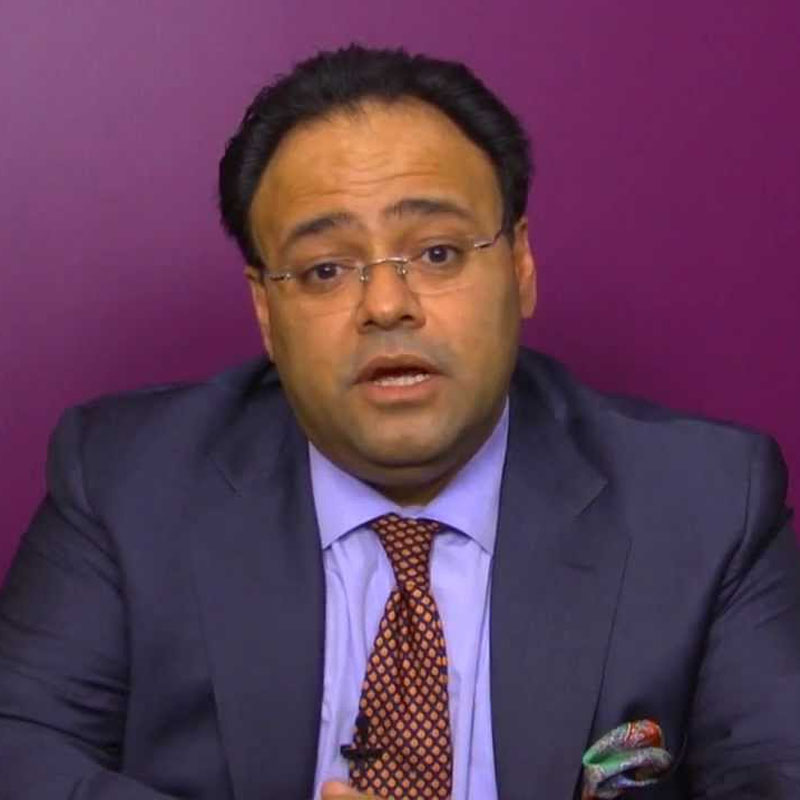
    It’s a strategic wink to its B2B partners, offering a slick online avenue for frame and lens orders. “We’re not ditching the opticians, just giving them a digital makeover,” said Rohan Paul, head of vision care at Zeiss India and neighbouring markets. “Think of it as a lead generator, a sales booster, a bit of digital viagra for their business.”

    Specslounge.com aims to bridge the gap between online convenience and in-store expertise. Customers can browse and order online, but the all-important eye tests, frame fittings, and expert consultations remain firmly in the hands of the local optician. “We’re not replacing the human touch, just giving it a digital handshake,” Paul clarifies.

    “It’s about empowering our partners, giving them the tools to thrive in a digital world,” Paul adds. “And let’s face it, who doesn’t want their specs delivered with a click?”

  • Apurva Jani gets expanded marketing role at Intel India

    Apurva Jani gets expanded marketing role at Intel India

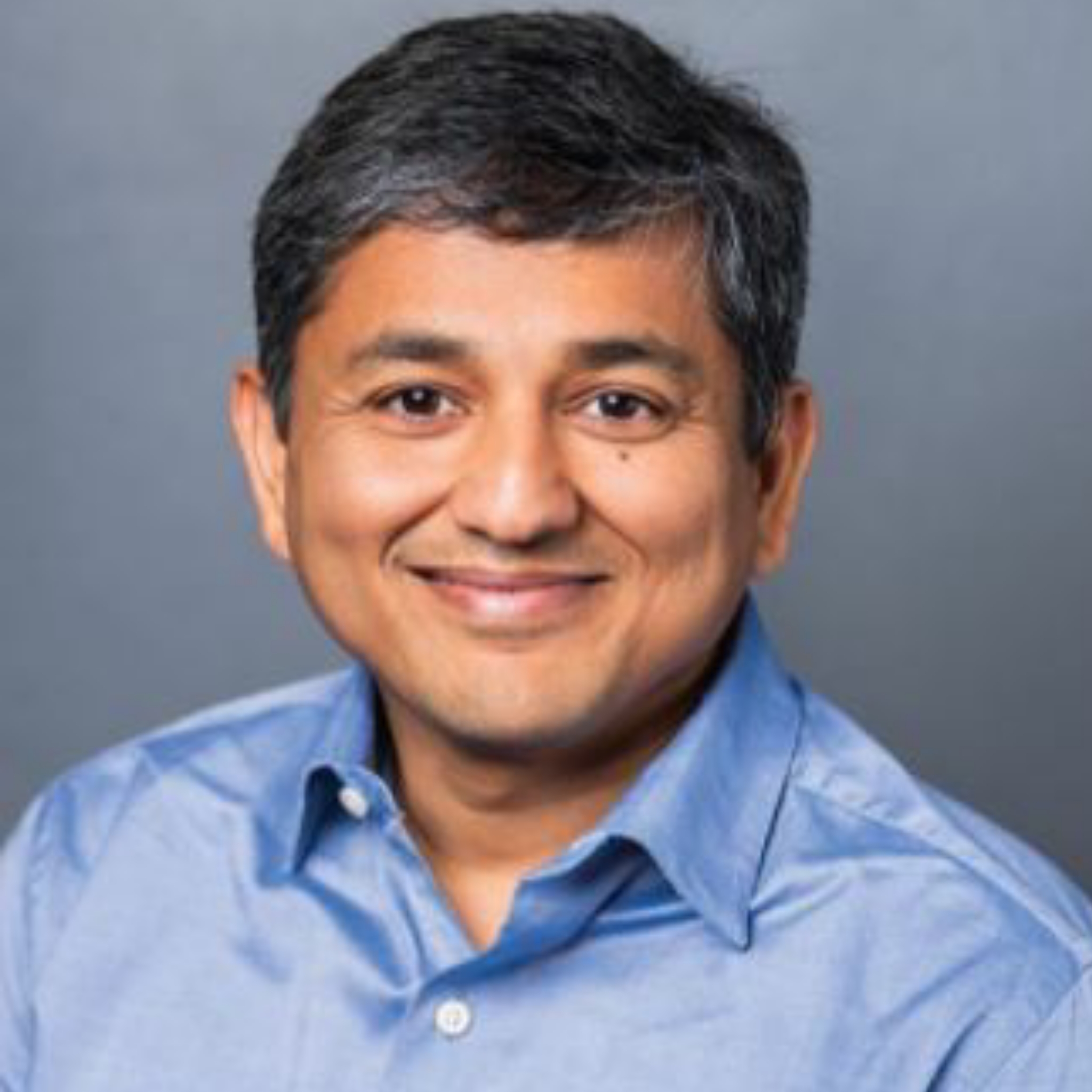
    MUMBAI: He’s spent a large part of his early career in the automotive industry at leading brands and firms. However, Apurva Jani  has been at global chip leader Intel for the almost a decade, rising to director of marketing for Intel’s sales, communications, and marketing group in India. 

    Now the chip maker has expanded his remit to include the amplification of the company’s brand presence and driving growth in both consumer and B2B markets, according to a news report on storyboard18.

    A mechanical engineer and a  PGDBA in marketing from NMIMS, Apurva began his career at Tata Motors, moved onto Ford Motor as regional sales manager, then worked with Mahindra & Mahindra as DGM – marketing, crossed industries into health care as director of advertising promotions at GE Healthcare, before landing up at Intel as consumer marketing head in 2015, where he has stayed put since.

    According to Apurva, he has  have been successful in disrupting the norms in highly competitive industries over his 23-year long career. Intel probably is relying on him to do so once again!

  • Hoopr launches Hoopr Brand Solutions

    Hoopr launches Hoopr Brand Solutions

    Mumbai: Hoopr, known for its tech-driven music licensing solutions, has launched Hoopr Brand Solutions (HBS), a new division to enhance its B2B offerings. HBS combines Hoopr’s platform, music library, and creator network to provide music-led, integrated brand solutions, positioning itself as India’s only entity focused on using music for strategic branding.

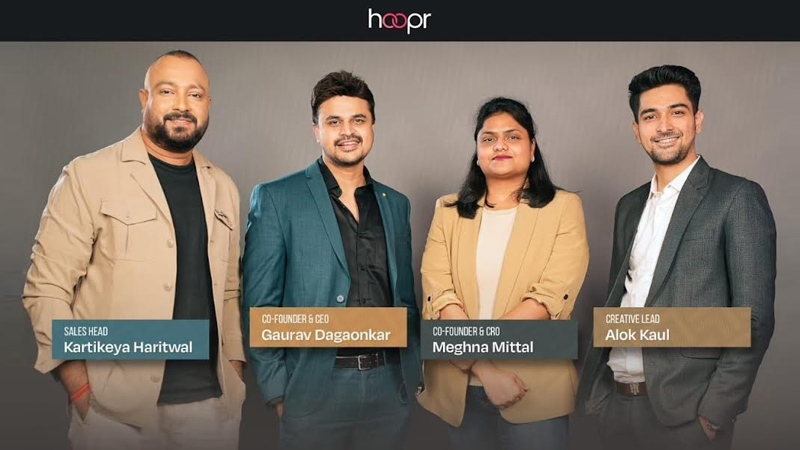
    Led by Meghna Mittal (co-founder & CRO), Kartikeya Haritwal (sales head), and Alok Kaul (creative lead), with guidance from Gaurav Dagaonkar (co-founder & CEO), HBS aims to collaborate with brands and their agencies to incorporate music into creative strategies for launch, awareness, promotions, and engagement.

    “At Hoopr, we’ve always been passionate about empowering creators and brands with high-quality music,” said Hoopr co-founder and CEO Gaurav Dagaonkar. “Brands, today, are actively looking to use music as a medium to connect with their audiences and with HBS, we’re bringing together all the elements of our ecosystem to offer our clients a comprehensive bespoke solution for higher engagement through music. It is like a brand having its own label and music strategy that suits its positioning and TG, completely powered by Hoopr.”

    HBS will leverage Hoopr’s 250,000-plus artist and creator network to provide brands with cost-effective, quick turnaround services for songs, brand anthems, and music videos across multiple languages and genres. It will also handle music distribution on streaming platforms and amplify content on social media platforms like Instagram, YouTube, and Snap via its creator community. Additionally, HBS has partnered with the YouTube music channel Songfest for expanded reach and engagement.

    The company believes that music-led campaigns deliver higher organic engagement and brand recall compared to traditional advertising.

    “Music and music videos are the most consumed forms of entertainment today, which is why brands are increasingly integrating them into their marketing strategies,” said Hoopr co-founder & CRO Meghna Mittal. “With Hoopr Brand Solutions, we aim to help brands unlock that potential through campaigns that are not only impactful but measurable and long-term. We want to shift the mindset that only large brands or specific categories can leverage music strategy—music is a universal format that resonates across categories, builds an emotional connect and contrary to popular belief, is extremely cost-effective.”

    Mittal elaborated, “Much like influencer marketing has become a staple for brands, we believe music marketing is the next frontier. It’s time for every brand to have a year-round music strategy.”

    HBS has already partnered with major brands and agencies like Himalaya, Myntra, ITC, and Motivator World, and worked with artists such as Monali Thakur, Nikita Gandhi, Shaan, and various independent artists.

    Gaurav Dagaonkar’s experience as an award-winning music director and IIM Ahmedabad alumnus strengthens Hoopr’s credibility in music marketing. Hoopr combines expertise in music, technology, and community engagement, positioning itself as a leader in the Indian market.

    By tapping into the ₹3,500 crore creator market and the growing ₹40,000 crore digital advertising market, HBS is becoming a key player in the advertising ecosystem. Its data-driven approach, supported by its tech platform, creator network, and ad-ex insights, promises measurable ROI for brands through music-driven solutions. Hoopr aims to build lasting intellectual properties through collaboration with brands and creators.
     

  • “We harness the power of Gen AI platforms to revolutionise content creation:” Innova Solutions’ Arpita Dubey

    “We harness the power of Gen AI platforms to revolutionise content creation:” Innova Solutions’ Arpita Dubey

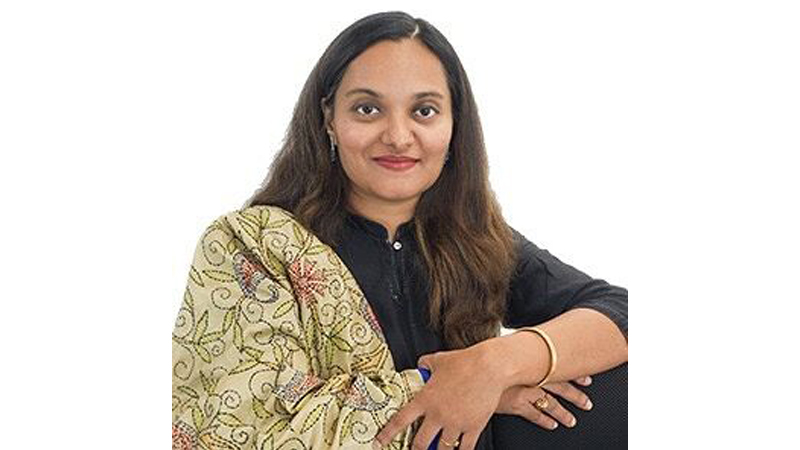
    Mumbai: As B2B marketing grows more complex with longer decision cycles and fragmented buyer behaviors, Innova Solutions is stepping up to simplify and unify the process. Under the expertise of Innova Solutions’ Sr director, head of marketing, APAC SBU & India, Arpita Dubey, who has over 18 years of experience, the company is utilising AI and data-driven tools to break down silos and deliver personalized customer experiences that drive business growth.

    Indiantelevision.com’s Arth Chakraborty caught up with Dubey to talk about integrating AI into B2B marketing strategies, challenges when adopting AI for marketing purposes, and more.

    Edited Excerpts:

    On the first steps for integrating AI into B2B marketing strategies

    To strategically leverage technology in B2B marketing, it is crucial to clearly define key objectives and identify opportunities where AI can have the greatest impact. Integration of AI in marketing enables curated persona development and hyper-personalization, which are vital for targeted campaigns aimed at niche audiences. By improving data analytics and content generation, AI allows for faster, more cost-efficient processes and better utilization of marketing budgets.

    Initial steps should include conducting a cost-benefit analysis, assessing the maturity and capabilities of AI tools, and identifying marketing techniques where AI integration can enhance brand presence and accelerate growth, all while meeting marketing and overall business objectives.

    On the AI technologies or tools that are currently most effective in your marketing efforts

    The effectiveness of any tool is directly tied to the specific marketing objectives it aims to fulfill. At Innova Solutions, our strategic priorities include enhancing brand visibility, establishing ourselves as an employer of choice, driving business growth, and cultivating a brand that resonates with customers, employees, and job seekers. To achieve these goals, we are leveraging AI-enabled automation tools like HubSpot for advanced segmentation and hyper-personalization of campaigns and ZoomInfo for deeper audience insights.

    We utilise the integrated AI capabilities of Salesforce to optimize customer relationship management. Additionally, we harness the power of generative AI platforms to revolutionize content creation, enabling us to produce high-quality content at scale while significantly reducing the time and costs associated with these efforts. We are also using an in-house developed content management platform that has the capability to store, train various resource banks and provide quick output for various services customer testimonials, etc. Furthermore, we are continuously exploring tools and technologies that enhances our performance ensuring that our digital presence remains strong and effective.

    On the biggest challenges you faced when adopting AI for marketing purposes

    As AI becomes increasingly integrated into marketing systems, several strategic challenges arise in achieving full-stack AI adoption. Foremost among these are ensuring content authenticity, maintaining data quality, preventing data leakage, and avoiding plagiarism. In the B2B marketing landscape, where our programs span multiple services across diverse industries and geographies, training AI models with extensive resource banks presents a significant challenge.

    A major hurdle has been related to data quality and integration. Ensuring that existing data is both clean and compatible with AI systems demands substantial time and resources. Furthermore, equipping the marketing team with the skills needed to effectively utilize AI tools involves considerable investment in upskilling and training.

    On measuring the success of your AI-driven marketing initiatives and the crucial KPIs

    The success of AI-driven marketing initiatives is measured through several key performance indicators (KPIs), including lead quality scores, conversion rates, customer lifetime value, and return on marketing investment. Custom metrics have also been developed to track efficiency gains in marketing processes.

    On the emerging AI trends that you believe will significantly impact B2B marketing in the near future

    Conversational AI, extended personalization capabilities, AI-enabled SEM are some of the trends in AI technology that are most likely to evolve and profoundly affect B2B marketing in the near future. Apart from this, we are also in a time where we need to be more targeted in our approach, AI-enhanced account-based marketing (ABM) is another trend that I am seeing picking up speed, leading to more efficient and effective ABM campaigns. Lastly, as I mentioned earlier AI in data analytics and decision-making is going to further evolve and become more seamless and help in driving better ROI.

  • State of B2B brand building

    State of B2B brand building

    Mumbai: In today’s digital era, the importance of online brand building in the B2B sector is becoming increasingly evident. While many B2B companies have traditionally focused on performance attributes such as price and features, they have often neglected the broader initiatives to build their online brand presence. However, recent studies suggest that this approach may be overlooking a crucial aspect of modern marketing.

    Research in the European Journal of Marketing explored how B2B companies create their brand image online through their products and customer interactions. The study found that companies can build a strong and consistent online brand image by focusing on two key aspects: the quality of their products and their customer engagement. This means companies need to show they are good at what they do and also need to build good relationships with their customers online.

    This finding challenges the traditional B2B marketing paradigm. It suggests that B2B companies should not only emphasize competence in product design and R&D but also warmth in activities related to sales and customer service. This approach can help firms build strong B2B brands that are both warm and competent online.

    The argument for a balanced approach to online brand building in B2B marketing is further supported by data from Boston Consulting Group (BCG) and Google. Their research shows that online brand marketing improves not only the brand but other components as well, such as the return on marketing investment (ROMI) on performance marketing, customer advocacy, and even employee satisfaction. Despite the clear benefits of online brand marketing, many B2B companies continue to underinvest in this area. This is a missed opportunity. Companies that are more mature in terms of online brand marketing generate a higher ROMI on those efforts; moreover, strong online brand marketing capabilities reinforce performance marketing, leading to better engagement overall.

    Let’s take the example of Tesla. Elon Musk, the CEO of Tesla, has played a pivotal role in the company’s growth and success. His charismatic personality and visionary leadership have been instrumental in shaping Tesla’s brand image. Musk’s personal brand is characterized by his passion for innovation, commitment to sustainable energy, and bold, often controversial, statements.

    Musk’s active presence on social media platforms, particularly Twitter, has been a key aspect of Tesla’s online marketing strategy. His tweets about new product launches, company updates, and even his personal thoughts and opinions, generate significant media attention and public interest. This has helped boost Tesla’s brand visibility and market value.

    If you want more examples near home, take a look at the judges on Shark Tank India. They are not just investing in businesses; they’re also investing in their personal brands. Each judge, a successful entrepreneur in their own right, uses the platform to demonstrate their expertise, strategic thinking, and unique approach to business. Their critiques, advice, and investment decisions all contribute to their personal brand narratives. Plus, they extend their brand-building efforts beyond the show. They engage with their audience through social media, sharing insights, experiences, and personal stories that reinforce their brand identities. They also leverage their business ventures and public speaking engagements to further enhance their personal brands.

    This strategic personal brand building serves to strengthen their business interests. A well-crafted personal brand can foster trust, attract opportunities, and drive business growth. Therefore, their participation in Shark Tank India is not just about discovering the next big business idea; it’s also about shaping public perception and building a strong personal brand that supports their entrepreneurial endeavors. This strategic personal brand building serves to strengthen their business interests. A well-crafted personal brand can foster trust, attract opportunities, and drive business growth. Therefore, their participation in Shark Tank India is not just about discovering the next big business idea; it’s also about shaping public perception and building a strong personal brand that supports their entrepreneurial endeavors.

    In fact, B2B businesses need to build their brands online. This is because the B2B buying process often involves more research and consideration than B2C purchases. By building a strong online brand, B2B companies can position themselves as thought leaders in their industry, build trust with potential customers, and ultimately drive more sales. So, whether it’s through content marketing, social media, SEO, or other digital marketing strategies, online brand building should be a key part of any B2B company’s marketing strategy.

    The author of this article is Bottle Openers COO Shilpi Prasad.

  • Dentsu’s Merkle B2B & Posterscope India partner to launch new campaign for Lenovo

    Dentsu’s Merkle B2B & Posterscope India partner to launch new campaign for Lenovo

    Merkle B2B, dentsu’s B2B marketing agency, in partnership with Posterscope India, has launched a 3D anamorphic campaign for Lenovo that once again positions the brand as a global leader in technology and innovation. Titled, ‘Lenovo-F1®’, the campaign aimed to elevate the brand’s perception as a solutions and services provider by targeting IT decision-makers and tech optimists who are Formula 1 fans.

    Posterscope India, dentsu India’s Out-of-Home (OOH) specialist agency, has used exclusive and personalised digital screens at prominent advertising locations such as Mumbai, Delhi, and Bangalore airports. These cities are major tech and business hubs, making them ideal for reaching the target audience and the campaign’s perfect choice.

    With the help of 3D anamorphic billboards, the ‘Lenovo F1’ campaign produced visually stunning displays that captured viewers’ attention and left them with a lasting impression. These eye-catching visuals are not only a testament to the brand’s commitment to cutting-edge technology but also serve to underline its position as an innovation leader. The impressive campaign, which ran from September 15 to October 10, 2023, gave the brand the chance to make a lasting impression and reaffirm its message of technological innovation.

    It is pertinent to note here that Merkle B2B is the agency on record for Lenovo, overseeing strategy, planning, and buying with a focus on data convergence, performance evaluation, and paid media.

    Commenting on the campaign, Posterscope India managing director Imtiyaz Vilatra said, “We are thrilled to introduce the Lenovo F1 campaign, highlighting the brand’s unwavering dedication to innovation while establishing a fresh standard for imaginative and strategic outdoor advertising. Through this campaign, our goal is to inspire individuals to effortlessly forge, unite, and cooperate in an increasingly digitalized world.”

    Merkle B2B India client partner Anubhav Tyagi commented, “This activation perfectly aligns with our network’s core values of forward-thinking and innovation. What makes this even more special is the innovative technology that has been used to highlight the collaboration of two brands — Lenovo and F1, both of which are at the forefront of technology and innovation!”

  • WebEngage onboards three new strategic hires

    WebEngage onboards three new strategic hires

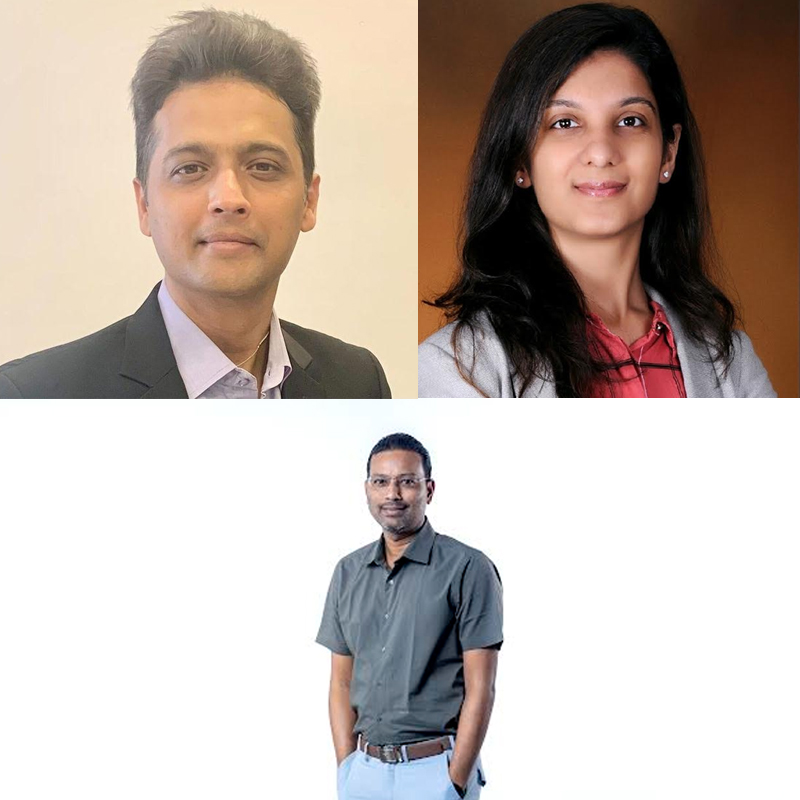
    Mumbai: B2B Saas company and a leading full-stack retention operating system, WebEngage, has announced the onboarding of three strategic hires to help the company catapult into its next phase of growth. Hetarth Patel comes in as vice president – MENA & managing director – UAE; Shreya Trivedi joins as WebEngage’s first-ever chief of staff, and Apurva Chawla has been roped in as associate director – product led growth in India.

    Having recently started operations across Indonesia, the company has also announced that it has opened up more than 100 positions across departments and geographies.

    MENA region is the second-largest market for WebEngage and Patel will helm the company’s growth vision in the Middle East & North Africa region by harnessing its award-winning CDP-powered marketing automation platform and building on its commendable track record in the region.

    With a distinguished career spanning about a decade, Trivedi, will play an instrumental role in supporting the founders and executive body in achieving strategic goals. Her job will also involve enabling the scale-up of the business and optimizing productivity across the teams. She will help keep every employee glued to the mothership and its mission.

    Chawla will be responsible for a zero-to-one journey for brands that hold the potential for generating new revenue streams for WebEngage. He will enable the process of making integration, onboarding, and adoption easier for clients by standardising events, metrics, and campaigns.

    Commenting on the announcement, WebEngage CEO & co-founder Avlesh Singh said, “As we continue to ride the wave of success, Patel, Trivedi and Chawla’s appointments come at a very opportune time. WebEngage is on a mission to revolutionize retention marketing through a full-stack solution, by enabling brands to maximize the utility of data and meaningfully engage customers. The appointment of these leaders will help us with this mission and fuel the company’s growth ambitions.”

    “As a philosophy, we have always maintained discipline in our growth and kept an eye on the long haul. This is the reason why WebEngage is considered one of the most enduring companies within the B2B SaaS ecosystem. In our 11 years journey, the company has never laid off a single employee and we will never have to do so in the future. In fact, we are looking to hire more than 100 folks for over 30 open positions currently across multiple locations in India, UAE and Indonesia. The ride has just begun and we have the tickets to the front row seats for anyone who wants to join our journey of simplifying retention for the world.” he added.

    For the record, WebEngage has been growing 100 per cent YoY and intends to maintain the momentum. It has also picked up $20 million in funding this August. WebEngage has showcased unusual frugality and resilience in an 11-year journey filled with ups and downs, burning only six million dollars in capital to reach a $20 million annual revenue run rate, an enviable position to be in. Peers in SaaS spend about 3 – 5x more to get to the same scale. The company works with 600+ clients, including new-economy and internet-first businesses, and propels the digital transformation journey for enterprise clients.

  • Reliance to acquire Metro AG’s Cash & Carry in Rs 4,060 crore deal

    Reliance to acquire Metro AG’s Cash & Carry in Rs 4,060 crore deal

    Mumbai: As per media reports, Mukesh Ambani-owned Reliance Industries is all set to take possession of German retailer Metro AG’s Cash & Carry business in India in a deal estimated at around Rs 4,060 crore.

    The report cited that the deal includes 31 land banks, wholesale distribution centres, and other assets owned by Metro Cash & Carry in India. This acquisition will help Reliance Retail expand its presence in the B2B segment.

    “Discussions were on between Reliance Industries and Metro for the past few months, and last week the German parent firm agreed to the offer from the former,” as per a media report.

    Other retailers were also part of the bid to acquire Metro Cash & Carry, including Siam Makro, which runs LOTS Wholesale Solutions (an online wholesale shopping business). Last month, Siam Makro, part of the Charoen Pokphand Group of Thailand, announced its withdrawal from the race for Metro Cash & Carry India.

    For the record, Metro AG operates in 34 countries and stepped foot into the Indian market in 2003. It operates six stores in Bengaluru, four in Hyderabad, two each in Mumbai and Delhi, and one each in Kolkata, Jaipur, Jalandhar, Zirakpur, Amritsar, Ahmedabad, Surat, Indore, Lucknow, Meerut, Nasik, Ghaziabad, Tumakuru, Vijayawada, Visakhapatnam, Guntur, and Hubballi.

    Reliance Industries’ subsidiary, Reliance Retail Ventures Ltd. (RRVL), is the holding company for all the retail companies under the group. RRVL had reported a consolidated turnover of around two lakh crore rupees for the year ended 31 March 2022.

  • ‘Weekend Unwind’ with: Vajra Global Consulting Services CEO Ganapathy Sankarabaaham

    ‘Weekend Unwind’ with: Vajra Global Consulting Services CEO Ganapathy Sankarabaaham

    Mumbai: With another weekend upon us, it is time to unwind with the latest Q&A edition of Indiantelevision.com’s Weekend Unwind — a series of informal chats that peek into the minds of corporate executives through a fun lens in an attempt to get to know the person behind the title a little better.

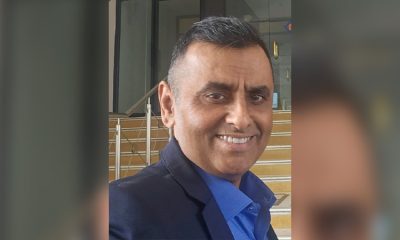
    In this week’s session we have digital marketing company Vajra Global Consulting Services CEO Ganapathy Sankarabaaham opening up the windows to his thoughts.

    As CEO of an award-winning digital marketing agency, his vision is simple: to create a unique digital-led marketing strategy to help clients’ businesses grow profitably, meet their goals, and win in the market.

    Ganapathy’s strengths include the ability to quickly understand a business and its goals, to draw up a big-picture growth strategy, and a digital-led execution approach.

    At his firm, he has a robust programme management framework that easily captures business objectives and maps them to measurable outcomes.

    He takes pride in visualising, creating and delivering digital transformation and marketing programmes successfully for both B2B and B2C clients.

    Vajra Global, we specialise in working with technology, e-commerce, healthcare, and event companies. A collaborative, customer-first principle guided by ethics, transparency, and respect for every human being sums up Vajra’s motto.

    So without further ado, here it goes…

         Your mantra for life

     Dream big. Never give up!

        A book you are currently reading/plan to read

    “Visionary thinking” by Ashish Jaiswal.

        Your fitness mantra, especially during the pandemic

     Stay strong, stay positive. This too shall pass.

        Your comfort food

     Rasam rice.

        When the chips are down a quote/ philosophy that keeps you going

    When the going gets tough, the tough gets going! (or) when life gives you lemons, make lemonade.

        Your guilty pleasure

     Ice cream.

        When was the last time you tried something new?

    Today.

        A life lesson you learnt the hard way

    It’s in the details.

         What gets you excited about life?

     Challenges, ideas, discovery, people, and growth.

        What’s on top of your bucket list?

     A trip to Norway.

         If you could give one piece of advice to your younger self, what would it be?

    Enjoy the journey!

         One thing you would most like to change about the world

    Supercharge positivity, self-belief and compassion.

        An activity that keeps you motivated/charged during tough times

    Running.

        What lifts your spirits when life gets you down?

    Right intentions and efforts always deliver the right results in time.

        Your go-to stress buster

    Sleep.

  • Festive bonanza: Explore brand advocacy to generate high marketing ROI

    Festive bonanza: Explore brand advocacy to generate high marketing ROI

    Mumbai: Brand advocacy is something that has been on the marketing charts for a while now and continues to do the rounds. With the festive season setting in and the digital bug which has already bitten everyone, companies are going all gaga about their brands, their new launches, etc., and brand advocacy is obviously on their roster of marketing initiatives in a robust manner. In this story, with some industry veterans, I look to explore brand advocacy and how it is going to help brands this festive season; the growth of brand advocacy; trends; innovations; and more.

    First things first, what exactly is brand advocacy? Brand advocacy is a method of growing your brand organically—it’s about people who love a brand and converse about it, continue to support the company and its products and services, and promote it too. This word-of-mouth marketing technique helps brands build their target group cost-effectively without spending an exuberant amount of money on traditional advertising.

    One of the notable examples of a brand using brand advocacy and being successful in its attempt was when Coca-Cola India did the “Share A Coke” campaign in 2018–19, which was an Indian spin-off of their global campaign, taking ‘relationships’ as the concept. Google Pay is another brand that, when launched, used the referral programme to organically boost its users’ acquisition. 

    According to the understanding of a few, brand advocacy is mostly used in the B2B industry. From a market sentiment perspective, one could look at most players being in the technology, financial, e-commerce, and education segments; those are the leaders at the moment.

    Growth in brand-by-brand advocacy can vary from category to category. For example, more than half of Indian consumers make brand and product recommendations in major categories such as food and groceries, computers, several financial services (insurance, savings accounts, credit cards, and home loans), mobile phones, and cars.

    During the festive season, on an average, 30–40 per cent growth can be expected in certain categories like food and groceries. Growth can be higher in the affluent segment of consumers and can touch 45–55 per cent. During festivities, 10-12 per cent growth in advocacy can lead to 2X growth in revenue.

    Brand advocacy and influencer marketing: same or different?

    Influencer marketing, to some extent, sounds like it’s the same as brand advocacy, doesn’t it? So, how exactly is brand advocacy different from influencer marketing? Or truly, is it the same? How similar or different are these, to and from each other?

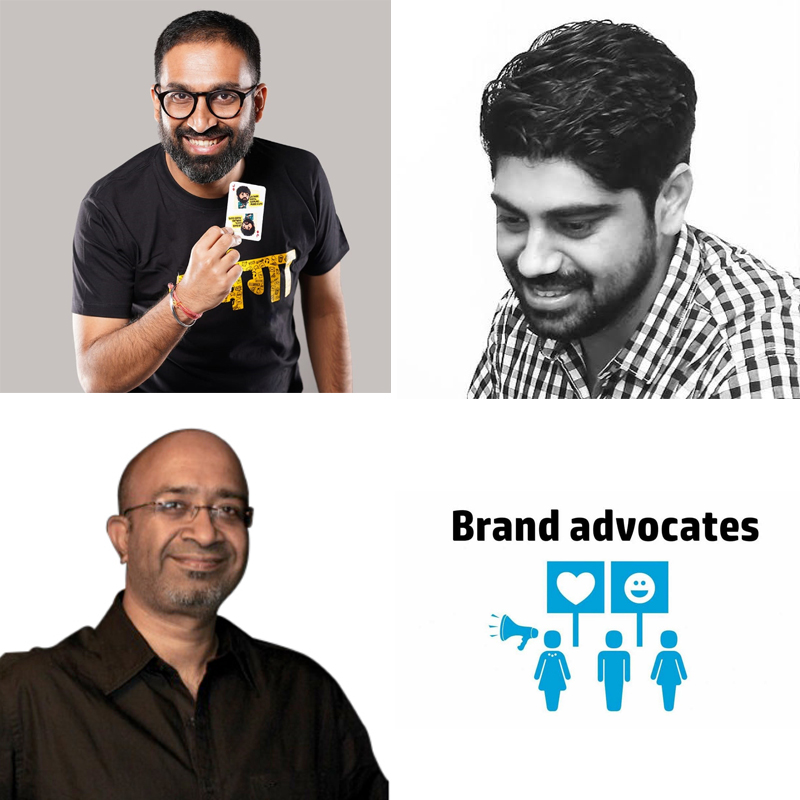
    An advocacy platform that enables brands to transform their stakeholders into brand advocates, Socxo chief marketing officer Ajit Narayan describes the distinction between the two, in the best possible manner. “They are both similar and different at the same time. like the coin used by Jai in “Sholay.” The toss is the same. But the result is always determined by the person tossing the coin in advance,” he spells out.

    When the term influencer marketing is used, it’s about using mid-tier influencers (who have a following of about 50k–5 lakh followers) as well as celebrities (1 million+ followers). But when it comes to brand advocacy, it is about leveraging nano-influencers (1k – 10k followers) and micro-influencers (10k – 50k followers) within the brand’s communities.

    Influencer marketing and brand advocacy may sound similar, but they’re not the same and both reside in different consumer mindsets. Influencer marketing is about someone in an influential position considered to be an industry thought leader or have followers speaking about the brand. He/she may or may not be a customer of the product/service.

    Brand advocacy, on the other hand, is defined by brand love from customers, employees, or consumers. Someone who advocates for the brand in multiple conversations.

    Influencer marketing and brand advocacy are both part of integrated digital marketing but are non-interchangeable terms. They are not the same as they fulfil the two distinct but unique needs of a brand in their marketing ecosystem.

    Influencers are change agents with great expertise in creating content that caters to a specific/niche set of an engaged audience. Influencer marketing is a system of identifying people who are already famous on social media and then getting into a process of content sharing about the brand/products/campaigns through them. Albeit, with a dash of flexibility for the influencer to share as per their preferences. However, this is applicable when the influencers are macro and celebrity influencers who have a say in the content.

    Whereas advocates are the supporters/loyalists of the brands (typically the customers) who may not have the power to influence but have an impact as they possess an affinity for a product/service. Brand advocacy is a two-pronged process. On the one hand, it identifies those key stakeholders (employees, customers, partners, fans) who are active on social media. But, not necessarily big influencers and marketing to their contacts using their networks.

    Brand advocacy in the advertising and marketing mix

    Brand advocacy is becoming the leading component in the advertising and marketing mix. The fact is that for such a thing to happen, one needs compounding, and as with everything else, compounding is a factor of time and consistency. Ajit asserts, “One cannot expect to generate big results just by randomly activating a program for three months.”

    But yes, brand advocacy is always at the forefront of any marketing communication mix. “Focusing on incentivisation and creating a brand narrative that allows first-time customers to come back through loyalty schemes and personalisation, which makes any prospect feel connected, can go a long way,” explains Puretech Digital senior vice president of digital marketing Kamaljit Saini.

    Especially in the festive season, brands want to reach the masses, so utilising TV and digital to reach out to a large number of people at a time is obvious. The question is, how does brand advocacy assist a brand in this? Or does it have its own role to play?

    Kamaljit elucidates, “I think brand advocacy mixed with influencer marketing has a major impact on how a brand is perceived and eventually grows in its targeted segment. It can help a brand become visible to larger audiences, build stronger brand awareness, and increase revenue without incurring any of the costs associated with other traditional marketing campaigns. An important role that advocacy plays in the overall marketing mix is that it allows brand visibility to grow organically and demonstrate the value proposition.”

    Ajit talks about the growth of brand advocacy as an advertising and marketing aid specifically for the festive season. He says that the former is growing at roughly 15–20 per cent or more and is bound to become a consistent add-on to traditional ways of marketing in the next five years. “The true value and power of brand advocacy will be the growth of individuals as potential micro-influencers, and it goes beyond just branding to contribute to the employer, brand, and culture of the organisation,” he adds.

    Brand advocates are 50 per cent more likely to influence others’ purchase decisions than regular customers. “As advocates are acquired organically with limited or no cost increment, brand advocacy will see a further boost through innovative gratification and referral schemes, which are already making an impact in D2C categories across all major existing and upcoming brands,” points out Kamaljit.

    Brand advocacy and the festive season

    It’s a fact that brand advocacy has been a part of the overall marketing mix for most brands. Kamaljit believes that since the advent of social media, active review channels and aggregating platforms, brand advocacy has gone to the next level.

    As per a Nielsen report, 92 per cent of consumers trust recommendations from brand advocates. “Although the influencer market is a hot topic these days, brand advocacy indeed has a greater potential to push for a larger ROI and has a much bigger contribution towards the campaign’s success. As it has been already established and it is a fact that Indian consumers are much more active advocates, the market size for brand advocacy will continue to grow in leaps and bounds during the festive season. Especially, post the pandemic, several brands have gone D2C in most of the consumer segments and brand advocacy is ever-increasing both in size and volume,” he tells.

    Pondering whether the online traffic is as much during the non-festive season as it is during the festive season, the reality is that festivities do drive volume with regard to traffic numbers, but it varies from category to category. Typically, consumer durables, food, groceries, electronics, gifting, personal care, etc., observe incremental growth on the back of significant discounts and offers during the festival season. Traffic during the festive season sees a jump as a number of people spend more time evaluating these offers online before making the purchases. The actual purchase could be made online or offline. Add to that, the huge shopping festivals launched by e-commerce brands contribute to the big jumps in digital traffic.

    Brand advocacy needs to be planned from a short-term or long-term perspective. “From a short-term angle, the brand should be a part of the consideration set. It helps to build trust if the brand is new and buyers feel more confident in buying the product. From a long-term point of view, there should be brand pull and customers should come to you rather than you going to them,” emphasises Social Panga co-founder Himanshu Arora.

    He adds, “During festive times, brand advocacy is even more important to pushing the purchase cycle and making sure that brand is a part of the consideration set.”

    As compared to non-festive times, one wonders about the kind of jump that is witnessed in the festive season with regard to the usage of brand advocacy by brands. Ajit is clear to spell out that brand advocacy isn’t a magic wand. “It takes time, patience, and a mix of a great engagement programme combined with the discipline of consistent activity.”

    Brand advocacy-an effective tool to build organic value 

    Organic reach is what brand advocacy delivers. And that too, from a peer-to-peer perspective. “Content alone does not deliver trust. By leveraging individuals to share and converse, brands get a bigger reach along with trust, which ads cannot deliver alone,” says Ajit.

    Everyone knows that the festive season is the best time to get noticed. There are categories which are more relevant to the festive times, like lifestyle, FMCG, etc. Himanshu points out, “Brand advocacy or coverage around the brand during the festive season will help the brand to be at the forefront of consumer minds and allow it to capture the mind space of the new customers.”

    An ideal purchase journey ends in brand advocacy. Above all, there’s a strong correlation between brand advocacy and brand performance. Hence, word of mouth matters. “It allows the brand to grow and helps with organic customer acquisition through referrals. With the help of a brand advocacy index, marketers can demonstrate how critical advocacy can be,” says Kamaljit.

    Boosting revenue through brand advocacy, trends and innovations

    Brand advocacy is a behaviour that involves a customer supporting or recommending a brand that they love. Having brand advocacy programmes at the core of the marketing mix can help amplify the brand and, in turn, boost revenue. Kamaljit adds, “It builds trust, enhances the reputation, increases the loyalty towards the brand and, above all, gets valuable insights to further improvise on the value proposition.”

    While conversing about the latest and upcoming trends in the field of brand advocacy, Ajit mentions that brand advocacy in international markets has evolved into a building block for corporate culture and employee influencer growth. This is the fundamental shift in marketing, where giving visibility and value to employees, etc., is more pronounced than asking them to keep sharing content.

    As per Kamaljit, the use of technology and artificial intelligence (AI) are going to be key in enhancing the overall customer experience through personalisation.

    Speaking about the innovations that one would encounter in brand advocacy, Ajit asserts that it is heading towards becoming a key element in organic social media marketing. As we know, online channels emphasise paid marketing over organic marketing for brand pages. While social media is the way to reach and connect, individuals are starting to play a larger role in the organisations and brands they relate to.

    “This leads to building and using tech stacks that connect social media from a 360-degree organic perspective, including the addition of technology to present links better, share them in innovative ways, and get back the lost traffic,” he says.

    According to Kamaljit, building brand advocacy through marketing technology solutions is also going to be one of the leading innovations in this arena. The use of technology will enable brands to personalise the consumer experience and provide differential customer service.