Tag: Avinash Pandey

  • Will going subscription-based improve news content on Indian television?

    Will going subscription-based improve news content on Indian television?

    NEW DELHI: As per a recent Media Partners Asia (MPA) report, India is going to be the most scalable pay-TV market in the APAC region, with a CAGR of 6 per cent, touching $15 billion by 2024. India will also contribute almost half of the net subscriber additions in the Asia Pacific over the next five years, it highlighted. The increase in consumer awareness, the choices they have, and growing disposable income are a few factors that are going to contribute to this. 

    More and more, Indian news channels are toying with the idea that if they go the subscription way, a course correction in terms of content they are serving will also happen. 

    Certain players like Times Network, Aaj Tak (SD), Zee News (SD), and News 18 Bihar Jharkhand have already made a successful transition from being FTA to pay-TV in the past few years, while still maintaining their viewership and ad revenues. And there are others who are willing to move to that model. 

    Times Network MD and CEO MK Anand also advocated the subscription-based model for news channels at the recent Indiantelevision.com News Television Summit.

    He had said, “When you go the subscription route, there is no need to be ratings-led. The current subscription numbers are 10X of what they were in 2014 when I joined the Times. We have to benchmark ourselves on net distribution income (NDI). When it comes to NDI, a news channel should look at the top of the population pyramid more.” 

    Anand had estimated that 54 per cent of the Times Network’s revenue in FY21 is going to come from subscription. “The total ratings-led business in our topline is less than 25 per cent. Earlier it used to be 90 per cent. Back then we didn’t have branded content or premium-led ground or digital business. Specifically, Times Now’s TRP-led business is less than 11 per cent of the total.”

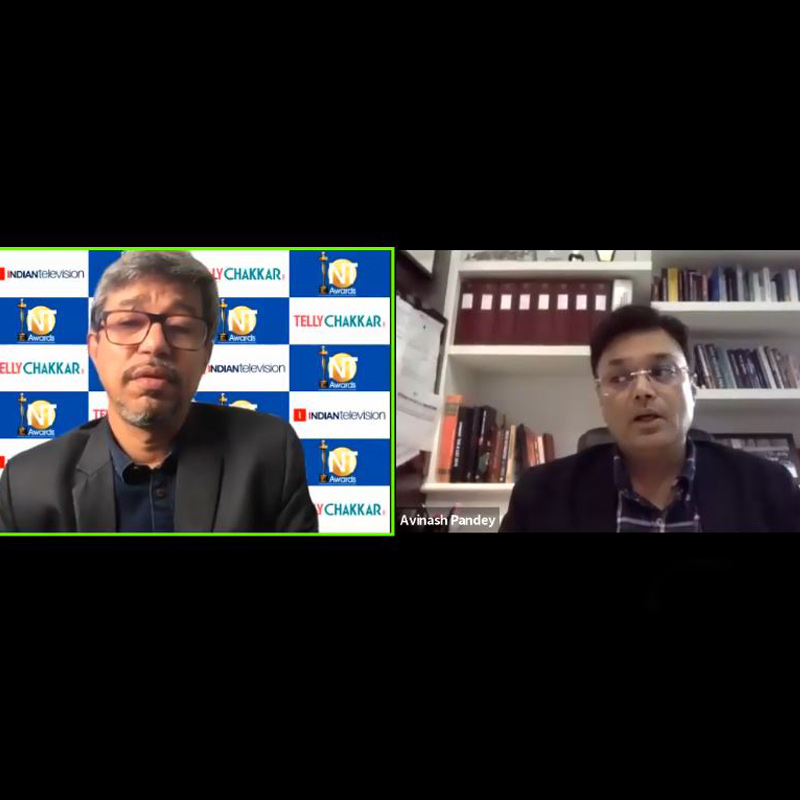
    In a similar vein, ABP News Network CEO Avinash Pandey had shared in an earlier virtual fireside chat with Indiantelevision.com that he’s quite determined to make all the channels and websites in his network subscription-based – because anything free in this country is taken for granted. 

    “Our regional channels were already on a pay model. We only went FTA because of the uncertain environment caused by NTO 1.0. From a carriage perspective, NTO 2.0 is favourable. In today’s world when you have WhatsApp circulating all the videos you are likely to show in the evening and Twitter already debating views and counter views, before you discuss anything on TV it’s already discussed online. In this scenario, how to build a pay channel is the challenge,” he had remarked.

    Channels like BBC and CNN that have always been subscription-based also vouched for the success of the model, even from an advertising standpoint.

    BBC Global News MD – India and South Asia Rahul Sood noted that having more subscription-based news channels will move it to a point where the players will have to be conscious of which space they want to be in – serious, investigative journalism, or competing with TikTok and cat-and-mouse videos of Facebook. He insisted that going subscription-based will attract the niche audience, thereby helping the pricing. 

    However, the top marketing executives have mixed views on the pay-tv option for news improving editorial content. They were, however, more positive about the impact on ad revenues. 

    Wavemaker India chief client officer and head – west Shekhar Banerjee pointed out that merely shifting to a pay structure will not solve the content issue on TV news channels. He said, “We have seen such migrations in the past. While the subscription model brings in a bit of cushion for the business, the dependence of the channel on advertiser revenue still remains significant and so will be the pressure to top the viewership race. We will see a real impact in editorial content only when a news channel is brave enough to only earn from subscription and not chase popular journalism.”

    Dentsu International CEO – India Anand Bhadkamkar was a bit more optimistic on the impact of subscriptions on quality of content as he noted, “Yes, a course correction in the sort of content that we are seeing today will happen if more and more news channels start moving towards subscription-based entities. And the ad rates will also be reflective of that, considering bundled rates for websites and digital content. Also, it will provide a better return on investment to the advertisers as they will have more breadth to understand the sort of audience they will be getting.”

    As for advertising revenue, Pay channels are in a better position to demand a premium on ad rates because they will have the niche audience, who are also going to be better spenders, according to IdeateLabs MD Amit Tripathi.

    But does this entail that FTA channels will lose out on ad revenues? The industry doesn’t think so. 

    Bhadkamkar said, “I don’t think FTA channels will have anything to lose even if more channels start going subscription-based. The advertising revenues will still be dependent on the viewership that they are getting and if you see the likes of NDTV and Republic Bharat, they have really benefited from being FTA.”

    Hindi FTA news channels have enjoyed the privilege of quoting higher ad rates because the viewership is high there, Bhadkamkar observed. Meanwhile, it’s the opposite for English news channels. He insisted that it will depend upon the viewership in the future as well. 

    Tripathi also agreed with the sentiment, adding that the type of advertisers might see a little shift with more premium brands choosing to go for the subscription-based channels. However, the final trend will only be decided by viewership numbers as certain premium customers might still be watching FTA channels. 

    As advertisers and viewers alike repudiate toxic, tone-deaf content, the penny has finally dropped for news channels. They’ve realised it’s high time to switch gears and focus on editorial content, and whichever way they decide to go – whether pay or FTA – broadcasting responsibly should be their guiding principle from here on out; if news organisations serve the viewers (and not their own political agendas), they will come to the channels of their own volition.

  • 3 Reasons why news industry is miffed with BARC

    3 Reasons why news industry is miffed with BARC

    NEW DELHI: The recent TRP manipulation scam has reopened old wounds that news channels and Broadcast Audience Research Council (BARC) had been mending. The genre had never been absolutely satisfied with how the authority is measuring ratings and the recent sequence of events has once again brought the matter to the fore. At the recently concluded News Television Summit hosted by Indiantelevision.com, several speakers from the news world pointed out the errors that they feel BARC is making in measuring news TRPs. Here is a comprehensive overview:

    1.  Incorrect Sample Size

    Zee News CEO and editor-in-chief Sudhir Chaudhary pointed out, “I think the main problem with BARC ratings is that the sample size is so small. Statistically speaking, we are a 32,000 crore industry and BARC has its meter in just 44,000 homes. As we traditionally say that of the overall sample size only 10 per cent watch news, we are left with just 4,400 boxes, which is very less for a huge market like India.”

    2.  Incorrect Data Points 

    ABP News Network CEO Avinash Pandey, who has been an open critic of the BARC measurement systems, stated that he’s against the minute-by-minute stock market-like analysis of news shows, where BARC points out at what precise moment the TRP took a jump. According to him, this is prompting all the news channels to run a similar sort of programming and picking up a similar tone with its stories. He said, “Until and unless BARC effectively manages the impact of news, and not just the number of people watching the channel for a certain time, unfortunately, we all will be in the rat race of chasing the ratings and it will destroy our businesses, people’s lives, and our country.”

    3.  Improvement Needed in the Backend

    Times Network MD & CEO MK Anand stated, “From what I’ve seen in the last four years, fixing the back-end of the measurement mechanism is required. BARC CEO Sunil Lulla has been trying to bring a lot of sense to the process. He has been continuously improving it. But whether it is inside BARC or outside, there are people who break ranks and resort to corrupt means. We have seen them use shortcuts to get to the numbers and that is not acceptable.” 

    According to the industry, these drawbacks have also degraded the quality of programmes that news channels are running these days. They highlighted that the blind contest for maximum TRPs has prompted news outlets to run similar shows with little to no differentiation, which in turn is harming the industry as a whole. 

    While BARC under Sunil Lulla is making strides in streamlining the measurement process for the better, there are still loopholes that need to be filled. 

  • TRP rat-race is destroying business models, country: ABP’s Avinash Pandey

    TRP rat-race is destroying business models, country: ABP’s Avinash Pandey

    NEW DELHI: The business models of how news broadcasting is done in India needs a huge overhaul, opined ABP News Network CEO Avinash Pandey in a virtual fireside discussion with Indiantelevision.com founder, CEO, and editor-in-chief Anil Wanvari on day two of the News Television Awards Summit. According to him, the two areas that require urgent overhaul are how TRP is measured and the high dependence on advertising revenue for running the business. 

    “The news business model in India is very flawed. It is 100 per cent dependent on advertising revenue, which should not be the case. That’s why we are soon going to be a paid platform,” Pandey said. 

    He added that going premium entails a lot of investment and the ABP News Network is actively working towards it. “If I give you an example of our Bihar election coverage, Poll Khol, hosted by Shekhar Suman, is a show that demands investment worth the complete election coverage budget of some other channels. Our reporters are doing debates in every tehsil, every district and it is a cost-heavy affair. It’s a very tough call for us to take as we have very limited resources but unless we do that, good content will take a backseat.” 

    He said that news channels should take a conscious call of doing good reporting and not just chase the numbers. This leads Pandey to the matter of TRP measurement, stating that he is completely against the ‘minute-by-minute stock market-like analysis of news’ showing what exactly spiked the viewership on a certain channel. 

    “Until and unless BARC effectively manages the impact of news, unfortunately, we all will be in the rat-race of chasing the ratings and it will destroy our businesses, people’s lives, and our country,” he warned. 

    Pandey insisted that the whole industry – from broadcasters to regulators – should introspect how the measuring systems are working and how the quality of news is impacting the country at large. 

    “To give an example, I think the biggest reform that happened in India in the past few months was the education reform. I feel it is going to bring in a lot of changes for the next decade; they have liberalised it greatly. It will also save a lot of foreign exchange. Millions of dollars are otherwise spent globally in educating our kids, which will stop. Now, none of the channels covered this because they were busy covering a certain crime story because the general consensus was that ratings will not come if you talk about anything sensible,” he bluntly stated. 

    In regards to how news consumption will be moderated in future, he opined that Indians will watch a lot of content on connected TVs in future and that’s how broadcasters should be preparing their strategies. 

    On an additional note, Pandey also talked about his expectations with the advertising revenue in the coming months. He projected that November will be bigger than last year with major high-ticket events like Bihar elections, IPL finals, and Diwali coming together. He is positive that the market will pick up from here as certain categories are already showing signs of revival in terms of sales and that will also reflect in their advertising spends. 

  • ABP News goes ‘Wah Cricket’ for upcoming 20-20 league

    ABP News goes ‘Wah Cricket’ for upcoming 20-20 league

    NEW DELHI: On the occasion of India’s biggest and the most celebrated sports festival, ABP News has launched a special programming initiative ‘Wah Cricket’ for the hard-core cricket fans of the country. ‘Wah Cricket’ will be a 30-minute daily evening show, providing the viewers with all the latest updates on the 20-20 tournament. The show will give the audience a 360-degree analysis, through an expert panel discussion featuring a mix of Indian cricketing legends such as Kapil Dev and current female cricketers such as Neha Tanwar and Latika Kumari. To further increase the enjoyment quotient for the viewers, the program will also comprise of a fantasy cricket segment, featuring predictions on players and team selections in various fantasy leagues. This segment will be hosted collectively by a famous female cricketer, a female anchor, and a data analyst. Another interesting segment, with fun & satirical touch called ‘Commentary Box’, will showcase Interactive Match Reports presented by animated characters and mascots, representing different cities/teams.

    Read more of our coverage on ABP News

    Apart from these programming initiatives, there will also be a special 5-minute segment on ABP News’ acclaimed Morning Show, ‘Namaste Bharat’ featuring updates from the previous day’s matches and discussions on the upcoming matches, so viewers can catch quick bytes as they begin their day.

    Read more of our coverage on IPL 

    ABP Network CEO Avinash Pandey said, “In India, the 20-20 league is not just a sport, it is an emotion. The pan-India festival is celebrated across all states with a common sentiment of happiness and excitement. Given the current scenario, the tournament will reignite the long lost energy among sports fans worldwide. Keeping this in mind, we are launching ‘Wah Cricket’ to provide all significant updates of the 20-20 league to our viewers and make the entire experience of the sporting festival, a memorable one.”

  • “There’s nothing called unbiased news, only the degree of bias changes”: ABP Network’s Avinash Pandey

    “There’s nothing called unbiased news, only the degree of bias changes”: ABP Network’s Avinash Pandey

    The television news ecosphere is battling great image issues in India. Their over-the-top, arguably, frivolous, coverage of sensitive matters and in certain cases, their eyes turning blind to many important issues are attracting a lot of flak from viewers and in a few cases from advertisers alike. Recently, ABP Network (earlier ABP News Network) CEO Avinash Pandey sat down to address these issues and many more with Indiantelevision.com founder, CEO, and editor in chief Anil Wanvari over a virtual fireside chat.

    Edited excerpts:

    How have been the past few months for you amidst the Covid2019 pandemic? 

    When the Covid2019 pandemic started in March, there was a lot of uncertainty around it and no one had any idea how to exit. We could not predict the level of infections or the economic implications it brought. But we looked at it and thought, at the end-of-the-day, we can’t do what we do sitting at home. At the same time, it is important to keep our employees safe, understanding that we are making them face potential death. So, we set up a critical incidents management team and went on with our business. Some of our staff, including me, got infected but we were strong and brave enough to battle that. 

    The viewers were glued to the screen watching the news and we knew our responsibility on the highest level. Business-wise it has been mayhem in the market. The advertising inventory went down and traditional advertisers for the news channels like white goods, car and mobile manufacturers, bike companies, etc., were out of the market because the shops were not open, markets were not open. But fortunately, it picked up at the end of May for most of us. June became a big month for us; it was over-filled and looks like we are slowly inching into a new normal.  

    I would like to know from you what you think about the news industry right now. Roger Ailes, the man who founded Fox News believed that news channels have to have a lot of drama and he propagated that sort of journalism too. Do you think Indian channels have been impacted by his model of journalism?

    In a very poor way, yes. The problem of news television in India is two-fold: how the channels are, what are the entry barriers in the industry and what sort of competitive advantage each product comes and offers in the marketplace. On the other hand, the existing measurement system and how it measures the news channels. 

    As you rightly said, the big problem with news channels is drama but there was a time when there was a scope for intellectual drama. So, shows like Big Fight or sting operations on MPs, or Cash for Questions Scam got good ratings while performing basic duties of doing good journalism. Slowly, that disappeared. What you see on television now is that each channel has created a different type of Rafale and all kind of swings are happening in the studio. Ailes wouldn’t even have thought about drama like that. 

    But I will not solely blame the editors, chief editors or the people who are producing these shows because what happens in that if you do a nice investigative story for 20 minutes, chances are there that you will not get good ratings but if you do 100 news in 10 minutes or five minutes, which is basically telling the same news in five different formats, it will bring ratings. 

    The industry is heavily dependent on advertising and thus ratings, which makes you think what’s the future of doing good journalism on television in our country. 

    So is it just the ratings or you think the Indian audience is such that it likes drama? 

    I think ratings represent society. But also, if you look at the definition of NCCS A category today, our drivers will easily qualify for that. Now, the content sensibilities for different levels of society is very different. And largely because the NCCS model is so generalised, there is hardly any scope for good content. 

    Look at the overall TV industry, so many unique content channels came and shut down because of zero ratings. It’s not that they don’t have an audience but ratings do not reflect their true constituency. It is hard to believe that an audience searching for the same content on pull mediums are rejecting it on push mediums. 

    Both areas, the quality of content and how you measure it need to be worked on. All people have different views about how the rating system should reflect them and that is why we need to look at alternative methods. Some technologies are available and BARC today is headed by the best people in our industry. So I cannot say that they don't know what is to be done. The time for change is right here and if you don’t do it within the next one-two years, it will slim down. We need to refine the system for better and certainly move away from the NCCS system. 

    So how do you see the future of news channels in India? You talked about the whole push and pull medium. How do you see them diversifying on your platforms? 

    We put out the same content that we show on television on our OTT platforms right now. For example, we are the only channel that doesn’t put astrology content on our channel. We do not even take ads from such babas. We do not run the news of death till it is certified and there have been cases that we have delayed in sharing the news of certain celebrity deaths too. So, we follow certain principles and that works for us. It gets us similar traction on all platforms. 

    I am going to slightly contradict you here. Recently, National Human Right Commission had to intervene regarding the insensitive coverage of Sushant Singh Rajput’s death. They even wrote to NBA and all of you responded in your way stating you did not go wrong with that but there are doubts about that. 

    I am not in a position to comment on others but I looked at my content and it was certainly not insensitive. But a celeb’s death is to be covered in a big manner to get people’s attention. If you look at the coverage of princess Diana’s death at that time, all kind of things were written about that. I can tell you Indian media, Indian news journalists are far more sensible than that. 

    We are in a business where people are watching us all the time and it makes our jobs extremely difficult. I have worked in print and late in the night, when the page was ready, we took it to the editor for the final check after some five layers of corrections have already happened. On television, when a piece of news breaks, the assignment receives it and the panel producer on PCR who is probably fifth or sixth in the pecking order in the organisation decides to put it on air or not. The filter and duration to implement are minimal and humans sometimes do make mistakes. 

    When you don’t like something on a news channel you can complain to the NBA. But why should one be doing that? If you don’t like anything on a channel, simply change it. 

    Another thing is that all channels have a stance. They are either left-leaning or right-leaning, or to right-to-the-centre or left-to-the-centre. How does it impact the reporting on news channels and how close are the politicians to these channels? 

    It is a big question and I have a theory of my own, which many would not agree to, that there’s nothing called unbiased, only the degree of bias changes. 

    Having said that, at ABP Network, we are not aligned to any particular belief, ideology, or way of life. That’s one of the reasons why I stopped our 4-5 pm debates because I noticed that whether you are arguing on migration, labour, defence issues or education policies there is a set of people decided by a political party who come and speak on all these subjects. They are not subject matter experts. 

    So, what started happening across news television is that there is a kind of agenda being pushed through these debates. People are asking questions like how many zeroes or what is the full form on a panel, which doesn’t make any sense. If you are going down to that level, then we are not doing any service to our viewers. And that is the reason you are making an opinion that a particular channel may be aligned the particular group and we wanted to escape from that.

    And if we talk about how the channels handled the involvement of Tabhligi Jamat in the Covid2019 cases? 

    See, it was a very charged up time. The only reporting that was happening was death and that became an overbearing thought for most of the reporters too. The Tablighi conference, it used to happen each year and channels have covered that earlier too. But it was an irresponsible behaviour by the organisers this time to lock themselves up and thus leading to a spread. I am not saying that they did this willingly. 

    Now, debates with shouting matches get high ratings and Rubika’s episode never got the highest rating. There are obviously questions being raised about the said episode but when a debate happens, it is the prerogative of the anchor and panellists to take it ahead. The channel or the management has no say in that. People watched the debate for Rubika and it was a charged up time then.

    In the hindsight, it is not right to blame a certain community. But it was a time of unprecedented uncertainty. How do you blame people for reacting a certain way, too? 

    Another thing I want to touch upon; do you think news should go pay or not? You changed from ABP News Network to ABP Network, taking on newer avenues. Why not monetise news and build from there? 

    I have never been in favour of FTA channels. When you give anything in this country for free, people start taking it for granted. High-end content requires investment, then you have to try in that market, so that’s not an easy game. However, I am quite determined that we, as a network, will soon go pay

    We are building that that kind of content for us to be acceptable for people who like to pay for. 

    Do you think it will work in India? 

    My regional channels were already pay. I only became free-to-air because of the uncertain environment set by NTO 1.0. But if you look at the GEC segment, their demand did not drop because they went pay. 

    There is a science and logic behind how the distribution system works and I don’t see a decline happening. Advertisers will not go anywhere because they will get the eyeballs. And even if I have to take a hit for the initial quarter, I am okay with that. 

    Our digital business became profitable last year. We want to be the largest video company in three months. There are a lot of other things that we have planned which we will announce in due time. 

  • “Outdated measurement system promoting dramatic reporting on news channels”: ABP Network’s Avinash Pandey

    “Outdated measurement system promoting dramatic reporting on news channels”: ABP Network’s Avinash Pandey

    NEW DELHI: Recently, Indiantelevision.com came out with a story on the aftermath of the untimely demise of Bollywood actor Sushant Singh Rajput and the media circus that followed sharing crucial details of his reported suicide. While many attributed it to the constant race to gain TRPs, some indicated that Indian audience thrives on the unnecessary frivolous drama that channels propagate.

    Addressing the same concerns in a virtual fireside chat with Indiantelevision.com founder, CEO and editor in chief Anil Wanvari, ABP Network (earlier ABP News Network) CEO Avinash Pandey stated that another issue forcing Indian news channels to indulge in dramatic reportage is the outdated measurement system deciding the ratings.

    “The rating system measures entertainment very perfectly; it may not be measuring news very perfectly. The content sensibilities for different levels of society in India are very different. The NCCS model today is so generalised that there is hardly any scope for good content to thrive. The NCCS A group today, even our drivers could easily qualify for that,” Pandey explained.

    “And this is not just for news, in fact. If you look at the overall TV industry, so many unique content channels get zero ratings and eventually closed. It’s not that they don’t have any viewers but the rating (system) today doesn’t reflect their true constituency.”

    He added that it is difficult to digest that so many people are searching for and watching content like that on pull mediums but reject that on push mediums.  

    Pandey agreed that television news industry is heavily dependent on advertisers today and based on ratings, it is evident that ‘song, dance, drama’ works. “Telling story in a dramatised way, literally on the boundary of being frivolous gets you the ratings. That’s the sad part that makes you think that what is the future of doing good journalism on TV in our country?”

    Pandey shared that ABP Network, however, is trying its best to steer away from it. “We have stopped regular debates on our channels. When you are keeping a scheduled time for debate, you are forced to pick up a topic, which then leads to agenda pushing. We do not take ads from any fortune-teller or baba or put their content on our channels,” he elaborated.

    He insisted that it is trying to adhere to highest quality standards when it comes to reporting and also denied that the channel was insensitive in covering Rajput’s story.

    On being prodded about the treatment of Tabhligi Jamat on his channel during the onset of Covid2019 pandemic, Pandey shared that it was a heated time of ‘unprecedented uncertainty’ that led the reporters and anchors to deal with the subject in a different manner, picking up on the reasons that were leading to the spread of the diseases.

    He added that the channel is constantly evolving its reportage based on the developments happening in the industry and around the world.

    Watch the full discussion here:

  • News networks’ COVID-19 campaigns seek engagement, brand image

    News networks’ COVID-19 campaigns seek engagement, brand image

    MUMBAI: It’s been almost a month since lockdown and news channels have launched dozens of campaigns on both television and digital platforms to talk about COVID-19. Though the preliminary objective of these campaigns is to create awareness and educate the audience, they also help channels create engagement and that eventually may result in getting more advertisers.

    Havas Media Group India and South East Asia chief executive officer Anita Nayyar says, “Marketing campaigns, irrespective of the genre, are meant to improve the brand image or to address any other marketing objective of the channel and that also applies to news channels. Hence, it is a given that campaigns being run by news channels will help to promote them.”

    Network18 was the first to launch a campaign called #IndiaGives, wherein each employee of the network donated one day's salary to daily-wage workers and all those severely impacted due to this unprecedented crisis.

    The network is also running a full-fledged television and digital awareness and self-help campaign – #MakeYourOwnMask, which aims to create awareness about the most basic infection prevention and control measure – wearing masks outdoors. In addition, each news channel of the network has its own special programming.

    “Our campaigns are aligned with the issues of the day,” says Network18 chief executive officer – television news Avinash Kaul. “A key differentiator of most of our campaigns is that they are editorial-led, with our journalists championing them and our programming also reflects that. This adds a great deal of credibility to the campaigns. As a company, we always take the long view.”

    Stating that it has always been involved with causes that are aligned with nation-building, Kaul says, “We believe that institutions and great brands are built by being operationally nimble, caring and having a long term vision that aligns with national and societal concerns and aspirations.”

    News channels are always aligned to causes more than anybody else, says TRA Research CEO N Chandramouli. “Cause marketing is a very old tool used by news agencies and currently, they have taken the cause of COVID-19 scenario." He also adds the this is due to a lack of advertisers despite the exponential viewership growth in the recent past.

    Times Network has launched an umbrella campaign called ‘Fighting Fear with Facts’ that focusses on delivering fact-based reportage and defuse panic and fear while offering uninterrupted news to its viewers. The network’s news brands have also come up with special programming along with campaign initiatives like Factoids, Safety Tips, Do’s and Don’ts, Myth busters, among others.

    In the same line as its peers, Times Network has also launched the campaign ‘India Cares’ across its network channels to mobilise support from the viewers to raise funds to PM CARES Fund, to support the migrants and daily labourers, whose livelihoods have been challenged by the epidemic.

    “We believe in creating one campaign as the face of the brand rather coming up with various campaigns and confusing viewers,” says a source.

    “At this time of crisis, the communication shouldn’t be pushy about your product through campaigns. Rather, it should focus on asserting some motivation and inspiration to the viewers,” says DigitalKites senior vice-president Amit Lall.

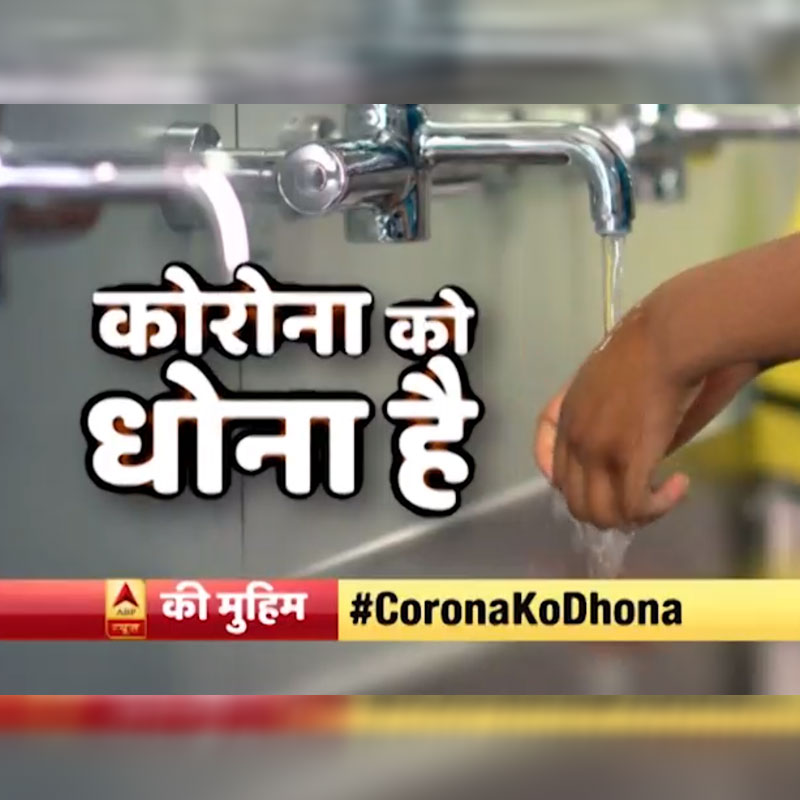
    Unlike the other two, ABP News Network has launched different campaigns on its channels covering region-specific COVID-19 stories. The network’s Hindi news channel ABP News has initiated a campaign called #CoronakoDhona to strengthen the consciousness of the virus and ensure the safety of the people.

    The network’s Marathi news channel — ABP Majha along with a campaign has curated a special show called ‘Corona Parishad’ to impart the COVID-19 knowledge to the viewers. Similarly, an initiative on ABP Ganga called ‘Corona Ke Karam Yodha’ was telecast to throw light on the unsung heroes of COVID-19, whether they are policemen, doctors, or any other individuals.

    ABP News Network chief executive officer Avinash Pandey says: “We measure the success of our organisation through the kind of influence we have on our viewers. For us, nothing comes above the support and aid to people and communities in the time of need. COVID-19 has emanated a sense of disruption and despair worldwide. Through these initiatives and campaigns, our aim was to safeguard the health of the people, spread maximum awareness, create a positive societal impact and most importantly, fulfill our long-standing commitment to deliver the best at all times.”

    “The reason channels are coming up with a lot of campaigns is because they are seeing the sentiments of viewers are low and currently there are fewer advertisers buying ad space and inventories," adds Lall.

    “The campaigns run by news channels are being seen as public service and disseminating information to help build awareness of the unforeseen situation the country is in,” says Nayyar.

    Recently, the News Broadcasters Federation showed its resistance to media agencies trying to cut down ad rates by 50 per cent despite news being the most-watched genre.

    Even the News Broadcasters Association spoke about the fact that even top channels are seeing less than 50 per cent ad bookings even as agencies are trying to defer payments to channels.

    Even though news channels are doing their bit of social service, they will also need revenue to keep the business running. Under normal circumstances, channels may have roped in sponsors for various campaigns as well. But right now, the market looks bleak.

  • ABP News Network asserts digital dominance

    ABP News Network asserts digital dominance

    MUMBAI: ABP News Network (ANN) has witnessed a massive consumption uptick on its digital platforms, owing to the strong, round-the-clock coverage on COVID-19. Garnering the trust of billions, the digital arm of ANN has become a credible choice for the viewers in every major news week. 

    According to the BARC and Nielsen Crisis Consumption report, viewership in the country has witnessed a rise of 11 per cent to 622 million viewers between 21 – 27 March 2020 (week 12) when compared to January 11-31, 2020 (week 2). Through minute-to-minute updates and comprehensive insights on the pandemic, ANN’s digital platform has garnered a whopping 15.7 billion impressions in the month of March (Source: YouTube Analytics), attesting their dominance on the digital front.

    In addition, the group has witnessed record-breaking viewership in March 2020, with 1.3 billion views on YouTube (Source: YouTube Analytics), surpassing the previously recorded numbers of the general election in May 2019, as content consumption on smartphones have increased by 12 per cent with users spending 3.8 hours a day on their devices.

    Apart from YouTube, ABP News & ABP Ananda have done exceptionally well on Facebook, keeping the viewers apprised and engaged. ABP News has garnered 12.34 million total interactions and 223 million views, surpassing its nearest competitor Aaj Tak with 45 per cent higher total interactions (Source: CrowdTangle; 20 March-31 March). And, ABP Ananda has achieved 2.28 million total interactions, six per cent higher total interactions than its nearest competitor Zee 24 Ghanta (Source: CrowdTangle; 20th Mar-31March 20).

    The BARC-Nielsen report also highlighted that viewers chose to ‘search’ for more news through multiple channels during the lockdown. In this light, ABP Live App has also emerged as the viewers’ topmost pick from Week 2 of March 2020 (09-15) to week 3 of March 2020 (16-22), observing a humongous upsurge with plus 46 per cent users and plus 138 per cent total video views.

    Since its inception, the digital arm of ABP News Network has championed issues on multiple spectrums – may it be social, political, environmental or cultural. The platform possesses a rich portfolio of diverse content that appeals to different age groups and audiences.

    ABP News Network chief executive officer Avinash Pandey says: “We are proud to be a pioneer in the digital news segment. With the COVID-19 situation evolving, we have seen it as our duty to provide the viewers with a veracious account of all developments through our digital platforms.” 

    “Our commitment to deliver the best, even amid trying times has brought us to this leading position and we are pleased to be the viewers’ most-preferred news destination. It is now time for advertisers to fine-tune their media plans amid the ongoing shifts in consumer behaviour to leverage the highly-engaged audiences across the digital spectrum,” adds Pandey.

  • ABP News Network appoints Zulfia Waris as business head of ANN Content Studio

    ABP News Network appoints Zulfia Waris as business head of ANN Content Studio

    MUMBAI: ABP News Network has appointed Zulfia Waris as the business head of ABP News Network Content Studio. Waris will be responsible for the organisation’s new subsidiary, ANN Content Studio, to produce path-breaking content for all platforms.

    ABP News Network chief executive officer Avinash Pandey says, “We are pleased to infuse Zulfia’s expertise and vision into ABP News Network’s Content Studio, especially since it is in a period of rapid digital growth. I can say with confidence that her approach and values align with our culture, and her knowledge and creativity will add to the organisation’s success, over the next few years.”

    Waris comes with an immense experience of over 20 years. She was the vice-president – product head, premium head & digital networks at Discovery India. She has also worked with several companies, including TV18 India Ltd, MTV India, Channel V India, Star TV Network and Zee Entertainment Ltd.

    Since 2007, Waris has held numerous leadership roles in the media and entertainment industry. She was at the helm of content & creative strategy, marketing, on-air promotions, production, acquisition, programming, budgets, social media innovations, content partnerships, and community building.  

    Waris is an English Literature graduate from Sophia College, Mumbai followed by a post-graduate diploma in social communications & media from Sophia Polytechnic Mumbai in 1999.

  • #CoronaKoDhona: ABP News’ awareness campaign

    #CoronaKoDhona: ABP News’ awareness campaign

    MUMBAI: ABP News Network’s Hindi news channel, ABP News, has taken preventive measures to create awareness among its audience against the spread of the Covid19 virus through the reach of its social media platforms.

    ABP News’ public awareness campaign called ‘#CoronaKoDhona’ has garnered tremendous traction on the social media pages of the channel. Former team India’s skipper, Kapil Dev & union minister, Smriti Irani have joined the network for this initiative.

    “For any news related to COVID-19, ABP News has been the leading domain on Facebook in the last 30 Days (18 Feb to 18 March; Source: crowdtangle.com). With 5.42 million total interactions, the channel is miles ahead than its nearest competitor, Aaj Tak,” says a press statement of the channel. 

    The statement further adds, “In terms of video views, ABP News’ page has garnered 132.79 million views, twice as of that of its arch rival which received 2.39 million views (18 Feb to 18 March; Source: crowdtangle.com). The video segment of the campaign has also been further promoted on YouTube, garnering tremendous engagement from the audience.”

    The recently launched campaign went on-air and on all ABP News social media platforms to strengthen the consciousness on the pandemic and ensure the safety of the people. With a message-driven hashtag – #CoronakoDhona, the intensive campaign comprised of awareness videos coupled with informative blogs and articles on the issue.

    The video campaigning comprised of 13 short clips featuring 13 ABP news anchors, presenting a short awareness message on the importance of handwashing. With an aim to send a message of good hygiene, the campaign emphasised on how washing hands regularly is one of the most critical measures in the fight against coronavirus.

    Renowned ABP News anchors like Akhilesh Anand, Adarsh Jha, Astha Kaushik, Shobhna Yadav, Pratima Mishra, Anurag Muskaan, Rubika Liyaquat, Shagun Sharma, Sumit Awasthi, Aditi Arora, Yasser Usman, Vikas Bhadauria, and Shrivardhan Trivedi were instrumental in sharing the awareness message compellingly.

    ABP News Network’s chief executive officer, Avinash Pandey, says: “As a responsible news channel, we take it as our duty to ensure the betterment of society. COVID-19 has created a sense of panic worldwide. When mankind is fighting a deadly pandemic, awareness and sensibility are the initial steps.”

    “Through this campaign, our aim was to safeguard the health of the people by providing requisite information on the virus so that preventive measures can be taken effectively, while also dispelling fear & worry on the pandemic," Pandey further adds.