
Connect with us
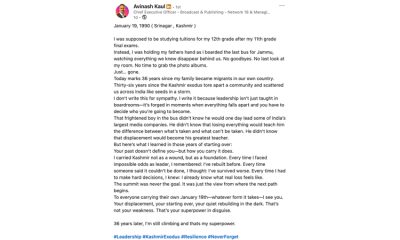

MUMBAI: On 19 January 1990, a 12th-grade student held his father’s hand and boarded the last bus out of Srinagar, leaving behind his home, his room,...


MUMBAI: When the credits roll, even the most seasoned showrunners know when it’s time to change the channel. Avinash Kaul, chief executive officer of Network18 (broadcast)...
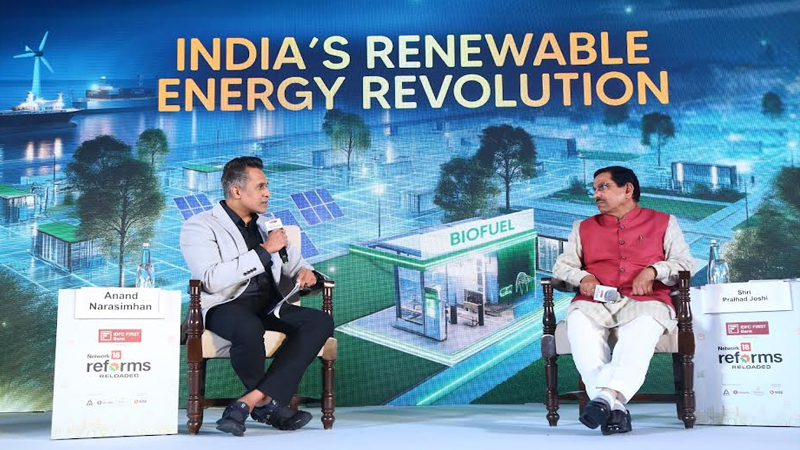
MUMBAI: Talk about tax reform with extra firepower Network18’s Reforms Reloaded 2025 lived up to its billing as India’s biggest policy stage, convening the nation’s top...

Mumbai: HistoryTV18 is set to premiere an exclusive, hour-long documentary that offers an unprecedented look into the National Stock Exchange’s (NSE) remarkable journey over the past...

Mumbai: The Federal Bank Hormis Memorial Foundation and News18 Network hosted a national cancer awareness convention under the second phase of the ‘Sanjeevani: United Against Cancer’...

Mumbai: HistoryTV18 has reinforced its status as a leader in infotainment and documentary content, receiving notable recognition at two prestigious television award platforms in 2024. At...

Mumbai: After a highly successful inaugural edition, the ‘News18 SheShakti’ summit, returns for its 2024 edition on 16 September in New Delhi, in association with Lions...

Mumbai: Moneycontrol, India’s number one business and markets news platform, has announced the 2024 edition of ‘Moneycontrol Mutual Fund Summit’. Scheduled to take place on 21...
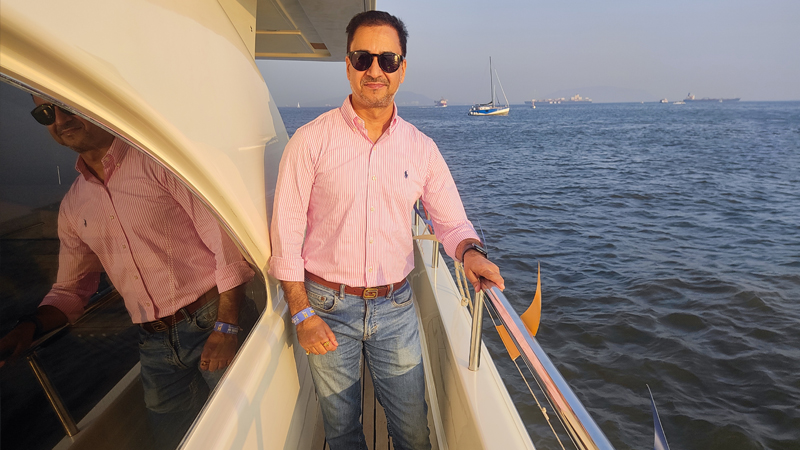
Mumbai: History TV18 has launched the much-awaited Season 10 of “OMG! Yeh Mera India.” on 6 February 2024. This show, known for its immersive storytelling, has...
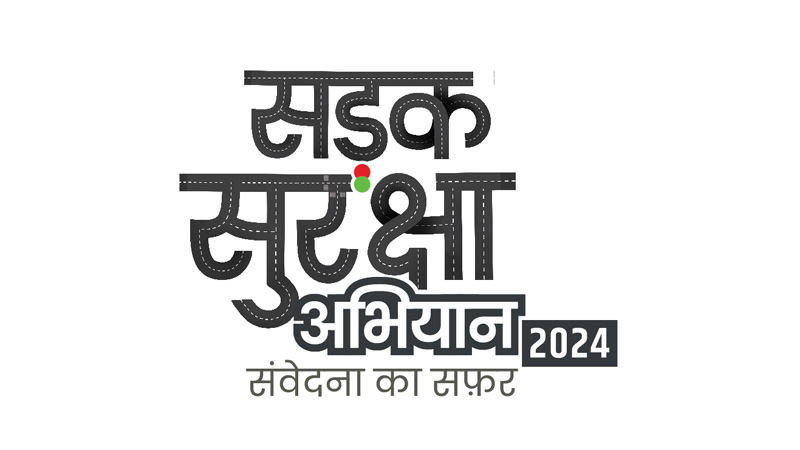
Mumbai: The ministry of road transport and highways (MoRTH), under the leadership of minister Nitin Gadkari, is championing the Sadak Suraksha Abhiyan 2024. This pivotal public...
Mumbai : The first-of-its-kind innovative Swoosh Germs Away! kit by Harpic India, designed in collaboration with News18 Network and Sesame Workshop India Trust has made its...
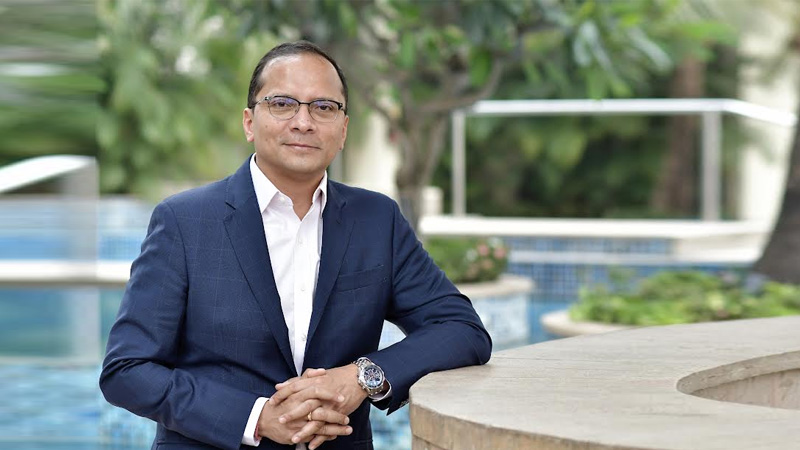
Mumbai: The advertising, marketing and media industry’s apex body – The Advertising Club has announced the managing committee for the current fiscal, i.e., F.Y. 2023-2024, at...
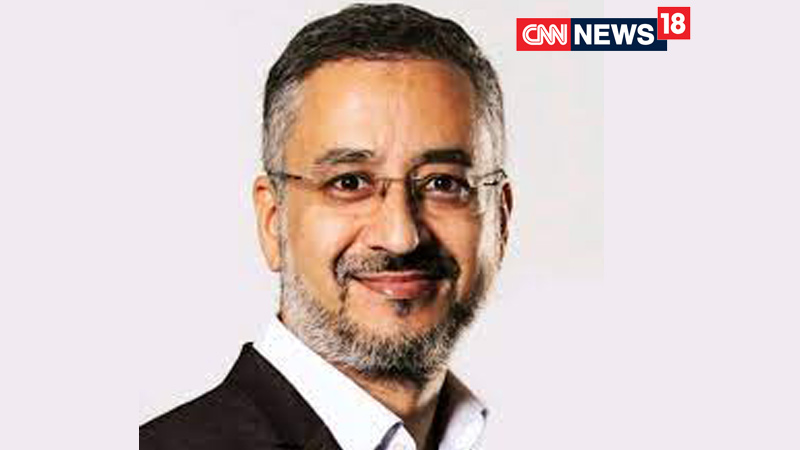
New Delhi: August 28, 2023: CNN-News18 has maintained its leadership position in the English TV news genre with an average viewership share of over 35% for...

Mumbai: The most recent documentary on HistoryTV18, Modern Marvel: Atal Tunnel, tells the amazing tale of the resilient human spirit and the marvels of contemporary engineering....

Mumbai: News18 Network on Monday launched News18 Jammu/Kashmir/Ladakh/Himachal on the 75th anniversary of India’s independence. News18 Network is now available in 18 languages with the addition...

Mumbai: HistoryTV18 has launched the eighth season of ‘OMG! Yeh Mera India’, which went on air on Monday at 8 p.m. The new season sees the...

Mumbai: HistoryTV18’s latest documentary “Modern Marvel: World’s Largest Cricket Stadium” premiering on the 17 September at 9 p.m, is the amazing story of building cricket’s largest...
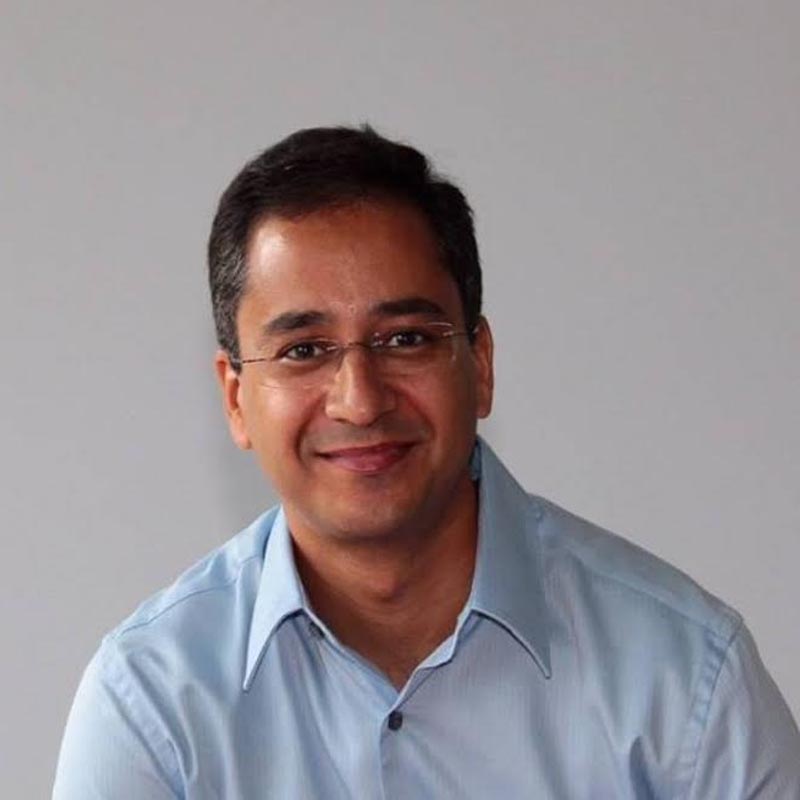
MUMBAI: Capturing viewers’ interest with shows on issues of contemporary, local significance like surgical strikes, national elections, Ganesha festivals, marvels and mysteries of India – that’s...

MUMBAI: This Holi, viewers of HistoryTV18 are in for a colourful treat. India’s longest-running hit factual entertainment series, OMG! Yeh Mera India marks its return to...

NEW DELHI: Karishma Dhawan will be taking over as the revenue head at A+E Networks | TV18 and will be in charge of the network’s factual...
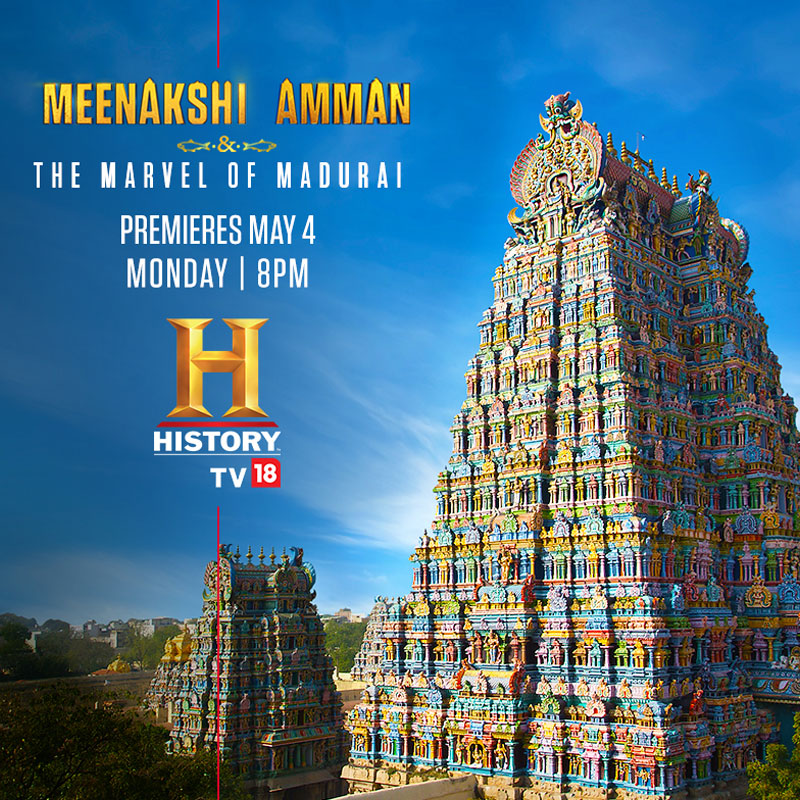
MUMBAI: HistoryTV18 is adding to its India offering with the new original production, ‘Meenakshi Amman & The Marvel Of Madurai,’ premiering on May 4th, Monday 8...
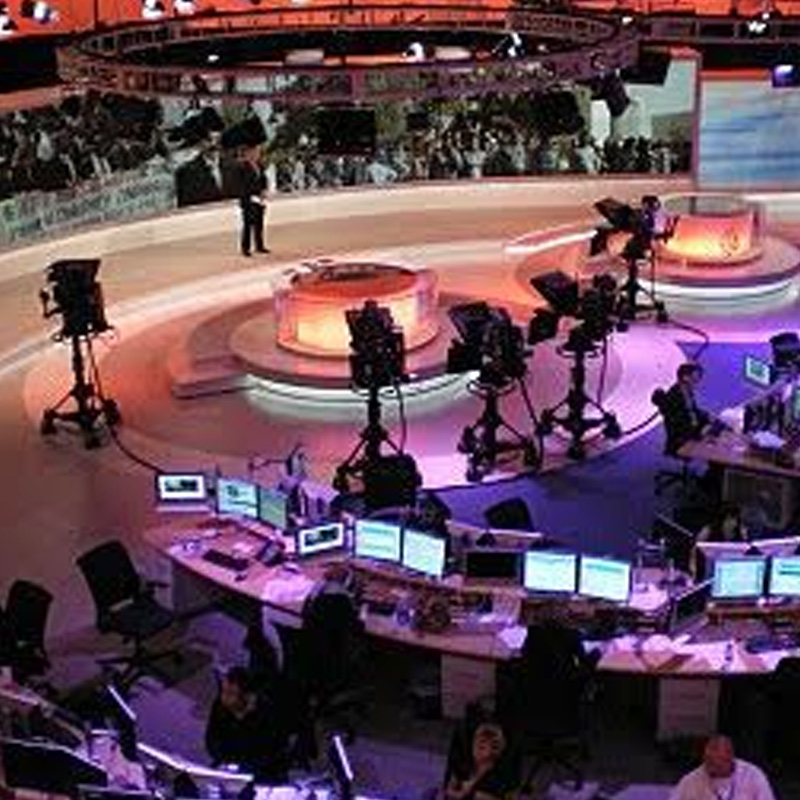
MUMBAI: It’s been almost a month since lockdown and news channels have launched dozens of campaigns on both television and digital platforms to talk about COVID-19....
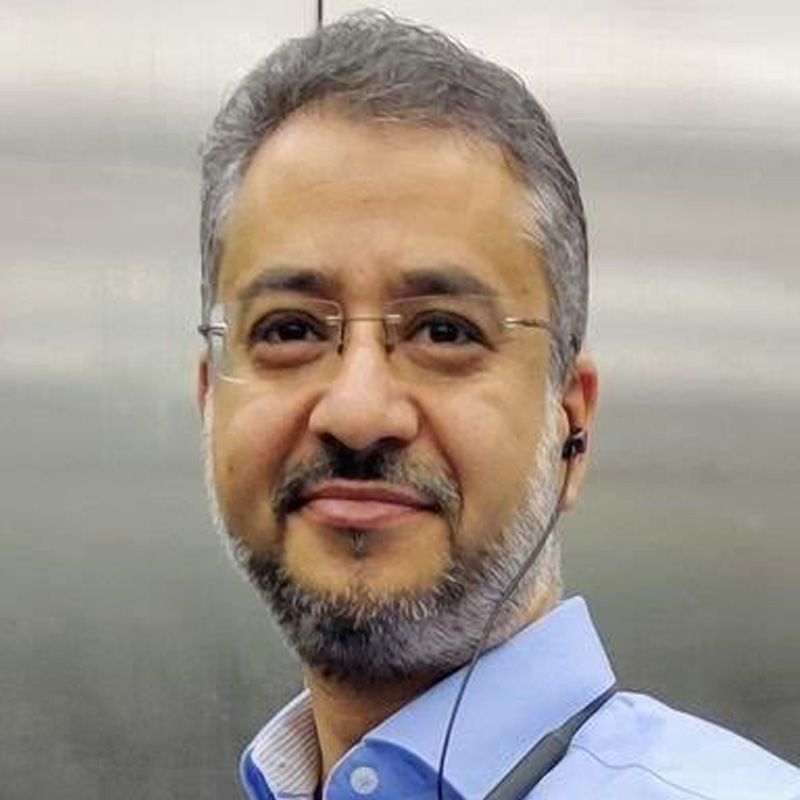
MUMBAI: News channels are at the forefront of this war against COVID-19. Providing news, busting myths and allaying people’s worries – they are doing it all....

MUMBAI: Network18 has launched a nationwide campaign exhorting people to make, wear and distribute home-made masks under #MakeYourOwnMask initiative. This is the latest initiative in a...
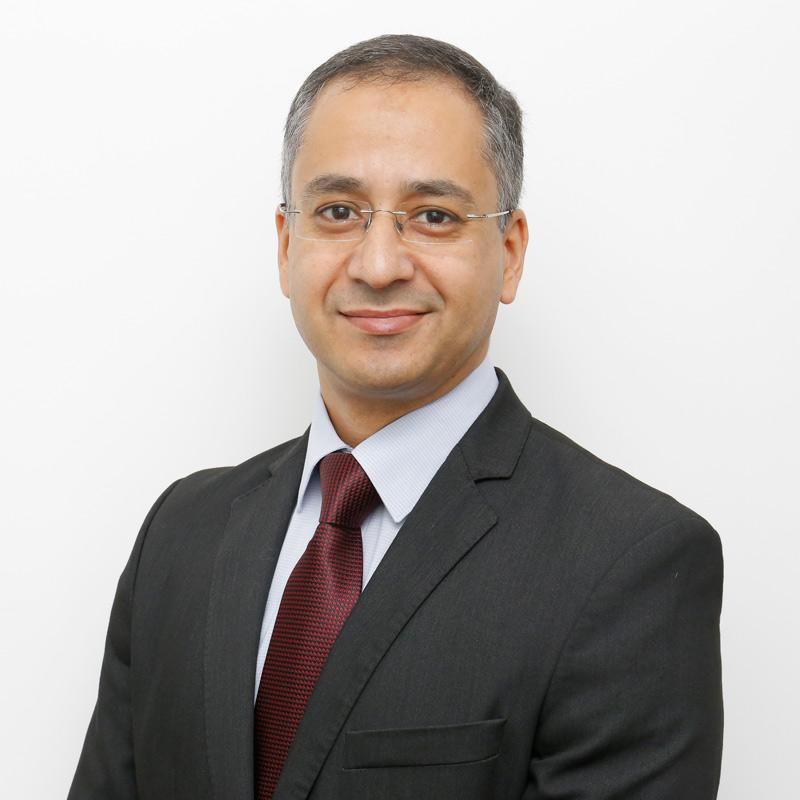
MUMBAI: Producing original shows on issues of contemporary local significance like surgical strikes, national elections, Ganesha festivals, marvels and mysteries of India; that’s how History TV...

MUMBAI: HistoryTV18 presents the sixth season of India’s most successful and longest-running factual entertainment series, ‘OMG! Yeh Mera India.’ Premiering on 18th November, this season will...

India: Ujjain – an ancient city in the heart of India-is a place where history and mythology converge. It was once the capital of a great...
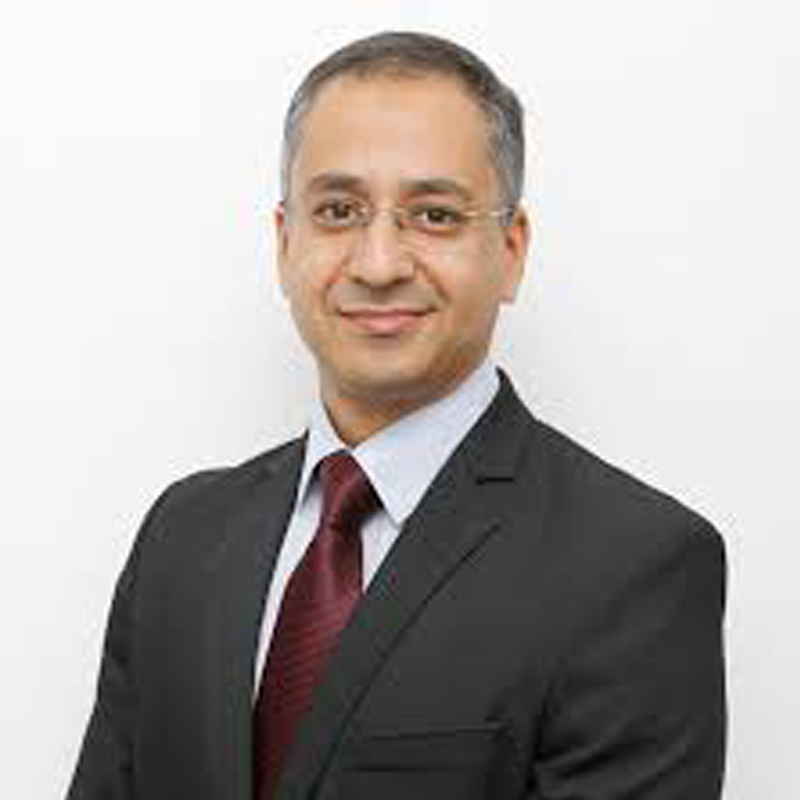
MUMBAI: Propelled by the ad spend on general elections, subscription revenue growth and the strength of its regional network, the news business of Network18 delivered solid numbers...
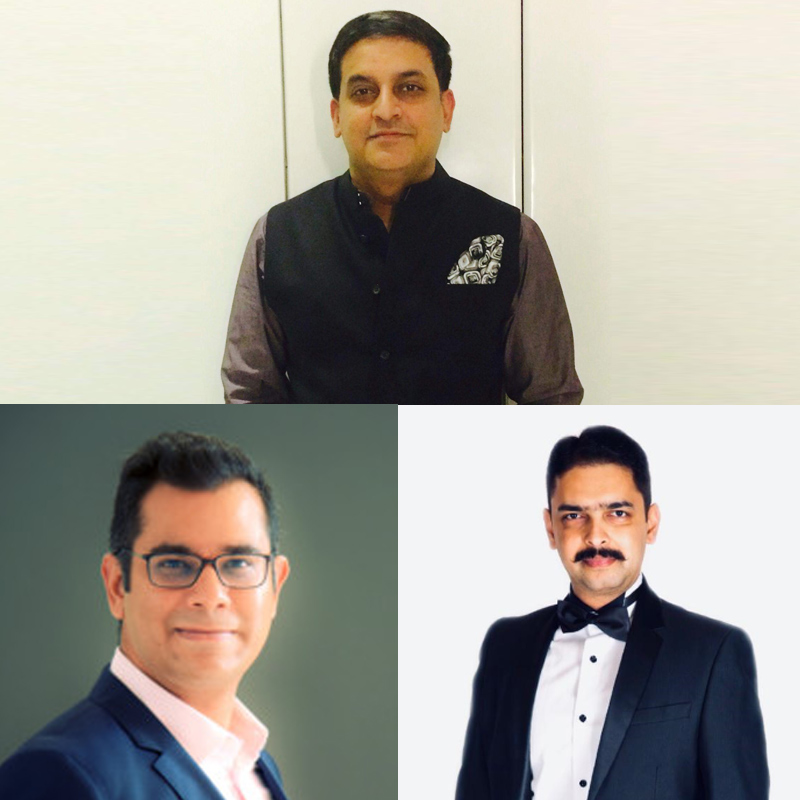
MUMBAI: Network18 has announced a recasting of its major cluster groups in order to exploit better efficiencies and achieve faster growth. It will have just three...
MUMBAI: CNBC-AWAAZ, India’s No.1 Hindi Business News channel, once again led the way with maximum viewership ratings during the Interim Budget day this year. Acquiring an...

MUMBAI: This budget week, CNBC-TV18 demolished the competition and emerged as India’s no. 1 English news channel, ahead of the likes of Republic TV and Times...

MUMBAI: 'New-age' and ‘Techno-talent’ will take center stage in the latest season of OMG! Yeh Mera India, slated to launch on 3rd December, 2018; every Monday...
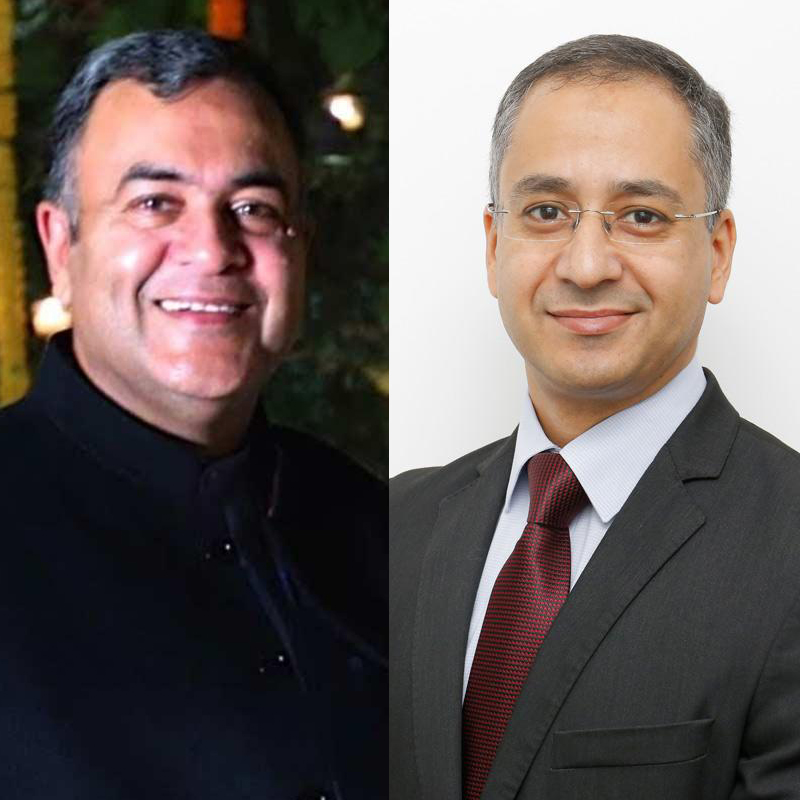
MUMBAI: Close on the heel of a senior executive from Network18 group announcing his departure and internal synergies being brought about in the company for better...
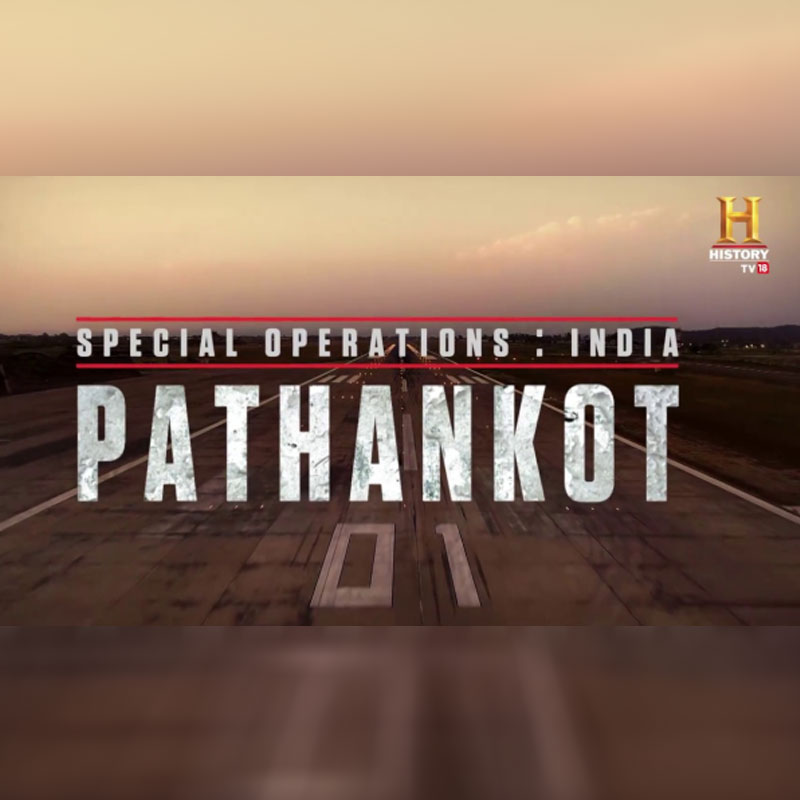
MUMBAI: On New Year’s Eve 2015, a group of terrorists from Pakistan set into motion, a plan to attack the Indian Air Force Station at Pathankot,...

MUMBAI: Network18 is adding another feather to its cap. The network is all geared up to launch a new Hindi news channel, News18 Bharat, to its...

MUMBAI: District, Manipur. 18 Indian soldiers were martyred, in what was one of the worst militant attacks in North-East India in a decade. In response, the...
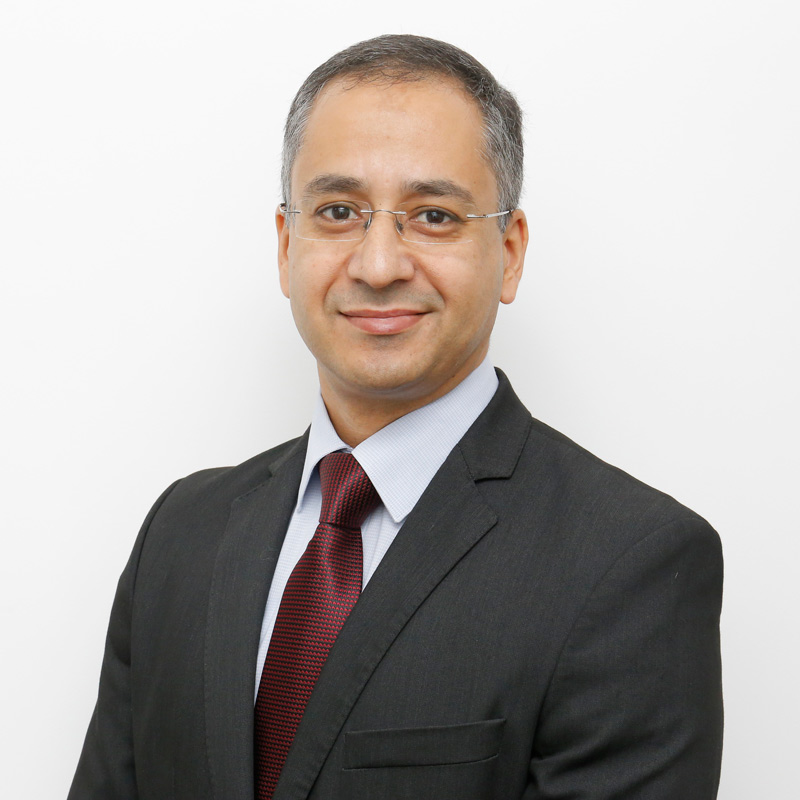
MUMBAI: Network18, one of India’s most diversified media conglomerates, has elevated Avinash Kaul as chief operating officer. In his new role, Kaul will oversee the operations of...
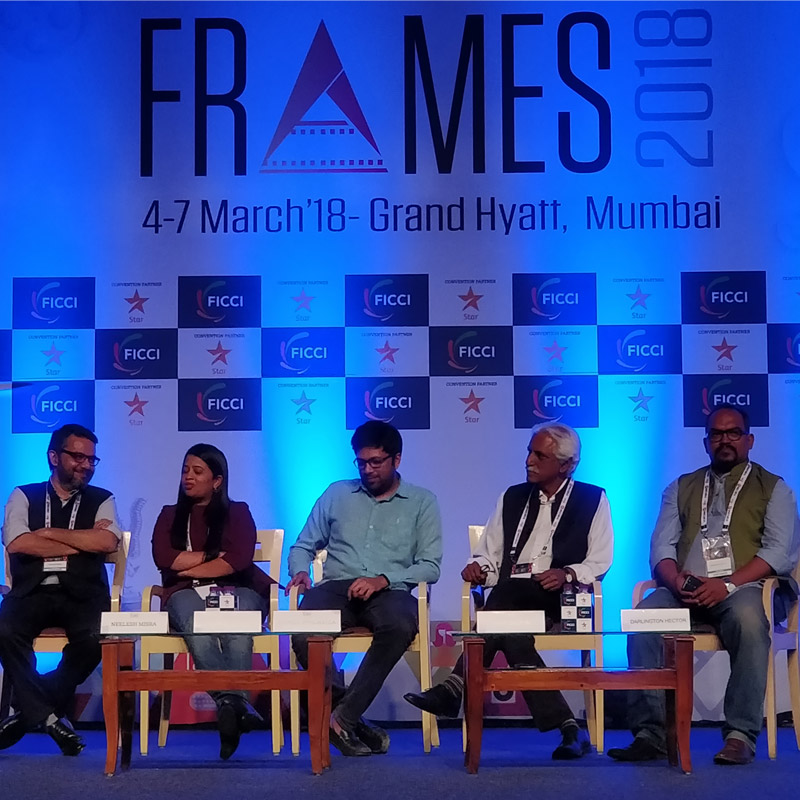
MUMBAI: The regional space in India is the new target for everyone. But what exactly is it that pulls content creators to divide themselves into India’s...

CNBC-TV18 demolishes all its competition yet again in the business genre with a market share of 79%, almost four times all the competition put together. (Source:...

MUMBAI: On 18 September 2016, four Jaish-e-Mohammad terrorists attacked an Indian Army Garrison in the town of Uri, Jammu and Kashmir. 19 Indian soldiers were martyred...

New Delhi: In the intensely competitive regional news genre in Rajasthan, ETV Rajasthan has established itself as a clear and dominant No. 1 channel. According to...
MUMBAI: Rising Rajasthan is being organized by News18 Network today at the Clarks Amer in Jaipur. The event will have the CM Vasundhara Raje as well...
MUMBAI: Continuing with the on-going refresh of its channels, ETV channels in MP/Chhattisgarh, Bihar/Jharkhand and Rajasthan also underwent a complete makeover. Apart from the fresh packaging,...
New Delhi: Uttar Pradesh / Uttarakhand, the leading news channel of UP & Uttarakhand, saw several changes being implemented over the past few weeks as part...
New Delhi: Uttar Pradesh / Uttarakhand, the leading news channel of UP & Uttarakhand, saw several changes being implemented over the past few weeks as part...

Heading a network in the highly competitive Indian news television business is not easy. Commercial, political, editorial, bottom line and competitive pulls and pressures can end up giving...
Heading a network in the highly competitive Indian news television business is not easy. Commercial, political, editorial, bottom line and competitive pulls and pressures can end up giving...

New Delhi, 09 November 2016: Network18 Group has renamed its Hindi general news channel as News18 India. The channel will today unveil a new brand identity,...
New Delhi, 09 November 2016: Network18 Group has renamed its Hindi general news channel as News18 India. The channel will today unveil a new brand identity,...

MUMBAI: Owned by Mukesh Ambani’s Reliance Industries, Network18 Media and Investments has a thorough makeover on the cards, again. After successfully revamping its English news channel...


