Tag: Atul Pande

  • Premier Badminton League assigns digital mandate to Columbus India

    Premier Badminton League assigns digital mandate to Columbus India

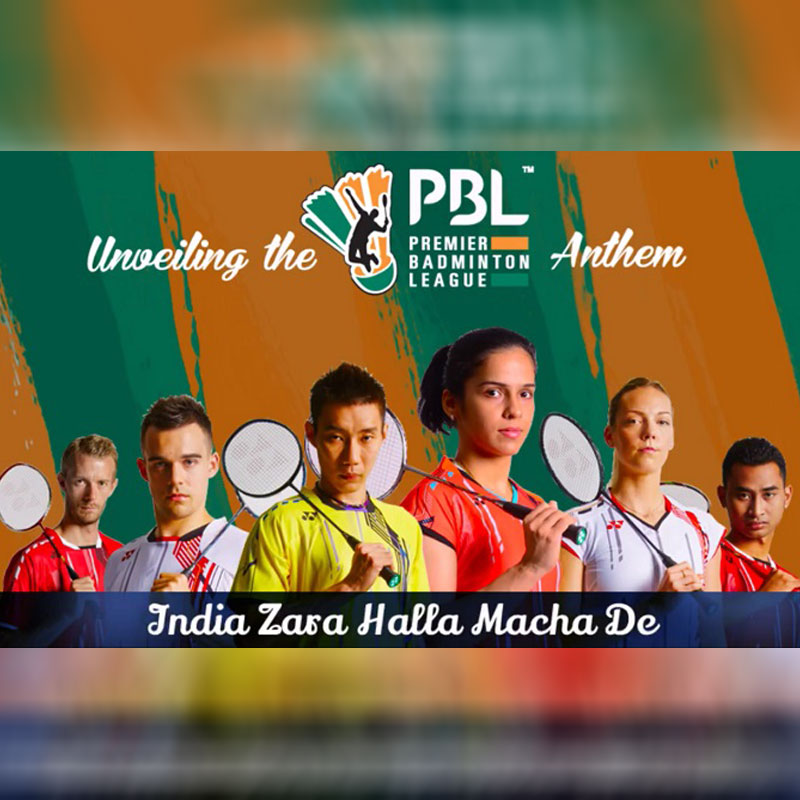
    MUMBAI: Premier Badminton League (PBL) has assigned its digital mandate to Columbus India, the digital agency from Dentsu Aegis Network.

    Managed by Sportzlive, it is India’s highest prize money tournament in the world of badminton leagues. The league goes live this season from 23 December 2017 till 14 Jan 2018.

    Sportzlive founder Prasad Mangipudi says, “This relationship will help Sportzlive & PBL to get media engagement services from Columbus’ unique ‘Media Engagement Framework’, enabling the event to reach millions of digital audiences in India & abroad.”

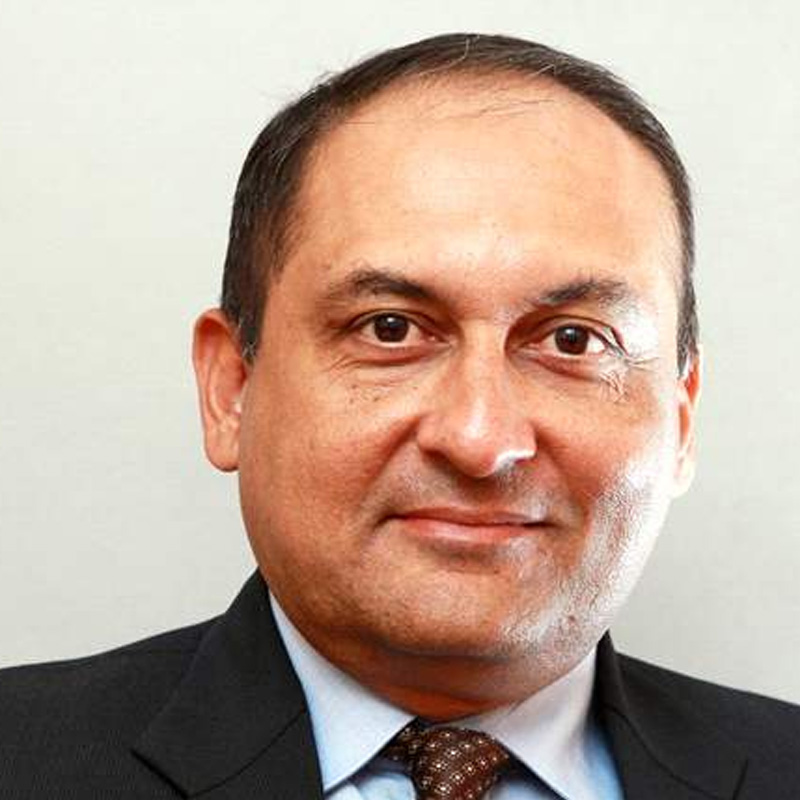
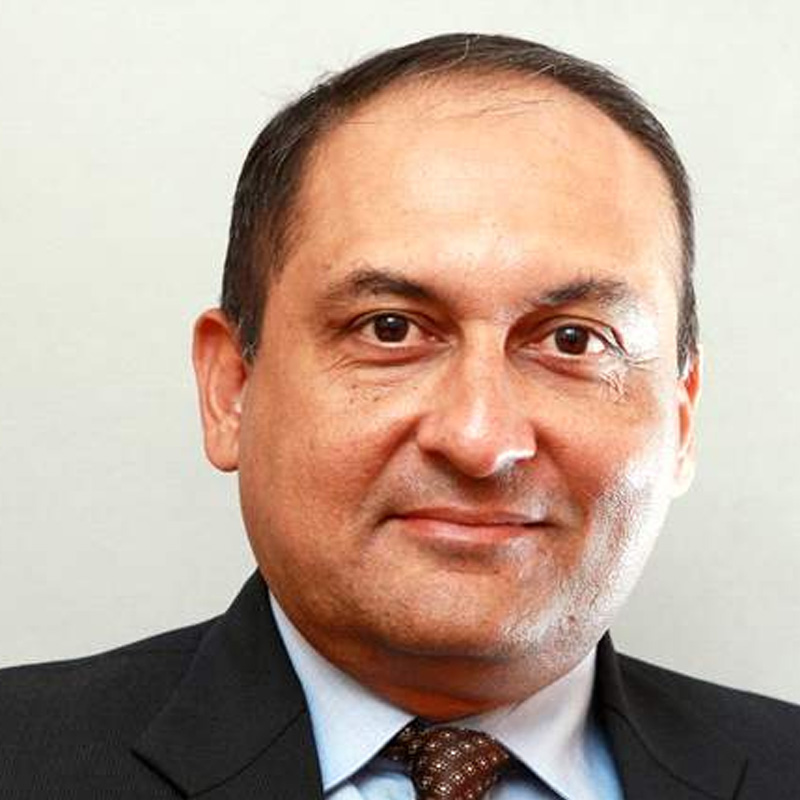
    Sportzlive managing director Atul Pande adds, “Digital is going to be a focus area of our marketing spends as our viewers are majorly online enabling us to build a larger sporting community across all sporting events managed by SportzLive.”

    Columbus India CEO Anurag Gupta mentions, “Columbus’ unique digital media services framework will allow real-time reporting on not just engagement but also on the buzz to help Sportzlive communicate with its audience in real time, this will be our second sports media engagement account after successfully working with Sportzlive for #CueSlam earlier this year.”

  • Industry leaders remember their Moms

    Industry leaders remember their Moms

    MothersMoms.They are the most wonderful people in the whole world. From our victories to our failures, mothers are always besides us.

    She is our first friend, our first role model, our first inspiration. The memories that are closest to our hearts are the ones with our mother. Whether it is a ragpicker or a billionaire, when it comes to Maa, they are no different.

    Indiantelevision.com decide to chat with head honchos, editors, CEOs and owners alike from the media, advertising, broadcasting and television industry to get you their fondest ‘Mom memories.‘ Catch a rare glimpse of a never-before-seen side of these highly influential and top notch individuals.

    "I always have my mother beside me and I think almost everything you learn in life has a little bit of your mother in it. Every aspect of life has her undertones."

    Raghav Bahl 
    Network18 founder-MD


    "My mother is an inspiration to me and has always been. Her self-discipline, her high standards, her self-motivation are values that I really look up to and I have tried to inculcate these values in myself."

    Tarun Katial
    RBNL CEO


    "The only memory that I have of my mother is of her dying in the hospital. I was very young when she passed away. She was in a lot of pain and we really couldn‘t do much for her. She used to write very good poetry depicting her pain. I still have those handwritten copies of her poetry. Today, all the writing skills and abilities that I have is all thanks to her. The way she expressed her pain in poetry… she is my inspiration."

    Rajat Sharma
    India 
    TV chairman and editor-in-chief


    "My mother has been my only inspiration and she still works harder than anybody else. She has been very loving, caring and has brought me up to be the independent woman which I am today. She hails from a small city Hardoi in UP and was a graduate even in those times but she is modern in the way she thinks. I was a laid back, lazy person but she encouraged me and pushed me to work harder and whatever I am today, its because of her."

    Mona Jain
    Vivaki Exchange CEO 


    "According to me, my mother is the world‘s best cook. I fondly remember the day my mother was experimenting while preparing a cake for me. We were so engrossed in talking to each other that the cake was on fire! She has always been there for me. She was the one who packed my bags when I was going to Oxford. I talk to her everyday on the phone. My mother is an integral part of my life."

    Sagarika Ghose
    CNN IBN deputy editor


    "I always feel that the journey I am enjoying in life has been entirely because of her sacrifices, prayers and belief in God. God is rewarding her by keeping us healthy and happy. While a doctor does cut the umbilical cord between mother and child, in real life, the cord only gets stronger and stronger as we grow. My mom and I share the same bond and she is the heart of my body. We share a great bond like friends. We care, we respect, we love, we fight, we pray, we share."

    Ajit Varghese
    Maxus South Asia MD


    "Every day I spend with my mother is special. I would not say I cherish Mother‘s Day specially, because for me, I love my mother each and every day and she is an integral part of my life. One of the most vivid memories from childhood with Mum is when she threw my entire collection of marbles out the window, quite literally. I used to love playing with marbles as a kid and I had a huge collection. I would start playing, and in the process create a racket with the marbles, in the morning. One day my Mum lost it. That was when she entered my room and just threw the entire bag away!"

    Pratap Bose
    DDB Mudra Group COO


    "A mother is often the first example of unconditional love that a child experiences. For many mighty girls, their relationship with their mothers is a very special one, and my mom is a role model for me. She has been extremely influential and supportive throughout. I share a wonderful relationship with her… more like a friend than a daughter. I always call her ‘from Shakespeare to samosas‘, as she has done her master’s in English literature and has also sold samosas. She is a fantastic lady and I owe my success to her. My mother is a diligent and determined woman who has guided me with the right direction. More importantly, she has taught me to appreciate this life as a precious gift."

    Monica Tata
    HBO India MD


    "Ever since my childhood, I have been greatly influenced by my mother. Right from childhood, my mother used to create plays at home and this is how I developed a love for this field. She holds a very strong and influential position in my life. She has motivated me a lot to act in plays in schools and colleges and that has helped me in building my career today to this success. There are many special moments and memories I have spent with her and it is very difficult to pin-point any one. My mother actually is an ordinary woman but in her tiny appearance lies an extraordinary fortitude, perseverance, an altruistic soul and a very kind heart."

    Anooj Kapoor
    Sab EVP and business head


    "When I was growing up in Uttar Pradesh in the seventies and eighties we didn‘t know of a thing called Mothers Day, but we practised it by giving her the day off on her birthday. My dad , my sister and I would pamper her and the day would end with us taking her out for a meal. Incidentally, my mother‘s birthday is on teacher‘s day, so it was very poignant. The current tradition of Mothers Day is a great one as it brings our dear moms in the spotlight and they deserve this extra day of being serenaded. May be we should have more mothers‘ days in a year. Happy Mother‘s Day Amma !"

    Atul Pande
    Zeel Sports Business CEO


    "Whatever I am now, I owe it all to her. She used to narrate a lot of stories to me in my childhood and that has helped me become a good ‘storyteller‘. When she would narrate stories to me, the very next day I used to narrate them to my school mates and soon I became a popular ‘storyteller’. Since the past five years I have the same caller tune dedicated to my parents. She has always guided me to the right path in every step of my life. She has taught me discipline, manners, and the sense of duty towards others in the family and in society."

    JD Majethia
    Hats Off Productions owner & actor/director


    "At 93, she is a fountain of Wisdom, wit and positive energy… My biggest inspiration #unconditionalLove #Mother" (on his facebook profile)

    Raj Nayak
    Colors CEO

  • India heading towards oligopoly in sports broadcasting: Zeel Sports Business CEO Atul Pande

    India heading towards oligopoly in sports broadcasting: Zeel Sports Business CEO Atul Pande

    The events in 2012 could be an indicator at how the sports business will look going forward. An oligopoly, with two primary broadcasters driving the business. This is a similar model to what happens internationally, where one or two large broadcasters drive the business and share most of the content and the platform play. Sports viewing will become more expensive, innovation will drive broadcaster hooks to drive affiliation, and High Definition will start becoming a real player in the business. By definition, therefore, being marginal will not remain an option. And yes, some definitive steps will be made towards profitability.

    This was a very LIVE heavy year. Almost 50 days of live India cricket, and more than 200 days of international cricket from other boards. Fully loaded IPL with nine teams, all the key European football leagues broadcasting most of their wares, new Indian leagues coming up with live products ensured that the sports enthusiast has enough to watch throughout the year.

    Sports penetration increased to 22 million households. The genre share continues to hover around 6 per cent. Most of this is now split between two broadcasters and they are must have bouquets to have for any platform worth its value in a very scattered broadcasting market.

    Internet continued to emerge as a credible platform. With more than three million tablets in India and 15 million broadband users, and growing at a substantial rate, it will become a platform of choice for some users eventually, and it continues to be a space to watch out for. Ten Golf launched an iPad and iOS application for live streaming and the response has been very encouraging. We will see much action on the Streaming side of the business in this area, and pricing scenarios will begin to evolve this year as the user base settles down.

    Indian cricket changed hands once again on record payouts. Cricket viewership growth remained tepid across the board. Football continued its spectacular growth by increasing its reach to 11 million households and in the metro markets it is a credible and a driver product. While the other sports remained marginal, they continue to demonstrate growth and build affiliation. Football content prices are now starting to demonstrate the cricketsque growth rates of the 90s and will put the revenue model of the product under pressure going forward.

    Much touted digitisation has commenced, and could be a game changer for the industry. As I write this, there is confusion on the ground but the landscape is quite positive. Clearly, sports will become a part of high value packs of the operators and full pricing delivery will kick in for discerning customers. To that extent, delivered penetration at the platform level will improve for all players, driving significantly enhanced revenues at the erstwhile analogue customer and the platform levels. This revenue action has been demonstrated at the DTH operators for the last couple of years, and the same should translate at the analogue level now. The key issue I see is the timing of the new industry structure, which may set back the real delivery by a few months as the packaging, MSOs and their LCO brethren settle down in the new regime.

    The other issue that will become transparent and lead to debate is the whole pricing paradigm around niche, and especially sports channels. My hypothesis is that some of the current channels at their current pricing will find it difficult to sustain their operations and the regulator will have to look favorably at pricing changes for key sports channels. There is a market for highly niche, high value channels that needs to be developed. High value and pay per view solutions will have to be considered and approved to help these products retain their quality and their business models. This is an imperative, which cannot be postponed anymore, and the niche and sports operators will have to espouse these causes with the decision makers.

    As we move to a new stage in the sports broadcasting arena, I also see a new dawn in the rural sporting landscape. This is one area where, because of the way sports channels have evolved and have become largely urban, up market products, there has been lack of focus, and initiative. I forecast 2013 as the year when we will see the birth of some rural leagues in India. I see Kabaddi and Kushti (Wrestling) as products, which will garner immediate traction and will be able to generate sponsor support too. The interesting thing to notice would be placement of these products – how do the sports channels with their urban mindset deliver these products to their eventual viewers and build credibility in this segment. So watch this space for some interesting action.

    As the sports broadcasting has moved to the next stage in India, the last few years have been extremely trying financially for the business. The financial model which has evolved mandates that 70 – 80 per cent revenue of the business comes out of the subscription vertical, and most of the acquisition strategy is built around that. The industry has been suffering because the cable analogue side of the business has not supported it as much as it should, and I hope in 2013 all of us collectively are able to drive that part of the business for consumer and enterprise value.

    We deserve it, to support our viewers, our investors and other stakeholders to achieve their ambitions. And above all, to help support local Indian sport and sportsmen, who deserve continued backing from the key stakeholder – the broadcaster – who helps monetise the industry. Make us healthy folks, and watch us give back to them to drive Indian sport to the glory it deserves!

    Have a terrific 2013.

  • Sports broadcasting at the crossroads of survival and glory: Zeel Sports Business CEO Atul Pande

    Sports broadcasting at the crossroads of survival and glory: Zeel Sports Business CEO Atul Pande


    Well, another year has gone past for the sports broadcasting industry in India, and another year which has raised more questions than answers, as the industry stands at the crossroads of survival and glory.

    Year 2011 started with a bang. A very successful World Cup – at least from an India team view point driving record ratings. The Indian teams performance, a dream semi-final and a terrific final ensured that the ODI got back to an even keel against their more illustrious counterpart – the T20. IPL demonstrated first weakness in the ratings of this very successful event, and the English tour started the demise of an illustrious Indian team, and as I write this, our performance in Australia has affected the cash registers even more. The fans mourn the performance of a team, which could do no wrong a year ago, which is reflecting in immediate ratings and the general mood.

    In the middle of all this, there was a small matter of a broadcaster falling out with a cricket board, with ramifications which could redefine the sport going forward.

    We live in India, and sometimes we forget that sport is more than cricket, so it‘s time for some statistics. The sports genre delivered a growth of 11 per cent in gross GRPs (gross rating points) delivered in 2011. The growth comes down a bit if one includes IPL, but the market share of the genre hovers around 7 per cent of all GRPs delivered. Interestingly, cricket grew driven by the World Cup with 85 per cent share, and non cricket GRPs actually shrunk this year, demonstrating the event driven nature of the Indian sports broadcasting milieu. The reach also increased this year with 5 million more households gaining access to the viewing pleasure of sport.

    Football demonstrated selective growth, and in some metro markets is a clear number 2 sport to cricket now. Also, clearly as a genre, there is a divide between metro / non metro where in cities like Mumbai and Delhi sports genre share is now climbing into the teens in terms of viewership.

    The launch of the HD service this year has opened another vista for the serious viewers and will open a completely new high value market, which will grow rapidly. Sports viewers on HD will touch a million by the end of this fiscal and are expected to grow to 5 million in two years time – a significant constituency.

    The advertising revenues struggled, especially towards the later part of the year. Subscription revenues grew modestly, with DTH (direct-to-home) again driving most of the growth, and financial model of all broadcasters in this business continues to be challenged.

    As predicted last year, new sports leagues have started burgeoning , and there is clearly a ground traction towards this initiative. Long term , it appears that all key sports will have their own structured leagues, with revenue models around them. Whether television can support all of them is a matter of discussion and evolution, but the on ground model continues to develop in India. The numbers initially will be modest but will help towards building sustainable platforms for these products in India.

    What was also interesting was to watch the other cricket boards launch their own versions of IPL, and it remains to be seen how these products will impact their markets, and more interestingly, the Indian market – which will have to bankroll these products in some way. The role of our cricket board will also play a part in these leagues as they grow and develop. Sri Lanka Premier League was deferred to 2012 after an aborted take off in 2011, but the Bangladesh Premier League appears to be a reality in the earlier part of 2012.

    The elephant in the room continues to be Cricket, and that is the issue, which all constituents are grappling with. It should come as no surprise to all if I mention that all broadcasters are struggling with the P&L around the sport. The board / broadcaster issue which I mentioned earlier is driven by the commercial equations of the product. It appears that unless the end subscriber starts paying for the cricket which he watches, and the revenue finds its way to the broadcaster, we are heading into a rather convoluted puzzle with few immediate solutions.

    The regulatory piece also does not help with mandatory sharing and stipulated pricing, which depresses the pricing across all categories, and also limits placement and revenue generation opportunities at the distribution level.

    The other issue which needs redressal is the general structure of the game per se. There is a crisis of sorts on the cricketing structure. Test cricket and its primacy appear under threat; there seems to be too much supply of cricket happening and there seems to be lack of cohesion between the ICC and its members on the way forward with the overall structure and scheduling. For the broadcasters, it is becoming a difficult task to be able to value these events in a predictable way for future revenues. In some markets Internet is now a credible force, and Internet piracy is a significant dampener in the current scheme of things.

    It is incumbent upon all stakeholders now to come together and find solutions for the long term sustenance of the product. 2012 will be an interesting year, which may drive much structural action on our cricket broadcasting model.

    With so much uncertainty around the main sport, segmentation will be the buzz word in the industry around non cricket sports. While viewing shares in some of the sports continue to be relatively low, our sheer numbers will help us in building profitable models around various products. I expect that the non cricket action will continue to accelerate at the ground level. And while we may not see or feel much happening here because of the sheer mind space cricket holds in our ethos, the real story and action is here. What is happening now will change the Indian sports viewing landscape, the results of which we will see in 5 to 10 years from now.

    Impending cable digitalisation also needs a mention in the scheme of things. It is possibly the single biggest immediate opportunity facing the business today. The DTH experience has demonstrated that addressable systems can drive a lot of revenue traction for compelling content and sports is clearly at the top of the ladder in terms of specific customer affiliation. Also, with superior delivery vehicles, transparent reporting and better customer interface, this platform brings to all the broadcasters the opportunity to segment, differentiate and build revenue streams around the distribution strategy of specific operators. I foresee this platform to be the next driver of sports distribution revenues in India. The road promises to be rocky but the view in the end should be stunning for all concerned.

    So sit back, relax, and enjoy the action. 2012 will be a defining year for this business in our part of the world, and events as they unfold should be gripping !!

  • Be ready for more franchise properties – Zeel sports business CEO Atul Pande

    Be ready for more franchise properties – Zeel sports business CEO Atul Pande

    Like most of the media industry, 2010 was a significant year for sports and sports broadcasting. Jury is still out on whether things got better or far worse, but clearly there are trends and issues which continue to emerge which the industry will have to deal with going forward.

    Given the continuing increase in high impact live sporting events being broadcast, the sports channel shares moved up to 6 per cent of total viewing in the industry. In March and April, driven by the show case event of the year – the IPL – the business share went upwards of 10 per cent.

    World Cup Football, which was the summer event, did not deliver cricketsque ratings despite the hype. Live cricket continued to drive the viewership numbers of the business.

    After the slump of 2008, and marginal improvement in 2009, 2010 definitely delivered a marked improvement in advertising revenues. The rates improved and settled back to superior levels, and in some T20 matches commanded very high premiums.

    The industry is estimated to end the year at close to Rs 16 billion, which is a 25 per cent growth over last year. Cricket continues to be 80 per cent of the ad revenue by share, and over 70 brands committed to the category consistently this year.

    While numbers in other sports continued to be relatively small, the growth rates there are higher and sponsorship interest is more evident. Soccer continues to be the second largest sport in terms of advertiser interest. World Cup Hockey, which was marketed aggressively, indicated that hockey could generate revenues and viewer interest again if the Indian team started doing well.

    If one looked at various viewership trends emerging within the industry, it appears that ODIs and Tests are holding their ratings, while T20s continue to drive viewership growth. IPL numbers continue to demonstrate the fact that the there is a clear shift from GEC to this category in those months – especially when the more popular and successful teams play.

    However, T20 performance in Champions League also indicates that team affiliation as well as team performance is driving viewership, which clearly comes through in Indian Cricket team ratings across various events. This year also demonstrated through the Hockey World Cup that this product can be built strongly, and viewers will come back; as is soccer which through EPL, UEFA Champions League and other European leagues, is building a fair degree of traction in viewership across the board.

    Golf is another fast growing sport which now boasts of a critical mass of dedicated viewers, as is Motor Sports which have their enthusiastic fan base. Indian football continued to trundle along, and while the ratings are comparable to EPL, does not garner advertiser support. Also, the support for this category is very geography specific and does not lead to advertising efficiencies.

    Tennis gets a lot of airtime because of ATP events but the real penetration comes only in the Grand Slams. US specific leagues, while delivering high quality sporting action, suffer because of poor telecast times, but still have enough following to demand time slots.

    Fighting sports continued to stay strong, and rather surprisingly demonstrated good growth in the hinterland. CWG and Asiad, in spite of their tremendous build ups, languished in terms of ratings, and continued to confound the sports channels and analysts.

    The other big shift which came through this year was the impact of DTH revenues on the affiliate model. This is an addressable opportunity, and is already demonstrating that it could overtake analogue cable revenues, perhaps as early as 2012. Already, with most sports broadcasting businesses‘, revenues from DTH being in the range of 40-45 per cent of total affiliate revenues, they are demonstrating very high double digit ( and in the case of some operators – triple digit ) growth rates.

    Also, this platform is expanding the scope of its services by providing differentiated viewership such as pay-per-view options, High Definition and 3D. This platform could be a game changer for the sports broadcasting business and start delivering subscription revenues of the kind which the industry deserves and has been counting on for its survival.

    Cable analogue continues to perplex, and is not able to deliver any significant growth to the sports channels. While digital services on the ground are expanding, the service delivery and the service orientation still lags behind what is required by this industry.

    From an overall perspective, though, affiliate revenues continued to be the big dampener this year. Worldwide, sports broadcasting industry is driven by subscription revenues, and the same model has to now transcend into India. Sports is premium and specific content, supported by viewers who are driven by loyalty to franchises and teams; they will pay top dollar for this quality content. Our underdeclared affiliate system and the pricing regime continues to put the revenue model of the industry under grave threat.

    Cricket, which drives the revenue side of the sport, continues to be a financial challenge for all broadcasters. The exorbitantly priced Champions League aside, the rights fees of other cricket events and national board‘s rights continue to hurt the industry as the revenue model in our country (especially affiliate) is not supporting this business.

    The 2009 Nimbus deal with BCCI was an indicator of things to come, and the next round of rights biddings will demonstrate the appetite which various broadcasters will have around these properties. In my opinion, these exorbitant prices, unless they reach a win-win ‘Broadcaster-Board‘ equilibrium, will by itself drive more franchise cricket; various national boards will use this opportunity with broadcaster support to build their own leagues consisting of international players. This space will be an interesting one to watch as it will put competing variables at play which the ICC and the member boards will have to grapple with. This is probably the most significant content issue in the industry and will be interesting to watch how it unfolds.

    Speaking of Franchises, I think that it is the way most of the sport will move in our country. With the exception of IPL, the other sports viewing in India is mostly around the national teams, and there are just not enough broadcast opportunities to drive viewer commitment and interest.

    Also, the overwhelming financial impact of one product will necessitate movement in this direction. I forecast 2011 as the year when we may see two to three big ticket launches of alternate sports franchise driven platforms in India. In the long term, this will be a game changer for the business and will drive our sporting landscape towards a US-based multi-sport franchise system.

    The story is not written completely yet, but 2010 demonstrated that the winds of change have started blowing in the business. The actions of local federations, broadcasters and International Governing Bodies in 2011 will determine the way our industry will move forward. Expect big structural changes beginning to happen for the good for the sport and the viewers. The road to that destination is long and winding but the view en route should be exciting.

    So sit back and enjoy and watch the action!

  • Ten Cricket ropes in 12 sponsors for India-South Africa series

    Ten Cricket ropes in 12 sponsors for India-South Africa series

    MUMBAI: Ten Cricket has roped in 12 sponsors for the India-South Africa cricket series, moving in line with its ad revenue target of Rs 1.4 billion from the tournament that kicks off on 16 December.

    Ten Cricket claims to have already sold ad inventory worth Rs 1.3 billion. “Ten Cricket is already booked to capacity inventory and there is a continuing demand,” says Zeel chief revenue officer and head niche channels Joy Chakraborthy.

    The broadcaster has signed Tata Docomo, Hero Honda and Micromax as co-sponsors for the India-South Africa series.

    The tournament will include three Test Matches, one Twenty20 International and five ODIs.

    Chakraborthy said, “We have signed up 12 sponsors – The associate sponsors are IDBI Federal Life Insurance, Maruti Suzuki, Colgate, Berger, Religare Enterprises, Manappuram Gold Loan, Aditya Birla Group and I-Ball.”

    Ten Sports CEO Atul Pande said, “Ten Cricket will bring telecast in a viewer friendly format with expert analysis, graphics and world class commentary. At the same time Taj India’s distribution and marketing strength will bring lot of value to advertisers, sponsors and partners.”