Tag: AT&T

  • FB, Google’s biz approach that of a media content company: GroupM chief

    FB, Google’s biz approach that of a media content company: GroupM chief

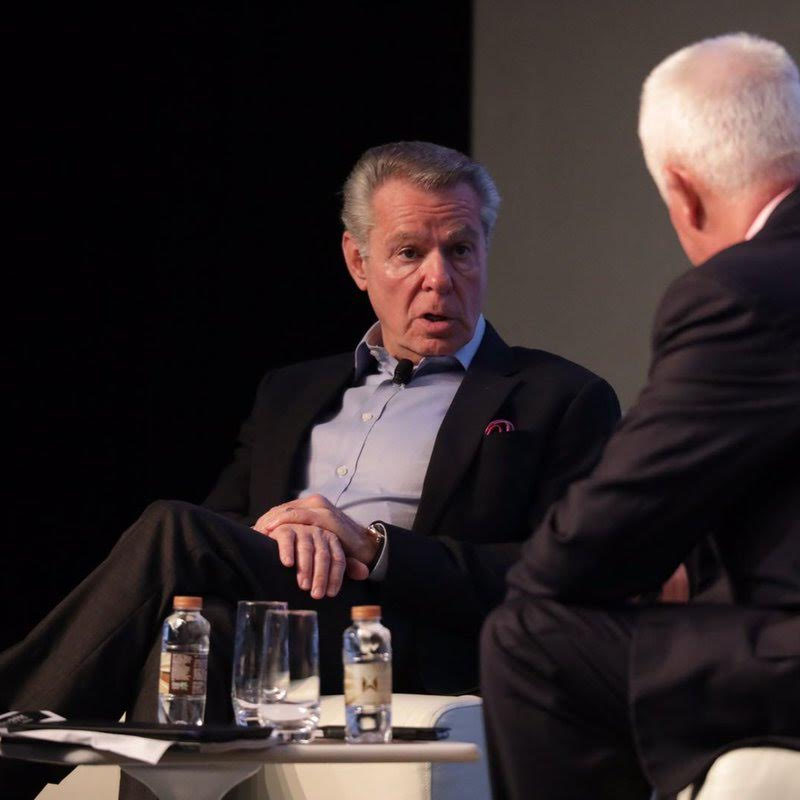
    MACAO: When the hundred billion dollar man, GroupM Global Chairman Irwin Gotlieb, says that the role of the media is to create content, it’s time to take notes. When he opines that Facebook and Google are tech companies whose “business approach is that of a media company” that relies on content, it’s more the reason that one should seriously relook at content creators and business strategies.

    It’s inevitable that Facebook and Google will get more seriously into content creation, Gotlieb said here, adding that it may not be a very healthy trend considering the power that such companies wield in the digital realm today.

    Speaking to former CASBAA Chairman Marcel Fenez during the Opening Keynote at CASBAA Convention 2016 here on Tuesday, Gotlieb held forth on varied media industry trends, including holding the view that the AT&T-Time Warner type of mergers (yet to be ratified by US regulator) are “just tip of the iceberg” in vertical integration, which can take interesting turn as FB and Google seriously get down to such M&A activities.

    To buttress his argument Gotlieb said that Google had already started a division to create content to target consumers, while it may be a matter of time before FB also follows the same path. It’s “kind of “inevitable” that both these companies move into content creation too, which may pose a challenge to other industry stakeholders, the GroupM chief said.

    Pointing out that both these tech giants were “walled gardens and very protective of the data they have”, Gotlieb, who as the GroupM chief is responsible for generating approximately US$ 100 billion in annual global ad sales, said it may not be a very healthy trend as people need to “see across them to target properly (consumers) to maximise client investments.”

    “In the absence of big ideas…it (data) allows us to reach and understand the consumer better,” Gotlieb said, adding, while replying to another question, the measurement of TV as “we understand today is understated as there are alternate devices (to consume media)” available with consumers.

    Holding forth on the changing nature and measurement of viewing behaviors, Gotlieb also touched upon how ways to reach audiences via the marketing funnel is the same but a granularity of data can help decision-making for each stage of the funnel.

    He underscored how media will continue to play a role and become more targetable, addressable and, eventually, part of the transaction process.

    Meanwhile, after Gotlieb had set the trend for the opening day of the CASBAA Convention here, Pricewaterhouse Coopers MD Oliver Wilkinson provided statistics to illustrate that pay TV was not dead despite what the headlines screamed and that it remained a primary form of entertainment.

    Still, with digital players increasingly encroaching on the turf of pay TV, content and channel providers should look to diverse their business models and offerings, Wilkinson said.

    Doing deals in China was the topic for Bennett Pozil, EVP of East West Bank. He discussed the migration of content both ways as well as some of the pros and cons of doing business in China.

    Vivek Couto, Executive Director at Singapore-based market research company Media Partners Asia, flagged the rise of digital players with the forecast that pay TV growth would slow to about 3 per cent as content providers were looking to establish more direct to consumer offerings. However, he admitted that in some markets in Asia like India players had invested heavily in traditional TV infrastructure.

    Reaching a vast audience through tailored video and gaming content was the topic for Chad Gutstein, CEO of Machinima, who highlighted that their most valued content was when viewers felt they had a connection to the creation of it.

    James Schwab, Co-President of VICE, discussed how their local content policy over digital channels has helped the company grow exponentially over the last few years. The recent move into TV was important for the company as it gave them the ability to invest more in content.

    Localized and Asian content was flagged by Henry Tan, COO of Astro, for being one of the main drivers that has seen the provider defy the trend of decline in time spent on TV and reporting healthy growth in this respect. A true understanding of the complexities of the Malaysian audience demographic was key to content that worked for Astro’s market, he said.

    Piracy, online or otherwise, cropped up in conversations throughout the day with opinions polarized on whether this would continue to be an issue.

    In a session devoted to the subject of content piracy, Avigail Gutman, Programme Director, Operational Security, Cisco, advised that the industry needed to “follow the money” in combating piracy. Lucia Rangel, VP Latin America, Asia Pacific & Worldwide, Game Strategy and Operations, Warner Bros. agreed the problem was global and that `ISD boxes’ formed a critical part of the problem as many consumers were not even aware of the illegality of these and other streaming mechanics. A global effort was needed to fight the pirates, Rangel commented.

    Desmond Chan, Deputy GM, Legal and International Operations, TVB, highlighted the tangible impact piracy had already made to their business, while Nickhil Jakatdar of Vuclip talked about how the content provider’s strategy was to provide a better experience than that available from pirate outfits.

  • FB, Google’s biz approach that of a media content company: GroupM chief

    FB, Google’s biz approach that of a media content company: GroupM chief

    MACAO: When the hundred billion dollar man, GroupM Global Chairman Irwin Gotlieb, says that the role of the media is to create content, it’s time to take notes. When he opines that Facebook and Google are tech companies whose “business approach is that of a media company” that relies on content, it’s more the reason that one should seriously relook at content creators and business strategies.

    It’s inevitable that Facebook and Google will get more seriously into content creation, Gotlieb said here, adding that it may not be a very healthy trend considering the power that such companies wield in the digital realm today.

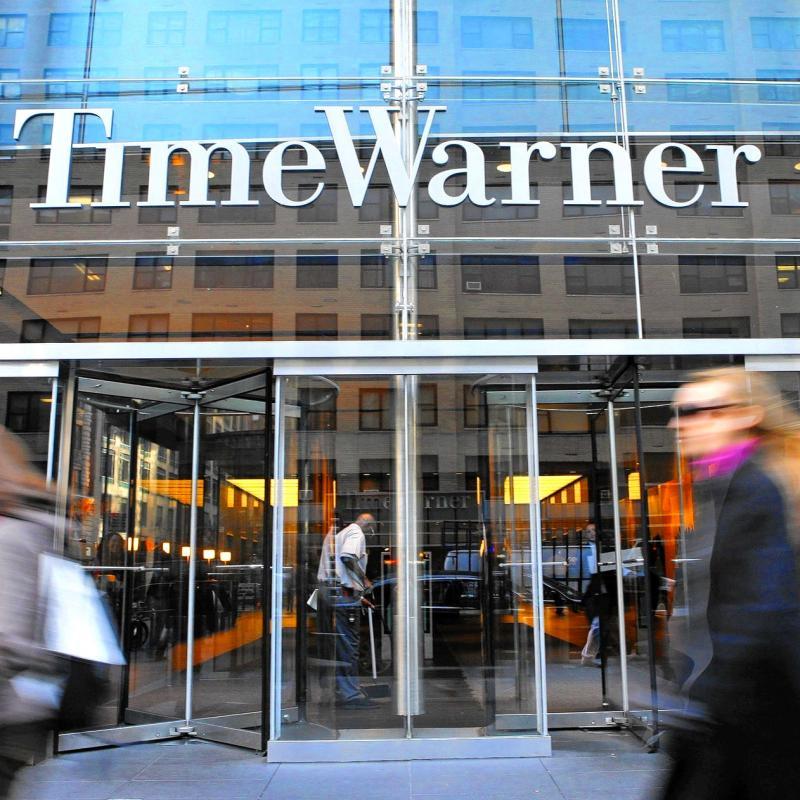
    Speaking to former CASBAA Chairman Marcel Fenez during the Opening Keynote at CASBAA Convention 2016 here on Tuesday, Gotlieb held forth on varied media industry trends, including holding the view that the AT&T-Time Warner type of mergers (yet to be ratified by US regulator) are “just tip of the iceberg” in vertical integration, which can take interesting turn as FB and Google seriously get down to such M&A activities.

    To buttress his argument Gotlieb said that Google had already started a division to create content to target consumers, while it may be a matter of time before FB also follows the same path. It’s “kind of “inevitable” that both these companies move into content creation too, which may pose a challenge to other industry stakeholders, the GroupM chief said.

    Pointing out that both these tech giants were “walled gardens and very protective of the data they have”, Gotlieb, who as the GroupM chief is responsible for generating approximately US$ 100 billion in annual global ad sales, said it may not be a very healthy trend as people need to “see across them to target properly (consumers) to maximise client investments.”

    “In the absence of big ideas…it (data) allows us to reach and understand the consumer better,” Gotlieb said, adding, while replying to another question, the measurement of TV as “we understand today is understated as there are alternate devices (to consume media)” available with consumers.

    Holding forth on the changing nature and measurement of viewing behaviors, Gotlieb also touched upon how ways to reach audiences via the marketing funnel is the same but a granularity of data can help decision-making for each stage of the funnel.

    He underscored how media will continue to play a role and become more targetable, addressable and, eventually, part of the transaction process.

    Meanwhile, after Gotlieb had set the trend for the opening day of the CASBAA Convention here, Pricewaterhouse Coopers MD Oliver Wilkinson provided statistics to illustrate that pay TV was not dead despite what the headlines screamed and that it remained a primary form of entertainment.

    Still, with digital players increasingly encroaching on the turf of pay TV, content and channel providers should look to diverse their business models and offerings, Wilkinson said.

    Doing deals in China was the topic for Bennett Pozil, EVP of East West Bank. He discussed the migration of content both ways as well as some of the pros and cons of doing business in China.

    Vivek Couto, Executive Director at Singapore-based market research company Media Partners Asia, flagged the rise of digital players with the forecast that pay TV growth would slow to about 3 per cent as content providers were looking to establish more direct to consumer offerings. However, he admitted that in some markets in Asia like India players had invested heavily in traditional TV infrastructure.

    Reaching a vast audience through tailored video and gaming content was the topic for Chad Gutstein, CEO of Machinima, who highlighted that their most valued content was when viewers felt they had a connection to the creation of it.

    James Schwab, Co-President of VICE, discussed how their local content policy over digital channels has helped the company grow exponentially over the last few years. The recent move into TV was important for the company as it gave them the ability to invest more in content.

    Localized and Asian content was flagged by Henry Tan, COO of Astro, for being one of the main drivers that has seen the provider defy the trend of decline in time spent on TV and reporting healthy growth in this respect. A true understanding of the complexities of the Malaysian audience demographic was key to content that worked for Astro’s market, he said.

    Piracy, online or otherwise, cropped up in conversations throughout the day with opinions polarized on whether this would continue to be an issue.

    In a session devoted to the subject of content piracy, Avigail Gutman, Programme Director, Operational Security, Cisco, advised that the industry needed to “follow the money” in combating piracy. Lucia Rangel, VP Latin America, Asia Pacific & Worldwide, Game Strategy and Operations, Warner Bros. agreed the problem was global and that `ISD boxes’ formed a critical part of the problem as many consumers were not even aware of the illegality of these and other streaming mechanics. A global effort was needed to fight the pirates, Rangel commented.

    Desmond Chan, Deputy GM, Legal and International Operations, TVB, highlighted the tangible impact piracy had already made to their business, while Nickhil Jakatdar of Vuclip talked about how the content provider’s strategy was to provide a better experience than that available from pirate outfits.
  • Q3-16:  DIRECTV mitigates AT&T U-Verse TV subscriber numbers fall

    Q3-16: DIRECTV mitigates AT&T U-Verse TV subscriber numbers fall

    BENGALURU: AT&T acquired DIRECTV added 323,000 net subscribers and hence helped mitigate the company’s Entertainment and Internet Services Group (Entertainment) segment’s loss of 326,000 U-Verse subscribers for the quarter ended 30 September 2016 (Q3-16, current quarter). About 70 percent of DIRECTV net additions were consumers transitioning from U-Verse says the company. The Entertainment Group ended the quarter with 25.3 million (2.53 crore) video subscribers. Further, the company says it has added 156,000 broadband subscribers during the current quarter.

    However, the total number of video connections of the Entertainment Group were slightly lower than the 25.4 million connections in Q3-16. At September 30, 2016, Entertainment had approximately 51.0 million revenue connections, compared to 52.6 million at September 30, 2015,

    Total revenues of the segment were $12.7 billion ($1,270 crore), up 17.1 percent versus the year-earlier quarter mostly due to the acquisition of DIRECTV. Also contributing to the gain was continued growth in consumer IP services informs the company. Video and Ad sales constitute about 70 percent of the Entertainment Group’s revenue, IP Voice/Data about 19 percent legacy and other revenues the balance 11 percent.  Broadband revenues were up 5 percent in the quarter with IP broadband growing by 12 percent. AdWorks has grown to a $1.5 billion ($150 crore) annualized revenue stream with double-digit revenue growth year to date and strong margins.

    Consolidated Numbers

    AT&T’s consolidated revenues for the third quarter totaled $40.9 billion ($4,900 crore) , up 4.6 per cent versus the year-earlier period due to the July 24, 2015 acquisition of DIRECTV. Excluding the impact of the DIRECTV acquisition and foreign exchange, revenues were essentially flat, as growth in video and IP-based services mostly offset pressures from declines in wireless and legacy services. Compared with results for the third quarter of 2015, operating expenses were $34.5 billion ($3,450 crore) versus $33.2 billion ($3,320 crore); operating income was $6.4 billion ($s 640 crore) versus $5.9 billion ($590 crore) ; and operating income margin was 15.7 percent versus 15.2 percent. When adjusting for $0.14 of amortization, $0.03 in merger- and integration-related costs and $0.03 of employee-separation costs, operating income was $8.3 billion ($830 crore) versus $7.9 billion ($790 crore); and operating income margin was 20.3 percent, consistent with the year-ago quarter.

    Third-quarter net income attributable to AT&T totalled $3.3 billion ($330 crore) or $0.54 per diluted share, compared to $3.0 billion ($300 crore), or $0.50 per diluted share, in the year ago quarter. Adjusting for $0.20 of amortization, merger- and integration related costs and other expenses, earnings per diluted share was $0.74 compared to an adjusted $0.74 in the year-ago quarter.

    Time-Warner takeover

    As mentioned earlier, AT&T plans to take over Time Warner in a blockbuster $85.4 billion ($8,540 crore) that will completely change the media landscape, A Senate subcommittee responsible for competition will hold a hearing in November 2016. Media reports say that the announcement of the deal has raised concerns in the US, ‘with lawmakers, analysts and advocacy groups closely watching to see if the union, or any that follow in its wake, poses harm to consumers’ says a New York Times report.

    According to a BBC report, a spokesman for the Democratic presidential candidate Hillary Clinton has said there were “a number of questions and concerns” about the deal that regulators needed to scrutinise, but added “there’s still a lot of information that needs to come out before any conclusions should be reached”.

    The BBC report further alleges that Republican candidate Donald Trump has said that he would block the merger if he wins, because it was “too much concentration of power in the hands of too few”.


  • Q3-16:  DIRECTV mitigates AT&T U-Verse TV subscriber numbers fall

    Q3-16: DIRECTV mitigates AT&T U-Verse TV subscriber numbers fall

    BENGALURU: AT&T acquired DIRECTV added 323,000 net subscribers and hence helped mitigate the company’s Entertainment and Internet Services Group (Entertainment) segment’s loss of 326,000 U-Verse subscribers for the quarter ended 30 September 2016 (Q3-16, current quarter). About 70 percent of DIRECTV net additions were consumers transitioning from U-Verse says the company. The Entertainment Group ended the quarter with 25.3 million (2.53 crore) video subscribers. Further, the company says it has added 156,000 broadband subscribers during the current quarter.

    However, the total number of video connections of the Entertainment Group were slightly lower than the 25.4 million connections in Q3-16. At September 30, 2016, Entertainment had approximately 51.0 million revenue connections, compared to 52.6 million at September 30, 2015,

    Total revenues of the segment were $12.7 billion ($1,270 crore), up 17.1 percent versus the year-earlier quarter mostly due to the acquisition of DIRECTV. Also contributing to the gain was continued growth in consumer IP services informs the company. Video and Ad sales constitute about 70 percent of the Entertainment Group’s revenue, IP Voice/Data about 19 percent legacy and other revenues the balance 11 percent.  Broadband revenues were up 5 percent in the quarter with IP broadband growing by 12 percent. AdWorks has grown to a $1.5 billion ($150 crore) annualized revenue stream with double-digit revenue growth year to date and strong margins.

    Consolidated Numbers

    AT&T’s consolidated revenues for the third quarter totaled $40.9 billion ($4,900 crore) , up 4.6 per cent versus the year-earlier period due to the July 24, 2015 acquisition of DIRECTV. Excluding the impact of the DIRECTV acquisition and foreign exchange, revenues were essentially flat, as growth in video and IP-based services mostly offset pressures from declines in wireless and legacy services. Compared with results for the third quarter of 2015, operating expenses were $34.5 billion ($3,450 crore) versus $33.2 billion ($3,320 crore); operating income was $6.4 billion ($s 640 crore) versus $5.9 billion ($590 crore) ; and operating income margin was 15.7 percent versus 15.2 percent. When adjusting for $0.14 of amortization, $0.03 in merger- and integration-related costs and $0.03 of employee-separation costs, operating income was $8.3 billion ($830 crore) versus $7.9 billion ($790 crore); and operating income margin was 20.3 percent, consistent with the year-ago quarter.

    Third-quarter net income attributable to AT&T totalled $3.3 billion ($330 crore) or $0.54 per diluted share, compared to $3.0 billion ($300 crore), or $0.50 per diluted share, in the year ago quarter. Adjusting for $0.20 of amortization, merger- and integration related costs and other expenses, earnings per diluted share was $0.74 compared to an adjusted $0.74 in the year-ago quarter.

    Time-Warner takeover

    As mentioned earlier, AT&T plans to take over Time Warner in a blockbuster $85.4 billion ($8,540 crore) that will completely change the media landscape, A Senate subcommittee responsible for competition will hold a hearing in November 2016. Media reports say that the announcement of the deal has raised concerns in the US, ‘with lawmakers, analysts and advocacy groups closely watching to see if the union, or any that follow in its wake, poses harm to consumers’ says a New York Times report.

    According to a BBC report, a spokesman for the Democratic presidential candidate Hillary Clinton has said there were “a number of questions and concerns” about the deal that regulators needed to scrutinise, but added “there’s still a lot of information that needs to come out before any conclusions should be reached”.

    The BBC report further alleges that Republican candidate Donald Trump has said that he would block the merger if he wins, because it was “too much concentration of power in the hands of too few”.


  • Content a ‘Game of Thrones’;  AT&T’s control over HBO, Cartoon Network, Warner Bros faces regulatory lens

    Content a ‘Game of Thrones’; AT&T’s control over HBO, Cartoon Network, Warner Bros faces regulatory lens

    MUMBAI: The global media landscape is resulting in a new juggernaut as an internet and cable behemoth yesterday purchased an entertainment conglomerate making the former unmatched in its size and reach to consumers through home broadband, smartphones, satellite television and a battery of movies and cable channels. This deal could lead to more cautionary flags than Comcast’s merger with NBCUniversal in 2009.

    The US$ 108.7-billion AT&T, Time Warner merger has been met with suspicion as analysts raised antitrust concerns that it would create unfair pricing and lead to further media consolidation. The
    cash-and-stock deal values Time Warner – with CNN, HBO, and Warner Bros Studios – at over $85 billion, and involves AT&T taking on its debt.

    AT&T, over a year ago, became the nation’s largest pay-TV operator when it acquired DirecTV. Now, Time Warner would give AT&T HBO, CNN, TBS, TNT, Cartoon Network and Warner Bros., Hollywood’s biggest television and film studio. The massive deal has become a subject of discussion in the US presidential campaign. Donald J. Trump, condemning the deal, said he would block it if he were the president, “because it’s too much concentration of power in the hands of too few.” Hillary Clinton has assured to be tough on consolidation and corporate megapowers.

    Although the latest merger is considered “vertical integration” as the two broadly do not compete against each other as compared to other “horizontal integration” of similar businesses, regulators could look at other ways AT&T might affect the media ecosystem if the deal were to consummate.

    AT&T may possibly make it more expensive for its competitors to gain access to HBO or Time Warner’s content or give preferential treatment to its own programming.

    A brief history of media/telecom deals

    1995
    Turner Broadcasting System and Time Warner announced a $7.5-billion merger, bringing together brands including Warner Brothers, CNN, Time magazine, and the Cartoon Network.

    2000
    AOL announced its plan to buy Time Warner for over $160 billion.

    2005
    SBC Corporation acquired AT&T for over $16 billion.

    2008
    Time Warner spins off its cable unit, which becomes Time Warner Cable (not a part of the current deal).

    2009
    Time Warner spins off AOL.

    2011
    Comcast receives regulatory nod for its $30-billion bid to buy a majority stake in NBCUniversal. Comcast took over NBCUniversalm completely in 2013, as GE divested its stake.

    2013
    Time Warner spins off its Time Inc magazine division.

    2014
    Verizon buys out Vodafone’s stake in Verizon Wireless for $130 billion, gaining complete ownership. Time Warner turns down $ 80-billion bid from Twenty-First Century Fox.

    2015
    Comcast drops its $45-billion bid to buy Time Warner Cable after the regulator opposes the merger over concerns of creating an Internet provider and a cable operator with too much control. Verizon purchases for $4.4 billion. AT&T gets government nod to purchase the satellite TV company DirecTV creating one of the largest pay-TV servicen providers to compete with Comcast.

    2016

    Regulators approved US$ 88-billion merger of Charter Communications with Time Warner Cable and Bright House Networks, creating the third-largest video provider and the second-largest broadband
    provider. (Comcast purchased DreamWorks Animation for $3.8 billion to compete against Disney.) Time Warner bought a 10 per cent stake in Hulu for $583 million.

    Yahoo and Verizon announced a $4.8-billion merger that would give the latter ownership of the former’s Internet assets. AT&T acquires Time Warner.

    Regulators could seek promises from AT&T and Time Warner to make content from HBO like “Game of Thrones” or cable networks like CNN available through apps or through streaming, not withholding them from competitors, which could be addressed in conditions attached to an approval.

  • Content a ‘Game of Thrones’;  AT&T’s control over HBO, Cartoon Network, Warner Bros faces regulatory lens

    Content a ‘Game of Thrones’; AT&T’s control over HBO, Cartoon Network, Warner Bros faces regulatory lens

    MUMBAI: The global media landscape is resulting in a new juggernaut as an internet and cable behemoth yesterday purchased an entertainment conglomerate making the former unmatched in its size and reach to consumers through home broadband, smartphones, satellite television and a battery of movies and cable channels. This deal could lead to more cautionary flags than Comcast’s merger with NBCUniversal in 2009.

    The US$ 108.7-billion AT&T, Time Warner merger has been met with suspicion as analysts raised antitrust concerns that it would create unfair pricing and lead to further media consolidation. The
    cash-and-stock deal values Time Warner – with CNN, HBO, and Warner Bros Studios – at over $85 billion, and involves AT&T taking on its debt.

    AT&T, over a year ago, became the nation’s largest pay-TV operator when it acquired DirecTV. Now, Time Warner would give AT&T HBO, CNN, TBS, TNT, Cartoon Network and Warner Bros., Hollywood’s biggest television and film studio. The massive deal has become a subject of discussion in the US presidential campaign. Donald J. Trump, condemning the deal, said he would block it if he were the president, “because it’s too much concentration of power in the hands of too few.” Hillary Clinton has assured to be tough on consolidation and corporate megapowers.

    Although the latest merger is considered “vertical integration” as the two broadly do not compete against each other as compared to other “horizontal integration” of similar businesses, regulators could look at other ways AT&T might affect the media ecosystem if the deal were to consummate.

    AT&T may possibly make it more expensive for its competitors to gain access to HBO or Time Warner’s content or give preferential treatment to its own programming.

    A brief history of media/telecom deals

    1995
    Turner Broadcasting System and Time Warner announced a $7.5-billion merger, bringing together brands including Warner Brothers, CNN, Time magazine, and the Cartoon Network.

    2000
    AOL announced its plan to buy Time Warner for over $160 billion.

    2005
    SBC Corporation acquired AT&T for over $16 billion.

    2008
    Time Warner spins off its cable unit, which becomes Time Warner Cable (not a part of the current deal).

    2009
    Time Warner spins off AOL.

    2011
    Comcast receives regulatory nod for its $30-billion bid to buy a majority stake in NBCUniversal. Comcast took over NBCUniversalm completely in 2013, as GE divested its stake.

    2013
    Time Warner spins off its Time Inc magazine division.

    2014
    Verizon buys out Vodafone’s stake in Verizon Wireless for $130 billion, gaining complete ownership. Time Warner turns down $ 80-billion bid from Twenty-First Century Fox.

    2015
    Comcast drops its $45-billion bid to buy Time Warner Cable after the regulator opposes the merger over concerns of creating an Internet provider and a cable operator with too much control. Verizon purchases for $4.4 billion. AT&T gets government nod to purchase the satellite TV company DirecTV creating one of the largest pay-TV servicen providers to compete with Comcast.

    2016

    Regulators approved US$ 88-billion merger of Charter Communications with Time Warner Cable and Bright House Networks, creating the third-largest video provider and the second-largest broadband
    provider. (Comcast purchased DreamWorks Animation for $3.8 billion to compete against Disney.) Time Warner bought a 10 per cent stake in Hulu for $583 million.

    Yahoo and Verizon announced a $4.8-billion merger that would give the latter ownership of the former’s Internet assets. AT&T acquires Time Warner.

    Regulators could seek promises from AT&T and Time Warner to make content from HBO like “Game of Thrones” or cable networks like CNN available through apps or through streaming, not withholding them from competitors, which could be addressed in conditions attached to an approval.

  • Q4-2015: DirecTV’s subscription numbers up, but ATT Entertainment reports lower video subscribers

    Q4-2015: DirecTV’s subscription numbers up, but ATT Entertainment reports lower video subscribers

    BENGALURU:  AT&T Inc., (ATT), claimant to the largest Pay TV services title in the world reported a net QoQ decline of 26,000 subscribers for the quarter ended December 31, 2015 (Q4-2015, current quarter) for its Entertainment Group (Entertainment). This despite the fact that its recent acquisition DirecTV reported a 1.1 percent QoQ increase (214,000 net additions) in Q4-2015 at 197.84 lakh as compared to 195.70 lakh in Q3-2015. ATT’s other Entertainment segment, the triple play U-verse (broadband internet, IP Telephony and IPTV services) reported a decline of 240,000 video subscribers in the current quarter at 56.14 lakh as compared to 58.54 lakh in the immediate trailing quarter. ATT says that its Entertainment Group focused on profitability and increasingly emphasized satellite sales, including U-verse subscribers switching to satellite.


    At December 31, 2015, Entertainment had approximately 522 lakh revenue connections, compared to 344 lakh at December 31, 2014, which included:  Approximately 254 lakh video connections at December 31, 2015 compared to 59 lakh at December 31, 2014. DirecTV’s satellite subscribers as of the July 24, 2015 acquisition date was 195 lakh.; Approximately 143 lakh broadband connections at December 31, 2015 compared to 144 lakh at December 31, 2014. During Q4-2015, ATT’s Entertainment added 171,000 U-verse High Speed Internet subscribers, for a total of 124 lakh at December 31, 2015. Total broadband subscribers declined by 37,000 in the quarter due in part to fewer U-verse sales promotions; Approximately 125 lakh wired voice connections at December 31, 2015 compared to 140 lakh at December 31, 2014. Voice connections include switched access lines and VoIP connections.


    “We now have a unique set of capabilities that positions us for growth and also gives us a strategic advantage in providing consumers and businesses the integrated mobile, video and data solutions they want,” said AT&T chairman and CEO Randall Stephenson.


    “Our DirecTV integration is going well, and the customer response to our new integrated mobile and entertainment offers is strong. Throughout this year, we plan to launch a variety of new video entertainment packages that give customers even more choices. We’re also seeing terrific results from our expansion into the Mexican mobile market. Our LTE network now covers 355 million people and businesses, and in the quarter we had 2.8 million wireless net additions,” Stephenson added.


    ATT’s Entertainment Group (Entertainment) segment includes the results of the US satellite-based operations acquired in July 2015 through the acquisition of DirectTV as well as broadband and wired voice services to residential customers in the US Entertainment revenues for the fourth quarter Q4-2015 were $13.0 billion, more than double the year-ago quarter due to the acquisition of DirecTV as well as strong growth in consumer IP broadband and video, which more than offset lower revenues from legacy voice and data products. Q- 2015 Entertainment operating expenses totalled $11.5 billion compared to $5.9 billion in the fourth quarter of 2014, largely due to the acquisition of DirecTV. The Entertainment operating margin was 11.1 percent, compared to (5.3) percent in the year-earlier quarter with satellite and IP revenue growth and cost efficiencies largely offsetting programming content cost pressure and declines in legacy services.

  • Q4-2015: DirecTV’s subscription numbers up, but ATT Entertainment reports lower video subscribers

    Q4-2015: DirecTV’s subscription numbers up, but ATT Entertainment reports lower video subscribers

    BENGALURU:  AT&T Inc., (ATT), claimant to the largest Pay TV services title in the world reported a net QoQ decline of 26,000 subscribers for the quarter ended December 31, 2015 (Q4-2015, current quarter) for its Entertainment Group (Entertainment). This despite the fact that its recent acquisition DirecTV reported a 1.1 percent QoQ increase (214,000 net additions) in Q4-2015 at 197.84 lakh as compared to 195.70 lakh in Q3-2015. ATT’s other Entertainment segment, the triple play U-verse (broadband internet, IP Telephony and IPTV services) reported a decline of 240,000 video subscribers in the current quarter at 56.14 lakh as compared to 58.54 lakh in the immediate trailing quarter. ATT says that its Entertainment Group focused on profitability and increasingly emphasized satellite sales, including U-verse subscribers switching to satellite.


    At December 31, 2015, Entertainment had approximately 522 lakh revenue connections, compared to 344 lakh at December 31, 2014, which included:  Approximately 254 lakh video connections at December 31, 2015 compared to 59 lakh at December 31, 2014. DirecTV’s satellite subscribers as of the July 24, 2015 acquisition date was 195 lakh.; Approximately 143 lakh broadband connections at December 31, 2015 compared to 144 lakh at December 31, 2014. During Q4-2015, ATT’s Entertainment added 171,000 U-verse High Speed Internet subscribers, for a total of 124 lakh at December 31, 2015. Total broadband subscribers declined by 37,000 in the quarter due in part to fewer U-verse sales promotions; Approximately 125 lakh wired voice connections at December 31, 2015 compared to 140 lakh at December 31, 2014. Voice connections include switched access lines and VoIP connections.


    “We now have a unique set of capabilities that positions us for growth and also gives us a strategic advantage in providing consumers and businesses the integrated mobile, video and data solutions they want,” said AT&T chairman and CEO Randall Stephenson.


    “Our DirecTV integration is going well, and the customer response to our new integrated mobile and entertainment offers is strong. Throughout this year, we plan to launch a variety of new video entertainment packages that give customers even more choices. We’re also seeing terrific results from our expansion into the Mexican mobile market. Our LTE network now covers 355 million people and businesses, and in the quarter we had 2.8 million wireless net additions,” Stephenson added.


    ATT’s Entertainment Group (Entertainment) segment includes the results of the US satellite-based operations acquired in July 2015 through the acquisition of DirectTV as well as broadband and wired voice services to residential customers in the US Entertainment revenues for the fourth quarter Q4-2015 were $13.0 billion, more than double the year-ago quarter due to the acquisition of DirecTV as well as strong growth in consumer IP broadband and video, which more than offset lower revenues from legacy voice and data products. Q- 2015 Entertainment operating expenses totalled $11.5 billion compared to $5.9 billion in the fourth quarter of 2014, largely due to the acquisition of DirecTV. The Entertainment operating margin was 11.1 percent, compared to (5.3) percent in the year-earlier quarter with satellite and IP revenue growth and cost efficiencies largely offsetting programming content cost pressure and declines in legacy services.

  • AT&T – DirecTV’s $48.5 billion merger gets FCC nod

    AT&T – DirecTV’s $48.5 billion merger gets FCC nod

    MUMBAI: The Federal Communications Commission (FCC) has granted the approval of the transfer of control of licenses and authorizations from DirecTV to AT&T Inc. 


    The approval will allow AT&T to acquire DirecTV for a sum of $48.5 billion and merge the two companies into one combined entity. 


    FCC chairman Tom Wheeler said that he had approved the deal with certain conditions, which are applicable for the next four years. 


    The newly combined company – the largest pay TV provider in the United States and the world – will offer millions of people more choices for video entertainment on any screen from almost anywhere, any time. 


    “Combining DirecTV with AT&T is all about giving customers more choices for great video entertainment integrated with mobile and high-speed Internet service. We’ll now be able to meet consumers’ future entertainment preferences, whether they want traditional TV service with premier programming, their favorite content on a mobile device, or video streamed over the Internet to any screen. This transaction allows us to significantly expand our high-speed Internet service to reach millions more households, which is a perfect complement to our coast-to-coast TV and mobile coverage,” Stephenson said. “We’re now a fundamentally different company with a diversified set of capabilities and businesses that set us apart from the competition,” said AT&T chairman and CEO Randall Stephenson. 


    AT&T now is the largest pay TV provider in the US and the world, providing service to more than 26 million customers in the US and more than 191 million customers in Latin America, including Mexico and the Caribbean. Additionally, AT&T has more than 132 million wireless subscribers and connections in the US and Mexico; offers 4G LTE mobile coverage to nearly 310 million people in the US; covers 57 million US customer locations with high-speed Internet; and has nearly 16 million subscribers to its high-speed Internet service. 


    Current customers of AT&T and DirecTV do not need to do anything as a result of the merger. They’ll continue to receive their same services, channel lineups, and customer care. The integration of AT&T and DirecTV will occur over the coming months. In the coming weeks, AT&T will launch new integrated TV, mobile and high-speed Internet offers that give customers greater value and convenience. 


    With the completion of its DirecTV acquisition, AT&T will continue to deploy its all-fiber GigaPower Internet access service – the company’s highest-speed Internet service, which allows you to download a TV show in as little as three seconds. When the expansion is complete, AT&T’s all-fiber broadband footprint will reach more than 14 million customer locations. 


    AT&T also announced that John Stankey will be CEO of AT&T Entertainment & Internet Services, responsible for leading its combined DirecTV and AT&T Home Solutions operations. Stankey will report to Stephenson. DirecTV president, chairman and CEO Mike White will now retire. 


    “Mike is one of the world’s top CEOs and a great leader who built DirecTV into a premier TV and video entertainment company spanning the US and Latin America. He has been a terrific partner and friend, and his legacy will be an important part of our combined company,” Stephenson said. 


    AT&T is also developing unique video offerings for consumers through, among other initiatives, its Otter Media joint venture with The Chernin Group. The joint venture was established to invest in, acquire and launch over-the-top (OTT) video services. This includes its purchase of a majority stake in Fullscreen, a global online media company that works with more than 50,000 content creators who engage 450 million subscribers and generate 4 billion monthly views. 


    Under the terms of the merger, DirecTV shareholders received 1.892 shares of AT&T common stock, in addition to $28.50 in cash, per share of DirecTV. 


    The DirecTV acquisition significantly diversifies AT&T’s revenue mix, products, geographies and customer bases. As a result of this acquisition, as well as AT&T’s acquisition of Iusacell and Nextel Mexico, AT&T expects that, by the end of 2015, its largest revenue streams will be, in descending order: Business Solutions (both wireless and wireline); Entertainment & Internet; Consumer Mobility; and International Mobility and Video. 


    As part of FCC’s approval of the transaction, AT&T has agreed to the following conditions for the next four years: 


    1) Within four years, AT&T will offer its all-fiber Internet access service to at least 12.5 million customer locations, such as residences, home offices and very small businesses. Combined with AT&T’s existing high-speed broadband network, at least 25.7 million customer locations will have access to broadband speeds of 45Mbps or higher. 


    2) Within its wireline footprint, the company will offer 1Gbps service to any eligible school or library requesting E-rate services, pursuant to applicable rules, within the company’s all-fiber footprint. 


    3) Within AT&T’s 21-state wireline footprint, it will offer discounted fixed broadband service to low-income households that qualify for the government’s Supplemental Nutrition Assistance Program. In locations where it’s available, service with speeds of at least 10Mbps will be offered for $10 per month. Elsewhere, 5Mbps service will be offered for $10 per month or, in some locations, 3Mbps service will be offered for $5 per month. 


    4) AT&T’s retail terms and conditions for its fixed broadband Internet services will not favor its own online video programming services. AT&T can and will, however, continue to offer discounted integrated bundles of its video and high-speed Internet services. 


    5) AT&T must submit to the FCC new interconnection agreements it enters into with peering networks and on-net customers for the exchange of Internet traffic. The company will develop, in conjunction with an independent expert, a methodology for measuring the performance of its Internet traffic exchange and regularly report these metrics to the FCC. 


    6) AT&T will appoint a Company Compliance Officer to develop and implement a plan to ensure compliance with these merger conditions. Also, the company will engage an independent, third-party compliance officer to evaluate the plan and its implementation, and submit periodic reports to the FCC.

  • AT&T president Aaron Slator sacked for sending racially offensive messages

    AT&T president Aaron Slator sacked for sending racially offensive messages

    NEW DELHI: American AT&T, which is facing a $100 million discrimination lawsuit, has fired its president Aaron Slator, who allegedly sent racially offensive images from his phone.


    AT&T said in a statement that “there is no place for demeaning behaviour within AT&T and we regret the action was not taken earlier.”


     An assistant who was asked to transfer data to a new smartphone found the image on Slator’s phone, according to the lawsuit filed on Monday by Knoyme King, a 50-year-old black woman who worked for Slator.


     One of the images, apparently of an African child dancing with the caption “It’s Friday…” followed by a term offensive to African Americans, had been sent in a text describing it as an “oldie but a goodie,” the lawsuit said.


     The suit, filed in Los Angeles Superior Court, names as defendants Slator, AT&T, AT&T CEO Randall Stephenson, other executives and board member Joyce Roche.


    Slator was president of content and advertising sales, managing its multibillion-dollar budget for content acquisition that is consumed by subscribers of Dallas-based AT&T’s U-verse TV service.


     King’s lawyer Skip Miller told The Associated Press that the lawsuit will continue. He said the company failed to take action earlier, despite the issue being brought to the attention of its board of directors and human resources department. “This is an AT&T problem, it’s not just an Aaron Slator problem,” he said.


     The lawsuit alleges that King was passed over for promotions and given inferior raises because of her race, that she was mistreated and that attempts were made to have her leave the company. King has worked 30 years for AT&T and is still employed there, Miller said.