Tag: ATM

  • At The Money: Definition, how it works and example

    At The Money: Definition, how it works and example

    At the money (ATM) is a term used in options trading to describe a situation where the strike price of an option is exactly equal to the current market price of the underlying asset. This means that neither call nor put options have intrinsic value when they are ATM; their value is entirely derived from time value or extrinsic value.

    For example, if a stock is trading at ₹100, then a call option and a put option with a strike price of ₹100 are both considered ATM.

    How It Works

    The concept of ATM in F&O is crucial for understanding options pricing and trading strategies. When an option is ATM:

    • Intrinsic Value: The intrinsic value is zero because exercising the option does not yield any profit. For a call option, this means the market price is not above the strike price; for a put option, it means the market price is not below the strike price.

    • Extrinsic Value: The entire value of an ATM option comes from its extrinsic value, which reflects factors such as time until expiration and implied volatility. As expiration approaches, the extrinsic value diminishes due to time decay.

    • Sensitivity to Price Changes: ATM options are highly sensitive to changes in the underlying asset’s price. They typically have a delta of approximately ±0.50, meaning that for every ₹1 change in the underlying asset’s price, the option’s price will change by about ₹0.50.

    Consider a stock currently trading at ₹150. If you purchase an ATM call option with a strike price of ₹150, here’s how it could play out:

    • If the stock price rises to ₹160, you can exercise your option to buy at ₹150 and sell at ₹160, realizing a profit of ₹10 per share (minus any premium paid for the option).

    • Conversely, if the stock price falls to ₹140, your call option would expire worthless since you wouldn’t exercise it at a loss. Your loss would be limited to the premium paid for the option.

    How to use ATM in Trading Strategies

    ATM options are often used in various trading strategies due to their unique characteristics:

    • Straddles and Strangles: Traders may buy both an ATM call and put option simultaneously to profit from significant price movements in either direction.

    • High Trading Volume: Options that are ATM tend to see higher trading volumes as traders anticipate volatility, making them attractive for short-term strategies.

    • Risk Management: While they offer opportunities for profit through volatility, ATM options also carry higher risks compared to in-the-money (ITM) options since they lack intrinsic value at purchase.

    How is ATM different from ITM and OTM in terms of risk and reward?

    When trading options, understanding the distinctions between At The Money (ATM), In The Money (ITM), and Out Of The Money (OTM) options is crucial for assessing risk and reward. Each type of option has unique characteristics that influence their potential outcomes.

    • In The Money (ITM): An option is considered ITM when it has intrinsic value. For a call option, this means the strike price is below the current market price of the underlying asset. For a put option, it means the strike price is above the current market price.

    • At The Money (ATM): An option is ATM when its strike price is equal to the current market price of the underlying asset. ATM options have no intrinsic value; their worth is derived solely from extrinsic value.

    • Out Of The Money (OTM): An option is OTM when it has no intrinsic value. For a call option, this occurs when the strike price is above the current market price; for a put option, it occurs when the strike price is below the market price.

    Risk and reward analysis for ATM, ITM, OTM

    Option type

    Risk level

    Reward potential

    Characteristics

    ITM Low Moderate Less risky because they have intrinsic value. They provide some return with minor favourable movements but require a higher upfront premium. This leads to lower percentage returns compared to OTM options
    ATM Moderate Balanced Offer a balanced approach to risk and reward. They are sensitive to price changes and have high extrinsic value. If the underlying asset does not move significantly, ATM options can expire worthless, resulting in total loss of the premium paid
    OTM High High They have lower premiums since they lack intrinsic value and require significant movement in the underlying asset’s price to become profitable. However, if such movement occurs, OTM options can yield substantial percentage returns

    Factors to consider when choosing between ITM, ATM, and OTM options

    When deciding between In The Money (ITM), At The Money (ATM), and Out Of The Money (OTM) options, traders should evaluate several key factors that influence their risk tolerance, market expectations, and overall trading strategy.

    1. Risk Tolerance

    • ITM Options: Generally considered less risky due to their intrinsic value. They provide a buffer against total loss if the underlying asset moves unfavorably. Suitable for conservative traders looking for steady returns.

    • ATM Options: Offer a balanced risk-reward profile. While they have no intrinsic value at the time of purchase, they can still provide significant returns if the underlying asset moves favorably. They are suitable for traders with moderate risk tolerance.

    • OTM Options: High-risk, high-reward instruments. They have no intrinsic value and require significant price movement in the underlying asset to become profitable. Best for aggressive traders willing to accept the possibility of total loss.

    2. Market Expectations

    • Bullish Outlook: If you expect a strong upward movement in the underlying asset, OTM options may be appealing due to their potential for high returns. Conversely, if you expect moderate increases, ATM options could be more suitable.

    • Bearish or Sideways Outlook: For a bearish view or if you anticipate minimal movement, ITM options might be preferable as they provide some return even in sideways markets.

    3. Time Until Expiration

    • Time Decay (Theta): ATM options experience rapid time decay as expiration approaches, which can erode their value quickly if the underlying asset does not move significantly. ITM options tend to hold value better over time due to their intrinsic component.

    • Longer Time Horizons: If you have a longer time until expiration, OTM options may be more attractive as they allow for potential price movements without immediate pressure from time decay.

    5. Premium Costs

    • Cost of Entry: ITM options typically have higher premiums due to their intrinsic value, making them more expensive upfront. ATM options are usually priced in between ITM and OTM options, while OTM options are the cheapest but come with higher risk.

    • Return on Investment: Assess the potential return relative to the premium paid. OTM options may offer higher percentage returns if the underlying asset moves favourably, but they also carry a higher likelihood of expiring worthless.

    Wrapping up

    Understanding ATM options is essential for traders looking to navigate the complexities of options markets effectively. They provide opportunities for profit through volatility while also presenting risks that must be carefully managed.

    Disclaimer: This article does not have journalistic/ editorial involvement of indiantelevision.com. indiantelevision.com group or its websites does not endorse/ subscribe to the contents of the article/advertisement and/or views expressed here in.

    The reader is further advised that Online Casino, Betting, Online Gaming , Crypto products, Financial Investments/Engagement , NFTs, Products associated with health, wellness, and food are unregulated and can be highly risky. There may be no regulatory recourse for any loss from such transactions or risk associated with health conditions.

    Indiantelevision.com group shall not in any manner, be responsible and/or liable in any manner whatsoever for all that is stated in the article and/or also with regard to the views, opinions, announcements, declarations, affirmations etc., stated/featured in the same. The decision to read hereinafter is purely a matter of choice and shall be construed as an express undertaking/guarantee in favour of indiantelevision.com (indiantelevision.com group) of being absolved from any/ all potential legal action, or enforceable claims. The content may be for information and awareness purposes and does not constitute financial advice. 

  • Pen Studios’ All Time Movies leaps to the top in Hindi movie space

    Pen Studios’ All Time Movies leaps to the top in Hindi movie space

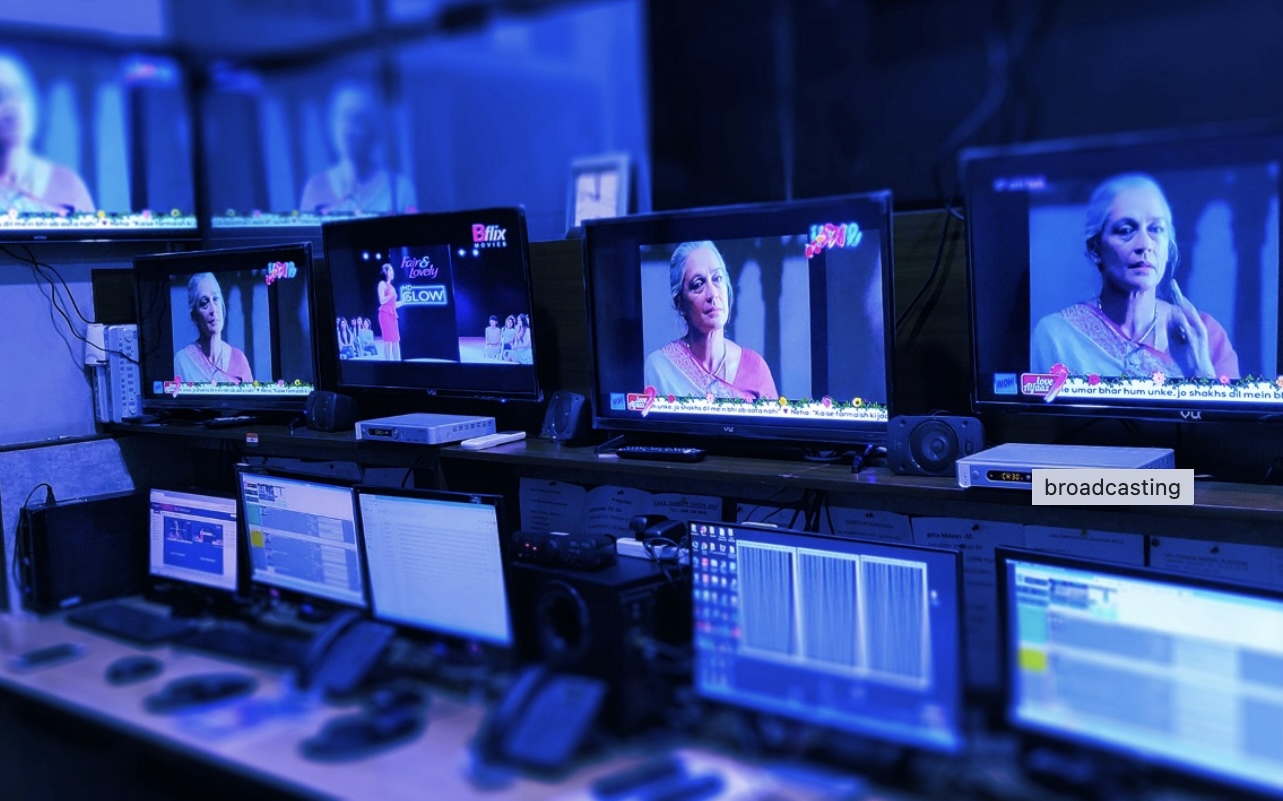
    MUMBAI: Being a latecomer can be a disadvantage. But not so for Hindi movie channel All Time Movies (ATM) 

    The Pen Studios-promoted service has roared into the top 10 channels roster with 34 GRPs in week 20 in  the HSM 15+ universe (Source: BARC). This is according to data provided to indiantelevision.com by channel executives. 

    Pen Studios has a library of both original Hindi and dubbed films. 

    ATM is available on both pay TV and free to air platforms DD Free Dish. 

    What’s more the channel is doing well on the latter as well. In week 20 ATM has roared into the top 3 Hindi movie channel ladder with 82 GRPs in Hindi 15+ HSM Free (U+R). (Source: once again BARC).

    Clearly, ATM is getting the notes flowing into Pen Studios. 


  • India’s communication satellite GSAT-31 launched successfully from French Guiana

    India’s communication satellite GSAT-31 launched successfully from French Guiana

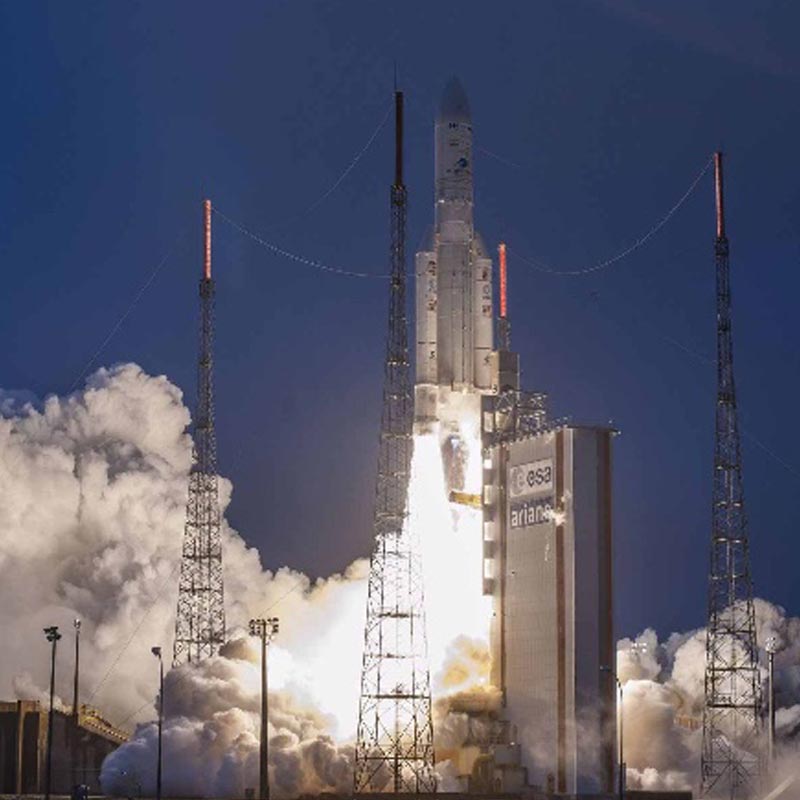
    MUMBAI: India’s latest communication satellite, GSAT-31 was successfully launched from the Spaceport in French Guiana during the early hours today.

    With a lift-off mass of 2536 kg, GSAT-31 will augment the Ku-band transponder capacity in Geostationary Orbit. The satellite will provide continuity to operational services on some of the in-orbit satellites. GSAT-31 derives its heritage from ISRO’s earlier INSAT/GSAT satellite series.

    ISRO Chairman Dr K Sivan said, “GSAT-31 has a unique configuration of providing flexible frequency segments and flexible coverage. The satellite will provide communication services to Indian mainland and islands.”

    Dr. Sivan also remarked that “GSAT-31 will provide DTH Television Services, connectivity to VSATs for ATM, Stock-exchange, Digital Satellite News Gathering (DSNG) and e-governance applications. The satellite will also be used for bulk data transfer for a host of emerging telecommunication applications.”

    The launch vehicle Ariane 5 VA-247 lifted off from Kourou Launch Base, French Guiana at 2:31 am (IST) carrying India’s GSAT-31 and Saudi Geostationary Satellite 1/Hellas Sat 4 satellites, as scheduled.

    After a 42-min flight, GSAT-31 separated from the Ariane 5 upper stage in an elliptical Geosynchronous Transfer Orbit with a perigee (nearest point to Earth) of 250 km and an apogee (farthest point to Earth) of 35,850 km, inclined at an angle of 3.0 degree to the equator.

    After separation from Ariane-5 upper stage, the two solar arrays of GSAT-31 were automatically deployed in quick succession and ISRO's Master Control Facility at Hassan in Karnataka took over the command and control of GSAT-31 and found its health parameters normal.

    In the days ahead, scientists will undertake phase-wise orbit-raising manoeuvres to place the satellite in Geostationary Orbit (36,000 km above the equator) using its on-board propulsion system.

    During the final stages of its orbit raising operations, the antenna reflector of GSAT-31 will be deployed. Following this, the satellite will be put in its final orbital configuration. The satellite will be operational after the successful completion of all in-orbit tests.

  • Digital communication: Indepay hires Indigo iStrat

    Digital communication: Indepay hires Indigo iStrat

    MUMBAI: Indepay Networks, the privilege prepaid card issuer and the pioneer of branch-less banking, has hired Indigo iStrat, Leo Burnett India’s digital wing, to manage digital activities after a multi-agency pitch.

    The agency will handle Indepay’s brand communication, digital media and social media planning for India and global markets.

    Indepay CEO Indepay Rajib Saha says “Indigo iStrat brings a unique offering that changes the way we use cash for our everyday spends; and communicating our proposition effectively would have been a challenge amidst the high share of voice in the media by other financial technology players, especially post demonetisation in India. Our ability to run integrated communication with banks as co-owners, gave us great advantage and Indigo iStrat’s expertise in banking and financial category helps them understand these nuances.”

    Indepay enables its customers to open an account with minimum documentation. Besides lowering costs for banks through branch-less banking, it offers the convenience of withdrawals and transfers at ATMs, rewards on daily spends that are accessed through a prepaid debit card and USSD banking. While the cards will be co-created with banks, BCA and SBI will remain the main merchant and settlements banks for Indonesia and India respectively.

    Indigo CEO Rajesh Ghatge says, “We have worked extensively at offering digital build and marketing solutions to the banking and finance sector, fully understanding the complexity and scale at which brands within this sector need to operate. At the heart of transformation in the BFSI category is a seamless consumer experience and engagement that the brands are striving to deliver..”

    Indigo iStrat chief strategy officer Sonya Sahni says, “In the cluttered financial products space it will be challenging, yet exciting to establish Indepay. The business model is disruptive and will require communication that can inform, educate and drive performance. It’s a digital first client, allowing us to demonstrate brand thinking and activation across digital touch points.”

  • Digital communication: Indepay hires Indigo iStrat

    Digital communication: Indepay hires Indigo iStrat

    MUMBAI: Indepay Networks, the privilege prepaid card issuer and the pioneer of branch-less banking, has hired Indigo iStrat, Leo Burnett India’s digital wing, to manage digital activities after a multi-agency pitch.

    The agency will handle Indepay’s brand communication, digital media and social media planning for India and global markets.

    Indepay CEO Indepay Rajib Saha says “Indigo iStrat brings a unique offering that changes the way we use cash for our everyday spends; and communicating our proposition effectively would have been a challenge amidst the high share of voice in the media by other financial technology players, especially post demonetisation in India. Our ability to run integrated communication with banks as co-owners, gave us great advantage and Indigo iStrat’s expertise in banking and financial category helps them understand these nuances.”

    Indepay enables its customers to open an account with minimum documentation. Besides lowering costs for banks through branch-less banking, it offers the convenience of withdrawals and transfers at ATMs, rewards on daily spends that are accessed through a prepaid debit card and USSD banking. While the cards will be co-created with banks, BCA and SBI will remain the main merchant and settlements banks for Indonesia and India respectively.

    Indigo CEO Rajesh Ghatge says, “We have worked extensively at offering digital build and marketing solutions to the banking and finance sector, fully understanding the complexity and scale at which brands within this sector need to operate. At the heart of transformation in the BFSI category is a seamless consumer experience and engagement that the brands are striving to deliver..”

    Indigo iStrat chief strategy officer Sonya Sahni says, “In the cluttered financial products space it will be challenging, yet exciting to establish Indepay. The business model is disruptive and will require communication that can inform, educate and drive performance. It’s a digital first client, allowing us to demonstrate brand thinking and activation across digital touch points.”

  • Magicbricks Now to reveal corruption on 5pm show today

    Magicbricks Now to reveal corruption on 5pm show today

    MUMBAI: In an investigation conducted across different locations in Mumbai, Magicbricks Now has made some shocking revelations from the sector. The industry still continues to accept payment in black. The channel will air this sting operation called Black In Demand today at 5 pm.

    While the government’s sudden decision to ban the 500 and 1000 rupee notes has sent shock waves across the country, real estate seems to be the industry that remains unaffected by this massive change. The show will see how builders are redeveloping their cash reserves with new notes.

    To examine the ground reality, the channel’s team of reporters visited a number of projects, posing as home buyers and met with several builders from the industry. The findings of this investigation were startling.

    The sales force of several developers offered discounts to customers if a certain percentage of the flat cost is paid in cash. On probing further, they offered customers a larger time-frame of payment extending until February next year if the payment was made in new notes.

    They were more than willing to accept the defunct old notes at a premium if payment was made in the next few days. The old 500 and 1000 notes are being accepted at a daily spot trading rate that decides the premium on these notes.

    The sensational demonetisation drive has caused distress among citizens from all walks of life and made everyone sit up and take notice. More than thousands are lining up at ATM’s everyday and even more sweating it out to exchange their old currency at the banks. Yet, a majority are willing to put up with this short-term inconvenience for what’s believed to be for the long-term good of the country.

    Even though amongst all industries it was expected to affect, real estate was widely expected to get the worst hit of them all. However, the loophole in curbing black money stands exposed and tells us a different story.

  • Magicbricks Now to reveal corruption on 5pm show today

    Magicbricks Now to reveal corruption on 5pm show today

    MUMBAI: In an investigation conducted across different locations in Mumbai, Magicbricks Now has made some shocking revelations from the sector. The industry still continues to accept payment in black. The channel will air this sting operation called Black In Demand today at 5 pm.

    While the government’s sudden decision to ban the 500 and 1000 rupee notes has sent shock waves across the country, real estate seems to be the industry that remains unaffected by this massive change. The show will see how builders are redeveloping their cash reserves with new notes.

    To examine the ground reality, the channel’s team of reporters visited a number of projects, posing as home buyers and met with several builders from the industry. The findings of this investigation were startling.

    The sales force of several developers offered discounts to customers if a certain percentage of the flat cost is paid in cash. On probing further, they offered customers a larger time-frame of payment extending until February next year if the payment was made in new notes.

    They were more than willing to accept the defunct old notes at a premium if payment was made in the next few days. The old 500 and 1000 notes are being accepted at a daily spot trading rate that decides the premium on these notes.

    The sensational demonetisation drive has caused distress among citizens from all walks of life and made everyone sit up and take notice. More than thousands are lining up at ATM’s everyday and even more sweating it out to exchange their old currency at the banks. Yet, a majority are willing to put up with this short-term inconvenience for what’s believed to be for the long-term good of the country.

    Even though amongst all industries it was expected to affect, real estate was widely expected to get the worst hit of them all. However, the loophole in curbing black money stands exposed and tells us a different story.

  • Ad world remains positive on eighth day of demonetisation despite inconvenience

    Ad world remains positive on eighth day of demonetisation despite inconvenience

    MUMBAI: India entered the eighth day of limited demonetisation in the backdrop of rejection of a petition by the Supreme Court, and still a majority of the nation is without access to cash.

    Unending queues are thronging the banks, with most of the ATMs either dysfunctional or running out of cash at the speed of light. Local shops are struggling to function with the newly-introduced Rs 2000 note amid this cash flow issue.

    The unorganised sector which mostly operates in cash has suffered the most.

    To ease the situation, the government has allowed use of high-value notes for some purposes — at milk booths, petrol stations and railway stations, up to 24 November.

    Indiantelevision.com takes a look at how the advertising world is coping with the cash crunch, whether any advertising campaign has felt the impact or any ad film shoots have been stalled.

    “We are not facing any difficulty as most of our work is with retainers. Moreover, our transaction is in white, nothing in black and grey, and mostly kept transparent by using cheques for transactions.
    The production houses may face problems during shoots but, so far, we have managed the show, and haven’t heard of an issue,” said Leo Burnett south Asia CEO Saurabh Verma.

    “Of course we will all get impacted by it eventually if the economy slows down in the next few months but we need to wait and watch,” Verma added.

    Similarly, The Glitch co-founder Rohit Raj agrees that there is no immediate impact on the industry. “For campaigns, which are pre-scheduled, money comes in cycles. Therefore, there is always some buffer. During shoots too, we mostly operate through cheques, Raj explained. The Glitch has an in-house studio and production unit for its video content. Luckily, for them, there was only one shoot that fell during this period, and hence the agency didn’t have to go through much hassle.

    Not just the big and well known agencies, but small and medium-sized players in the market have also been cashless in their operations, as explained by corporate films and TV promos video director Avi Sandhu.

    “We mostly operate electronically because that is how agencies pay us.

    Even the spot boy is paid through NEFT transfer. It is to ensure that we have a transaction trail. Sometimes, for props etc., we might need cash. In that case we either go with the available denomination or the company calls in the bank requesting to liquidate the required cash for daily use,” he shared adding that most banks are separately looking at corporate accounts.

    About the models who work on fee per shoot basis, Sandhu admitted that the industry is banking on the usual cycle of paying them after 40 to 45 days when the agencies distribute the payments that comes from the client, by when the situation will normalise.

    When it comes to advertising, the most unorganised sector is perhaps out of home. Asked if there is any challenge in operating, Milestone Brandcom’s Nabendu Bhattacharya explained that there is no issue from the agency’s end. “Our business is mostly cashless. We wire the money when we buy the spaces. But, agencies and vendors working on the selling side might have a different story.”

    The story remained mostly the same, except for some unique variations.

    “We mostly operate cashless as the clients prefer so. The only issue is — we are unable to deposit the cash which is already with us because of the serpentine queues. Because it is all billed money, I am not worried about it, but banking is a hassle these few days,” shared Pioneer Publicity director Sunil Vasudeva.

    Another out-of-home vendor, who wasn’t happy with how things were hampering the business, hesitated to share his plight in public in fear of repercussions from the government.

  • Ad world remains positive on eighth day of demonetisation despite inconvenience

    Ad world remains positive on eighth day of demonetisation despite inconvenience

    MUMBAI: India entered the eighth day of limited demonetisation in the backdrop of rejection of a petition by the Supreme Court, and still a majority of the nation is without access to cash.

    Unending queues are thronging the banks, with most of the ATMs either dysfunctional or running out of cash at the speed of light. Local shops are struggling to function with the newly-introduced Rs 2000 note amid this cash flow issue.

    The unorganised sector which mostly operates in cash has suffered the most.

    To ease the situation, the government has allowed use of high-value notes for some purposes — at milk booths, petrol stations and railway stations, up to 24 November.

    Indiantelevision.com takes a look at how the advertising world is coping with the cash crunch, whether any advertising campaign has felt the impact or any ad film shoots have been stalled.

    “We are not facing any difficulty as most of our work is with retainers. Moreover, our transaction is in white, nothing in black and grey, and mostly kept transparent by using cheques for transactions.
    The production houses may face problems during shoots but, so far, we have managed the show, and haven’t heard of an issue,” said Leo Burnett south Asia CEO Saurabh Verma.

    “Of course we will all get impacted by it eventually if the economy slows down in the next few months but we need to wait and watch,” Verma added.

    Similarly, The Glitch co-founder Rohit Raj agrees that there is no immediate impact on the industry. “For campaigns, which are pre-scheduled, money comes in cycles. Therefore, there is always some buffer. During shoots too, we mostly operate through cheques, Raj explained. The Glitch has an in-house studio and production unit for its video content. Luckily, for them, there was only one shoot that fell during this period, and hence the agency didn’t have to go through much hassle.

    Not just the big and well known agencies, but small and medium-sized players in the market have also been cashless in their operations, as explained by corporate films and TV promos video director Avi Sandhu.

    “We mostly operate electronically because that is how agencies pay us.

    Even the spot boy is paid through NEFT transfer. It is to ensure that we have a transaction trail. Sometimes, for props etc., we might need cash. In that case we either go with the available denomination or the company calls in the bank requesting to liquidate the required cash for daily use,” he shared adding that most banks are separately looking at corporate accounts.

    About the models who work on fee per shoot basis, Sandhu admitted that the industry is banking on the usual cycle of paying them after 40 to 45 days when the agencies distribute the payments that comes from the client, by when the situation will normalise.

    When it comes to advertising, the most unorganised sector is perhaps out of home. Asked if there is any challenge in operating, Milestone Brandcom’s Nabendu Bhattacharya explained that there is no issue from the agency’s end. “Our business is mostly cashless. We wire the money when we buy the spaces. But, agencies and vendors working on the selling side might have a different story.”

    The story remained mostly the same, except for some unique variations.

    “We mostly operate cashless as the clients prefer so. The only issue is — we are unable to deposit the cash which is already with us because of the serpentine queues. Because it is all billed money, I am not worried about it, but banking is a hassle these few days,” shared Pioneer Publicity director Sunil Vasudeva.

    Another out-of-home vendor, who wasn’t happy with how things were hampering the business, hesitated to share his plight in public in fear of repercussions from the government.

  • SC refuses to stay demonetisation

    SC refuses to stay demonetisation

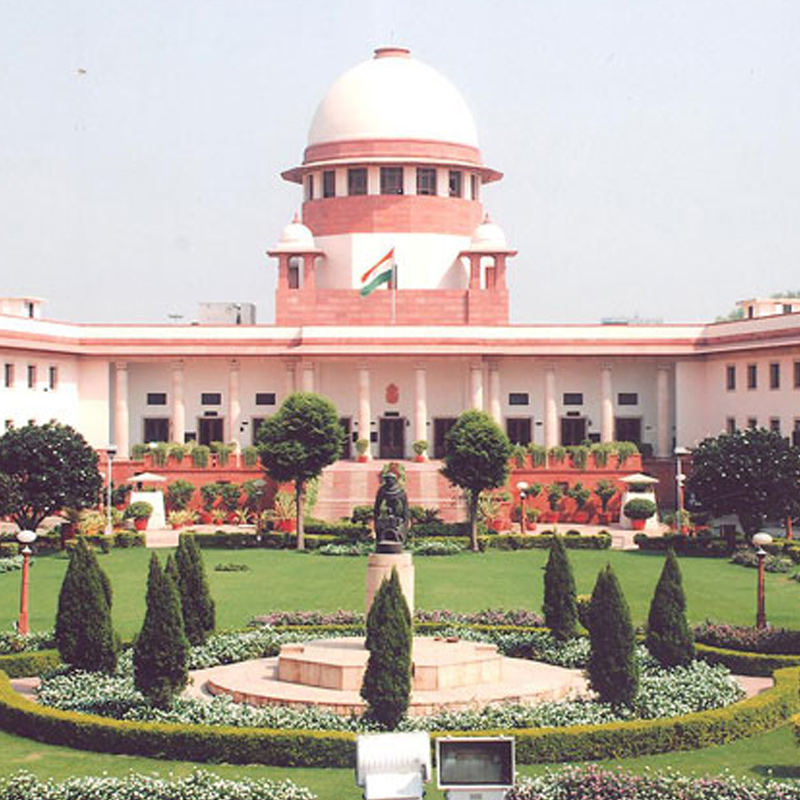
    MUMBAI: The Supreme Court of India on Tuesday refused to stay the Central Government’s notification demonetising Rs 500 and Rs 1,000 currency notes but asked it to enlist the measures to minimise public inconvenience. It asked the Centre to take immediate steps to alleviate the hardships of the common man. “Discontinuing of higher denomination notes appears to be carpet bombing, and not a surgical strike,” the court said.

    The apex court was hearing a bunch of petitions demanding the rollback of the decision to scrap old notes. Without issuing any notice to the RBI or the Centre, the apex court posted the matter for further hearing on 25 November. “We will not be granting any stay,” a bench comprising Chief Justice TS Thakur and DY Chandrachud said. The remarks were made after some advocates insisted on a stay.

    Senior advocate Kapil Sibal, however, said he was not seeking a stay on the notification but seeking answers from the government about the steps taken to lessen public inconvenience. The bench asked attorney-general Mukul Rohatgi to file an affidavit about the measures already undertaken by the government and the Reserve Bank of India to minimise public inconvenience and the steps likely to be taken in future.

    The Centre, which had filed a caveat in the matter, sought dismissal of the petitions challenging demonetisation on several grounds including that they were “misconceived”. Rohatgi outlined the idea behind demonetisation and said large number of counterfeit currency has been used to finance terrorism in various parts of the country including in Jammu and Kashmir and northeastern states.

    Rohatgi informed the bench that Rs 3.25 lakh crore were deposited in the banks since 10 November, and Rs 11 lakh crore would be added in the next few days. He also said there were as many as 24 crore bank accounts including 22 crore opened under the ‘Jan Dhan Scheme’, and the Centre was hopeful to “ramp up” the outflow of the cash to banks, post offices and two lakh ATMs across the country.