Tag: Asia-Pacific Broadcasting Union

  • Int’l TV Fest: A-Pac Broadcasting Union’s two India teams to participate

    Int’l TV Fest: A-Pac Broadcasting Union’s two India teams to participate

    NEW DELHI: The ‘Aamad’ group and ‘Sadhya’ group from India will compete in the grand finale of the first edition of the Asia-Pacific Broadcasting Union (ABU) International Television Dance Festival (AIDF) in the city of the ‘Char Minar’ Hyderabad on 15 January 2017.

    Public service broadcaster Prasar Bharati is hosting the first edition of this mega event at Shilpakala Vedika in the hi-tech part of Hyderabad.

    AIDF will showcase traditional and contemporary dance performances by artistes of more than ten counties across the Asia- pacific region. The Dance Festival is conceptualised to bring the cultural diversities from across the world into limelight, by breaking cultural barriers. It will unveil the sacred occasions when people dance, and the joys that varied communities across the Asia Pacific region feel as they dance.

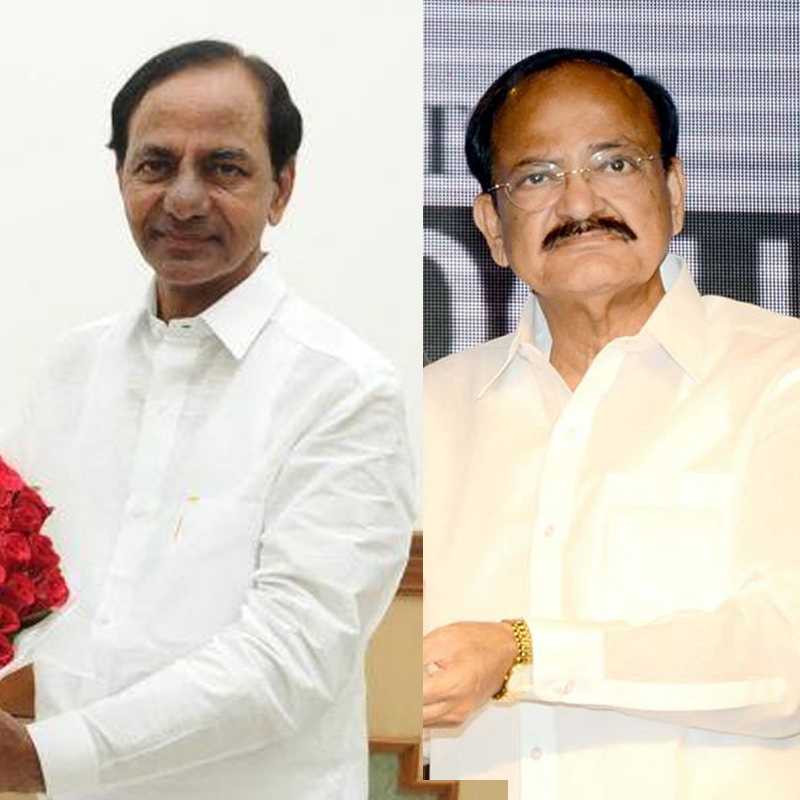
    Information and broadcasting minister M Venkaiah Naidu will inaugurate the AIDF festival. Telengana chief minister K Chandrashekar Rao will be the Guest of Honour. Telengana Culture and Tourism Minister Azmeera Chandulal and Prasar Bharati Chairman A Surya Prakash will also be present in the presence of other top officials of the I&B Ministry, Prasar Bharati and Telangana Government.

    Countries that have so far confirmed participation are Maldives, Afghanistan, Sri Lanka, Uzbekistan, The Philippines, Vietnam, Cambodia, Fiji and Indonesia.

    Two declared finalists from each country; one in ‘contemporary’ dance form and the other in ‘traditional’ dance form, will participate in the grand finale. All participating dance groups are between the age group of 18 to 25 years.

    Prasar Bharati had started the selection process in June last year to select the teams that will represent India in the grand finale. In order to select the final entries, artistes were invited and they were asked to submit DVDs of their work in traditional or contemporary dance, for shortlisting purpose. These submissions were made online and offline as well.

    A total of 453 entries were received, out of which 389 were made on-line and 64 were by post. Eventually, 210 videos were selected by the first Screening Committee.

    After the final screening, 29 entries were chosen from the two categories.
    The Festival is planned to be telecast live on DD India, DD Bharati, DD Urdu, DD Saptagiri and DD Yadagiri from 5:30 p:m onwards on 15 January 2017.

    The pubcaster has created a dedicated website aidf.prasarbharati.org and is available on social media at facebook.com/DanceFestABU and twitter.com/DanceFestABU.

  • Int’l TV Fest: A-Pac Broadcasting Union’s two India teams to participate

    Int’l TV Fest: A-Pac Broadcasting Union’s two India teams to participate

    NEW DELHI: The ‘Aamad’ group and ‘Sadhya’ group from India will compete in the grand finale of the first edition of the Asia-Pacific Broadcasting Union (ABU) International Television Dance Festival (AIDF) in the city of the ‘Char Minar’ Hyderabad on 15 January 2017.

    Public service broadcaster Prasar Bharati is hosting the first edition of this mega event at Shilpakala Vedika in the hi-tech part of Hyderabad.

    AIDF will showcase traditional and contemporary dance performances by artistes of more than ten counties across the Asia- pacific region. The Dance Festival is conceptualised to bring the cultural diversities from across the world into limelight, by breaking cultural barriers. It will unveil the sacred occasions when people dance, and the joys that varied communities across the Asia Pacific region feel as they dance.

    Information and broadcasting minister M Venkaiah Naidu will inaugurate the AIDF festival. Telengana chief minister K Chandrashekar Rao will be the Guest of Honour. Telengana Culture and Tourism Minister Azmeera Chandulal and Prasar Bharati Chairman A Surya Prakash will also be present in the presence of other top officials of the I&B Ministry, Prasar Bharati and Telangana Government.

    Countries that have so far confirmed participation are Maldives, Afghanistan, Sri Lanka, Uzbekistan, The Philippines, Vietnam, Cambodia, Fiji and Indonesia.

    Two declared finalists from each country; one in ‘contemporary’ dance form and the other in ‘traditional’ dance form, will participate in the grand finale. All participating dance groups are between the age group of 18 to 25 years.

    Prasar Bharati had started the selection process in June last year to select the teams that will represent India in the grand finale. In order to select the final entries, artistes were invited and they were asked to submit DVDs of their work in traditional or contemporary dance, for shortlisting purpose. These submissions were made online and offline as well.

    A total of 453 entries were received, out of which 389 were made on-line and 64 were by post. Eventually, 210 videos were selected by the first Screening Committee.

    After the final screening, 29 entries were chosen from the two categories.
    The Festival is planned to be telecast live on DD India, DD Bharati, DD Urdu, DD Saptagiri and DD Yadagiri from 5:30 p:m onwards on 15 January 2017.

    The pubcaster has created a dedicated website aidf.prasarbharati.org and is available on social media at facebook.com/DanceFestABU and twitter.com/DanceFestABU.

  • DD D-G Sahu elected Asia-Pacific Broadcasting vice-president

    DD D-G Sahu elected Asia-Pacific Broadcasting vice-president

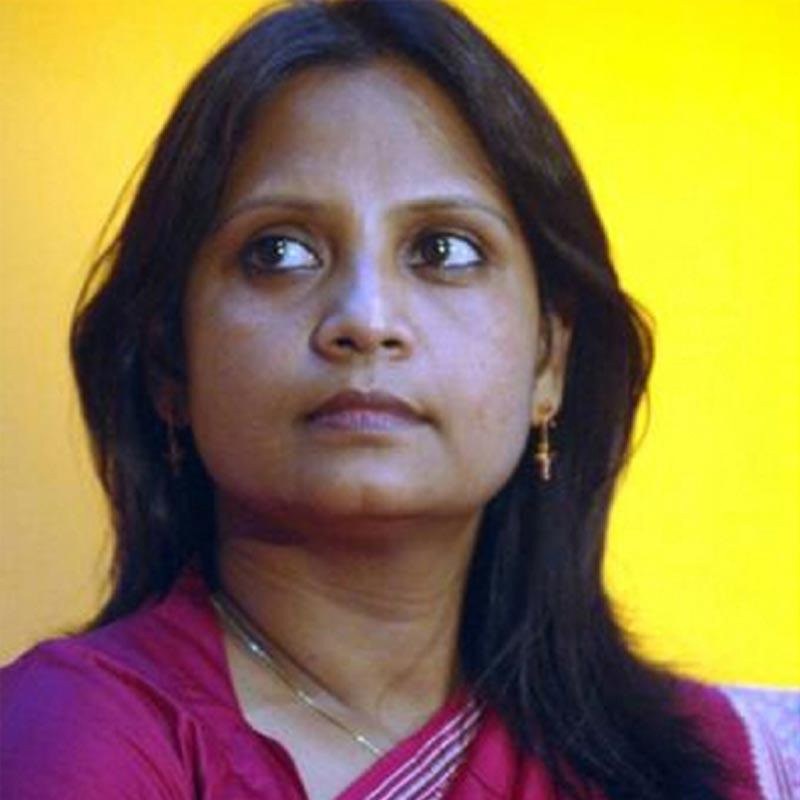
    NEW DELHI: Doordarshan Director General Supriya Sahu has been elected as the new vice-president of the Asia-Pacific Broadcasting Union. The election was held during the 53rd annual Asia-Pacific Broadcasting Union General Assembly hosted by the Indonesian public broadcaster RRI,

    The meet concluded in Bali on 25 October 2016. The theme of this year’s general assembly was “Media for the Future” focussing on the steps required by the media to meet new and emerging challenges, as well as new concepts and ideas.

    Korean Broadcasting System (KBS) president and CEO Ko Dae-young was elected as the new president. Sahu joins the other two vice-presidents of ABU, NHK-Japan executive vice-president Hikaru Doumoto, and TRT- Turkey director general Senol Goka.

    Both, the new president and the vice-presidents, start their term with immediate effect and will continue their service to the ABU for the next three years from January 2017.

    The Asia-Pacific Broadcasting Union formed in 1964 is a non-profit, professional association of broadcasting organisations. It currently has over 280 members in 69 countries and regions, reaching a potential audience of about three billion people.

  • DD D-G Sahu elected Asia-Pacific Broadcasting vice-president

    DD D-G Sahu elected Asia-Pacific Broadcasting vice-president

    NEW DELHI: Doordarshan Director General Supriya Sahu has been elected as the new vice-president of the Asia-Pacific Broadcasting Union. The election was held during the 53rd annual Asia-Pacific Broadcasting Union General Assembly hosted by the Indonesian public broadcaster RRI,

    The meet concluded in Bali on 25 October 2016. The theme of this year’s general assembly was “Media for the Future” focussing on the steps required by the media to meet new and emerging challenges, as well as new concepts and ideas.

    Korean Broadcasting System (KBS) president and CEO Ko Dae-young was elected as the new president. Sahu joins the other two vice-presidents of ABU, NHK-Japan executive vice-president Hikaru Doumoto, and TRT- Turkey director general Senol Goka.

    Both, the new president and the vice-presidents, start their term with immediate effect and will continue their service to the ABU for the next three years from January 2017.

    The Asia-Pacific Broadcasting Union formed in 1964 is a non-profit, professional association of broadcasting organisations. It currently has over 280 members in 69 countries and regions, reaching a potential audience of about three billion people.

  • Prasar Bharati CEO Jawhar Sircar officially seeks early retirement

    Prasar Bharati CEO Jawhar Sircar officially seeks early retirement

    MUMBAI: Prasar Bharati CEO Jawhar Sircar has been known to not pull any punches. Last month, he had expressed his desire to resign from his post to the media as he was not getting anywhere with the organisaton and neither was Prasar Bharati. Now, he has written to the ministry of information & broadcasting secretary (MIB) Ajay Mittal stating that he would like to resign prematurely from 4 November, says a PTI report.

    He has also written to I&B minister Venkaiah Naidu, expressing his desire to resign from his position post-Diwali – that is after 30 October. The report goes on to state that he would like to relocate to Kolkata.

    Sircar was yanked out of his position as secretary, culture, and installed as the Prasar Bharati CEO by an eminent panel led by the then Indian vice-president and a Supreme Court judge during the UPA government’s tenure in 2012. He serves as the vice-president of the Asia Pacific Broadcasting Union, which is a club of broadcasters from 67 countries. He has also had two short stints MIB secretary during his career.

  • Prasar Bharati CEO Jawhar Sircar officially seeks early retirement

    Prasar Bharati CEO Jawhar Sircar officially seeks early retirement

    MUMBAI: Prasar Bharati CEO Jawhar Sircar has been known to not pull any punches. Last month, he had expressed his desire to resign from his post to the media as he was not getting anywhere with the organisaton and neither was Prasar Bharati. Now, he has written to the ministry of information & broadcasting secretary (MIB) Ajay Mittal stating that he would like to resign prematurely from 4 November, says a PTI report.

    He has also written to I&B minister Venkaiah Naidu, expressing his desire to resign from his position post-Diwali – that is after 30 October. The report goes on to state that he would like to relocate to Kolkata.

    Sircar was yanked out of his position as secretary, culture, and installed as the Prasar Bharati CEO by an eminent panel led by the then Indian vice-president and a Supreme Court judge during the UPA government’s tenure in 2012. He serves as the vice-president of the Asia Pacific Broadcasting Union, which is a club of broadcasters from 67 countries. He has also had two short stints MIB secretary during his career.

  • All India Radio elected to ABU Administrative Council

    All India Radio elected to ABU Administrative Council

    MUMBAI: All India Radio has been elected as a Member of the Asia-Pacific Broadcasting Union, ABU’s Administrative Council. In the election held at the 43rd General Assembly of the ABU in Beijing, China, AIR was elected for a two year term on the 14 Member Administrative Council, which functions as the executive of the premier broadcasting union in the world.

    AIR has also been appointed to the Policy & Strategy Group of ABU.

    In another event at the on going ABU General Assembly, the Engineer-in-Chief of All India Radio, Mr A S Guin has been honoured with the ABU Broadcast Engineering Excellence Award for his outstanding contribution in the field of broadcast engineering in AIR and Doordarshan, the release adds.

    Formed in 1964, the Asia-Pacific Broadcasting Union (ABU) is a non-profit, professional association of broadcasting organisations with more than 150 members from 55 countries of the Asia-Pacific region. It provides a platform for co-operation in the field of news and programme exchange, acquisition of broadcast rights, training and technical consultancy. Doordarshan and All India Radio are among the most active members of the ABU.

    Brijeshwar Singh, CEO, Prasar Bharati and A S Guin, Engineer-in-Chief, All India Radio are representing AIR and Doordarshan at the Beijing General Assembly.

  • ABU slams changes in Beijing 2008 Olympics schedule

    ABU slams changes in Beijing 2008 Olympics schedule

    MUMBAI: The Asia-Pacific Broadcasting Union (ABU) has added its weight to the rising chorus of protests against the recent rescheduling of key events for the Beijing 2008 Olympic Games by the International Olympic Committee (IOC).

    IOC’s decision, announced last week, to reschedule the swimming and gymnastics finals to the morning, Beijing time, instead of holding them in the evening as is traditional, is seen as being a result of the pressure exerted by the powerful “US lobby”. Television network NBC, which paid $3.55 billion for the US telecast rights for the Olympics, wants to ensure that these events are seen at prime-time in North America.

    ABU President Genichi Hashimoto made the protest call at a news conference in Beijing yesterday on the eve of the ABU’s annual General Assembly.

    “We are very disappointed and strongly regret the changes that have been made to the time schedule for swimming and gymnastics,” said Hashimoto, who is also president of Japan’s public broadcaster NHK.

    “The Olympic Games is a highly-anticipated event which everyone all over the world is looking forward to watching. We have to give serious consideration to this matter so that such a regrettable incident will never happen again in the future,” added Hashimoto.

    Les Murray, ABU Sports Group chairman and editorial supervisor for SBS Sports, Australia, said the majority of the press has described this “as the worst decision by the International Olympic Committee in recent memory and one that is obviously designed to only benefit the giant US television network NBC.”

    The move could cost Asian broadcasters millions of dollars in lost ad revenue, said ABU’s head of Sports John Barton.

    “We want the Olympic family to be strong. We want to see a true partnership of equals regardless of commercial muscle,” ABU secretary-general David Astley said in a speech to the sports group meeting that preceded the general assembly.

    How the IOC responds to the ABU’s protests, which follow those made earlier by the European Broadcasting Union, will be watched closely. Asian broadcasters, which include the host of the 2008 Games, would likely have a more telling influence in the matter.

  • PSBs differ on views of future

    PSBs differ on views of future

    MUMBAI: Public service broadcasters (PSBs) in the Asia-Pacific region have widely different views about their future, the 2006 Public Broadcasting International (PBI) conference in Maputo, Mozambique, was told on Friday.

    The secretary-general of the Asia-Pacific Broadcasting Union (ABU), David Astley, said that a recent ‘thumbnail survey’ undertaken by the ABU showed that PSBs in the more advanced countries were cautiously optimistic about their future, but those in developing countries – many of whom were in transition from state broadcasting to independent PSBs – were quite pessimistic.

    “Finding strategies to cope with the erosion of audience share from the increased competition that the development of digital broadcasting is bringing about was the major challenge identified by the PSBs in the more advanced countries,” Astley was quoted as saying in a report put out on the ABU website.

    “Audience behaviour is changing as people respond to the growing choice in digital media, and broadcasters, in turn, are having to respond to those changes by providing more content on demand and on different platforms.

    “Generally the PSBs in the more advanced countries are optimistic about their future but recognise that they must embrace change and increase production of local content that is both distinctive and of high quality, to differentiate themselves from commercial broadcasters.”

    Astley said that broadcasters in the developing countries, many of whom were in transition from being state broadcasters to independent PSBs, were mostly pessimistic about their future.

    “The main issue that they identified was funding,” he said. “Many are not confident that they will have sufficient funding to meet their obligations as public service broadcasters.

    “Even without considering the cost of digitalisation in the future, many do not have backup transmitters or money for spares for studio equipment.

    “Some are being pressured to go commercial in order to lessen reliance on licence fees or direct government grants – but this might only be replacing political influence with commercial influence.

    “In any case, few state broadcasters have staff with the management and marketing skills to compete with their more experienced commercial competitors.”

  • Keeping identity a challenge for PSBs

    Keeping identity a challenge for PSBs

    MUMBAI: Maintaining competitiveness and universality will be the key issue for public service broadcasters as terrestrial broadcasting loses its audience share and media influence to emerging media.

    This was the message that Min Eun-Kyung, executive director of international relations for KBS-Korea, had for delegates to the annual Public Broadcasting International which opened in Maputo, Mozambique, on Thursday.

    “Amidst the countless number of channels, platforms and content, keeping the identity of public service broadcasting will become increasingly challenging,” Min has been quoted as saying in a report put out on the Asia-Pacific Broadcasting Union (ABU) website.

    “The digital revolution will create room for critical voices about the function and role of public service broadcasting,” Min added.

    Min said that public service broadcasting was an essential societal institution in the service of cultural diversity and media pluralism. “We must make every possible effort to remind our viewers of the value of public service broadcasting and every possible effort to keep our function and identity in the future,” she explained.

    Finance is another key issue for public service broadcasters, according to Min. She said that having a stable financial structure is necessary to make progress in the multimedia environment, remain competitive, and to gain independence from political and commercial influences.

    “More importantly, a stable financial system is the only way to fulfill public service broadcasting missions in a highly competitive digital media environment,” she added.

    “Expanding services to multiple platforms is a high-cost business and without a desirable financing model, newly launched media services would have to charge a fee.”