Tag: Asia

  • Mondelez moves veteran to crack Asia’s snack market

    Mondelez moves veteran to crack Asia’s snack market

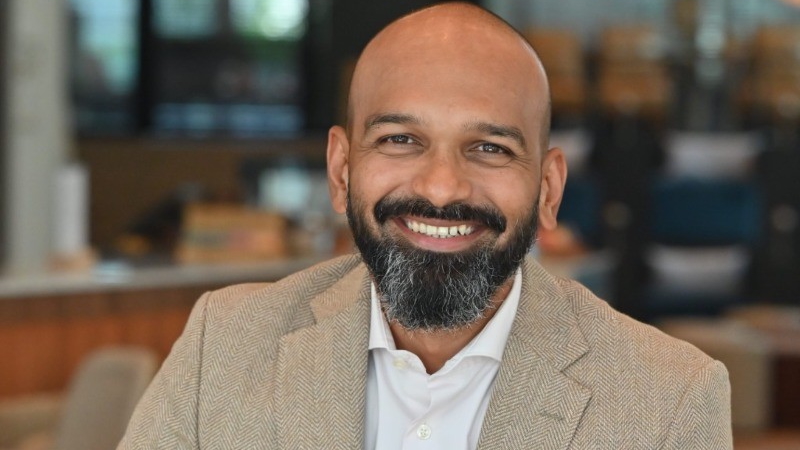
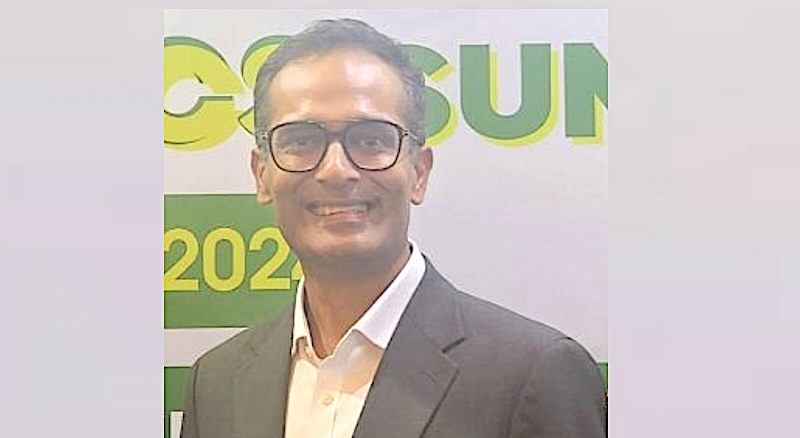
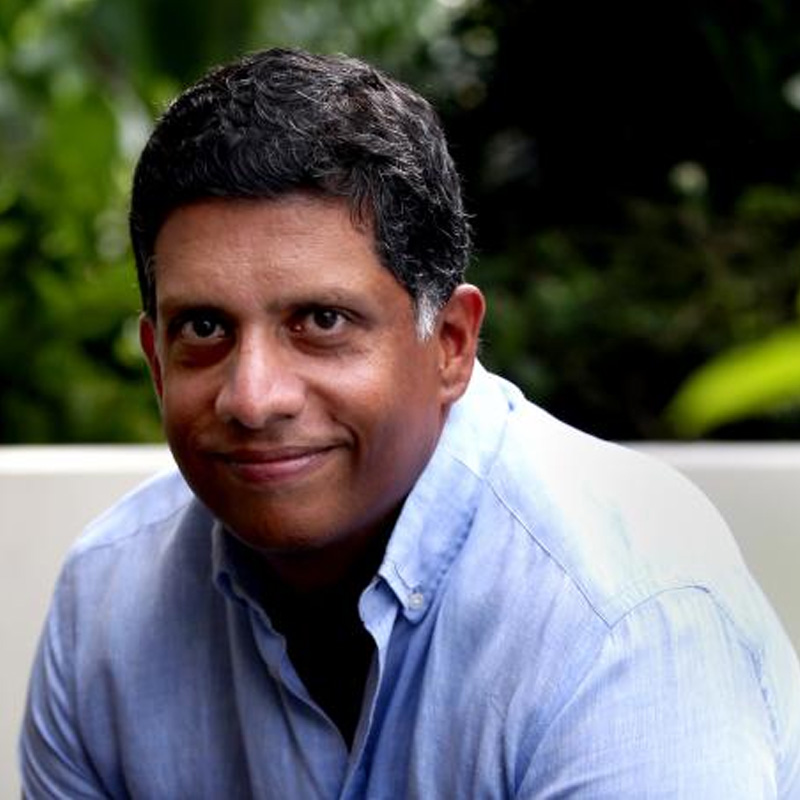
    INGAPORE: Mondelez International has handed the keys to its south-east Asian kingdom to Abhiroop Chuckarbutty, a battle-hardened consumer goods veteran who spent more than two decades navigating the treacherous waters of emerging markets from Mumbai’s bustling bazaars to Dubai’s gleaming malls.

    The 22-year industry stalwart, who orchestrated the messy separation of a $500m tea business from Unilever’s sprawling empire in 2024, will now steer the American snacking giant’s charge across a region where Oreos compete with local delicacies and Cadbury chocolate battles tropical heat.

    Chuckarbutty’s appointment as president comes after a year running Mondelez’s African operations from Johannesburg, where he cut his teeth on the company’s complex multi-market dynamics. Before that corporate musical chairs routine, he spent two turbulent years as president of ekaterra’s Africa, Middle East and Turkey tea business, shepherding the venture through its acrimonious divorce from Unilever in 2022.

    The executive’s résumé reads like a corporate fire-fighting courseware. At Unilever, where he spent 16 years climbing the ranks, Chuckarbutty wrestled with everything from sluggish west Asian markets to the herculean task of digitising India’s advertising landscape. He juggled profit-and-loss responsibility for a bewildering array of brands—from Lifebuoy soap bars to Kissan ketchup—across markets as diverse as Bangladesh and the United Arab Emirates.

    His new perch in Singapore puts him at the epicentre of Asia’s snacking revolution, where rising incomes and urbanisation are fuelling an insatiable appetite for packaged treats. The region’s young, mobile-savvy consumers present both opportunity and headache for western brands trying to crack local tastes whilst fending off nimble domestic rivals.

    Chuckarbutty’s knack for “business turnarounds and accelerating scale businesses”—as his corporate biography modestly puts it—will be tested against south-east Asia’s fragmented markets, where regulatory tangles and supply-chain snarls can derail even the slickest marketing campaigns.

    The appointment signals Mondelez’s intent to double down on a region that represents one of the fastest-growing snacking markets globally, even as trade tensions and economic uncertainty cloud the broader Asian outlook

  • Lehar sprints into sportswear with new Rannr shoe brand launch

    Lehar sprints into sportswear with new Rannr shoe brand launch

    MUMBAI: Lehar Footwear is lacing up for a big leap. The Jaipur-based company, best known for slippers and sandals, has announced the launch of Rannr, its new sports and athleisure footwear brand designed to blend comfort, durability and style for India’s mass and mid-market consumers.

    Backed by five manufacturing facilities in Rajasthan and Haryana, Rannr will hit the ground running with performance-driven shoes that promise everyday versatility at accessible prices. The target: young professionals, fitness buffs, students and lifestyle-conscious shoppers who want value without compromise.

    Lehar is rolling out the brand through its network of more than 520 distributors across 27 states, alongside e-commerce platforms and a new direct-to-consumer site. The company’s long-term play includes expanding into running, training and lifestyle footwear, while also scouting export opportunities in Asia, Africa and the Middle East.

    Lehar Footwear, chairman and whole-time director, Raj Kumar Agarwal said, “With Rannr, our goal is to make reliable, stylish, and performance-oriented sports shoes available to millions of consumers looking for quality at the right price. This is not just about entering a new segment but shaping the future of footwear for India’s next generation.”

    Lehar’s expansion into sports shoes comes on the heels of strong growth. The company clocked its highest-ever revenue of Rs 277.2 crore in FY25, and Rs 142.2 crore in Q1 FY26. Having recently ventured into EVA footwear with brands such as Crozi, Hilux and Bliss, Lehar now wants Rannr to be the name Indians think of when they think of affordable sportswear.

  • Yusuf Batliwala joins Hero Esports as global partnerships head

    Yusuf Batliwala joins Hero Esports as global partnerships head

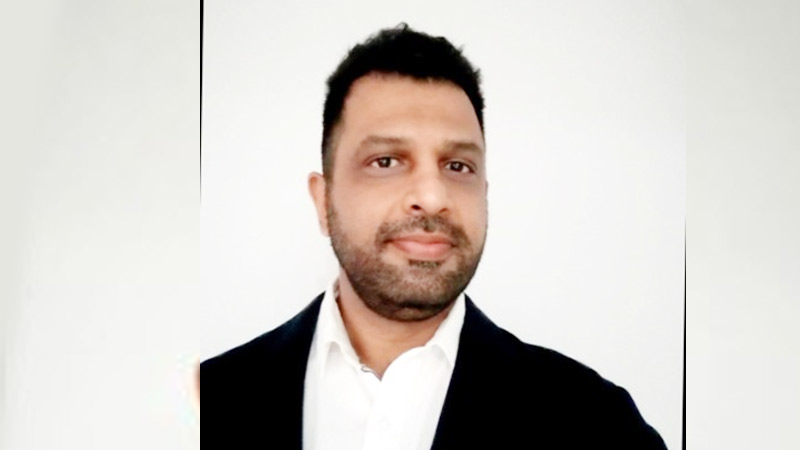
    MUMBAI: It’s a power move in the world of competitive gaming. Yusuf Batliwala has been appointed senior director for global partnerships at Hero Esports, bringing with him nearly two decades of cross-continental experience across entertainment, media, and gaming. Based out of Singapore, Batliwala officially took charge in June 2025.

    Batliwala’s new role will see him leading Hero Esports’ global partnership strategy forging collaborations, securing brand alliances, and expanding the company’s footprint in international markets. With esports exploding into a mainstream spectacle, Hero Esports appears to be stacking its deck with strategic firepower.

    Before joining Hero Esports, Batliwala served as senior sponsorship strategist for the Esports World Cup Riyadh 2024, a high-stakes tournament that cemented Saudi Arabia’s place on the global esports map. He was previously associate director for strategic partnerships at Singtel, where he shaped digital entertainment initiatives across Southeast Asia. His diverse experience also includes stints with Bytedance, BBC, and Getty Images.

    Having worn multiple hats from content sales and sponsorships to strategic partnerships and business development Batliwala is no stranger to navigating the fast-evolving intersections of media, tech, and culture.

    With Hero Esports expanding rapidly across Asia, Batliwala’s appointment signals the company’s ambition to level up its global playbook. As esports matures into a billion-dollar business, industry insiders will be watching closely to see how Batliwala’s deal-making and brand-building expertise helps unlock the next phase of Hero’s journey.

    Game face on the global esports arena just got a little more interesting.

  • Marketing maven Nikhil Gupta climbs the ladder at Accenture

    Marketing maven Nikhil Gupta climbs the ladder at Accenture

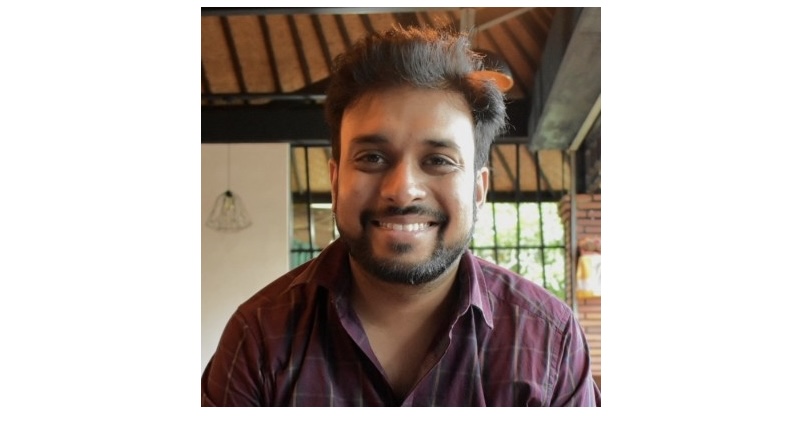
    MUMBAI: Nikhil Gupta has landed himself a plum new role as marketing manager at Accenture, capping off what must feel like a victory lap around the corporate track. The marketing maestro, who has been grinding away at the consulting behemoth for the better part of a decade, will now orchestrate campaigns across Europe and beyond from his base in Gurugram.

    Gupta’s ascent through Accenture’s ranks tells the tale of shrewd corporate climbing. He spent 11 months as associate manager for opportunity-centric marketing in EMEA before snagging his latest gig in June. Prior to that, he cut his teeth as a platforms and processes strategist, helping wrangle a team of over 100 marketing mavens into shape.

    The promotion caps a career that began in the trenches of digital marketing back in 2011. Gupta previously wielded his creative powers at McCann Worldgroup, where he spent two years evangelising Google’s digital platforms to chief marketing officers across India. He also did stints at boutique agencies ToThe New, Olive Global and Blue Digital Media before joining Accenture’s marketing machine in 2016.

    Now ensconced in his corner office (or hybrid workspace, more likely), Gupta will be crafting “innovative, integrated strategic marketing campaigns” for Accenture’s most complex and transformational deals. Not bad for someone who started out as a digital marketer in Delhi’s agency scene over a decade ago.

  • Lather rinse profit as Marico cleans up with Rs 1658 crore in FY25

    Lather rinse profit as Marico cleans up with Rs 1658 crore in FY25

    MUMBAI: When it comes to FMCG bigwigs, Marico isn’t just oiling the wheels, it’s flying on full throttle. Marico has closed FY25 with a consolidated net profit of Rs 1,658 crore, marking a 10 per cent rise over last year’s Rs 1,502 crore. The standalone numbers weren’t far behind either, with net profit at Rs 1,541 crore, reflecting a hefty 43 per cent jump from Rs 1,078 crore in FY24.

    Revenue from operations touched Rs 10,831 crore, up from Rs 9,653 crore a year earlier, while other income surged to Rs 208 crore from Rs 142 crore. That’s a total income of Rs 11,039 crore, served up with a generous side of operational efficiency.

    The Board, clearly in a generous mood, has recommended a final dividend of Rs 7 per share, bringing the total payout for the year to Rs 10.5 per equity share, including the interim Rs 3.5 disbursed in January.

    A major ingredient in this profitable recipe? Cost control. Despite global macro headwinds and raw material volatility, Marico kept total annual expenses at Rs 8,923 crore, managing margins smartly. Advertisement and promotion spends stood at Rs 1,128 crore, a modest increase from Rs 952 crore last year, showing the brand is still playing to win.

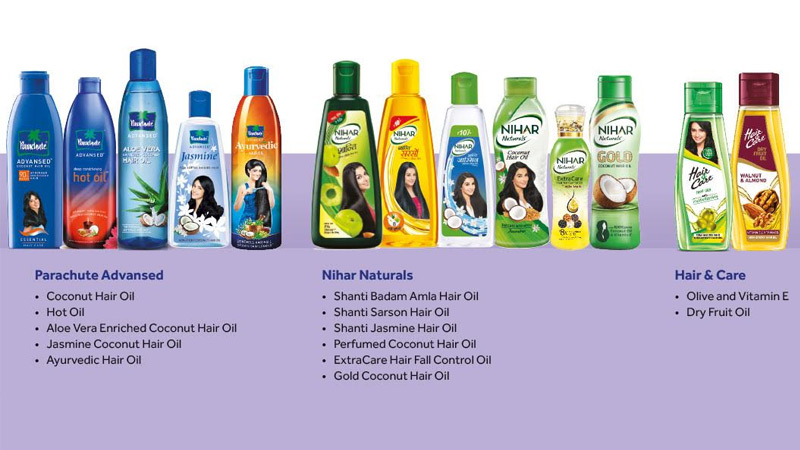
    Its international business, now contributing about 25 per cent to overall revenue, continues to ride strong tailwinds from Asia and Africa. On the domestic front, flagship brands like Parachute and Saffola, along with digital-first acquisitions like Just Herbs and Plix, helped widen the consumer base and deepen wallet share.

    The company also saw major movement on the investment and acquisition front completing the buyout of Apcos Naturals and increasing its stake in Satiya Nutraceuticals (Plix) to 51.38 per cent, transforming it into a majority-owned unit. Marico closed the year with Rs 321 crore in cash and equivalents, up from Rs 228 crore.

    Meanwhile, FMCG patriarch Harsh Mariwala, who turns 75 next year, will continue as a Non-Executive Director, with the board approving his continuation under SEBI’s age-related norms. Also onboard for the long haul is Dr K.R. Chandratre, appointed Secretarial Auditor for the next five years.

    With strong financials, smart acquisitions and a dividend that’s clearly keeping shareholders happy, Marico seems to have struck the perfect balance between tradition and transformation. In a market often running on fumes, this coconut oil kingpin is proving it’s still very much in its prime.

  • Nitin Bhandari appointed VP & general manager, India & south Asia beverages at PepsiCo

    Nitin Bhandari appointed VP & general manager, India & south Asia beverages at PepsiCo

    MUMBAI:  Nitin Bhandari has taken on the role of vice-president & general manager, India & south Asia beverages at PepsiCo. Based in Gurugram, Haryana, Bhandari will oversee the company’s beverages business in the region, focusing on unlocking growth opportunities and delivering value to consumers, communities, and stakeholders.

    He replaces George Kovoor senior vice-president & GM India beverage who has chosen to retire come 31 March 2025. 

    In his 19-year tenure at PepsiCo, Bhandari has held diverse leadership roles across India, Southeast Asia, and the Pacific. Most recently, he served as VP & chief growth officer for PepsiCo India, spearheading transformative strategies for its foods and beverages business in India, Bangladesh, Sri Lanka, and Nepal. Prior to this, he was general manager for the Philippines, Malaysia, and Singapore, managing both beverages and foods.

    Bhandari’s career highlights include launching e-commerce initiatives in Asia, turning around PepsiCo’s Thailand foods business, and leading the marketing strategy for iconic brands like Mountain Dew in India. His achievements have earned him accolades such as the PepsiCo Chairman’s Award in 2015.

    All that experience will be put to the test  in the coming summer as Reliance Industries which has resuscitated the Campa-Cola brand and has proved a price warrior renews its assault on the Indian soft drink market, possibly with a few new variants as well as deepening its distribution. At the same time, the Jubilant Bhartia group is pumping in Rs 12,500 crore in Coca-Cola Co’s main Indian bottler Hindustan Coca-Cola Beverages and acquiring a 40 per cent stake.

    An alumnus of the Indian Institute of Management (IIM), Indore, Bhandari expressed gratitude to PepsiCo leaders Eugene Willemsen and Jagrut Kotecha for this opportunity and acknowledged George Kovoor’s contributions in building a strong foundation for the business over the past three years.
     

  • Citi selects Rituparna Ghosh as VP- strategic communications

    Citi selects Rituparna Ghosh as VP- strategic communications

    MUMBAI She’s landed in Citi. Former Linde head corporate communications south Asia, Asean, and CSR-Asean  Rituparna Ghosh has moved into the position vice-president -strategic communications at Citi.  

    Rituparna who’s dabbled in several fields from being a copywriter (Continental Advertising), instructional designer (Brainvisa Tech, Accenture and Unisys), business content solutions provider (Fidelity Business Services), and business and creative services (EY), finally found her mojo in the area of communications when she  signed a contract with Unilever as a strategic communications consultant.

    Since then, the MBA  in marketing   has stuck to basics, to the knitting. Her journey has been in the field of image management over  the past five years.

    And she appears to be doing  a good job, going by the way she was drafted from Linde by Citi for a super relevant post. 
     

  • ASICS the Japanese sportswear brand launched the limited-edition merchandise for Tata Mumbai Marathon 2024

    ASICS the Japanese sportswear brand launched the limited-edition merchandise for Tata Mumbai Marathon 2024

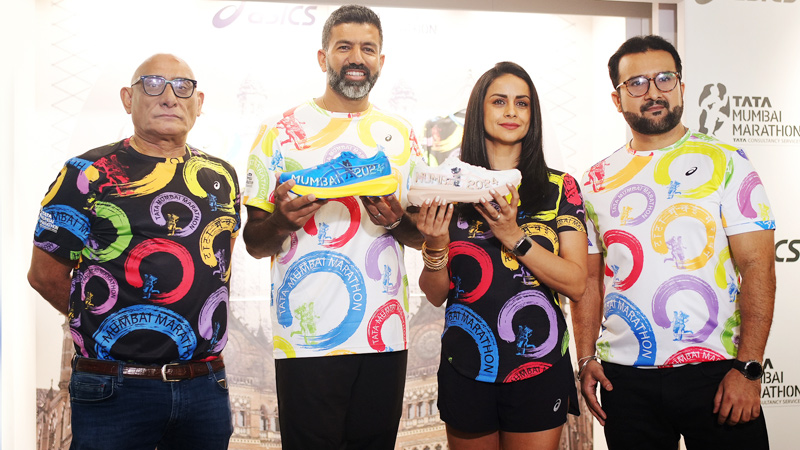
    Mumbai: ASICS the Japanese sportswear brand launched the limited-edition merchandise for Tata Mumbai Marathon 2024. ASICS brand athlete Rohan Bopanna along with actress & avid runner Gul Panag unveiled the new collection at ASICS store on Linking Road in Mumbai.

    The vibrant design of this collection by ASICS conveys a strong story of energy, persistence and passion for running. The Gel Kayano™ 30 limited edition shoes are designed with a unique blend of colours like electric blue/aquarium for men and white sun coral for women to appeal to both male and female runners.

    The specially crafted GEL-KAYANOTM 30 running shoe has Mumbai 2024 emblazoned on the side. The shoe provides maximum comfort and style reflecting Mumbai’s colourful culture. The GEL-KAYANOTM 30 shoes are equipped with advanced features like a 4D guidance system for stability and FF BLASTTM PLUS ECO cushioning for softness the shoes aim to energise runner’s every stride of their run.

    The limited-edition race day t-shirt design shows the circular pattern that encapsulates the spirit of unity via the “Enso” motif from Japanese traditions. It is crafted in seven symbolic colours denoting various facets of life, the collection aims to bring all marathon participants together in a harmonious cooperation towards a shared goal. The t-shirt and shoe bring out the complete essence of the city of Mumbai and will connect and bond well with the runners of Tata Mumbai Marathon 2024.

    ASICS India and South ASIA managing director Rajat Khurana said, “We are delighted to have Rohan Bopanna and Gul Panag on board to reveal our official merchandise for the Tata Mumbai Marathon 2024. Inspired by the dynamic energy of this city and event, our goal is to design apparel that empower athletes at every skill level to unleash their complete potential. This collection is a testament to our dedication in fostering a commitment to help individuals achieve their athletic goals.”

    Commenting on the event, ASICS brand athlete Rohan Bopanna said, “I am glad to be a part of this special day being a Brand Athlete for ASICS India and unveiling the official merchandise for the Tata Mumbai Marathon 2024 is truly special. As an athlete, I believe having the innovatively designed gear that seamlessly blends style with high performance is paramount. These specially crafted GEL-KAYANOTM 30 shoe and t-shirt perfectly captures the vibrant energy of the city.”

    Procam International managing director Anil Singh said, “ASICS has been a longstanding partner of the Tata Mumbai Marathon and the Procam family. They have continuously set new benchmarks with top-of-the-line event merchandise which are highly sought after by our participants. As we gear up for the 19 edition of the Tata Mumbai Marathon, here’s a race filled with inspiration, determination and the beating heart of India in every step #HarDilMumbai.”

    The TATA Mumbai Marathon 2024, is a world athletics gold label road race and will be hosted on Sunday 21 January 2024.The event will be flagged off from the historic Chhatrapati Shivaji Maharaj Terminal.

  • upGrad appoints Anuj Vishwakarma to head its online higher-ed programs

    upGrad appoints Anuj Vishwakarma to head its online higher-ed programs

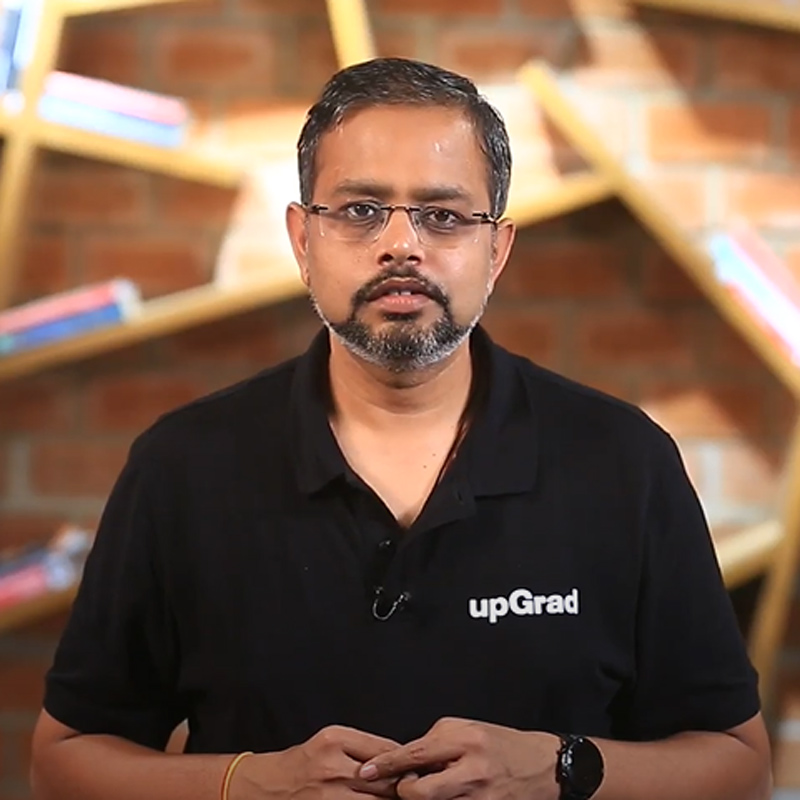
    Mumbai: upGrad, one of Asia’s higher edtech companies has announced the appointment of Anuj Vishwakarma as president for its online higher-ed programs.

    In his new role, Anuj will be responsible for building the online higher-ed vertical for creating a long-term strategic moat and also implement growth best practices for scaling the business.

    Vishwakarma is a seasoned growth leader with over 10+ years of rich experience building high-growth consumer businesses in the fintech, online retail, and offline retail industries. Prior to upGrad he has driven growth for leading consumer internet players like Myntra, Paytm and Ola. He has led high-profile assignments at Ola as revenue & growth head and at Paytm as growth head for Travel Business.

    An MBA degree holder from IIM Bangalore and a National Institute of Technology (NIT) Bhopal, alumnus, Vishwakarma has a constant hunger for growth and has a track record of building large businesses through sustainable growth strategies. He will operate from upGrad’s Bengaluru office and will also collaborate with the multiple teams across upGrad divisions to scale their program vertical.

    Welcoming him, upGrad co-founder and managing director Mayank Kumar commented, “We operate in a golden era where the demand for online higher education will continue to propel and therefore, we need a solution-focused leader who comes with strong hands-on skills. Vishwakarma, for his domain inclination, is best suited to perform in-depth market research and consumer insights to spearhead our vertical growth. His efforts will further solidify our core business while also enhancing our domestic LifeLongLearning suite.”

     “I am humbled to be a part of this dynamic leadership team who knows no limits. upGrad’s vision is synergistic and I look forward to utilizing my domain expertise for building a stronger business foundation for driving career outcomes of our potential learners. This will help me contribute towards strengthening the brand’s reputation across a wider audience,” concluded Vishwakarma.

  • OTT streaming services are most popular entertainment than traditional TV: Magnite Asia MD Gavin Buxton

    OTT streaming services are most popular entertainment than traditional TV: Magnite Asia MD Gavin Buxton

    Mumbai: Creating a great ad experience and monetising all ad formats is the biggest challenge for media owners and brands today. Major global streaming platforms like Netflix and Disney+ are planning to roll out exclusive advertising solutions in 2023. With this, in-the-right-place-at-the-right-time, Magnite Asia MD Gavin Buxton stepped in to provide his input on strengthening such ad solutions for media owners and brands.

    By joining Magnite Asia in August 2021, Gavin and his firm are working with over 60 OTT clients looking to activate AVOD (advertising-based video-on-demand).

    Named as ‘one of the top people to look out for’ by the Digerati Asia Pacific in 2018, Gavin currently leads the growth of Magnite in the APAC region. His working knowledge stretches across television, digital, search, programmatic, mobile, content marketing, and social media.

    Gavin brings with him over 20 years of global experience in digital advertising. Previously, he held leadership positions at tech and publishing companies such as Microsoft, Turner Broadcasting System, and LinkedIn, spending the last ten years in Asia building businesses.

    He is an active participant within the advertising industry with multiple thought leadership publications, speaker slots, and contributions to industry bodies, including past board member of The Interactive Advertising Bureau of Southeast Asia and India (IAB SG), and participation in several committees.

    Magnite, an independent omnichannel sell-side advertising platform is helping publishers use their technology to monetise their content across all screens and formats—including desktop, mobile, audio, and connected TV (CTV).

    This is a one-of-its-kind platform that is built specifically to handle the complexities of over-the-top (OTT) video supply with real-time reporting and performance insights, automated ad pod functionality to manage frequency capping, competitive separation, and audio level detection to enhance the viewer experience.

    In an interaction with Indiantelevision.com, Gavin shared all things from monetisation, the CTV platform, the APAC market, and programmatic advertising to programmatic guaranteed deals. 

    Edited Excerpts:

    On his journey with SpotX- Magnite 

    Gavin: I have had work experience in the APAC region for 11 years now, five of which have been focused on the OTT digital advertising sector, originally with SpotX and onwards into Magnite.

    It has been a challenging, exciting, and rewarding experience to collaborate with some of the first OTT AVOD publishers in the region and assist them in being best positioned and embracing programmatic activations and collectively grow the ecosystem together.

    Today, Magnite is the leading OTT supply-side platform (SSP) in APAC. Brands are now embracing such AVOD activations due to their ability to reach and engage with scaled audiences in premium viewing environments.

    On collaboration with Samsung Ads

    Gavin: Our relationship with Samsung Ads is not exclusive. However, we work with them across major markets, including the US, EMEA, LATAM, South Korea, Australia, and India. Our technology helped them to monetise their inventory on their ad-supported streaming service, Samsung TV Plus, and deliver a better advertising experience for the end user.

    As Samsung scales up its Samsung TV Plus inventory, working with us has accelerated its expansion plans by making it programmatically available to brands and agencies in India.

    In India specifically, we have been excited to see how Samsung’s team, audience, and offers have grown. It is also exciting to watch their continued growth in advertising activation.

    On emerging CTV markets in APAC and the level of adoption 

    Gavin: Apart from India, APAC’s major CTV markets include Australia and New Zealand, Indonesia, the Philippines, Singapore, Thailand, and Vietnam.

    The OTT market in India is the fourth largest globally and one of the most competitively growing markets. Advertisers have unprecedented opportunities to reach audiences increasingly shifting to OTT streaming.

    According to Magnite research in Southeast Asia, OTT is now watched more regularly than traditional TV among audiences aged 16–34 who prefer ad-supported over ad-free content. While mobiles continue to be the dominant device for accessing streaming content, CTV is on the rise, especially among affluent OTT audiences, 20 per cent of whom watch CTV.

    In addition, GroupM’s “This Year Next Year” research found that OTT investment in APAC will grow from $4.3 billion in 2020 to $7.2 billion in 2026, increasing by around 67 per cent in six years.

    On adoption of programmatic

    Gavin: For several reasons, the adoption of programmatic has been slower in some markets in APAC. Magnite provides education and information about the opportunities and benefits that are on offer for buyers and sellers. There has been a marked increase in activation.

    While programmatic trading simplifies the supply chain, continued education and case study examples will assist in educating clients on the benefits and value it can bring to publishers and brands.

    On the OTT/CTV front, unless there’s transparency and an understanding of the different roles linear TV and OTT play, clients won’t just buy based on the availability of existing tech, but on their understanding of the benefits of such technology.

    For programmatic to develop further, it needs to be pushed forward from both the buy and sell side. For publishers, programmatic enables them to maximise revenue through technology and provides greater efficiencies.

    On major players’ rollout of advertising solutions 

    Gavin: The upcoming ad solutions provided by major streaming players are clear evidence that the publishers are now ready to embrace the AVOD model.

    This shift will increase available CTV inventory in the market and its demand by pushing more supply out of walled gardens and into the open programmatic ecosystem.

    Magnite, thus, expects the continued expansion of biddable inventory as a progressive step toward true utilisation of premium streaming services. Since publishers are now realising the actual potential of programmatic demand activations competing with direct deals, they’ll continue leaning into this real-time biddable inventory to take advantage of the increased yield opportunities it generates as the value of premium addressable video from brands grows.

    On duplication of audiences in an omnichannel environment 

    Gavin: Identity fragmentation across the ecosystem is limiting the brand’s ability to effectively communicate parameters, such as ad frequency. The sell-side is uniquely positioned to help brands curb ad quality issues such as repetition and improvisation in delivery. In today’s identity space, the publisher increasingly controls the interaction with content viewers and has access to personal information about them.

    By leveraging frequency capping in the SSP, buyers can lower ad frequency even across publishers’ wishes to protect their user data from being used outside their chosen sell-side platforms.

    The SSP’s close relationship with the publishers has resulted in the most accurate user identifiers in every bid request. Because they are only one or two “hops” away from the publisher, SSPs can reach audiences more effectively than traditional publishers. To gain insight into user IDs and campaign reach, sell-side technology evaluates all bid requests, including those that demand-side platforms (DSPs) reject due to queries per second (QPS) limits and other restrictions.

    With more users ingesting media across platforms, addressing fragmentation to improve ad experiences has never been more critical. To help improve the performance of campaigns, buyers can be proactive by talking to their SSP about frequency capping and other identity-related ad delivery criteria. By reaching audiences across touchpoints in a controlled, planned way, brands can drive efficient impact and ROI.

    On the major areas of investment

    Gavin: CTV is the fastest-growing digital medium, and advertising in this space is poised to be largely traded programmatically in the future. 42 per cent of Magnite’s business is now CTV. However, the company is now focused on continuing its investment in a diverse omnichannel strategy to build upon and scale CTV capabilities to better serve new and existing clients.

    The acquisitions of SpotX and SpringServe by Magnite in 2021 created the largest independent CTV and video advertising platforms, and thus advanced Magnite’s programmatic OTT and CTV innovations. In early 2022, the company acquired Carbon and Nth Party to strengthen its audience and identity capabilities. This collaboration helped Magnite accelerate the integration of audience and identity solutions across its omni-channel offerings. Magnite strived to give retailers all the tools necessary to maximise their audiences across all channels.

    On the programmatic guaranteed (PG) deals preference

    Gavin: With programmatic guaranteed, the publisher commits to their video inventory in exchange for a “guarantee” of a certain rate and impression goal. While a buyer bids 90-100 per cent of the time on PG, they bid as the market demands and the audience layers they apply on a private marketplace (PMP). PG is essentially a high-fill PMP.

    Depending on campaign goals, PG may effectively suit a marketer’s KPIs. However, by solely “checking the box” of PG instead of bidding on inventory across PMPs, brands may be missing opportunities for cross-publisher and omnichannel flexibility.

    If publishers restrict their inventory to just PG activations (even for a guaranteed fill rate), they risk making less money than they might in a higher bid-density auction. For sellers, the upside of PG is that it enables them to forecast their inventory fill with a set volume and price, as committed upfront to the buyer. However, this doesn’t necessarily guarantee a greater yield.

    An area that created concern for publishers in activating PMP is the lower fill rates achieved per campaign, which could result in ad server timeouts and slow decisioning where the publisher is using a suboptimal waterfall ad server. However, with a modern ad server built with programmatic in mind or header bidding tools, activating PMP results in higher fills and less timeout, leading to potentially higher yields and better viewing experiences. This is a growing area of interest and education in India and across the APAC region.

    On key trends in the programmatic advertising space in APAC

    Gavin: Firstly, OTT/CTV will continue to be one of the largest growth areas in programmatic activation in the region and secondly, advertisers will further see the value of an omnichannel open internet approach to deliver scale, addressability, performance, and return on investment (ROI).

    Furthermore, header bidding/holistic ad decisioning adoption across all digital formats will prove to be the best direction for the supply and demand side in enabling scaled audience activation, programmatic and direct campaign synergy, improved yield management, more opportunities for inventory monetization, and collective ROI.