Tag: Ashwin Pinto

  • ‘Our goal is to increase our audience share to 25 per cent’ : Pix business head Sunder Aaron

    ‘Our goal is to increase our audience share to 25 per cent’ : Pix business head Sunder Aaron

    When Pix launched four years back, it had to be content with library movies. Now the English movie channel has evolved into a stage where it can air current titles to draw in younger audiences and nurture ambitions of competing successfully with Star Movies and HBO.

    A focus area for Pix will be to aggressively get into the action genre.


    An important mix on the channel is also non-film content including football.


    In an interview with Indiantelevision.com‘s Ashwin Pinto, Pix business head Sunder Aaron talks about the channel‘s progress over four years.


    Excerpts:


    What factors prompted Pix to change its positioning to a blockbuster channel?

    Our positioning as a premium Hollywood movie channel has not changed. We are still about telling good stories. It is just that our programming strategy has evolved. Our game plan in 2006 was to transform Pix into a current film channel. We are following the path that we had laid out for ourselves when we launched the channel.

     
    What was the plan in 2006?

    When we launched the channel, we mainly had library movies from Sony and MGM. We also had all time favourites like Jerry Maguire. We still have those but they do not dominate our primetime as much as they used to. We knew that four years down the line we would add current movies and be as current as HBO and Star Movies.

     
    So new films have to be part of the recipe for a successful English movie channel?

    We have learnt that brand new current films are the prized assets in this genre. At the end of the day, that drives spikes in viewership. As long as there are enough spikes, the overall welfare of the channel and its profile will rise. You will see the movie channels that have current films – HBO and Star Movies – excel.


    You can have other kinds of films but it is these big, current films that will drive the channel. Within these current films, it is the action genre that is the most valuable and the most attractive. This is what our focus will rest on.


    Any other lessons that you learnt from the last four years of Pix‘s operations?

    Yes, subtitling. To widen the reach, this is an important tool. We avoided it for a while but our viewers asked us for it. This led to an increase in reach. Shadows of Time, for instance, did well in the six metros. It is a Bengali film with subtitles. Subtitles make it easier for viewers to understand the film.

     
    Is it fair to say that older movies do not have much traction due to the niche nature of this genre?

    You have raised two points. The English film genre is not niche anymore. If you look at it from a cable operator‘s point of view, they must have English movie channels. It is as essential as a sports channel.


    One reason why older films do not as work as well is that the audience likes films that are current and sexy. The newer films appeal to the younger generation. Library films have less action and special effects. The style of cutting and editing is different from the way it is now.


    ‘We will have more current films. Our audience will also be more youthful and we will have a wider reach across the country‘

     
     There are already two channels that showcase blockbusters and aim at becoming bigger and better. How will Pix differentiate itself?

    We operate from India. Star Movies is operated out of Hong Kong, while HBO is based out of Singapore. The fact that we operate out of Mumbai allows us to be more hands on.


    We actually do local programming like Chicks on Flicks. We also have sports properties like the FA Cup. Thanks to the World Cup, the soccer fans have grown.


    What goals have been set for the year?

    Our ultimate goal is to increase our share to 25 per cent and be on the same level as Star Movies and HBO. Right now our share is around 20 per cent. We want more youth tuning in. The current films are aimed at broad basing our reach.
     

     Pix went for a design and look makeover. What was the aim of this?

    We want to draw in younger audiences. It is not that older audiences are not useful but the fact is that the youth are the demographic that advertisers target.


    The channel looks slicker and is more attractive visually. Earlier the look we had was too static and flat, colour-wise. Now there is more dynamism.

     
    Is Pix going to create time slots that appeal to different TGs?

    We already have slots like Super Movie of the Month and programming tailored for the afternoon. Our share and time spent has grown though the category as a whole has fallen.

     
    Does the English film genre face fresh challenges this year?

    Scarcity of product is a natural issue. The increase in prices and fragmentation are other issues. We are clever about how we deal with suppliers and where we find our movies. We track viewer feedback regularly. If somebody sends us an email, we read it and even respond sometimes.


    Attention spans are changing. People are flipping channels a lot more. Luckily at Pix the time spent has been increasing. This shows that our films and promotions are better.

     
    How much library content is on the channel and what are the big properties coming up?

    Our ratio is the same as our competition. We are airing The Hurt Locker which is a big one. So for two years in a row, we will be airing the Oscar winner for best picture. The other movies include Hot Tub Time Machine, District 9 (science fiction) and New York I love You.


    The aim is to have at least one blockbuster each month. Then we have films that are not big blockbusters but are also premiers. If it is really good, it goes into the handpicked movie slot.


    Have you changed how the weekend is programmed?

    No! We still promote the 9 pm movie. We had the properties Cheap Thrills and Damn Good Drama, but we got rid of those.


    How tough will it be to get current films given the fact that major studios already have output deals?

    It is a challenge. We have to be resourceful in terms of finding films that make the channel look good and elevate our level of programming. 

     
    Do Sony‘s films come to Pix first now?

    No! Their films go to HBO first. That output deal is still on.

    Is local content like shows going to be more important going forward?

    It is a distinguishing factor. We have Chicks on Flicks. And we are looking at a couple of other concepts. Gateway (the show done with Ashok Amritraj) will return eventually. It is a complex series that takes planning and it will come back with a new judge. The celebrities on the show have to commit to four to six weeks of shooting.
    We are looking at Hollywood-based film shows. They are useful as interstitial programming.


    Are you looking at expanding your base into smaller towns?

    It is costly to do marketing there. The focus has to be on the primary target market – which is metros. Beyond that, we do tie ups to reduce costs in secondary and tertiary towns.
    This Is It was an interesting experiment. Since it is a musical and it transcends language barriers and has Michael Jackson, we did promotions in regional languages.

     
    What marketing activities will Pix do this year?

    We will do a brand campaign when we air The Hurt Locker. This will reinforce the new content on our channel. The Hurt Locker is the kind of film that will pull in a wider, more mass audience.

     
    Are out of home activities important?

    Yes! It is important for a channel that is local to behave in a local manner. The Pix Movie club was launched a couple of months back and the response has been strong in places like Mumbai. PVR is our partner and they are also happy with the outcome. You need events to connect with viewers directly on a regular basis.
    We had Hollywood Pix Your Brain last year. This was a trivia quiz. It will return. With This Is It, we did activities in malls like flash mobs. We also did a four-city legendary Michael Jackson tribute. Music groups paid tribute to the late pop star.

     
    What role does digital play?

    It is important given that this is where the youth spend a lot of time. On our site, you can get mobile reminders. We do online promotions. Certain films lend themselves to online promotions like This Is It and Slumdog Millionaire. The budgets are not big and so online is a better way to go about as it is a targeted promotional activity.


    Is Pix planning to launch more channels?

    Eventually, we will. We will start with digital platforms, but you will not see another Pix channel for a year. There are channels that launched but fell by the wayside. We do not want that to happen.
     

    Where do you see Pix a year from now?

    We will have more new, current films. Our audience will also be more youthful and we will have a wider reach across the country. The aim is to also have better viewership in secondary and tertiary towns.

  • ‘Acquisitions, JVs – We mean business’ : Fremantle Media regional CEO Europe & Asia Pacific Simon Spalding

    ‘Acquisitions, JVs – We mean business’ : Fremantle Media regional CEO Europe & Asia Pacific Simon Spalding

    Simon Spalding is a bit of a homebody. When the Fremantle Media regional CEO Europe & Asia Pacific is not travelling around on business he likes to spend time with his family in Amsterdam.


    The 49 year old Spalding has close to a quarter of a century‘s experience in a career spanning toy marketing (with Hasbro Europe), licensing (Dreamworkz) and television (Fremantle).


    10 of those years have been spent in building Fremantle into the global TV powerhouse it is today. He set up the UK operations, built them up and, then moved onto Sydney Australia where he forged a merger between Grundy and Crackerjack to create Fremantle Australia. Today it probably is the largest Australian TV producer.


    He then moved back to Europe to oversee Asia and Europe, leaving the Asian operations in the able hands of Patrick Schult.


    Spalding was in India to touch base with the Indian operations of Fremantle India, which are headed by Raj Baruah and also meet up with broadcast executives at the leading Indian networks. The TV executive – who counts West Wing as one of his favourite TV shows – caught up with Indiantelevision.com‘s Ashwin Pinto on Fremantle‘s Indian initiatives and the vision for the production house.


    Excerpts:
     

    Was 2009 a difficult year due to the economic downturn?

    It was a better year than we expected it to be. We made our budget but in order to do that we took some things out that we had been saving for a rainy day. Last year we had a couple of rainy days. There has been a bit more of a time lag for producers as the first half of 2009 was committed in the second half of 2008. So the first half of last year was good and it got tougher in the second half. We are still feeling the impact this year.

     
    How do you see this year progressing?

    We have taken a more conservative position regarding our budget. We have recognised that we will be a slightly smaller company this year. But overall the interesting thing is that our big shows are getting bigger. So while everybody was concerned that shows like Idol or Got Talent would also suffer in the recession, the fact is that we are getting a larger audience share. It is also encouraging that more people are watching television than ever before. If you have the right content and can produce it at the right price there is market out there for it.
     

    At this point which are your top five formats?

    Our big three entertainment formats are Idol, X-Factor and Got talent. Our game shows are strong like The Price Is Right which has been around for 54 years. It was the number one daytime show in France after being reintroduced after an eight-year gap. This show has been reintroduced in nine other markets. Fremantle is also a drama producer. Our serial dramas do well.

     
    What additions have been made to your catalogue recently and are you looking at more genres?

    We look at new genres. We brought 10 new formats to MipTV. Some were reversions of existing catalogue. Some we develop ourselves and some we do in partnership with others. We have a show Push The Button which has been done with Gallowgate which is owned by the guys who host Got Talent for us in the UK. We constantly look for new ideas. We recently picked up a new cooking format from Romania. It is a reversion of a classic show called Give Us A Clue.

     
     ‘Historically we have come in on the back of a successful show. Once that show fell away we did not invest in building infrastructure and a broader base to sustain our business (in India) . This time we have come in to build a base. We have a detailed business plan.‘

     
    What goals have been set?

    From a company point of view we are trying to do three things. We want to continue to build and develop our network. We have production companies in 22 countries. We want to strengthen those. If we have a strong entertainment business, for instance in Denmark, we focus on building a drama business. In Italy the situation is the reverse where our drama business is strong. There is already this piece going on as well as looking at new markets. Last year we opened offices in India and Brazil.


    The second part of what we are doing is to build and grow our creative pipeline. The content that we bring to the market is what is going to drive our business forward. So we have made significant investments in developing original content and also in partnerships with third parties.


    The third part of our strategy is building new capabilities. As the world changes, different platforms emerge and people want to use IP in different ways. We are looking at the skill sets and resources that we need available to help build that. This would encompass developing our live show business, gambling business. We want to grow in these areas too.
     

    How much business comes from Asia in terms of business generated? Which are your top three markets?

    Not enough business comes from Asia. I cannot give you a split though. India, China, Indonesia and Japan are our priority markets in Asia. These are the markets where we have production capabilities. In the other territories we have partnerships or licensing operations. We have nailed down


    what we want to do in the markets mentioned earlier. Where do we go next? Do we want to open more production capability?

    We have a strong licensing and co-production business in Vietnam. This is a market where at some point we should open a business. The Philippines is also important. We are trying to balance the benefit of having a local production capability against the cost of a startup. In the current economic circumstances it is a tough decision to make.

     
    Are you still an acquisition target? And how is the RTL ownership helping you?

    We are 100 per cent owned by the RTL Group. RTL is 91 per cent owned by Bertelsmann. They are happy with Fremantle as we have shown a compound annual growth of 9 per cent in revenue and 13 per cent in EBIDTA over the last six years. That makes for a happy shareholder. We can access investment funds. I just bought a company in the Netherlands as I want to strengthen our drama business there. We also made an acquisition in Italy which gives us more content. RTL Group CEO Gerhard Zeller has publicly said that Fremantle is not for sale.
     

    What is your vision for India?

    What I am looking for is a successful locally driven production company that takes full value from the Fremantle network and also contributes back to the network. The Indian group should take programmes and IP and bring them to India. Also over time they should develop things that travel broadly within the Fremantle network.

     
    Will Fremantle be open to considering paper formats from Indian creative professionals?

    We do look at them. Obviously they are much tougher to get to but you have to start somewhere. We would look at an original idea when we have identified a customer. A programme idea is only good if you have a customer to sell it to. Once we have found an idea that we can link effectively to a customer that is when we can offer support to bring that idea to a pilot or a series. Once we have tape then we can start pushing it around our network.


    An example is a format developed in France but we could not find the right customer for it there. We found a customer in Australia. On the basis of this successful launch we took it to other territories. The format is Take Me Out.


    You have made efforts to set up office in India earlier but retreated? What makes your current foray any different? What kinds of investments are you looking at pouring in here?

    Historically we have come in on the back of a successful show. Once that show fell away we did not invest in building infrastructure and a broader base to sustain our business. This time we have come in to build a base. We have a detailed business plan. We have a detailed idea of how much money we need to spend and when we expect ROI. The company has signed up for a longer term vision.


    Endemol has raced far ahead of you here. Zodiak is doing well with SOL. Disney has found customers for its products here. Are you coming in too late?

    The decision for us to withdraw from the market just before I took over the role was perhaps short-sighted. My ambition was to get back as the Indian market watches the kind of television that we produce. India has a range of free to air broadcasters who would want to buy our content. Why would we not want to be in India which is a growing market? The aim is to build a solid foundation and not try to run before we can walk. We don‘t just want to be in entertainment. We want to be in multiple genres.

     
    Is Fremantle also considering taking a stake in a local production house to complement your non fiction business?

    If there is a strategic fit we would look at it. There are other business models. It could be a JV or a partnership. It could be investing in creative people and giving them a place under the Fremantle umbrella. We don‘t have a one size fits all approach.

     
    ‘What I am looking for is a successful locally driven production company that takes full value from the Fremantle network and also contributes back to the network.‘
     

    For this year what is your priority?

    We have to deliver shows that we already have an order for. Indian Idol was our number one priority for Sony. We also focussed on getting our relationship with Colors correct for Got Talent. We want to establish our credibility as a serious content producer in India. You can talk about lots of things but until delivery happens it is only talk.

     
    Do you think the Indian broadcasting and production business is receptive to formats as it is in other developed markets such as the US, the UK, Australia, Malaysia? Are they willing to pay for formats or are they more prone to rip-offs?

    There are examples of formats being ripped of here. Once a successful format is launched there is a temptation on the part of other broadcasters to put something similar into the market. Indian Idol success is a testament to the strength of the IP. Viewers feel that it is worth sticking with. Broadcasters know that they can get away with ripping off stuff once in a while however, they also know that they need the best content and to get that they need to find a way to work with the people who own that content.

     
    American Idol has lost share in the US partly due to the fact that the format has gotten stale. How is Indian Idol faring?

    This year we have made a significantly better show. The talent is stronger and the production is better than it has been for a while. We had a strong launch. The numbers dipped. The test is if we can deliver what Sony expects and what viewers want.
     

    What new formats are being brought to India?

    We are meeting broadcasters. We are trying to fit our shows with the specialities of broadcasters. Every network wants differentiated content. Our entertainment shows have a lot of potential. We are sure that X Factor will be in the market soon. Historically our game shows have done well. So we will bring in some of those. Comedy will be more challenging as it may be tough to translate but I want to do this genre in India. We have some factual content that we feel the market is increasingly ready for. I want to do drama but we are not yet ready.

     
    Are you going to be going into the languages area? Tamil, Telugu? Endemol has done that well.

    This is an area that we have identified and it is a question of building the organisation so that when we make this approach we are capable of delivery. A number of game shows would work here. They are cost effective to do in multiple languages. For instance for Family Feud you could build one set and then bring in different hosts, different families, audiences.
     

    Has there been any learning from other Asian markets that you would look to apply here?

    We have to accept shorter pre-production times. We have figured out how to produce formats that have worked in Europe here though the cost structures are different and circumstances are different. We have learnt about cultural sensitivities. We make three versions of a dating show in Indonesia. We have figured out how to do it in a way that is culturally appropriate. You also figure out when something is culturally inappropriate as opposed to something that they do not want to do.

     
    Most of your shows are upscale. India is discovering rural, massy content. What plans does Fremantle have here?

    We have IP. What our Indian team has to do is sift through them and decide what could work depending on the environment. They have to identify gaps that can be filled locally. That is what we do in different countries. Americans do not just pick up everything that is developed. They pick up some stuff and develop other content that is appropriate. This is also true for the UK, Germany, and France.

     
    Also, there seems to be no differentiation among the Indian general entertainment channels. Nobody wants to take a leap. Do you see innovation happening?

    I am optimistic that it will happen. What we have seen globally is that companies which have innovated and done different stuff have step-changed their position in the market. For us, I accept that we will need to create formats here that travel. That will be a step-change for us.

     
    In the format business what trends are we seeing?

    We are seeing more uplifting themes being popular. So if it is a reality show then one about success works rather than celebrating disaster. In drama the themes are not as dark. There is more comedy coming through. There is more subject matter considered niche like cooking that is growing. They do well not just on lifestyle channels. They have gone mass market.


    Could you elaborate on the plan for the production services division and what is its USP vis-a-vis what is already available?

    The combination is that we have a huge catalogue of IP coupled with a group of people that can produce it as they are linked in to the Fremantle network. Our team understands how to produce shows here and the shows have worked well abroad. Talent, IP and international support are what we offer.


    The market consists of local companies which are developing their own IP or buying IP and produce it here. Fremantle is unique in terms of how it is networked. No other company comes close to our ability to move information around and support productions apart from the BBC. They are obviously very different. Endemol and we are the main global players.
     

     ‘What we have seen globally is that companies which have innovated and done different stuff have step-changed their position in the market. For us, I accept that we will need to create formats here that travel. ‘


    The Indian television general entertainment market has seen growth and also some consolidation. How do you see it progressing and what are the challenges that general entertainment broadcasters will face?

    The economic circumstances will continue to be a challenge. How the advertising market responds to the economic environment, the shift in advertisers‘ priorities between television and other media is a concern. Secondly, they have to remain distinctive and at the same time attract the broadest possible audience. A balance has to be struck. You need to have a personality while not alienating people whom you want to attract.


    Channels have to figure out how to get high quality content whether it is sports rights, news etc. They have to maintain the right relationships to deliver desired content.

     
    You see foreign players actively looking at India, the latest being CBS. How will this change the market dynamics from your point of view?

    Competition is healthy. But is enough investment being made to train people who you will need to run businesses? This is a concern. If this is not looked after then staff will be poached and there will be unpleasant salary inflation. If international companies bring in expats then it would be a step backwards.

     
    Could you talk about the strategy that Fremantle follows in exploiting brands beyond the television screen?

    We look at it in terms of what we term the wheel of value. The hub of the wheel is content. We look at spokes that can be used to exploit that property. Is there a format, a tape sale, home entertainment piece, an Internet experience, a mobile experience? A brand like Idol fills in most of the spokes. The Price is Right also lends itself to various activities. However, a factual entertainment show may not fill many spokes. You can sell this show in many territories but you do not get the mugs and T-shirts part of the business or the live show.


    For The Price is Right we sell the American version in some territories. We also have a DVD. We have multiple online versions where you can play for prizes, fun, and money. We have lottery scratch card elements. We have merchandise like a board game, mugs and T-shirts. We have a gambling version through slot machines in casinos. We have a live version of the show in America. We have sold it to a casino in Belgium. We have also developed a mobile application which has had 500,000 downloads on the iphone. The only thing that we have not done is a film.

     
    Are you looking at creating content for the mobile in India with 3G coming in?

    We have done a number of shows specifically for the mobile or net. The challenge is to create a business model. We have experimented. We have an online comedy service Atomic Wedgie in the US. It has translated into a TV show. We have done other stuff like cut down versions of Baywatch on mobile.


    We are not making much money but we are learning. We are investing rather than losing money. We did a show for MySpace where we went to find interesting people on this social network.

     
    How is the iCount viewer research panel helping Fremantle understand viewers better?

    We rolled this out in Germany. We are about to launch it in the US. It allows us to get very fast feedback from engaged viewers. It does not substitute other forms of research that we do. It allows getting a fast read on what would engage viewers. We can do more pre-testing. So for instance, if you want to look at a storyline in Neighbours, you can talk to those engaged viewers and get a read on whether they think that it is something they feel that we should be doing or not.


    We can test out casting, validity of characters and get a read on other things going on in the market. We get feedback on where people are watching stuff, what they are listening to and how they spend time. It gives us a more complete viewer of the consumer at a reasonable cost.

     
    Are you planning to introduce this for India?

    We will roll it out on a territory by territory basis. Australia is probably going to be the first place in the Asia Pacific region where we will roll this out. In India and Indonesia do we have enough shows where the iCount panel could influence? If you only get feedback on stuff already done it is interesting, but may not be useful beyond a point. I probably will not roll this service in China.


    Has Fremantle cracked the social media puzzle and taken advantage of the buzz going on there?

    I will go back to the point about developing new capabilities. There are processes and techniques going on in that world which need skill sets that are different. What we have to figure out is what we can contribute from our existing skill set to the party. We are playing around the edges of social networking, social gaming. We realise that we as a company need to take more positive steps in this direction. For us gaming is a separate skill set.


    It is a big move for a television production company to say that it also wants to get into gaming. Similarly gaming companies like EA took a while before deciding to enter the entertainment business. Gradual steps were made and now there is more cross over. While the Tomb Raider and Prince of Persia games were made into movies, it took quite a while before that crossover happened.

     
    Four years down the line will Fremantle be among the top production companies in India or would it have wound up?

    India is a territory that we will never be able to not be in. I want us to be a production company that people trust to bring them high quality content. We need to have a range of customers providing a range of genres across a range of price points. We have to be a full service production business.


    The more interesting question is whether we will just be a production company? How will we characterise ourselves three years from now? We already talk about being an entertainment business and not a production business. How we evolve will impact the way in which we develop here.
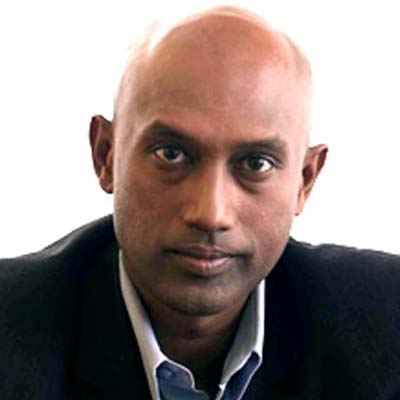
  • ‘Break even will take five to six years for new franchises’ : GroupM ESP managing partner Hiren Pandit

    ‘Break even will take five to six years for new franchises’ : GroupM ESP managing partner Hiren Pandit

    Bigger, better, richer. That is what the franchises hope the Indian Premier League (IPL) will grow into year after year.


    In an interview with Indiantelevision.com’s Ashwin Pinto, GroupM ESP managing partner Hiren Pandit talks about the vast revenue opportunities that are waiting to be tapped as the IPL grows into a sporting spectacle.


    Excerpts:

    How is GroupM ESP involved with the IPL this time around?
    We do deals with franchises on behalf of our clients. There are logos on T-shirts and also innovations that have not been done before. We create revenue opportunities for the client as well as the franchise. This is in the form of licensing and merchandising.

    Are franchises able to fetch better rates this year with the economic situation somewhat improving?
    Keep in mind that last year local activation could not take place due to the shift to South Africa. This year, some amount of rationalisation has taken place. There is measurement in place. You know whether you should pay Rs100 or Rs 150. Most team sponsorships have been sold.

    In terms of local revenue, how will franchises fare this year as per your calculations?
    It will increase by around 20 per cent for each franchise. Revenues on T-shirts are anywhere from zero for Bangalore (The UB Group uses its own brands) to Rs 400 million for Kolkata. Delhi and Chennai will each earn Rs 330 million. Mumbai, Rajasthan and Punjab will individually earn Rs 300 million. Hyderabad will earn around Rs 200 million. The big difference is the logo on the right chest which will add Rs 30-50 million in revenue. Licensing and merchandising is just starting to happen. So this will take time to grow.


    Kolkata will get hit in terms of gate receipts as the two large stands that seat the most number of people is being reconstructed. Mumbai’s matches will happen in the CCI and DY Patil. Ahmedabad should boost Jaipur’s gate receipts. I, however, do not know the extent to which Dharamshala as a venue will help Punjab. The question that remains is Hyderabad. There needs to be some clarity on where the matches will be played.

    If you include the central pool, how much revenue will franchises earn?
    It will be a 25 per cent growth overall. Each franchise will earn $12-14 million from the central pool. The local pool will contribute around $8-10 million. Revenues from theatres, YouTube and Colors will also kick in. This will add a certain amount but it will not be dramatically different.

    Will Hyderabad’s revenues be hit due to the venue being shifted?
    I am not so sure that Hyderabad sponsorships will get hit as it depends on TV exposure. On the back of that, activation will be done. In-stadia activity, though, will be hit. But licensing and merchandising may stay unharmed. It depends on the kind of deals that they will do. It remains to be seen how much revenues come from ticketing.

    Franchises will see a 25 per cent growth overall. Each franchise will earn $12-14 million from the central pool. The local pool will contribute around $8-10 million. Revenues from theatres, YouTube and Colors will also kick in

    Is there a danger of sponsorship getting cluttered?
    From what we gather, the number of brands on IPL was 40 in the first season and 68 in the second. We expect the number to touch 80 in the third season. It is clutter but since it is at home, clients can do more activation. There needs to be innovation done by companies in terms of their campaigns. You cannot do what was done earlier unless you are sure that it will stay fresh. It needs to be different. Just keeping a logo on the T-shirt is not enough.

    Could you give me a couple of examples where team sponsors have successfully leveraged the IPL?
    Idea Cellular did something different with the Mumbai Indians in the second season. Their users could have conversation with players. Wrigleys did something different by associating with all teams. Vodafone did the Zoozoo campaign which was a wake up call to competition. Sprite did the unique ‘Seedhi Baat, No Bakwaas‘ campaign with Kolkata.

    What is the key to a successful licensing and merchandising campaign?
    Both parties have to make money. The distribution platform has to be solid and give access to all potential buyers. Under licensing and merchandising, the franchisee gets a flat amount and then a share on revenues – depending on sales. It will be a slow burner, though. And it will not kick in from day one. A substantial amount of promotions will be needed.


    Licensing and merchandising is different from having a logo on a T-shirt. People are still struggling to figure out what is the difference between advertising and licensing and merchandising. These two categories are separate but are getting mixed up. That actually helped Wrigleys who did a smart number on franchises. They did a partnership at a low cost and signed up most franchises for three years. From what I understand, Wrigleys can now milk the value of its deals to such an extent that franchises feel that they did not get the value that they were looking for. I don’t think that Wrigleys shares revenues of its products. Franchises now realise that the deal might have been a mistake for them.

    Have the franchises got it right on ticket pricing?
    I assume that they would have learnt from the first season. They will know what works and what does not. You need to analyse in detail what was done in the first season – what was right and what was wrong. If they have not done that the same mistakes will be made again. You also need to do activities to make fans come to the stadiums. The in-stadia experience will be far better this time. Catering is centrally managed. There are now turnstiles and so the number of people entering and leaving can be checked.

    Will the break even period elongate for the new franchises as the IPL has set a fourfold increase in base price?
    The revenue opportunities have grown. The break even position, however, depends on how one manages costs and the revenue generation potential of a city. Some cities will perform better than others. But generally, it will take five to six years for the new franchises to break even. The time taken to break even is also a question of how innovative can the new owners be in generating revenues. Local revenues should rule over the earnings from the central pool. Anybody who can do this will have a model that will set themselves up to making money that would justify the price tag.

    Who has fared the best in this area so far?
    The closest that anybody has come to achieving a great model is Kolkata. The fact that Shah Rukh Khan has lent himself to his sponsors like Nokia and Sprite has worked. He has extracted more revenues as a result. So instead of charging Rs 40 million, this franchise can charge Rs 70 million. Other teams also have values but I am not so sure that they are using it to their maximum potential. No franchise is optimising local sponsorship the way that they should.


    Also, keep in mind that with more teams coming in, costs and revenues will go up. The impact will be felt across the board. Player costs, travel and stadium maintenance costs will rise. Sponsorship revenues will also go up. All this has to be taken into account by whoever is bidding.

    Another issue is that current franchises will be allowed to retain some key players even after the third season. This could limit the pool of payers who are available to the new franchises. How do you see things panning out?
    A middle ground will have to be found. This is a sticky issue. On one hand, you have India Cement saying that since they have invested in Dhoni and have built their team around him, he must be retained. Otherwise the team’s value will be affected. On the other hand, the new franchises need to have a solid pool of players to pick from or else they might decide not to play. A balancing act will have to be performed by the IPL Governing Council.

    Rajasthan Royals has tied up with other cricket clubs globally. Is this the trend for the other franchises as well?
    If you have world class players who can play in different countries and fill a stadia, then it forms another revenue stream. The IPL guidelines state that Rajasthan Royals cannot play against Kolkata in, for instance, England. So by doing this kind of a tie up, they avoid that situation. Events can take place all over and more money flows in. There is an opportunity here.
    Do you see the IPL playing out well in cinema theatres?
    This year it will be a tried and tested concept. The concept looks very impressive. You will have high definition which makes a big difference. The 16:9 screen size will allow you to see more ground. This is the summer and people might want to go to an air conditioned place and enjoy it together. It is about the quality of experience. If it is good, then word of mouth will spread.

    How important is the YouTube deal in spreading the IPL brand globally?
    It is fantastic on two levels. In India, you can sit in the office and watch matches. It is a question of bandwidth. I would expect people to avail of the highlights package for matches that happen between 4-7 pm the next day. Then there is the Indian diaspora who want to watch the IPL but have no access.


    The question is how YouTube is going to monetise the IPL property. Will YouTube become pay for international markets? Today they have said no. They can continue to say no if there is enough ad support.

    The Champions T20 League got off to a slow start. Where do you see it going from here?
    I was surprised that it got off to such a slow start. But if people thought that the Champions Twenty20 League would do as well as the IPL, then they were wrong. The IPL and Champions League are about clubs. The club culture has not yet come in the country. It will take time. The second reason is that the three Indian teams did poorly in the Champions League. The interest among audiences fizzled out.


    The franchises and the IPL need to start developing a club culture. Nobody says that they want to go for an IPL match to see a particular franchise play. They simply go for great cricket. That has to change. You need to create a fan base that is passionate about the team per se, even if it comes last. Franchisees need to invest money in creating a club culture.

  • ‘The ICC will continue to manage its economics on a global basis with India as a key market’ : ICC CEO Haroon Lorgat

    ‘The ICC will continue to manage its economics on a global basis with India as a key market’ : ICC CEO Haroon Lorgat

    Wearing the International Cricket Council (ICC) hat isn‘t an easy job these days. With the Indian Premier League (IPL) becoming the new economic powerhouse, scheduling international cricket can be a tough task.


    The challenge of the ICC is to ensure that a balance is maintained between the three formats – Test cricket, one-dayers and T20 – of the game as each has its own attraction and value proposition.


    The other task is to take the game to new markets including the US and China. The ICC has set aside $300 million for the development of the game.


    With the BCCI (Board of Control for Cricket in India) gaining superpower status in world cricket, the role of the ICC is to manage its economics on a global basis with India as a key market.


    In an interview with Indiantelevision.com‘s Ashwin Pinto, ICC CEO Haroon Lorgat talks about cricket continuing to be in a healthy state as it has three viable formats of the game running at the international level.


    Excerpts:
     
     
    How would you describe the health and state of cricket at this point of time?

    Cricket is in a very healthy state at present. We are fortunate to have three viable formats of the game at the international level – Tests, ODIs and T20Is. Having these three formats is a huge opportunity that offers our fans, sponsors and broadcasters different options. No other sport can boast three viable formats of the game at international level.


    What is the ICC‘s strategy going to be to ensure that all formats of the game co-exist?

    Depending on how all of us collectively manage the game, we believe that all three formats can survive because each has its own attraction and value proposition: Test cricket has its endurance, cut and thrust, and its tradition of more than 130 years and, importantly, it is regarded by the players as the ultimate format. It is the benchmark by which they will be measured.


    ODIs have a history of their own with nine ICC Cricket World Cups stretching back to 1975. This format offers a chance for sides to recover from difficult situations while still affording a result in a single day.


    It boasts the biggest attractions in the World Cup and largest team prize in the game.


    Twenty20 is a great new attraction and vehicle to develop the game at domestic level. This short and sharp format draws new interest and allows tournaments to take place over a short period of time.


    It is important that the ICC and our members get the balance right, particularly in terms of scheduling.


    What measures are being taken to protect Test cricket‘s status as the pinnacle of the game?

    There are three important factors – competitive matches, context and the spectator experience. Improvements can be made in all of these areas and we are working with our members to achieve this.


    Some current examples of this are the current investigation into developing greater context for Test cricket, the possibility of staging day/night Test cricket in territories that would benefit from that, and more effective and consistent marketing and promotion of Test match cricket.


    Could we see the day night concept being introduced post 2012 for Test cricket?

    We need to make sure that Test cricket is accessible to the supporters that want to watch it. The indications are that in some markets supporters may be more interested in watching Test cricket, at the venues and on television, if it is played in the evening.


    Day/night Test cricket is one of several options under consideration. It is dependent on successfully developing a cricket ball that can be used in night conditions and this would need to be trialled at the domestic level first.


    While you maintain that the ODI format is fine, the fact is that the Champions Trophy will now be held once in four years and not every two years. The Twenty20 World Cup will take place every two years. Doesn‘t this indicate that to some extent the balance of power in terms of viewership and revenue is shifting from the ODI towards Twenty20?

    Don‘t forget that the ICC cricket World Cup is also held every four years and between this and the Champions Trophy, there will be a 50-over tournament every two years until 2015. In other words, the World Twenty20 will alternate with a 50-over format every year.


    Not surprisingly the 50-over format at international level remains very popular with players, spectators, TV viewers and sponsors. The highly successful ICC Champions Trophy event in South Africa demonstrated that yet again as have other recent bilateral series.


    ‘Our major events are televised into more than 200 countries with hundreds of millions of viewers. Cricket receives the second highest amount of TV viewers of any team sport after soccer‘


    Are you satisfied at the progress that has been made in terms of the preparations for the 2011 World Cup?

    Yes, we have done extremely well with preparations during the course of this year.


    How much revenue will the ICC and the boards make from cricket‘s showpiece event?

    In terms of commercial and broadcast interests, the World Cup 2011 is bundled with all the other major ICC events over an eight-year period. The current deal will run from 2007 to 2015 but the details, as you would appreciate, are confidential.


    We will, though, be investing $300 million into the development of the game in our associate and affiliate members over the course of this cycle.
     

    Do you see the IPL posing a threat to international cricket? Already last year Sri Lanka withdrew from their tour of England so that their players could take part in the IPL which offers much more money?

    On balance, the IPL has been very positive for the sport overall. It must be remembered that it is a domestic tournament under the auspices of the BCCI and does not take precedence over international cricket. This is something that the IPL itself and the BCCI has made clear to the players and public.


    Is the ICC examining the possibility of creating a window for the IPL?
    Being a domestic event, there is no consideration for a window at present and there is also no request for one.


    Australia, New Zealand and South Africa are also planning a league. Would this pose a challenge to the ICC in terms of formulating the FTP post 2012?

    I am not aware of such a league being planned. In any case, it would not impact the FTP post 2012 as this has already been agreed subject to a few provisos.


    India dominates the game economically in that 80 per cent of the revenue generated comes from here. Does the ICC have a gameplan to reduce this imbalance which cannot be healthy for any sport?

    We are always pleased when our members are able to generate funds and optimise their revenues domestically. On the other hand, we have always been fortunate to attract local and global sponsors that are not purely driven by the Indian market.


    However, given the huge market in India, it is not a surprise that this is the revenue generating powerhouse for world cricket. We will, therefore, continue to manage our economics on a global basis with India as a key market.


    Does more need to be done in terms of how the game is covered on television or are you satisfied?

    I think that the coverage the game receives worldwide is excellent. Our major events are televised into more than 200 countries with hundreds of millions of viewers. Cricket receives the second highest amount of TV viewers of any team sport after soccer.


    New media is growing through mobile and the Internet. How is the ICC taking advantage of this to spread the reach of the game?

    We have an excellent partnership with Yahoo! in relation to our website and other internet platforms. We also work with our commercial partners to make the most of the mobile platforms.

     
    The BCCI recently formed a consortium to fight piracy. Is this a serious threat from your point of view?

    ICC supported the BCCI in this regard and is also working seriously to handle this issue. We are working with our stakeholders to form a coalition to actively address and counteract online piracy.
     

    Could you shed light on the strategy that the ICC follows when it comes to doing local sponsorships for its events?

    The strategy we adopt depends on the event and the market in which it is taking place.
    In truth, it was not really difficult to get in sponsorships for this year. We managed to secure some excellent local sponsors despite the global recession and we were very pleased with the overall outcome. That is a reflection of the good health of the game and the value we are able to offer our commercial partners.


    For instance, we got Standard Bank to sponsor the World Twenty20 cricket championship. Local partners are an important feature of all ICC events because they tend to have a vested interest in the markets in which our events are staged. The ticketing component of the local partner packages offers an excellent platform for targeted sales promotions by sponsors.


    Our marketing research suggests that the dollar value of the televised brand exposure that local partners receive far exceeds their level of investment, primarily because our events are uncluttered in terms of the number of branding messages.


    What are the steps taken by the ICC to avoid ambush marketing?

    We implement sensible and practical measures during our events to ensure that orchestrated ambush marketing does not occur. I don‘t want to go into too much detail. But it is suffice to say that we are vigilant in our efforts to preserve our commercial partners‘ rights and make sure they receive value for their investment. 

     
    Is it easy to spread the reach of cricket to emerging and new markets?

    We invest more in developing the game than any other sport, apart from soccer. The Pepsi ICC Development Programme is spending around $300 million over the next cycle to develop and promote cricket below Full Member level.

    The Development Programme has made huge strides over recent years and we have seen teams like Ireland, Kenya, Scotland and the Netherlands come through that programme and put in competitive performances against the top sides. Ireland made it through to the Super Eight stage of Cricket World Cup 2007 and the World Twenty20 2009 beating a number of Full Members along the way. We recently saw the Netherlands beating England at Lord‘s in the World Twenty20. Participation has doubled over the last five years with the biggest growth areas being junior and female players.


    Finally, do China and the US play an important role in the ICC‘s growth plan?

    We have identified the US and China as two obvious areas for potential growth and, through our regional structures, we are involved in developing the game there. They are two very distinct and different markets for cricket and so cannot really be compared.

    However, there is no doubt that both offer a wonderful opportunity for cricket to continue to spread the sport and we intend to do just that.
     

  • ‘Discovery identifies India as a growth market’ : Discovery Communications India SVP Rahul Johri

    ‘Discovery identifies India as a growth market’ : Discovery Communications India SVP Rahul Johri

    Discovery Communications India is readying for a major expansion to ride on India’s rapidly growing digital pay-TV environment. The roadmap includes the launch of three channels – Discovery Science, Discovery HD and Discovery Turbo.

    The existing three channels – Discovery Channel, Animal Planet and Discovery Travel and Living – have built distinct brand propositions. And as the viewership pattern is shifting particularly in the non-fiction genre, Discovery hopes to capitalise.

    In an interview with Indiantelevision.com’s Ashwin Pinto, Discovery Communications India senior vice president Rahul Johri talks about the company’s growth plans.

    Excerpts:

    Having got the government nod, when are you planning to launch the three new channels?
    We are finalising the launch plans. Discovery Turbo will be India‘s first male lifestyle channel. Discovery Science will be dedicated to make science programming accessible, relevant and entertaining. Discovery HD, on the other hand, offers programming in 1080i with 5.1 surround sound, far superior to both NTSC and PAL. It lends itself perfectly to the type of rich and spectacular images that Discovery is renowned for.

    How are you going to tackle distribution?
    We have planned to launch Discovery Science and Discovery Turbo on both analogue and digital platforms. Discovery HD will be launched on the digital platform.

    Do you see niche channels gain as the digital environment grows?
    We currently have three distinct networks in India, each with immense brand equity. Digital platform, besides offering an enhanced viewing experience and an increased choice to viewers, demonstrates the real value of the brands and their unique propositions. Companies with strong bouquet of channels, be it mass or niche, will certainly stand to gain as the digital penetration goes up in India.

    Do you see the new channels broadening the audience base for infotainment?
    Viewers today are looking for distinct and credible content. We are witnessing a dramatic shift in the viewing patterns in India, especially in the non-fiction genre where our channels dominate.

    Considering that 60 per cent of India‘s population is under 30 years of age, this trend should only get amplified in the coming years. Each of our channels, existing and planned, has a distinct brand proposition and will resonate with viewers, advertisers and affiliates alike.

    There has been a lot of talk about how HD is changing the television viewing experience globally. But at the moment the infrastructure is not there to support this in India. How does this impact the launch plans for Discovery HD?
    India is witnessing a substantial increase in the sale of HD-technology TV sets. With the growth of digital delivery platforms, HD would emerge as a premium offering.

    Besides, we like to be ahead of the curve, be it in our programme offerings or production technologies.
    ‘Viewers today are looking for distinct and credible content. We are witnessing a dramatic shift in the viewing patterns in India, especially in the non-fiction genre where our channels dominate‘

    In terms of revenue where does India stack up vis-a-vis other Asian markets like Singapore, Hong Kong and South Korea?
    India has a considerable viewer and advertiser base and has been identified as a growth market for Discovery.

    Do you expect revenue growth this year given the economic downturn?
    It is my belief that leaders in respective categories will be least affected. Going by the current environment, we would be able to achieve our targets.

    What are the challenges that Discovery and other players in the infotainment space face this year?
    The challenge is to continuously refresh the programming to suit the viewers‘ changing demands. At the same time you have to maintain the brand‘s core propositions.

    Last year Animal Planet re-branded itself globally with a more adult-centric focus. How has this been reflected in India?
    Animal Planet revealed its fresh brand identity last year. Its new show line-up reflects intense drama, rich humour, unexpected choices and wonders of the animal kingdom.

    In order to strengthen its prime time slots, the channel introduced two new programme bands. Masters Of The Jungle at 9 pm takes viewers to meet the most celebrated wildlife experts from around the world who have dedicated their lives to animals.

    The Hunt at 8 pm presents nature‘s predators in their raw and merciless form every night. There has been a ratings increase.

    Has the look and feel been changed to reflect the channel‘s aggression?
    The new logo, communication and content allow viewers an immersive experience. Introducing new time bands, Masters of the Jungle, The Hunt and multiple new titles like Jockeys and Animal Gladiator; the channel today offers a close-up encounter with wildlife.

    What are the major programming properties coming up on the channel?
    From this month, Animal Planet‘s new series, Stranger Among Bears, will reveal the isolated life of a teacher who has received national attention for his unique but controversial relationship with the black grizzly bears for last 20 years.

    We will launch a new series in the Master of the Jungle band – Into The Pride in which the host Dave Salmoni will land himself in the middle of a ride of lions with just a walking stick. In a remarkable story of the bond between man and animal, we will present a reunion between two young men and a 500 pound pet lion in A Lion called Christian.

    Discovery Travel and Living has completed five years in India. What progress has it made in boosting lifestyle programming in the country and serving the SEC A+ demographic?
    Discovery Travel and Living has emerged as the definitive lifestyle channel in India. Surpassing all lifestyle television benchmarks, it has continuously added new genres, bringing the finest experience to its discerning audience. Even this year, it added three new genres – music, dance and relationship.

    On the Indian programming front, it explored unique Indian lifestyle themes – wedding, travel, food, fashion and hotels. It recently premiered a new series with one of India‘s leading columnists and food writer Vir Sanghvi. And in the biggest of all shows, we will present a series on India‘s biggest superstar Shah Rukh Khan, where for the first time ever viewers will be taken into his private and exclusive world.

    Has there been any change in strategy compared to previous years?
    Our focus has been to expand the existing genres like food, travel, fashion and makeover while at the same time adding new genres like music, fitness and relationship. We strengthened our prime time offerings with two strong bands – What A Life at 9 pm and Turn It On at 10 pm. Our efforts to up the weekend offerings with Brunch on Sundays and day time properties like Chew at 1 pm presented good results.

    On the advertising front, are clients more cautious in terms of committing spends?
    We value our advertisers and believe in long term associations. Just like in the past, we will continue to offer higher values to our advertisers.
     

    On the advertising front, are clients more cautious in terms of committing spends?
    We value our advertisers and believe in long term associations. Just like in the past, we will continue to offer higher values to our advertisers.

    Has there been any change in strategy compared to previous years?
    Our focus has been to expand the existing genres like food, travel, fashion and makeover while at the same time adding new genres like music, fitness and relationship. We strengthened our prime time offerings with two strong bands – What A Life at 9 pm and Turn It On at 10 pm. Our efforts to up the weekend offerings with Brunch on Sundays and day time properties like Chew at 1 pm presented good results.

    On the advertising front, are clients more cautious in terms of committing spends?
    We value our advertisers and believe in long term associations. Just like in the past, we will continue to offer higher values to our advertisers.

  • ‘Our top three international markets are the UK, Australia and India’ : Dixie Carter – TNA Entertainment president

    ‘Our top three international markets are the UK, Australia and India’ : Dixie Carter – TNA Entertainment president

    In 2002, TNA Entertainment found a gap in the marketplace to compete with WWE. TNA Wrestling was born and is now seen in 120 countries globally.

    TNA has carved out a separate positioning for itself. While WWE is entertainment, TNA is professional wrestling.

    Spending the first five years of its existence on establishing the brand in the US, the focus has been to expand TNA‘s global reach. And India is TNA‘s one of the top three markets outside the US.

    In order to complement its roster of events, ESPN Star Sports (ESS) signed a deal with TNA Wrestling a few years back to broadcast their programming. The sports broadcaster renewed its deal for TNA content last year.

    In an interview with Indiantelevision.com‘s Ashwin Pinto, TNA Entertainment president Dixie Carter elaborates on the company‘s plans to up its game in India.

    Excerpts:

    When TNA Wrestling started out in 2002, what were the key goals?
    In the late 1990s, World Championship Wrestling (WCW) and World Wrestling Federation (WWF) combined for approximate gross revenues of $800-$900 million per year. By the time TNA started in 2002, WWF had the only major international professional wrestling company in the world.

    So there was not only room, but a need for competition in the marketplace. Thus, our goal was to establish TNA as a premiere professional wrestling company worldwide.

    To what extent have these goals been accomplished?
    TNA just celebrated its seventh anniversary and we are now seen in more than 120 countries globally. For the last four years, we have had a tremendous relationship with our US cable TV partner Spike TV and we just signed a new three-year deal with them.

    During the second quarter of this year, more than 1.8 million viewers on an average tuned in to TNA: iMPACT! on Spike TV each week. Overall, TNA: iMPACT! saw a 31 per cent overall growth with double digit increases in the key demographics of M18-49 (+33 per cent) and P18-49 (+40 per cent). TNA now routinely exceeds those ratings of WWE‘s ECW brand and we are closing the gap with their Smackdown brand.

    Additionally, we have grown our international business exponentially in the last two years. By developing relationships with broadcasters in the UK, Australia and with ESPN Star Sports (ESS), TNA has become a global entity.

    We have also assembled a talent roster that can compete with any promotion out there. As far as challenges are concerned, I think that adequate capitalisation is the biggest challenge for any start up. We have had to be smart with our resources and prioritise them. The other main challenge was to convince people that we were going to be around for the long-term, and I think we‘ve done that.

    At the time of launch on one hand you had the success of the WWE. On the other hand, you had the failure of Turner‘s WCW. What were the learnings from this?
    We learned that the fan base will support two professional wrestling companies. Obviously, it is a sobering lesson when a company that generated the revenue and had the success that WCW had, could and would go out of business just a couple of years later. You have to learn from those mistakes made.

    How is TNA positioned vis-a-vis the WWE?
    A couple of years ago, I read a transcript of a Vince McMahon (WWE chairman) interview where he said that WWE is entertainment and TNA is professional wrestling, and I couldn‘t agree more. We want to emphasise our athletes and their athletic ability, and we don‘t run from what we are.

    Could you talk about the strategy TNA is following to grow its reach globally?
    TNA spent the first five years of its existence focussing on establishing the brand in the US. Once we felt that that we were on firm footing, we began to expand our reach. I think that the United Kingdom is a good case study for what we are trying to accomplish globally.

    First, we established a successful relationship with a top TV partner, and then built the brand through promotional appearances and then eventually live events and consumer products.
    ‘TNA needs to provide ESS with more content such as TNA Epics and regularly scheduled promotional appearances with TNA superstars in India‘

    How much of a challenge is it to grow fan loyalty for the brand given the competition from the WWE and an increasingly fragmented media environment?
    In four years, we have doubled our average audience on Spike TV in the US and are beating our competitors programming in key countries worldwide. By that alone, we are the fastest growing wrestling company in the world.

    WWE is the gold standard in the professional wrestling business, but a lot of people have stopped watching wrestling. And as the upstart company, we have the opportunity to offer something different.

    In how many homes is TNA seen globally and what new television deals were signed recently?
    TNA is seen in over 120 countries around the world with many millions of viewers tuning in each week. We recently signed new deals with Foxtel in Australia, Canal 9 in Denmark and W9 in France.

    Where does India fit in the scheme of things for TNA?
    India offers a tremendous opportunity for TNA. From a consumer index standpoint, if India continues its recent financial growth it will become the fifth largest consumer economy by 2025 and we want to be a part of that.

    Aside from television licensing revenues, we have to activate our strategy for live events and other commercial opportunities.

    What are the different shows that TNA offers and has this been increased over the past year?
    TNA‘s flagship show is the weekly two hour series TNA iMPACT! In addition, we produce 12 monthly three hour pay-per-views per year. TNA Xplosion is a one-hour edited version of iMPACT! airing outside the United States with some exclusive content added. We also recently launched a one-hour show in a ‘best of‘ format called TNA Epics. This show highlights the best matches, moments and superstars in TNA history.

    In the ratings sweepstakes TNA is behind the WWE in India. What is the game plan to close this gap?
    TNA needs to provide ESS with more content such as TNA Epics and regularly scheduled promotional appearances with TNA superstars in India. We currently are on a one week delay in terms of the content broadcasted in India versus the United States.

    We hope to close that gap and have our programmes airing within the same week. And obviously, planning live events in India is a major piece of our strategy.

    We are planning a promotional tour in India in conjunction with ESS. TNA superstars haven‘t visited since 2005, so we are long overdue to return. We are also creating customised station IDs and bumper breaks.

    In terms of revenues what growth do you see this year? How much of it comes from outside the US?
    We are looking for a 10 per cent growth this year. This year, approximately 15 per cent of our revenue will come from international markets. Our top three markets are the UK, Australia and India.

    Is new media playing a more important role in TNA‘s brand building strategy?
    TNA was an early adopter of YouTube, and subsequently we are now one of their most all-time viewed channels with close to 200 million views. We continue to strive to stay on the cutting edge of new media and social networking technologies such as Twitter, Facebook, MySpace and whatever forms of communication can best help TNA reach out to its fans.

    We also reward our die-hard fans with opportunities available exclusively online and not to the general public. For instance, if you follow TNA on Twitter, at live events we hide a backstage pass in the venue and then reveal its location exclusively on our Twitter account. The fan who finds it gets to go backstage during the show.

    What plans does TNA have in the licensing and merchandising space?
    We have learned to be patient and selective in choosing our licensing partners. Aligning with great companies is what will create successful licensing programmes, create great products for our fans and bring TNA the most revenue.

    Jakks Pacific is our new worldwide master toy licensee and we will launch our first action figures and play sets together starting in summer 2010. We are very excited about adding this to our licensing and merchandising mix. TNA has been out of the toy category for two years and our fans have been asking for these products. For this reason, we expect great success when we launch our toys next year.

    We released our first video game in September 2008 with Midway Games which to-date has sold close to 1.5 million units. We are currently evaluating our options for our next video game partner due to the Warner acquisition of Midway and expect to make an announcement soon.

    For our trading cards and sports memorabilia our partner is Tristar. In particular our trading cards have been a great success. We‘ve just launched our third series to retail this month.

    Internally, we create our own merchandise across several categories and sell it directly to our fans at live events and via shoptna.com. We specifically focus on designing and creating our own apparel. We also handle the creation of our replica belts, and specialty collectible merchandise like the Sting bats, Superstar programs and collectible TNA books.
    TNA has stars like Kevin Nash, Jeff Jarett who have wrestled for years in other organisations. Does this familiarity make it easier for fans to connect with the TNA brand?
    TNA tries to strike a balance between recognisable names from other companies and our own homegrown talent. We‘ve found that the combination of both seasoned veterans and the next great superstars of tomorrow elevates our entire brand.
     

    Have fans‘ attitudes towards sports entertainment changed over this decade as per research?
    There is an old saying — “for those who believe, no explanation is necessary; and for those who don‘t believe, no explanation is possible.” The mission for TNA in 2009 and beyond is to attract more people who believe that professional wrestling is a great form of entertainment, and that TNA is their preferred brand of professional wrestling.

    When WCW closed down, there was worry that wrestlers and fans would not have an alternative apart from the WWE. To what extent has TNA managed to emerge as a healthy option?
    After seven years we have emerged as the only healthy option for both talent and fans alike. Since TNA started, several people have tried and failed to develop an alternative or competition to WWE and TNA.

    One challenge is to cultivate new talent. What is TNA‘s strategy in this regard?
    Since we don‘t currently have a developmental territory, we have to keep a close eye on the best unsigned talent around the world.

    Recently, we signed Ayako Hamada from Japan and Sarah Stock from Mexico, both female talents who are going to do great things for our Knockouts division. We are actively looking for Indian talent as well.

    Hamada from Japan and Sarah Stock from Mexico, both female talents who are going to do great things for our Knockouts division. We are actively looking for Indian talent as well.

    When WCW closed down, there was worry that wrestlers and fans would not have an alternative apart from the WWE. To what extent has TNA managed to emerge as a healthy option?
    After seven years we have emerged as the only healthy option for both talent and fans alike. Since TNA started, several people have tried and failed to develop an alternative or competition to WWE and TNA.

    One challenge is to cultivate new talent. What is TNA‘s strategy in this regard?
    Since we don‘t currently have a developmental territory, we have to keep a close eye on the best unsigned talent around the world.

    Recently, we signed Ayako Hamada from Japan and Sarah Stock from Mexico, both female talents who are going to do great things for our Knockouts division. We are actively looking for Indian talent as well.

  • ‘Zee Studio has concrete plans to beef up its original programming’ : Sujay Kutty – Zee Studio senior VP, business head

    ‘Zee Studio has concrete plans to beef up its original programming’ : Sujay Kutty – Zee Studio senior VP, business head

    The fight among the English movie channels is getting fiercer as new players have entered the battleground. Zee Studio has decided to go aggressive this year by upping its premiere runs on the channel. The plan is also to launch an original show every month.


    The focus this year will be to grow particularly in the smaller towns. Zee Studio is also launching a wap application to take advantage of new media opportunities.


    In an interview with Indiantelevision.com’s Ashwin Pinto, Zee Studio senior VP, business head Sujay Kutty talks about the challenges of the English movie broadcasting business and the channel’s growth plans.


    Excerpts:

    With more players joining the fray, has the English movie genre seen growth in terms of viewership and advertisers?
    As of now, there are seven players in this market. With the advent of new players, the quality and variety of movies on the small screen has definitely improved.


    We will also see unique niches being created where you will have some channels showing big premieres and others sticking to popular titles which get ratings despite being aired many times like Terminator 2, Spiderman, Pirates Of The Caribbean.

    So will you be increasing your premiere runs on the channel?
    The number of premieres has grown considerably. We have 18 premieres lined up for the year with the likes of Vicky Cristina Barcelona, The Wrestler and How to Lose Friends – all close to their theatrical release.

    Is that the key to growing your share?
    Premieres bring an element of freshness to the channel and are definitely more saleable as the films have not been exploited earlier by other channels. Also, most of the satellite premieres we pick are scheduled very close to their theatrical release which helps in ensuring a quick recall in the viewers’ minds and helps create buzz around them.

    But isn’t sourcing big title content difficult as market leaders Star Movies and HBO have the big studios behind them?
    We buy content from all the major studios and have a great relationship with Disney, Warner and Sony. Also, we have done business with studios like Fox and NBCU in the past. Moreover, a lot of independent distributors have access to first runs. There are also cinematic gems from various festivals that we pick up.

    Is a trend emerging to spruce up the English movie channels with original content?
    There is a gap in terms of local content being done in this genre. Zee Studio has concrete plans to beef up its original programming. We will unveil our second product in October-November. A host-based quiz show around movies is on the cards. While talks are on with a number of production houses, it’s a little too early to discuss the show.


    The plan is to have one show every six months. If you do it more, then the novelty can get lost. We will get into many formats except reality shows. Original content helps connect with the consumers and opens up marketing opportunities.

    With newer players entering the markets and major studios coming up with their own channels, content availability will be a source of concern

    How successful have you been in your earlier endeavour?
    As far as local programming goes, we already have Get Shorty, our short film contest for the audience. We ask aspiring filmmakers to submit their entries between 2-10 minutes in length. It is a four half-hour episode show. The filmmakers talk about their short film and why they made it. The jury includes personalities from the industry like Anurag Kashyap. Last time around 17,0000 viewers voted for what they felt was the best entry out of the 18 films that were aired.


    We are planning the third season for this show and it goes on air later this year. Currently, we are planning more shows with the basic aim of involving our audience.

    Your sister channel Zee Cafe tried localisation but the response was mixed. What lessons have been learnt from this?
    On the contrary, local productions always create talking points and an instant connect with the audience. We have got a positive response to Zee Café’s Café Mic Testing. The trick is to make the ‘homegrown’ content as interesting and unique as the shows we acquire abroad. With Café Mic Testing, we tried a unique blend of a talent hunt and a game show.

    But doesn’t your budget go up with local content?
    It does! However there are different ways to do local content. You can create a huge programme like a GEC. For us there is no need to be extravagant and have a big budget. Our aim is to get to a specific audience.


    The purpose is two fold. Firstly you create affinity for the channel among viewers by showcasing homegrown talent. Secondly you build local talent as a base that can be used for the future. The ad revenue that we earn more or less take care of programming costs.

    While the share of Zee Studio has gone up marginally, it is still in the fourth spot among the English movie channels. What is the gameplan to bridge the gap?
    Zee Studio has been in the third spot for more than three weeks now. Our strategy focuses on initiatives that help us create direct consumer connect. This can be done through out-of-home marketing activities, SMS, mailers and, of course, our film club.


    We intend to partner with film societies to showcase cinemas across metropolitan cities as an extension of our movie club initiative.


    In the coming times, we are also launching an application on Wap-enabled phones that will let viewers download our weekly schedules.

    Tam data shows that the time spent on English movie channels has gone up slightly. Zee Studio has also grown slightly but not much. What would you say are the reasons for this?
    With more channels entering the genre, a viewer has many more options to choose from. Moreover, viewers have a wider choice for entertainment that is not restricted to television alone. So the time spent is not likely to show a significant increase across any channel in the genre.

    Going forward, do you see viewership growth coming in from the small towns and cities or would metros be the main focus?
    There is potential in the small towns and cities as well. Our subtitling speaks to this segment of audience. It is about targetting people who understand English, but have difficulty following the dialect. Subtitling helps them associate what is being said to the story. We have, thus, built our second rung base in places like Jaipur and Gujarat.

    What role has subtitling played in growing the channel’s reach?
    We pioneered the initiative of subtitling for English films in India, starting it as early as August 2007. We realised that English is spoken very differently in different parts of the world, especially when you take into account colloquialisms, local slang and even sentence construction.


    Subtitles invariably aid the user in tiding over these differences and absorbing the film in its entirety. Post introduction of subtitling, our films have most definitely reached out to a larger audience base.

    What is the focus area of Zee Studio this year?
    This year our focus is on on-ground initiatives, Shut Up and Watch film Club (Saw) and Studio Nites, the movie song karaoke championship.


    Saw is aimed at taking quality cinema to the genuine movie enthusiasts across the country in the unique setting of a bookstore. Meanwhile, Studio Nites are evenings of ‘Karaoke,’ conducted at popular restaurants and clubs celebrating “music from the movies”. Here, patrons win prizes from the channel for singing along to movie soundtracks.

    What are the programming initiatives you have taken in the recent past?
    Over the last six months, Zee Studio has made constant efforts to bring its audience some great programming content. January saw three weekends with the telecast of High School Musical 1 and 2 and a back-to-back telecast of the two films with just one commercial break. To generate excitement around High School Musical, Zee Studio announced Music For Charity. This was an online auction of a guitar autographed by Farhan Akhtar, Luke Kenny, Shankar-Ehsaan-Loy and Vishal-Shekhar on its official website, www.zeedio.tv. High School Musical had an instant connect with the younger audience.


    Moreover, we created some properties keeping the audience’s needs in mind. One of these was ‘Two Timing’ where we would telecast two movies of a popular superstar back-to-back. The other is the ‘In Express Highway’ wherein a movie and its sequel are telecast back-to-back with just one break on Saturday afternoons.


    From 1 April, Zee Studio moved its primetime to 9 pm following research findings that a majority of the audience tune in at 9. April also saw the introduction of Sunday Noonatics. This is a slot for light/entertaining flicks keeping the relaxed Sunday mood in mind.

    What can we expect going forward?
    We plan on introducing new festivals every month to give the channel a fresh and ever-changing look. This month Zee Studio will air Desi Tadka, a festival of films with an Indian connect.


    September will have a lot of family movies. Going forward, viewers can look out for a Woody Allen Fest, Cinematic Jewels (critically acclaimed films) and more.

    In a genre that is title-driven, how big a challenge is it to build brand loyalty?
    At the end of the day, content is king. Marketing initiatives go a long way in driving brand awareness – be it on-ground initiatives, radio activations, print ads, hoardings, mobile marketing. They all ensure that a channel enjoys top-of-the-mind-recall when viewers are surfing the box for English movies.
    Some English film channels do programming blocks for different TGs. Others do not. What are the pros and cons of this?
    Programming blocks work well if one has a large library of films targeted towards each target group, absence of which results in repetition. It does help in clear communication, though, and also appointment viewing.
    To what extent have acquisition costs gone up in recent times with new entrants?
    It all depends on what you buy, keeping in mind the RoI as well as the channel image. So the acquisition cost keeps varying every year.
    What are the challenges that English movie channels face in India?
    With newer players entering the markets and major studios coming up with their own channels, content availability will be a source of concern. However, one has to wait and watch.
  • ‘India is a very important part of our growth strategy’ : Marcus Luer- Total Sports Asia CEO

    ‘India is a very important part of our growth strategy’ : Marcus Luer- Total Sports Asia CEO

    Total Sports Asia (TSA) has big plans in India. Though it has concentrated on soccer, golf and badminton, the specialist in personalised sport and entertainment solutions is now looking at the opportunity of getting involved with the Indian Premier League (IPL). It views the team franchises as a hot property, offering a wide spectrum of revenue streams.


    Launched in India five years back, TSA has made progress in different areas like representing World Wrestling Entertainment (WWE) and organising the opening and closing ceremonies of the World Military Games. The plan is to also get involved in the high-profile, high-stakes game of cricket.


    In an interview with Indiantelevision.com‘s Ashwin Pinto, Total Sports Asia CEO Marcus Luer discusses about the dynamics of the sports marketing business and the company’s growth plans.


    Excerpts:

    How would you describe the progress that Total Sports Asia has made since launching in India five years back?
    TSA has grown from a small team in Mumbai to two fully operating offices in Mumbai and Delhi. We work across all our core business lines in India now – media rights, sponsorship, events and consulting. Over the years we have been involved in a host of different activities from the management of the World Military Games Opening and Closing Ceremonies to licensing deals for WWE. This is partially due to the nature of the Indian sports landscape and our wide range of skill sets. We are continue to explore various niche areas and are comfortable across many different sports.

    What will be your key areas of focus in India?
    India will remain a core market for TSA and we have identified certain sports and entertainment content which will be our focus. Without giving away too much, football, badminton and golf will be an important element for us. We have also identified a variety of local events which we believe have long term potential and we are keen to develop further.

    In terms of revenue and business generated, how important is India vis-a-vis the rest of Asia?
    I see India as a very important part of our growth strategy in the short and long term. The market has tremendous potential and we will continue to grow our presence.

    How does the deal with Nectar Capital benefit Total Sports Asia?
    The simplest way to look at this is that Nectar Capital provides us with additional fire power in terms of funding and financial business acumen. Having a strong PE partner makes us a better company.

    Cricket is the dominant sport in India . How come you have not been more active in this space?
    We have been involved but haven’t been that high profile. There are lots of discussions behind the scene and it is best left at this.

    There are many great value-for-money projects which deliver a strong demographic audience and RoI for the sponsors. Our involvement in the Kerala Boat Race comes to mind. This is one of the biggest tourist festivals in the country and with us getting involved, the event will be elevated to a completely new level

    Are you looking at associating with an IPL franchise to help them monetise and plan better?
    Yes, I do believe that IPL franchises have great commercial potential and only very few truly maximise their commercial rights. There has been a lot of noise and too many people claiming that they represent this team or that team. We are quite happy to wait for the dust to settle and then have a smart partnership with the right franchise. The IPL is here for the long-run and so is TSA. The teams will work out pretty soon who is for real and who just talks.

    India will be hosting three big events over the next couple of years – Commonwealth Games, cricket World Cup and hockey World Cup. There is also the possibility of F1 race taking place. What opportunities does TSA see for itself here?
    These events represent great opportunities for us. We are in different discussions on all 3-4 of them. Some opportunities relate directly to our own core services whereas in others we have teamed up with global partners who will bring in the required skill and services. We are also involved in the World Championship of Badminton in Hyderabad this year, another global event in the country.

    India has commonly been called a one-sport country. Will so many big ticket events taking place here change things in any manner?
    Yes! I do believe that India is becoming more open to other sports, especially when there is the local hero factor. Saina Nehwal’s recent success in Badminton and the subsequent coverage in the local media shows that people love to see a winner.This was similar when Sania Mirza appeared a few years ago. With more major international events in the country and also better training facilities in other sports, India has the human capital and potential to excel in many areas.

    You have plans in badminton with the World Championship this August in Hyderabad. Do you feel that this could be the catalyst for viewership of this sport to grow?
    Yes! As I mentioned, badminton is a core sport for us and we are excited over the prospects of this event in India. With Saina Nehwal stepping out of the shadow of the Chinese players, the timing could not have been any better. If she continues this way, we could see an Indian World Champion being crowned on home turf. I think this would put the sport on a fast track to truly make an impact. Badminton has a strong grassroots following but that has not translated into commercial success yet.

    How did the deal with Nirmal Lifestyle come about for the US Open?
    It was a collaboration between us and the client. We were given a brief and a vision of what Nirmal was looking for and then went out to find the right partners and build a concept around it. It is truly a unique deal for all parties involved and we are confident to add more deals in this space.

    What are the other kinds of innovative tie ups that Total Sports Asia is looking at?
    There are a host of other unique licensing deals being discussed with global recognised sports brands but it is too early to reveal.

    Is there more of an understanding among clients in India about how sports can be used for brand building beyond just cricket?
    Yes! I do believe Indian brands appreciate that we don’t just talk about cricket when we sit in front of them but truly show them the opportunities with other sports or entertainment concepts. There are so many other great value-for-money projects which deliver a strong demographic audience and RoI for the sponsors. Our involvement in the Kerala Boat Race comes to mind. This is one of the biggest tourist festivals in the country and with us getting involved, the event will be elevated to a completely new level.

    You did a deal with Real Madrid for mobile content in Japan. Will this kind of a service come to India shortly with soccer growing in popularity?
    We represent the Real Madrid mobile rights and many other top sporting mobile rights for India as well. Mobile content growth is directly related to the local network capabilities. Having a large customer base in India is a great starting point but the lower spectrum of bandwidth still stops ‘rich’ content from truly being consumed in India. This is just a matter of time when new technologies will make this experience available in the market.
    You also recently did a deal with mlogic. Is leveraging the new media space becoming more of a focus area for TSA?
    We are in the process of launching our own online channel (www.totalsports.tv). This will stream live action from various events including the World Championship of Badminton in India and the US Open tennis over the internet. The service is in partnership with Octopus Media in the UK.
    Are you planning to work with sports bodies in India to grow sport at the grassroots level?
    In general we have a more top down approach. We start with media rights, build an awareness and presence for the sport on TV, and then develop a great ‘live’ experience for the fans. We let the fans touch and feel the sport and the stars and then give the fans what they want in terms of other interaction and experiences to allow them to truly immerse themselves with their favourite sport, team or athlete. This is currently the smarter route to develop the right level of awareness and commercial interest in a sport. That does not mean grassroots is not important and needs to be nourished. I truly believe that’s where the government needs to step up and provide the necessary infrastructure and financial support. Agencies will then be able to support that effort.
    Does TSA have plans in the player representation area in India and Asia?
    I’m sure this will be a natural process coming out of our involvement with certain sports and sectors.
    Apart from India, China is another key market for you. How did the Olympics impact the dynamics of the sports marketing business in that country?
    There are clear signs that the event has changed the perception of sport in China forever. The local athletes have become the true heroes of the games and many more stars will come out of the young generation who watched the Games from the sideline. At the same time, the typical Olympic hang over in the commercial sector was also felt, coupled with the global recession. So several new initiatives were shelved or put on hold. Overall, sports in China will continue to grow in double digit figures and the country will continue to produce world class athletes in many disciplines. The investment in the Games will pay off over the next 10-20 years and will make China a huge force in sports globally.
    How do you see the current economic downturn impacting the sports marketing business in India and Asia?
    The first five months of the year were difficult with a lot of negotiations slowing down or being put on hold. In the last two months we see a lot of renewed interest and discussions being revived. I believe that the corporate sector has managed to see the light at the end of the tunnel and worked out how they need to deal with the climate. Lots of projects for the later part of the year and next year are in full swing.
  • ‘India is fast becoming one of WWE’s most important international markets’ : Andrew Whitaker- WWE president, International

    ‘India is fast becoming one of WWE’s most important international markets’ : Andrew Whitaker- WWE president, International

    World Wrestling Entertainment (WWE) has emerged as one of the strongest TV brands in India, providing sports broadcaster Ten Sports a daily diet of popular content.


    While US stays as its main revenue earner, WWE’s international revenues make up 26 per cent, or $135 million, of its total pie. UK, Australia and France are its top three markets in terms of size, but the fan base in India is growing. So is WWE’s efforts to market the property as it recently brought down one of its Superstars Kane for a promotional visit to Mumbai and Delhi.


    Despite the enormous proliferation of content in the market, WWE is a significant force within the entertainment and pop culture.


    In an interview with Indiantelevision.com’s Ashwin Pinto, WWE president, International Andrew Whitaker unveils the company’s growth plans in global markets.


    Excerpts:

    Why do you think WWE is so effective in connecting with audiences globally?
    One of WWE’s greatest strengths is that it offers quintessential American content that translates well across cultural boundaries. Developed over the last 25 years, our broad portfolio of specialised business units ranges from live and televised entertainment through to consumer products, digital media and our studios division. These business units, all marketed and distributed under the WWE brand, have made WWE into the recognised global leader in sports entertainment. The content is easy for audiences to relate to. So regardless of our fans’ culture or language, they can become enthralled in the drama, storylines and characters.

    In terms of revenue and business generated, how much comes from outside the US?
    In 2008, international revenues represented 26 per cent of total annual revenue for the WWE, equating to around $135 million. The top three markets in terms of size are currently the UK, Australia and France.

    Where does India fit in?
    Given how quickly the WWE’s fan base continues to grow in size, loyalty and passion, India is fast becoming one of WWE’s most important international markets.

    Ten Sports recently started airing WWE content in the same week as the US. Is this practice followed by most broadcasters globally?
    Yes, we aim to deliver WWE content to our international fans as soon as we can.

    Do you have a special relationship with Ten Sports?
    Ten Sports has been WWE’s television affiliate for over seven years. During this time, it has invested in successfully growing WWE’s profile across India. They are one of our most proactive and supportive television partners internationally.

    Our most important revenue generators are live and televised entertainment and consumer products. Our aim is to continue to grow in these areas, as well as in the digital and studios divisions

    The last time the WWE had a full tour here was back in 2002. How come there has not been more activity in this regard?
    WWE is broadcast in 145 countries globally. We are continuously assessing the right time to hold a live event tour in every market.


    Outside of the US, we deliver around 80 live events per year. While we do not have any confirmed tour dates for India at the moment, we hope to return in the near future.

    Has the number of tours in Asia gone up over the last couple of years?
    Yes, in line with WWE’s growth within Asia, we are also increasing our live events in the region.

    Which of your four divisions has grown the most over the past year?
    Our most important revenue generators are live and televised entertainment and consumer products. Our aim is to continue to grow in these areas, as well as in the digital and studios divisions.

    What increase has there been in revenues derived from television licensing fees over the last five years?
    Internationally, revenues generated from TV licensing fees have grown by well over 30 per cent in the last five years.

    Are you looking at other areas like licensing and merchandising to grow the WWE brand in India?
    Yes. The WWE has appointed an agency to solicit licensing opportunities on our behalf in India, allied to Mattel’s launch of WWE’s new toy line in 2010. The WWE is also exploring the opportunity to develop stand alone official merchandise stores in Mumbai and Delhi.

    WWE reported a drop in the first quarter revenues. By when do you expect to see a turn around?
    During the first quarter, WWE’s core businesses performed relatively well. It is important to note that WWE’s annual WrestleMania event (WrestleMania XXV) occurred on 5 April, 2009 and consequently will be included in our second fiscal quarter financial results.


    By comparison, WrestleMania XXIV in 2008 occurred on 31 March and was included as part of our first quarter results that same year, contributing approximately $31.3 million in revenues and 7.1 million in profit from across our various business lines.


    All in all, despite a challenging economy, WWE stock actually outperformed other entertainment companies on both stock price performance and total return basis for the first quarter of 2009. WWE was actually up 4.2 per cent on a stock price basis versus the likes of CBS, Dream Works and Walt Disney Company, who were all down.

    With the economic slowdown, how is WWE looking to manage costs more efficiently?
    Although WWE is performing relatively well in the current economic environment, as a company we are working to significantly reduce operating expenses. The changes we have made will allow us to deliver even stronger financial performance in a challenging economic climate.

    Could you shed light on how the WWE is using new media?
    WWE’s online presence is continuously growing and developing. We have more than 14 million unique visitors worldwide every month to our primary website, WWE.com, viewing approximately 22 million video streams.


    This makes us a larger site than those of professional sports leagues, such as the NFL and Major League Baseball, and in 2008 WWE was the second most searched term on Yahoo! after Britney Spears.


    We have also launched localised websites in a number of international markets including Spain, Italy, Portugal and, of course, India. In India, WWE has partnered with Sify to deliver a local Indian website. WWE content is also available to fans via on and off portal mobile platforms across the globe.

    In terms of getting in fans at on ground events and driving pay-per-view buys, who are your top three performers at the moment?
    The great thing about WWE Superstars and Divas is that they each hold a different appeal for different fans. While one fan will follow Rey Mysterio or John Cena, another will be a Jeff Hardy supporter. WWE offers something for everyone and that diversity comes to life at live events just by observing the amount of different WWE Superstar signs that are being held and merchandise worn by the fans.
    What have the learnings been from making movies through WWE Studios?
    The success proves that there is an immense appetite from our fans to see their favourite WWE Superstars undertaking movie roles for their enjoyment, either in cinemas or on DVD. It has also highlighted some exceptional talent among several WWE Superstars for applying their acting skills to the big screen.

    How do you view competition like TNA which airs on another sports channel?
    All forms of entertainment are competition for WWE as we compete for the public’s attention and entertainment dollar. For any sports or entertainment company, whether you are Manchester United, U2 or WWE, the biggest concern is the enormous proliferation of content in the market.


    However, WWE is a significant force within entertainment and pop culture. Within our specific entertainment genre, we clearly are the industry leader. While TNA is pro-wrestling, WWE is entertainment.

  • ‘We are getting into the broader international entertainment space’ : Ferzad Palia – Vh1 India associate GM

    ‘We are getting into the broader international entertainment space’ : Ferzad Palia – Vh1 India associate GM

    In May, Viacom18’s international music and lifestyle channel Vh1 started the makeover process. Repositioned as an international entertainment channel, it ushered in new shows and introduced a new tag line ‘Vh1 – Get with it’.


    Vh1 will, thus, stand on three legs – music, shows, and fashion and lifestyle. Music, however, will still constitute 50 per cent of the programming mix.


    In an interview with Indiantelevision.com’s Ashwin Pinto, Vh1 India associate GM Ferzad Palia says 25 shows will be launched during the fiscal and the new-look image will result in a 100 per cent revenue growth.


    Excerpts:

    What factors prompted the rebranding of Vh1 to an English GEC?
    We launched in 2005 when there was a need to fill the gap for international music. Music channels had all gone desi and mass. Vh1 came in as a flanker and a need gap fulfiller for lifestyle and international music. It has now been four years and we have achieved our targets. We have repopularised international music. We have also ensured that good international acts come into the country.


    In 2008 we did research as we felt there was a new need gap. The lifestyle shows on our channel like Pimp My Ride were popular. The audience felt that we were taking the lead towards differentiated international entertainment. This buoyed us into getting into the broader international entertainment space.


    Music still constitutes 50 per cent of our mix. But now we are also going towards international entertainment with a renewed vigour.

    What about content repositioning?
    The channel has a new look and feel to it. Our tagline is ‘Get with it’ and is demonstrative of our brand, personality and content that is new and cutting edge. We bring in trends from across the world. We have launched four reality shows in the Monday-Thursday 11 pm slot. We also launched an animation show, South Park. The good news is that these shows cut across our TG.


    Our focus for the next few weeks will be to launch content that allows people to gather information on entertainment on a real-time basis. We will look at new gadgets, gizmos, Formula One and Hollywood.


    Vh1 currently stands on three legs – music, shows, and fashion and lifestyle.

    What is the brand philosophy of Vh1?
    Vh1 is a combination of entertainment and edutainment. The brand is young and vibrant. The tagline, ‘Get with it,’ expresses that.

    What value is Vh1 looking to bring to the English general entertainment landscape?
    While other general English entertainment channels run similar shows, our product mix is different and daring. Nobody has taken the lead on international music. Going forward, you will see that Vh1 will cover the fashion and lifestyle segment the most.


    I don’t think that we fit into the English GEC space per se. Our focus is on international entertainment and it covers different formats.

    Who is your TG?
    Our TG is 15-45 SEC A,B. Most of our viewership comes from the southern metros. The interesting thing is that the mature audience from 25-45 watches us as much as the youngsters do due to the variety in our offerings.


    Our audience is 60 per cent male. We talk to different audiences at different time bands. Youngsters watch us in the morning, early in the evening and also after 11 pm which is when we air reality shows. The mature audience tune in at around 9 pm and, to an extent, early in the morning. While we do Hip Hop hustle for the youth, we also have Vh1 Jazz Masters for the older and more discerning viewer. Our analysis tells us that our audience watches news to get information – and then for entertainment they tune in to Vh1.

    We have 110 advertisers on board. We expect 100 per cent revenue growth for the year

    Could you talk about the shows that allow Vh1 to be differentiated and daring?
    Pimp My Ride is about taking a thrashed automobile and making it a wow machine. The audiences took note of us with this show. Then our positioning got accentuated with a show called Yo Ma Ma (it is about kids trash talking each other). This concept had never entered India. This was a big point. All our shows have had some sort of twist. Punked with Ashton Kutcher gave birth to MTV Bakra. The difference is that Kutcher punks his celebrity friends. We launched Saturday Night Live.


    We will launch 25 shows this fiscal.

    What are the plans for the weekend?
    Sunday Brunch with Jim Morisson will return. This airs rare, unseen footage about an artist. We are launching a party block from 10:30 pm-2 am on Saturday and Sunday. We also air stacks of episodes of shows like South Park on the weekend for people who might have missed out on episodes over the week. At the same time we are conscious of not repeating our content too much.

    You had mentioned giving people the latest news on fashion and Hollywood. How would this work?
    Content will be filmed and shown weekly. So we will launch a weekly show on Hollywood called The Scene over the next 10 days. We have a daily show at 10 pm from Monday to Friday, Daily 10, which is about the 10 top things that have happened in the world of entertainment. It is slightly gossipy in nature. Then there is The Fabulous Life which is one of our flagship shows. It takes you into the lives of the rich and famous celebrities. We also have a show that profiles what happens each week in the world of fashion. Another show BG Racing on Track is about Formula One. It tells you what happened in the previous race and also goes behind the scenes with the drivers and sees what they are doing and where they are partying.

    What marketing activities is Vh1 doing to spread awareness among viewers and advertisers about the repositioning?
    We have done a high decibel outdoor campaign. We used radio. We tied up with about 50 gyms and salons across the country. We use this as an activation platform. We are also on Facebook and Yahoo.

    Are you looking at creating local versions of any of your international shows?
    Yes! However we will be very selective in what we do or else there will no difference between us and competition. We are in the process of finalising a few concepts. A Pimp My Ride India is a distinct possibility.


    Then we will be doing an initiative called India Rules later this year. Here we will take Indian Acts abroad and give them an international platform. For us , it is a reverse migration and cross pollination of ideas.


    We have a lot of local talent but there is no platform to allow it to go to the next level. We feel that it is our responsibility to give them a platform. This I would like to clarify will not be a hunt for a rock band. Anybody with musical talent can approach us. Our message is that the world is waiting for you.

    What are Vh1’s plans on the events and digital space?
    We constantly do on-ground experiential events. We bring down international artists often. We are now looking at the consumer product space. A lot of brands have evinced interest in associating with Vh1 as there is synergy. We are looking at like minded brands. They have to be premium and have a certain amount of audience respect. Categories could be telecom, handsets, apparel, footwear. The tie ups will be in the nature of products and services.


    We will also make a big play on the digital space. It could involve packaging content for the mobile and the Internet.

    Do you see the brand tie up business growing to become a significant source of revenue, apart from advertising?
    It will eventually be a big source of revenue. At this point of time, our objective is to build the brand.

    How is the channel being pitched to advertisers?
    It is being pitched as a unique content channel. The way we integrate brands sets us apart. These days you have to work harder for every rupee. Nokia has an express music phone. We created a show Nokia Vh1 Playlist. Viewers decide what plays here; they send us their playlists. Nokia’s brand proposition is touch, play, share. On Nokia’s site you can see the playlist. When we play the song, your mug shot comes along with a few lines like why you like Bryan Adams’ song Summer of 69. You could dedicate it to your girlfriend.


    We started it last year as a weekly and now as it worked, we have made it a daily show. With Airtel we have an initiative Hello tunes Made Easy.

    How many clients do you have?
    We have 110 advertisers on board. We expect 100 per cent revenue growth for the year. The client list is diverse from a 50 paise candy to a Rs 500,000 jewelry set. We have not been affected by the slowdown to the extent that we had originally feared.