|
CNN is banking on India to boost its ad revenue this year as the international news outfit hunts for fast-growing economies in a downturn environment.
CNN expects a 10 per cent growth from the Asia Pacific region. India, away from recession, will grow the fastest this year as the news network plans to tap into more clients. .The target is to keep posting 20 per cent growth over the next couple of years as Indian companies go global.
The recession has affected CNN the least as it tweaked its strategy. The news network built a 360 degree solution around TV and the Internet. The focus on digital, which makes up 20 per cent of CNN‘s revenues, also helped CNN to combat the global downturn.
CNN is growing its India content. Eye On India is ready for launch and CNN is dedicating a lot of its daily news output towards Indian business, which will be aired across the world.
In an interview with Indiantelevision.com‘s Ashwin Pinto, CNN International VP ad sales news William Hsu talks about how the global news network has insulated itself from recession and how it plans to grow its business in India.
Excerpts: |
|
|
Which are the key markets for CNN and how has the Asia Pacific region been faring for the global news network?
The top three markets are Korea, Southeast Asia and India. Over the past decade, CNN has been growing at about 11 per cent compounded a year.
The recession has affected us the least. We had a good digital product; and we deal with government entities – whether it is investment or tourism. Governments actually spend more money during a recession to stimulate growth. |
|
|
So what targets have been set for the year?
North Asia‘s contribution in terms of Korea, China, Taiwan and Hong Kong will still be the most. |
|
|
CNN International has seen profit growth for the past seven quarters. What factors have contributed towards this?
One of the biggest opportunities is our CNN branded portfolio. You might think of us as a TV channel; I think of CNN as being a news provider. We have a TV channel. And we have the largest news site in the world. We have just launched a series of mobile products starting with the iphone, ipad and Android 3.0 in the US. There is an opportunity to build the 360 degree solution. The challenge is how fast advertisers will embrace this. |
|
|
But did you have to tweak your strategy during the downturn? |
|
|
How has CNN been able to broad base its revenue stream as it is key for any broadcaster to survive in a difficult global economy? |
|
|
|
|
Does that give you an advantage in India? |
|
|
Even global clients are increasingly preferring local news channels. Does this pose a challenge to CNN?
If you look at the type of advertising on news channels here, I don‘t think that a company like Rolex would want to advertise in that environment. The quality is dodgy. A Rolex watch will cost as much as a car here. Would they be in an exclusive group with CNN International or would they rather be with the mass targeted brands?
There is a certain purity that CNN International offers. My TG is that top three per cent of India‘s population. They are internationally focused; they are very well traveled; they do business overseas frequently. I tell clients that this is my profile. Which channel do you think this TG is watching in India? |
|
|
News channels in India are struggling as the ad pie is not growing against the backdrop of Hindi general entertainment channels (GECs) and sports. How do you see things shaping up here?
Our focus rests on international advertising. I bring a platform to an Indian company which is looking to promote itself overseas. We have around 20 Indian advertisers with us. And we aim to grow this. |
|
|
Have the ad categories grown for CNN over the last couple of years beyond just tourism?
Our USP is that we are pervasive. We are on Internet devices, television homes and hotels. Many news channels may have a strong distribution. But how many of them also have a strong website? How many can rank No. 1 on ipad downloads? We are in a good position. |
|
|
So you approach advertisers across platforms? |
|
|
Could you give me examples of integrated solutions? |
|
|
What work has CNN done online?
A great example of that is Iran. The student protests happened six months ago. The government sealed all access to Iran for journalists. What we did was have citizens do filming and reporting for us.
On a platform basis, we invest heavily on the mobile. We have CNN mobile Web which allows you to surf a mobile version of CNN. Then we have iphone, ipad apps and Android. That is where our consumers are digitally. The itunes interface is its own marketing platform. |
|
|
What is the strategy in terms of lifestyle content?
Eco Solutions, which is about environment, has done well. CNN Go is a travel lifestyle programme sponsored by Korean Airlines. We, in fact, have diversified our news programmes. We have a show called Backstory in the morning. What we have found out is that people do not only want news headlines; they want to understand what is happening behind the scenes.
On I-report we have found a way to take content that people send and create a news show around it. It is a different way of portraying the news. This is not just feature programmes. |
|
|
How did the idea of CNNGo come about?
The site is about six countries being featured including India. On television, one country and a different city is featured every month. Online, we have Citibank as a sponsor. For television, it is Korean Airlines. |
|
|
How are you growing your India content?
Eye On India is coming up and we are promoting it. We are dedicating a lot of our daily news output towards Indian business, which will be aired across the world. We have, for instance, filmed the Birla Group. |
|
|
What role has Eye on India played to boost your perception here?
It does generate a lot of interest. We are promoting it through the press. We are using outdoor hoardings – we have a big presence in the international Airports of Mumbai and Delhi. We are also using social media. |
|
|
Al Jazeera is looking at India with content focused here. Your views on this in terms of the impact it will have on the existing global players?
We welcome competition; it keeps us on our toes. They have a good product, which is undeniable. But we are the No. 1 news network across the region. We aim to keep it that way. |
|
|
You recently announced sponsorship of the ISPS Handa Senior World Championship. How many events does CN sponsor and what role does it play in building brand awareness?
Sports content is popular on CNN. We have Living Golf. Sports is an important platform. We sponsor five to 10 events a year. |
|
|
Organisations trimmed costs in the global recessionary environment. What did CNN do?
We did not have any salary freeze and we did not layoff anybody. Being a part of Time Warner, we are always cost conscious. During the downturn, we actually invested more in our newsgathering operations. We boosted our staff and added more bureaus. |
Tag: Ashwin Pinto
-

‘India is among CNN’s top 3 markets in Asia Pacific’ : CNN International VP ad sales news William Hsu
-
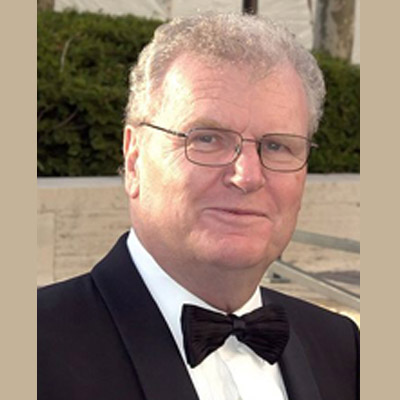
‘Our aim is to see that India is a top 5 market for us in 2 years’ : Sony chairman, CEO and president Sir Howard
Sony Corporation expects India to be among its top five markets by sales in the next two years.
Betting big on 3D, Sony chairman, CEO and president Sir Howard Stringer is targeting 30 per cent of its India sales to come from 3D products by 2012.
The first non-Japanese head of Sony feels that the company needs to improve its broadcasting business in India and build synergies across all its verticals.
Stringer was in Mumbai to inaugurate Sony Media Technology Centre (SMTC) in association with Whistling Woods International (WWI), Indiantelevision.com‘s Ashwin Pinto unravels Stringer‘s plans in India.
Excerpts:
India only forms three per cent of Sony‘s global sales of around $88 billion. How do you explain this, given the large consumer base here?
While this is true, our aim is to see that India is a top five market for us in the next two years. Year on year we have experienced a 50 per cent growth in turnover. Our commitment is to establish a strong brand here.We were not quick to come here with all the facets of our business. Twelve years back, India was not a focus market for us. You have to remember that our television sets have premium margins; they are expensive.
Now as India‘s economy has grown, Indian consumers are getting aspirational for our products. You can only be as big as the market is. We expect solid growth in the coming four years.
Is it fair to say then that India has become very important for Sony?
Yes! When it comes to entertainment, we love India. We are trying to cash in on our success. We are the No. 1 consumer electronics brand here.On the television front, we do the IPL. Our film studio has had great success here. Everything that we do works here. The size of the Indian film industry is why India is so important. We have a good relationship here.
A few years back, we started building infrastructure for 3D; digital cinema has helped us grow here and in other markets. Being in this industry is like no other. This is a wonderful business to be in.
Are you confident that 3D will penetrate here?
Yes! India will adopt 3D faster due to the size and scale of the film industry. People said that I should not tie my career in with 3D. However, I have never doubted this medium. 3D is not about special effects; it is about capturing the reality around us.Avatar focused a lot on special effects and the story was secondary. That is why I think that it lost the Best Picture Oscar.
However now what you are seeing is that the technology is being integrated with the storyline. On television, it will be a feature but not everything needs to be in 3D. For instance, you would not want to see Gadaffi in 3D. We have a channel 3D Net. Sony Pictures Imageworks made Alice In Wonderland. 3D is an art form. Sony is home to engineers and film directors working on this technology.
From a revenue standpoint, what difference is 3D making to Sony?
It is becoming an important avenue with home video sales declining. You can charge a premium on tickets. Of course, there are films that are not good and so 3D will not work there. However if the product is good, then it offers a premium.What content is coming from Sony in 3D?
The Smurfs is coming in 3D. Spiderman 4 is currently being shot. We are present across the spectrum of 3D. Last year, Hollywood made 40 films in 3D. By 2013, you will see 120 films using this technology. 3D is actually growing faster than HD.‘We were not quick to come to India with all the facets of our business. Now as India‘s economy has grown, Indian consumers are getting aspirational for our products. You can only be as big as the market is. We expect solid growth in the coming four years‘What is the size of the 3D market?
In India, we have a 60 per cent share of 3D related products. Sony‘s target is that 30 per cent of India sales will come from 3D products by 2012.We launched 3D LCDs last year in India. More 3D capable products will be launched by us, one after the other.
Globally, we are targeting sales of more than $12 billion for the current fiscal from 3D products. This includes consumer and professional products and games.
There has been criticism that the 3D experience at home is not good. Your views?
I do not agree. With high quality glasses, 3D becomes a riveting experience. We haven‘t had complaints about our products. The problem, though, is there is a lack of awareness about 3D.I have seen stores abroad where 3D TV sets are on display, but the glasses are not offered. So the picture is fuzzy and unclear. We test our 3D by seeing how many consumers can view it at a time. 3D is not a fad. At the moment you cannot view 3D glassless, but it will come in at some point in time.
How did the collaboration with Whistling Woods International come about?
Through the new initiative, we can learn from each other. This was not a hard choice. We have been impressed by their staff and use of technology.Whistling Woods International is a mirror of the American Film Institute (AFI), of which I am the chairman. We have a film studio and Whistling Woods International is a great school. We want to create a new world of Indian filmmaking.
The Sony Media Technology Centre (SMTC) is the result of an on-going conversation. It is one of just three facilities we have globally. The others are in Hollywood and in the UK.
The facility will provide a forum for us to offer our latest high definition and 3D technologies. We will be able to share Sony‘s expertise in 3D content creation with aspiring filmmakers and industry professionals. We aim to enhance and develop India‘s entertainment industry by popularising HD and 3D content creation.
SMTC continues an effort started a year back with the opening of the first Sony 3D Technology Centre in Los Angeles where over a 1000 industry professionals have visited and trained to date.
What is the investment being made here?
We are investing $4.5 million in this centre. Sony has installed HD and 3D content creation and digital cinema projection equipment in Whistling Woods International. Sony will also provide its knowhow in HD content creation from acquisition to post -production of content. The 3D market will grow and we know that creation of high quality 3D content is essential to this growth.As a filmmaker ,you have to know what you are doing all the time. That is because your work is out there for everybody to see. India produces more films than any country. Your films are seen in 80-90 countries globally. As you migrate towards the latest technologies and go digital, the Indian film industry will be able to go global. Digital allows you to be both national and international.
As a filmmaker ,you have to know what you are doing all the time. That is because your work is out there for everybody to see. India produces more films than any country. Your films are seen in 80-90 countries globally. As you migrate towards the latest technologies and go digital, the Indian film industry will be able to go global. Digital allows you to be both national and international.
SMTC continues an effort started a year back with the opening ofustry professionals have visited and trained to date.
What is the investment being made here?
We are investing $4.5 million in this centre. Sony has installed HD and 3D content creation and digital cinema projection equipment in Whistling Woods International. Sony will also provide its knowhow in HD content creation from acquisition to post -production of content. The 3D market will grow and we know that creation of high quality 3D content is essential to this growth.As a filmmaker ,you have to know what you are doing all the time. That is because your work is out there for everybody to see. India produces more films than any country. Your films are seen in 80-90 countries globally. As you migrate towards the latest technologies and go digital, the Indian film industry will be able to go global. Digital allows you to be both national and international.
-
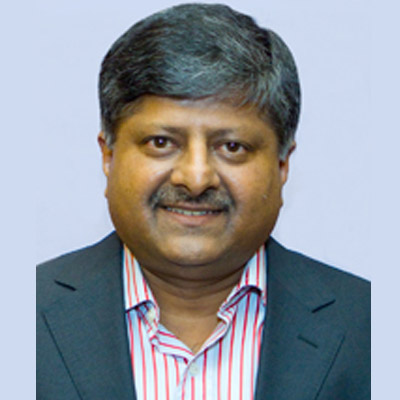
‘The ad market will grow by 13-15% this year’ : Lodestar Universal CEO Shashi Sinha
Cricket is expected to earn an advertising revenue of Rs 18 billion from its television telecast this year, up from Rs 15 billion in 2010, as it showcases the World Cup and the Indian Premier League (IPL) in back-to-back events.
The World Cup will be bigger for ESPN Star Sports than it was for Sony in 2007. Digging into the game are a lot more advertisers, offering the telecast rights owner a wider plate to bargain from. The telecom and auto categories, which are the two big cricket spenders, have also grown.
Ad monies will not shift dramatically from other genres to the World Cup. There is no real worry for the Hindi general entertainment channels (GECs) as the ad market is expected to grow between 13-15 per cent. Cricket will get its share of ad revenue growth, but it will not substitute the Hindi GECs.
In an interview with Indiantelevision.com‘s Ashwin Pinto, Lodestar Universal CEO Shashi Sinha talks about the advertising opportunities cricket throws up and the impact it could have on the other genres of television content.
Excerpts:
The cricket genre is expected to get a big boost with the World Cup and the IPL happening in the same year. Will we see a big ad shift to cricket this year?
Our estimate is that this year cricket will earn Rs 17-18 billion from television telecast. The World Cup and the IPL will each get around Rs 6-7 billion.How much will ESPN Star Sports make from the World Cup?
Eighty per cent of the figure I earlier mentioned will go to them. The balance will be shared between Doordarshan and news channels.The World Cup this year will be far bigger than in 2007. There is an 80 -100 per cent increase in rates compared to what was paid in 2007.
The logic is that today there are more advertisers. In 2007, there were three telecom companies; today, there are 15. There were five auto companies then; today there are 15. Reach has also gone up. There are at least 60 per cent more TV homes today compared to 2007. I expect ESPN Star Sports to make at least double of what Sony managed to garner in 2007.
Cricket is pre-sold. Eighty per cent of the ad inventory has been pre-sold for this World Cup, which is what also happened in 2007. It is the client and agency‘s gamble on the property when it is pre-sold.
Was there hesitation on the part of advertisers after the disaster of 2007?
It is a question of demand and supply. Also, the issue of India going out after two games does not arise this time (Last time in seven days India was out and people lost interest in the remaining games). Now the schedule has been done smartly. If India goes out, it will be in the third week of March. You are not just sustaining India but also the other teams around India. People, for instance, will follow Australia in anticipation of India meeting them later on, though they are not in our group. Advertisers see a great opportunity in the World Cup. They look at what the scene is today.The advantage of the World Cup is that there is more inventory for clients to get on-board. It is not like the 20:20 format; there are more secondages here.
When people talk about how so much inventory will be sold, they have to keep in mind the fact that the advertising landscape has changed. Advertising was a Rs 160 billion business industry in 2007. Today, it is sized at Rs 280-290 billion. The male dominated categories have grown faster than the female categories. The telecom and auto categories, which are the two big cricket spenders, have also grown.
Is there any performance guarantee in deals done with ESS?
There isn‘t any in cricket. It is easy to say that there should be. If supply outstrips demand, then a broadcaster will ensure that there is performance guarantee. If 10 companies are waiting to take sponsorship, why would there be a performance guarantee? Some Indian advertisers don‘t understand that the dynamics of advertising has changed. It is about the supply and demand ratio.Are we going to see ad monies shifting from other genres to the World Cup?
I don‘t think that the shift will be dramatic. There will be a temporary blip, but overall the ad market will grow by 13-15 per cent this year. That makes a big difference. If it was static, I would worry. Around Rs 35 billion will be added this year. It is not like it is not growing like the US – or is shrinking. Cricket is getting its share of ad revenue growth; it is not that it is substituting the Hindi GECs.
‘Our estimate is that this year cricket will earn Rs 17-18 billion from television telecast. The World Cup and the IPL will each get around Rs 6-7 billion‘How will news channels fare during the World Cup?
They have built specials around it. CNN-IBN, for instance, is doing programming that is different.The news channels will make some money, but the genre is a small part of the overall television advertising expenditure; they earn Rs 8 billion of ad revenue in combine. They will gain but in the larger scheme of things, the gain will be small.
News channels will make around 10 per cent of what the live World Cup broadcast earns. It is a complementary activity for some clients; others take it as it is less expensive.
Hindi GECs say that they will hold on due to the women audience. What do you see happening?
There will be a problem as 75-80 per cent of the Indian homes are single TV. But it depends on who controls the remote. If it is the woman, then the Hindi GECs will be watched. If it is the man, then cricket will gain.From an ad revenue perspective, due to competitive pressures people are advertising more; there are more companies coming in. There is no problem in the larger scheme of things. If this was 2009 or five years back, I would have spoken differently.
How does the World Cup compare to the IPL?
They are different properties and they do not happen simultaneously. I don‘t know why people compare them. If extra money is coming into cricket advertising, then how are they competing?Both properties have relative strengths. If a company is in one property, then its rival will be in the other. IPL gives sustained viewership. In the World Cup, you have to factor in the non India viewership. If India wins, the hype will be much bigger and there will be more eyeballs.
What difference will there be between India and non India games?
There will be a dramatic difference. When India plays, there will be an expectation of a national rating of six to seven. If the hype is generated to ensure that non India games deliver a rating of two, then we will be alright. It should not be that non India games give a rating of just 0.5 or 1.How do you see this event faring vis-?-vis 2003 and 2007?
2003 was very good as India reached the final and the tournament was held in South Africa; the telecast timings were very good. 2007 was a disaster and we went out in the first round after two games. This time India would have to be unlucky not to reach the quarter-finals. We play six to seven matches.The problem is that with the World cup taking place in India, the hopes are higher. In South Africa, the ratings built up slowly and picked up when India played Pakistan and England. With the event being in India, there is more hype. You are seeing different commercials being created. The bad news is that India has to perform. That is the issue.
How important will the audience delivery of World Cup be for the ODI format?
I feel that ODIs are here to stay. People earlier said that Tests would disappear. But it remains healthy, if you look at the India versus South Africa ratings. All depends on the contest and the performance of the teams. In 2009 when Australia came here, people wondered what would happen. Each game was thrilling.Your client Amul has sponsored the Holland team. Could you talk more about this?
It was a bit of a punt taken, but at this point of time the sponsorship is paying off. Holland is a milk producing country. And this is a low cost sponsorship that has been done.What kind of activation is being done by companies?
The ICC should be better organised from an activation standpoint. A key component of activation is tickets. Castrol and other companies are running competitions where people can get tickets. Then you go to the stadium and make a noise, generate excitement.The fact, though, is that there are not enough tickets available. I have sat in meetings where ICC sponsors have jumped around and said that tickets are not available. Activation is a weak area in this World Cup.
Sony is using Dhoni in a campaign while Coca-Cola is doing gully cricket. Can this be construed as ambush marketing?
No! Coca-Cola did the initiative in the past also and it is for the IPL. Ambush marketing is when you are doing activities in a stadium. While Reliance is an ICC sponsor, if a competitor does something in the stadium that is ambush marketing. It is very direct. These examples that you have given do not constitute ambush marketing.There was ambush marketing done in the past. Now the rules are very tight and corporates realise that it is not worth the risk. Big corporates are careful about their reputations. For brands that want recall, it boils down to how good the commercial is. Does it have a good story to tell? That is what consumers will react to rather than anything else.
Didn‘t LG make a mistake by not taking on-air sponsorship for the World Cup?
I am sure that LG would have thought about it. Being an on-ground sponsor, the first right of refusal for on-air would have been theirs. As sport gets more official, ambush marketing is getting difficult. LG would have realised that if they did not take the on-air sponsorship, there would be five other television manufacturers waiting.In terms of ROI, how is cricket faring?
Cricket gives instant reach, eyeballs and passion. The disadvantage is that the entry cost is high. With cricket you do activities in a four-to-six-week period. If you want to do activities for a sustained period, then you have to look elsewhere. Cricket is too expensive to use across the year.Has there been a fatigue in cricket viewership?
In India, there is no sport apart from cricket. In the US, you have four games competing; there is an audience for all of them. Here there is a lack of sporting content. The Indian cricket team cannot play for more than 150 days.Are advertisers looking at other sports?
As sports develop, advertisers will come; they chase eyeballs. In the 15-18 demographics, EPL has become big in Mumbai and Delhi. Clients are looking at it. Tennis and F1 may be very niche, but for certain clients associating with them makes a lot of sense. I expect football to become big here – as it has globally. -

‘India and China are our key markets in Asia’ : Dolby Laboratories senior director, broadcast Jason Power
Driven by the rapid development in digital and mobile technologies, sound company Dolby is expanding its market base from cinema to the broadcasting sector.
Dolby is pushing Dolby Digital Plus, an enhanced version of the Dolby Digital system, which allows broadcast operators to deliver surround sound. But Dolby also works with the entire value chain to ensure a better consumer experience.
As the Indian broadcasting sector digitises, Dolby sees a big opportunity. It has stitched deals with three DTH operators and is in talks with the cable TV operators. It wants to work with content providers to boost the quality of their sound.
In an interview with Indiantelevision.com’s Ashwin Pinto, Dolby Laboratories senior director, broadcast Jason Power talks about the company’s growth across all media platforms and its India plans.
Excerpts:
What strategy has Dolby followed in the past few years to enhance the consumer’s entertainment experience?
Our focus lies in all those things which are going digital and High Definition (HD). This is where we see a big opportunity as we create technologies that enable entertainment to be replayed at its best. While people know us for doing this best for cinema over the past 10 years, we have also been focusing on the broadcast sector and other areas where digital entertainment has been happening.Dolby has been closely linked to the transition to high definition around the world. Dolby has been there to make sure that the audio complements the HD picture.
Now HD content is moving to digital devices such as the mobile phone. We ensure that content is replayed at its pristine best, regardless of the platform which includes online delivery.
What new products have you added to your portfolio recently?
The most exciting product for broadcasting is Dolby Digital Plus. Dolby Digital has been synonymous with HDTV. Dolby Digital Plus is the new generation of that technology and an ideal combination for new HD television services. It is being used in Europe and the US.In India, it is currently being used by three direct-to-home (DTH) operators – Airtel digital TV, Tata Sky and Sun Direct. Using our technology, they can now offer 7.1 channels of surround sound.
How is Dolby Digital Plus an improvement?
It allows surround sound to be added at attractive data rates. It minimises the data rate that broadcasters need to use for transmitting audio. There is a 40 per cent saving over the previous technology. Most importantly, it allows for future innovation. The Blu Ray disc, for example, has features for 7.1 channel audio, for interactivity in the audio. We can offer these same benefits to broadcasters. It can keep DTH competitive.What kind of product research does Dolby do to make sure that clients and consumers are satisfied?
Satisfying consumers is what we are about. We believe that to be successful, we have to make a difference to the entertainment experience.To make the technology a difference, we want to help the industry create a surround sound. We work with content makers to help produce in surround sound. We work with broadcasters to help them handle that surround sound in their station. We also work with operators to help them transmit that surround sound.
We work with set-top box (STB) vendors to help them input our technology. We also work with home cinema manufacturers. We do educational drives and training to help operators understand our technology better and see how people hook up systems better. We are present across the value chain.
What have the learnings been from working with so many parties?
In the broadcast business where we have over 1000 channels using our technology, we find the eco system complex. Many parties are involved in the chain. There is production, broadcasters, equipment vendors, STBs, chip suppliers and middleware. There are all these layers. You have to support all these players if you want to give the consumer at home a better experience.A key part of our success is our engagement with all the parties all the way through the value chain. We have not just tried to flog the technology in one small piece. We have engaged with the whole industry to help make surround sound a reality for them. We have nurtured and catalysed the process happening in the industry. This has been essential to our success in the broadcast business.
‘For us, the Indian market will be content driven. China, on the other hand, will be more manufacturing centric‘Which are your top three markets in Asia?
You have to split it between the consumer audience and manufacturing. Clearly, there are TV manufacturers in Korea. But in terms of consumption and getting content on the air in our technology, India and China are key. They have large populations going through an exciting digital transition. DTH is exploding in India. The HD transition is just happening. Digital cable transition will happen in the coming years. This is why we are excited about India.Earlier Dolby was known for its work in cinema. When did you shift the focus to broadcast and mobile entertainment and how has it benefited you?
We remain focussed and invest heavily on cinema. We innovate in terms of audio formats for cinema. We are involved in 3D for cinema.But we have steadily grown other businesses as digitisation has spread globally. Broadcast and PC is our second largest biggest segment.
How important will the role of sound be in a digital Indian television landscape?
What is interesting is that India has a passion for entertainment. Consumers are hungry for changing the quality of their entertainment experience; we can provide that change.HD is about video and audio. Both are equally important – or it is incomplete. We think that for HD to make a difference and a valuable proposition, it needs to be more than just a pretty picture on the wall. We can turn it into an immersive experience where the consumers feel that they are in there.
We want to put your right in the middle of a cricket match, right in the middle of a rainforest or in the middle of your favourite drama, for instance. Picture gives you detail and something to watch for, but it is the sound that makes it real for you.
What other products do you offer for the broadcast sector?
The other product is Dolby Volume. It is a different challenge. It deals with the issue of volume inconsistencies across TV services. It can even be used in TV sets to level out sound differences.How big a challenge is it to market your products to television platforms and services in India and abroad?
Our technology is used in over 50 per cent of TV sets shipped around the world. It is a challenge to market but we have invested in this area; we have improved the relevance of our technology. Our USP is about providing a richer, more immersive experience through surround sound for digital entertainment.What is the value add that the DTH players will get by partnering with Dolby?
We are helping the three Indian DTH companies adopt our technology. They have included our technology in their STBs so that they can transmit on surround sound. We work upstream with broadcasters to help them provide a selection of surround sound content to feed on HD services. NGC, Discovery, ESPN are some channels that are making use of our surround sound technology. Our focus now is to work with local channels to help produce content in surround sound.Have you set any targets in terms of the amount of business you expect to see from India?
We want our technology to be adopted by all the six DTH operators. We are also excited about digitisation of cable. We can help incentivise consumers to switch over to digital cable.To what extent did the economic downturn affect business?
We have seen growth globally in the broadcast business. Our touch rate to digital television has doubled in the past two years. We have met our forecasts.We have benefited from the macro effect of HDTV rolling around the world. This insulated us from the downturn.
Could you give me an example of how Dolby worked with a broadcaster to make the HD transition?
We have worked with the DTH operators here. With Airtel we have worked not just in terms of enabling our technology in their transmission through STBs, but also to help them publicise this to the consumer and explain the difference.In the UK Sky was the first significant sized HDTV operator in Europe; so we worked with them on content. Cricket production was the first place we got involved in; we helped them work on mixing surround sound to their cricket coverage with minimal additional effort.
In terms of sound, don’t movies and sport benefit the most?
They do. However there are other genres like audience shows, live entertainment shows and talent shows that can also get a boost. They can be really immersive. I have seen people bend our format to all kinds of content.How big is your R&D effort?
Our investment is sizeable. We have state of the art research going on in audio and imaging. We contributed some of the fundamental IP into MPEG 4 video encoding; we have some technology around high dynamic range imaging. We recently announced a product targeted at very high end post production facilities.Are you looking at setting up an R&D hub in India?
That is something we would be open to. We have decentralised our research to use local talent. Five years back, we used to do most of our search in the west coast of the US. Now we have eight research locations dotted around the world. We are familiar with talent coming from here.How are you tackling China?
We have been present there for a long time; our technology is a standard part of HD television there. We have 11 channels using our technology. As the digital TV transition is taking place, it is also an exciting market for us. We license our technology for STB manufactures. We partner with government agencies like Cesi. We help their members have access to our technology for the Chinese and global market.How are India and China different as markets?
In India, it will be content driven for us; it is about making sure that there is local content using our technology.China, on the other hand, will be more manufacturing centric. It will be about enabling their manufacturers compete on a worldwide stage; we will give them audio features that the global market demands.
On the cinema front, you have done work in stereoscopic 3D. Have exhibitors in India and overseas supported you in this, given the added investments they have had to make?
Exhibitors are happy that they are able to command a premium price for 3D exhibition. It has helped them fund the investment in digital cinema exhibition.Some chains in India use us. According to our feedback, we provide the sharpest and clearest picture. Our glasses are reusable. It is not a wear once and throw away model. Theatres that are very quality conscious tend to like us more.
How do you see 3D TV progressing?
We are excited about the potential for 3D in broadcast. We see moves by major TV manufacturers to promote 3D TV sets. The interesting thing is that making a flat panel TV to a 3D one requires little cost. They can offer this additional benefit without there being a big impact on their cost.We see big forecasts of 3D TV shipments coming from broadcasters to transmit in 3D. We have published an open specification that broadcasters can use. We have exciting ideas about what we can offer in the future.
In developing solutions for new media like mobile, you work with several partners like Nokia and LG. How has this experience been?
We work with LG across different fields. With Nokia it is with the mobile phone and is a newer relationship. We work with them not just as an entertainment device but as an entertainment library device. You can have movie content on the phone and enjoy it with your headphones; you could also connect the phone to a home cinema system and enjoy the content in HD, Dolby surround System. We help these companies establish a completely new value proposition.We also work with companies like Netflix and AT&T to help their content get decoded in our formats. Then they can deliver this content through whatever pipes they choose in the best possible audio.
What are the challenges in developing solutions for new media?
We have partnered closely with the industry to make sure that technology is there in the form that they need it in. There are specific chips that are used in mobile phones. We also work with the chosen chip set vendors of handset manufacturers to make it easier for them to have our technologies available on a chip.The other part is creating technology to improve the headphone listening experience. When a consumer hits the Dolby button on the mobile phone, the whole experience should come alive. That is our goal. The challenge was creating a complex technology which you then make available in a form that works so that it is practical to implement on the mobile phone.What work does Dolby do in gaming?
Our technology is included in Xbox, Playstation and Nintendo among other manufacturers. We work with game developers to see how best to include our technology. We also have a new technology called Dolby Axon. It is a voice communications application that helps interactive gamplay.What are the challenges in developing solutions for new media?
We have partnered closely with the industry to make sure that technology is there in the form that they need it in. There are specific chips that are used in mobile phones. We also work with the chosen chip set vendors of handset manufacturers to make it easier for them to have our technologies available on a chip.The other part is creating technology to improve the headphone listening experience. When a consumer hits the Dolby button on the mobile phone, the whole experience should come alive. That is our goal. The challenge was creating a complex technology which you then make available in a form that works so that it is practical to implement on the mobile phone.
What work does Dolby do in gaming?
Our technology is included in Xbox, Playstation and Nintendo among other manufacturers. We work with game developers to see how best to include our technology. We also have a new technology called Dolby Axon. It is a voice communications application that helps interactive gamplay. -

‘We deliver natural history with a powerful brand at a global level’ : National Geographic Wild senior VP, Development Janet Han Vissering
A new entrant in the infotainment space, Nat Geo Wild launched in India last year to cater to the need for high quality wild life and natural history content.
The channel, which is on two DTH platforms, is looking to push distribution with a clear focus on digital. It is also doing an India specific show called Wild India which goes on air next year.
National Geographic Wild senior VP, Development Janet Han Vissering is responsible for commissioning over 250 hours of original programming per year for broadcast in 166 countries, 330 million homes and 34 languages worldwide.
Vissering manages a team to source and develop all original programming for Nat Geo Wild. Previously she was SVP of Strategic Development and Co-finance for seven years. As part of Development, she has been responsible for developing key programmes such as Engineering Connections, Big Bigger Biggest and Animal Autopsy among other highly rated shows.
Prior to acquiring her current position, Vissering served as vice president of International Acquisitions at NGCI from August 1998 to March 2000. She joined NGCI from Discovery Networks International, where she was Head of Program Acquisitions and Development from 1995 to 1998.
In an interview with Indiantelevision.com‘s Ashwin Pinto, Vissering talks about the challenges of creating unique content in an increasingly competitive television environment.
Excerpts:
What challenges do you face as a content production executive with more lifestyle and entertainment channels launching?
It is the same challenge in India as it is around the world. The expansion of technology and bandwidth is allowing more channels to live together.How do you make programming different?
My job is made easier as we deliver a channel that serves an audience that is begging for animals and natural history. They want family friendly content.We deliver natural history with a powerful brand at a global level. That is how we differentiate ourselves. At NGC we deliver by expanding genres like science, adventure, history and exploration.
In terms of how Nat Geo Wild is programmed and scheduled, is there a difference between India and other countries like Singapore and Malaysia?
It is independent. It is scheduled differently. We do shows to the viewers‘ choice which are relevant. People in Hong Kong love fish based shows. Here shows on snakes and big cats do really well. People are used to seeing these animals. Indians empathise with shows featuring these animals better. It is easier to identify with Wild even if it is not India specific. The flagship is harder as there are more genres.We have different genres of wildlife film. We leave it to our regions as to how they schedule to conform to the local needs.
For Nat Geo Wild, what have been the learnings from NGC?
You learn logistical things. We also learned the priority of customisation. We know what animals have rated better in each region. We know what animals do not rate. It was a great way for Nat Geo Wild to dip its toes into the water to find out what works and what does not. This is not just from a content basis but also from a logistical point of view. We know what the lead time is in terms of scheduling shoots.What response has Nat Geo Wild received in India and globally since launch?
We are number one in our genre in Hong Kong, Singapore and Malaysia. We also had record ratings in the UK last week. We are a successful young network. In India we are on two DTH platforms – Dish TV and Tata Sky. Our focus is on digital. It is still young days here.‘Nat Geo Wild is programmed & scheduled differently. In India, shows on snakes & big cats do really well. People in Hong Kong, on the other hand, love fish based shows‘What is its USP vis-a-vis other channels and shows dedicated to animals and wildlife?
We have a foundation of scientific, factual research. No other network offers this perspective. Being part of Nat Geo offers us access to many places that other filmmakers do not gain access to. I think that also we feature scientists that are a part of the National geographic Explorer base. Heinrich Sala is a marine biologist and we are making a show on sharks that features his work. Access and scientific research are our USPs.We have the foundation of all our shows on factual research and science. We are the only network that has this guarantee. We are always about animals and the wild world. The main goal is to bring viewers closer to that natural world.
Why didn‘t National Geographic launch a show for wildlife earlier?
We launched the channel as wildlife is only one of many genres that National Geographic Channel has. Wildlife was a small part of their lineup but it consistently delivered ratings. We looked across the market and saw the channel that would meet viewer needs for high quality natural history content. This need was not being met. Viewers want programming that is safe that everybody in their family can watch. They want a channel that will always deliver high quality visuals, information and be a destination channel. We look at launching later as a benefit. We saw what was not there.Could you give me an overview of how the production process works at Nat Geo Wild?
I work out of the DC office. As part of this, we have eight executives that reach out to over 300 production companies around the world. They work with outsourcing ideas. We also have a global website where anybody can actually submit their projects into. I on behalf of Wild meet with the National Geographic team to sift through the best ideas every two weeks. On a monthly basis, we have greenlight meeting with all departmental heads and the head of programming Jeff Daniel. This is where projects are greenlit and put into production.Before giving an idea the go ahead, what do you look for?
I look for a myriad of things. I look for exclusivity. What is the USP? Why are we doing this show now and why are we using this filmmaker? There has to be great cinematic value. The market is competitive. There are a lot of options. I have to give a show that nobody can do anywhere else. This is key for me. Our shows are shot 100 per cent in HD.How much research goes into making a successful show like Engineering Connections on NGC?
This is a show that I really pushed for. It involved a UK star Richard Hammond. He has passion for engineering. What we wanted to do was show all collections of how a guitar vibrating in a room can relate to an oil platform. The show builds a bridge between different subject matters. It took over a year to do. We picked ideas which were iconic like a Formula One vehicle but had really good connection an odd connection. A+B has to equal C.Every step of production including the music was important to me. Hammond was immersive. We had to make sure that he was okay in doing stunts. There was one moment where he was strung up on a bridge and he was scared. That made great television.
Could you talk about the upcoming ‘Wild India‘ series on Nat Geo Wild?
This goes on air early next year. This will be a three hour special. It is a coffee table celebration of India and its wildlife. We felt that there hadn‘t been a really good natural history series on India for ten years. The last good show was Land Of The Tiger that the BBC has made. Things have moved on since then. A whole new young audience is interested in India‘s natural history. The technology has also moved on.We have more interesting camera techniques to capture intimate animal behaviour. We have HD cameras, night film cameras, infra red and thermal cameras. We can, thus, film in the night. We want people to experience a much more personal wildlife.
Did the economic downturn put pressure on budgeting?
The global economic situation has made everyone think twice. But we continue to do projects. I scrutinise every penny more. It is up to us and the filmmakers to make sure that the investment being made is sound. So we rely on reliable production companies like Icon Films. The production team on Wild India is largely Indian. The crew is from Tamil Nadu, Karnataka and Gujarat. So cameramen can be on the field for longer. We do not have long haul flights to pay for. We can be more responsive.You have to respond to the natural environment. This is a homegrown product which is important. With any film whether it is from Russia, Asia, Japan or Scandinavia, I want to make sure that filmmakers can get access and give viewers the feeling of being right there next to the environment.
What have been the learnings from localisation in terms of what works and what does not globally?
I am in a lucky position that wildlife has few cultural barriers. Everyone loves tigers, big cats, snakes. There are few cultural issues I have to worry about.Is it a collaborative effort working with production companies?
Yes! We always have one of our Nat Geo Wild or NGC executive producers who is working in partnership with an executive producer from the production company side by side all the way through the film. We have an internal production group from National Geographic television that make shows with us often featuring our own scientists.How long does it take for a show to be made?
It depends. Wild India will take a year to make. They will shoot in March and April. It takes at least six months but most shows take nine months. We can do a quick turnaround on a topical subject matter, though. When the Gulf oil spill happened in the US, we did a show within four weeks of that accident.But natural history does not work on human timelines. We have to work hand in hand with Mother Nature. A tiger will show up when it wants to. Animals are unpredictable. If they were predictable, my life would be easier bur probably less exciting. It is the moment of capturing that bit of footage that makes it worthwhile. To give you an idea of how challenging making wildlife content can be, on Wild Mississippi the temperature was minus 30 degrees Fahrenheit. We had to use urine to prevent the camera from freezing.
What are the trends we are seeing in environmental and wildlife film making?
Having a first point of view, less narration and giving the impression that people are there next to the cameraman is very important now. Less is more. Beautiful cinematic images are important. Having characters that can deliver adventure and the journey of exposition in a very visceral way is also important. People want to be vowed.What role is HD playing in boosting the documentary genre?
Each show is on HD. This is a non negotiable discussion with any show going on air. This is a must before we commission anything. From a visual aspect it is different and an enhancement from Standard Definition. When you watch Wild India, you will feel that you are flying on a plane over India on your own. On Standard Definition images are cloudy. It is like looking through muddy waters. On HD you get the true essence of where you are. You can almost smell where you are. We will deliver 100 hours of premiere HD content every year.Balancing traditional story telling techniques with technical innovation is key for the success of factual content. How does NGC manage this?
We have the ability to film wildlife in HD at night. This gives you the perspective of three cameras that allow you to see how animals work at night.What other recent commissions have been done?
Following Wild India we also have Wild Mississippi, Secret Brazil. These are three part specials like Wild India. That will celebrate the journey into natural areas. We also have hosted shows that are young and contemporary. We will have a show featuring a heli cowboy in Australia. At the end of the year we have our annual Big Cat Week to bring awareness about conservation. We will have shows on the Jaguar, American Cougar and the Indian Cloud Leopard.How does NGC use new media platforms like YouTube to leverage its brand?
We have our site, links and blogs. This is additional information for viewers. We will expand on this as our network grows. As we send filmmakers to exotic places, we will look for conversations on Twitter and other media.Are you looking at long term projects?
Absolutely. We are still in negotiations though. We are also a young network. -
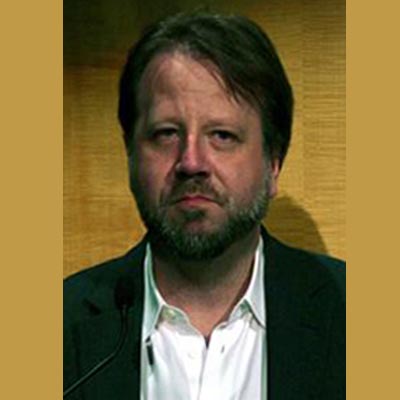
‘As content creators, we have to be more entrepreneurial in our approach’ : Castle creator and executive producer Andrew Marlowe
With the television landscape having to work under a struggling global economy, it is becoming more of a challenge for content creators to stay creative under financial constraints.
Fiscal responsibility has become a part of the creative process, says Castle creator and executive producer Andrew Marlowe.
In an interview with Indiantelevision.com‘s Ashwin Pinto, Marlowe talks about the creation of Castle, its USP of focussing on characters, the relationship with ABC Studios, what is needed for a show to work, the importance of being in the digital space and the need for a collaborative relationship between broadcasters and content creators.
Excerpts:
How did the idea of Castle come about?
I was watching a lot of procedurals on American television like CSI, Law and Order. I was missing the fun characters that I saw on TV growing up – like Moonlighting. On those shows, you really got a sense of who the people were and that is what you were following more than the case. I wanted to bring something like that back to television. It felt like there was room for it since the other shows were doing things that were different. They were not focusing on characters.When I was imagining the character of Richard Castle as a writer myself, I thought that it would be great if I could get up and do some of the things that I was writing about. That is where the idea came from. To create a character who is a mystery novelist who thinks of ways to kill people and get away with it. Then to have him go out with a detective in real life solving crime felt to me to be rich, fertile material for storytelling.
We are at a time when there is a lot of competition among channels and shows for viewers attention. What sets Castle apart from other shows?
The relationship between the two major characters sets it apart. You have to find what attracts your audience. Something like Law and Order was attractive at the time. CSI looks at forensics which was new. For us, it is about the character dynamic and the relationship. When we market the show, this is what we sell. We know that there has to be a procedural element as audiences expect it. However this is the strand on which we put the relationship pearls to make the necklace.Creating interesting characters for Castle was important. How did you approach this job?
I looked at the dynamics between the two lead characters. I knew that I had to have characters that were in conflict but who also had a romantic interest in each other. For Castle, he thinks highly of himself. He is a bit of a narcissist but is also charming. Things have come easily for him. I wanted him to be in a relationship with a woman who is a bit of a mystery and who did not fall for him. She did not fall for his surface charm and surface wit but be a match for him. The characters approach storytelling from two different points of view.For detective Beckett, it is about what the evidence suggests. But Castle looks at it in terms of the story of the dead person like a frozen woman found at a construction site. He wonders how she got there. Though they approach things from different points of view, they help each other reach the solution. We capitalise on the spark and the great relationship that they have working together.
You have to juggle different genres. Was this tricky?
It is tricky while writing. We can go from comedy to drama quickly. It is important to treat the victim and the victim‘s family with respect. But we know that we allow viewers to have more fun with the murder mystery than they would with other procedurals. We walk the fine line of walking from a crime scene and have fun. The detective is on point carrying the torch for the victim.But Castle sometimes says inappropriate things and has more fun with it. Cops have come up and say how much they like our show. They have to find humour in their daily real life situations. Otherwise, it gets overbearing. On other shows where police officers are humourless, it feels less authentic to them. Even though our show exists in a fantasy setting, a lot of law enforcement officers seem to be relating to it.
‘New technology has to be in the service of the storytelling rather than the other way around. We have seen big budget action affects movies that do not have a quality story at the heart of it. It is like watching fireworks. You watch something interesting but are not emotionally engaged‘Generally as a show gets more popular it gets more expensive to do. What is happening with Castle?
Finances are a continuous challenge. We figure out which episodes we want to have which are bigger in scale and make a lot of noise. Then you have episodes that are smaller and more personal in scale. The production costs are smaller here and it becomes a more intensely focused drama in terms of the sets that we have. We shoot in Los Angeles but we want to give an authentic feel of New York. There is money that we have to spend on recreating New York.Fiscal responsibility has become a part of the creative process for us. I don‘t mind it that much as it seems to me that a lot of great creativity can come when you push against constraints. If you have all the time and money in the world, often TV shows are not as good as they should be. Facing constraints can challenge you as an artist to create something better and more interesting rather than opting for what is easy.
How is the show perceived by viewers?
They enjoy it as it is different from the other stuff on air. The other procedurals are sensationalistic and go to a darker place. Advertisers are excited due to our TG. Women watch us the most. We win the night every time in this demographic. In the US, we have Dancing With The Stars as the lead in. So it helps us build a strong female audience.We are also getting stronger with men. We have tried to craft an experience where they too can have fun when they come to the show. We are fortunate that our viewers are passionate and bring others into the experience. Advertisers are seeing the value of our show. But so much of the coveted 18-35 TG are seeking out content in non traditional forms on the net, portals. Everybody in the broadcast space is trying to figure out how to best monetise this.
How is Castle faring in countries like India?
From the conversations I have been having, people have been responding favourably. They like the relationships and the fact that Castle is a family man. They like the creativity of the storytelling. So far the feedback has been very good.How important is it for a show to be in the digital space?
It is essential to create a community for viewers. Viewing habits are changing. Some people view content on the net, phone and not just on the TV. Creating a digital watercooler where people can have a conversation about your show is important to extend their experience. We launched a couple of initiatives to have better relationships with fans and deepen their entertainment value. Between the first two seasons in the US, our fiction character Richard Castle was tweeting.He went on vacation and got involved in a murder mystery. So in the break between seasons, he was keeping loyal viewers engaged and deepening their loyalty but having a story telling vehicle on twitter. Our audience was engaged between the seasons. These people became emissaries. It helped with viewership when we returned for the second season. Having a facebbok page helps get feedback. It helps extend the brand. This is what viewers expect from entertainment these days.
We know what viewers respond to and like or do not like. In the past when you built an online community, it was the fanatics that visited. But now that twitter has gone mainstream, there are more viewers there. You can get more balanced information on what people feel about your show which helps in storytelling.
Are you creating Castle content for the net and mobile?
It is an on-going discussion. Is this being done to market the show or to try and create another revenue stream? People have not figured out the economic model. You have to have actors. They already work a lot on the television show. You need to figure out why you are doing it. Is it to attract a new audience, go to a new platform to bring people to the main show or is it to generate more revenue? It has a price tag.There is stuff we want to do, but we do not have the capability yet. The proven business model is not there and so it is always a risk. We might have a great idea but are we generating revenue or bringing more viewers to the table? These questions must be answered or you could have unnecessary capital expenditure.
What are the key ingredients needed for a show to work and draw audiences regularly in an increasingly fragmented environment?
You need something at the heart of a show for people to talk about. There has to be reason for them to leave the storytelling and go out to the community and talk about their experience. You can do it with a compelling premise like Lost. Or you can have a key relationship at the heart of it and characters that viewers fall in love with.If this happens, viewers will invite the characters into their homes week after week and live the adventures with them. It is either the premise that is very bold or characters that we fall in love with. Ideally, you should have both. The minute a premise loses its interest, then the characters keep you coming back for more.
What trends are we seeing now in terms of the kinds of shows that work and do not?
Comedy is making a bit of a comeback. There was a time when comedies were not working. But when things get bad economically, people want an escapist experience. People are attracted to really good content, characters. This is hard to do.Are dramas and realities tapering off a bit in terms of popularity?
I think that they are both evolving. Some new reality shows are successful while others are not. What is specific premise? Is it resonating? Dramas had a tough year where few shows got traction or caught on. However, broadcasters are being more patient and seeing they can grow a show.Marketing is a challenge for everybody. There is a lot of product including online with YouTube. I think patience can help develop a show so that people can understand that this cultural experience will be something they would want to be a part of. Broadcasters will be more patient out of necessity to see if they can grow an audience. There is no hard and fast rule. If something goes strong out of the gate, people will be more generous and foster it over the next couple of years.
What are the fresh challenges that you and the creative community in general face?
We always think that our stories are worth telling and there is audience. We have to be entrepreneurial, be better partners for studios and networks. It means that we have to take chances. We have to take risks as the audience wants new and interesting material.They also want an experience that they are comfortable with. Sometime people spend a lot of money and at other times there is belt tightening. As a content creator, you have to roll with those punches and do the best that you can.
Has the production process of making a show changed?
Not really. The fundamental stuff is there. A lot of shows have switched to HD. People are doing more special effects work for less money. We can go to states where there are tax breaks. We still shoot on film. We don‘t feel that HD cameras are there yet in terms of how they capture light. They will catch up. There will be cost savings but also time issues.The new technology has to be in the service of the storytelling rather than the other way around. We have seen big budget action affects movies that do not have a quality story at the heart of it. It is like watching fireworks. You watch something interesting but you are not emotionally engaged. It is important for us that the cart does not lead the horse.
Are you happy at the deal the WGA did with the AMPTP?
That remains to be seen as to whether or not we are happy with what the settlement was. The issues that we had were in terms of new media. This landscape is changing rapidly. When we went on strike in terms of digital rights and payments, nobody understood the landscape. This brought the town‘s attention to the fact that this is an issue. It is an issue worldwide. What does it mean to have IP in a digital age when it is so easy to make a copy? How do you define and protect IP in the digital age?It goes to the heart of piracy. These issues have not been resolved by the marketplace. I know a lot of writers and studios who are still recovering from the strike. Nobody wants to see this labour strike again. But the issues that were raised across the board by the strike are the ones that we are going to be dealing with for a while.
Will YouTube be the new TV five years down the road?
No! There is too much content for people to sort through. People want to know that they will commit their time to something worthwhile. So the notion of a brand or a channel or community will not go away. I do think that the screen will change. This will create chaos but out of chaos comes opportunity.If there is too much product, people are not going to know where to look. They will ask their peers or stick to trusted brands. While there are hundreds of channels in the US, most people I know only watch five or six channels. They only talk about five or six shows. That is because it is hard to make great content that resonates. It will come down to making good shows and it will find an audience it is worthwhile. I don‘t have time to go to YouTube and sift through the noise and nonsense to find something worthwhile. I need a filtration system. This is why brand and channels will still be important in the new formulation.
As a writer do you constantly learn from the work going on in other shows, especially those that have been going on for a while?
We look at other shows to make sure that we are not doing the same thing. We also study older shows like Moonlighting to see how the relationship between the two lead characters was handled. On that show it was handled well for a while, and then it wasn‘t.I also look at shows like Bones. You never want to get too complacent and only look inside your own show. You would also want outside perspective to shape up your storytelling.
What is the difference between writing for television and writing for film?
In films, you have more leeway in terms of location and money that you can spend. You can paint on a much bigger canvas. In case of television, you need to be clever in terms of the storytelling – and overcome financial constraints.Are you looking at other concepts or is Castle your only focus?
Right now it is my primary focus. I want to make sure that the series does well. But I have an appetite for creating shows.In films, I have a couple of projects that are actively moving forward. I have an alien invasion movie with Warner Bros. It will be directed by Pierre Morel who made Taken. He has just signed on.
-
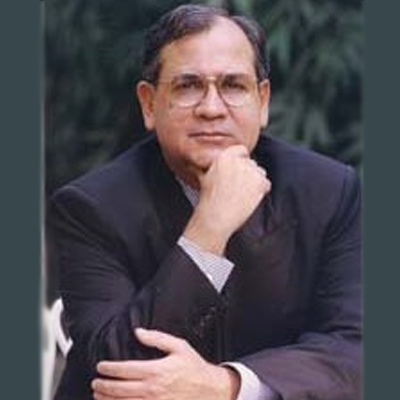
‘We are refreshing BBC Entertainment in January’ : BBC Worldwide Channels director South Asia Deepak Shourie
BBC Worldwide Channels is looking at cracking the Indian market a lot more seriously. The two channels, BBC Entertainment and CBeebies, were almost invisible for three years with a sole presence on Tata Sky, a DTH service provider.
Now a lot more investments are being planned and the focus will be on beefing up the content and distribution of these two channels.
BBC Entertainment is being refreshed in January and programming will be designed based on time bands for India.
A local feed for CBeebies in Hindi is being examined, though a definite plan on this is some time away.
For BBC Worldwide Channels, Asia is the fastest growing market. And within this region, India is emerging as an important market.
While India has been flooded with American English entertainment content, BBC believes that the British flavour will be its big differentiator.
In an interview with Indiantelevision.com‘s Ashwin Pinto, BBC Worldwide Channels director South Asia Deepak Shourie elaborates on the India plans for the two channels.
Excerpts:
How has BBC Worldwide grown its channel business over the past couple of years across Asia?
The BBC Worldwide Channels business is ?262.5 million, up from ?225.5 million in the earlier year. The revenue from Asia grew from ?19 million to ?37 million. Asia is, thus, growing faster compared to the rest of the world.BBC is investing in new channels and geographies. About 35 per cent of BBC Worldwide‘s revenue comes from the channel business.
In India, people say we are too late to enter. Are we? Global media companies are looking at India now. English content is watched by the affluent class. But is there space for everybody? People will have to find their strong propositions. BBC Entertainment will appeal to audiences who watch factual, entertainment and lifestyle content. We are bringing all of these genres into one channel. Our aim is to be a one stop destination.
How important is India as a market for the BBC compared to that of Hong Kong and Singapore?
The size is attractive. It is a market that is hot now. The other markets are good, but small demographically. India will be a very important market for us going forward.What is the roadmap that BBC Worldwide has set for their channel business in India?
BBC World News is already there distributed in 34 million homes and holds its own as a premier news channel.As far as BBC Worldwide‘s channels are concerned, we have had BBC Entertainment and CBeebies in the market since 2007, but only as a small presence on DTH. They have not been mainstream. These two channels have had no advertising.
We are refreshing BBC Entertainment in January with the tagline ‘Seriously Entertaining.‘ Our TG is 15-34 SEC A,B. In the daytime, viewing is leisurely. So we have lifestyle shows like Grand Designs that has Kevin McCloud following homebuilders. In the evening, we have factual entertainment like wildlife. Lifestyle content also airs like Extreme Makeover: Home Edition. At night, from 10 pm onwards, we have shows like Spooks, Top Gear and Sherlock.
But why wasn‘t a push made earlier?
That is always going to be a million dollar question. Should we have pushed earlier or is now the right time? The English market is expanding rapidly. So there is nothing wrong in entering now. The BBC Worldwide team in the UK is looking at India seriously now.How much is being invested in India and when do you expect to turn profitable?
I cannot talk about numbers. However, all that I can say is that we see an opportunity here. Any market takes time to mature. Viewership traction has to be built along with the advertising base.
‘Research has confirmed that the audience we look at does not want localisation. There is enough local content around. The English audience wants international content‘Is the look and feel of BBC Entertainment being changed?
The whole look and feel will change. The aim is to make it more vibrant and colourful.And from January, we will design programming based on time bands for India. There will also be a lot of fresh content and new shows.
From 6-11 am, you have will light content like Trish‘s Fresh Country Kitchen. Early evening from 7 pm -10 pm will have a mix of lifestyle and factual shows like BBC Earth. Post 10 pm, we move towards more edgy, fast paced content like Luther which is about a detective who is fascinated by the darker side of human nature. London Live, which looks at the music scene, will also air at this time.
The English GEC space is known for having ‘snacking‘ viewers. How do you plan to build loyal viewers?
People want quality entertainment. It is not so much about storyline building as it is in the Hindi GEC space. People will come back to the show because of quality – there are shows like Wonders Of The Solar System and Human Planet. The key is to reach the audience with relevant content and, thus, offer advertisers relevant eyeballs. If you do this, then loyalty will automatically build.Is having a British flavour going to be your USP?
That is important. Most content on air is from America. The BBC produces a wide ranging amount of content which has not been seen like Wallander, with Kenneth Branagh playing a detective in Sweden. The channel will give you everything.You also have other players coming into this genre like Big CBS. Do you see viewership growth happening as a result or will there simply be fragmentation?
Viewership will change and grow. The question is whether everybody will get the viewership they are targeting. Fragmentation is a challenge. To counter it we are giving consumers everything in one channel. Our aim is to make an impact in the English entertainment space. The more you fragment by focusing on one genre, the chances are that people will see it.Are you selling BBC Entertainment to advertisers?
Yes! The response is encouraging. We want to fill our inventory with quality clients. You have premium brands coming into the country. The world‘s most expensive car, Bugatti Veyron, has just been launched. They need to reach out to the relevant audience who are upscale. We will provide this audience segment. BBC Entertainment is being pitched as the Best of the BBC.The English space is worth $200 million and I see it growing. The nature of the market is such that you will depend more on advertising. Digitisation needs to spread for subscription revenues to really pick up.
What are the synergies between BBC Worldwide Channels and the other businesses of BBC Worldwide?
The magazine business has properties that the channels can exploit. An example of this is Top Gear.English GECs have started following a stripped strategy where one show airs at a time block across the week as opposed to a different show airing each day. Is BBC Entertainment doing something similar?
A stripping strategy is good if you have long running shows. If it is not there, then it will not work as a concept. It depends on the concept. You can have factual content at a certain hour across the week, which we do. A documentary, though, cannot have that. The runtime is limited.Will localisation play a role in your strategy?
No! Researchhhas confirmed that the audience we look at does not want localisation. There is enough local content around. They want international content. The English audience is getting more confident. They are world citizens. They want world programming. Local shows will add a lot of cost for us, but not much value.
What is being done for CBeebies?
We could look at launching a local feed for it in Hindi in due course. As of now, we have not come up with a strategy for it.Are you launching more channels in India like BBC Knowledge?
Not at the moment. BBC Entertainment has everything. When the time comes to have a wider bouquet of channels, we will look at it.BBC is launching BBC HD in more territories this fiscal. Is HD still some time away for India?
HD is the future. Right now there is a bandwidth issue. Also, there are not many consumers who have HD ready television sets. When these two issues are sorted out, you will see a push for HD content. There will come a time when SD becomes HD.How will you leverage the mobile with 3G coming in?
We will focus on this when the time comes. We know that people will want not just news but other genres like factual content.There will come a time when SD becomes HD. -
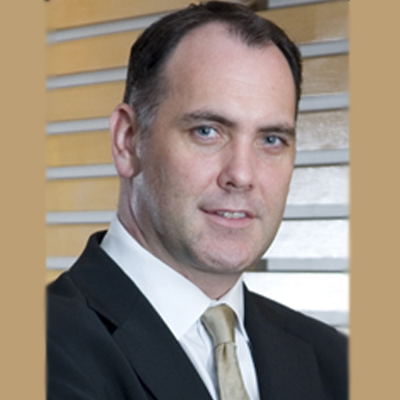
‘Japan, India & Australia are our biggest markets in the Asia Pacific region’ : Discovery Networks Asia Pacific executive VP, MD Tom Keaveny
Discovery is upping the ante in India. Leading the infotainment genre, the company has crafted three channel launches in India this year: Discovery Science, Discovery Turbo and Discovery HD. It has also introduced regional feeds for its flagship channel, Discovery.
While media companies across the world cut down on their costs due to a global economic downturn, Discovery continued with its annual expense of $1 billion on content. The idea: Discovery drives on premium content.
Japan, India and Australia are Discovery‘s top markets in the Asia Pacific region.
For expanding in India, Discovery is taking the organic route. Acquisitions are not on the agenda.
In an interview with Indiantelevision.com‘s Ashwin Pinto, Discovery Networks Asia Pacific executive VP, MD Tom Keaveny talks about the company‘s growth plans in the region.
Excerpts:
Could you give us an overview of the strategy that Discovery has followed to grow the business across the Asia Pacific region over the past couple of years?
Having local people run local markets is the first thing. I know that this sounds obvious but it is important to have Indians run the business in India. They know what people want, when they watch it and why they do not watch things.Secondly, the local people schedule programming on channels according to viewer tastes and feedback; they also do localisation. In India, for instance, we launched feeds for Discovery in Tamil and Telugu this year.
Then there is content creation. It started a few years ago with The Great Indian Wedding on Discovery Travel and Living (now known as TLC). We also had Shah Rukh Khan Living With A Superstar, which also was a success in Malaysia. We do local content on the basis that it can be used in other markets.
In the US, there was a certain amount of re-organisation with a clear focus on being more cost efficient. What shape has this taken in the Asia Pacific region?
We have always been cost efficient. In a recession, you are forced to look at costs but the areas where we carried on investing was content and branding of channels. We spend $1 billion a year on content.In India, the recession meant slower growth. Australia was having a mineral boom, and so there was ad sales growth. China grew. Japan has had inherent problems, but so much of our business here is based on distribution revenues that we were less affected.
What impact did the economic downturn have on your growth trajectory?
I won‘t say that we were not affected. However, other companies probably cut back more than us. We are seeing the benefits of continuing to invest in content.
For the second quarter Discovery reported increased ad revenue growth of 38 per cent for its international networks. Does this mean that the difficult economic climate is behind international broadcasters like Discovery or do challenges and difficulties remain?
Sales is a difficult job. But we have had ratings growth. Some of this ad revenue growth you mentioned has to do with the fact that last year was a lower base.Do I think that we have seen the end of the downturn? Well, whatever happens economically, our audiences have grown. We have had a 27 per cent audience growth in India. This has been replicated across other Asian markets.
How much revenue comes from the Asia Pacific? Which are your top three markets?
Japan, India, Australia are our biggest markets. Malaysia and Taiwan come next. India is growing at a good rate. However, I cannot tell you how much revenue comes from the Asia Pacific.
‘With new channels coming in, you would expect to see cannibalisation. But that has not happened for us. With competition, the profile of the genre has got an uplift‘
To what extent has Discovery increased the number of feeds over the past year across Asia?
We have launched more feeds in Australia, Malaysia, Philippines. We are going into more languages. Demand is significant. The assumption is that if you launch more networks, audiences will go down. For us it has been the reverse. The more networks there are, the higher is our viewership.
Is fragmentation a worry for Discovery with international broadcasters launching channels in the movie, entertainment and infotainment space?
With new channels coming in, you would expect to see cannibalisation. But that has not happened for us. When we launched Discovery Science and Turbo around the world, we did not see Discovery Channel‘s audience dip. Instead it grew. With competition, the profile of the genre gets an uplift.
What impact do you see the three new channels having on the Indian infotainment landscape?
I can‘t think of a market in the world where Discovery Science will be better received. India is a technology hub. It is a young nation and there is a thirst for knowledge. So having a channel dedicated to science makes sense.And Discovery Turbo can take encouragement from the fact that the automobile sector is seeing robust growth in India. But I also see it being important as a male lifestyle channel.
Recent research showed that there is still a degree of uncertainty about the benefits of HD for television viewing. How do you see HD as a value add?
Our content which includes natural history and wildlife fits into HD very well. We launched Discovery HD in Japan in 2005. It has only been in the past two to three years that other channels started investing in this technology. For us investing in technology is in our DNA. It is part of our psychological profile because it is a brand promise as well.We have a future proof library. For example, Shah Rukh Khan Living With A Superstar was filmed in HD. Once viewers see HD, going back is a difficult proposition. But everybody has to work towards it. It cannot be just one or two networks that are doing the heavy lifting.
Have you done any research among the creme de la creme viewers to find out what they expect from a network like yours?
There is congruity in terms what viewers to want to watch. Travel and cooking are key genres. Shows that combine these genres like Anthony Bourdain also work well. Grooming shows also work. Shows like Man vs Wild, Deadliest Catch, Mythbusters work globally. At the same time, you do have to take into account local tastes.
A lot of focus has been given to Animal Planet over the past 18 months. The aim was to make the programming sharper, more edgy. Is this increased investment starting to pay dividends?
In the digital environment, it has been one of the fastest growing channels. There is a lot of co-viewing happening. We constantly look at the schedule, find out what works and attempt to be contemporary.
Are you satisfied with the joint venture relationship Discovery has with Multi Screen Media?
It was the right deal to do at the right time. We have developed and grown our networks. The deal was a gamechanger and formed a template for others to follow.
How do you get a revenue uplift from India quite in line with the success you have had with the audiences here?
We have a two-pronged strategy in India. We launch new networks that will rate and grow audiences for us in this market. This is how ad revenue will grow. On the distribution side, there is a tipping point where analogue shuts down. Australia went quickly from analogue to digital. In India, how quick will the transition be? At what point do addressability, cable, DTH, number of channels and package costs come into play? That is something we all are trying to grapple with.
Global media companies are setting up JVs with local companies in India. Is Discovery looking at something like this to grow its business in India?
JVs are being done now by companies that were maybe 10-15 years late in getting into India. The question is whether they are doing a JV because they want to do it or because they have to. Companies that came into India early like Discovery have done it on their own terms.Having said that, there are times when a strategic alliance makes sense. In Japan, for instance, we have a JV with JCom. The Hub, our new channel that is set for launch, is another good fit as it brings together two strong brands in production and distribution.
-

‘India is among the top three markets for us in Asia’ : HBO South Asia country head Shruti Bajpai
For 10 years, HBO has warmed up audiences with big movie titles, library content and branding as a premium English movie channel.
The arrival of more players has not shaken up HBO‘s positioning. The channel has grown amid audience fragmentation and India surfaces today as the top three markets in Asia.
In an interview with Indiantelevision.com‘s Ashwin Pinto, HBO South Asia country head Shruti Bajpai talks about the the channel‘s decade-old existence in India and the plans ahead.
Excerpts:
We are at a time when a lot of English channels are looking to come in. What is the reason for all this rush?
There has been an influx of channels for some time now but it is not as though it is happening all of a sudden. Nevertheless, what is happening now is that with HD and DTH spreading their reach, a lot of specialised channels are looking at India. There is more interest as licences have been got and we are now hearing about more launches. Since Indian television has expanded, there has been a steady increase and there is more of an influx of English entertainment channels.
For long-existing players like HBO what challenges does this present?
The challenge is to retain existing viewership and get new viewers. And it is not just competition from the English entertainment channels, but also from theatrical releases and other forms of out-of-home entertainment. We have to be on our toes in terms of constantly refreshing content, delivering our promise of blockbusters and giving the extra value of entertainment that viewers don‘t get to watch anywhere in the form of HBO Originals.We will continue to do this as more and more channels come in. We have been successful as a brand and as a channel by increasing our offerings year on year.
In the English film space, new entrants have caused fragmentation. Players including HBO have lost some share. What is HBO‘s overall game plan to counter this?
I will answer this on two levels. All genres have fragmented with new players coming in and the English movie genre is no exception. Content has to be compelling for people to continue watching. On the other hand, maybe the way English entertainment viewership is tracked needs to change. Our measurement is still traditional. As more people enhance their TV watching experience through digitisation, channels get watched more. We need to look at the reporting of English entertainment space.I don‘t believe that the picture presented through traditional measurement is completely true. Why is there so much interest by companies to launch English entertainment channels if people were watching less of it? I am not sure if we feel that the measurement of digital homes has no scope for improvement. It has to capture the actual increase in the television viewing universe. Perhaps the measurement base has to be expanded. The measurement system has to keep pace with the pace of digitisation.
How is HBO celebrating 10 years of operating in this space?
From September on, we have 10 best films of the year. Our spots will celebrate the landmark.We are also refreshing our look and feel. This is being done in-house out of Singapore and comes into effect next month. The graphics, colours and fonts are being improved upon to give the channel a livelier and friendlier look.
In terms of business generated and viewership, where does India stand versus other Asian markets like Singapore and Hong Kong?
It is a priority market. India is in the top three. It has the potential to surprise you with viewership increases.
‘I can‘t give a timeframe as to when we will launch more channels. As I have said before, it has to make business sense. The timing has to be right and the market has to be large enough‘
Has there been any difference in focus this year compared to the previous years?
There has been more focus on HBO Originals. Our line-up has been better than in previous years in terms of the slate of movies like The Dark Knight, Star Trek, Terminator Salvation, Angels and Demons. Hollywood Premier League continues to grow for us. The aim is to balance the quality and quantity of content and to better ourselves at our own game.
Has any research been done to find out how HBO is perceived?
It is our mix of raters and differentiators that has led to a high perception among viewers. When you do a poll and research, viewers say that they like us for the kind of films we show. Even now we get talked about for movies like An Inconvenient Truth, Blood Diamond, A Mighty Heart, The Kite Runner. A lot of movies that will come to HBO like Invictus are doing well critically and theatrically.There is a high quality perception that viewers have of HBO. This helps us maintain our brand image. We are not known by the last title we show. What makes a viewer remember a channel more than the last title is the entire package and this is where we score.
Has loyalty come into this genre or is it just a question of who has the better titles at primetime?
It is a mix. You have the top two channels – HBO and Star Movies. Then there is a distinct number three. This has been happening for 10 years. There is a diverse selection on HBO ranging from romantic films to sci-fi. You cannot just have raters and one kind of film. Otherwise a dubbed English movie channel would be on top.We keep our ears to the ground and make the schedule as sharp as possible. It has evolved over a continuous basis. The number of movies shown is highest on HBO. You need to see how you hold the audience‘s interest. Make sure it is known as a brand not just for raters but also for things like True Blood. If somebody wants sci-fi, they can watch films in that genre. If they want blockbusters, it is there. The variety we offer is something nobody else has and this has led to the loyalty. It is not just about stitching films together and launching a channel.
What are the steps that HBO has taken to grow the audience base over the years?
Our primetime is not what has been traditionally defined. It is when people are watching it the most. Then you can grow it. Are there specific opportunities for genres like action and romance? When are women watching it the most? When do men come in? What about teens? It is the on-going job of the person in charge of programming and scheduling to look at ways and means to use this data to expand viewership.We were the first to come out with a block for women – HBO Time Out – years ago. We did a ‘HBO See It First on Sunday‘ block and now Star Movies has come out with something similar. We created a slot for kids, teens with Whazzup years back. If you remember, other channels did things like Action Mondays, Romantic Tuesdays. It was genre based and not viewer based. We were the ones who came out with a viewer based, profile targetted strategy.
Has the way in which viewers consume HBO changed over the past three years?
Three years back I would not have expected our series, True Blood, to have done so well. It is not all about creepy crawlies and a sinking ship. Thinking man‘s films are doing better now. I would give the example of Revolutionary Road which got positive feedback. Over the years due to more exposure, people have grown to appreciate films like this. But the basics do not change. Action continues to do well.
Are you looking at dubbing?
We do this as a one off. I don‘t think that it works to do it often as it can put viewers off. The channels that show dubbed movies are targetting viewers who do not understand English well. This is expanding the market for English films. For us, though, subtitles are enough. It helps with those films where accents are tough to understand.When do HBO‘s licensing deals with studios come up for renewal?
These are multi-year deals. I cannot talk about the time frame.
Pix has now gone into the blockbuster space as library content does not work that well. How do you see this impacting the other players?
Every movie channel has some blockbusters. I don‘t understand the big deal. There is no comparison to the number of blockbusters HBO and Star Movies brings versus what the other channels can bring. The key is to compare how blockbusters rate among the channels.
What role does library content play in getting viewers?
You need to have good amount of blockbusters that rate. But library also delivers ratings. It is this mix that makes or breaks a channel. We make sure that library titles are something that Indians want to watch. We do not have a library for the sake of it. We do programming around franchises like Lord Of The Rings. We are running a Star Trek franchise. It has to be relevant.
How will HBO be celebrating the festive season? Which are the big properties coming up?
Our festive season kicks in early due to our 10th anniversary which we celebrate next month. We have the 10 Best Movies Of The Year initiative. On the television series front, we will air True Blood followed by Number One Ladies Detective‘s Agency followed by Hung over the next couple of months. We will have films like Public Enemies, Gran Torino, Julie and Julia. We will have a big Diwali Festival. We will have the Diwali Blockbuster of the month and Blockbuster Of The Year coming up in November. There will also be India specific programming. We are looking at two shows in this regard.
What unique initiatives have been lined up on the marketing front in a crowded marketplace?
We don‘t spend a lot, but we spend smart. We will be doing a campaign next month to push films and the fact that we are celebrating 10 years. We will use social networks to talk about 10 years and the message will be Celebrating 10 Years.The digital platform is definitely important for us. The teenagers going into their 20s are absorbing media. Where are their touch points? We focus on social communities because we have to be there where the potential viewers are. Sometimes we do not have to spend a lot but focus on building communities where goodwill for our channel can be garnered. This cannot be one off for a title. The online conversation has to be about the HBO brand.
With the new players coming into the English entertainment space as a whole, do you see the ad pie correspondingly growing?
It will not de-grow. There is a high level of involvement that happens with the English movie genre compared to other genres like English news. So there are advertisers who will always want to reach out to this segment. You have FMCGs that have a luxury range. You have holiday destinations, insurance companies. Cola companies will come out with more offerings. They want to reach the viewer as you cannot take Hollywood out of the life of an Indian. I see a healthy ad revenue growth this year.
How is the mood in the ad market this year compared to last year?
It is more upbeat. We are back on track in terms of the interest levels among advertisers. Our primetime inventory is almost completely utilised for the year. It is about the brand image that we have cultivated over the years that has stood us in good stead. We make sure that there is not much clutter on-air.
Could you give me examples of packages that HBO offers clients that go beyond the 30-second spot?
We have been pioneers when it comes to brand integration. We once did a ‘Maruti Suzuki Live The Moment‘ initiative. The movies were about living the moment. For an initiative with HDFC Children‘s Plan, we showcased films like Pursuit Of Happyness. For the two wheeler Scooty, we did a Babelicious initiative. We also do things like HBO Scorecard that builds engagement. All this has solidified our relationship with advertisers.
Do you feel that the English movie genre should compete better against other genres like English news for ad revenue?
The involvement is different. We would be higher in the pecking order in terms of the kinds of ads shown. We have a disciplined niche quality when it comes to advertising and the viewer experience. The engagement that a viewer has with news would be much less compared to movies. The engagement is deeper with English movies. An English movie viewer might check out the news first when he gets home at around 8 pm or so. Then he will watch a movie at around 9 pm. To compare the two genres though is not fair.
How is the deal with Zee Turner working out in terms of reaching the smaller towns and cities more effectively?
The relationship with Zee Turner been working well. There is an opportunity to grow more in the smaller cities and towns. At the same time, our marketing budget is limited. There is only so much we can do. We have to focus, prioritise and take a call. But it makes sense to expand the market. It is part of our long term plan.
Do you see 3G having a big impact on this genre?
This is not something immediate, but it will definitely happen. We have to take a cautious approach initially to this. It will be slow and steady for us. 3G will happen at its own pace and time.
HBO also has a women-centric channel abroad. When will this come in?
I cannot give a timeframe as to when we will launch more channels. As I have said before, it has to make business sense. The timing has to be right and the market has to be large enough. The distribution scenario is changing as we speak. Cas is not spreading as had been expected earlier but digitisation is. -

‘In a genre that has seen a drop, Star Movies holds over 40% share’ : Star Movies& Star World VP Jyotsna Viriyala
It has not been an easy year for Star‘s English channels. In a nine-player nine scenario, Star Movies, however, has weathered the storm and held on to its leadership position. Fine-tuning its strategy this year, the channel supplement its library with locally acquired titles.
Star World has created horizontal programming bands to suit the viewing habits. The channel, ranked second in the genre, has still to plug a few gaps in its programming.
In an interview with Indiantelevision.com‘s Ashwin Pinto, Star Movies and Star World VP Jyotsna Viriyala elaborates on Star‘s plans for fortifying the position of the two channels.
Excerpts:
How has Star Movies fine-tuned its strategy this year?We are supplementing our library with locally acquired titles. We will also be more aggressive in our marketing.
Is this being pushed due to audience fragmentation with new entrants coming in?
Fragmentation ate into our nearest competitor‘s share, not ours. We managed to hold on to our share in a category that has seen a drop, thereby increasing market share. We currently hold over 40 per cent of the share in a nine-player scenario.
Which properties have delivered?
Our drivers are the ‘movie of the month,‘ the 9 pm and the 11 pm bands. Over the years we have ensured that the right mix of titles are acquired and made available on time. We have also focussed on creating appointment viewing.
Is there a different strategy in acquiring big titles this year?
The big releases include Alice In Wonderland, Percy Jackson, Australia and Avatar. The split between our library content and premieres remain largely unchanged in the coming year. Programming wise, the top three players are all playing the same combination of premieres and library content.Of course, the proportion would vary depending on the specifics of strategy and budget. Earlier, Star Movies and HBO played in this space. Pix joined the race effectively over the last one year with some big premieres.
Have you created new blocks recently to cater to different TGs?
Every title airs at a time relevant to the TG available. No new blocks have been created, but we continue to have our 11 pm festivals and movies of the month.
‘In case of Star World there are some missing pieces and we do have plans in place to fill them shortly. Our choice of drama and sitcoms is being fine tuned‘
What strategy is being followed to reach viewers in the smaller towns and cities?
Our key audience resides in the metros and we are reaching them effectively. At the same time, there is the potential to reach out better to people across 27 million + towns. It is clear where we need to focus currently.
Last year you said that the focus would be on communicating to advertisers that they should spend more on this genre compared with English news channels…We met with clients and embarked upon a ‘myth busting‘ exercise. All clients were positively surprised at the findings and they were going to ask their agencies for more information and re-evaluation of plans.
So that exercise did its job then. But it‘s a perception change exercise and when perceptions are so deep-rooted, it will take time for substantial results to start showing. But the good thing was that all clients were very receptive to the information.
Have viewers‘ perception of Star Movies changed over the years?
Research shows that Star Movies rates very high on perception and we believe that this has strengthened over the last one year.
Is there a lot of innovation in terms of the packages that Star Movies and Star World offer advertisers beyond the 30-second spot?
Yes. We invest resources, monies and time into providing solutions to our advertisers. For all substantial spenders, we extend huge value.
What new acquisitions were made for the two channels?
For Star World, we recently acquired the second season of Moment Of Truth and Masterchef Australia. We are in the process of reviewing content that was shown at other markets to make our selections.On the movies front, we signed a deal with Disney for films. It is a package of new releases and library content. We are in the process of closing the deal with another leading studio.
Could you talk about the programme restructuring that Star World went through last year?
The restructuring of the schedule was done with the objective of creating appointment viewing on the channel. We created horizontal programming bands to suit the viewing habits of the viewer better.We have seen a 24 per cent increase in viewership after this change over the previous quarter. If we replicated the scheduling pattern that is followed in the US, we would not be able to build viewing habit or attract newer audiences.
Data shows that Star World‘s share has only grown marginally and it is still a clear number two. What is the missing piece in the game plan to catch up with competition?
Data shows that the gap has reduced substantially. We have been number one twice in the last few weeks in digital homes. We have been number one now for the last 9 of 12 weeks, even amongst the SEC A,B audiences. There has been growth. Directionally therefore, we believe, we are on the right track.But you‘re right. There are some missing pieces and we do have plans in place to fill them shortly. Our choice of drama and sitcoms is being fine tuned. We have acquired popular shows like Moment Of Truth. It‘s no secret that we will have Koffee With Karan. This is just a sample of what will populate the year‘s calendar.
Is Star World also creating time slots for different TGs?
Well, not really. There is a core TG that we will cater to and all programming will necessarily appeal to this. What we will do is schedule in a manner that will best suit the audience present at any hour.
Is Star World looking at any local initiatives?
Yes we are. It is definitely a part of our programming mix.
What is the criterion for selecting shows for Star World?
Core audience appeal and fit with channel imagery are the foremost criteria. ‘Appeal‘ of course has many layers and is dictated by our understanding of the core audience and the role our channel plays in his/her life.
While action thriller remains the most watched content in this genre, the lifestyle quotient has picked up and has replaced comedies as second most popular. Have audience tastes changed recently?
That‘s true. Lifestyle has indeed picked up. However, I would not go as far as saying that they have replaced comedies because it depends on the sitcom in question.
Audience tastes have evolved as the environment around them changed. Spa and luxury holidays were not within reach earlier. A wine trail or Latin American dancing were even more niche earlier. Stand up comedy was not so big earlier.
The two channels use digital marketing a lot. How effective is it compared to traditional media?
We have been heavily using digital media. Television, though, will remain the primary vehicle in our media plans.
New players like FX are coming in. Will this boost viewership share for the genre or simply cause fragmentation?
If there is more of the same thing, then fragmentation is a given. Because nearly 80 per cent of the English general entertainment viewership comes from less than 20 per cent audience. Even if there are gains, they will be marginal.Unless you can get sampling from light viewers or maybe non-viewers, a viewership boost is difficult. We will be doing our bit to expand the genre.