Tag: Ashwin Pinto

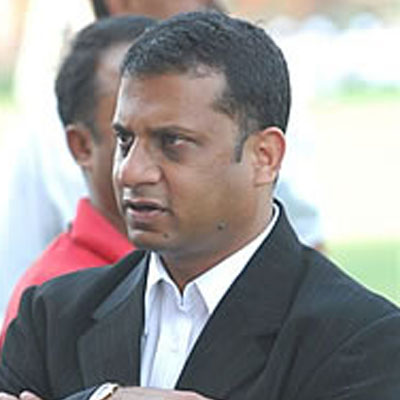
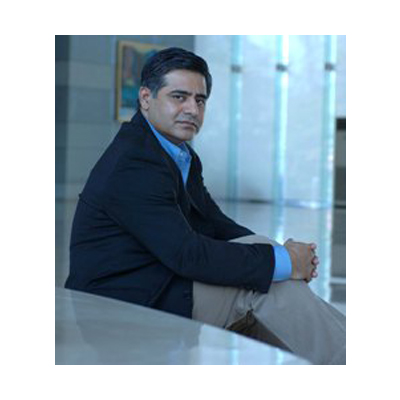
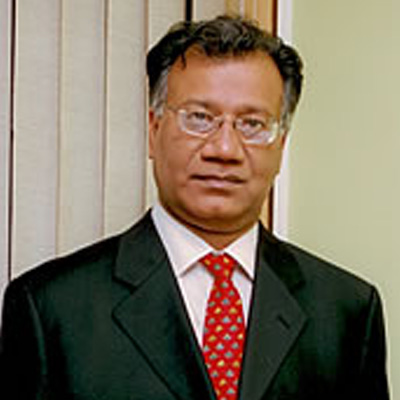
  • ‘We expect to break even this year’ : Kings XI Punjab COO Col Arvinder Singh

    ‘We expect to break even this year’ : Kings XI Punjab COO Col Arvinder Singh

    Kings XI Punjab is yet to recover from the shock, its break even target having gone haywire after the Board of Control for Cricket in India (BCCI) terminated its franchise contract in October 2010 for breaching ownership rules. The Bombay High Court came to its rescue, allowing it to be a part of the Indian Premier League (IPL) after submitting $20.7 million in bank guarantee.


    Having paid $76 million to acquire the IPL franchise, Kings XI Punjab is now on recovery course. Sponsorship deals have been stitched and the Mohali franchise is hoping to improve its performance this year.


    In an interview with Indiantelevision.com‘s Ashwin Pinto,Kings XI Punjab COO Col Arvinder Singh says the franchise should break even this year and post a revenue growth of 15-20 per cent.


    Excerpts:

    Q. Could you talk about how the IPL as a property has grown year on year?
    Cricket has achieved cult status in our country. In last four years since its inception in 2008, IPL has further strengthened the bond it has with the people of India.


    With time it has also amassed worldwide audiences. The league has grown beyond the realm of cricket and is considered as a complete entertainment package encompassing the entire family.

    Q. Kings XI Punjab had expected to break even in the fourth year. Has this happened or did the BCCI termination play spoilsport?
    We have not yet broken even. Break even is expected this year, for sure.


    Not everything goes as per plan. Ups and downs are a part of every business and they should not deter from chasing our dreams – that is to get the Cup home this year. We are constantly working towards creating a team which is extremely valuable and as partners, we will give all it takes – time, energy and resources for the love of the game.


    And yes, the arbitration process is yet to conclude.

    Q. What revenue growth do you expect this year and who are your sponsors?
    We expect 15-20 per cent growth this year and are on course to meet that target. ACC, ONN, USL, Kingfisher, Coca-Cola and Max Healthcare are some of our sponsors.

    Q. Emirates has not renewed its deal with you. Is the economic slowdown forcing brands to look at the cost of association more carefully compared to earlier years?
    We have been extremely fortunate that we have had the right partners since the inception of this tournament. This year too we have some of the best brands on our side – and we hope that there will be many more to come. When we enter in to a partnership with any brand, it is based on a set of mutually agreed and understood objectives.

    “We expect 15-20 per cent growth this year and are on course to meet that target”

    Q. IPL ratings fell last year, making it more expensive for marketers and sponsors. Do more efforts need to be taken in terms of marketing the event to consumers?
    IPL’s fan following is not limited only to India; it has also gathered audiences worldwide. While the ratings went down because of the World Cup just preceding the IPL season, the overall reach did see a substantial increase. IPL is looked as a complete entertainer and it will be interesting to see the ratings this year.

    Q. Has the licensing and merchandising area grown?
    This is a crucial source of revenue for the franchise. Having experimented with a few models in the past, we have now tied up with an international company to increase the reach of our L&M programme worldwide. This is a unique and long term agreement.

    Q. A sports marketing expert noted that the IPL has become more an icon-led rather than a franchise event. This means that if icons like Sehwag and Dhoni do not perform, viewership will get affected as people mainly want to watch icons. Do you agree with this?
    Our belief is that cricket is a team and not an individual game. Although iconic players have a definite rub off on the likeability of a team, this is but limited appeal to start with.


    For a more concrete connection with the fans, the franchise must establish itself as a custodian of the values and attitude that the region represents. This kind of association will withstand any player movement.

    Q. If you look at the IPL so far, which three players have been the most value for money in terms of performance for the franchise?
    Every player in our team is a performer and we do not undermine their strength. Each one of them is a valuable asset and we are confident of bringing the IPL trophy home this year.

    Q. On the field, Kings XI Punjab did not fare well in the previous couple of seasons. How much has this affected your brand valuation?
    Brand value is a cumulative total of a number of factors. Our performance last season almost ensured that we made it to the playoffs and this year we are pretty sure that our team has in it to make it there.


    We have been able to establish ourselves as a local team; we also have a loyal fan following in our catchment and also have a very huge fan following internationally. We have been growing for the past four seasons and we can only see it growing further this year.

    Q. What strategy was followed during the two player auctions and were you affected by not being able to retain some of them?
    We are very happy with the way the team has shaped up. We have great cricketing talent like Adam Gilchrist, Shaun Marsh, David Hussey, Praveen Kumar and Piyush Chawla, to name a few.


    We believe that we have the required strength in our team to take us all the way. Based on lessons learnt last season, we have enhanced the team strength with players like Azhar Mehmood and James Faulkner. We also have a great mix of experienced and young domestic players.

    Q. What are Kings XI Punjab‘s marketing efforts this year?
    Marketing is an integral part of our overall strategy; it helps us build a stronger connection with our fans. Our efforts are aimed at reaching out to our fans through all possible mediums.


    Currently one of the unique activities undertaken by us is our association with Indraprastha All India Sports Foundation for the ‘Cricket Champs‘ reality show. This initiative aims at nurturing youth to develop skills which not only will make them successful cricket captains but also help them in their personal endeavours.

    Q. Is Kings XI Punjab able to do activation during the off-season once the IPL gets over or is non availability of players an issue?
    We are there in our catchment area throughout the year whether through our presence on the social media like Facebook or with activities like KXIP Cup, Rocky and Ranjit Voice Hunt. We have always been doing activities to connect with our fans from time to time. Player availability is not an issue.

    Q. With the Big Bash league doing well in Australia, the debate about club versus country has again raised its ahead given how financially lucrative it is to play for clubs. How do you see things shaping up going forward?
    I see this format of the game with different perspective rather than just the financials. We believe that the club / IPL format provides the budding cricketers to showcase their talent and further hone their skills as they get an opportunity to play with and learn from experienced players. IPL has been a suitable platform to judge performance.

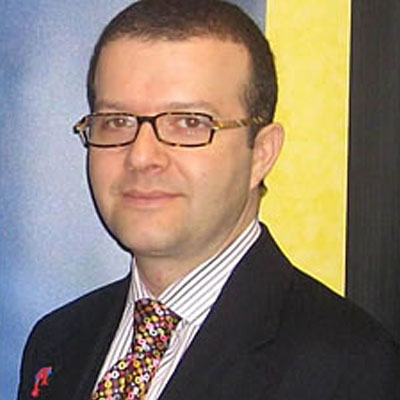
  • ‘India is among our top 10 markets’ : Discovery Networks International president, CEO Mark Hollinger

    ‘India is among our top 10 markets’ : Discovery Networks International president, CEO Mark Hollinger

    India is one of Discovery‘s key priority markets along with Latin America where there is tremendous scope for pay-TV growth.


    Bullish about digitisation in India, Discovery has plans to expand its portfolio of channels. The latest addition in the menu: Discovery Kids from the second quarter of this calendar year.


    In an interview with Indiantelevision.com‘s Ashwin Pinto, Discovery Networks International president, CEO Mark Hollinger talks about the company‘s growth markets and its expansion plans in India.


    Excerpts:

    How important is India as a growth market for Discovery?
    India is the biggest growth market for us. It is among the top 10 markets globally for us. The combination of the government being very open to international channels, the digitisation process and the great fit between the Discovery brand and the culture of India makes this country a high priority market for us.

    Discovery has launched in many genres. When are you launching the children’s channel?
    We will launch Discovery Kids in the second quarter of this calendar year. The content will be global. We are also looking at local content. As networks grow, we have tended to have locally produced content in the mix. Discovery Kids in Latin America produces some of its own content. In India too time there will be global as well as local content as we go along.

    Is the timing right given that the kids genre is struggling?
    We tend to be long term investors. When we launched a new channel in Spain, people thought that we were crazy as unemployment rate is as as 22 per cent in that country. But we saw that there was an opportunity for us and we went ahead and launched.


    So whether a market is up or down at any point of time doesn‘t matter; there is space for a more education-focussed network like ours. And India, moreover, highly values education. The digitisation process is beginning and is a good opportunity for us. We are not worried about the kids genre business at all.

    Will the education component be your differentiating element?
    Yes! The other kids channels are similar. We are not Scooby Doo. We are about how you do things, when do you do, why you do. It is inquisitive in nature. Education is an important part of society. But at the same time we are not naive to think that it is just going to be education that people will tune into; it has to be entertaining as well. This was the very genesis of Discovery when John Hendricks first started it.


    The channel will have a healthy dose of entertainment and also satisfy the curiosity of viewers in an entertaining way. The good news is that India is a young country. There are millions of kids below the age of 14 and so the market is big.

    ‘Flagship brands have a strong place in the market. We are in a better position to survive audience fragmentation than our rivals‘

    The challenge here is that niche channels have to rely excessively on ad revenue. By when do you see subscription starting to contribute in a serious manner?
    That is a big question in terms of the impact of digitisation on the affiliate revenue stream. If you look at the international portfolio, our channels are weighted towards affiliate. 70 per cent of revenue outside the US is affiliate.


    When we start in a market, there is a 100 per cent affiliate revenue and then we move towards advertising. India obviously is an ad sales market. But it is hard to sit here and say what the affiliate revenue stream is going to be. We can hope that digitisation will affect carriage fees and other things.

    For the digitisation process to succeed in terms of cut off dates being achieved, what needs to happen?
    For the cable operators, it is going to be a giant challenge. If you think just about the logistics it is going to be a huge task – acquiring enough set top boxes, distributing them, getting people to understand what is going on and creating the customer service capability.


    Forget about fancy things like DVRs. Just to get the infrastructure in place is an enormous challenge. Luckily for us, we can watch it from afar. But once it is in place, then there is an opportunity and sort of a challenge for programmers to take advantage of digitisation. We have done it successfully in other markets.

    Do you think that the 30 June deadline will be met for the metros?
    We met some MSOs recently and they are pretty much prepared for it. Moreover, a set top box is not such a novel thing now. There are 25-30 million STBs already in DTH homes. I don’t think that the deadline is a challenge. It will be managed.

    How will digitisation change OneAlliance’s relationship with MSOs?
    This relationship will become stronger. When change happens, there is bound to be some chaos. There will be disturbance and that is the time when if you are part of a strong bouquet, you can navigate through things.


    We have a great team on the ground and great brands. When The OneAlliance was started, there was no digitalisation in India, no DTH. Now that there is DTH, the OneAlliance has only become stronger.

    Will you now make a concerted effort at marketing yourself to Indian consumers so that they choose you?
    This is already happening. On DTH more and more people choose us and the digital ratings of our channels are high. We offer quality content that people globally pay for. In India there is sensational television on other channels that target eyeballs at any cost. But as we move towards a digital environment, we are better prepared with quality content.

    Discovery is in several languages in India. Could you talk about the importance of localisation?
    It is important from a content point of view, from a feed structure point of view and from a language point of view. Discovery is in five languages. We are evaluating other language launch possibilities. Some of the other players have possibly gone a little bit overboard, but we have found that local language results in higher viewership in that region.

    More players are entering the infotainment and lifestyle space in India. Will this cause fragmentation?
    There is fragmentation of viewership happening. We are, however, in a better position to survive audience fragmentation than the other companies.

    Discovery spends $1 billion towards programming. Are content investments going to be affected by the global downturn?
    No! The content that we invest in is evergreen. Moreover, we can ammortise investments across 210 markets due to the nature of our products. A show will have at least a four-year life. This allows for a longer timeline in terms of investing in shows.

    Which are the main focus areas for Discovery?
    India clearly is one focus market. Latin America is also a big priority market for us; there is pay television growth to be had from there. In Brazil pay television was hampered, but now ownership has changed and pay-TV penetration is growing substantially. Poland and Russia are also big growth markets for us.

    What is the big challenge you face this year?
    It differs from market to market. In the US pay TV has a 90 per cent penetration rate. The pay TV growth there will not happen in terms of penetration. So you will see the impact of OTT and if there is enough of an upside to counterbalance any cord cutting, that may happen. Again it is hard to know if Netflix and Amazon will continue to be successful the way they have been. This is not an issue in other markets.


    I would say that the big challenges are the impact generally of broadband or free platforms like DTT on pay television. Can pay TV penetration continue to grow? In some countries, there are regulatory issues. Some markets like Brazil have become more protectionist as of late in terms of local Brazilian content and local channels being required on packages. The availability of alternative platforms is both a big challenge and a big opportunity.

    There has been a certain amount of operational restructuring within Discovery like the removal of the COO position. Is the basic aim to be more cost effective?
    I would say that the changes were more on the US side of the business rather than on the international scene. The international business has remained largely intact in terms of its structure. The changes were made not due to cost reasons. We have an active CEO in David Zaslav. He likes to have as few layers as possible between people who run the US business and himself. The aim is to have a better handle on the business as opposed to saving money.

    Last year you split Europe into two business units. What prompted this move?
    We used to have what I think was a bit of an odd structure. The UK is an entirely separate business. Then all of Europe, Middle East and Africa are another kind of business. UK has a lot in common with the other western European markets – slow pay TV penetration and DTT kind of opportunities.


    Then you have Central, Eastern Europe and the Middle East and Africa which are much more growth markets. There is still expansion to be done. These are more entrepreneurial markets. So we split along the lines of Western Europe as one unit and then Central, Eastern Europe, Middle East and Africa as another unit. We did not add a region. The international business still has four regions. We just restructured Europe to grow Western Europe and put common markets together.

    Could you talk about Discovery‘s strategy to penetrate new markets like Colombia?
    What we tend to do with new markets is to go in first and establish distribution. So we opened new offices in Central and Eastern Europe. We opened a sizeable office in Moscow. We opened other offices in places like Kiev, Almaty and Sofia.


    There is an opportunity in Colombia and it is our fourth biggest market in Latin America. We earlier only used a local representative for ad sales. We opened an office there for the primary purpose of ad sales while offices in Europe were opened for affiliate purposes.

    In Spain you are free to air. Are you expanding your free to air portfolio?
    This expansion has been a Western European phenomenon. In Spain pay TV has been at 30 per cent penetration for the last decade. It hasn’t grown.


    So now in Germany, Spain and in the UK, we have launched free to air channels. They complement the pay business and are not intended to replace it. They have allowed us to grow at a time when the overall Western Europe pay TV business is not growing. This is harder to do in other markets as there is not a big enough digital terrestrial platform or there are ownership restrictions.

    In Korea you did a partnership with CMB. Why?
    Korea is a difficult market to get into and almost impossible without a local partner. Tom (Discovery Asia Pacific MD) did an enormous amount of legwork. He spent a lot of time in Korea. It is a strong economy and very well penetrated from a pay television point of view and from a broadband point of view. So it has always been an important market for us to get into. We had to pick the right partner and have the right kind of structure in place.

    How did the JV with Oprah Winfrey for a channel come about?
    Everybody knew that Oprah would be ending her show and moving to a new business. People in the media industry wondered what that business would be. David Zaslav sold her the idea that her brand and the Discovery brand’s missions were very well suited for each other.


    That is how it happened. We have ambitions for the channel in terms of finding markets internationally for it. Tom is a proponent for markets in the Asia Pacific where he feels that the channel will fare well. Oprah created a lot of buzz when she came down to India. This has also been the case in Australia and in other markets around the region. But we first want it to be well established in the US.

    Discovery bought Betty in the UK, its first such acquisition of a production company. Are you looking at more such acquisitions?
    It is not yet part of Discovery‘s grand strategy to get into production. But we will see whether owning production is a strong addition to our business model or not. But I will not say that we are actively looking at other companies. We will wait and see how the Betty acquisition plays out.

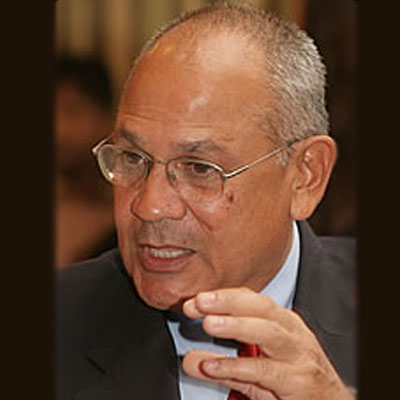
  • ‘Challenge in the digital world is to make content that lasts longer’ : Turner Entertainment Interactive Media executive director Benjamin Grubbs

    ‘Challenge in the digital world is to make content that lasts longer’ : Turner Entertainment Interactive Media executive director Benjamin Grubbs

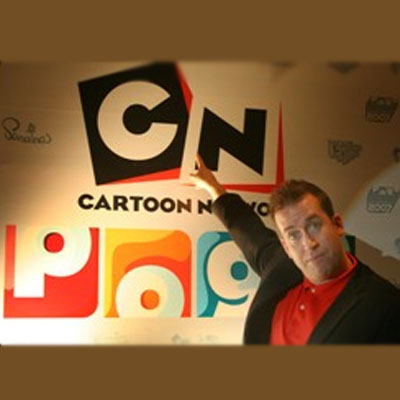
    As new media usage grows, broadcasters are trying to find ways to leverage it. Turner is no exception and has been creating tools like games for kids. The idea is to use new media as a brand extension for Cartoon Network and Pogo.


    New media is not just a marketing tool but a place where kids spend a serious amount of time engaging with their favourite characters and shows mainly through gaming. The challenge in the digital world is to make content that becomes stronger and lasts longer.


    As Turner has worked aggressively on new media to ensure that it co-exists strongly with the traditional media, it has kept a firm eye on maintaining scale for such products across markets.


    Turner has also created facilities that develop local content for new media in places like Japan, Korea, China and Southeast Asia. The R&D team in Mumbai, for instance, creates products for the Indian platforms. The aim is to develop the local market and also make product innovations that can be exported.


    In an interview with Indiantelevision.com’s Ashwin Pinto, Turner Entertainment Interactive Media executive director Benjamin Grubbs talks about how the media conglomerate has used new media to hook kids and build their content brands.


    Excerpts:


    How does Turner approach new media?

    New media and traditional media complement one another; they co-exist in the market. The consumption of TV content increases as digital media usage increases. Consumers have an affinity for those brands that we create and they consume them across platforms. They watch an episode of a TV show; online they play a game involving a character from that show. Then at retail they buy a toy or a T-shirt.


    There is a three-pronged approach of the Turner interactive business – Create, Play and Edu-tain


    -Create: Games like Toon Creator let kids create their own cartoons. Toon Creator has over 469,000 animations developed by kids and 5.6 million views. Another example is Game Creator where kids can create their own games. It has 402,000 kids making games, there are 1.6 million games developed by kids and 429 million games have been
    played.


    – Play: Cricket Club is an excellent example. There are estimated 10 million game plays in 2011


    – Edu-tain: Cartoon Network partnered with Prudential Asia to launch Cha-Ching, an initiative that encouraged kids to learn money management skills by a simple four-part process – ‘Earn, Save, Spend and Donate’. An interactive website hosting games, music videos, applications, etc. was created.


    How does the business model work?

    For broadcasters, there could be different business models. At Turner we package content on channels and sell them to cable companies who pay us a fee. We sell advertising on our channel and websites. We have consumer products and also do live events.


    In the pay-TV market, there is more demand for compelling content that continues to do well. In the digital economy, new revenue streams are emerging. It has only been in the last couple of years where we have seen smart phone usage. The method of monetisation is not just advertising but also buying products like a game. You can buy a game on the phone or buy items within a game. It is not transferring one business model to another. You open up business models that are complementary to your core business.


    How much revenue do you get from new media?

    We don’t break down the percentage of revenue that comes from different business segments. But the digital business growth rates are high.


    Which are your top properties that have been monetised through new media?

    The Ben 10 franchise is a good example. This is content that started with television. Then it became a successful global consumer product IP. We license it out. Then in the digital space we have developed online games and mobile products. There is also video content available online. We have monetised it in different ways.


    ‘We have a R&D team in Mumbai that develops products for the Indian platforms. The aim is to develop the local market and also make product innovations that can be exported’


    You have done online gaming for properties like Ben 10. How effective has it been as a brand extension tool?

    What we are seeing in some markets is that people who do not have cable television at home just consume our content through digital media. In some markets across the Asia Pacific, the cable market penetration may not be as high as what it is in India. We see a percentage of people who only consume content on digital. Digital has been a positive development for Turner over the last five to 10 years.


    Have you done research to show how kids in India and Asia perceive and use new media?

    There is similarity in terms of how Indian kids and other kids use new media. They look for games first when they go online. We launched Cricket Club here on Pogo. We then took it to Australia. We will take it to every cricket nation.


    For the last 10 years, we have been running a New Generation study. Many kids become more active consumers of technology than their parents; they get initiated at a very young age. The time spent on our site is 25-30 minutes per visit. It is a very engaged audience and they come back quite often. This results in high affinity for the brand. It is not a matter of them spending a couple of minutes online.


    They spend as much time in an online visit as they do on a TV episode.


    How is new media impacting the way kids consume traditional television?

    Like I said, it is complementary. It is not a zero sum game where because you grow digitally, the traditional media consumption goes down. The data we are seeing is that both grow in parallel.


    Interestingly, girls are heavier gamers than boys.


    An estimated 25-30 million kids are online. There were approximately 12.1 million users in 2011 across www.cartoonnetworkindia.com and pogo.tv. 79 per cent of kids (ages 4-14 years) are mobile phone users.


    The number of Indian kids who own their own mobile phone is growing.


    Are costs rising in creating content for digital media?

    Yes! On television you make content by spending a year to two years developing a series. In the digital world you could spend the same amount of time developing a game. The investments going into doing some of the larger online games are rising and is almost the same as making a TV show.


    The challenge lies in extracting the right returns. In the digital space when we put content out we immediately get feedback. So the team makes conscious decisions about adapting and evolving content. For us it has been a big learning as you have larger investments around digital content. A game has people registering profiles and creating profiles. They have an online identity. Friends come into this environment and they communicate and share content.


    What is the challenge in making digital content?

    The challenge is to make an offering that will stick with the consumer. The challenge in the digital world has become more apparent over the past couple of years – as you put out games and get active users, there is an immense amount of data that you start collecting. You need to look at what data is relevant and use it to optimise and enhance the platform.


    The big effort is not making the content but what happens after you launch it. This is how it becomes better, stronger and lasts for a longer period of time. The online and mobile games that we make now we expect to be in the market for several years. Our aim is not for the product to be in the market for two weeks. These are not campaigns which go away after a couple of months. We want the products to last for two years and we want to see continual growth in that product over a period of time. This is the guideline.


    How does the process of creating new media applications work?

    This starts with consumer insights. It is about conversations we have with consumers and through our focus groups or through a survey. We blend that data with what we see on our own platform. Then we see trends and try to predict where things are going. If it takes a year to develop a game, we have to think about what is going to resonate with consumers a year down the line.


    You have tablets and smart phones. We don’t just make content for the PC or Internet. The consumer has to be able to access the content across multiple devices and platforms. This informs the decisions that we make and the technologies that we invest in. When things become multiplatform, you have an extension of the brand experience. Then you look at genres, the market in terms of if there is wide open space that we can go and play into. We also look at how a product can get scale across markets.


    Could you give me an example of an innovative project recently done?

    We worked on something last year. It started with deep consumer insights. We looked at the market and found that there was nothing that addressed an insight that we stumbled upon. So we decided to develop a product.


    A guy in my team wrote a 16-page background story and dreamed up characters and plotline. This was for an online game. It was similar to someone writing a treatment and background explaining what a film is all about. He had visualised the game platform and how it would grow over time. We looked at it in order to visualise the creative

    concept. We had to then step back and make a calculated bet as there is no guarantee of success.


    We also recently came out with an online racing game. What we are seeing is that there is great adoption of multiplayer racing games among youth. While there were compelling games already present, they were larger console titles or larger massive multiplayer online games that target an older segment. There was an open space for a younger age segment. We developed it for Asia at a studio in China. We talked it out with our counterparts in Europe, Latin America and the US.


    They were excited and wanted to co invest. We got scale from our investment and the product will launch this quarter in the US first. Then it will go all over. It started in Asia and found it resonating everywhere. We want to do more of this. If you boil it down to some of the building blocks and basics, products are not so different from one market to another. We also allow for some scope to localise but the main core of it should be similar across regions. It allows for better ROI.


    Ben 10 is huge among boys. Storylines for digital products are evolving. We made a storyline for Ben 10 that was not told on TV. We hired the writers from L.A. to give us a story arc. The crux of this story is coming out in a movie that premieres in March. Things have come full circle.


    How much R&D goes into creating new media services?

    We have a team in Mumbai that develops products for the Indian platforms. Cricket Club was developed here. The aim is to develop the local market and also make product innovations that can be exported.


    We do research all the time. A lot of data is collected that informs our decisions. We have facilities that develop local content for new media in Japan, Korea, China and Southeast Asia.


    Is allowing kids to create their own content becoming more important?

    Yes! The platforms we develop have been successful. This has surpassed all expectations. Game Creator has been the biggest one. Kids can create their own games. We have different versions of Game Creator. It is about brand engagement.


    What are the ways in which content owners can work with advertisers online to produce results?

    In some cases we sit down and have a conversation. The advertiser can show a business challenge and we find an addressable opportunity. On the other end of the spectrum, we talk about complete custom creation of a new product or service that is done with an advertiser. We have found that 63 per cent of car purchases in India are influenced by kids. Half of the shampoo purchases are also influenced by kids.


    Is the lack of an effective measurement system a challenge?

    There are third party research tools from parties like Nielsen and comscore that advertisers, agencies and publishers like ourselves subscribe to. Turner also has its own research systems and tools. We develop content that we market to the market. We also want transparency in data. We can see what the response rate is from consumers. ROI comes from things like registration, an online purchase and filling out an online form. We can track this user funnel so that we can better optimise it.


    There is a continuous dialogue that happens. The digital space moves fast. A couple of years ago we weren’t talking about smart phones. We want to have dialogue with other marketers so that we can evolve.


    What role do social networks play in reaching kids?

    The reality is that people are on social networks. Facebook is a way for us to distribute content. When people are on Facebook, that is where their experience lives. But for us leveraging Facebook means staying on the platform; it is not about providing marketing messages that take users off Facebook. It is about providing content within that platform. This is where our investments have been going. Among social networks that kids use Facebook dominates.


    Is the economic slowdown having an impact on broadcasters pursuing aggressively their new media plans?

    No! It is accelerating growth. What I mean by this is that during a fiscal crunch you might want to look at ways to do things that are more effective and efficient. In the digital world things change at a very fast pace. There is a need for constant dialogue to stay on top of changes. In new media with barriers falling, it might make more financial sense to do something now compared to earlier.

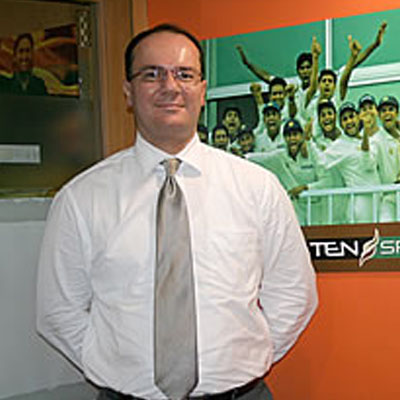
  • ‘India is witnessing a sporting revolution’ : IMG Reliance COO Ashu Jindal

    ‘India is witnessing a sporting revolution’ : IMG Reliance COO Ashu Jindal


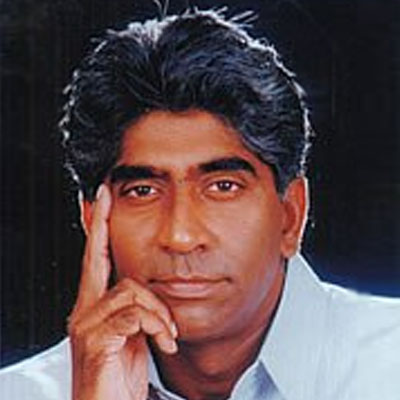
    Last year in a bid to increase its presence in the sports world, Reliance formed a JV with IMG. The aim of the JV, called IMG Reliance, is to among other things create and operate major sports and entertainment assets in the country.


    The JV has done deals with different organisations including the Basketball Federation of India (BFI).


    It is also taking the Aircel Chennai Open tennis event to the next level. Indiantelevision.com‘s Ashwin Pinto caught up with IMG Reliance COO Ashu Jindal to find out more on the JV‘s plans.


    Excerpts:


    What is the vision for the JV in terms of the impact you see it having on the sports landscape?
    India is a sport-loving nation and we are keen on developing and promoting different sports in the country.


    In the recent past, the Indian market has witnessed the rise of some of the world‘s strongest sports brands. As India‘s sports landscape grows, we are looking at bringing several successful sports properties to India in addition to creating newer ones tailored to fit the country‘s specific requirements. We will continue to build on the strong foundation and brand equity that India enjoys.

    Which are the sports that IMG Reliance is focussing on developing and what are the various strategies being followed?
    IMG Reliance will create and operate a variety of sports assets in the country.


    As you might know, we have signed a 30-year partnership with the Basketball Federation of India (BFI) to develop basketball. The BFI has granted IMG Reliance commercial rights, including sponsorship, advertising, broadcasting, merchandising, film, video and data, intellectual property, franchising and new league rights.


    We have also signed a 15-year partnership with the All India Football Federation (AIFF). We aim to restructure, overhaul, improve, popularise and promote the game of football throughout India, from the grassroots to the professional level.

    What challenges does the economic slowdown pose for you?
    India is currently witnessing a sporting revolution of sorts. Even though the sector might still not have exclusive industry status, the country‘s most powerful business houses seem to have understood the benefits of investing in Indian sports.


    The success of the Indian Premier League and more recently the inaugural Indian Formula 1 Grand Prix illustrate the fact that the sports sector will continue to mature. Growth in the media and entertainment industry is expected to be at 14 per cent until 2015, and the entertainment and recreation arenas, including sport will be the greatest beneficiaries.


    Organising world class sporting events is IMG Reliance‘s core competency and I am certain that the businesses we operate in will continue to enjoy success in the presence or absence of a slowdown.

    On the tennis front, how has IMG Reliance grown the Aircel Chennai Open?
    As an organisation, we‘ve done our best to combine our domain expertise with unrivalled experience in promoting, commercialising, operating and distributing large-scale events.


    The support of the government of Tamil Nadu, Tamil Nadu Tennis Association and the All India Tennis Association since the tournament‘s inception has been invaluable. In many ways, the Aircel Chennai Open has been successful thanks to a combination of our global and local strengths. We are proud to have been associated with it since its inception and hosted the likes of Rafael Nadal, Boris Becker, Carlos Moya, Richard Krajicek, Patrick Rafter, Yvgeny Kafelnikov, Byron Black and India‘s own Leander Paes and Mahesh Bhupathi.


    The fact that the number of spectators attending the tournament in the first round has gone up each year is evidence of the event‘s growing popularity. Chennai‘s tennis fans have given the tournament their unstinting support. Hardly surprising that the world‘s best players love going there because the fans they play in front of are knowledgeable and immensely committed to the game.

    Increasingly corporations are moving towards the concept of ‘triple bottom line‘ which is comprised of people, planet and profit

    You have seen some tennis events including a WTA one in India close. What are the challenges involved in keeping a tournament financially viable?
    Being the largest independent promoter of events and representative of tennis players does not help unless the country you operate in loves the game. Without a doubt, we‘ve done our best to see tennis growing into one of the most popular sports in the city and state.


    With the people supporting our efforts, we have a dedicated and experienced team of individuals, both globally and nationally, who work on events like the Aircel Chennai Open.

    We are confident that any event planned professionally and executed well will continue to attract sponsorship and advertising. In addition, the Indian markets and populace are now opening up to accept and enjoy non-cricket sports, a fact that is making the growth of events like the Aircel Chennai Open easier.

    Has it been harder this year to find sponsors given the economic slowdown?
    India has been growing at a robust rate of over eight per cent over the past five years and is expected to grow at over seven per cent for the next decade.


    All signs point to a market that is ready and eagerly waiting for additional sports to enter the mainstream, thus making the process of finding sponsors easier. Positive developments such as these, apart from the rising stock of Indian sportspersons and emergence of Indian team owners and organisers on the world sporting scene, have led several exciting new sports events being organised in India.


    For Aircel Chennai Open 2012 too, we are very pleased to have Nature Valley, Parle Hide and Seek, Ricoh among others as first-time sponsors in addition to many of the others continuing their sponsorships. It is but safe to presume that the scope for marketing can only grow wider.

    How is the Aircel event perceived by viewers in India and abroad vis-a-vis other ATP events?
    The Aircel Chennai Open is the longest running tennis event in the country thanks to its popularity among both viewers and tennis stars that look forward to being a part of it year after year.


    It has grown to become South Asia‘s premier ATP World Tour event and come a long way since Leander Paes and Mahesh Bhupathi won the first edition doubles title in 1996. Though there is still a lot of room for improvement, we stand firm in our resolve to develop the event into one of the world‘s leading tennis championships.

    Is tennis finding more acceptance from advertisers looking at targeting affluent audiences?
    As a sport, tennis is garnering more and more attention from diverse fronts, especially with increasing high-intensity competition and the participation of some of the world‘s top players.


    Advertisers from India and abroad are looking at this as an opportunity to build effective marketing programs, bring their brand into India or take it abroad, and in the process engage with affluent and global sports fan bases around the world.

    What are the different ways in which sponsors leverage the Aircel Chennai Open?
    Tennis is one of the few global sports that India has doing very well off-late, not only has the sport grown in stature, it has given rise to a number of stars who enjoy celebrity status. Besides that, the Aircel Chennai Open which is in its 17th year has grown to become a marquee ATP event in South Asia which attracts some of the best known and emerging players from across the world.


    The sport is a very interesting mix of athleticism and glamour, both of which offer a host of opportunities for partners and sponsors, this, besides the regular benefits of branding and visibility in the media. The tournament takes place every year in the first week of January. It offers brands a platform for launching new products. And owing to the timing of the tournament, the overseas players usually reach around the last week of December, just after Christmas and before new year, so brands associated with the event can use this festive period for a lot of hospitality and entertainment relates activities.


    We have come up with a concept of ‘Market Square‘, this is a commercial area within the stadium premises where partners can showcase their offerings and get a captive audience who visit the stadium through the tournament. This apart, depending on the nature of sponsorship, the brands can get time from celebrity players for promotional activities.

    In terms of ROI how does tennis compare to other sports?
    According to recent numbers from Tam Sports, tennis is the fourth most watched non-cricket sport in India after soccer, wrestling and motorsports.


    So, while on the surface this may not seem the most attractive proposition for a brand to be associated with tennis, the fact of the matter is that the other three sports do not have much participation from India and neither does much action taking place here with the only exception being the Indian Grand Prix.


    As against that, tennis in India is growing by leaps and bounds, not only do we have the honour of hosting South Asia‘s only ATP event (2012 will be the 17th edition), Indian players are carving a niche for themselves in world tennis – Mahesh Bhupathi, Leander Paes and Rohan Bopanna feature among the top 15 doubles players in the world and Somdev Devvarman is one of the most promising stars in the singles arena. From a brand‘s or an investor‘s perspective, a good mix of on-ground opportunities and emerging stars offer a world of opportunities to spread the word, and from that point of view, tennis does offer a bigger bang for the buck!

    What does the deal with the AIFF encompass and what is it worth?
    IMG Reliance separately signed a 15-year partnership with the All India Football Federation (AIFF), the governing body for football (soccer) in India. IMG Reliance, in cooperation with the AIFF, will radically restructure, overhaul, improve, popularize and promote the game of football throughout India, from the grassroots to the professional level.


    This agreement grants IMG Reliance all commercial rights to football across all football properties controlled by AIFF including but not limited to the national teams and all current and future professional leagues. It is valued at Rs. 700 crores for a period of 15 years.

    How do you see television viewership of AIFF and the Aircel Chennai open growing?
    There is no denying that television has a major hand in transforming sports into a profitable business. For many years, sporting events have given advertisers around the world a phenomenal opportunity to showcase their brands to an international audience.


    In India too, football and tennis are among the most popular sports, and television audiences continue to grow at a steady pace.

    Are advertisers now more receptive to non cricket sports compared to five years back?
    As is the case that was highlighted earlier, India is going through a phase where non-cricket sports are gaining more and more importance. Much has changed in the last five years, and sporting events are being marketed as extravaganzas like no other. In a scenario like this, advertisers are eager to use sporting platforms in India.

    There is a lot of talk that companies often use sports apart from cricket for CSR rather than looking at an ROI. Do you agree with this?
    The relationship between CSR and corporate reporting (ROI being one element of reporting) has evolved and come a long way from what it used to be until a few years back.


    Increasingly corporations are moving towards the concept of ‘triple bottom line‘ which is comprised of ‘people, planet and profit‘, with people meaning the development the society within which a corporation functions. Given this, a lot of companies are now putting money into sports and development of sports at the grassroots level which could be considered a contribution towards the welfare of the society.


    So if this were to be seen from the point-of-view of the new reporting framework, this investment would be contributing directly towards the bottom line of the organisation. However, even in the traditional view of ROI, the sports sponsorship market is evolving and with so many options for sponsorship, firms are now recognising the benefit to their brands in associating with world class, professionally managed sports events in India, in all sports.

    Are you looking at cricket at all?
    As an organisation, our areas of expertise are diverse and wide ranging. We are always open to developing new opportunities in different sporting disciplines and cricket is no exception. We‘ve worked with the world‘s top cricketing nations including India, where the game will always rate highly in the hearts of sports fans. We continue to look at exciting prospects in the future.

  • ‘With Revenge the studio, network and production company were all on the same page’ : Revenge executive producer Marty Bowen

    ‘With Revenge the studio, network and production company were all on the same page’ : Revenge executive producer Marty Bowen

    Next year Star World will air the show ‘Revenge‘. It is about a woman who returns to The Hamptons to seek revenge on those who were responsible for her father‘s imprisonment and death.


    Marty Bowen is one of the executive producers of the show. He spent many years as an agent representing talent like Charlie Kaufman and James Gandolfini before surprising the industry and leaving UTA to pursue a career in producing in 2006. Bowen partnered with veteran producer Wyck Godfrey, to create their own production company, Temple Hill Entertainment.


    Their first film was ‘The Nativity Story‘ but the big break came in 2008 when they embarked with Summit Entertainment on production of the ‘Twilight‘ movie franchise. The films have made well over $1 billion at the box office.


    Temple Hill Entertainment has gone on to make a television show ‘Revenge‘, created by Mike Kelley and starring Emily VanCamp, Madeleine Stowe and Henry Czerny. It is currently airing in the US on ABC.


    Known in Hollywood for his solid work ethic Bowen is very much hands on during the production process. This includes the casting decisions. Indiantelevision.com‘s Ashwin Pinto caught up with Bowen to find out more about ‘Revenge‘ as well as the challenges of being a producer in Hollywood


    Excerpts:

    How did the idea for ‘Revenge‘ come about?
    Temple Hill Entertainment the company that I work for had made a deal with ABC. They asked us to come up with some ideas that we thought could speak to audience that we generally like to produce programming and entertainment for. We had always been interested in doing a drama set against the backdrop of The Hamptons for which I am sure there is an Indian equivalent.


    It is an area where very wealthy people go to for their vacations. It was a world that we wanted to explore. We loved the idea of having rich people coming for the summer interacting with the people who live there the year round. We thought that there was really interesting drama to explore. ABC continued to challenge us to find an interesting story engine that might make it really compelling to have audiences go watch. Through a process of elimination we thought that it might be interesting to loosely use the structure of The Count of Monte Cristo to do that.

    You have had a huge amount of success with ‘Twilight‘. What were the learnings from that which you incorporated into this show?
    There are certain fundamental themes that one gets to explore in the ‘Twilight‘ series that we have learned from and have tried to incorporate a version of them within the story structure.


    I don‘t know if I want to be more specific than that but certainly there is a reason why audiences that see ‘Twilight‘ like to see it with groups of people. There is a reason why they enjoy that collective consciousness. We try to learn from that and try to instill the show with some of our elements.


    The television landscape is crowded with shows vying for attention. What separates ‘Revenge‘ from the rest of the pack?
    The show has a healthy old fashioned storytelling that we have not seen in a long time.


    The shows that I grew up with included ‘Dynasty‘, ‘Dallas‘ and all those fun soap opera from the 1980s. I think people nostalgically want to tune in to ‘Revenge‘ as they miss those kinds of programmes. At the same time our storytelling remains modern enough to have audiences seem to want to come back again and gain.

    As a producer how hands on were you in the casting and creative process for the show?
    I was very hands on. Certainly when it came to the pilot as it was an idea that we had generated in terms of finding a writer, picking a director and all levels of casting we were in all the meetings and were very active.


    But at a certain point once your baby learns to walk, you have to let them bump into furniture on their own. So we tried to keep a healthy distance to allow our writers to generate stories and write their teleplays in the best environment they can while at the same time steering the ship in the right direction.

    ‘We have a handful of very smart people at our company who constantly throw ideas against the wall to see if something sticks‘

    Was it a challenge to stick to the budget and production schedule?
    It was at the very beginning absolutely. You are all learning to work with one another for the first time. You have to have a tremendous amount of energy to launch a show. This only becomes more efficient as you get into the flow of things. So it was a challenge at first but we have managed to figure it out in a way that it runs very smoothly.

    Could you talk about the talent involved with the show?
    Let me start with Mike Kelley who is our writer, our showrunner. We were fans of his and were aware of the things he had written over the years. I loved his show ‘Swing Town‘ which was autobiographical and was something he really slaved over.


    I saw how good his writing was and how good that show was. When this idea came about he was literally at the top of our list of people who we thought could do the show. Actor Emily VanCamp is someone who is sympathetic. She is likeable but is also someone that you believe is capable of vengeance. Phillip Noyce made the pilot and he is one of the finest directors in Hollywood. He has made movies like ‘Salt‘.

    As a producer how many scripts and ideas come your way in a month and what qualities do you look for?
    We look at hundreds of ideas a month. We come up with dozens of ideas on our own from reading books, and watching other shows, documentaries, reading articles. We find themes that we are interested in.


    That is the nature of our business. We have a handful of very smart people at our company who constantly throw ideas against the wall to see if something sticks.

    This year some high profile shows like ‘Charlie‘s Angels‘ bit the dust after a few episodes. What separates a successful show from a failure?
    I think that there has to be something that an audience can connect with. I think that it is great to have a big title and it is great to have an intellectual property that people are familiar with.


    But you ultimately have to be engaged in what the characters are doing. I cannot speak about ‘Charlies Angels‘ as I did not watch the show but this factor is what separates great storytelling from average storytelling.

    Why are channels impatient in terms of letting a show find its feet?
    Many times they are impatient. But you can also point to many other times when they have been the opposite.


    Some of my favourite television series are shows where the networks believed in the show but which the audience did not get at first. Later on the audiences went on to love those shows. I think that it goes both ways.

    In terms of how the production process works what is the difference between film and television? 
    In film there is beginning, middle and an end. Television never ends. You could be finishing one episode, editing another, starting production on another. A smaller budget project could more challenging than one that costs hundreds of millions of dollars.

    In 2006 you left your job to establish a producing partnership. What prompted you to shift track?
    I wanted a creative outlet. While I loved what I was doing earlier I felt like working as a producer. I was fortunate to be able to get into a production partnership with my good friend Wyck Godfrey.

    How did you get your break with ‘Twilight‘?
    We had worked with ‘Twilight‘ director Catherine Hardwicke earlier on ‘The Nativity Story‘. We had also worked with the head of production at Summit Entertainment Erik Feig. They wanted to make the movie and so we came on-board.

    As a producer what is the main challenge you face?
    You have to make sure that you complete the thought. You have to ensure that the idea becomes a script which then translates into a movie.


    Assembling a project is a challenge. The different pieces have to come together in the way that you want it to. ‘Revenge‘ was one of those times where the studio, the network and the production company were all on the same page. It was a true collaboration.

    How challenging is it to juggle different projects at once?
    It is tough. However I am fortunate in terms of the people that I have working with me. I have people who are capable of picking up the slack.

    Do you keep the family audience in mind before giving the nod to a project?
    For us it is story first and the audience second. We focus on trying to tell a strong story and then look to see which audience the project will appeal to.

  • ‘We will bend over backwards to be user friendly to new clients from India’ : Natpe president, CEO Rick Feldman

    ‘We will bend over backwards to be user friendly to new clients from India’ : Natpe president, CEO Rick Feldman

    Natpe, the US-based media marketplace organiser, is now turning its sights toward the critically important markets in South Asia. It is working with a Mumbai-based team of Murtuza Kagalwala overseeing business development to raise its profile with Indian buyers and sellers of content and to attract more Indian and Asian attendees to both Natpe Miami and Natpe Budapest.


    Indiantelevision com‘s Ashwin Pinto caught up with Natpe president, CEO Rick Feldman to find out about Natpe and what it offers Indian companies.


    Excerpts:

    Could you talk about the services that Natpe offers the media and entertainment industry?
    Natpe is the global content marketplace for a digital world. It is strongly committed to being the destination for TV programme buyers and sellers. Evolving to meet the demands of a changing media landscape, Natpe delivers a first look at fresh content before Mip and the LA Screenings, giving industry leaders a jump-start on monetising their projects.


    Now, in Miami, a major international destination, Natpe is a catalyst in the content revolution – providing thousands of chances to make a deal. Celebrating over 45 years of service to the ever-changing international televisionindustry, Natpe continues to redefine itself and the services it provides to meet the needs of its members. Today‘s industry encompasses more than ever before and Natpe has remained flexible in its effort to encourage and support the progress of the industry and all of the platforms it now serves.


    What has remained constant is Natpe‘s commitment to keeping the industry appraised of the changes occurring daily in the global media environment.


    Natpe implements its mission by providing the multiplatform video industry with education, networking, professional enhancement, vibrant business environment through Markets and technological guidance through year-round activities and events. The organisation also offers a full complement of online services including access to a database of industry executives to anyone interested in learning more about the digital video industry.

    How has Natpe expanded on its marketplace Content First?
    After operating independently for 15 years, Discop East was acquired by Natpe in 2011 as part of a continued strategy for expansion within the international arena. The market has now become Natpe||Budapest and will take place from 26-28 June, 2012.

    What prompted the move from Las Vegas to Miami and how has this helped?
    After 10 years in Las Vegas we felt it was time for a change. Miami Beach and the Fontainebleau is an international destination that is much better for our international attendees and a welcome change to our US attendees.


    What is the theme of Content First next year and how is it different from previous years?
    Natpe||Content First is always our theme – to feature and support the creation, distribution and funding of original global content and it will remain the same in the coming years as well.

    What has remained constant is Natpe’s commitment to keeping the industry appraised of the changes occurring daily in the global media environment

    What sort of participation is expected for next year‘s event in Miami?
    At Natpe 2012, we expect over 5000 attendees to Natpe Miami. About 70 per cent from the US and Canada, and a cumulative presence from 70 countries. We are a market that is smaller than Mipcom but larger than Budapest.


    Many of the sellers that are at Mipcom are also at Natpe||Miami, but we have more content being bought / sold in the US / Canada / Mexico and Latin America. We can‘t say what content is most in demand, as each platform has unique needs. But, at Natpe both packaged content and format content is bought and sold.


    As we are an international, multiplatform market, we have many people from the ad and digital world at Natpe. So in addition to buyers and sellers, we have producers/agents and all matter of creative/funding/and distribution types at our market.

    Who are some of the big players who will be present?
    There will be companies from various sectors participating at Natpe 2012, some of the key industry players which make their presence are as follows:


    Traditional Entertainment: ABC, CBS, Comcast, Discovery, FremantleMedia, Fox, Globo, Hearst, Lionsgate, MGM, NBCUniversal, Shine Group, Televisa, Univision, Venevision, Warner Bros.

    New Platforms: AOL, Google, YouTube, Yahoo! 

    Investment: American Express, Nomura Securities, Credit Suisse

    Agents: APA, CAA, ICM, WME, UTA

    Ad Agencies: Carat, Digitas, Group M, Mediaedge:cia, MediaCom, Ogilvy 

    New Media: Facebook, Demand Media, Hulu, iTunes, Netflix , SeamBI, Stickam, Tremor, YuMe 

    Technology: AT&T, Adobe, HP, Intel, Microsoft

    Electronics: LG, Motorola, Panasonic, Sony

    Research: ComScore, MediaLink, Nielsen, PricewaterhouseCoopers, SNL Kagan, Rentrak 

    Global Brands: American Express, Audi, IKEA, P&G, Pepsi Co., Saban Brands,

    Subway, Wal-Mart


    The list above is just a representation of the attendees, where Natpe is expecting over 5000 attendees from all over the world in 2012. Attendees from North America, Latin America and South America, Europe, Asia and other parts of the world will be seen for various engagement purposes like joining, attending, exhibiting, advertising, networking, experiencing and sponsoring at Natpe.


    There are buyers here in the States that will not be at Mip and for the Indian market we think that Natpe||Miami is a better fit than the two events in France.

    Could you give an idea of the effort and time it takes to organise each edition? How far ahead do you have to plan? 
    Planning for Natpe||Miami and Natpe||Budapest is a year-round activity. We look to build each year upon the growth and opportunities we see at each market.


    Whether it‘s booking speakers, working with programme distributors to book their space or developing new partnerships with media around the globe or keeping our web sites fresh and up-to-date, there is always something to do.

    To what extent have you and your clients been affected by the on-going economic downturn? The US is one of the worst hit countries along with Greece and Spain.
    Yes, the world is grappling with many economic issues…but positively the ad spend in the US continues to be strong.


    I think that so far the economic downturn does not seem to be hurting the transactional video market place. I am not sure why, as one would think it might. Our numbers are consistent with last year, so for now, so far so good!


    How is digital impacting the business and what steps has Natpe taken to address this? 
    All over the world, the distribution of content is a major topic of conversation. Band width and technology is only going to make the opportunities greater, certainly in India too. Each country will get to various places at different times, but there is no doubt that more video content that people want to watch and pay for will be created in the near future than ever before.

    What is the USP of Content First vis-a-vis other markets like Mipcom, Nab and ATF?
    Natpe delivers a first look at fresh content before MIP and the LA Screenings, giving industry leaders a jump-start on monetising their projects. Now, in Miami, a major international attraction, Natpe is a catalyst in the content revolution – providing thousands of chances to make a deal.


    Natpe||Miami is the only global marketplace for the buying and selling of content that takes place in the US each year. Nab is not a marketplace for those involved in producing content. It is instead a place to go to see recent advances in the technology of broadcasting and for channels to purchase equipment.


    ATF is primarily a market in Asia for Asia – as we have stated Natpe is the only global marketplace based in the US that brings buyers and sellers from around the world.

    How detailed is the seminar at Content First?
    We offer more than 50 sessions with over 150 speakers across the three day conference which runs along with the market.


    The focus is on the creation/distribution/funding of original content. Most of the speakers are from the US. However we also have speakers from Latin America and Europe on the panels.

    Could you talk about the importance of India for Natpe?
    I would rather talk about how India will benefit from Natpe 2012 and going forward at all Natpe platforms.


    From an Indian broadcasters‘ point of view, they will meet all the world‘s content owners and will learn how broadcasters all around the world are operating in this creative and economic climate. There is also an advertising and digital track that will provide ideas about how best to monetise content.


    The idea of the market is to see what is happening around the world, especially in the US/Canada/Latin America for the rest of the world. The South Asian market is a small but growing part of our business. But India especially has so much potential here and around the world because of your production infrastructure and common language.


    The idea of the market is to see what is happening around the world, especially in the US/Canada/Latin America for the rest of the world.

    What is the strategy going to be to create awareness in India for Natpe?
    We have hired Murtuza to help us navigate the Indian market and provide specific outreach and information that will help those considering attending from India see the value of this market and conference.


    Contentino Entertainment is a content management and acquisition company owned by Murtuza Kagalwala. Murtuza had approached us a few months ago via email, and impressed us well. India is a big place and far away, and Contentino will help us extending our relationships with content sellers, buyers, content aggregators and other interested audiences in the country.


    With having someone like Murtuza with his vast experience in this digital field, talking us up is a positive for us as he is there and well respected.

    Some Indian broadcasters go for the LA Screenings. How will a presence at Natpe as well benefit them? 
    NATPE||Miami is the only global marketplace for the buying and selling of content that takes place in the US each year. LA Screenings is primarily an opportunity for the major US studios to showcase new programmes about to launch on U.S. stations. It is not a comprehensive market as only some of the US and very few of the international program distributors are at the screenings.


    For Indian/English content, I would think that it would be wrong to ignore the largest TV marketplace based in the US. We have the only market place in the largest market in the world and deals get done. You never know what you miss when you don‘t come. It is THAT meeting that you have with someone you didn‘t even know existed that is the magic at Natpe.

    In the past what sort of participation has Natpe seen from India and what kind of business growth are you looking for from here?
    In the previous years, Natpe saw participation from leading players like Star India, Shemaroo, Miditech, Accel Animation Studios, Cellcast Asia Holdings amongst the other few, whereas this year we are looking at more attendance from across industries like, film, broadcast, digital etc for both our summits combined Miami (Jan 2012) and Budapest (June 2012).


    And with respect to business growth, India as a country, for sure, we believe, has immense potential for its ever growing innovatively conceptualised content globally, where the fraternity attending, exhibiting have the best of opportunities to meet representatives from varied platforms from across the world, utilising our arrangements available to facilitate the best deals during these three days.

    You also have Natpe Budapest. Will you be looking at doing an event in Asia for the Asian market?
    We currently do not have plans to set up an expo in the Asian subcontinent.

  • ‘World Series Hockey will change the face of hockey as we know it’ : Wizcraft International director Sabbas Joseph

    ‘World Series Hockey will change the face of hockey as we know it’ : Wizcraft International director Sabbas Joseph


    In order to expand its presence in the sports world Wizcraft International has come on-board the World Series Hockey (WSH) as a franchisee. The franchise-based league initiative from Nimbus will be played across eight cities and kicks off on 17 December 2011.


    Wizcraft International bought the Delhi franchise and has called it Delhi Wizards.


    Indiantelevision.com‘s Ashwin pinto caught up with Wizcraft International director Sabbas Joseph to find out more on the company‘s plans and how he sees the league benefitting the sport.


    Excerpts:

    How did Wizcraft get involved with World Series Hockey?
    We have always been involved in Sport, be it the ceremonies of the Commonwealth Games or the Cricket World Cup and were very eager to get involved in a big way with Hockey.


    Wizcraft sees the WSH as an opportunity towards community building, giving our national sport a pedestal equivalent or maybe even bigger than other sports. We are keen on developing the sport and bringing it back in a big way.

    How does this broaden your presence and offerings as a company?
    We‘ve always tried to push the boundaries with everything we do and we are constantly looking to challenge ourselves with new endeavors.


    As a company, we have the resources and the determination to do this and we feel that World Series Hockey will establish Wizcraft as a player in the sports arena as well as entertainment. In fact we would work actively to combine entertainment and sport to create a success.

    What are your short term and long-term expectations from the league?
    We‘ve only just started and it will definitely be a challenge but we‘re sure that it will be a great success.


    Both our short term and long term expectations from the league are “Whatever is best for Indian hockey and sport”. We are confident that WSH will make a huge difference.

    From a commercial, viewership and player point of view what impact do you see the league having?
    From a commercial point of view I think it will change the face of Indian hockey as we know it. This initiative will make hockey ‘cool‘ and ‘exciting‘ again and it will revamp the image of our national sport.


    It will be a great opportunity for the players to get international training and exposure and develop their skills and really show their talent. And I think it will rouse the interest of the public as well. People will begin to get excited about hockey just as they do for cricket.

    It will certainly be a challenge to get sponsors in such a short amount of time, but we love a challenge

    Could you talk about the management team that has been put in place to look after the franchise?
    As of now, Wizcraft has the in-house expertise with a number of people working around the clock to manage the franchise and build the ‘Delhi Wizards‘ brand from the ground up, making it the national capital‘s pride.


    Additionally we have the world‘s best hockey coach, Roelant Oltmas and the captain Lucas Villa.

    Will Delhi Wizards be incorporated as a separate company?
    We are at a very nascent stage now. We are yet to decide the corporate structuring of the ‘Delhi Wizards‘. We will do all that is needed to give it impetus and independence.

    What is the overall investment being made by Wizcraft in the franchise and will this go up year on year?
    At the present moment we are committed to do all that it takes to make Delhi Wizards succeed. Expectedly our commitments will only increase year on year.

    By when do you expect to breakeven and what sort of a split do you see between central and local revenue?
    It is early. But we hope that we can break even within five years at least. The split between central and local revenue is projected to be equal.

    Why did you choose Delhi as the franchise base?
    We have already got a fantastic team in Delhi and we have our leisure and entertainment destination ‘The Kingdom of Dreams‘ there as well.


    We have also got a media and entertainment institute coming up in Delhi shortly and we felt that all of these factors would give us a bit of an edge.

    How did the name Delhi Wizards come about and what are the brand attributes of the team?
    Well, at Wizcraft we consider ourselves to be Wizzes and believe the hockey team should be an extension of this belief.


    They are another addition to the Wizcraft family which is why we call them the Wizards. It‘s also a tribute to Dhyan Chand, the wizard of hockey. Incidentally, our home ground too is named after Dhyan Chand.

    Has research been done by Wizcraft to show how the national sport is perceived?
    Yes, but I think it‘s pretty clear that our national sport doesn‘t get the recognition it deserves.


    It is riddled by politics and doesn‘t get the encouragement and distinction or reward that is needed. This is very sad and it is exactly the kind of perception that we would persevere to change.

    There are just a few weeks between the announcement of your franchise and the league starting. What challenges does this pose for you in terms of getting sponsors, getting the players to gel as a team?
    It will certainly be a challenge to get sponsors in such a short amount of time, but we love a challenge at Wizcraft and we‘re certain we will rise to the occasion.


    With regard to the team, we‘ve got the pick of the coaches in Roelant Oltmans, who is unarguably the world‘s best coach today and he‘s committed to working hard to get the team on the fast track and ready for the league. We‘ve also got some excellent players – a combination of international and local, experienced and really young – and we are very certain and the team will be more than ready by the time the league starts.

    Could you talk about your strategy during the players draft?
    We‘ve tried to pick a fairly balanced mix of players. We want to combine expertise with the eagerness of youth and create an environment that is conducive to learning and development.


    We‘ve also picked many talented players that can play in different positions making it easy to build a good team.

    Is it fair to say that a draft system is more cost effective compared to a player auction?
    Yes! It is very cost effective and it is also fair as there is an even distribution of quality players. Consequently, the picking of players is purely based on strategy. The draft system has been used very successfully in the US for the NBA. I think it works splendidly for us, as well.

    This year the NBA had a dispute with the players. Are there safeguards in place for WSH to ensure that this problem does not arise?
    The disputes between the NBA and the players arose solely due to the fact that the collective bargaining agreement (CBA) entered into between the NBPA (player union) and the league had expired.


    Both parties had failed to agree the terms on the renewal of the CBA which resulted in a lockout. Given that the players in World Series Hockey are currently working collectively as stakeholders for the league the need for a CBA does not currently arise, making the possibility of aforementioned NBA type dispute not possible.

    We are in the midst of an economic slowdown. In this situation how tough will it be to get sponsors?
    It is not easy but we‘ve seen a tremendous response to hockey by many corporations. Things are looking up for our national sport.


    We see corporates willing to go the extra mile to reclaim the country‘s pride in our national sport. In the case of hockey it is more CSR than sponsorship!

    If you want to succeed then the franchise must be in the public‘s eye for the major part of a year and not just for a couple of months. How do you plan to do this?
    We plan to undertake community engagement programmes to ensure that the franchise engages with its most important stakeholders: the people. Coaching programmes, club tournaments and school engagement will be the key to connecting with our fan base through the year.

    Will the franchise have an active digital presence?
    The franchise already has an active digital presence. We have a strong digital team working on it and the website will soon be up and running.

    Would you look at grassroots level activities to identify new talent?
    Yes, definitely. We plan to develop the sport and create an interest in hockey. Our stakeholders will see us as a brand new light in the area of sports.


    As said earlier, we would have coaching camps,tournaments, a search for hockey talent that would commence in the months after the tournament.

    What other sports is Wizcraft looking at being involved with?
    For now we want to focus on hockey and really do our best with developing the sport and getting more people involved. In the future we would like to translate this success across other sports.


    You have won awards for events like the opening ceremony of the cricket World Cup. How important is innovation in experiential marketing?
    Innovation is very important. In fact, sometimes it is the thing that makes the difference between a run-of-the-mill engagement and something that will be memorable. It keeps the event alive and fresh.

    You have won awards for events like the How important is innovation in experiential marketing?
    Innovation is very important. In fact, sometimes it is the thing that makes the difference between a run-of-the-mill engagement and something that will be memorable. It keeps the event alive and fresh.


    As said earlier, we would have coaching camps,tournaments, a search for hockey talent that would commence in the months after the tournament.


    What other sports is Wizcraft looking at being involved with?
    For now we want to focus on hockey and really do our best with developing the sport and getting more people involved. In the future we would like to translate this success across other sports.


    You have won awards for events like the ricket World Cup. How important is innovation in experiential marketing?
    Innovation is very important. In fact, sometimes it is the thing that makes the difference between a run-of-the-mill engagement and something that will be memorable. It keeps the event alive and fresh.
  • ‘Pix’s growth has upset the balance in the English movie genre’ : Pix business head Sunder Aaron

    ‘Pix’s growth has upset the balance in the English movie genre’ : Pix business head Sunder Aaron

    The English movie channel space has seen a shake-up. The power centre has been upset with the growth of Pix and the onslaught of new entrant Movies Now. From being a two-horse race, now there are four – Star Movies, HBO, Movies Now and Pix.


    Having acquired the library of its parent Sony Pictures Entertainment, Pix is making a bigger push in a market that is getting more competitive.


    In an interview with Indiantelevision.com‘s Ashwin Pinto, Pix business head Sunder Aaron talks about the rise of the channel, the challenges the genre faces and the opportunities to grow the market.


    Excerpts:

    What have been the focus areas of Pix this year?
    To capture moré and more good content, given the competitive nature of the market; to ensure that the channel is distributed on the right networks and in the right position; and to create an environment for viewer stickiness.

    How far has Pix gained from the output deal with parent Sony Pictures Entertainment?
    The perception about Pix among viewers and advertisers has changed as we have moved from a library to a contemporary movie channel. It is easier to change attitudes and perceptions of younger audiences as they do not have an inherent commitment to another channel like HBO or Star Movies.


    Among our target audience, we have beaten HBO since January. The aim is to become No. 1 eventually. We will continue to focus on getting the right content and building distribution.

    Could you talk about how Pix has evolved since launching five years back?
    The appearance has really evolved since we launched the channel with library content. The channel went through a massive packaging overhaul in May-end. Our promos look a lot more younger. We are playing bugs; we also give trivia information for some of our key titles.

    What are the changes you have brought on the programming front?
    We were the first ones to create a single ad break movie slot. We also realised that the afternoons and late nights are the non primetime hours where the viewership is growing.


    Younger audiences come in during the 12:30 pm-4 pm time band. Our programming is geared towards addressing that audience who are mainly college going.


    In the last few weeks, two new things have happened. One is ‘Awesome Saturdays‘ where we have lined up the evening with popular movies. And on Sundays we focus on the 12 pm-4 pm time slot with an initiative called ‘Sunday Breakout‘. This is how we are pushing the weekends.


    We are doing the Dynamite Diwali festival, which takes place on weeknights at 11 pm. In November, we will have an even bigger stunt. It will probably be called ‘Big Guns of Hollywood’.

    ‘The perception about Pix among viewers and advertisers has changed as we moved from a library to a contemporary movie channel. The output deal with Sony Pictures Entertainment has helped in this‘

    What about thematic blocks?
    We had started this when we launched five years back, but have moved away from this as we evolved. When your channel does not have a strong identity or presence, you need to build points which can draw in viewers. However, we continue to do festivals.

    When Pix launched, it skewed towards 25+ audiences. Now where do they come from?
    We focus on 15-34 SEC A,B, across six metros. But from a programming perspective, we are inclusive in nature. Older viewers also watch us. We continue with properties like ‘Hand Picked‘which consist of movies that have a strong drama quotient.

    Is this genre seeing more of appointment viewing than say two years back?
    My suspicion is that it is not there. When HBO had groundbreaking series like ‘Sex And The City‘, this was there. Also, when Star Movies had ‘Avatar’ people probably made a point to come in, but they have shown it 30 or 40 times. So you don’t have to make an appointment to view it. I don’t think that it is possible to build it any longer.


    People watch movies in different ways – DVDs, online, on their ipad. So why would you have to make an appointment at 9 pm to sit in front of a channel to watch a film? I don’t think that channels compete on this basis anymore. Competition is on the basis of content, perception and profile.

    Is channel loyalty falling?
    Yes, but this is the case across television and is not something specific to the English movie genre. There is more programme than channel loyalty. There is a residual brand presence in the consumers mind at the same time.

    Has the market dynamics for the genre changed dramatically?
    HBO and Star Movies were the leaders. Pix has grown, which has obviously upset the balance. Then Movies Now came in and upset the balance even more.

    Movies Now has made an impact by focussing on popular films. Does that mean that premieres have lost a bit of their value?
    I think that Movies Now has been clever and there have been elements to their success. One is that they selected films that are widely known and recognizable. Another big factor is that they got the distribution right; they invested a lot in positioning themselves properly. The third factor is that you cannot underestimate the value of the Times support.


    But I wouldn‘t say that it diminishes the value of premieres. It does show that Indian audiences still have an appetite for movies that are familiar to them. But when Pix showed ‘The Karate Kid‘, it was a premiere and propelled us to the No. 1 spot.

    Is there going to be more focus on original shows like ‘Gateway’?
    Yes! But there is a challenge as it is costly. We are talking to sponsors about bringing back ‘Gateway’ in a different form that will be even more exciting. Currently, we do specials from time to time. ‘Chicks on Flicks’ does things on premieres. We will do new series in a couple of months.

    How is the deal with the NBA working out?
    It is working out well. The big challenge, though, is that the NBA is in a lockout; they have not started the season. The players’ union has not come to an agreement with the owners to start the season. The season will get delayed.
    Are you looking at more sports properties to build reach?
    We are careful. The NBA is enough; if we put more, it will look like a sports channel.

    How are you pushing distribution?
    We are attempting to go beyond the six metros. DTH has shown how we are consumed in other markets as well. We are looking forward to cable digitisation.


    I don‘t want to rely so much on ad revenue. But we don‘t get our due in terms of subscription income. Carriage fees rise every year while subscription revenue is not keeping pace with it.

    Between the different mediums, how is your spend split?
    It is defined by the film and not by the city or medium. Flexibility is needed in planning. For instance, if we use radio this month, then next month we may or may not use it at all.


    I would say that online is a very effective medium. It is highly flexible.

    Could you give me a couple of examples of innovative campaigns that have been done this year?
    We did the ‘Hollywood is Here‘ campaign where we used clustered outdoor. In Chowpatty (in Mumbai), we took six to seven hoardings together. In Delhi, we used a cluster of 10 mobile vans standing in one line. We showcased our positioning and the new titles that were coming up.


    For ‘The Social Network‘, we could not use Facebook as a medium. So we used radio and hoardings. People knew Mark Zuckerberg but not the film’s star Jesse Eisenberg. The thought for the campaign was the sexiest man alive; this created an intrigue.

    How are you growing consumer contact initiatives like the Pix Movie Club?
    We have touched 10,000 members. We are in Mumbai, Delhi and Bangalore and we want to take it further down next year. We haven‘t decided on whether or not to rope in advertisers for this.
    Are you looking at more marketing initiatives?
    We are looking at doing something online. We are working on the details. For me, online marketing is about an idea and not just taking out a bunch of banners across sites.
  • ‘Our revenue target is to grow upwards of 30%’ : Star India senior VP, GM English Channels Saurabh Yagnik

    ‘Our revenue target is to grow upwards of 30%’ : Star India senior VP, GM English Channels Saurabh Yagnik

    star India is aggressively building a wide portfolio of English entertainment channels. Its aim: to capture specific needs of different viewers.


    Backed by a rise in audience share, Star is eyeing a revenue growth of 30 per cent from its English channels.


    In an interview with Indiantelevision.com’s Ashwin Pinto, Star India senior VP, GM English Channels Saurabh Yagnik talks about the strategy the network has adopted in growing the consumption for English entertainment channels.


    Excerpts:

    After Star India started overseeing the operations of the English channels, what has been the difference?
    The English channels got managed in October 2009. That was when we had a transition from Hong Kong to India. We set up a full team to look into content, marketing and positioning of the channels. With our better understanding of the local market conditions and what people watch, we have added value to the viewer. This is reflected in how our category shares have grown.

    Could you elaborate on the growth of these channels, particularly with reference to this year?
    We have seen results coming from the momentum of the things we did last year. We also launched more channels to strengthen the portfolio; HD feeds for Star Movies and Star World were recently launched. We upped the ante for marketing on Fox Crime and FX. We are going about aggressively building a portfolio that caters to specific viewer needs in various ways. We use this to build consumption and grow the share of Star as a network.

    Even in revenues?
    The pace of growth has been fantastic. Our target is to grow upwards of 30 per cent. This is the kind of momentum we are looking at.

    What are the challenges before English channels at this point of time?
    Growing consumption for English content is the biggest challenge; it is also an opportunity. We tackle this by driving the relativity and relevance of content. You are seeing more on-ground led activities for promotions. Last year we aired the Oscars and did a 360 degree campaign. This time we did the James Bond festival and had a 360 degree approach. This helped the viewers relate more. A similar thing was done with ‘Avatar’ to drive awareness of Star Movies and we used Star Plus as well for the film.


    We have done local shows on Star World like ‘Koffee With Karan’ to drive viewership. We are also doing localised promotions around shows. For Masterchef Australia, we brought a jury member down here. Among other things a live chat happened which was well received by the audience. We put legs to our promotional strategy to ensure that people find content that is relevant and relatable. Then you intersperse it with aggregator shows like Koffee With Karan. This is how you break barriers for English consumption.

    Primarily, Star World is a destination for Hollywood shows. That is the DNA. All local content will have to be as exclusive and exquisite as Hollywood aspirations. We will be selective and bring in what fits into our criteria of exclusivity

    Do content costs present a challenge to the business model?
    We have been noticing that in some cases there is irrational pricing for content. This might not sustain itself. What gives us comfort is that we have long term strategic relationships with a lot of studios that gives us depth and width of content. While there are short term challenges in terms of costs going up, we managed to mitigate some of those risks through our long term contracts.

    With more players coming in, how is Star Movies fine-tuning its strategy to hold on to its position?
    Star Movies positions itself not just as a destination for movies but as a destination for Hollywood. The programming strategy is about making content relatable and relevant which means having differentiated and sharply focused festivals throughout the year. We have access to the best titles from various studios. The aim is to amplify properties like a ‘Superheroes Festival’ by adopting a multi-pronged approach.


    Also, there are a huge amount of online viewers. We will use this to market and talk about our properties.

    Is viewer loyalty growing for this genre or is it still very much title driven?
    Viewership is largely determined by the titles that are placed but the differentiation that Star Movies brings in is through its premieres and sharply crafted festivals. This helps ensure a very sharp and insightful promise and we are able to reach a considerable set of viewers by going beyond just titles.

    Is HD the future for this genre? Do all English movie channels need to move towards it?
    The future will be beyond HD as well and there will be more innovations. The viewership will move towards HD because of the viewership quality. However, we are not stopping at that as Star Movies is always inventing and innovating and will bring in the latest technology for its viewers.

    By when do you expect to breakeven on the HD feeds?
    They are a premium offering. You need an HD STB and an HDTV. We are driven by advertising and subscription. The idea is to breakeven in the second year.

    Tam data shows that Star World has increased its share despite new entrants. What have been the reasons for this?
    A lot has happened on Star World. We started with the stripped format on the weekdays with a sharp promise and focus. This helped grow appointment viewing. We did exclusive, glamorous local shows like Koffee With Karan. This aggregated audiences. Our digital engagement and what we did in the social media space has helped us build a loyal set of viewers. They are excited about watching us.

    Which are the genres that are working the best for you? Sitcoms and crime dramas work very well as does local programming. ‘Masterchef Australia’ is also performing well. The range of shows that do well is broad based.

    What role does localisation play for Star World?
    Primarily, Star World is a destination for Hollywood shows. That is the DNA. All local content will have to be as exclusive and exquisite as Hollywood aspirations. We will be selective and bring in what fits into our criteria of exclusivity. While localisation is important, it is not our backbone.

    Is non primetime becoming important?
    Yes! We see viewership here as well. The scheduling is based on viewership patterns so that we get unduplicated audiences across time bands for various shows. We slot shows based on viewer profile. We run omnibuses of our weekly offerings on the weekend. So people can do a catch up. This allows more viewers to watch us outside primetime as well.

    Could you talk about the increase in marketing innovations?
    There has been a significant step up in this area. For instance when ‘Community’ was launched, people got a customised message explaining the show by star. When we launch shows we talk to people asking them their views and why they want to watch it. We put this as a part of our promotions. We could have stars of a show coming down to India. This is an interesting possibility. On Star World, you have the biggest shows launching.


    We are doing a high decibel campaign around ‘Terra Nova’ which is a sci-fi show. The Torrentz property on weekends is to bring shows as close to the US airing date to India. This is how we build Star World as the destination for the best American shows fresh from the US.

    Are you expanding distribution beyond DTH for FX and Fox Crime?
    Digital is the right place. This is where a large part of consumption of English GECs is going to happen. The kind of audience that we target is affluent and will move towards DTH as the viewing experience there is better. That is where people consume more. We believe that digital is the right way to go. We don’t have analogue plans for them.
    Is the English GEC big enough to have channels according to TG and audience profile?
    We have had a different strategy based on our own insights. Star World has a healthy portfolio. Fox Crime is not based on a demographic cut or of the TG; it is based on the fascination that people have for a particular genre. With FX, we looked at catering to the evolved sensibilities of the more discerning viewer. Our strategy is based on viewer behaviour and mindset.
    As more entrants come in, how much of a challenge is fragmentation?
    There is enough penetration but lesser category share. We are the second largest English speaking population in the world. But the share of English GECs is nothing to talk about in relation to that. With more affluence, education and people becoming more global in their mindset, the consumption of English content will only grow. Also disposable incomes are growing and the propensity to consume branded products is the highest in this category.
  • ‘Now there are four key players in the market’ : HBO South Asia country manager Shruti Bajpai

    ‘Now there are four key players in the market’ : HBO South Asia country manager Shruti Bajpai

    Adopting an aggressive posture, HBO is giving a push to its content as competition turns fierce in the English movie channel space.

    After its deal with Sony Pictures Entertainment (SPE) ended, HBO stitched deals with 16 studios. The focus will continue to be popular blockbusters, cutting edge titles and original content.

    The entry of Movies Now has shaken up the market and from a two-horse race it now has four key players. HBO, however, is looking at a double-digit growth this year and has brought in new category of advertisers to the genre.

    In an interview with Indiantelevision.com‘s Ashwin Pinto HBO South Asia country manager Shruti Bajpai talks about the challenges that the genre faces.

    Excerpts:

    New entrant Movies Now seems to have upset the applecart, pushing HBO to the third position. How do you plan to bounce back?
    Rating fluctuations are normal for any channel in this business. As the number of players grow, it is more important for the category to expand. As for HBO, there’s no reason to feel threatened because of the sheer differentiation in terms of our content. We are the only channel with the capability to bring the most popular blockbusters, cutting edge titles and original content. In terms of both quality and quantity, we are still unmatched.

    Movies Now’s strategy of showing popular films that have high repeat value seems to have worked. So have premieres gone down in value?
    No! That counts for a lot in terms of brand perception. At the end of the day it is about what your brand stands for. We show more premiere blockbusters than any other channel. Our focus is on having more premieres, strengthening our franchises and telecasting HBO Originals. Our USP is to offer something for everyone and be a one-stop shop.

    What impact are the new players having on the genre?
    From being just two key players in the market, now there are four – HBO, Star Movies, Movies Now and Pix.

    After HBO’s output deal with Sony Pictures Entertainment ended, how have you lined up content to take on competition?
    We have, in fact, expanded our content pipeline. Last year, we stitched deals with 16 studios. We have the very best of blockbusters like ‘Ironman 2’, ‘Inception’, our popular franchises include Rocky and Bond. We have cutting edge titles like Blind Side, Stieg Larsson’s Millennium Trilogy and ground-breaking original content like Temple Grandin.
    ‘There are plans to expand the base in India and HD will be a part of that‘

    Movies Now was the first HD channel in the English movie genre. Is HBO looking at HD feed?
    There are plans to expand the base in India and HD will be a part of that. We can’t really speak for others, but HBO has a multi-channel and HD presence in most of the countries across the globe. India will be no exception.

    Content costs are escalating due to intense competition in the genre. Has revenue also expanded?
    Rising content cost is a factor, but a point of concern more for our competitors and relatively less for HBO. Unlike the rest of the channels which are mostly home-grown or only operational in Asia, HBO is a global player with widespread presence. With multi-year output deals with three studios – Warner bros, Paramount and Universal -and content from 16 other movie companies, we are best equipped in the genre to manage content acquisition costs.

    English movie channels in combine earned an ad revenue of Rs 3 billion last year. Will the genre post a 20 per cent growth this year?
    Though this year has been a bit challenging for all non-sport categories with high influx of cricket, we wouldn’t like to speculate on what the genre has made. English movies has always been a very sought after genre with a wide variety of advertisers and HBO being the most preferred channel in this category, has maintained the growth rate as per the previous years.

    What revenue growth is HBO targeting this year?
    HBO has always maintained double-digit growth numbers and this year will be no exception. We don‘t have advertisers; we have partners.

    We are also perceived as a very premium, international brand among the viewers as well as the advertisers. Many high-end and prestigious brands like Audi and BMW spend a large chunk of their marketing budgets on HBO. In the English movie channel genre, we command the highest rate for our inventory.

    Are you tapping into new categories?
    Yes. In fact, this has been our biggest success this year. We have added more than 30 clients this year, with far more contribution from new categories. It’s our high value perception that has helped us bring some non-traditional categories like real estate on board.

    What are the challenges the genre faces?
    English movie and entertainment channels face the same challenges as any other channel in the country – intense fragmentation. In the last couple of years, this category has seen a significant number of new entrants. HBO, however, has always stayed a step ahead of the game. Since inception, we have been one of the strongest players in the market with superior content and high value to advertisers and viewers alike.

    The DTH base is growing rapidly. Are you looking at content innovations for this platform which can yield more revenues?
    Yes! As the base grows, there is a need to tailor content for DTH.