Tag: Ashwin Padmanabhan

  • WPP Media’s ‘beyond price tags’ redefines India’s e-commerce game

    WPP Media’s ‘beyond price tags’ redefines India’s e-commerce game

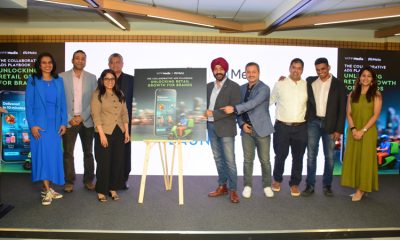
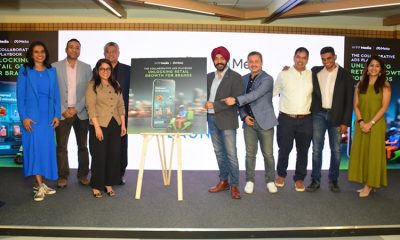
    MUMBAI: Forget discounts and flash sales. India’s next e-commerce boom is getting a luxury makeover. WPP Media India has unveiled ‘Beyond Price Tags: The Power of Premiumization’ in India’s e-commerce boom, a new playbook that argues the future of online shopping is not just digital, but decisively premium.

    Launched in Mumbai, the report sheds light on how Indian consumers are moving beyond price wars and seeking something more lasting: experiences, personalisation, and ethics over mere affordability. The message is clear: value is being redefined.

    Drawing from insights by leading platforms, brands, and experts, the playbook highlights that premium demand is now democratised. Thanks to credit solutions, efficient delivery networks, and the rise of social and quick commerce, premium choices are no longer limited to metro buyers, they’re reaching the heart of Bharat.

    Among its key findings, the report identifies five defining shifts: the democratisation of premium demand; consumers’ appetite for elevated experiences; platform-driven brand reinvention; a cross-category tilt towards feature-rich, design-led products; and the evolution of mass brands into “masstige” offerings.

    To help brands turn insight into action, WPP Media introduces four strategic frameworks: Flash, Vista, Prime, and Rise, each designed to guide discoverability, curation, customer experience, and loyalty building in the digital era.

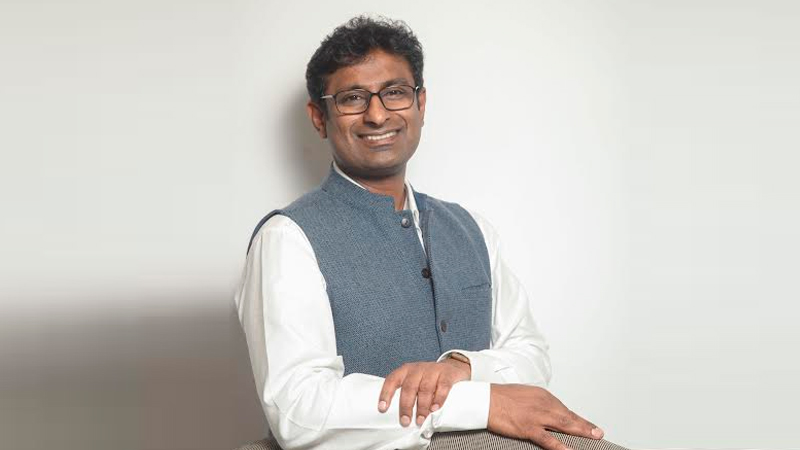
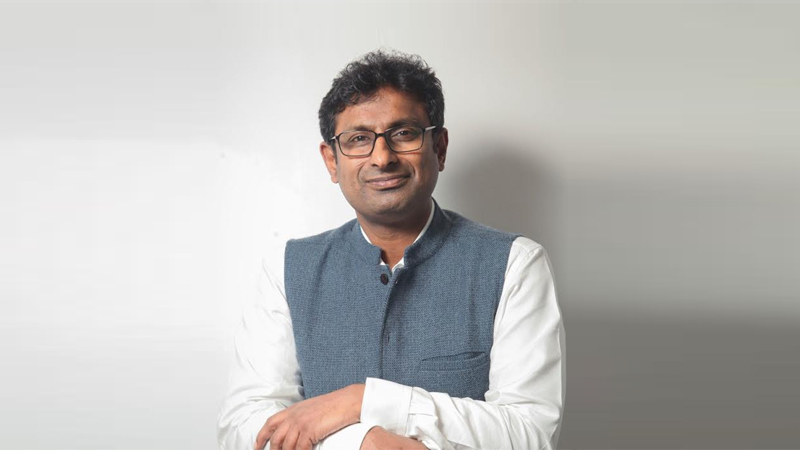
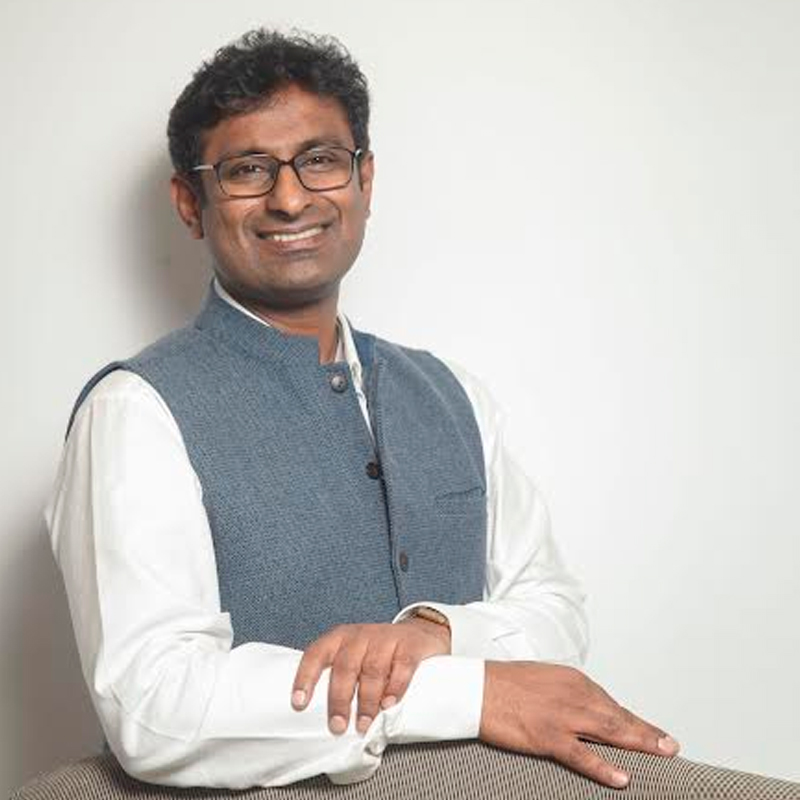
    “At WPP Media, we are constantly at the forefront of shaping the future of commerce,” said WPP Media South Asia COO Ashwin Padmanabhan. “The premiumization trend in Indian e-commerce is more than just a shift in price points, it reflects evolving consumer aspirations and the growing desire for quality, experience, and status.”

    Echoing this, WPP Media India head of commerce Sairam Ranganathan added, “Premiumization marks a pivotal shift where rising aspirations, global exposure, and digital empowerment are redefining how consumers engage with brands. This playbook is not just a guide but a catalyst for growth.”


  • WPP Media South Asia hits reset with new leadership councils and client-first gameplan

    WPP Media South Asia hits reset with new leadership councils and client-first gameplan

    MUMBAI: WPP Media South Asia has officially turned the page on its GroupM chapter with a sweeping leadership overhaul, as it embraces a sharper, integrated model under WPP’s global media reset.

    The network’s new direction was internally announced this week, marking a bold step toward unified media, measurable outcomes, and future-ready innovation across India and South Asia.

    At the core of the transformation is a newly minted Executive Committee (ExCo), led by four presidents of client solutions — Priti Murthy, Ajay Gupte, Amin Lakhani, and Navin Khemka — who will jointly shape strategy, execution, and client delight across verticals.

    Supporting them is Vishandas Hardasani, continuing as chief finance officer, ensuring compliance and commercial rigour.

    In new, focused roles:

    ●    Upali Nag steps in as president – strategy, tasked with steering high-impact client programmes.

    ●    Vishal Jacob takes charge of Choreograph as president, scaling data and tech capabilities.

    ●    Ashwin Padmanabhan, now chief operating officer, will turbocharge execution across media buying, commerce, content, and sports.

    ●    Praseed Prasad, as president, growth & marketing, will focus on emerging categories, SMBs, startups and lead mOutcome initiatives.

    In tandem with the ExCo, WPP Media South Asia also launched the WPP Media Leadership Council (WLC), featuring a high-powered bench including Ajey Mehta, Atique Kazi, Ruchi Mathur, Shekhar Banerjee, Snehi Jha, Vinit Karnik, Manini Chakraborty, Namrata Mehra, Muralidhar T, Parveen Sheikh, and Rohit Sule.

    This cohort will focus on cohesion, culture, and capability-building to ensure WPP Media’s new architecture translates to real business wins.

    Prasanth Kumar continues to lead operations in India and Sri Lanka, anchoring both ExCo and WLC as they execute WPP’s new-age blueprint. A chief people officer appointment is also said to be in the works, hinting at a stronger push towards people-first transformation, learning, and leadership.

    With this structural shake-up, WPP Media South Asia isn’t just repositioning for the AI era — it’s building a battle-ready blueprint for the future of media.

    (If you are an Anime fan and love Anime like Demon Slayer, Spy X Family, Hunter X Hunter, Tokyo Revengers, Dan Da Dan and Slime, Buy your favourite Anime merchandise on AnimeOriginals.com.)

  • Sehgal outlines Prasar Bharati’s future at IAA industry meet in Mumbai

    Sehgal outlines Prasar Bharati’s future at IAA industry meet in Mumbai

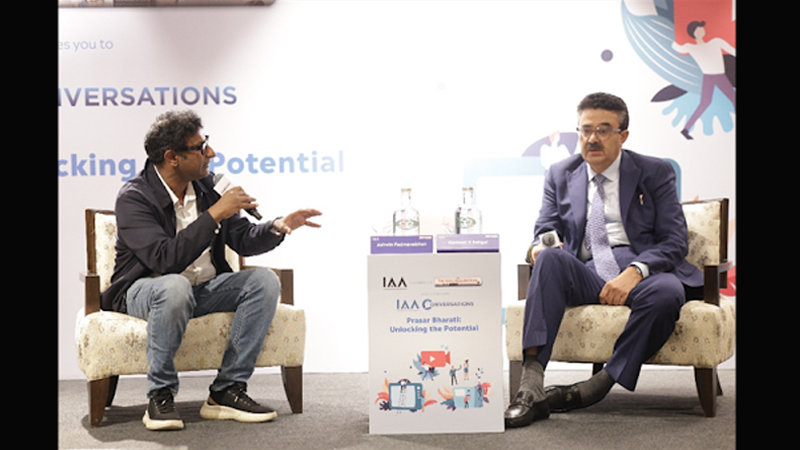
    MUMBAI: From Agra expressways to All India Radio, Navneet Sehgal’s media journey has had one goal, reaching Bharat, better. At the latest edition of IAA Conversations, hosted by the India Chapter of the International Advertising Association (IAA) in partnership with The Free Press Journal, the spotlight fell on Prasar Bharati, chairman Navneet Kumar Sehgal in an engaging tête-à-tête with Groupm COO for South Asia Ashwin Padmanabhan.

    Held at Mumbai’s Taj Lands End, the session welcomed a full house of brand custodians, agency leaders, and media professionals, reflecting the industry’s growing interest in public service media’s evolution.

    IAA India chapter president Abhishek Karnani kicked off the evening by reaffirming the IAA’s 2025 focus “Conversations, Skilling, and Artificial Intelligence” as tools to futureproof the communication ecosystem.

    Described as a legacy administrator with a media mission, Sehgal spoke candidly about navigating the dual identity of Prasar Bharati, a half-government, half-autonomous behemoth with unmatched rural reach and new-age ambitions.

    “With over 1000 transmitters, 36 plus TV channels, and 58 radio stations, our footprint is vast. But our challenge now is agility and relevance,” Sehgal said.

    Some of the initiatives he outlined include, Building a robust OTT platform that unifies live TV, radio, e-commerce, and digital-first content. Launching direct-to-mobile TV broadcasting that bypasses internet requirements. Investing in creator and youth ecosystems through initiatives like Waves, a content summit kickstarted by the prime minister.

    Ashwin Padmanabhan noted that under Sehgal’s leadership, Prasar Bharati had become remarkably collaborative, inviting participation from advertisers, influencers, and platforms alike.

    “This is not a closed-door legacy broadcaster anymore,” he said. “It’s a space where creators can experiment, and brands can build authentic Tier 2 and Tier 3 engagement.”

    Sehgal recounted a memorable storytelling project with Big FM and Nilesh Mishra that used emotion, not explanation, to communicate government schemes. “A good ad commercial or social moves people to act. That’s the power of public storytelling,” he said.

    He emphasised that while public service media often carries the weight of bureaucracy, its evolution must be people-first. “We are not just public. We are people-first. And to stay people-first, we must constantly innovate.”

    The evening closed on a high note, with warm appreciation from the audience, which included advertising veterans, brand marketers, and digital leaders. Special thanks were extended to the IAA team, including Rahul and Heta, for curating a conversation that was more than just a fireside chat, it was a call to reimagine public media for a new India.

    As Sehgal quipped with a smile, “Legacy is not a burden, it’s the launchpad.”

  • Hero Cycles pedals into the record books with ‘Har Gully Hero’ ride-a-thon

    Hero Cycles pedals into the record books with ‘Har Gully Hero’ ride-a-thon

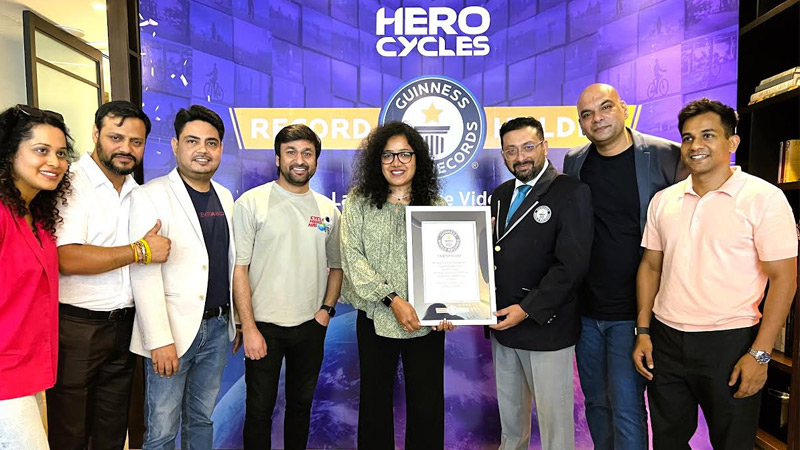
    MUMBAI: Hero Cycles, in partnership with WPP Media and RED FM 93.5, has officially entered the Guinness World Records for creating the largest online video album of people riding bicycles — a high-octane finale to its wildly successful ‘Har Gully Hero’ campaign.

    With over 5,800 verified entries flooding in from across India, the campaign didn’t just clock record views — it sparked a full-blown pedal-powered revolution. Targeted at kids aged 6–14 and their nostalgia-loving parents, Har Gully Hero reignited a national passion for outdoor play at a time when screens are winning the battle for attention.

    Billed as India’s largest cycling movement, the campaign reached over 16 lakh citizens across 23 cities, uniting schools, housing societies, and cricket academies in a massive show of community spirit and wheeled fitness.

    Taking it a gear higher, Hero Cycles rolled out limited-edition IPL co-branded bikes with Royal Challengers Bengaluru and Delhi Capitals. RED FM kept the campaign buzzing with a high-decibel mix of radio activations, an infectious anthem, and RJ-fuelled meet-ups that gave the campaign its signature swagger.

    By blending purpose with pedal power, Hero Cycles didn’t just break a record — it created a movement. And in the process, reminded India that the real playground isn’t a screen, it’s the street.

    Hero Cycles head – marketing, Pallavi Gupta said, “At Hero Cycles, we’ve always believed that cycling is more than just mobility but a movement. With Har Gully Hero, our vision was to bring back the joy of outdoor play, especially for children growing up in a rapidly evolving digital world. Setting a Guinness World Record is a proud milestone, but what truly matters is the impact we’ve made on communities across India. We are full of gratitude for every child, parent, school, and partner who made this possible. This is just the beginning of a larger movement towards a fitter, more active India.”

    WPP Media South Asia COO Ashwin Padmanabhan said,” Har Gully Hero’ is more than a campaign, it is a cultural revival. It’s a celebration of India’s street sport culture and an urgent call to bring movement back into children’s lives. Achieving a Guinness World Record is a proud moment for all of us and reflects the power of purposeful storytelling at scale.”

    He further said, “This campaign not only rekindled the joy of cycling and gully cricket but also showcased how a brand-led initiative can unite a nation through one pedal, one gully, and now, one world record at a time. With Har Gully Hero, Hero Cycles plays a catalytic role in championing outdoor play and physical fitness, proving how brands can shape healthier, more connected communities.”

  • Indian sports sponsorship scores big, nearing $2 billion mark

    Indian sports sponsorship scores big, nearing $2 billion mark

    MUMBAI: The Indian sports sponsorship scene has flexed its muscles, punching through the Rs. 16,633 crore barrier, according to GroupM ESP’s latest Sporting Nation report. That’s a six per cent year-on-year growth, propelling the overall market towards a cool $2 billion. Since 2008, the sector’s seen a sevenfold surge, a proper blinder of a result.

    While cricket remains the undisputed captain, the rise of non-cricket sports is giving it a run for its money. Athlete endorsements have hit an all-time high, leaping 32 per cent to Rs. 1,224 crore. Forget just sixes and wickets, we’re talking about the likes of Neeraj Chopra and PV Sindhu, who’ve spearheaded a 46 per cent hike in non-cricket endorsements. The Olympic buzz has clearly got everyone’s knickers in a twist, boosting emerging sports sponsorships by 19 per cent. Fancy a jog? Distance running alone accounts for a quarter of that, showing India’s keen to get its trainers on.

    GroupM South Asia  chief operating officer Ashwin Padmanabhan reckons industry is  continuing its remarkable trajectory, but the industry is e witnessing a dynamic shift driven by both legacy and emerging sports. “Cricket’s still the cornerstone, but the non-cricket athletes, the Olympic buzz, and the digital revolution are reshaping the landscape. With brands increasingly recognising the power of sports as a platform for deeper consumer engagement, the momentum is undeniable. This is not just growth in numbers—it’s the
    evolution of an industry that is more diverse, digital, and driven by innovation than ever before,” he said.

    GroupM India managing director content, entertainment & sports Vinit Karnik, chipped in, saying,  The
    Indian sports economy has firmly established itself as a high-growth sector, surging 7x since 2008 to near the $2 billion mark. While traditional powerhouses continue to drive momentum, the real story lies in the rise of emerging sports, athlete-driven brand value, and the digital explosion, which alone saw a 25 per cent  jump in media spends. The record-breaking Rs. 1,224 crore  in athlete endorsements signals a shift—brands are betting big on individual icons across sports. As we enter a new era of engagement, innovation will be key in unlocking the next wave of commercial success in Indian sport.”

    Despite a slight wobble in sponsorship growth this year, thanks to IPL and ICC rights resets, the market’s showing its staying power. With digital engagement going through the roof and audience preferences swerving faster than a fast bowler’s out swinger, the Indian sports scene is poised for even more fireworks. It’s a proper scorcher.

  • India’s ad spend set to hit Rs 1.64 trillion in 2025, growing by 7 per cent

    India’s ad spend set to hit Rs 1.64 trillion in 2025, growing by 7 per cent

    MUMBAI: India’s advertising industry isn’t just growing; it’s strutting down the marketing runway like a star-studded campaign launch. The media investment giant under WPP, GroupM has unveiled its latest This Year, Next Year (TYNY) report, forecasting a seven per cent boost in India’s ad market, pumping total spend up to Rs 1,64,137 crore in 2025. That’s a jaw-dropping Rs 10,730 crore more—now that’s what we call an ROI worth bragging about!

    Digital is the undisputed king, now commanding a hefty 60 per cent of ad revenues. As brands compete for attention, they are diving deep into AI-driven marketing, immersive content, and hyper-personalised engagement to stay ahead.

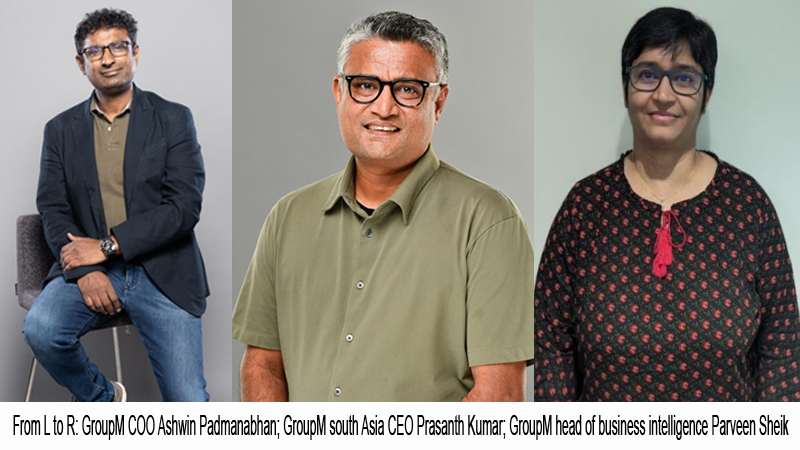
    GroupM south Asia CEO Prasanth Kumar stated, “India is at the forefront of a marketing revolution driven by AI and data privacy. As global ad spend surpasses $1 trillion, India emerges as a top 4 growth market, with digital now accounting for over 60 per cent of ad spend. With a shift to personalised engagement, commerce-driven marketing, and responsible innovation, mixed reality and immersive tech fuel experiential content. While TV remains vital, AI agents are transforming customer interactions, and emerging formats like programmatic CTV and AI-driven retail media are redefining brand-audience connections. All of this positions India for unprecedented innovation and impact in the modern marketing era.”

    TV and digital together are the powerhouses of India’s ad industry, contributing a colossal 86 per cent of total ad spend. Streaming TV is no longer an afterthought either, now making up 12.6 per cent of total TV ad revenue.

    “India’s advertising ecosystem is being reshaped by digital dominance and shifting consumer behaviours,” said GroupM COO Ashwin Padmanabhan. “Key sectors like SMEs, real estate, education, BFSI, and tech/telco—contributing 60 per cent of total advertising—are set to grow at around 10 per cent, further accelerating market expansion. Additionally, rising investments from EVs, fintech, and gaming are fuelling the market’s momentum.”

    Despite economic fluctuations across the globe, India’s GDP is projected to expand by 6.5 per cent in 2025, keeping its advertising sector resilient and strong. GroupM head of business intelligence Parveen Sheik highlighted, “With India’s GDP projected to grow by 6.5 per cent in 2025, its advertising market remains strong, ranking 9th globally. Digital ad spend is now close to Rs 1 lakh crore, driven by AI, commerce, retail media, and hyper-personalisation marketing. As the economy grows, brands must embrace agility, data intelligence, and sustainable strategies to maximise impact in this dynamic landscape.”

    Trends shaping 2025: What’s hot in advertising?

    GroupM’s TYNY report reveals a host of transformative trends set to redefine India’s advertising scene in 2025. Here’s what brands should keep an eye on:

    ●   AI agents take over: Marketing campaigns are being revolutionised with AI-driven customer interactions.

    ●   Immersive experiences explode: Mixed reality, immersive tech, and smartphones are fuelling India’s surge in experiential content.

    ●   Privacy takes centre stage: Data clean rooms are shaping India’s privacy-first marketing landscape.

    ●   Retail media booms: Omnichannel strategies are redefining India’s e-commerce future.

    ●   Quick commerce accelerates: The e-commerce sector is shifting gears with lightning-fast commerce solutions.

    ●   Generative AI rules search: Traditional search and SEO are evolving as AI takes the lead.

    ●   AI influencers rise: Forget traditional celebrities; AI-driven brand storytelling is taking centre stage.

    ●   Chief prompt officers arrive: India’s content marketers are leading a global transformation in AI-driven campaigns.

    ●   CTV goes big: Streaming TV’s rise is ushering in an era of hyper-personalisation and programmatic ads.

    ●   Data privacy & AI converge: New integrated measurement frameworks are addressing fragmentation and privacy concerns.

    With AI shaping every facet of marketing, India’s advertising industry is on an unstoppable trajectory—like a viral ad campaign that refuses to be skipped. Brands that embrace this digital-first, AI-powered landscape will thrive, riding the Rs 1.64 trillion wave of opportunity. Those that don’t? Well, they’ll be the advertising equivalent of a banner ad—ignored, blocked, and eventually forgotten. 

  • GroupM and The Goat Agency unveil top 100 digital stars of 2024 in partnership with Forbes India

    GroupM and The Goat Agency unveil top 100 digital stars of 2024 in partnership with Forbes India

    Mumbai: GroupM, WPP’s media investment group, has announced the third edition of the Top 100 Digital Stars List for 2024 curated by GroupM’s influencer and content marketing solution The Goat Agency, in partnership with Forbes India. This list showcases some of the most influential digital personalities in India, representing various industries such as comedy, fitness, food, technology, travel, social work, beauty, fashion, as well as business and finance.

    With this year’s new selection criteria, the focus will be expanded beyond verified profiles to include all creators, regardless of verified or non-verified status. While verification badges can signify authenticity, the vibrant community of genuine creators, even those without such badges, plays a crucial role in shaping the digital landscape and deserves recognition for their invaluable contributions. Comedy creators dominate the list, with seven out of the top ten recognized for their talent and creativity. Following closely are creators in the tech, travel, and photography categories, which together comprise 50 per cent of the overall list. Taking into account the wider understanding of influence, this shift emphasizes the importance of diverse voices in the creator economy, ensuring that all creators can contribute to the evolving digital narrative and shine.

    GroupM India Goat, business head, Kunal Sawant said, “The Top 100 Digital Stars List for 2024celebrates the diverse and dynamic voices shaping India’s digital landscape Together, we are pushing boundaries to spotlight the country’s most influential creators across platforms. By expanding our criteria this year, we are ensuring a more inclusive and data-driven approach. Our comprehensive, data-driven approach ensures that the true impact of these digital stars is highlighted, reflecting a broader understanding of influence in today’s creator economy.” He added, “Additionally, we are proud to see the GOAT Changemakers—a group of socially responsible creators—continue to be an essential part of the list, aligning with our Responsible Investment Framework.”

    GroupM South Asia COO Ashwin Padmanabhan said, “The third edition of The Top 100 Digital Stars presents a carefully curated, data-driven selection of India’s most influential digital personalities. With a broader understanding of influence, this edition highlights the value of diverse voices in the creator economy, ensuring that every creator has the opportunity to contribute to the evolving digital narrative and be recognized. Our aim is to ensure all creators have a role in shaping the digital landscape and receive the recognition they deserve.”

    A multi-step approach was initiated for compiling this list. Starting with identifying leading creators across nine specific genres by evaluating their engagement rates and follower counts. The selection was then refined to the top 100 influencers through a comprehensive analysis of key metrics such as reach, engagement, impressions, and follower numbers. Goat’s proprietary scoring algorithm was instrumental in this process. This algorithm ranks creators within related categories, types, and audience sizes based on engagement rates.

    Forbes India editor Brian Carvalho said, “Almost everyone wants to be an influencer lately. But what does it take to consistently produce content that’s high quality, trustworthy and engaging in categories from fashion and comedy to technology and travel? The answer lies with those who produce it. And what better destination to find them than the list of India’s Top 100 Digital Stars. Now in its third edition, the Forbes India-Goat study recognises and ranks digital creators who dish out their appealing wares across Instagram, YouTube and Facebook.”

  • GroupM elevates Ashwin Padmanabhan to chief operating officer, GroupM South Asia

    GroupM elevates Ashwin Padmanabhan to chief operating officer, GroupM South Asia

    Mumbai: GroupM, WPP’s media investment group, today announces the  elevation of Ashwin Padmanabhan as chief operating officer for South Asia.

    Ashwin, will now oversee a streamlined structure that brings together GroupM’s  extensive and diversified key practices. This includes Influencer Marketing, Content,  OOH offering and Nexus. Investments, Trading, Partnerships, Motion and Entertainment will continue to be part of his portfolio. Ashwin’s strategic vision will play a pivotal role  in seamlessly integrating GroupM’s diversified services, to develop and deliver a best in-class solution that unlocks value for clients and GroupM.

    As the current President of GroupM Investments, Trading, Partnerships, Motion and  Entertainment Ashwin’s commitment to innovation and process-driven excellence has  solidified GroupM’s position as a leader in client-centric and technically advanced  media solutions.

    GroupM South Asia CEO  Prasanth Kumar said, “Ashwin’s deep understanding of  client requirements and industry ecosystems and his proven track record ensures a  seamless alliance across respective domains. He will continue to drive synergies across multiple practices emphasizing simplicity and consolidation to consistently  deliver outstanding client work.”

    Padmanabhan said, “Clients  today are looking for bespoke operating strategies that help transform their  businesses and GroupM has always been an architect of new approaches when it  comes to its clients. I look forward to working with our teams to drive long-term  success for brands, bringing effectiveness and optimization to our services that  generate enduring impact.”

    Ashwin will continue to be based out of Gurgaon and report to Kumar. 

  • GroupM India’s 2024 TYNY Report unveils surprising trends and insights

    GroupM India’s 2024 TYNY Report unveils surprising trends and insights

    Mumbai: GroupM India has released its annual This Year Next Year (TYNY) report on 13 February 2024. The overall ad revenue is expected to reach Rs 1,55,386 crore in 2024, with an incremental Rs 14,423 crores compared to 2023.

    GroupM South Asia CEO Prasanth Kumar said, “Despite facing macroeconomic challenges, we remain optimistic about the industry. At 10.2% India will be the fastest growing top market. 2024 will also see an upside from the spends leading to the General Elections. Digital particularly retail media and digital extensions of TV are expected to drive the growth. SME continues to fuel the growth. Linear TV is at a point of inflection and needs to be enabled with rapid deployment of technology to stay relevant.”

    GroupM – India president – Investments, Trading, and Partnerships Ashwin Padmanabhan said, “The advertising landscape is evolving with the fragmentation of search, rapid rise of influencer marketing and retail media. Reflecting this, at INR 88,502 crores of the overall INR 1,55,386 crore, digital will contribute to 57% of all ad revenue. Within digital ad revenue, search contributes 22%, retail media 18% and the rest 60%. Sectors like Auto, Realty and Offline Retail are expected to power the overall advertising growth.”

    GroupM India business Intelligence head Parveen Sheik said, “Global advertising presents a steady picture: a projected 5.3% global growth in ad revenue for 2024, reaching $936 billion, with digital leading the charge at a commanding 79% share of all ad revenue. India continues to be ranked 8th globally and its ad revenue growth among its peers is a testament to its potential and resilience. Adaptability is key to navigating an evolving advertising landscape amidst inflation and geopolitical tensions.”

    The GroupM TYNY report also unveiled several evolving trends for 2024.

    Key trends include:

    1   Increasing influence of gen-alpha will drive distinctive marketing strategies

    2   Attention Planning – customising insights for actionability

    3   21% of television homes to be addressable in 2024

    4   Sports to focus on immersive experience journeys

    5   Brand marketing becomes more accountable on performance, breaking silos

    6   Step-up on search

    7   Ecommerce drives deeper into organisations

    8   India’s general & modern trade getting digitized leading to rise of omni channel commerce

    9   Rapid developments in AI will transform media, messaging, and measurement

    10   AI & technology dominate the content landscape & creator economy

    11   Importance of niche consumer segments will power the growth of micromarketing

    12   With consent becoming critical, zero party data will empower various areas of marketing

    https://indgrm.com/TYNY/

  • TV audiences thrive in the face of evolving content delivery: GroupM India’s Ashwin Padmanabhan

    TV audiences thrive in the face of evolving content delivery: GroupM India’s Ashwin Padmanabhan

    Mumbai: Ad spends during the festive season and the ICC World Cup have shown a significant uptick compared to the previous year. Brands are allocating more resources to both branding and performance marketing, indicating a more balanced approach to advertising. The revival of categories that were dormant during the past 18 months is particularly noteworthy. This festive season has witnessed the comeback of commerce, startups, FinTech, and even smaller brands.

    TV advertising remains effective in reaching a wide audience, and the increased number of brands participating in these events bodes well for sustained growth. Overall, the combination of festivals and major sporting events is injecting vitality into the advertising landscape, with a positive outlook for future ad spends.

    In this context, Indiantelevision.com spoke to GroupM India president – investments, trading & partnerships Ashwin Padmanabhan on the trends and the ADEX…

    Edited Excerpts:

    On this year being very interesting the festive season and the ICC World Cup after 11 years, how are marketers and brands seeing this

    This year, there’s a noticeable improvement in sentiment and spending on the ground compared to last year. This is evident in multiple ways. Firstly, the sheer amount of money being spent is significantly higher, even before the peak of the festival season. Secondly, the number of brands engaging in advertising has also increased compared to last year. It’s worth noting that some categories that were dormant last year, like commerce, have made a strong comeback this festive season, driven by a festival-oriented approach. Many startups that were previously inactive have also re-emerged.

    One notable insight is that many of these brands were conserving cash and focusing on performance marketing for the past 18 months. However, the challenge with performance marketing is that when you repeatedly target the same audience, the results and conversions tend to decline over time. The cost of acquiring customers keeps rising, and to address this, brands are now turning to branded campaigns to increase awareness and expand their funnel.

    This shift towards branded campaigns has become more prominent during this festival season. Many brands that were previously not active in mainstream advertising have re-entered the scene across various categories. This includes FinTech companies, Liv space, payment apps, commerce platforms, and BFSI (Banking, Financial Services, and Insurance) firms, all of whom are now focusing on acquiring new audiences and converting them into customers.

    Television advertising has also seen an improvement compared to last year, as it still effectively reaches a large and diverse audience in India. In summary, this festive season is showing positive signs, and the ICC World Cup this year is a significant improvement over last year’s edition, which was largely impacted by reduced spending. Unlike last year, FMCG (Fast-Moving Consumer Goods) brands are continuing to invest in their advertising during the festive season. It remains to be seen how this will reflect in overall growth compared to last year, but the signs are encouraging. This shift towards more branding and advertising is not solely due to the festival; it’s also a recognition that engaging with a broader consumer base is essential, beyond just performance marketing.

    On doing performance-related spends to brands realising that TV also plays a very important role in India

    Brands have long been aware of the importance of television (TV) advertising, but the TV landscape has evolved considerably. When we talk about TV today, it’s not just about traditional cable and satellite broadcasting. It also encompasses the diverse ways content is delivered to television screens, such as streaming through the internet or broadband connections. This expanded perspective on TV recognizes that many viewers have moved away from cable and satellite subscriptions.

    TV remains a significant platform for reaching audiences, and its relevance is expected to grow further. What’s changing is how content reaches viewers and the nature of the audience itself. In the United States, for instance, people no longer differentiate between TV delivered through cable, satellite, or the Internet. This trend is expected to accelerate with the increasing penetration of broadband, especially with the launch of 5G Home by companies like Airtel and Jio.

    The evolving landscape also offers viewers more choices. You can have a single box that provides both internet streaming and traditional satellite channels, making measurement more uniform across linear cable channels, video-on-demand (VOD), and digital linear channels. This transformation in TV consumption is intriguing and signifies that TV is here to stay, but the way we consume it is changing.

    While over-the-top (OTT) platforms are popular, it’s essential to note that linear TV is also shifting towards internet consumption. For example, many news channels now live stream on platforms like YouTube and devices like Samsung TVs, allowing viewers to access the same live content via the internet, bypassing the need for traditional satellite or cable distribution. In essence, the TV audience will continue to grow, but the means by which content reaches them are evolving.

    On the outlook for the third quarter and the final quarter in relation to ADEX and will the spends continue as the IPL will start at the end of March

    The Indian Premier League (IPL) is set to kick off towards the end of the last quarter, and it will undoubtedly attract significant advertising spends. What’s encouraging is the ongoing trend of brands and clients returning to branding-oriented advertising rather than solely focusing on performance marketing. I believe this shift is likely to continue, indicating that many brands that have started spending during this festive season will maintain a presence. While they may not invest in advertising all year round or even for half the year, they will likely allocate budgets for three to four weeks each quarter. Their approach will be strategic, but they won’t completely withdraw.

    Will we revert to the situation we had in 2021? Definitely not. Instead, we can expect a more sustainable and predictable pattern of spending, with more brands participating. Even smaller brands are showing the ambition to invest in prominent properties like cricket and live sports. This is evident from the IPL and the World Cup, where numerous regional, SME, and SMB brands have stepped up their investments in cricket. It’s a positive sign, as it means these brands are willing to allocate incremental advertising budgets, exceeding what they were accustomed to spending. This trend from the festive season is likely to carry over into the fourth quarter. While Q4 typically lacks major festivals, there are still occasions like Pongal and Baisakhi, and before we know it, the IPL will be back. So, except for a potential brief slowdown in mid-February, I anticipate that January, February, and March of 2024 will be even better than 2023 in terms of advertising activity

    On planning for a client, is the spend allocation geared toward TV + Digital or pure digital and does it depend on the brand TG

    Our approach to media planning doesn’t begin with a predetermined allocation of funds to TV, digital, or any other channel because each agency within our group, including Mindshare, Wavemaker, and Essence Media, has its own unique strategy. Instead, we start with the brand’s objectives, considering both branding goals and business metrics, as well as the type of consumer engagement we aim to achieve.

    In today’s complex media landscape, media planning has become intricate and lacks a one-size-fits-all solution. There is no single source of truth that can guarantee specific results for a given budget. Therefore, we focus on a holistic approach. Digital, for example, encompasses various components, such as social media, retail media (commerce), and search advertising, each contributing to different outcomes, often tied to performance goals.

    When it comes to television, we have the added complexity of over-the-top (OTT) platforms, which resemble traditional TV but offer diverse targeting options across different devices, with mobile being a significant channel. Our approach also considers streaming audio, each with its unique measurement systems.

    To begin, we ask fundamental questions: Who is the target audience? Where can we find them? What are the campaign’s objectives? Is the aim to drive immediate consumer action, which can be quantified, or is it about building awareness and excitement around the product or service?

    Strategic media planning now involves addressing these intricacies. It’s not about immediately deciding to allocate funds to TV, digital, commerce, or search. Instead, it commences with a thoughtful consideration of these critical questions.

    On the measurement of digital

    While we may not have a third-party audience system, we do utilize third-party trackers and tracking systems that serve crucial measurement functions. These systems help us assess several key aspects. First, we can determine whether the audience we’re reaching is genuine or if it consists of fake impressions generated by bots or other simulated means. Additionally, we use systems to ensure brand safety by monitoring whether our content appears in a secure environment, preventing it from being displayed alongside objectionable content.

    These tracking systems also enable us to measure impressions and can support compensation models based on targeted impressions. Many of our larger clients insist on compensating only for impressions delivered to their desired audience, which requires the use of these third-party systems to exercise control over our ad investments.

    Moreover, due to the digital nature of advertising, we can establish a feedback loop that connects our efforts to tangible business results. This means that, beyond audience metrics, we can measure the impact on business revenue and the generation of sales leads, which are vital indicators of our investment’s effectiveness. Performance advertising, in particular, centers around these business-focused metrics.

    In sum, managing digital advertising is not a straightforward process. It involves employing multiple tools and collaborating with numerous partners to fulfill our clients’ objectives. While it presents its challenges, it is certainly achievable and offers a wealth of opportunities for delivering on client expectations.