Tag: Ashish Shah

  • Pepperfry & Infra.Market partner to elevate CX and product range

    Pepperfry & Infra.Market partner to elevate CX and product range

    Mumbai: E-commerce furniture and home décor company – Pepperfry and Infra.Market, a construction materials company with its in-house brand Ivas, have announced a partnership to enhance customer experience and expand product offerings. Pepperfry products will be available in Infra.Market stores, while Ivas will be featured in Pepperfry locations, creating a one-stop destination for home needs.

    Starting from October, the companies will launch store-in-store (SIS) formats of Pepperfry in Infra.Market locations in cities including Bengaluru, Hyderabad, Pune, Kolhapur, Sangli, Aurangabad, Alibaug, Panvel, Nagpur, and Nashik. Ivas will also support Pepperfry’s modular furniture segment in stores across Mumbai, Pune, Baroda, Ahmedabad, Chandigarh, and Kolkata. This collaboration will provide a curated selection from multiple brands, allowing customers to visualise and plan their projects effectively.

    Over the next three months, Pepperfry plans to establish more than 20 SIS formats in Infra.Market stores, while Ivas aims to increase its presence in Pepperfry locations.

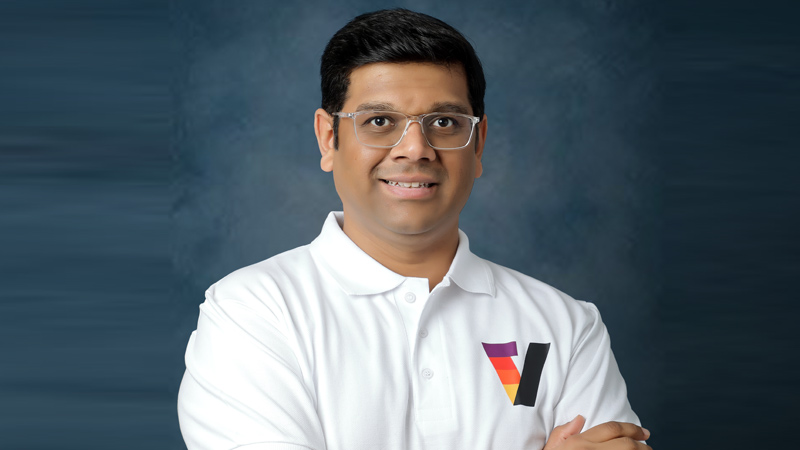
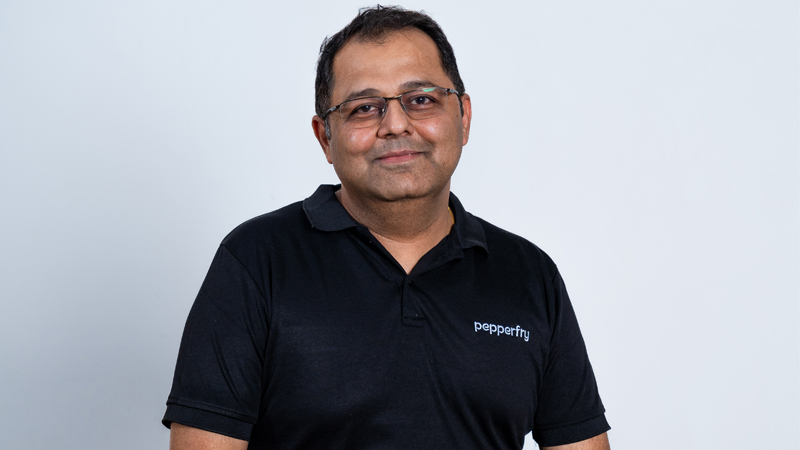
    Speaking about the partnership, Pepperfry co-founder and CEO Ashish Shah said, “This partnership with Infra.Market and Ivas, reiterates our mission to deliver a comprehensive and seamless home solutions experience to our customers. With this collaboration, we can leverage each other’s extensive network of stores and supply chain infrastructure to enhance our offering and provide a one-stop destination for all home needs to our customers – from tiles, custom modular furniture, electricals, paints, sanitaryware to home decor, mattress and furniture, all under one roof. Customers across these cities will now have access to 1,000s of brands and 100s of product categories through a unique omnichannel experience.”

    The collaboration aims to meet the demand for comprehensive home and construction material solutions by introducing dedicated sections in Infra.Market and Pepperfry stores, featuring building materials alongside home furnishings.

    Ivas, backed by Infra.Market, is transforming the home building and renovation sector by offering a wide range of products, including tiles, slabs, quartz, sanitaryware, bath fittings, fans, lighting, appliances, modular kitchens and wardrobes, designer hardware, and laminates.

    Infra.Market co-founder Aaditya Sharda added, “Our partnership with Pepperfry marks a significant step in our commitment to simplifying home building by offering customers unparalleled access to diverse solutions that meet their needs.” He further added, “At Ivas, we understand that homemakers invest their hearts into creating comfortable spaces. Our collaboration with Pepperfry enhances this endeavor by seamlessly connecting high-quality building materials with stylish décor options. Together, we are addressing the diverse needs of homeowners across India by bridging construction and furnishing, ultimately transforming houses into dream homes.”

  • The convergence of digital and physical advertising in a privacy-first world

    The convergence of digital and physical advertising in a privacy-first world

    Mumbai: In the ever-evolving landscape of advertising, the lines between digital and physical mediums are blurring, heralding a new era of integrated strategies. As the founder and CEO of Vertoz, a pioneer in MadTech and CloudTech platforms, I have witnessed firsthand the transformative power of this convergence. Yet, as we embrace these advancements, we must also navigate the complexity of privacy in an increasingly interconnected world. Advertising has been revolutionized in this digital age, giving us more tools for precise targeting and real-time analysis. Even then, traditional forms of advertising – like billboards, print media, and in-store displays remain prominent. The key is to integrate these channels, to create a seamless and engaging customer experience.

    Programmatic Digital out-of-home (PDOOH) advertising is a great example of this convergence. By using data from digital interactions, PDOOH campaigns can adapt messages for specific audiences in real time. Imagine a digital billboard that changes based on the demographics of people walking by, or a store display that syncs with someone’s online browsing history. These innovations show how digital insights can enhance physical advertising.

    However, this integration comes with the need to address privacy concerns. Today’s consumers are more aware of how their data is used and are more protective of it. This shift means we must handle data with transparency, consent, and security.

    At Vertoz, we are dedicated to these principles. Our platforms comply with global privacy regulations as we believe trust is crucial. When consumers feel their privacy is respected, they engage more meaningfully with advertising.

    To succeed in this evolving landscape, advertisers should mainly focus on Transparency, Consent, Data minimization, and security. Advertisers can be transparent by clearly explaining to the customers how they collect and use their data. This in turn builds trust. They must also get explicit consent from consumers before using their data to meet both the legal requirements and consumer expectations. In order to reduce the risk of breaches and to show respect for privacy, advertisers must only collect data necessary for specific purposes. Most importantly, they must employ strong security measures to protect data from unauthorized access.

    The blending of digital and physical advertising offers immense creative and engagement opportunities. Advertisers can create personalized experiences that resonate with consumers by thoughtfully integrating these channels. But these efforts must be grounded in a commitment to privacy.

    The balance between innovation and privacy will determine the success of future advertising strategies. At Vertoz, we’re excited to lead this new era, pushing technological boundaries while maintaining the highest standards of consumer trust.

    The future of advertising lies in harmonizing digital and physical realms. By prioritizing privacy, we can unlock the full potential of this convergence, creating a world where consumers feel valued and engaged. This isn’t just the future of advertising—it’s the future of building trustworthy and respectful audience relationships.

  • Alok Varman rejoins Pepperfry as head of supply chain

    Alok Varman rejoins Pepperfry as head of supply chain

    Mumbai: Pepperfry, an e-commerce furniture and home decor company, has announced the return of Alok Varman as head of supply chain. Alok will be instrumental in further strengthening Pepperfry’s position as India’s leading furniture and home decor company. In his new role, he will focus on optimising the supply chain to ensure a seamless customer experience across all channels. His deep understanding of Pepperfry’s business, supply chain and a proven track record will be crucial in driving Pepperfry’s continued growth by ensuring a seamless customer experience across all channels.

    Alok brings over 23 years of experience in strategic business management, supply chain, omnichannel business and customer experience spanning across sectors ranging from retail, e-commerce to B2B & B2C wholesale marketplace. As a founding team member of Pepperfry, Alok played a critical role in building its strong logistics and warehousing infrastructure. His decade-long association with the brand saw him lead the expansion of the company’s experience stores, making it an integral part of the omnichannel strategy.

    Before rejoining Pepperfry, Alok was the COO at Isho.com, a D2C eCommerce furniture startup in Bangladesh, where he enhanced customer experiences and led the brand’s entry into the Indian market. He has also held notable positions such as VP at Wydr.in, senior manager at Carnation Auto India, and manager of consumer operations at Guthy-Renker LLC.

    Speaking on the new appointment, Pepperfry co-founder & CEO Ashish Shah said, “We are excited to welcome Alok back to Pepperfry. His deep understanding of the business operations and passion for the category will be invaluable as we continue to optimise our operations towards delivering a superlative experience to our customers through our proprietary big box supply chain that reaches 300 cities across the country.”

    Expressing his enthusiasm about his new role, Varman added, “I am thrilled to rejoin Pepperfry at this exciting time and to work under the leadership of Ashish Shah. I look forward to working with the team to further optimise our supply chain, deliver an exceptional customer experience, and continue to drive the growth of Pepperfry with excellence and innovation.”

    Since Alok’s expertise spans across diverse industries, he is known for his ability to identify opportunities, build people-driven and technology-enabled processes, and cultivate value-based businesses. Pepperfry is confident that the newly-appointed head of supply chain’s leadership will drive the company to new heights, reinforcing its commitment to providing exceptional furniture and home goods to customers across India.

  • Inderniel Shivdasani joins Pepperfry as head of strategy and investor relations

    Inderniel Shivdasani joins Pepperfry as head of strategy and investor relations

    Mumbai: Pepperfry, an e-commerce furniture and home decor company, has announced the appointment of Inderniel Shivdasani as head of strategy and investor relations. In this role, Inderniel will be responsible for leading Pepperfry’s strategic initiatives and investor relations.

    Inderniel brings over 13 years of experience in finance, strategy, investor relations, and mergers & acquisitions, having held leadership roles at prominent companies in the consumer tech and healthcare industries. Most recently, he was director – corporate strategy at Cleartrip, playing a key role in the company’s 100 per cent acquisition by Flipkart in 2021. He also served as the chief of staff at Manipal Health Enterprises, where he spearheaded strategy, expansion, and business analysis initiatives.

    As head of strategy & investor relations, Inderniel will be responsible for communicating Pepperfry’s journey and future plans to the investor community, while leveraging the company’s strengths to drive profitable growth.

    Speaking on the new appointment, Pepperfry co-founder & CEO Ashish Shah said, “We are thrilled to welcome Inderniel to the Pepperfry team. His in-depth knowledge and expertise in managing investor relations, strategy, and financial reporting, combined with his proven track record of success in scaling businesses, makes him an asset to our organisation. We are confident that he will play a pivotal role in driving Pepperfry’s future growth and success.”

    Pepperfry’s newly appointed head, IR & strategy – Inderniel Shivdasani added, “I am excited to join Pepperfry at this pivotal moment in the company’s journey. As the category creator of the organized furniture and home decor market in India, Pepperfry has been instrumental in driving the growth of this industry. It is a leading player in the rapidly expanding online furniture and home décor market, and I look forward to working with the team to enhance its investor relations strategy and drive the company’s continued success.”

    Inderniel holds a B.E. in Chemical Engineering from Thadomal Shahani Engineering College, Mumbai and an MBA from T.A. Pai Management Institute, Manipal. He is also a Chartered Financial Analyst (CFA).

    Inderniel balances his professional acumen with a passion for adventure, travel, and sports. His pursuits range from adrenaline-fueled activities like cliff and bungee jumping to challenging road trips. He also enjoys his dose of sports or a run on the beach.

  • Pepperfry reveals 2023 trends with launch of its ‘Home Beat’ Report

    Pepperfry reveals 2023 trends with launch of its ‘Home Beat’ Report

    Mumbai: Pepperfry, the e-commerce platform for Furniture and Home Goods, has unveiled a compelling narrative in its Home Beat Report 2023. Based on all transactions made on the platform from January 1 to December 11, 2023, the Pepperfry Home Beat Report 2023 provides interesting insights into consumer trends as well as the home goods purchasing habits of Indians from different states and cities of the country.

    According to the report, Maharashtra led the demand surge for Furniture and Home Goods among Indian states in 2023. The other states that feature among the top five for buying Furniture and Home Goods in 2023 were Karnataka, Tamil Nadu, Uttar Pradesh, and Delhi.

    In 2023, India witnessed a notable shift in home shopping patterns, revealing a surge in demand for personalized home decor and furnishings. Pepperfry’s comprehensive analysis highlighted this trend, indicating a growing consumer inclination towards enhancing their living spaces. Projections indicate Tier 1 and Tier 2 markets as pivotal growth drivers in the forthcoming 3-5 years, propelled by evolving consumer behaviour and economic advancements. The rapid rise of organized retail in the Furniture and Home Goods sectors underscores the significance of an Omni Channel strategy, pivotal in instilling consumer trust. With an increasing focus on home aesthetics, the Home Goods category is poised for remarkable expansion, fuelled by consumers’ desires to tailor their homes to reflect their personalities.

    Pepperfry chief executive officer Ashish Shah said, “Pepperfry’s Home Beat Report 2023 illuminates the evolving landscape of Furniture and Home Goods consumption, providing a comprehensive overview of consumer preferences in a country as diverse as India. It gives a fascinating insight into the lifestyle of each region and their home décor priorities. The report highlights how consumption patterns and preferences change from one region to another and how India is decorating their Homes.”

    Pepperfry chief category officer Kushal Budhia added, “We are excited to share significant insights gleaned from our customers over the past year. Whether in a bustling Metro city or a Tier-II location, the Indian buyer is making a distinct mark. The diversity in their purchases is truly heartening, ranging from sofas to shoe racks, wall art to dhurries, and home fragrances. As we step into 2024, it will be fascinating to observe the trajectory of these trends.”

    The products that were high in demand in 2023 from among Pepperfry’s more than 50 Furniture categories and more than 120 Home Goods categories were sofas, beds, study tables, office furniture, centre tables, bed sheets, cushions and covers, bath linen, mattresses, and lamps. The diverse range of high-quality products offered by the brand also witnesses impressive sales frequency. Brisk sales of specific products take place every 10, 15, 30 minutes, and hourly intervals, catering to the diverse needs of valued customers.

    When it comes to pan-India appeal, there was a high demand for 2-seater sofas, Queen Beds, Queen-size bedsheets, and office chairs across India. Remarkably, among sofa categories, sofa-cum-beds emerged as the most sought-after product, with a substantial number of purchases recorded in Mumbai, a place where space is precious to come by. Mumbai, ranking third among the top five cities to witness substantial traction in furniture and Home Goods purchases, is leading in several categories.

    Pepperfry, in its 12 years, has gone on to become the largest marketplace in e-commerce Furniture and Home Goods. It is consistently living up to its commitment to excellence and relentless pursuit of making every house a warm and inviting home. With over a lakh listings representing more than 1,000 brands, and a presence in 170 stores across 90 cities, the e-commerce furniture brand is dedicated to serving customers in over 300 cities. The company boasts an impressive, owned supply chain, ensuring timely deliveries to more than 200 cities.

  • GST cut on advertising & smartphones, focus on AI are M&E industry’s expectations from Union Budget 2019

    GST cut on advertising & smartphones, focus on AI are M&E industry’s expectations from Union Budget 2019

    MUMBAI: The interim budget of 2019 bolstered the preface of a ‘Digital India 2030’ with measures to aid the spread of digital technologies in India, getting positive responses from the industry insiders. With the budget announcement for the year today, the industry is now expecting the Modi government to extend the focus on these technologies and a reduction in the tax slab on electronic products to accomplish the digital-first mission efficiently.

    The ad world is expecting a tax cut on ad spends. Madison World executive director Lara Balsara Vajifdar is expectant of a boost to the economy. “Many sectors of the industry are reporting a slowdown, which is not good for the industry in particular and India in general. Hope the budget proposes active proposals to boost the economy. Whilst sops for the weaker sections are necessary, the only long term and sustainable solution is to have a fast-growing economy,” she said.

    Havas Group India CEO Rana Barua says, “Like all industries the media and entertainment industry is also looking forward to some key announcements that will give it a boost this year, like reduction of GST across mediums. An added focus on schemes to increase digital penetration in India (IT infrastructure improvement, fibre optic cable deployment, so that the last mile village also gets digitally connected). Special incentives for certain categories like automobiles, which are huge advertisers but have been seeing a slowdown for the last many months would also help boost these categories.”

    Dentsu Aegis Network CEO greater south and chairman & CEO India Ashish Bhasin wants the new budget to be growth-oriented, which can put more money in the pockets of the rural and urban consumers to propel spending. “Advertising is a very sentiment-driven business in India. Anything that drives GDP growth drives advertising growth even more. In fact, the rule of thumb is that for every 10 per cent growth in GDP, advertising grows by 1.5 per cent.”

    He adds, “Further, there is an urgent need for tax reforms. Direct tax rates for both corporate and individuals need to be brought down noticeably and immediately. GST on advertising at 18 per cent is just too high. It needs to be rationalised at 12 per cent and the process and procedures need to be simplified as they are cumbersome, unproductive and wasting a lot of time.”

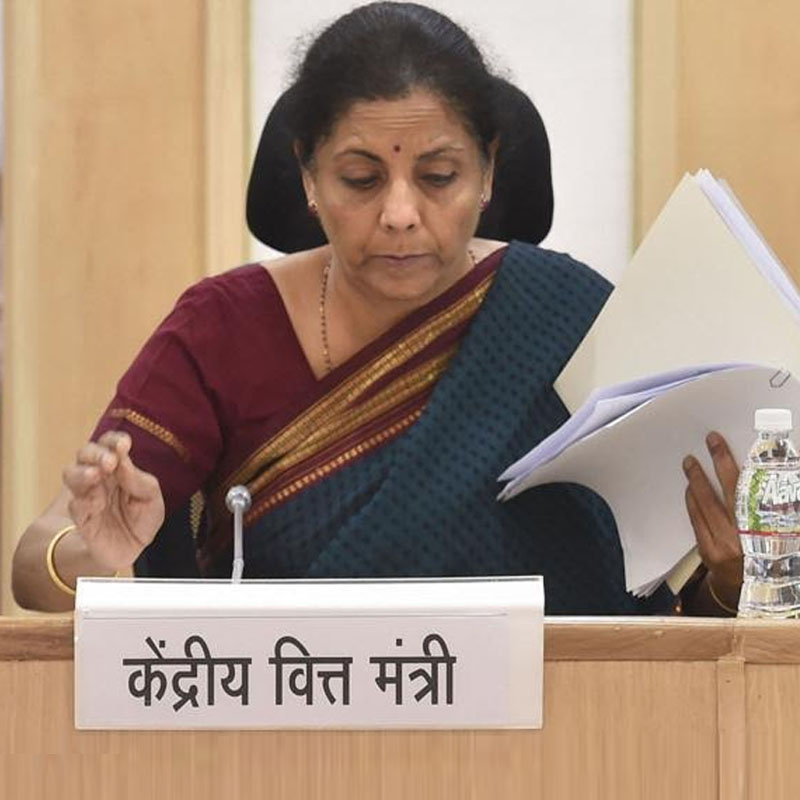
    The broadcasting industry is very positive towards the provisions expected to be announced by Nirmala Sitharaman on 5 July.

    Times Network MD and CEO MK Anand shares, “We expect some clear signals from the government to improve credit growth and investment cycle. There are signs of a slowdown which we expect this budget to address. That includes increased outlay on infrastructure and addressing a distressed farm sector urgently. The new tariff order has a positive impact in the long term. But in the immediate term consumers are complaining of change in price: value equation. There may be a case to look at reducing GST for a year. This will be a great solace to consumers and the industry.”

    BARC India CEO Partho Dasgupta mentions, “Over recent years, the broadcast sector has been experiencing dynamic changes. It has also become an aspirational sector for the youth of this country. Given the nature of the changes and the rising digitisation, we hope the investments by the government will not only result in creating jobs in the M&E sector but will also boost long-term growth for the industry which will also indirectly aide the social fabric of the economy. Additionally, being an insights company that works closely with big data, investments in R&D is an ongoing practice and therefore we are hopeful that provisions for exemptions are made since it will also fuel growth across the sector.”

    9X Media chief revenue officer Pawan Jailkhani says that the overall economic slowdown in the economy for the past 3-5 months calls for rationalisation of GST on advertisers spends, which in turn will help the broadcasting sector. “If the GST (on advertisers’ spends) goes down from 18 per cent to 12 per cent, it will encourage them to spend more,” he said.

    Jaikhani adds, “I also think that there should be some reduction and some relief on corporate tax. Another vertical should be that the government itself should allocate budget for promoting its own schemes and PSUs.”

    He also wants the government to infuse some economic growth steps to turn consumer sentiments positive as advertising is largely based on sentiments.

    Vertoz founder and chairman Hiren Shah is looking forward to newer policies from the government to encourage digital India and smart cities. He adds, “With the current discussions revolving around data security and data localisation, especially the Personal Data Protection Bill 2018 now in the spotlight, India will need to create a better digital infrastructure for the storage of the huge volumes of data. We hope that the upcoming budget encapsulates the importance of better digital infrastructure along with their focus on AI and big data.”

    He expects these moves will directly benefit the digital advertising sector as well, propelling the growth of programmatic as the go-to solution provider for the industry.

    ADOHM chief executive officer Kuldeep Chaudhary also feels the same. “I believe that the presence of technologies based on artificial intelligence can further increase the interaction between consumers and companies. The advertising industry is capable of fostering the growth of other sectors, and they are interconnected. Regarding the 2019 Budget, I hope to see an increase in incentives for the national program in artificial intelligence, at the same time an increase of points of Wi-Fi connection, making it possible to bring new users, then customers, to Indian companies. Also, discuss angel tax provisions in order to bring transparency into the angel funding process, something very important for startups, like us.”

    White Rivers Media chief executive officer and co-founder Shrenik Gandhi adds, “The government has realised the value of investing in digital technology for India to spearhead the ‘Industry 4.0’ globally. Increased fund allocation towards AI, robotics, and machine learning during the interim budget reflected the same. Budget 2019 should now specifically address the application of these accelerators across sectors, be it agri-tech, digi-payments, smart cities or digitised villages. Parallel to Digital India, tax reforms should be looked into to promote mobile manufacturing as it has been a key accelerator of the Make in India program and is also of strategic importance to develop India as a digital superpower."

    Vertoz founder and CEO Ashish Shah is also expecting the GST on mobile phones and laptops to be lowered from 12 and 18 per cent respectively. “Today, a mobile phone is no longer a luxury. It has rather become more of a necessity. Moreover, mobiles and laptops are fundamental digital touchpoints. With the government stressing on transforming India into a “Digital India”, we are expecting the GST rates on these products to be lowered in order to make them more affordable. This will help increase the mobile penetration in rural and semi-urban areas, which will in turn help realise the recently announced vision of digital villages.”

    Gaana CEO Prashan Agarwal is extremely positive of the newly appointed government's vision and efforts to give impetus to the OTT industry in India. “With a greater emphasis on artificial intelligence and lower data costs in the interim budget, this step in the right direction will nudge home-grown brands to launch disruptive products and services. Given the online user-base for music streaming is expected to reach 400 million by 2021, this potential influx of a wider set of internet users will encourage more advertisers to employ OTT platforms for audience segmentation and targeting to drive higher revenue.”

    He too shares the view that provisions to lower GST rates on mobiles, laptops, and related products would translate into more smartphone sales, thus providing significant impetus to Indian entrepreneurs working on digital-first products and boosting our digital economy at large.

    1702 digital group head legal, finance and human capital Aamir Aziz notes, “To make good on the promise of a ‘Digital India’, everyone needs to not only have access to but also be able to afford the services. If the GST rates on mobiles, laptops, as well as other related devices are slashed in this budget, the cheaper prices would be directly proportional to an increase in the sales of these devices and would attract more spending on the digital platforms. Slashing the GST rate is necessary as it would definitely help businesses in times of slow growth rate.”

    Tonic Worldwide CEO Chetan Asher says, “With Modi government’s second term there is hope that the focus on spurring economic growth will be strong. Economic growth will directly affect the growth of the advertising industry. I am also optimistic that we will see a renewed focus on growing digital infrastructure and smart cities. This will lead to faster digital adoption. Lastly, I wish taxation would be further simplified and angel tax is removed completely and there's enough provision to help India become the start-up capital of the world.”

    The industry’s main demand is a GST cut on equipment like mobile phones and laptops to facilitate digital penetration in India and boost growth.

  • WhatsApp ads to test targeted marketing, user readiness and data security

    WhatsApp ads to test targeted marketing, user readiness and data security

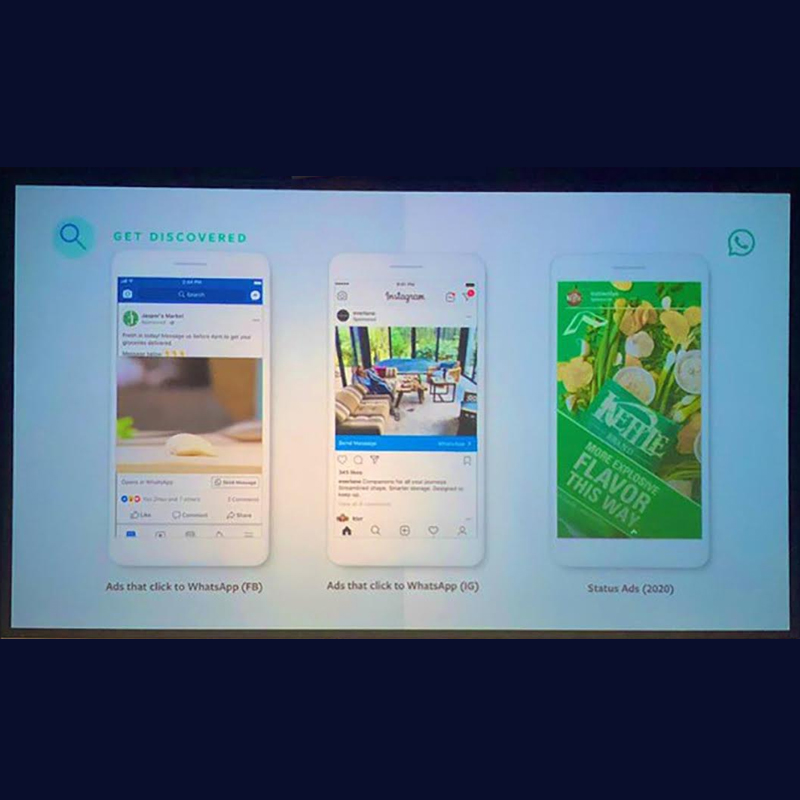
    MUMBAI: Ever since Facebook acquired WhatsApp, people have been expecting the popular chatting app to move towards an ad-based model. Recently, a tweet from an attendee at the Facebook Marketing Summit Rotterdam confirmed that WhatsApp intends to launch ads soon in the status/stories section and will also be connected to its sister sites like Instagram and Facebook.

    This started a fresh conversation around two major topics; are the users ready and what about data security on an ‘encrypted platform’? Indiantelevision.com interacted with some marketing and digital experts and sought answers to these two very pressing questions.

    While users on all social media platforms have become used to seeing ads, a similar pattern on WhatsApp is difficult to follow. As it is a more personalised platform used for chats with close peers, unlike the Facebooks and Instagrams of the world, which people use to follow a global base of users who might not be directly related to them, introducing ads will seem like an intrusion in the personal space.

    ADOHM chief executive officer Kuldeep Chaudhary says, “While the content consuming pattern in the audience is evolving and they are getting used to seeing ads on multiple platforms, having ads on WhatsApp may not be welcomed easily. The reason being WhatsApp has a very large user base in the masses, for whom ads will be an intrusion. This step will see a similar reaction like how it was during the initial days of YouTube ads. While platforms need to take this step from a revenue perspective, audiences are not yet ready for the move as from consumer point of view it is another bombardment from advertisers.”

    Vertoz founder and CEO Ashish Shah also advises brands to be cautious. “Ads showing up on WhatsApp might be looked upon as an intrusion into the users’ private space, considering the highly personal and very private environment of this communication tool. It is imperative for brands to ensure that the ads are non-intrusive in nature and do not irk off the users or disturb their privacy.”

    Though feature ads are going to be a new addition to the chatting platform, WhatsApp has already been active in giving some brands a chance to interact directly with the consumers. Be it delivering e-tickets like MakeMyTrip and BookMyShow do, or sharing timely updates of order deliveries like Ajio does, many brands are active on the platform to offer their customers a more personalised and seamless experience.

    Havas managing director Mohit Joshi notes, “Currently WhatsApp is a great space for two-way communication between the consumer and the brand. Marketers are creating WhatsApp brand profiles and then integrating them with their product/service offering across verticals. Many brands like MakeMyTrip, Ixigo and Milap have already started using this platform as a substitute/addition to email/SMS to connect with consumers once they have interacted with their platform. Currently, there is merit in using the platform more from an ‘owned media’ standpoint.”

    However, any of these activities do not rely directly on the data from the app. But with advertisements from sources that are not connected to the users coming in place, a huge pile of data and information will be required by the advertisers to create a targeted reach. Users, in the past, have moved away from platforms like parent Facebook after cases of data breaches came to light.

    NeoNiche Integrated Solutions Pvt Ltd MD and CEO Prateek Kumar mentions, “WhatsApp has always tried to ensure security between users for their conversations with end-to-end encryption being introduced in 2016. The announcement of ads on the platform seemed inevitable but the true extent of targeted marketing will only be realised after the full release. However, the extent of data shared with companies is probably the most contentious issue in this scenario.”

    Also, getting data out of an encrypted platform seems quite impossible. Carat SVP Mayank Bhatnagar says, “Right now, it (ads on WhatsApp) is just to drive the reach. I will not forward my tickets to anyone else, and thus there is no engagement parameter in place. It is just to help consumers. Once they open the full-fledged advertising solutions, it will be helpful in garnering that reach but I am not sure how will they measure the engagement.”

    However, Chaudhary states that Facebook can access keywords from WhatsApp chats despite encryption being in place. “In spite of the fact that WhatsApp states that they cannot access users’ data due to end-to-end encryption but in order to run targeted ads, access to data specific to individuals is required. Security researchers have pointed out that even with encryption in place, it will be possible for Facebook to derive keywords from people’s messages and use them to impose an ad-targeting model on the app. These ads will be showcased on WhatsApp stories and in-message advertising for WhatsApp business accounts.”

    Kumar further shares, “It seems more likely that while chatting with other users, WhatsApp will showcase ads of particular brands that might be most relevant to you depending on the topic of conversation or particular keywords. One of the best-case scenarios for users would be if sponsored ads were only displayed after the use of keywords or syntax based content to drive clicks where individual, demographic and chat-based data would not be shared. However, understanding the growing prominence of target marketing and its effectiveness in the digital world, the on-ground scenario may differ greatly.”

    Another way to access relevant data could be through telecom companies, as shared by RK Swamy BBDO president and director Sangeetha N. She notes, “Telecom companies do provide data based on gender, age, make of phone, average billing per month, location, post-paid/pre-paid, etc. While we’ve used this data in the past to send out SMS’es, we can surely use the same data to send out WhatsApp messages.”

    Shah vouches on the importance of programmatic methodology to drive successful ads on WhatsApp as he notes, “WhatsApp can build the users’ profile using the information gathered directly from the platform and elsewhere. If WhatsApp is using programmatic advertising, then it will be the smart choice for these requirements. Programmatic advertising uses Data Management Platforms (DMPs) that help advertisers to analyse, process and structure the user’s data. DMPs can be used to get relevant audience profiles and to deliver personalised and relevant ads to them. Further, using the different targeting options like interest-based targeting, behavioural targeting, contextual targeting and many more, advertisers can deliver relevant and targeted ads to their customers on platforms like WhatsApp.”

  • Programmatic advertising and political campaigns: The Mahagathbandhan for general elections 2019

    Programmatic advertising and political campaigns: The Mahagathbandhan for general elections 2019

    MUMBAI: Programmatic advertising is revolutionising the advertising industry. Programmatic ad spends accounted for a whopping 90 per cent of total spends by Fortune 500 brands worldwide in 2017 and has evidently taken centre stage of the digital advertising industry today. The ecosystem is on a steady rise in India as well and a number of brands are leveraging the reach it provides them within the consumer heartland based on efficient integration of their products via automated processes using codes and algorithms.

    With the general elections just a few months away, the political parties are also using this trend to attract the voters to their vote banks. Indiantelevision.com interacted with a few industry insiders to understand what programmatic advertising means to the political parties and what impact it may or may not have on the upcoming polls.

    Why programmatic?

    “Through the use of its unique targeting capabilities and advanced data crunching techniques, programmatic advertising is the perfect solution for politicians to reach the right voters. Voters can be targeted as per different criteria like – gender, age, location, party affiliation, political ideals, financial status, ownership, business, education and so on. Programmatic advertising facilitates crafting a data-driven campaign strategy. This helps to reach only those voters that have a possibility to vote in favour. This helps to reduce inefficiencies and bloated campaign budgets,” says Vertoz founder and CEO Ashish Shah

    He further adds, “Geo-targeting can be used to reach out to the voters of a particular region with a highly relevant and effective message. Dynamic Creative Optimisation (DCO) can enable adjusting the campaign creatives on the go in real-time, dynamically changing the copy as per their interests and affinities or for retargeting them.”

    iCubesWire founder and CEO Sahil Chopra gives the example of the previous general elections in India where current Prime Minister Narendra Modi made exceptional use of Twitter and other digital mediums to connect with his supporters. He said, “During the previous Lok Sabha elections in 2014, the digital medium was touted as an efficient and effective way by most of the political parties of India. In fact, when the election results were out, Mr. Modi didn’t declare his victory over the television, or even before his supporters. He chose to tweet about it. This message became one of the most retweeted messages in India, receiving more than 70,000 retweets. Such is the potential power of digital.”

    Similar thoughts are reflected by Ashish Shah as he notes, “Reaching out to the voters on digital platforms assumes supreme importance and has become a major aspect of political campaigns. Trump’s victory in the 2016 US presidential election was largely attributed to its digital campaigns. Closer home, digital media played a significant role in BJP’s landslide victory in the 2014 Lok Sabha elections.”

    He further adds, “With rising technological advancements, Indians are spending more and more time on digital media surfing the internet. As of 2018, India had about 500 million internet users, as per a report by the Internet and Mobile Association of India (IAMAI) and Kantar IMRB. The number of urban users accessing the internet daily stands at 295 million, while in rural areas the number stands at 186 million. Further, with affordable handset prices and low-cost data penetration, they are spending more and more time on mobile. Thus, reaching out to these voters on digital platforms assumes supreme importance and has become a major aspect of the political campaigns.”

    Highlighting the core benefits of incorporating a programmatic approach to political advertising, Logicserve Digital co-founder and CEO Prasad Shejale notes, “Since programmatic advertising offers hardcore and precise consumer behavioural insights, even politicians have realised the distinctive importance of this and have started implementing the same for their election strategy to target voters based on the analysis done. Political parties target and plan their election campaigns by specifically addressing their issues and pain points analysed through this form of advertising, and increase awareness and influence potential voters. This automates the bidding process and delivers ads to match their voters’ criteria.”

    What role can programmatic play in the upcoming Lok Sabha polls?

    The biggest democracy of the world, India is all set for its Prime Ministerial polls, which are scheduled to happen in April-May. All the political parties will be putting their best feet forward in alluring the voters to their camps.

    According to the contribution report that BJP filed with the election commission post the 2014 polls, the BJP spent Rs 714.28 crore on election campaigning, the major chunk of which went on to media promotions. Digital accounted for a massive chunk of this expenditure and certainly the results reflected the power of effective poll advertising. This year, the expenditures are only expected to grow and with its manifold benefits, programmatic will surely play an important role in the process.

    Speaking about what could be the trend in the upcoming elections, Chopra contends, “It is certain that the digital medium will be used again in a big way during this election period. Industry estimates suggest that there will be a rise of 15-18 per cent of spends in 2019 during elections and cricket period; wherein programmatic will also be a beneficiary amongst other mediums. Precise targeting, wider reach options, and transparency will be one of the reasons advertisers will embrace programmatic as one of the mediums to create awareness and reach out to people.”

    While it definitely is a powerful tool to woo the voters, the trend of programmatic might have some repercussions in maintaining the sanctity of the voting process in a democracy. Fake ads, delusional narratives, and targeted approach might potentially impact the election results. While the industry doesn’t comment much on the greater impact, it contends for the need for transparency and cautiousness while executing such campaigns.

    Shejale says, “Well, it’s difficult to make an exact statement about this. I wouldn't be able to comment on whether programmatic will play a decisive role since multiple factors contribute to the decision when it comes to political campaigns. But yes, programmatic can help enhance the efficiency and efficacy of the campaigns. It's the responsibility of advertisers and agencies to have responsible marketing in mind since the consumers, over time, read through if there is any wrongdoing.”

    Shah continues the same trail of thought as he states, “One needs to be cautious of issues concerning brand-safety and wrong ad placements. If one is not careful, this can wreak havoc on the campaign. Also, problems like transparency and ad frauds have to be considered. These can leech off the campaign budgets and have a detrimental effect on all the efforts. Campaign managers should ensure that they partner with a programmatic platform which has the right mechanisms to protect the campaigns form such problems. It is advisable to on-board a platform that has brand safety, ad fraud detection, and ad fraud protection mechanisms and provides a good level of transparency.”

    “Many parts of our country especially the tier 2 and 3 cities are experiencing digital transformation. Thanks to low data rates and widespread availability, more and more people from smaller parts of our country are getting acquainted with the vast plethora of possibilities of the digital realm. A recent study by Google stated that the consumption of YouTube on mobile devices has increased by almost 400 per cent and 60 per cent of the total watch time is outside the top 6 metropolitan cities. 70 per cent of internet users from these cities are bypassing desktop and are using mobile for accessing the internet. Any strategy which is made in mind keeping a mobile-first approach will definitely be beneficial for the brands (political parties). Like any other medium within the digital portfolio, programmatic needs to be used in a constructive way,” mentions Chopra.

    While political parties and agencies are advised to be watchful in their conduct while creating political ads, platforms like Google and Facebook are taking their own steps to ensure that the election process remains fair. Ashish Shah shares, “Facebook – the social media giant – has taken notice of it and has recently announced a special offline verification policy for the 2019 General Elections. Google also said that it will introduce an India-specific Political Advertising Transparency Report and a searchable Political Ads Library to provide information like who is purchasing election ads on its platforms and the amount of money being spent.”

    Thus, while programmatic is going to be one effective and sought-after tool in poll promotions, the parties, as well as the advertisers will have to be sensitive about what they put online. At the end of it, the voters are smart and can read through the campaigns that might be malicious or false.

  • Guest column: Remarketing and its significance for brands

    Guest column: Remarketing and its significance for brands

    MUMBAI: Remarketing is a smart marketing strategy that enables brands to identify and target those specific customers who have visited the brands’ website but may not have made an immediate inquiry or purchase. They do, however, present an opportunity for a possible conversion, as they have already shown interest in the products and services by visiting the website. Remarketing also includes reaching out to the existing customers and retaining them by promoting various offers. It is a widely used strategy and one of the most popular ones in e-commerce today.

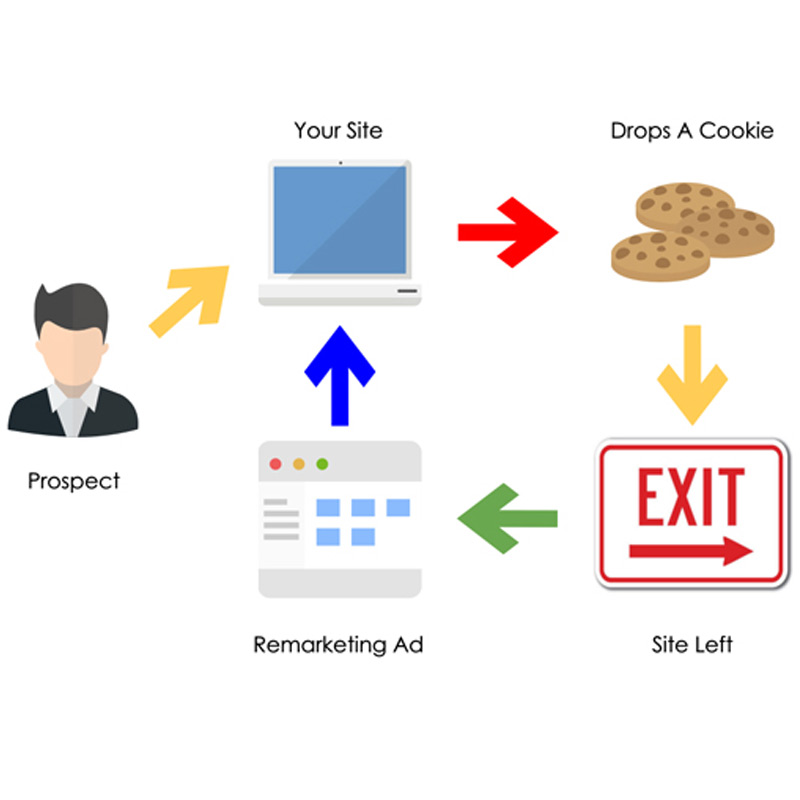
    For this, brands would have to place a remarketing tag on their website. Though it is possible to place these tags on each and every page of their website, it makes more sense to have these tags placed on certain specific pages to target a specific type of customers. For instance, the customers who have abandoned their carts, the ones who have saved the products for later or have had any sort of interaction with the website qualify better for retargeting, as compared to others. When the customers visit these pages, which have the remarketing tag, a cookie will be placed in their browser. This cookie will trigger the ads and display them on other sites where they browse.

    Brands can go a step further by using techniques such as dynamic remarketing and dynamic creative optimisation (DCO). Dynamic remarketing lets them dynamically target the customers as they browse the internet. Dynamically retargeted ads show content based on a customer’s profile, such as the product that has been viewed or added to the cart.

    DCO lets one dynamically change the elements of the ad creatives such as image, price, product description and call to action. It can also switch the ad copy that is being displayed. This increases the chances of customers zeroing in on that particular brand during the time of purchase, increasing the conversion rates.

    In addition to dynamic retargeting and DCO, there are various other techniques for retargeting. One can use cross-device retargeting, which enables displaying the ads to a specific user across multiple digital devices such as mobiles, tablets, laptops and desktops. It enables brands to retarget an ad on one device, knowing that the customer has seen an ad or visited their site on another device. Multi-channel retargeting can also be used for displaying ads via different channels like banner, video or text.

    Advertisers, however, have to be cautious. Retargeting involves the use of consumers’ data and, hence, advertisers have to consider the legal policies and data privacy regulations applicable in various regions across the globe. Thanks to recent developments, data privacy regulations are getting even more stringent in the European Union (EU) and this will affect the way and extent of retargeting that can be done in this region. The EU General Data Protection Regulation (GDPR) is all set to change the previous regulations and will impose more restrictions on companies for using the personal data without the consent of consumers residing in the EU. This can make the situation a bit tricky for advertisers. Brands will have to work their way around this cautiously.

    Remarketing has multiple advantages which will help to boost up the marketing strategy. For instance, a majority of the website visitors leave without converting. But these are valuable customers for the business, and letting them go is a huge blunder. This is where remarketing comes in. It lets brands follow these potential customers on other sites and re-engage with them. Remarketing lets brands display highly relevant ads to an interested audience.

    Instead of delivering ads to everyone, retargeting lets brands show ads only to the people for whom it is sensible. This actually helps to retain money in models like CPM, which are most commonly used. Also, remarketing is one of the best ways for customer retention. Acquiring new customers is always nice. But, it is important to bear in mind that it is also 7 times costlier than retaining the ones who are already aware of the brand.

    Remarketing also helps to create a better brand awareness and brand recall. On an average, one only gets a fraction of a second of the customers’ attention span. It is difficult to make an impact on their minds in such a tiny sliver of time. Therefore, it is crucial that brands retarget them in order to create lasting impressions in their minds. This increases the chances of them coming back to them while actually making the purchase and directly reflects on the brands’ conversion rates. It increases the campaign effectiveness and can also improve the RoI.

    Remarketing helps to target the visitors to a brand’s competitor sites as well. The ads are displayed when the customers are still in their search phase of the purchase cycle. The remarketing ads will be shown to the customers when they search a particular keyword. This also includes people who may visit a brand’s competitors’ websites that have returned results relevant to that brand’s products and services.

    Retargeting is a largely beneficial marketing technique and it is highly recommended that brands employ this in order to obtain the array advantages it brings along. This is a simple technique but offers multi-fold returns.

    public://Ashish-Shah,-Founder-&-CEO.jpg

    The author of the article is founder and CEO of Vertoz. The views expressed here are strictly his own and Indiantelevision.com may not subscribe to them.


    Also Read:

    GUEST COLUMN: From Juggle To Juggernaut: Localising content for India

    Guest column: Taking Indian content to the global market

    Guest Column: The comeback of full-service agencies in India

  • BARC EKAM: Learning online behaviour & ROI from specific campaigns will be easier, industry says

    MUMBAI: BARC India has announced the phased roll-out of its much-awaited digital measurement service. The digital products will be launched under the brand name EKAM (Sanskrit for “One”). The EKAM suite of products will include: EKAM Pulse, EKAM Beam, EKAM Stream, EKAM Ad-Scan and EKAM Integra.

    EKAM Pulse will measure video ad campaigns and will be the first digital offering to be rolled out by BARC India. EKAM Beam, the next product lined up for release, will measure linear broadcast that is viewed on a Digital device. EKAM Stream, will measure both non-linear and pure play digital video content. BARCIndia will also provide industry with EKAM Ad-Scan – which will be a global first-of-its-kind product.

    EKAM Integra – will help industry with common, robust and independent audience numbers that will give more accurate incremental reach figures. To do this,BARC India’s TV data will be tied with Digital Video data with the help of Single-Source and Digital Booster panels on top of the census measurement and big data.

    www.indiantelevision.com spoke to a cross-section of the industry on the new yardstick. Here are the views of Spuul Global CEO Subin Subaiah and Vertoz CEO Ashish Shah.

    Was it eagerly awaited? How do you see it?

    Subin: Its early days , but here are my thoughts. We’re a media – tech company, and any innovations with regards to technology are always welcome. We have been looking forward to the introduction of a tool that would be a standard in measuring viewership and consumption, since currently different service providers have their own methods of measurement, and everyone’s parameters for a successful campaign are defined differently.

    Which are the other methods you have been using?

    Subin: Currently, we use tools developed internally by our data and R&D teams. It’s been a foolproof system so far, and we rely heavily on this when we schedule our content and advertisements. Having said that, we’re looking forward to standardise the way online impressions are measured.

    How would BARC’s EKAM help? What would be you suggestions?

    Subin: We see EKAM creating a standard of sorts, especially when service providers are in the midst of negotiations with regards to content, or even advertising real estate. We know the value of our content, the value of our real estate, and we would like to know whether the placement of advertisements affect overall viewership or not, and how, and this will help advertisers get on board too. If the parameters are the same across the industry, it leaves no room for doubt with regards to value of real estate, or advertising malpractices.

    How would it give a fillip to the ecosystem?

    Subin: The most important, and most challenging aspect of our business today is knowing our consumer. There is always so much that we do not know about the person we’re trying to provide entertainment for. With EKAM coming in, learning the habits, online behaviour, and other viewership trends of our consumers will become far easier, thereby helping us create a better, more user friendly product, one that the consumer has been looking for.

    Leading programmatic company Vertoz founder & CEO Ashish Shah says: Since 2015, consumption of video content has increased tenfold. This year internet is being consumed maximum for online videos, news, live streaming shows & events, etc. Advertisers are leveraging this change in user behavior to increase brand awareness and brand engagement. As the internet has become much faster compared to a decade ago, advertisers are rolling out video ads more and surprisingly consumers/users are responding positively to these ads by engaging more with these ads compared to image display ads. Video display ads, in-video ads and other engaging video ad formats are very popular among advertisers as CTR and engagement rate is high.

    Current issue – The vital factor of any video advertising campaign is granular reporting. Almost all video advertising platforms give in-depth reports like number of video views, geos, average video watched time, video percentage watch, etc. Sometimes it is difficult to manage multiple platforms as all platforms might be targeting similar audience set, but as a marketer, there is no way to find out or know who has seen the ad from which platform as there is no provision to sync all these platforms together. A major issue for marketers is not online video platforms, but television. Marketers spend 15 to 20 times more on television ads as it is a main ATL medium to reach large audiences at a much lesser time.

    A number of video broadcasting companies are focusing on their platform and audience but EKAM by BARC will help significantly in the growth of the video industry as it focuses on measuring the industrywide trends and industry-specific needs.

    EKAM by BARC will help to measure linear broadcast as well as non-linear broadcast. The suite of products will help marketers to calculate the ROI from specific video campaigns as both linear and non-linear video broadcasting will be measurable now. It will help, not only advertisers but also video content creators to understand the success of their video content. This platform can give insights about audience, geo, reach and frequency which will be a great deal for publisher/content providers.